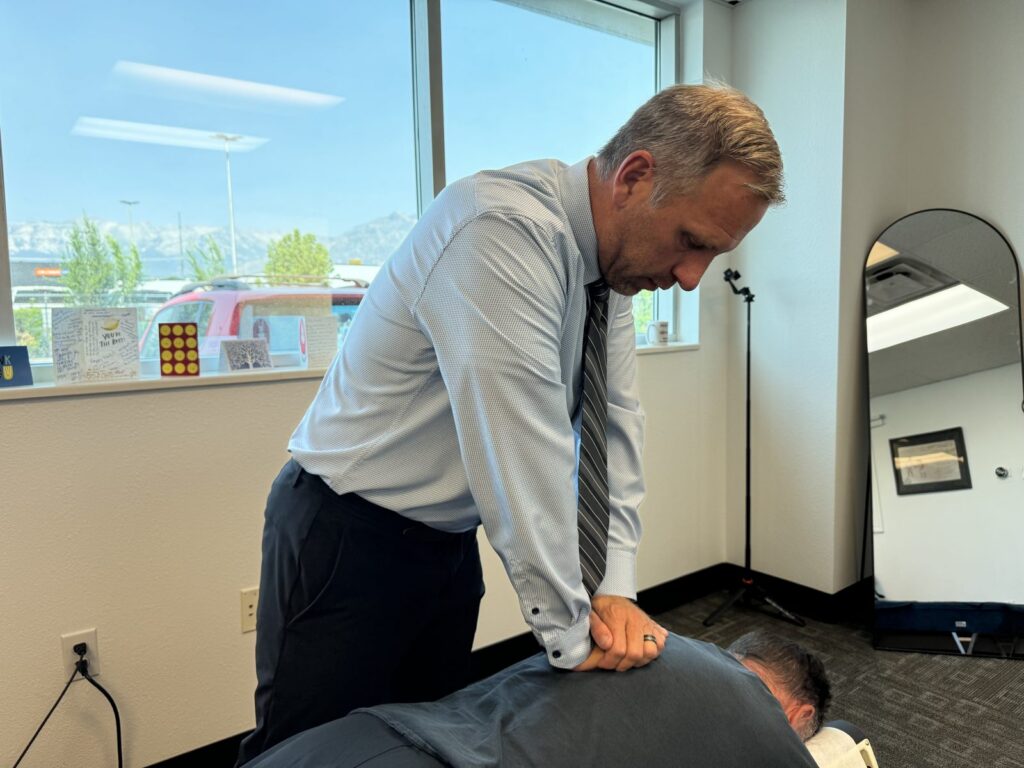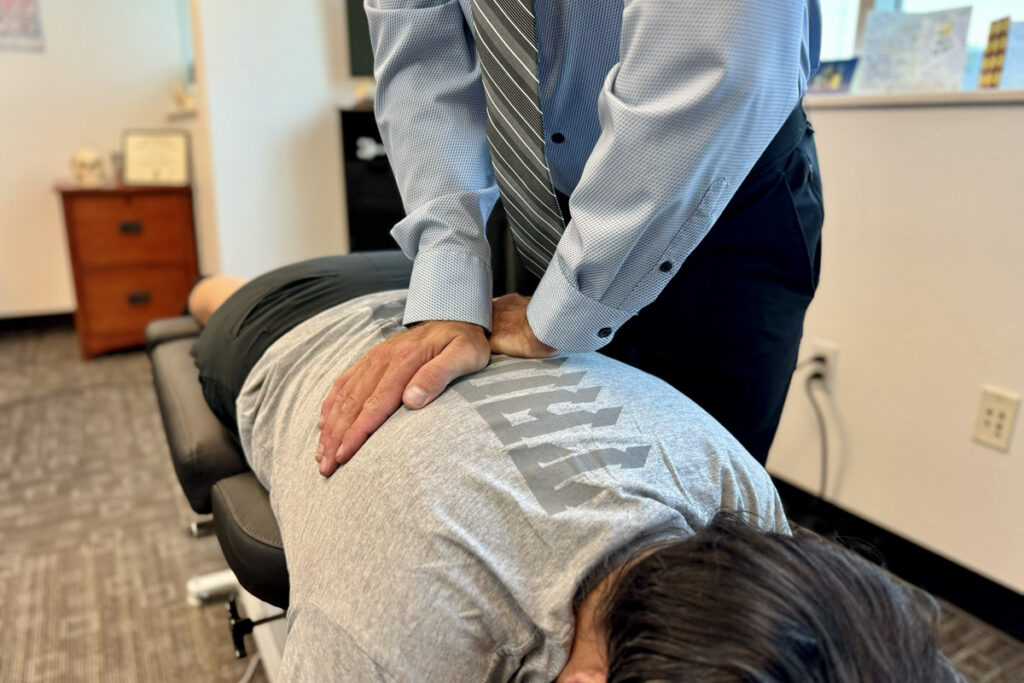
As a local chiropractor, I often encourage my patients to explore the wisdom of ancient cultures when it comes to finding relief for back pain. Many historical remedies provide valuable insights into holistic wellness that modern treatments can sometimes overlook. Techniques such as herbal remedies and various physical therapies demonstrate a profound understanding of the body and its needs.
Have you ever thought about how these time-tested methods might help you find the relief you’re looking for? By integrating some of these traditional practices with chiropractic care, we can create a comprehensive approach to managing your back pain. Let’s take a closer look at the rich history of back pain remedies and how they can complement your journey to wellness.
Ancient Herbal Remedies
As a local chiropractor, I often see patients seeking relief from back pain, and I want to share some insights about the natural healing solutions that have been used for centuries. Many cultures turned to herbal remedies to alleviate pain, and you might be surprised by the variety of options that have stood the test of time.
For instance, ancient Egyptians utilized juniper berries for their anti-inflammatory properties, while the Greeks found relief with willow bark, which is known for its pain-relieving effects. In traditional Indian medicine, turmeric gained popularity for its ability to reduce inflammation and promote healing. Similarly, Native American traditions valued herbs like devil’s claw for their soothing qualities.
These remedies often came in the form of teas, poultices, or tinctures, each designed to target pain effectively. As you explore your options for managing back pain, consider incorporating some of these ancient herbal practices into your routine.
Traditional Chinese Medicine Approaches
As a local chiropractor, I want to share some valuable insights on managing back pain through natural healing methods.
One effective approach is acupuncture, a technique that can help stimulate healing in your body. Alongside this, herbal remedies can offer you natural relief from discomfort.
Additionally, incorporating Qi Gong practices into your routine not only enhances your overall well-being but also works to strengthen your back.
Acupuncture Techniques and Benefits
As a local chiropractor, I want to introduce you to the benefits of acupuncture, which is a fascinating aspect of Traditional Chinese Medicine that can complement your chiropractic care, especially for back pain relief.
This technique involves the insertion of fine needles at specific points on your body to help restore balance and support your body’s natural healing processes.
Acupuncture works by stimulating your nervous system, which in turn can release endorphins—your body’s natural painkillers—and improve blood circulation.
Many patients I’ve worked with have reported experiencing less pain and improved mobility after just a few sessions, which can significantly enhance the effectiveness of chiropractic adjustments.
Additionally, acupuncture can be beneficial for reducing stress, a common contributor to back tension.
It’s important to seek treatment from a qualified practitioner who can provide personalized care tailored to your individual needs.
While responses to acupuncture can vary from person to person, many find it to be a valuable tool in their overall back pain management strategy.
Herbal Remedies for Relief
As a local chiropractor, I often discuss various options for managing back pain, and I want to introduce you to the benefits of herbal remedies, particularly those rooted in Traditional Chinese Medicine (TCM). TCM emphasizes the importance of energy balance in the body and utilizes a diverse range of herbs to help alleviate pain and foster healing.
For instance, one herb you might hear about is Jiaogulan. This herb is known for its ability to enhance circulation and reduce inflammation, which can be particularly beneficial for those dealing with chronic pain.
Another herb, Du Huo, is specifically recognized for its effectiveness in relieving lower back pain.
Additionally, you might want to explore the combination of ginger and turmeric. Both of these herbs have powerful anti-inflammatory properties that can aid in reducing pain and swelling. You can easily incorporate these herbs into your routine by brewing them into soothing teas or opting for them in supplement form.
However, it’s crucial to consult with a qualified practitioner before starting any herbal remedies. This will ensure that you choose the right options tailored to your individual needs and help avoid any potential interactions with other treatments you may be receiving.
Qi Gong Practices Explained
As a local chiropractor, I want to introduce you to the transformative practice of Qi Gong, which is an integral part of Traditional Chinese Medicine and can significantly enhance your overall health and help manage back pain. This ancient discipline combines gentle movements, mindful breathing, and focused meditation to promote the flow of energy throughout your body, allowing for deep relaxation and healing.
Incorporating Qi Gong into your routine can be beneficial in many ways. Simple exercises, such as “Standing Like a Tree” or “The Eight Pieces of Brocade,” are excellent starting points. These movements not only help improve your posture and balance but also calm your mind, which is essential for holistic healing.
Regular practice of Qi Gong can strengthen your core muscles, increase your flexibility, and reduce tension in your back, complementing the chiropractic care you may receive.
Ayurveda and Back Pain Management
As a chiropractor, I want to introduce you to the fascinating world of Ayurveda, which offers natural solutions for back pain relief while also promoting overall wellness.
This ancient system of medicine utilizes powerful herbs that can help alleviate discomfort in your back. Additionally, incorporating certain lifestyle practices into your daily routine can significantly enhance your healing process.
Let’s dive into these holistic techniques and see how they can effectively aid in managing your back pain and improve your overall well-being.
Ayurvedic Herbs for Relief
If you’re experiencing back pain and are interested in natural healing methods, I’d like to introduce you to some Ayurvedic herbs that can complement your chiropractic care.
For instance, turmeric is renowned for its anti-inflammatory properties, making it a valuable addition to your diet. You can easily use it as a spice in meals or mix it into warm milk for a soothing drink.
Another herb to consider is ashwagandha. This powerful adaptogen helps alleviate stress and muscle tension, which can be particularly beneficial in promoting relaxation and enhancing your overall wellness. You can take it as a supplement or mix the powder with water for a quick boost.
Additionally, Boswellia, commonly known as Indian frankincense, has been shown to support joint health and alleviate discomfort. Creating herbal pastes or brewing teas with these ingredients can be a wonderful way to integrate them into your healing routine.
Lifestyle Practices for Healing
As a local chiropractor, I want to share some valuable lifestyle practices that can significantly enhance your journey towards managing back pain through natural healing.
Embracing these holistic habits can support your body’s innate ability to heal itself. Here are three essential practices to consider:
– Gentle Yoga: Incorporating gentle yoga stretches into your routine can be incredibly beneficial.
These movements not only improve flexibility but also help strengthen your back muscles, which can lead to a reduction in pain over time.
– Nutrient-Dense Diet: Adopting a balanced diet that emphasizes anti-inflammatory foods is crucial.
Foods like fresh fruits, vegetables, and whole grains can help lower inflammation and promote overall wellness, supporting your recovery process.
– Mindfulness and Meditation: Engaging in mindfulness techniques and meditation can be immensely helpful for stress reduction.
Since stress often contributes to muscle tension and pain, these practices can play a vital role in alleviating discomfort and promoting relaxation.
Folk Remedies From Around the World
As a local chiropractor dedicated to your overall well-being, I often emphasize the importance of exploring various methods for alleviating back pain beyond conventional treatments.
Many cultures worldwide have developed folk remedies that have been handed down through generations, and they can complement your chiropractic care.
For instance, in India, turmeric is a powerful natural anti-inflammatory. When mixed with warm milk, it becomes a soothing drink that may help ease discomfort. This can be a great addition to your routine, especially after a chiropractic adjustment.
In Eastern Europe, hot compresses made with cabbage leaves are commonly used. They’re believed to draw out pain and can provide a comforting relief to sore areas. You might consider incorporating this practice alongside your chiropractic sessions.
From Mexico, we’ve a remedy involving a blend of eucalyptus oil and olive oil for massage. This mixture is thought to alleviate tension and can be a wonderful way to enhance relaxation after your adjustments.
In Japan, soaking in an herbal bath with yuzu is a traditional method to relax sore muscles. This practice not only aids in muscle recovery but also promotes a sense of tranquility, which is beneficial for overall healing.
These folk remedies not only offer potential relief but also serve as a bridge to rich cultural traditions.
While they aren’t a substitute for professional medical advice, incorporating these natural practices into your wellness routine can provide comfort and a deeper connection to your heritage.
I encourage you to explore these methods and see how they resonate with your healing journey.
Historical Physical Therapies
As a local chiropractor, I want to share some fascinating insights into how physical therapies have evolved over time to help manage back pain. Understanding these historical methods can enhance your appreciation for the chiropractic care we provide today.
Throughout the ages, various techniques have emerged, each focusing on the body’s natural ability to heal itself. Here are a few key historical physical therapies that have laid the foundation for modern practices:
- Stretching and Flexibility Exercises: Ancient cultures recognized the importance of stretching to enhance mobility and alleviate tension in the back. Incorporating these movements into your routine can significantly contribute to your overall spinal health.
- Heat and Cold Applications: The use of hot stones or cold compresses was a common practice in many societies to reduce inflammation and soothe pain. Today, we still use these methods to complement chiropractic care and help relieve discomfort.
- Postural Training: Many ancient civilizations understood the critical role of posture in maintaining a healthy spine. They developed techniques to promote proper alignment, which is something we emphasize in our practice to prevent and alleviate back pain.
These historical approaches remind us that the pursuit of relief from back pain isn’t just a modern endeavor; it’s a testament to the enduring understanding of the human body.
The Role of Massage in Ancient Cultures
As a chiropractor, I want to share with you the fascinating history of massage and its significance in ancient cultures, as it relates to our understanding of natural healing. Throughout history, civilizations such as those in Egypt, China, and Greece recognized the incredible power of touch.
Massage wasn’t just a luxury; it was an essential component of their healing practices, believed to alleviate pain and promote overall wellness.
In ancient Egypt, practitioners utilized oils and herbs to enhance the massage experience while addressing various ailments. Meanwhile, in China, massage became intertwined with traditional medicine, emphasizing concepts such as Qi, which represents life force and balance within the body.
The Greeks, including renowned figures like Hippocrates, appreciated massage for its ability to relieve muscle tension and improve circulation. It’s easy to picture athletes of that era receiving massages to prepare their bodies for competition and to prevent injuries—a practice that resonates with us even today.
Each ancient culture developed its own unique techniques, employing different strokes and varying pressure levels tailored to individual needs. This historical context underscores the vital role that touch and manual therapy have played in maintaining physical health across the ages.
As we explore these age-old remedies, it’s clear that ancient civilizations had a profound understanding of healing through touch, laying the groundwork for modern therapeutic practices.
This enduring relevance of massage highlights its significance in pain management and holistic health, which aligns closely with the principles of chiropractic care. By incorporating these natural healing practices into our lives today, we can continue to benefit from the wisdom of our ancestors.
Spiritual and Ritualistic Practices
As a local chiropractor, I often find that many patients are unaware of the rich history of back pain remedies, particularly those that incorporate spiritual and ritualistic practices.
These methods have played a significant role in healing across various cultures and offer a holistic approach to well-being that aligns with our chiropractic philosophy.
Let’s explore some of these intriguing practices that can complement your chiropractic care:
– Energy Healing: Techniques such as Reiki focus on channeling healing energy to help balance and restore your body’s natural flow.
While chiropractic adjustments align the spine, energy healing can support the overall healing process by addressing any energetic blockages.
– Ceremonial Rituals: Across different cultures, people have engaged in sacred rituals, like burning specific herbs or chanting, which were believed to dispel negative energies contributing to pain.
While these practices may seem unconventional, they emphasize the mind-body connection and can enhance your overall wellness.
– Meditation and Visualization: Many individuals have found that calming the mind through meditation and visualizing pain relief can create a powerful link between mental and physical healing.
This practice can be a valuable addition to your chiropractic journey, as it encourages relaxation and self-awareness.
These methods showcase a deep understanding of how our physical and mental states are intertwined.
At our practice, we recognize that healing often requires more than just adjustments; it’s about fostering a comprehensive approach to health that nurtures both the body and mind.
Lessons From Historical Remedies in Modern Times
As a local chiropractor, I want to share some insights into how we can learn from historical remedies when it comes to managing back pain. While modern techniques and treatments are essential, there’s a wealth of knowledge from ancient practices that can complement our approach to healing.
Many traditional methods focused on a holistic view of health, emphasizing the importance of balance and overall wellness rather than just alleviating symptoms. For example, practices such as acupuncture and the use of herbal remedies have deep roots in history and have been shown to provide relief for many individuals even today.
It’s also important to recognize the role of movement in healing. Historical remedies often included gentle exercises and stretches, which are crucial for promoting flexibility and strength. As part of your chiropractic care, I encourage you to incorporate these types of movements into your routine.
Mindfulness and relaxation techniques, such as meditation, can also play a significant role in managing pain. By reducing stress and tension through these practices, you can enhance your recovery process.
Moreover, community support was a fundamental element of historical healing practices. Surrounding yourself with a supportive network of friends and family can be incredibly beneficial in your healing journey.
Conclusion
As a local chiropractor, I want to share some valuable insights into historical remedies for back pain that emphasize natural healing. Many ancient practices, such as the anti-inflammatory benefits of turmeric and the balancing effects of acupuncture, have stood the test of time and can complement modern wellness approaches. Incorporating these time-honored techniques into your routine can be beneficial, and you might discover the relief you’ve been searching for. Remember, sometimes the most effective solutions are those that have been passed down through generations. Let’s explore these options together to enhance your overall well-being!