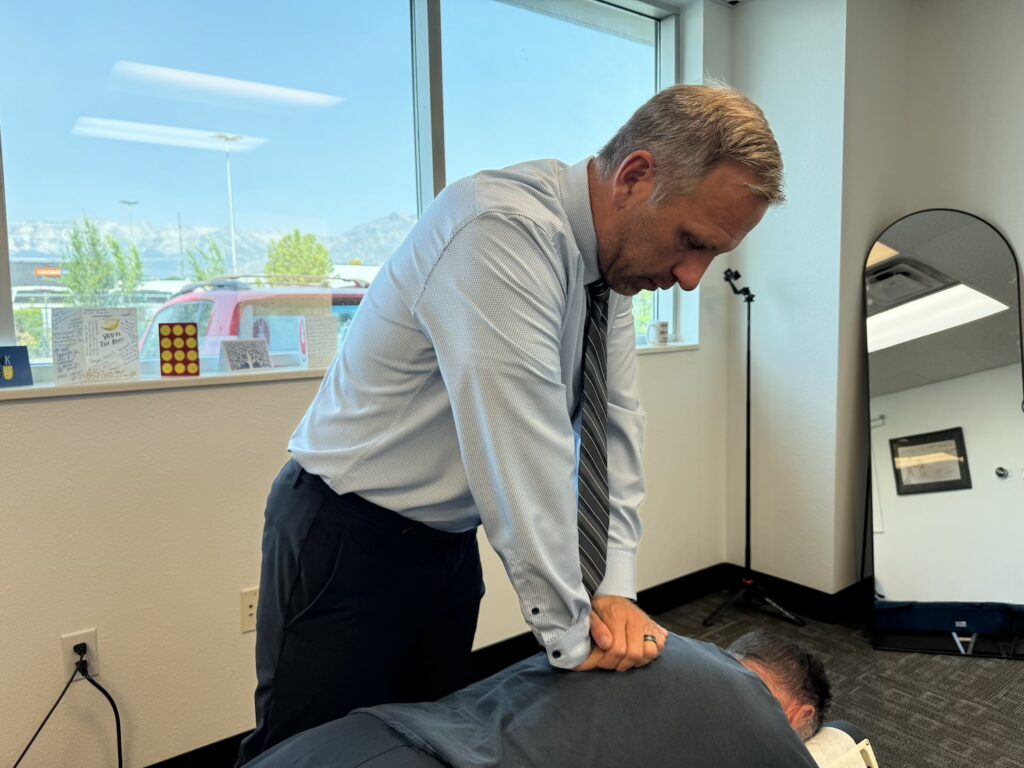
As a local chiropractor, I want to share how gentle techniques can significantly benefit your infant or toddler during these formative years. By integrating nurturing interactions into your daily routine, you can create a safe and supportive environment that promotes both emotional and physical development.
Mindful touch, for example, can enhance your child's comfort and alleviate common discomforts they may experience, such as colic or teething pain. Responsive communication, including gentle movements and soothing words, can strengthen your bond and help your child feel secure.
As you consider incorporating these gentle techniques, you may wonder how to weave them into your everyday life and what specific benefits they can provide. These approaches not only support your child's growth but can also contribute to a holistic, natural healing process that aligns with chiropractic principles. By fostering this nurturing environment, you can help lay the groundwork for your child's overall well-being and health.
Understanding Gentle Parenting
Understanding gentle parenting parallels the principles of chiropractic care, where a nurturing and holistic approach is essential for overall well-being. Just as gentle parenting focuses on connection and empathy to foster trust and security in children, chiropractic care emphasizes the importance of a strong mind-body connection for optimal health.
In chiropractic practice, we prioritize understanding the individual needs of our patients. Rather than resorting to invasive methods, we respond to the body's signals with compassion and care. It's crucial to recognize that, much like children learning to navigate their emotions, our bodies are constantly adapting and adjusting to various stresses and experiences.
Chiropractic care guides patients through the healing process, helping them understand and manage their physical health. Being present and actively listening to your body is vital. When you experience discomfort or pain, acknowledging these feelings is the first step towards healing. By validating your body's signals, you empower yourself to take control of your health.
This practice not only strengthens your relationship with your body but also teaches you the importance of self-care and awareness. Moreover, chiropractic care encourages setting clear health goals while remaining flexible in your treatment approach. We explain the reasons behind our recommendations and involve you in the decision-making process regarding your care.
Instead of simply prescribing a one-size-fits-all solution, we offer alternatives that respect your individual needs and preferences, guiding you towards better health outcomes. Lastly, it's important to remember that the journey to health through chiropractic care requires patience and commitment. You may encounter challenges along the way, but staying dedicated to this natural healing approach will yield long-term benefits.
Creating a Calm Environment
Creating a calm environment for infants and toddlers isn't only vital for their emotional and physical development but also aligns with the principles of holistic wellness that I advocate as a chiropractor. A serene atmosphere fosters safety, security, and nurturing, which are essential for healthy attachment and exploration – key components in a child's growth.
One of the first steps to achieving this calmness involves reducing noise levels. As I often recommend to my patients, soft music or white noise can be incredibly soothing. Just as sudden movements can startle a young child, loud sounds can create unnecessary stress. By minimizing auditory distractions, we can help create a more peaceful environment that supports their well-being.
Next, let's consider the lighting in your space. Natural light is indeed the best option, as it promotes a sense of stability and comfort. If natural light is limited, I suggest using soft, warm lighting instead. Bright, fluorescent lights can be overwhelming for anyone, especially young ones, so using lamps or dimmers can help create a cozy, inviting atmosphere that's conducive to relaxation and healing.
Maintaining a tidy and organized room is also crucial. A clutter-free space minimizes distractions and promotes focus, allowing your child to engage in activities without the risk of overstimulation. This concept parallels the principles of chiropractic care, where a balanced and organized environment supports overall well-being.
Incorporating calming colors into your decor is another effective way to create a soothing environment. Soft pastels or earthy tones can instill a sense of peace, while bright, bold colors may evoke excitement and restlessness. Additionally, consider adding soft textures, such as plush rugs or cushions, which provide comfort and a safe space for your child to explore and play.
Lastly, establishing a routine can greatly benefit your child's emotional health. Just as consistency plays a role in chiropractic treatment for maintaining spinal health, predictable schedules for naps, meals, and playtime help children understand what to expect, significantly reducing anxiety.
Responsive Communication Techniques
In the field of chiropractic care, understanding responsive communication techniques is vital for establishing a strong connection with your patients. These techniques involve actively listening and responding to their needs, whether expressed verbally or through body language. When a patient shares discomfort or describes their symptoms, engaging with them by repeating their concerns or elaborating on their descriptions demonstrates that you're attuned to their health needs. This interaction not only helps them feel heard but also boosts their confidence in the healing process.
It's essential to maintain eye contact and use a warm, inviting tone during consultations. Your facial expressions and gestures can convey empathy and understanding. When you smile or nod while a patient is sharing their experiences, it reinforces their feelings and encourages open dialogue about their health.
Patience is key; give them ample time to express their thoughts without interruption. This approach teaches them that their concerns are valued.
Furthermore, tuning into their emotions is crucial. If a patient appears frustrated or anxious about their condition, acknowledging their feelings with phrases like, "I understand this can be challenging," can help them articulate their emotions and feel more at ease. Responding appropriately to both positive and negative emotions fosters a safe environment where they feel comfortable discussing their health journey.
Establishing Routines With Love
Establishing healthy routines is essential not only for your child's development but also for their overall well-being, and as a chiropractor, I understand the importance of a holistic approach to health. Just as your child thrives on routine, incorporating gentle adjustments and natural healing practices can create a strong foundation for their physical and emotional growth.
Routines provide a sense of security for children, helping them understand what to expect throughout the day. This predictability can be mirrored in the way we care for their bodies. By introducing regular chiropractic check-ups, you can ensure that your child's spine and nervous system are functioning optimally. This can enhance their overall health, supporting their development and well-being.
When establishing daily routines, such as mealtime and bedtime, consider the benefits of fostering a loving and supportive environment. For instance, during meals, not only can you engage in heartfelt conversations, but you can also discuss the importance of posture while eating, which is crucial for proper digestion. Gentle reminders about sitting up straight can aid in their overall physical health and reinforce the connection between their body and well-being.
As part of a bedtime routine, think about incorporating calming activities that promote relaxation, such as gentle stretches or deep breathing exercises. These practices can help your child unwind, reduce tension, and prepare for a good night's sleep. Emphasizing the importance of a healthy spine and nervous system during these moments can reinforce the idea that taking care of their body is a loving act.
Throughout the day, it's important to remain adaptable and responsive to your child's needs, just as we do in chiropractic care. If your child seems restless or uncomfortable, it may be a sign that they need a chiropractic adjustment or some gentle movement to release tension.
Balancing structure with flexibility not only promotes emotional resilience but also supports their physical health. By integrating these practices into your child's routine, you can foster a nurturing environment that emphasizes both love and health, paving the way for their growth and development.
Mindful Touch and Massage
As a local chiropractor, I want to emphasize the incredible benefits of mindful touch and massage for your infant's development, as well as the opportunity it provides to strengthen your bond.
By incorporating gentle massage techniques into your daily routine, you can create a soothing environment that promotes trust and connection between you and your child. These practices not only enhance your infant's physical well-being but also support their emotional and neurological development.
Let's discuss how you can effectively integrate mindful touch into your caregiving approach, fostering a nurturing atmosphere that aligns with the principles of chiropractic care and natural healing.
Benefits of Infant Massage
As a local chiropractor, I want to share the incredible benefits of infant massage, which complements our holistic approach to health and wellness.
By incorporating gentle touch into your baby's routine, you can create a nurturing environment that supports their overall development and well-being.
Here are three key benefits of infant massage that I encourage you to consider:
1. Improved Sleep: Regular infant massage can help your little one relax and settle into a peaceful sleep. The soothing strokes promote the release of calming hormones, making bedtime a more serene experience for both you and your baby.
As a chiropractor, I understand how crucial restful sleep is for healthy growth and development.
2. Enhanced Bonding: Engaging in massage strengthens the emotional connection between you and your baby. Your touch conveys love and security, fostering trust and attachment.
This is essential for your baby's emotional development and can contribute positively to their overall health, aligning with our focus on nurturing the mind-body connection.
3. Digestive Relief: Gentle massage can alleviate common digestive issues such as gas and colic. Applying soft pressure to your baby's abdomen can stimulate digestion and provide comfort during uncomfortable moments.
As a chiropractor, I often emphasize the importance of a healthy digestive system, as it plays a key role in overall wellness.
Incorporating infant massage into your daily routine can create lasting benefits for both you and your baby.
Start with small, gentle sessions, and cherish the special moments that arise from this nurturing practice.
Your baby will thrive both physically and emotionally, and your bond will deepen, supporting the holistic approach we advocate in chiropractic care.
Techniques for Gentle Touch
As a local chiropractor, I want to share with you the incredible benefits of gentle touch techniques, particularly when it comes to nurturing your baby's health and development. Techniques such as mindful touch and baby massage aren't only soothing but can also play a significant role in enhancing your child's overall well-being.
To start, it's essential to create a peaceful environment. Dimming the lights and playing soft music can help establish a calming atmosphere that promotes relaxation for both you and your baby.
When performing a massage, begin with gentle, slow strokes, starting at the head and working your way down to the feet. This method can make your baby feel secure and at ease, which is crucial for their development. Be attuned to your baby's reactions; adjust your pressure and rhythm based on their cues. If they show any signs of discomfort, it's important to lighten your touch or take a break.
Mindful touch is another wonderful technique to consider. This involves being fully present and allowing your hands to explore your baby's body, paying attention to how their skin feels and how they respond to your touch. This practice not only fosters a deep connection and trust between you and your baby but also supports their natural healing processes.
Incorporating playful elements, such as gently moving their arms and legs, can further stimulate their motor skills and encourage physical development.
Bonding Through Mindful Touch
As you delve into the benefits of gentle touch techniques, it's important to recognize how mindful touch and massage can enhance your connection with your baby while also promoting their overall well-being.
Mindful touch extends beyond just the physical aspect; it involves being present and attuned to your child's needs, which is crucial for their development. By integrating massage into your daily routine, you not only create a nurturing environment that fosters trust and security but also support their physical health.
Here are three straightforward ways to practice mindful touch with your baby:
- Establish a Routine: Designate a specific time for massage, such as during bath time or before bedtime. This consistency helps your baby feel secure and allows them to anticipate your gentle touch, which can also promote relaxation and better sleep patterns.
- Use Gentle Strokes: Begin with soft, sweeping motions on your baby's back, arms, and legs. It's essential to pay close attention to their reactions—adjust your pressure and pace according to their cues. This responsiveness not only strengthens your bond but also supports their developing nervous system.
- Engage Your Senses: Create a calming environment by incorporating soft music or dim lighting. Focus on the warmth of your hands, the scent of baby lotion, and the soothing sound of your baby's breaths. This sensory engagement can deepen your connection while also promoting relaxation and comfort, which are vital for their growing bodies.
As a chiropractor, I emphasize the importance of these mindful practices in fostering a holistic approach to health, ensuring that both you and your baby thrive in body and spirit.
Encouraging Emotional Expression
As a chiropractor focused on promoting overall well-being, I believe that encouraging emotional expression in infants and toddlers is an essential part of their development.
Recognizing their emotional cues is similar to how we assess physical alignment and tension in the body. By tuning into their feelings, we can create opportunities for activities that foster creative expression, such as drawing or storytelling.
Just as we help patients understand the connection between physical health and emotional well-being, these activities not only validate their emotions but also aid in effective communication of feelings.
This holistic approach can enhance their overall health, laying a strong foundation for their future.
Recognizing Emotional Cues
Understanding your infant's or toddler's emotional cues can be quite similar to how we assess physical cues in chiropractic care.
Just like we observe body alignment and movement patterns to identify discomfort or misalignment, recognizing your child's emotional signals is crucial for their overall well-being and development. By tuning into these cues, you can create a nurturing environment that supports their emotional growth.
Here are three key signs to look for:
- Facial Expressions: Just as we monitor a patient's facial reactions during adjustments, keep an eye on your child's expressions. A smile can indicate joy, while a frown may signal discomfort. These non-verbal signals provide insights into their emotional state, similar to how we assess a patient's response to treatment.
- Body Language: Observe how your child holds their body. Are they leaning towards you for comfort, or are they pulling away? These movements can reveal their need for closeness or their desire for personal space, akin to how we assess patient posture and movement for signs of tension or relief.
- Vocalizations: Pay attention to the sounds your child makes. Much like a chiropractor listens for changes in a patient's voice to gauge their comfort level, different vocalizations—from happy coos to frustrated whines—can indicate varied emotions. Understanding these vocal cues can help you respond appropriately to their needs.
Creative Expression Activities
Recognizing emotional cues is essential for fostering overall well-being, which is a key aspect of chiropractic care. When you create an environment that encourages emotional expression, you not only support your child's emotional health but also their physical health. Engaging in various creative activities can have a profound impact on their overall wellness.
Art can be a wonderful starting point. Encourage your child to use crayons, paper, or finger paints to express themselves freely. The focus should be on the joy of creation rather than the final outcome. This process can help alleviate stress and tension, which are often linked to physical discomfort.
Music is another powerful avenue for expression. Singing together or playing instruments can help your child connect their emotions with physical movement. Dancing or simply moving to the rhythm not only promotes emotional release but also enhances coordination and balance, important aspects of physical health.
Storytelling is equally beneficial. Using puppets or stuffed animals to act out different scenarios sparks imagination and provides a safe space for your child to articulate feelings they may be grappling with. This practice can lead to reduced anxiety and improved emotional regulation, which are crucial for maintaining spinal health.
Finally, don't overlook the healing power of nature. Spending time outdoors can inspire creativity and emotional expression. Encourage your child to explore their surroundings, as this connection with nature can lead to improved mood and reduced physical tension.
Gentle Sleep Strategies
As a local chiropractor, I understand the importance of a peaceful sleep routine for both children and their parents. Establishing a calming bedtime environment can significantly impact your child's ability to relax and enjoy restorative sleep. Here are three effective strategies that can help create a soothing bedtime experience, promoting not only better sleep but also overall well-being.
- Establish a consistent bedtime routine: Just as our bodies thrive on structure, children benefit greatly from predictability. Set a specific time each night for winding down. Incorporate relaxing activities such as a warm bath, reading a bedtime story, or listening to gentle lullabies. This routine acts as a signal to your child that it's time to transition into sleep, which can help ease any tension or discomfort they may experience.
- Implement gentle transitions: As bedtime approaches, it's essential to create a serene environment. Gradually shift from the busyness of the day to quieter activities. Dimming the lights and minimizing noise can help your child's nervous system calm down. Consider using a soft nightlight or allowing them to cuddle with a favorite stuffed animal for that extra sense of comfort during this transition.
- Offer comforting techniques: When it's time for sleep, your presence can be incredibly reassuring for your child. Staying close and gently rubbing their back or holding their hand can help them feel secure and relaxed. Soft, encouraging words can also provide emotional support, reinforcing that you're there for them. This nurturing approach not only aids in their ability to fall asleep but can also support their overall health and well-being.
Incorporating these gentle sleep strategies can lead to improved sleep quality, which is essential for your child's development, growth, and overall health.
Fostering Independent Play
Independent play isn't just vital for your child's development; it can also have a positive impact on their overall well-being, which aligns with the principles of chiropractic care and natural healing. As a chiropractor, I want to emphasize the importance of encouraging your infant or toddler to engage in independent play, as it fosters creativity, self-confidence, and even physical development.
Creating a safe and inviting play area is crucial. This can include using soft mats, cushions, and age-appropriate toys. A comfortable environment promotes movement and exploration, which is beneficial for their growing bodies and spines.
As you encourage independent play, consider your role as a supportive guide. You can sit nearby, providing a reassuring presence without intervening too much. This approach mirrors the philosophy of chiropractic care, where we focus on facilitating healing and development rather than imposing solutions.
By allowing your child to explore freely, you're helping them build problem-solving skills and learn to entertain themselves, which is essential for their cognitive and physical growth.
To promote autonomy, offer your child a selection of toys or activities, allowing them to choose what captivates their interest. This empowers them to make decisions and reinforces their ability to navigate their environment—skills that are beneficial for their overall health and wellness.
When you observe your child engaged in independent play, be sure to acknowledge their efforts with positive reinforcement. Simple affirmations such as "You're doing such a great job playing by yourself!" can boost their confidence, similar to how we encourage patients in their healing journeys.
Finally, as you nurture independent play, gradually increase the duration of this valuable time. Start with short intervals, perhaps just 10 minutes, and extend it as your child becomes more comfortable.
Conclusion
As a chiropractor, I want to share how incorporating gentle techniques into your interactions with infants and toddlers can significantly enhance their emotional and physical development. Creating a calm environment is essential; it helps alleviate stress for both you and your child. Practicing mindful touch, whether through gentle adjustments or nurturing physical interactions, can promote better alignment and overall well-being.
Furthermore, fostering open communication, even with non-verbal cues, allows you to respond to your child's needs with love and patience. This is crucial in building a strong bond and supporting their growth. By embracing these gentle strategies, you're not just caring for their spine; you're nurturing a happy, secure, and thriving little one who is eager to explore the world around them. Remember, chiropractic care is about holistic healing, and it can play a vital role in your child's journey to wellness.