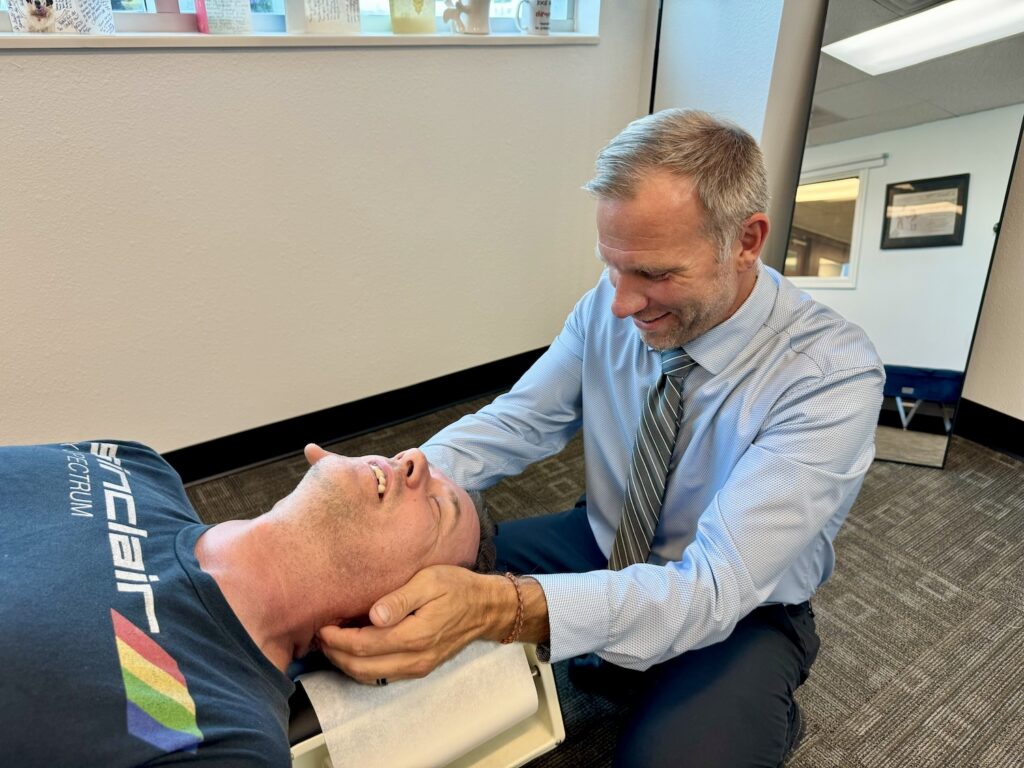
As your local chiropractor, I want to emphasize the importance of approaching your recovery from a neck injury with care and intention. Gentle techniques can be incredibly beneficial, not only in aiding your healing process but also in helping to prevent any future complications. It's crucial to listen to your body during this time and incorporate simple, gentle movements that can significantly enhance your recovery experience.
Understanding how to implement these techniques effectively is essential. For instance, there are specific stretches tailored to relieve tension and promote flexibility in the neck area. Additionally, supportive devices like cervical pillows or braces can provide the necessary support while you heal.
Let's take the time to explore these options together and find the strategies that work best for you. By prioritizing your well-being and embracing natural healing practices, we can help you on your journey to recovery.
Understanding Neck Injuries
As a local chiropractor, I want to help you understand neck injuries and how they can affect your daily life. Neck injuries can arise from various activities, including sports accidents, falls, or even whiplash from a car accident. Each type of injury presents unique challenges and symptoms, which can range from mild discomfort to debilitating pain that hampers your ability to engage in everyday tasks.
Some of the most common neck injuries I encounter in my practice include strains, sprains, and herniated discs. A strain occurs when the muscles or tendons in your neck are overstretched, leading to stiffness and reduced mobility. On the other hand, a sprain affects the ligaments, causing similar symptoms. Herniated discs are a bit more complex; they occur when the cushioning between your vertebrae slips out of place, potentially compressing nearby nerves and resulting in pain that may radiate down your arms.
You may also experience additional symptoms such as headaches, numbness, or tingling, which can vary depending on the severity of your injury. It's essential to take these symptoms seriously, as ignoring them might lead to chronic issues or long-term mobility problems.
Moreover, a neck injury can significantly impact your daily routine. Simple tasks like driving, working on a computer, or even getting a good night's sleep can become painful and challenging. Understanding the specific type of neck injury you're dealing with is crucial. It allows you to communicate effectively with healthcare professionals and to develop a personalized recovery plan that addresses your unique needs.
By gaining insight into the nature of your injury, you'll be in a better position to manage your symptoms and enhance your overall quality of life. At our chiropractic clinic, we focus on natural healing methods that can help alleviate pain, restore mobility, and promote overall wellness.
Importance of Gentle Recovery
As a local chiropractor, I want to emphasize the importance of gentle recovery when it comes to healing after a neck injury. It's crucial to understand that your body needs time to mend, and rushing back into your usual activities can lead to further damage and hinder your long-term wellness.
When you experience neck pain or injury, adopting a gentle approach is vital. This means allowing your neck muscles, ligaments, and joints the opportunity to recover without adding any extra strain. I encourage my patients to listen to their bodies during this healing process. It might be tempting to push through discomfort or jump back into normal routines, but doing so can complicate your recovery.
Instead, I recommend focusing on gentle movements and allowing yourself adequate rest. This approach not only helps prevent aggravation of your injury but also creates an optimal environment for healing.
Incorporating gentle techniques into your daily routine can also make a significant difference. For instance, using supportive pillows or cushions while you sleep ensures that your neck remains properly aligned, which is essential for reducing strain during recovery. Additionally, being mindful of your posture and movement throughout the day can prevent unnecessary pressure on your neck.
As your chiropractor, my goal is to guide you through a safe and effective recovery process that prioritizes your body's natural healing abilities. Remember, taking the time for gentle recovery now will pay off in the long run.
Stretching Exercises for Relief
As a local chiropractor, I want to emphasize the importance of incorporating stretching exercises into your recovery process after a neck injury.
These exercises can significantly enhance your mobility and comfort. By practicing neck mobility stretches, gentle yoga poses, and employing focused breathing techniques, you can experience relief and work towards regaining strength in your neck.
Let me guide you through how these natural healing practices can support your recovery journey and improve your overall well-being.
Neck Mobility Stretches
As a local chiropractor, I want to share with you the significant benefits of incorporating regular neck mobility stretches into your routine, especially if you're recovering from a neck injury.
These simple exercises can improve your flexibility and alleviate discomfort without requiring any special equipment.
To start, I recommend gentle neck tilts. Find a comfortable seated or standing position and slowly tilt your head toward one shoulder, holding this position for about 15–30 seconds.
Be sure to switch sides and repeat. This stretch is a great way to gently ease tension in your neck.
Next, consider adding neck rotations to your regimen. With your chin parallel to the floor, slowly turn your head to one side, then the other.
It's essential to do this without straining your neck. Aim for 5–10 repetitions on each side to help maintain and improve your range of motion.
Chin tucks are another effective exercise to strengthen your neck muscles and improve your posture. Sit up straight and gently draw your chin towards your chest without tilting your head down.
Hold this position for a few seconds before releasing. This exercise is particularly beneficial for counteracting the effects of prolonged sitting or looking down at screens.
Lastly, don't overlook shoulder shrugs. Raise your shoulders toward your ears and hold for a few seconds before releasing.
Repeat this 10 times to help release tension and promote relaxation in your upper body.
Incorporating these stretches into your daily routine can be a simple yet effective way to support your recovery and enhance your overall neck health.
If you have any questions or need further guidance, don't hesitate to reach out to me. Your journey to better health is important, and I'm here to help!
Gentle Yoga Poses
As a local chiropractor, I want to introduce you to the benefits of incorporating gentle yoga poses into your recovery routine. These movements aren't only effective for enhancing neck relief but also play a significant role in improving your overall well-being.
By stretching and strengthening the muscles around your neck, you can promote healing and reduce tension in a natural way.
Let's start with the Cat-Cow Pose. This gentle flow is excellent for warming up your spine and releasing tightness in your neck. It's a simple yet effective way to prepare your body for deeper stretches.
Following that, you can transition into Child's Pose, where you allow your neck to fully relax. Supporting your head on a cushion or your arms can provide extra comfort and ease any strain.
Next, consider practicing the Seated Forward Bend. While seated, gently lean forward and let your head hang. This pose provides a delightful stretch along your spine and neck. Hold it for several breaths, focusing on letting go of any tension you may be holding.
In addition, I recommend incorporating Neck Rolls into your routine. This movement involves slowly rolling your head in a circular motion. It's essential to move with control to avoid any strain, ensuring that you're gentle with yourself.
Finally, the Thread the Needle pose is fantastic for relieving tightness in your upper back and neck area. As you practice these poses, it's crucial to listen to your body. Go only as far as feels comfortable for you.
With consistent practice, you'll foster greater flexibility and strength, which will significantly aid in your recovery journey.
Embrace these gentle movements, and you'll likely notice improvements in your neck's mobility and overall comfort.
Breathing Techniques Benefits
As a chiropractor, I often emphasize the importance of integrating breathing techniques into your recovery routine, especially when you're practicing gentle yoga poses. Focusing on your breath not only strengthens the connection between your mind and body, but it also promotes relaxation and helps reduce tension in areas like your neck. This relaxation is key to alleviating pain and discomfort, which makes it easier for you to engage in your stretches and improve your overall mobility.
When you practice deep, diaphragmatic breathing, you're allowing more oxygen to flow into your body, which can significantly accelerate your healing process. As you take deep breaths, visualize the air nourishing your neck muscles and helping to release any tightness or stiffness you may be experiencing. Fully exhaling also plays a critical role in letting go of any residual stress, which can further enhance your recovery.
In addition to physical benefits, incorporating breathing techniques can sharpen your focus and mindfulness during your yoga sessions. By concentrating on your breath, you ground yourself in the present moment, enabling you to better recognize when your body needs a break or when it's appropriate to push a little further.
I encourage you to try pairing specific breathing exercises, such as the 4-7-8 technique, with your yoga poses. This powerful combination can amplify the benefits of your practice and lead to a more effective recovery.
Strengthening Your Neck Muscles
As your local chiropractor, I want to emphasize the importance of strengthening your neck muscles for a complete recovery from any injuries.
Many people may not realize how critical these muscles are for overall health and well-being. By incorporating gentle stretching exercises and gradually introducing resistance training, you can enhance the resilience of your neck and provide valuable support during your healing journey.
Let's delve into how these techniques can significantly contribute to your recovery and overall neck health.
Importance of Neck Strength
As a local chiropractor, I want to emphasize the importance of building neck strength for your overall stability and injury prevention. Many people may not realize how crucial a strong neck is in supporting your head, maintaining proper alignment, and reducing the risk of strain during everyday activities. By strengthening these muscles, you enhance your ability to withstand external forces, whether from sports, heavy lifting, or even regular movements such as turning your head or looking up.
Incorporating neck strength exercises into your daily routine can significantly improve your posture, which is directly linked to your spine health. Good posture minimizes stress on both your neck and back, helping to prevent discomfort and long-term issues that can arise from poor alignment. Additionally, a strong neck can boost your athletic performance by providing better control and stability during physical activities, allowing you to move more efficiently and effectively.
It's often not until we experience neck pain or injury that we recognize its importance. Strengthening this area not only aids in recovery but also prepares your body for future challenges. As you focus on improving your neck strength, you're taking proactive steps toward your overall wellness and resilience.
Furthermore, having well-conditioned neck muscles contributes to better mobility and flexibility. This enables you to perform everyday tasks with greater ease and comfort.
As your chiropractor, I encourage you to make neck strength a priority in your health journey. A strong neck can lead to a healthier, more active lifestyle, and is an essential component of natural healing and chiropractic care. Let's work together to enhance your neck strength and overall well-being!
Gentle Stretching Exercises
As a local chiropractor dedicated to your health and well-being, I want to share with you the importance of incorporating gentle stretching exercises into your daily routine to enhance your neck muscles and support recovery.
These stretches aren't just beneficial for flexibility; they also play a crucial role in reducing tension and aiding in the healing process.
Let's start with a simple yet effective exercise known as the side bend. To perform this stretch, gently tilt your head towards one shoulder, holding the position for 15-30 seconds before switching sides. This movement effectively stretches the muscles along the side of your neck, which can help alleviate discomfort.
Another beneficial stretch is the neck rotation. Slowly turn your head to one side until you feel a mild stretch, then hold for the same duration before gradually rotating to the other side. This exercise promotes mobility and can help relieve any stiffness you may be experiencing.
Don't overlook the chin tuck stretch, either. While sitting or standing upright, gently tuck your chin toward your chest and hold for a few seconds. This exercise not only strengthens the deep neck muscles but also encourages proper posture, which is essential for overall spinal health.
As you practice these stretches, remember to breathe deeply and avoid any sudden movements. It's important to listen to your body—if you encounter any pain, please stop immediately.
By incorporating these gentle stretching exercises into your routine, you can regain strength and flexibility, which will aid in a quicker recovery.
I encourage you to make these stretches a regular part of your day to support your journey towards better health and natural healing. If you have any questions or need further guidance, don't hesitate to reach out!
Progressive Resistance Training
As a chiropractor, I want to share the benefits of incorporating progressive resistance training into your neck rehabilitation routine. This method can significantly improve the strength and stability of your neck muscles, which is essential for maintaining a healthy spine.
By gradually increasing the resistance against which your neck muscles work, you can build endurance and better support your neck and upper back.
To get started, we recommend using light resistance, such as a resistance band or even a towel. Focus on controlled movements to ensure you're engaging the right muscles without straining. Simple exercises like neck flexion and extension can be very effective.
Gently push against the resistance while keeping your movements slow and deliberate. Additionally, you can try lateral neck raises by tilting your head from side to side against the resistance—this helps target different muscle groups in your neck.
It's crucial to maintain proper posture throughout these exercises to prevent injury. As you become more comfortable and your strength improves, you can gradually increase the resistance or the number of repetitions you perform.
A good target is two to three sets of 8 to 12 repetitions, with sufficient rest between sets to avoid fatigue.
Remember, listening to your body is key. If you experience any pain during these exercises, stop and reassess your technique. Our goal is to help you achieve a healthier neck while ensuring your comfort and safety.
If you have any questions or need further guidance, feel free to reach out during your next visit!
Heat and Cold Therapy
As a local chiropractor, I want to share the benefits of heat and cold therapy for managing neck injuries and supporting your recovery. These two methods can be incredibly effective in alleviating pain, reducing inflammation, and enhancing blood circulation, all of which are crucial for healing.
When you apply heat to your neck, it helps to relax tight muscles and boosts circulation. This can be especially helpful if you're experiencing stiffness or tension in the area. You can use a warm towel, a heating pad, or even take a warm shower to provide that soothing heat. Just remember to keep the application time to about 15 to 20 minutes to avoid burns or discomfort.
Conversely, cold therapy is excellent for minimizing inflammation and numbing sharp pain. Ice packs or cold compresses can significantly reduce swelling and offer immediate relief after an acute injury. I recommend applying cold therapy for around 10 to 15 minutes at a time, and always use a cloth barrier to protect your skin from frostbite.
It's essential to alternate between heat and cold therapy based on your specific symptoms. For instance, if you're feeling muscle tension, heat might be more beneficial, while cold therapy is ideal after any activity that exacerbates your pain.
Pay attention to your body; if one method feels more effective than the other, follow your instincts.
Incorporating heat and cold therapy into your recovery routine can significantly enhance your healing process. If you're new to chiropractic care or natural healing, I encourage you to give these methods a try as part of your journey to wellness.
Mindfulness and Relaxation Techniques
As a local chiropractor, I want to share how incorporating mindfulness and relaxation techniques can significantly aid in your recovery from a neck injury.
Many of my patients find that breathing exercises are an effective way to alleviate tension and discomfort in the body. Additionally, guided visualization techniques can help you mentally escape from pain and foster a healing environment within yourself.
These practices aren't just about calming the mind; they play a crucial role in enhancing your overall recovery experience.
By embracing mindfulness and relaxation, you can support the natural healing processes of your body, complementing the chiropractic adjustments and treatments I provide.
Together, we can work towards restoring your health and well-being.
Breathing Exercises
As a chiropractor, I often see patients who underestimate the power of breathing exercises in their recovery from neck injuries. It's essential to understand that practicing controlled breathing can significantly reduce tension and promote relaxation, both of which are crucial for healing.
To begin, find a comfortable position, whether that's sitting or lying down. Close your eyes and take a deep breath in through your nose, filling your lungs completely. Hold that breath for a moment, then exhale slowly through your mouth. Repeat this process several times.
As you breathe, I encourage you to focus on your neck. Visualize the tension melting away with each exhale. You might find it beneficial to incorporate a counting technique into your breathing routine—inhale for four counts, hold for four, and exhale for six. This rhythm not only calms your mind but also fosters a deeper connection with your body, enhancing your overall well-being.
Another technique I recommend is diaphragmatic breathing. Place one hand on your chest and the other on your abdomen. Aim to have your abdomen rise as you inhale, ensuring you're effectively engaging your diaphragm.
Guided Visualization
As a chiropractor dedicated to your recovery from neck injuries, I want to introduce you to a powerful technique called guided visualization. This approach can significantly aid in your healing journey. By mentally picturing a state of relaxation and recovery, you can help reduce stress and support the healing process in your neck area.
Guided visualization encourages you to create a mental image of your neck feeling strong and pain-free, which can complement the physical adjustments we make during your chiropractic care.
To get started with this technique, find a quiet space where you can sit or lie comfortably. Close your eyes and take a few deep, calming breaths. As you settle in, visualize the following:
- Picture a soothing light gently enveloping your neck, relieving any tension you may be holding.
- Imagine a peaceful scene, such as a serene beach or a tranquil forest, to enhance your relaxation.
- Visualize your body moving freely, showcasing the flexibility and strength that comes with healing.
- Reinforce your recovery with positive affirmations like "I am healing" or "I am strong."
Incorporating guided visualization into your healing routine can be a beneficial complement to the chiropractic adjustments and therapies we provide. Together, we can work towards restoring your neck's health and functionality.
Therapeutic Massage Benefits
As a local chiropractor, I want to share how therapeutic massage can significantly aid in your recovery from a neck injury. Many patients are unaware of the powerful benefits that massage therapy can provide in the healing process.
Firstly, therapeutic massage is excellent for reducing muscle tension. When you experience a neck injury, tight muscles can worsen your pain and stiffness. Our skilled massage therapists apply targeted pressure to release this tension, allowing for relaxation and relief from discomfort.
Moreover, therapeutic massage enhances blood circulation in the affected area. Increased blood flow is crucial as it brings essential nutrients and oxygen to your muscles, which can accelerate your healing. This improved circulation also aids in flushing out toxins that may have built up due to inflammation or injury.
Pain relief is another significant advantage of therapeutic massage. Many individuals suffer from chronic pain following a neck injury, but through the manipulation of soft tissue, massage can effectively alleviate this discomfort. This process stimulates the release of endorphins—your body's natural painkillers—promoting a greater sense of comfort and relaxation.
Additionally, therapeutic massage encourages flexibility and increases your range of motion. This aspect is vital after a neck injury, as stiffness can hinder your ability to engage in daily activities. Regular massage sessions can significantly enhance your mobility, making it easier for you to return to your normal routine.
Lastly, therapeutic massage contributes to your overall well-being. It can help reduce stress and anxiety, which often accompany physical injuries. By incorporating therapeutic massage into your recovery plan, you're not just supporting the healing of your neck; you're also nurturing a deeper sense of relaxation and balance in your life.
If you're curious about how chiropractic care, alongside therapeutic massage, can assist in your recovery journey, I encourage you to reach out for more information. Your health and well-being are our top priorities!
Posture Correction Strategies
As your local chiropractor, I want to emphasize the importance of posture in your recovery journey, especially after addressing muscle tension and pain relief through therapeutic massage. Many people overlook how poor posture can't only exacerbate neck injuries but also impede the healing process.
By focusing on correcting your posture, you can alleviate discomfort and promote better alignment of your spine, which is essential for overall health.
It's crucial to be aware of your posture throughout your daily activities. When you're sitting, ensure that your back is straight and your shoulders are relaxed. For those of you who work at a desk, it's important to adjust your chair height so that your elbows form a 90-degree angle and your feet rest flat on the floor.
Here are some practical strategies you can easily incorporate into your routine:
- Engage your core: Developing strong core muscles is vital as they provide better support for your spine, helping you maintain proper posture throughout the day.
- Take regular breaks: I encourage you to stand up, stretch, and walk around every hour. This practice prevents stiffness and reinforces good posture habits.
- Use a mirror: Regularly checking your alignment while sitting or standing in front of a mirror can help you become more aware of your posture and make adjustments as needed.
- Practice neck stretches: Gentle neck stretches can relieve tension and enhance your awareness of your neck position, allowing you to identify and correct poor posture habits effectively.
Incorporating these strategies into your daily life can significantly aid your recovery process.
Remember, consistency is essential. With patience and dedication, you'll not only reduce pain but also establish a solid foundation for a healthier neck and spine.
If you have any questions or need guidance on how to implement these techniques, feel free to reach out during your next visit!
Using Supportive Devices
As a local chiropractor, I want to emphasize how using supportive devices can significantly aid in your recovery from neck injuries. These devices are specifically designed to stabilize your neck, alleviate strain, and encourage proper alignment during your healing journey. By incorporating them into your daily routine, you can experience a noticeable decrease in pain and discomfort.
One of the most commonly recommended supportive devices is the cervical collar. This collar immobilizes your neck, providing essential support while allowing your muscles to rest. It's crucial to adhere to your healthcare provider's guidance regarding how long and when to wear the collar. While it provides temporary relief, overusing it can lead to weakened neck muscles, so it's important to use it appropriately.
Additionally, I encourage you to consider neck pillows that offer ergonomic support while you sleep. These specially designed pillows help maintain the correct neck alignment, reducing tension and facilitating healing during rest. Select one that matches your preferred sleep position—whether you sleep on your back, side, or stomach.
Another beneficial device is a neck brace or support wrap. These can provide gentle compression and warmth, which helps promote blood flow and relieve stiffness. You can wear it throughout the day, particularly during activities that might put strain on your neck.
Lastly, you might want to explore therapeutic devices like heat wraps or electric massagers. These tools can provide soothing relief, but it's always wise to consult with me or your healthcare provider to ensure they're suitable for your specific condition.
When to Seek Professional Help
As a local chiropractor dedicated to your health and well-being, I want to emphasize the importance of recognizing when to seek professional help during your neck injury recovery. While supportive devices can aid in your healing process, there are specific signs that indicate it's time to consult a healthcare professional, such as a chiropractor. Understanding these signs is crucial for your overall recovery.
- Severe Pain: If you find that your neck pain is escalating or becoming unbearable, this is a clear signal to reach out for help. Living with persistent discomfort isn't necessary, and we can work together to find relief.
- Numbness or Tingling: Experiencing numbness, tingling, or weakness in your arms or hands may suggest that nerves are being affected. This situation requires immediate attention, and I can assess your condition to determine the best course of action.
- Limited Mobility: If you struggle to turn or tilt your neck or notice a significant decrease in your range of motion, it's essential to seek a professional evaluation. Mobility is key to your daily activities, and I can help restore that functionality.
- Persistent Symptoms: When symptoms linger despite using supportive devices and attempting gentle techniques, it's time for a more comprehensive evaluation. I can provide tailored treatments that address the root cause of your discomfort.
Don't ignore these warning signs. Early intervention often leads to better outcomes and a faster recovery.
Whether it's through chiropractic adjustments, physical therapy, or other holistic approaches, I'm here to assess your condition and develop a personalized treatment plan just for you.
Prioritizing your health is vital for a full recovery, so trust your instincts and don't hesitate to reach out for help. You deserve to regain your comfort and freedom of movement, and I'm here to support you every step of the way.
Conclusion
As a local chiropractor, I want to share some gentle techniques that can significantly aid in your recovery from neck injuries. It's essential to listen to your body during this process. Engaging in light stretching and strengthening exercises, along with maintaining proper posture, can promote healing while reducing the risk of further injury.
In addition to these exercises, I encourage you to consider the benefits of heat and cold therapy, which can relieve discomfort and reduce inflammation. Therapeutic massage can also play a vital role in your recovery by alleviating tension and improving circulation. Moreover, using supportive devices like neck braces or pillows can provide additional stability and comfort.
If at any point you experience persistent pain or discomfort, it's crucial to seek professional help. As a chiropractor, I'm here to support your well-being and guide you on your healing journey. Remember, recovery is a process, so take it one gentle step at a time.