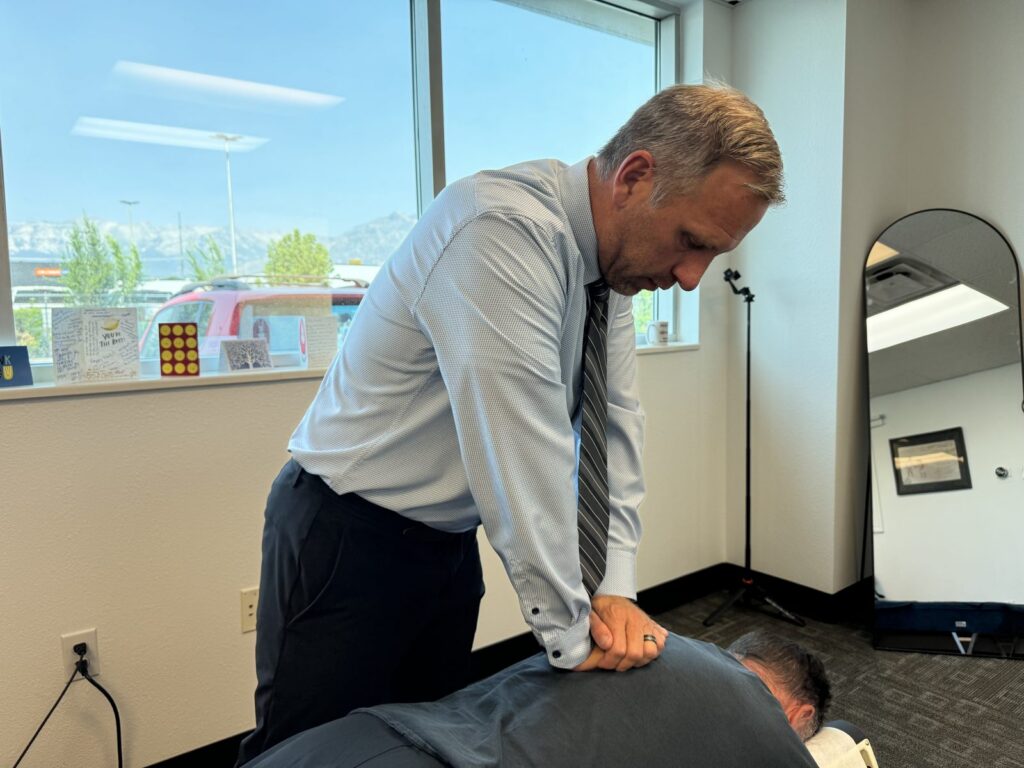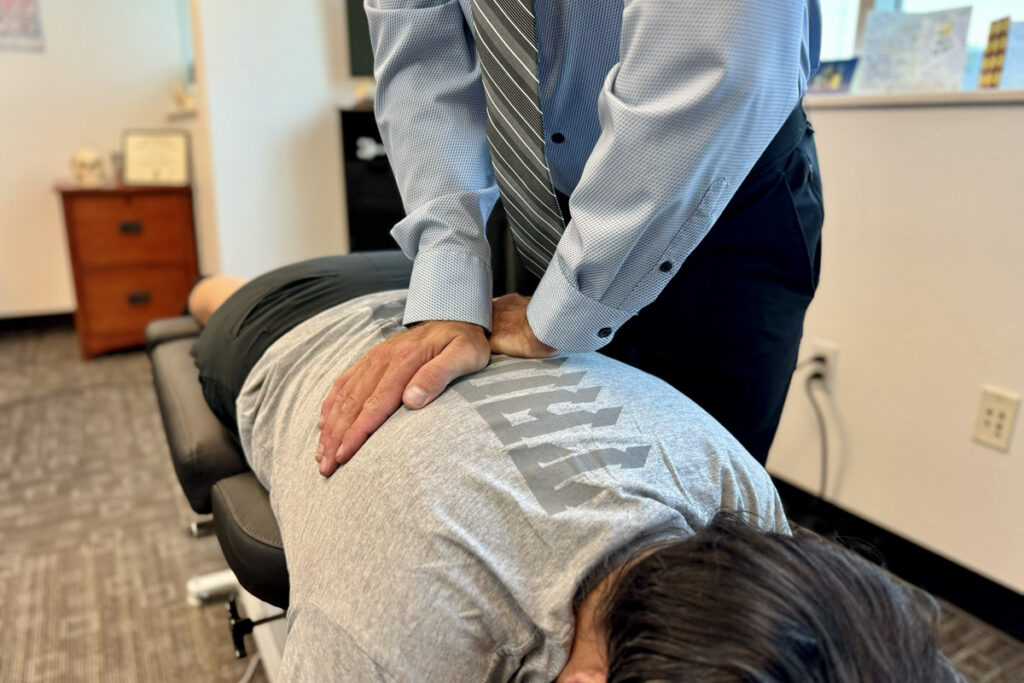
As a local chiropractor, I want to share some gentle techniques that can significantly aid your recovery if you're experiencing a neck injury. Many patients find that simple stretches, mindfulness practices, and heat therapy can create a nurturing environment for healing while minimizing additional strain on your neck. You might be surprised at the impact of small changes, such as correcting your posture and integrating gentle movement into your daily activities.
It's important to recognize, however, that while these methods can be beneficial, they may not always suffice. If you find that your symptoms persist despite these efforts, it's crucial to understand when it's time to seek professional help. As a chiropractor, I can provide tailored care and support to help you on your path to recovery, ensuring you receive the comprehensive treatment you need for optimal healing.
Understanding Neck Injuries
As a local chiropractor, I want to help you understand neck injuries and how we can work together towards effective relief and recovery. Neck injuries can affect anyone, and recognizing the symptoms and causes is crucial for a successful healing process.
Whether you're dealing with a simple sprain, strain, or a more complex injury, knowing what to look for can make all the difference. Neck injuries often arise from various activities, including accidents, sports, or even poor posture developed over time.
You may notice symptoms such as pain, stiffness, or a limited range of motion. Identifying these early signs is key to achieving better outcomes in your recovery.
It's essential to understand that your neck contains vital structures—vertebrae, muscles, nerves, and blood vessels. If you've experienced trauma or strain, you might feel pain radiating down your arms, suffer from headaches, or even experience numbness.
These symptoms can indicate that your injury may be affecting your nervous system, which is why seeking prompt chiropractic care is important.
Additionally, I encourage you to consider the risk factors associated with neck injuries. Factors such as age, lifestyle, and occupation play significant roles.
For instance, if you spend long hours hunched over a computer, you may be more prone to tension and discomfort. Engaging in high-impact sports can also heighten the risk of acute injuries.
As your chiropractor, I'm here to guide you through the process of understanding and addressing your neck issues naturally. Together, we can develop a personalized plan to help alleviate your pain and promote healing.
Importance of Gentle Techniques
As a local chiropractor, I want to help you understand the importance of gentle techniques in finding relief from neck injuries. When you're experiencing pain, it's crucial to approach your recovery with care to avoid making the situation worse. Gentle methods can be incredibly beneficial, allowing you to alleviate discomfort without adding extra strain to your body.
These techniques not only promote healing but also help you maintain mobility and flexibility, essential components of your overall well-being. Incorporating gentle techniques into your daily routine can create a sense of safety and empowerment.
I know that many of you may feel hesitant to engage in physical activities due to pain, but gentle approaches encourage you to attune to your body's signals and respond accordingly. This way, you minimize the risk of further injury while also building your confidence in movement.
Additionally, gentle techniques allow you to develop a deeper connection with your body. This awareness helps you identify areas of tension and discomfort, enabling you to address them thoughtfully and effectively.
As you become more in tune with your body's needs, you'll find it easier to consistently implement these techniques, resulting in more effective pain relief. It's also important to recognize that gentle techniques promote relaxation and reduce stress, both of which are vital for physical healing.
When you're in a relaxed state, your body can focus on recovery without the added burden of tension. By embracing these methods, you not only enhance your physical health but also improve your overall well-being.
Simple Neck Stretches
As a local chiropractor, I often see patients struggling with neck discomfort. I want to emphasize the importance of gentle neck mobility exercises, which can significantly alleviate your pain.
By incorporating simple stretching techniques into your routine, you can relieve tension and improve flexibility in your neck. Let's go over some effective stretches that can provide you with quick relief, promoting natural healing and enhancing your overall well-being.
Gentle Neck Mobility Exercises
As a local chiropractor, I often see patients struggling with neck tension, and I want to share some gentle mobility exercises that can help alleviate discomfort and improve overall neck health. Incorporating these exercises into your daily routine is a natural way to enhance flexibility and reduce tightness.
To begin, find a comfortable seated or standing position. Start by slowly tilting your head to the right, bringing your ear toward your shoulder. Hold this gentle stretch for a few seconds, allowing any tension to release, then return to the center and repeat on the left side.
Next, try a gentle rotation of your head to the right, as if you're looking over your shoulder. Hold for a moment, then return to the center and rotate to the left. This movement helps to enhance your neck's range of motion. Additionally, looking up towards the ceiling and then down towards the floor can further improve flexibility and mobility.
Another beneficial exercise is the chin tuck. Sit up straight and gently tuck your chin towards your chest without bending your neck. Hold this position for a few seconds, then relax. These simple yet effective movements can significantly ease stiffness and promote better circulation in your neck area.
As you practice these exercises, remember to breathe deeply and move slowly. It's important not to force any motion, as this can lead to further discomfort.
Stretching Techniques for Relief
As a local chiropractor, I often see patients struggling with neck tension and discomfort. A simple yet effective approach to alleviate this discomfort is through neck stretches. Incorporating these stretches into your daily routine can significantly enhance flexibility, ease tension, and help prevent future injuries.
Let's start with the neck tilt, a foundational stretch. Whether you're seated or standing, gently tilt your head to one side, bringing your ear towards your shoulder. Hold this position for 15-30 seconds. You should feel a gentle stretch along the opposite side of your neck. After that, switch sides and repeat. This simple movement can help release pent-up tension in your neck muscles.
Next, consider the neck rotation. Slowly turn your head to one side, aiming to align your chin with your shoulder. Again, hold this position for 15-30 seconds and then rotate to the opposite side. This stretch is particularly beneficial for alleviating tightness and enhancing your neck's range of motion.
If you're ready for a more advanced stretch, I recommend the chin tuck. Sit up straight and gently tuck your chin toward your chest while keeping your shoulders relaxed. Hold this stretch for 15-30 seconds. This exercise not only helps in strengthening your neck but also promotes better posture, which is crucial for overall spinal health.
Remember, deep breathing during these stretches is essential. It helps enhance relaxation and maximizes the benefits of each movement.
Mindfulness and Relaxation Practices
As a local chiropractor, I want to share how incorporating mindfulness and relaxation practices can significantly alleviate neck tension.
Many of my patients have found relief through simple yet effective techniques such as focused breathing exercises, guided imagery, and progressive muscle relaxation.
These methods not only help in reducing stress and discomfort but also promote overall well-being.
Breathing Techniques for Relief
As a chiropractor, I often see patients struggling with neck pain and tension, and one of the effective strategies I recommend is incorporating breathing techniques into your daily routine. Many may not realize the power of mindful breathing in alleviating discomfort and fostering relaxation. By focusing on your breath, you can create a calming effect that helps to ease tightness in your neck muscles.
To begin, find a comfortable position, either sitting upright or lying down flat. Close your eyes gently and take a deep, deliberate breath in through your nose, allowing your abdomen to expand fully. Hold that breath for a moment, then exhale slowly through your mouth, consciously letting go of any tension you might be holding in your body.
I encourage you to repeat this process several times, being mindful of how your body responds with each breath. As you inhale, visualize bringing in relaxation and relief; as you exhale, imagine releasing the pain and stress that may be contributing to your discomfort.
You might also consider employing a counting technique—inhale for a count of four, hold for four, and exhale for four. This rhythmic pattern not only aids in relaxation but also helps to center your thoughts.
Incorporating these breathing exercises into your daily routine, even if it's just for a few minutes, can significantly enhance your overall well-being and reduce neck discomfort.
Guided Imagery Exercises
As a chiropractor, I want to share with you an effective method for enhancing relaxation and managing neck pain: guided imagery exercises. These exercises allow you to focus your mind on soothing images and scenarios, creating a mental escape that can significantly reduce stress and tension in your body.
To get started, find a quiet and comfortable space where you can sit or lie down without interruptions. Close your eyes and take a few deep breaths to help center yourself.
Now, I encourage you to picture a serene place that makes you feel safe and relaxed—perhaps a peaceful beach, a tranquil forest, or a cozy room. Visualize the details of this scene: the sound of waves lapping against the shore, the refreshing scent of pine trees, or the gentle warmth of sunlight on your skin.
As you immerse yourself in these sensations, allow your mind to fully explore this peaceful environment.
As you continue this visualization, turn your attention to releasing any tension you may be holding in your neck. Imagine a warm, gentle wave of relaxation spreading from your mind down through your shoulders and neck, effectively melting away any discomfort.
Spend several minutes allowing this imagery to wash over you, reinforcing your sense of calm and well-being.
When you feel ready, slowly bring your awareness back to the present moment and open your eyes. You should feel refreshed and more centered.
Progressive Muscle Relaxation
As a local chiropractor, I want to share an effective technique known as Progressive Muscle Relaxation (PMR) that can significantly aid in managing stress and relieving tension, especially in your neck area.
This method involves the systematic tensing and relaxing of various muscle groups, which can help you identify where you might be holding tension and how to let it go.
To begin practicing PMR, find yourself a comfortable position—either sitting or lying down. Close your eyes and take a few deep breaths to center yourself.
Start by focusing on your neck and shoulders. Inhale deeply, then tense the muscles in your neck for about five seconds. Pay attention to the tightness you're creating. As you exhale, release that tension and notice how those muscles feel as they relax.
Next, shift your focus to your shoulders and repeat the tensing and relaxing process. Continue this pattern, moving through your body—from your arms, chest, and abdomen to your legs and feet—tensing and then relaxing each area in turn.
Once you've completed this cycle, take a moment to reflect on how your body feels. You may notice that your neck feels lighter and less strained.
Regular practice of PMR can enhance your ability to relax, making it easier to handle stress and support a healthy neck. Remember, consistency is crucial for achieving the best results!
Embracing techniques like PMR can complement chiropractic care, helping you on your journey to better health and well-being.
Heat Therapy Benefits
As a local chiropractor, I want to share with you the remarkable benefits of heat therapy when it comes to managing neck injuries. If you're experiencing discomfort or stiffness in your neck, incorporating heat therapy into your routine can provide significant relief.
When you apply heat to the affected area, it enhances blood circulation, which is crucial for promoting healing and alleviating tightness in the muscles. This increased warmth can ease the tension, allowing for a greater range of motion and enabling you to participate in your daily activities with less pain.
There are several effective ways to utilize heat therapy. You might consider a warm towel, a heating pad, or even enjoying a warm shower. Just be cautious to ensure that the heat is at a comfortable temperature to prevent any burns.
I recommend using heat for about 15 to 20 minutes at a time, multiple times throughout the day. This method can be an excellent way to manage pain and keep your muscles relaxed.
In addition to the physical benefits, heat therapy also offers psychological advantages. The soothing warmth can help promote relaxation and reduce stress levels, which is particularly beneficial when coping with pain.
When you feel more relaxed, it can significantly enhance your mood and overall well-being, making it easier to navigate the challenges associated with a neck injury.
However, it's essential to pay attention to your body. If you start to feel increased pain or discomfort while using heat, it's a good idea to take a break.
Pairing heat therapy with other supportive techniques, such as gentle stretches or proper rest, can further aid in your recovery process. I encourage you to consider incorporating this simple yet powerful technique into your neck injury relief regimen as part of a holistic approach to healing.
Gentle Massage Techniques
As a local chiropractor, I want to share some effective gentle massage techniques that can complement your chiropractic care and help alleviate neck pain and stiffness.
These methods focus on the muscles and soft tissues in your neck, enhancing blood flow, reducing tension, and promoting relaxation. Here are a few techniques you can easily practice at home.
Start by using your fingertips to apply gentle pressure at the base of your skull and along the muscles on either side of your neck. Make small circular motions, gradually increasing the pressure as you become more comfortable.
This technique is particularly effective for releasing tension that builds up from daily activities.
Next, consider kneading the muscles along the sides of your neck. Using your thumb and forefinger, gently pinch and roll the muscle tissue.
This kneading action can help break up knots and improve circulation. Remember to take deep breaths during this process, as it will aid in further relaxing your muscles.
Incorporating gentle stroking motions can also be beneficial. With your palm, glide down the length of your neck from the base of your skull to your shoulders.
This technique isn't only soothing but also helps to calm your nervous system.
Finally, don't overlook the importance of gentle stretching. Tilt your head to one side and hold it for a few seconds before switching to the other side.
This simple movement can enhance your flexibility and reduce tightness, making it a great addition to your routine.
Posture Correction Strategies
As a local chiropractor dedicated to your well-being, I want to emphasize the importance of maintaining good posture not only to prevent neck pain but also to promote overall spinal health.
Many patients may not realize how simple changes in daily habits can significantly improve posture and relieve discomfort. Here are some effective posture correction strategies that I encourage you to adopt:
- Optimize Your Workspace: It's crucial to ensure that your computer monitor is at eye level and that your chair provides adequate support for your lower back. Keep your feet flat on the floor, and aim for your knees to be at a 90-degree angle. This setup can help prevent strain on your neck and back.
- Be Mindful of Your Head Position: When using your phone or reading, try to hold your device at eye level rather than bending your neck down. This small adjustment can greatly reduce the strain on your neck muscles and contribute to better posture.
- Engage Your Core: A strong core is essential for supporting your spine and maintaining an upright posture. I recommend incorporating exercises like planks and bridges into your routine. These exercises will help strengthen your core muscles, which, in turn, supports your overall posture.
- Invest in Ergonomic Support: Consider investing in ergonomic chairs and accessories, such as cushions or lumbar rolls. These tools can provide the necessary support for your spine, especially during prolonged periods of sitting, making a significant difference in your comfort and posture.
By adopting these strategies, you can enhance your posture and take proactive steps toward better spinal health.
If you have any questions or need further guidance, don't hesitate to reach out. Your journey to natural healing and wellness starts with awareness and small changes!
Incorporating Movement Into Daily Life
As a chiropractor, I want to emphasize the importance of incorporating movement into your daily life to enhance your overall well-being and alleviate neck pain. You don't need to commit to an intense exercise regimen to experience the benefits; even simple activities can have a profound impact.
To start, I recommend integrating short movement breaks into your day. Every hour, take a few minutes to stretch, walk, or engage in light exercises. These brief intervals not only keep your muscles active but also help prevent stiffness and discomfort.
If you spend a lot of time at a desk, consider making adjustments to encourage more movement. You might try using a standing desk or a stability ball for part of your workday. These changes can promote better posture and engage your core muscles, which are crucial for spinal health.
Setting reminders on your phone can also help you remember to take those important movement breaks.
Engaging in enjoyable physical activities is another effective way to incorporate movement into your routine. Hobbies like gardening, dancing, or walking your dog allow you to stay active without viewing it as a chore.
I recommend aiming for at least 30 minutes of movement each day, but breaking it into smaller segments can make it more manageable and enjoyable.
Lastly, I can't stress enough the importance of gentle stretching. Incorporating neck and shoulder stretches into your daily routine can significantly relieve tension and improve your range of motion.
When to Seek Professional Help
As a local chiropractor, I want to emphasize the importance of recognizing the signs that indicate it may be time to seek professional help for neck pain. Many individuals underestimate their discomfort, thinking it will resolve on its own.
However, certain symptoms can signify a more serious issue that requires attention. Ignoring these signs might lead to prolonged pain or complications down the road.
Here are four crucial indicators that suggest you should consult a chiropractor or healthcare professional:
- Severe Pain: If you're experiencing intense neck pain that doesn't improve with at-home treatments, it's essential to get a professional assessment. Our goal is to identify the root cause of your pain and develop a tailored treatment plan.
- Radiating Pain: Noticeable pain that travels down your arms or into your hands may indicate nerve involvement. This is a sign that your body needs further evaluation, and as a chiropractor, I can help you address this issue effectively.
- Loss of Mobility: If you're having difficulty turning your head or completing everyday activities due to discomfort, this is a significant red flag. Chiropractic care can assist in restoring your range of motion and improving your overall functionality.
- Accompanying Symptoms: Experiencing numbness, tingling, or weakness in conjunction with neck pain is a signal that you shouldn't ignore. These symptoms can point to underlying conditions that require professional attention, and I'd be glad to help you navigate these concerns.
By taking these indicators seriously, you can prevent ongoing issues and enhance your quality of life.
Don't hesitate to reach out for professional guidance—your neck health is crucial, and early intervention can make a significant difference. As a chiropractor, I'm here to support you on your journey to natural healing and wellness.
Conclusion
As a local chiropractor, I want to share how incorporating gentle techniques for neck injury relief can significantly support your recovery. By engaging in simple stretches, practicing mindfulness, and utilizing heat therapy, you can alleviate pain while also fostering your overall well-being. It's essential to be mindful of your posture and to weave movement into your everyday activities. If you find that your symptoms persist or worsen, I encourage you to seek professional assistance. Taking care of your neck health today is crucial for building a more comfortable tomorrow. Remember, prioritizing your wellness is a vital step—you truly deserve it!