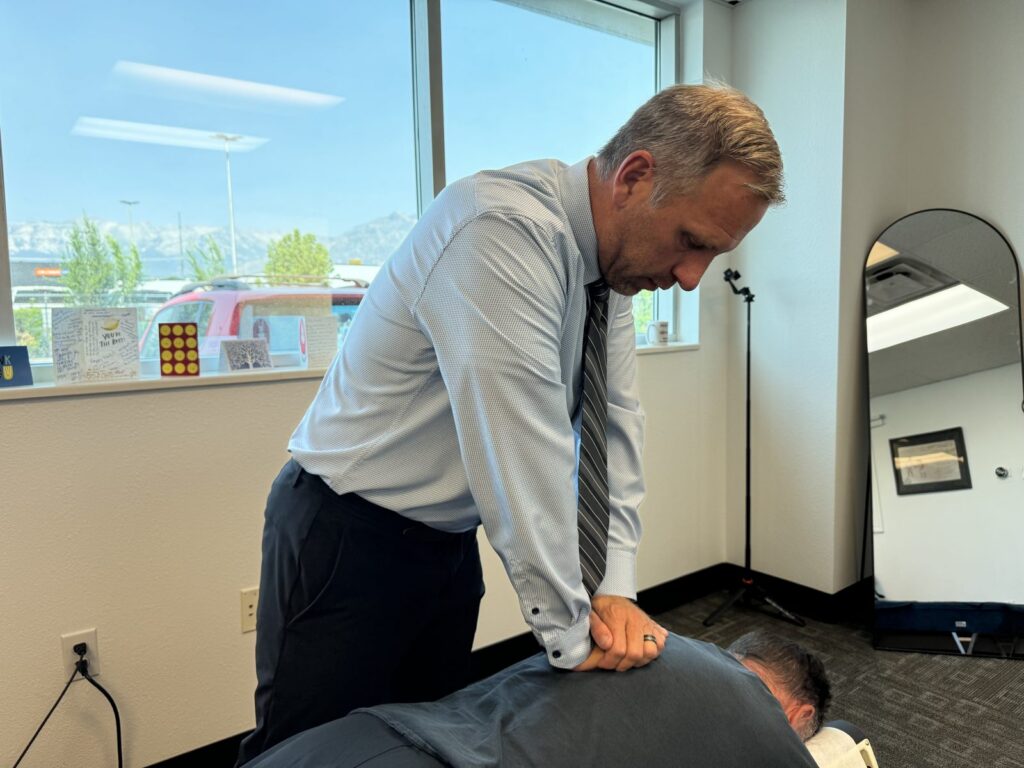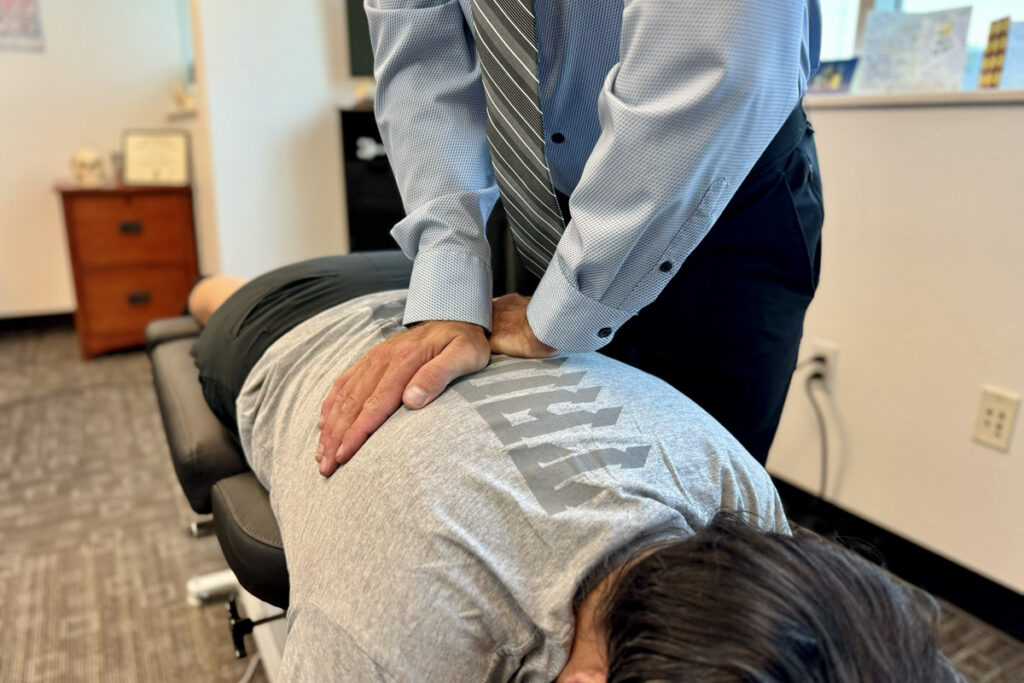
If you’re looking to enhance your posture and spinal health, focusing on head alignment is crucial. As a chiropractor, I can tell you that incorporating specific exercises into your daily routine can lead to remarkable improvements in both comfort and alignment. Simple movements, such as neck stretches and wall angels, target the essential areas that support your head and neck.
It’s important to recognize that these exercises can help alleviate tension and stress in your upper body. By actively engaging in movements that promote proper alignment, you can experience significant relief from discomfort. Remember, chiropractic care is a natural and effective way to support your health without the need for medications or surgeries.
Here are some general tips and tricks to help you on your journey to better head alignment:
- Stay Mindful of Your Posture: Regularly check in with your posture throughout the day. Make sure your shoulders are relaxed and your head is aligned over your spine.
- Incorporate Neck Stretches: Gently stretch your neck by tilting your head from side to side and forward and backward. This can help release tension.
- Practice Wall Angels: Stand against a wall with your arms at a 90-degree angle. Slowly slide your arms up and down while keeping them in contact with the wall. This exercise helps open up the chest and improve shoulder mobility.
- Take Frequent Breaks: If you sit for long periods, take short breaks to stand up, stretch, and reset your posture.
- Be Aware of Your Screen Time: Whether it’s a computer or a smartphone, be conscious of how you hold your devices. Bring screens to eye level to avoid straining your neck.
- Engage in Regular Chiropractic Visits: Regular adjustments can greatly enhance your spinal health and help maintain proper head alignment.
- Listen to Your Body: Pay attention to any discomfort. If you notice persistent pain or tension, consult with your chiropractor for personalized guidance.
By incorporating these exercises and tips into your routine, you’re taking proactive steps toward better health. Chiropractic care is here to help you achieve optimal wellness naturally—embrace it as part of your journey!
Neck Stretch
When you start to feel tension building in your neck, a simple neck stretch can be incredibly beneficial. As a chiropractor, I often emphasize the importance of maintaining a healthy spine and neck alignment for overall wellness.
To begin, sit or stand tall, ensuring your spine is straight. Slowly tilt your head to one side, bringing your ear toward your shoulder. Hold this position for about 15-30 seconds, and you’ll feel a nice stretch along the opposite side of your neck. Remember to breathe deeply and keep your shoulders relaxed during this stretch.
Afterward, switch sides and repeat. To enhance this stretch, you can gently use your hand to apply light pressure to your head. This can help deepen the stretch without any strain. Another effective move is to look down toward your chest, allowing your chin to drop. This targets the back of your neck, which can often hold tension.
I encourage you to incorporate these stretches regularly, especially if you spend long hours working at a desk. Not only will they help reduce tension, but they’ll also improve your flexibility and keep your neck and head aligned.
Chiropractic care is a fantastic way to support your neck health, as it focuses on natural healing and restoring your body’s optimal function. Regular adjustments can help alleviate pain and maintain proper alignment, making it easier for you to incorporate these stretches into your daily routine.
Chin Tucks
While it may not cross your mind often, chin tucks are a simple yet highly beneficial exercise for improving head alignment and alleviating neck strain. As a chiropractor, I know how important it’s to maintain proper posture for overall health.
To perform a chin tuck, begin by sitting or standing up straight, with your shoulders relaxed. Gently draw your chin toward your chest while keeping your eyes level. You should feel a gentle stretch at the back of your neck. Hold this position for a few seconds, then release and return to the starting position. Aim for 10 repetitions, gradually increasing the hold time as it becomes more comfortable for you.
Chin tucks work to strengthen the muscles that support your head, which is crucial for promoting better posture and reducing discomfort. I encourage you to incorporate chin tucks into your daily routine, especially if you find yourself spending long hours at a desk or on your phone. Making this small adjustment can significantly enhance your head alignment and contribute to better neck health.
Remember, chiropractic care is an excellent choice for achieving optimal health and wellness. Regular adjustments can help maintain proper alignment and alleviate pain, allowing your body to function at its best.
If you’re experiencing neck strain or discomfort, consider consulting with a chiropractor to explore how we can support your journey to natural healing and healthier living.
Shoulder Blade Squeeze
After adding chin tucks into your routine, I highly recommend incorporating shoulder blade squeezes to further improve your head alignment and posture. This straightforward exercise not only strengthens your upper back but also optimizes the positioning of your shoulders, which is essential for overall spinal health.
To perform a shoulder blade squeeze, find a comfortable position either sitting or standing up straight with your chin tucked in. Gently pull your shoulder blades back and down, as if you’re trying to pinch a pencil between them. Hold this squeeze for about five seconds, then relax. Aim to repeat this exercise 10 to 15 times, focusing on slow and controlled movements.
Remember to breathe deeply throughout the exercise. This deep breathing will help you maintain a relaxed posture and reduce any tension.
By incorporating shoulder blade squeezes into your daily routine, you can alleviate discomfort in your neck and shoulders, making it easier to keep your head aligned properly.
Regular practice of this exercise can lead to improved posture and a noticeable decrease in upper body discomfort.
As your chiropractor, I want to emphasize that these simple yet effective exercises, combined with regular chiropractic care, can significantly enhance your overall health and wellness.
Cat-Cow Stretch
Incorporating the Cat-Cow stretch into your daily routine can significantly enhance your flexibility and promote better alignment of your head and spine. This gentle yet effective movement not only mobilizes your spine but also engages your core and neck, making it a fantastic addition to your wellness journey.
To begin, find a comfortable space and get on your hands and knees in a tabletop position. Ensure that your wrists are directly below your shoulders and your knees are lined up under your hips. This stable base is crucial for proper execution of the stretch.
As you take a deep breath in, arch your back, letting your belly drop while lifting your head and tailbone toward the ceiling—this is known as the Cow position. You should feel a nice stretch in your abdomen and neck during this phase.
Then, as you exhale, round your spine by tucking your chin to your chest and drawing your belly button toward your spine—this is the Cat position.
Repeat this fluid sequence for several breaths, smoothly transitioning between the two poses. By practicing the Cat-Cow stretch regularly, you’re not just enhancing your spinal flexibility; you’re also encouraging proper neck alignment, which is essential for overall postural health.
As a chiropractor, I encourage you to view these stretches as part of a holistic approach to health. While the Cat-Cow stretch is great for everyday wellness, regular chiropractic care can help address any misalignments or discomfort you may experience, promoting natural healing and optimal health.
Wall Angels
Wall Angels are an excellent exercise for improving your posture and engaging essential muscles in your upper body, which can significantly contribute to your overall spinal health. As a local chiropractor, I want to emphasize the importance of maintaining good posture and how it relates to your overall wellness.
By incorporating exercises like Wall Angels into your routine, you can support your spine naturally and reduce the risk of discomfort.
To perform Wall Angels effectively and enhance your head alignment, it’s crucial to focus on proper technique. Here’s a simple guide to help you get started:
- Find a Wall: Stand with your back against a wall, ensuring that your heels, buttocks, shoulders, and head are all in contact with it.
- Position Your Arms: Raise your arms to form a “W” shape with your elbows bent, keeping your forearms and hands against the wall.
- Slide Up: Slowly slide your arms upwards to form a “Y” shape, while keeping your back flat against the wall. Make sure to keep your elbows and wrists in contact with the wall throughout the movement.
- Return: Gently slide your arms back down to the “W” position.
- Repetitions: Aim for 10-15 repetitions, focusing on slow and controlled movements.
By practicing Wall Angels regularly, not only will you strengthen the muscles that support your spine, but you’ll also promote better alignment and reduce tension in your neck and shoulders.
Remember, the goal is to nurture your body naturally, and exercises like these can play a significant role in your journey toward optimal health.
Additionally, if you’re experiencing any discomfort or pain, chiropractic care is a wonderful option to explore. A chiropractor can help identify the root cause of your issues and provide personalized treatment to enhance your spinal health, allowing you to live a more active and pain-free life.
Always listen to your body, and remember that natural healing through chiropractic care can help you achieve your wellness goals without the need for surgeries or medications.
Correct Posture Technique
To achieve proper head alignment and improve your posture, incorporating wall angels into your routine can be incredibly beneficial. As a chiropractor, I often emphasize the importance of maintaining good posture for overall spinal health.
To start, find a clear wall and stand with your back against it. Make sure your heels, buttocks, and head are all touching the wall. Then, raise your arms to create a “W” shape, ensuring your elbows and wrists stay in contact with the wall. As you slowly slide your arms upward to form a “Y,” keep your back firmly pressed against the wall.
It’s crucial to focus on keeping your shoulder blades down and your neck relaxed during this exercise. Aim to perform 10 to 15 repetitions, emphasizing control and smooth movements. This exercise not only helps reinforce correct posture but also promotes better alignment, which can alleviate discomfort and enhance your overall well-being.
Remember, regular practice of wall angels can help you develop healthier postural habits. Additionally, staying mindful of your posture throughout your daily activities—like sitting at a desk or using your phone—can further support your spinal health.
Muscle Engagement Importance
Engaging the right muscles during wall angels is essential for maximizing their benefits and supporting your overall health. As a chiropractor, I emphasize the importance of proper muscle engagement to enhance spinal stability and improve posture.
When performing wall angels, concentrate on activating your shoulder blades, upper back, and core muscles. These areas are crucial for stabilizing your spine, which can help alleviate tension in your head and neck.
As you slide your arms up and down the wall, be mindful of maintaining proper alignment. This conscious activation not only strengthens the muscles that support your spine but also promotes better overall alignment, which is vital for preventing discomfort and pain.
Remember to breathe throughout the exercise; inhale as you raise your arms and exhale as you lower them. This simple breathing technique can enhance your focus and control, making your efforts more effective.
By prioritizing muscle engagement during wall angels, you can achieve greater results. Incorporating this exercise into your routine can be a powerful tool for natural wellness.
If you’re looking to improve your posture and alleviate pain, consider chiropractic care as a complementary approach to your health journey. It’s always beneficial to consult with a chiropractor who can guide you on the best practices for your individual needs.
Common Mistakes to Avoid
While practicing wall angels can significantly improve your posture, it’s important to avoid common mistakes that can diminish their benefits. As a chiropractor, I want to help you get the most out of this exercise for your spinal health and overall well-being.
First, ensure that your back, head, and arms maintain contact with the wall throughout the movement. If you find yourself arching your lower back or lifting your head, you’re not fully engaging the muscles that support proper alignment. This is crucial for maintaining a healthy spine.
Next, take your time with the exercise. Slow, controlled movements are far more effective than rushing through them. This not only helps you build strength but also promotes better body awareness, which is essential for maintaining a healthy posture.
Be mindful of your shoulder blades as well. Avoid letting them flare out; instead, keep them engaged and drawn down. This will help stabilize your shoulder girdle and contribute positively to your overall posture.
Lastly, pay attention to your breathing. Holding your breath can create unnecessary tension in your body, making it harder to achieve the desired alignment. Focus on steady, relaxed breathing to support your movements.
By steering clear of these common pitfalls, you’ll enhance the effectiveness of wall angels and support your spinal health. Remember, chiropractic care is an excellent choice for achieving optimal health, providing natural pain relief and promoting better posture.
Stay focused on your practice, and you’ll start to see the benefits in your head alignment and overall wellness!
Seated Thoracic Rotation
Seated thoracic rotation is a fantastic exercise that can significantly enhance your upper body mobility and improve head alignment. As a chiropractor, I’m excited to share how mastering this technique can’t only elevate your posture but also help alleviate tension in your spine and surrounding muscles.
To perform this exercise effectively, follow these simple steps:
- Find a Comfortable Seat: Sit upright in a chair with your feet flat on the ground and your back straight.
- Engage Your Core: Take a deep breath, and as you exhale, gently engage your core muscles to stabilize your spine.
- Rotate Your Torso: Place your right hand on the back of the chair and gently rotate your torso to the right. Keep your hips facing forward and your shoulders relaxed. Hold this position for a few breaths.
- Switch Sides: Return to the center and repeat the movement on the left side, placing your left hand on the back of the chair.
- Breathe: Remember to breathe deeply throughout the exercise, allowing your body to relax and release tension.
Incorporating seated thoracic rotations into your daily routine can have numerous benefits. Not only does it promote better posture, but it also encourages spinal flexibility and can help reduce discomfort in the upper back.
As a chiropractor, I believe that maintaining a healthy spine is essential for overall wellness. Regularly practicing this simple exercise can support your chiropractic care by enhancing the adjustments you receive.
Remember, chiropractic care is a natural, non-invasive way to achieve optimal health and relieve pain. For lasting benefits, aim to incorporate this exercise into your day, whether at work or home.
Sharing these tips with friends and family can also help spread the knowledge of natural wellness and the importance of caring for our spines. Together, we can work towards a healthier, pain-free life!
Benefits of Thoracic Rotation
Thoracic rotation, particularly when done while seated, brings a wealth of benefits that can significantly enhance your posture and mobility. This gentle movement helps increase flexibility in your spine, making daily activities feel easier and more comfortable. By incorporating seated thoracic rotations into your routine, you engage and strengthen the muscles surrounding your upper back, which can help alleviate tension and discomfort that many people experience.
One of the critical advantages of thoracic rotation is its ability to promote better alignment of your head and neck. This alignment is essential in preventing slouching and developing poor posture habits that can lead to long-term issues. Moreover, when your thoracic region is mobile, it can contribute to improved breathing patterns by allowing your chest and lungs to open up more fully.
As a chiropractor, I encourage my patients to integrate these rotations into their daily lives for a more balanced and healthy body. Here are some simple tips to get started:
- Set Aside a Few Minutes Daily: Consistency is key. Even a few minutes of seated thoracic rotation every day can lead to noticeable improvements.
- Focus on Your Breathing: As you perform the rotations, take deep breaths. This not only enhances your thoracic mobility but also promotes relaxation.
- Stay Mindful of Your Posture: While seated, ensure your back is straight and shoulders are relaxed. This will maximize the benefits of the exercise.
- Listen to Your Body: If you feel any discomfort while performing these rotations, stop and consult with a chiropractor to ensure you’re practicing safely.
Incorporating thoracic rotation into your wellness routine is a natural and effective way to promote better spinal health and overall well-being.
Proper Technique Overview
To maximize the benefits of seated thoracic rotation, it’s essential to use the proper technique. This simple yet effective exercise can enhance your spinal health and overall well-being, making it a valuable addition to your daily routine. Here’s how to do it right:
- Sit tall: Begin by sitting up straight in a comfortable chair. Keeping your spine aligned and your shoulders relaxed creates a strong foundation for movement.
- Engage your core: Gently tighten your abdominal muscles. This helps support your spine during the rotation and protects your back from injury.
- Rotate slowly: Take a deep breath in, then as you exhale, slowly twist your torso to one side. Make sure to lead with your chest, allowing for a natural rotation that doesn’t strain your back.
- Hold the position: Once you’ve reached the end of your rotation, pause for a moment. Breathe steadily as you hold the position, feeling the stretch in your back and sides. This can help improve your mobility and relieve tension.
Remember, integrating exercises like seated thoracic rotation into your routine can support your spinal health and enhance your body’s natural healing abilities.
If you experience discomfort during this exercise or have ongoing pain, consider visiting your chiropractor. They can provide personalized guidance and adjustments to help you achieve optimal health and wellness.
Head Tilt Exercise
Head Tilt Exercise for Neck Health
As a chiropractor, I can’t stress enough the importance of maintaining proper head alignment for overall posture and wellness. One effective way to enhance neck flexibility and relieve tension is through the head tilt exercise. This simple yet powerful movement can be an integral part of your daily routine, helping you achieve optimal health naturally.
To perform the head tilt exercise, begin by sitting or standing with a straight spine. Gently tilt your head to one side, bringing your ear toward your shoulder. Hold this position for 15 to 30 seconds. You should feel a gentle stretch along the opposite side of your neck—this indicates that you’re effectively loosening tight muscles. It’s important to avoid forcing the movement; the stretch should feel comfortable and soothing.
After holding the stretch, return to the starting position and repeat the exercise on the other side. For an added benefit, you can place your hand on the side of your head while tilting, applying slight pressure to deepen the stretch. This technique not only enhances flexibility but also can help alleviate discomfort in the neck area.
Incorporating this exercise into your daily routine can significantly promote better posture and reduce tension, which are essential for maintaining a healthy spine. Remember, a well-aligned spine contributes to overall wellness, making chiropractic care a valuable resource for pain relief and natural healing.
By practicing the head tilt exercise regularly, you’ll support your neck health and improve your overall head alignment.
Takeaway tip: Consistency is key—try to set aside a few minutes each day for this exercise, and consider visiting your chiropractor for personalized guidance and support on your journey to better health.
Conclusion
Incorporating these seven exercises into your daily routine can significantly improve your head alignment and overall posture, ultimately supporting your journey towards optimal health. As a chiropractor, I understand the importance of maintaining a healthy spine, and these exercises are a fantastic way to do just that.
By consistently practicing neck stretches, chin tucks, and shoulder blade squeezes, you’ll not only strengthen the muscles that support your neck but also enhance your flexibility. These simple movements help alleviate tension and promote a more balanced posture. Additionally, integrating cat-cow stretches, wall angels, and seated thoracic rotations can greatly improve your spinal mobility, allowing your body to move more freely.
Remember, chiropractic care is an excellent option for achieving pain relief and supporting your natural healing processes. Alongside these exercises, regular chiropractic adjustments can align your spine and enhance your overall wellness. With dedication and a commitment to these practices, you’ll find yourself experiencing reduced discomfort and a healthier lifestyle.
So, take a step today towards better head alignment and a pain-free life—your body will thank you!