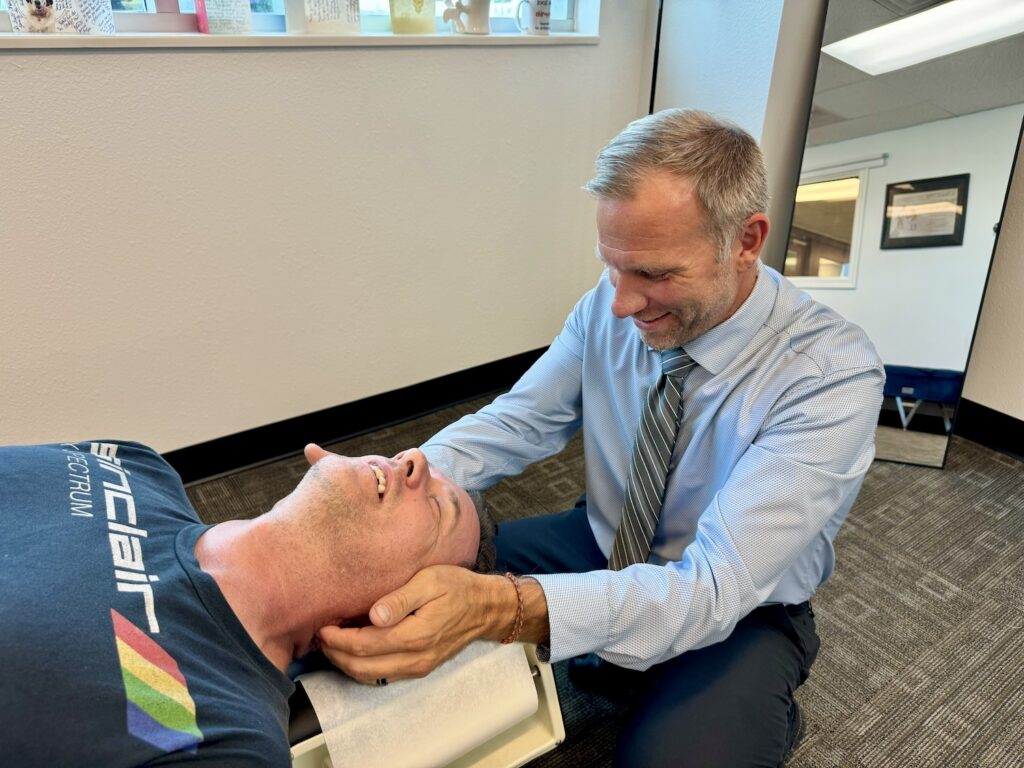
In our fast-paced lives, finding effective techniques for tension relief is crucial for maintaining overall balance and well-being. One of the best approaches to managing tension naturally is through chiropractic care. Not only can regular chiropractic adjustments help align your spine, but they can also improve your nervous system function, which plays a vital role in how your body responds to stress.
Incorporating simple practices like deep breathing and progressive muscle relaxation can enhance the benefits of chiropractic care. These methods can significantly impact your well-being by promoting relaxation and reducing muscle tension. Additionally, exploring mindfulness and gentle yoga can complement your chiropractic treatments, providing you with tools to better manage stress and enhance your overall health.
Remember, there’s an abundance of strategies available that can transform how you handle tension. Regular chiropractic adjustments can be a cornerstone of your wellness journey, offering a natural and effective way to relieve pain and support your body’s healing processes. By prioritizing spinal health, you can achieve optimal wellness and live a healthier, more balanced life. Always consider integrating these techniques into your routine to experience lasting relief and improved quality of life.
Key Takeaways
- Practice Mindfulness Meditation: Set aside some quiet time to focus on your breathing. This simple practice can help you tune into your body and release built-up tension, promoting relaxation and overall wellness.
- Incorporate Deep Breathing Exercises: Techniques like diaphragmatic breathing or box breathing can be incredibly beneficial. They enhance oxygen flow to your body and help calm your nervous system, which is essential for managing stress and tension.
- Engage in Progressive Muscle Relaxation: This technique involves tensing and then relaxing different muscle groups throughout your body, starting from your toes and moving up to your head. It’s a great way to alleviate physical tension and can complement chiropractic care well.
- Utilize Gentle Yoga Poses: Incorporating poses like Child’s Pose and Legs-Up-the-Wall can stretch your body and improve circulation. These movements can help relieve stress and tension, making them a perfect addition to your wellness routine alongside chiropractic adjustments.
- Create a Relaxing Environment: Make your space comfortable and free from distractions. A calming atmosphere can enhance your relaxation practices. Consider adding soothing decor and soft lighting to create a peaceful retreat for your mind and body, supporting the benefits of your chiropractic care.
By integrating these techniques into your daily routine, you can support your overall health and wellness journey while maximizing the benefits of chiropractic care for pain relief and natural healing.
Mindfulness Meditation Techniques
When you’re feeling overwhelmed, incorporating mindfulness meditation techniques can be an effective way to ground yourself in the present moment, ultimately contributing to your overall health and well-being. As a local chiropractor, I believe that managing stress is essential for maintaining a healthy spine and body.
Start by finding a quiet space where you won’t be disturbed. Sit comfortably, close your eyes, and take a few deep breaths. Focus your attention on your breath, observing each inhale and exhale without judgment. If your mind wanders, gently bring it back to your breath. This practice can help reduce tension and promote relaxation, which is vital for spinal health.
Another beneficial technique is body scanning. This involves mentally checking in with each part of your body, especially your spine, and noticing any areas of tension or discomfort. Acknowledge these feelings without trying to change them; this mindfulness can help release built-up stress and improve your overall posture.
Additionally, engaging your senses can also be a grounding exercise. Pay attention to the sounds around you, the feeling of the ground beneath you, or the scent in the air. By anchoring yourself in the present, you’ll cultivate a sense of calm and clarity, which not only alleviates stress but also supports your chiropractic care by enhancing your body’s natural healing processes.
Deep Breathing Exercises
Deep breathing exercises are a fantastic way to manage stress and promote relaxation, especially when paired with chiropractic care. As a chiropractor, I often emphasize the importance of holistic approaches to health, and focusing on your breath can be an excellent complement to spinal adjustments. By concentrating on your breathing, you can quickly shift your mindset, alleviate tension, and support your overall well-being.
To get started, find a comfortable position, whether sitting or lying down. If it helps you focus, close your eyes. Begin by inhaling deeply through your nose, allowing your belly to expand fully. Hold that breath for a moment, then exhale slowly through your mouth, consciously letting go of any stress or discomfort. Repeat this process for several minutes, aiming for a steady and calming rhythm.
You might also find it beneficial to count your breaths: inhale for a count of four, hold for four, and exhale for six. This technique not only calms your mind but also helps regulate your body’s response to stress, promoting a healthier spine and nervous system.
Incorporating deep breathing into your daily routine can enhance your overall well-being and make it easier to navigate life’s challenges with a sense of calm and clarity.
Progressive Muscle Relaxation
Progressive muscle relaxation (PMR) is a powerful technique that can help you reduce tension and stress, supporting your journey toward optimal health. As a chiropractor, I emphasize the importance of natural methods for pain relief and wellness. By focusing on tensing and relaxing different muscle groups, PMR can enhance your awareness of physical sensations and help you release built-up tension in your body. Here’s a simple guide to practicing PMR, which can complement your chiropractic care:
| Step | Action |
|---|---|
| 1. Find a quiet space | Sit or lie down comfortably in a cozy spot. |
| 2. Close your eyes | Take a few deep breaths to center yourself. |
| 3. Tense muscles | Start with your toes; gently hold the tension for 5 seconds. |
| 4. Relax muscles | Exhale deeply and consciously let go of the tension. |
| 5. Move up the body | Continue this process with each muscle group, finishing with your head. |
After you practice PMR, you may notice a significant decrease in your body’s tension levels. This technique can be a great addition to your routine, making it easier to manage stress throughout your day. Remember, the health of your spine and overall well-being are interconnected. Incorporating PMR along with regular chiropractic adjustments can help you achieve a balanced, pain-free life. Focus on these natural approaches to wellness, and you’ll be on your way to feeling your best!
Gentle Yoga Poses for Stress Relief
When stress creeps into your life, gentle yoga poses can be a wonderful way to help you unwind and reconnect with your body. As a chiropractor, I believe it’s important to not only focus on spinal health but also on holistic approaches that promote overall wellness. Incorporating gentle yoga into your routine can complement your chiropractic care and enhance the healing process.
Here are some effective poses you can try for relaxation:
- Child’s Pose – This pose gently stretches your spine and hips, promoting relaxation. It can help relieve tension in your back, allowing your spine to rest and rejuvenate.
- Cat-Cow Stretch – This dynamic movement helps improve spinal flexibility and can alleviate discomfort in your back. It encourages a gentle flow of movement that can ease stress.
- Seated Forward Bend – This pose stretches the entire back and hamstrings, soothing the nervous system and calming the mind. It’s a great way to release built-up tension.
- Legs-Up-the-Wall Pose – Elevating your legs can improve circulation and reduce stress on your lower back. It’s an excellent way to relax after a long day.
Along with these poses, incorporating mindful breathing techniques can greatly enhance your practice. Focus on deep, diaphragmatic breathing. Inhale slowly through your nose, allowing your belly to rise, and exhale gently through your mouth. This breathing method can help calm your mind and alleviate stress.
Remember, while gentle yoga can offer significant benefits, regular chiropractic care is essential for maintaining spinal health and overall well-being. Chiropractic adjustments can relieve tension in your body, enhance mobility, and support your body’s natural healing processes.
To support your journey toward optimal health, consider these general tips:
- Maintain good posture throughout your day to prevent stress on your spine.
- Stay hydrated and nourish your body with healthy foods that support overall wellness.
- Make time for relaxation and self-care, whether through yoga, meditation, or other calming practices.
Best Poses for Relaxation
To alleviate the burdens of stress, incorporating gentle yoga poses into your wellness routine can be incredibly beneficial, especially for your spinal health. As a chiropractor, I encourage you to consider these poses not just for relaxation, but also for improving your overall wellbeing.
Start with Child’s Pose. This gentle stretch allows your body to fold forward, promoting relaxation and helping to relieve tension in your back.
Next, try Cat-Cow stretches. This movement helps to mobilize your spine while releasing tension in your neck, which is vital for maintaining a healthy posture.
Another effective pose is the Forward Fold. This position not only calms your mind but also stretches out your hamstrings. Stretching your hamstrings can contribute to better spinal alignment, which is essential for avoiding discomfort.
Legs-Up-the-Wall is another excellent choice. Elevating your legs can relieve pressure in your lower back and improve circulation, which is important for your overall health. This pose encourages blood flow and can help reduce swelling in your legs, a common issue for those who spend long hours sitting.
Finally, conclude your practice with Savasana. Lying flat on your back while focusing on your breath allows you to let go of any remaining tension. This restorative pose is perfect for achieving a calm mind and can enhance the benefits of your chiropractic care.
Incorporating these poses into your routine can help ground you, providing a peaceful escape from daily stressors. Regular practice can complement your chiropractic adjustments, enhancing your overall health and reducing stress levels.
Remember, chiropractic care is a natural and effective way to support your spine and overall wellness. By integrating these gentle yoga poses into your life, you can work towards achieving optimal health without the need for medications or surgery.
Prioritize your wellness, and enjoy the journey to a more relaxed and healthier you!
Breathing Techniques in Yoga
While gentle yoga poses can help relieve stress and support your overall wellness, mastering your breathing techniques can significantly enhance their benefits. Focusing on your breath not only promotes relaxation but also complements chiropractic care, which aims to align your spine and improve your overall health.
Here are some effective breathing techniques that can be easily integrated into your daily routine:
- Diaphragmatic Breathing: This technique encourages you to breathe deeply into your belly, helping to relax your body and reduce tension. By promoting better oxygen flow, it can also support spinal health.
- Ujjayi Breath: When you create a soft sound in your throat as you inhale and exhale, this method fosters a sense of calmness. It can also enhance your mindfulness, making you more aware of your body and its alignment.
- Nadi Shodhana: This alternate nostril breathing technique helps balance your energy and alleviate anxiety. By calming your mind, it can complement the adjustments made during chiropractic care.
- Box Breathing: This structured breathing exercise involves inhaling for four counts, holding for four, exhaling for four, and holding again for four. It’s a great way to manage stress and can help maintain a healthy spine by promoting relaxation.
Incorporating these breathing techniques into your daily routine not only enhances your yoga practice but also supports your journey towards optimal health through chiropractic care.
Incorporating Mindfulness Practices
Breathing techniques are a natural gateway to mindfulness, and when combined with gentle yoga poses, they can significantly enhance your well-being. Incorporating movements like Child’s Pose or Cat-Cow into your daily routine not only fosters relaxation but also encourages a deeper connection to your body and spine.
As you practice these poses, focus on your breath; take a deep inhale and then exhale slowly, allowing any tension to melt away. Each stretch is a moment to ground yourself and stay present.
While holding each pose, pay attention to the sensations in your body and mind. This practice of awareness can help you cultivate mindfulness and make it easier to manage stress without relying on medications or surgeries.
Remember, it’s not about achieving the perfect pose; it’s about being in the moment and listening to your body.
By integrating these gentle movements and mindfulness practices into your lifestyle, you’re not just promoting relaxation; you’re also supporting your overall spinal health.
Chiropractic care is an excellent way to complement these practices, helping to ensure your spine is aligned and functioning optimally. Together, these approaches can lead to a calmer, clearer mind and a healthier body.
Prioritize your wellness by embracing these techniques for a natural path to pain relief and enhanced well-being.
Nature Walks and Outdoor Activities
Exploring nature through walks and outdoor activities can be an excellent way to rejuvenate your mind and body, particularly when life feels overwhelming. Not only does engaging with the outdoors provide a refreshing perspective, but it also helps reduce tension, which is essential for maintaining a healthy spine and overall wellness.
Here are some activities that not only promote physical health but also align with chiropractic principles:
- Hiking: This activity allows you to connect with the earth while discovering beautiful trails. The varied terrain can help strengthen your muscles and improve your balance, which is crucial for spinal health.
- Biking: Feeling the wind on your face as you glide through scenic routes is invigorating. Cycling promotes good posture and strengthens your core, which supports your spine.
- Gardening: Digging in the soil isn’t just therapeutic; it can also improve your flexibility and range of motion. Plus, the act of bending and stretching while gardening can help keep your spine aligned.
- Birdwatching: Taking a moment to observe wildlife encourages you to relax and be mindful. Mindfulness practices can help reduce stress, which is beneficial for maintaining a healthy spine.
These activities are great ways to unplug from daily stressors and immerse yourself in the natural world. The fresh air and physical movement can significantly boost your mood, supporting a sense of peace and clarity—essential elements for a healthy lifestyle.
As a chiropractor, I encourage you to engage in these activities regularly. They not only enhance your physical health but can also complement chiropractic care by promoting better posture, flexibility, and overall wellness.
Remember to listen to your body and adjust your activities to suit your comfort level. If you’re experiencing any discomfort or pain, consider visiting a chiropractor for a natural, non-invasive approach to pain relief and spinal health.
Journaling for Emotional Release
Journaling can serve as an excellent tool for emotional release, much like how chiropractic care helps alleviate physical tension. Just as you’d visit a chiropractor to address discomfort in your spine, journaling allows you to address the emotional burdens that can weigh heavily on your mind. By putting pen to paper, you create a safe environment to explore your feelings without fear of judgment, promoting overall wellness.
Start by dedicating a few minutes each day to write down what’s on your mind, whether it’s stress from work, personal challenges, or lingering worries. Allow your thoughts to flow freely, similar to how we encourage the body’s natural healing processes through spinal adjustments.
You don’t need to focus on grammar or structure; the emphasis should be on honesty and self-discovery. Consider prompts like “What am I feeling right now?” or “What’s been troubling me lately?” This practice not only helps clarify your emotions but can also reveal patterns that may be connected to physical tension in your body.
Just as chiropractic care uncovers misalignments, journaling can help identify emotional blockages that may contribute to stress and discomfort. Over time, you’ll notice recurring themes in your writing, which can empower you to make positive changes in your life.
Embrace journaling as a daily ritual, much like maintaining regular chiropractic appointments, and experience how it can transform your emotional landscape, providing relief and clarity amidst life’s challenges.
For those seeking optimal health, remember that both chiropractic care and journaling can be powerful allies in your wellness journey. Together, they support a holistic approach to well-being, encouraging both emotional and physical healing.
Visualization and Guided Imagery
Visualization and guided imagery can be powerful tools for relieving tension and stress, which are often linked to spinal discomfort and overall health. By picturing calming scenes and scenarios, you can harness these techniques to not only soothe your mind but also support your body’s natural healing processes.
As a chiropractor, I believe that incorporating these practices into your daily routine can complement the benefits of chiropractic care, helping you achieve optimal wellness.
Here are some simple steps to practice guided imagery effectively, enhancing both your mental well-being and the health of your spine:
- Find a Comfortable Space: Begin by settling into a quiet, comfortable space where you can relax without distractions. This can be a cozy chair, your bed, or even a peaceful spot in your home.
- Close Your Eyes and Breathe: Take a few deep breaths. Inhale slowly through your nose, allowing your abdomen to rise, and then exhale gently through your mouth. This helps to release tension in your body and prepares your mind for visualization.
- Picture a Calming Scene: Imagine a serene environment that brings you peace—this could be a beach, a forest, or a quiet garden. Visualize every detail, from the sounds to the scents and the textures around you. Engaging all your senses can enhance the experience.
- Focus on Your Spine: As you visualize, pay special attention to your spine. Imagine it being aligned and free of tension. Picture a warm, healing light surrounding your back, loosening any tight muscles and promoting relaxation.
- Stay in the Moment: Allow yourself to stay in this calming imagery for several minutes, or as long as feels comfortable. If your mind wanders, gently guide it back to your peaceful scene.
- Gradually Return: When you’re ready, slowly bring your awareness back to your surroundings. Take a few more deep breaths and gently open your eyes. Notice how you feel—both mentally and physically.
Incorporating visualization and guided imagery into your wellness routine can be a simple yet effective way to manage stress and promote relaxation.
Remember, these practices support the healing benefits of chiropractic care, which focuses on realigning the spine and enhancing your body’s natural ability to heal itself.
For optimal results, consider regular chiropractic adjustments to complement your visualization practice. By addressing physical misalignments and tension, you can create a holistic approach to your health that emphasizes natural healing and pain relief.
Embrace these techniques as part of your journey toward healthier living!
Benefits of Visualization Techniques
As a chiropractor, I understand that daily stressors can leave you feeling overwhelmed, impacting not just your mind but also your body. Incorporating visualization techniques can significantly enhance your mental well-being and support your overall health journey.
These simple yet powerful methods allow you to create vivid mental images that promote relaxation and clarity, ultimately aiding in your healing process. Here are some key benefits you can experience, particularly in relation to your chiropractic care:
- Reduced Anxiety: Visualization can help calm your mind and body, making it easier to manage stress and tension that may contribute to discomfort or pain. This can complement the relief you experience through chiropractic adjustments.
- Enhanced Focus: By picturing your health goals—whether it’s being pain-free or maintaining optimal spinal alignment—you can sharpen your concentration and boost your productivity in daily tasks.
- Improved Mood: Engaging in positive imagery can uplift your spirits and foster a sense of peace. This improved mood can enhance your motivation to maintain a healthy lifestyle, including regular chiropractic visits.
- Better Sleep: Utilizing visualization techniques can aid in relaxation, which is essential for a restful night’s sleep. Quality sleep is crucial for recovery and overall health, making it an important aspect of your wellness routine.
Incorporating these visualization techniques alongside your chiropractic care can lead to a more holistic approach to health.
Remember to take a few moments each day to practice these techniques, as they can be a powerful addition to your journey toward natural healing and healthier living. Always consult with your chiropractor for tailored advice that suits your individual needs.
Steps for Guided Imagery
To fully embrace the healing power of guided imagery, you can follow some simple steps that won’t only enhance your experience but also support your overall wellness journey.
Start by finding a quiet space where you can relax without interruptions. Whether you choose to sit or lie down, ensure your body feels at ease. Close your eyes and take several deep breaths, consciously releasing any tension you may be holding in your body.
Next, visualize a calming scene—this could be a tranquil beach, a peaceful forest, or any place that brings you joy. Engage all your senses in this process; imagine the vibrant colors, soothing sounds, and fresh scents surrounding you. Allow yourself to be fully absorbed in this imagery, letting the tranquility wash over you and promote a sense of calm.
Spending just a few minutes in this peaceful state can significantly reduce stress and tension, which is essential for maintaining a healthy spine and overall well-being.
After your session, slowly bring your awareness back to the present moment. Open your eyes, stretch gently, and carry that sense of calm with you throughout your day.
Incorporating guided imagery into your wellness routine can complement chiropractic care, which is focused on natural healing and achieving optimal health.
Applications in Daily Life
Integrating guided imagery into your daily routine can be a powerful way to manage stress and support your overall wellness, especially in conjunction with chiropractic care. By visualizing calming scenes or positive outcomes, you can enhance your mindset, promote relaxation, and even support your spinal health. Here are some practical applications to consider:
- Morning Boost: Start your day with a brief visualization of your health goals, such as maintaining good posture or feeling pain-free, setting a positive tone for the day ahead. This can complement your chiropractic adjustments and help reinforce the benefits of your care.
- Pre-Meeting Calm: Before a stressful meeting or presentation, take a moment to visualize yourself confident and pain-free. This not only helps alleviate anxiety but also encourages proper body alignment, which is crucial for maintaining spinal health.
- Midday Reset: Use a few minutes during lunch to imagine a peaceful place, like a serene beach or a quiet forest. This mental break can help reduce tension in your body, which can be beneficial after sitting for long periods and can aid in keeping your spine aligned.
- Evening Wind Down: As you prepare for bed, visualize a tranquil landscape or imagine releasing any physical tension you may have accumulated throughout the day. This practice can ease your mind and promote restful sleep, which is vital for recovery and overall well-being.
Incorporating these guided imagery techniques into your routine can significantly enhance your daily life and support the natural healing benefits of chiropractic care.
Aromatherapy for Relaxation
Aromatherapy can significantly enhance your relaxation routine, complementing the benefits of chiropractic care for your overall wellness. The soothing scents of essential oils like lavender, chamomile, and bergamot are renowned for their calming properties, which can help alleviate stress and tension in both your mind and body.
To incorporate aromatherapy into your wellness regimen, consider using a diffuser to spread these calming aromas throughout your home or office, creating a peaceful environment that supports your chiropractic care. The gentle scent can help ease muscle tension, making it a perfect addition to your relaxation practices.
You can also mix a few drops of your chosen essential oil with a carrier oil and apply it to pulse points like your wrists or neck. This personal touch allows you to inhale deeply and let the calming scents wash over you, which can enhance your chiropractic adjustments by promoting relaxation in your body.
For an even more soothing experience, consider adding essential oils to your bath. The warm water combined with the therapeutic scents can enhance your relaxation, making it an excellent way to unwind after a chiropractic visit.
It’s essential to make aromatherapy a regular part of your routine; consistent use can support your body’s natural healing process and improve your overall well-being.
Conclusion
Incorporating genuine techniques for tension relief into your daily routine can greatly enhance your overall well-being, especially when combined with chiropractic care. By focusing on practices such as mindfulness, deep breathing, and gentle yoga, you can discover effective ways to manage stress and promote relaxation while supporting your spinal health.
Chiropractic care is a natural approach to pain relief and wellness that can help align your spine, improve mobility, and reduce tension throughout your body. When your spine is in proper alignment, your nervous system can function optimally, which plays a crucial role in your overall health.
Don’t underestimate the power of connecting with nature, journaling your thoughts, and using aromatherapy. These tools can provide emotional release and enhance the benefits of chiropractic adjustments. Remember, a relaxed mind complements a healthy spine, creating a harmonious balance in your life.
Embrace these strategies along with regular chiropractic visits, and you’ll find a greater sense of calm and balance. Start today by incorporating these practices into your routine and take the first step toward a more relaxed, healthier you!