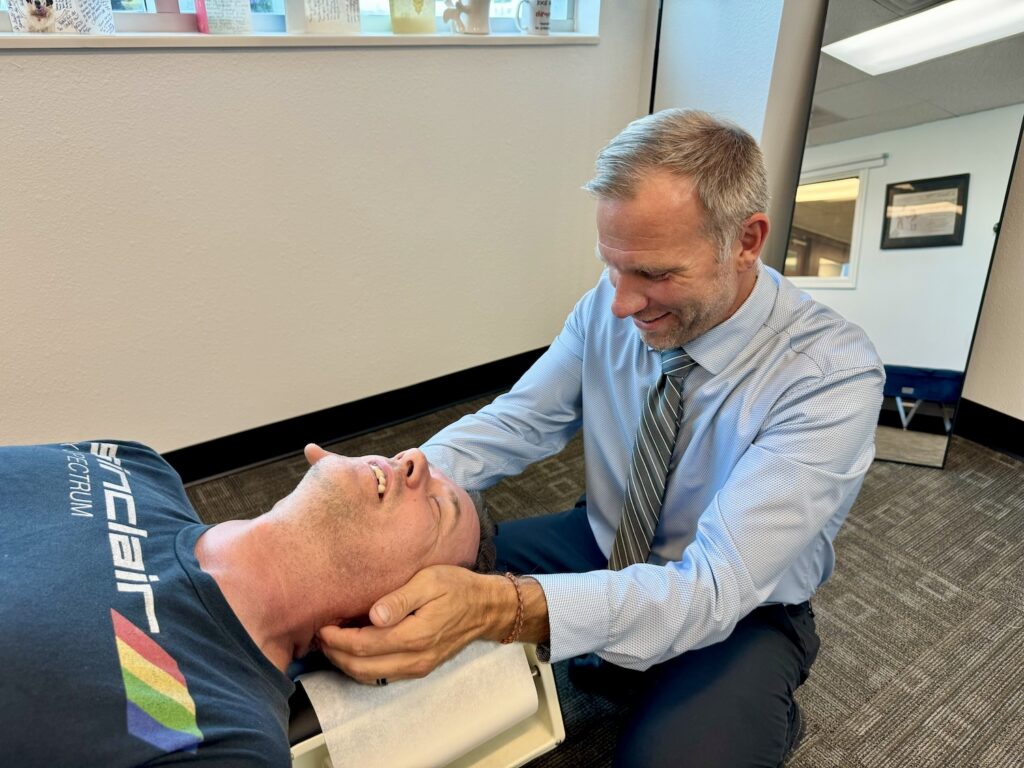
As a local chiropractor, I understand that back pain can be particularly frustrating and limiting for athletes. It’s essential to recognize that there are natural ways to address this discomfort that can significantly enhance your performance and recovery. From proper warm-up techniques to dietary adjustments, there are several holistic approaches we can explore together to alleviate your pain and support your healing process. Are you ready to discover effective strategies that will help you stay active and avoid time on the sidelines? Let’s dive into the essential information you need to know about treating sports-related back pain naturally.
Understanding the Causes of Sports-Related Back Pain
As a local chiropractor, I often see patients who are unaware of how their sports activities can impact their back health.
It’s important to recognize that engaging in sports can place significant strain on your back, especially if you’re not using proper techniques. For instance, poor posture while running or incorrect lifting techniques during weight training can lead to back pain.
Repetitive movements common in sports can create muscle imbalances, where some muscles weaken while others become too tight. This imbalance can increase your risk of injury.
Furthermore, if you push yourself without allowing sufficient recovery time, you may strain your back muscles or even injure your spine.
Another crucial factor is core strength. A weak core can leave your back susceptible to injury during physical activities. Many sports involve sudden twists and turns, which can easily lead to sprains or strains if your body isn’t adequately prepared.
Listening to your body is essential. Ignoring its signals can worsen existing issues and lead to chronic pain.
By understanding these causes of sports-related back pain, you can take proactive steps to protect your back and improve your athletic performance.
Remember, your body is a valuable source of information; paying attention to it can help you prevent future discomfort and maintain a healthy, active lifestyle.
If you have concerns or experience pain, don’t hesitate to seek chiropractic care—it’s a natural and effective way to promote healing and wellness.
Importance of Proper Warm-Up and Cool-Down Techniques
As a local chiropractor, I understand the importance of taking care of your body, especially when it comes to preventing sports-related back pain. One of the best ways to do this is by incorporating proper warm-up and cool-down techniques into your routine.
These practices not only prepare your body for physical activity but also support recovery afterward. Here’s how you can effectively warm up and cool down:
- Dynamic Stretching: Before you start your activity, engage in dynamic stretches. These are movements that mimic the actions of your sport, such as arm circles or leg swings. They help to loosen up your muscles and increase your range of motion.
- Gradual Intensity Increase: It’s important to ease into your workout. Start with light activities, like a gentle jog, to gradually elevate your heart rate and warm up your muscles. This approach helps prevent injuries and prepares your body for more intense movements.
- Post-Activity Stretching: After your workout, take the time to perform static stretches. Focus on areas that may have tightened up during exercise, particularly your back, hips, and legs. This helps release tension and promotes flexibility, aiding in your overall recovery.
- Hydration: Don’t forget the importance of staying hydrated! Drinking water before and after your activity helps keep your muscles functioning efficiently and can significantly reduce the risk of cramping.
By integrating these warm-up and cool-down techniques into your routine, you can support your body’s natural healing process and minimize the risk of back pain associated with sports activities.
Effective Stretching Exercises for Back Pain Relief
As a local chiropractor, I want to emphasize how important flexibility is when it comes to relieving back pain.
Many of my patients are surprised to learn that incorporating specific stretching techniques into their daily routine can significantly reduce tension and enhance mobility.
By focusing on these effective exercises, you can experience a notable improvement in your comfort and overall performance.
Let’s take a closer look at some of these stretches that can truly make a difference in your journey towards natural healing and well-being.
Importance of Flexibility
As a local chiropractor, I want to emphasize how crucial flexibility is in preventing and alleviating back pain. Many people are unaware that maintaining flexibility can significantly contribute to your overall well-being and health.
Here are four key ways that enhancing your flexibility can benefit you:
- Improved Range of Motion: When your muscles and joints are flexible, you can move more freely and smoothly, which helps to reduce strain on your back. This means everyday activities become easier and more comfortable.
- Muscle Relaxation: Regular stretching is a natural way to release tight muscles. By easing tension in your back, you can experience relief from discomfort and promote relaxation throughout your body.
- Better Posture: Flexible muscles are essential for supporting proper alignment of your spine. Good posture not only helps you look and feel better but also plays a significant role in preventing back pain.
- Injury Prevention: Keeping your body flexible is one of the best ways to reduce the risk of strains and sprains during physical activities. When your muscles are conditioned to stretch and move, you’re less likely to experience injuries.
Incorporating flexibility exercises into your daily routine is vital not only for a healthy back but also for maintaining an active and fulfilling lifestyle.
As your chiropractor, I encourage you to explore various stretching techniques and consider how they can support your journey towards better health.
Targeted Stretching Techniques
As a local chiropractor, I want to share with you the importance of incorporating flexibility exercises into your daily routine to help alleviate back pain.
One of the simplest yet most effective techniques you can start with is the cat-cow stretch. To perform this, get on all fours and alternate between arching your back while you inhale and rounding it while you exhale. This gentle movement helps mobilize your spine and can prepare you for deeper stretches.
Next, consider the seated forward bend. Sit with your legs extended in front of you, reach forward towards your toes, and take a moment to feel the stretch in your lower back. This can be particularly beneficial for releasing tension.
Another great option is the child’s pose. Kneel on the floor, sit back on your heels, and stretch your arms forward on the ground. This position not only stretches your back but also promotes relaxation.
Lastly, don’t overlook the piriformis stretch. This stretch targets tight hips, which can often be a contributing factor to back pain.
Strengthening Your Core to Support Your Back
As a local chiropractor, I want to emphasize the importance of strengthening your core to support your back and prevent discomfort.
Many people may not realize that a stable core is vital for overall strength and balance, which can enhance your resilience during various physical activities, including sports.
Incorporating effective core exercises into your routine can significantly benefit your back health.
These exercises not only help alleviate pain but also promote better posture and alignment, which are crucial in chiropractic care.
Let’s delve into some practical core-strengthening exercises and discuss how you can seamlessly integrate them into your daily life.
By doing so, you’ll not only bolster your core but also enhance your overall well-being.
Importance of Core Stability
As a local chiropractor, I want to emphasize the importance of core stability in maintaining your overall health and preventing injuries, especially during sports activities.
A strong core acts like a natural support system for your back, helping to evenly distribute forces across your spine and significantly reducing the risk of strain.
Here are four key benefits of focusing on core stability that I encourage my patients to consider:
- Injury Prevention: By strengthening your core, you create a solid foundation that minimizes the likelihood of back injuries. This is crucial for those who are active in sports or even for everyday activities.
- Improved Performance: When your core is strong, it enhances your balance and coordination, which are vital components of athletic performance. This means better outcomes in your sports endeavors and daily movements.
- Efficient Movement: A stable core facilitates smoother and more controlled movements, helping you to reduce fatigue as you engage in physical activities. This can lead to more enjoyable and productive workouts.
- Posture Support: Maintaining a strong core is key to promoting proper posture. Good posture is essential not just for aesthetics but also for your overall spinal health and well-being.
By prioritizing core stability, you can support your body’s natural healing processes and improve your quality of life.
If you’re interested in learning more about how chiropractic care can help you strengthen your core and support your overall health, feel free to ask during your next visit!
Effective Core Exercises
As a local chiropractor, I want to emphasize the critical role that core exercises play in maintaining a healthy spine and preventing back pain. Many people underestimate the importance of targeted workouts, but strengthening your core is essential for providing stability and support to your back.
It’s not just about looking good; it’s about enhancing your overall well-being.
To begin, I recommend incorporating planks into your routine. They engage multiple muscle groups and are fantastic for building foundational strength. Once you feel comfortable with planks, try adding side planks to specifically target your obliques, which will improve your lateral stability.
Another great exercise is the bird-dog, which not only strengthens your lower back and glutes but also enhances coordination and balance.
Bridges are also beneficial, as they work on your glutes and hamstrings, contributing to the support of your pelvis.
Lastly, don’t overlook the dead bug exercise, which is excellent for refining core control and activating your deep abdominal muscles.
By regularly practicing these exercises, you can help prevent back pain and improve your overall athletic performance.
Incorporating Core Workouts
As a local chiropractor, I want to emphasize the importance of incorporating core workouts into your routine to effectively support your back health.
A strong core not only stabilizes your spine but also plays a crucial role in improving your posture and minimizing the risk of injury.
Here are four effective exercises I recommend to help strengthen your core:
- Planks: By holding a plank position, you engage your entire core. This exercise helps build endurance and stability, essential for a healthy back.
- Dead Bugs: Lying on your back and extending opposite arms and legs can enhance your coordination and strength. This movement helps to engage deep core muscles, providing support for your spine.
- Russian Twists: Sitting and twisting your torso side to side is excellent for enhancing rotational strength. This exercise not only works your core but also helps with functional movements in daily life.
- Bridges: Lifting your hips while lying on your back strengthens your glutes and lower back. This exercise is particularly beneficial for alleviating tension in your lower back and improving overall stability.
Incorporating these exercises into your routine can significantly benefit your back health and overall well-being.
If you have any questions about how to safely perform these exercises or would like personalized guidance, please feel free to reach out!
The Role of Posture in Preventing Back Pain
As a local chiropractor, I want to emphasize the critical role that good posture plays in preventing back pain, particularly for those of you who lead active lifestyles. Proper posture is vital because it helps maintain the natural alignment of your spine, allowing for even weight distribution. This alignment reduces the strain on your muscles and ligaments, which is essential in minimizing the risk of injury, especially during physical activities.
To enhance your posture, it’s important to be mindful of your body mechanics, whether you’re exercising or going about your daily routine. Focus on keeping your shoulders back, your chest open, and your chin parallel to the ground.
If you find yourself sitting for extended periods, consider investing in an ergonomic chair designed to support the natural curvature of your spine. Additionally, remember that taking regular breaks to stretch and adjust your position can significantly improve your overall comfort and reduce the likelihood of developing pain.
Nutritional Strategies for Muscle Health and Recovery
As a local chiropractor, I want to emphasize the vital role that proper nutrition plays in enhancing your muscle health and recovery, especially if you lead an active lifestyle.
By nourishing your body with the right nutrients, you can’t only reduce soreness but also facilitate effective muscle repair. Here are four nutritional strategies that I encourage my patients to consider:
- Protein-Rich Foods: It’s important to incorporate lean meats, fish, beans, and legumes into your diet. These foods provide the essential amino acids your muscles need for repair and growth, helping you recover more effectively after physical activity.
- Healthy Fats: Including sources such as avocados, nuts, and olive oil in your meals can be beneficial. Healthy fats help reduce inflammation in the body, supporting a smoother recovery process and promoting overall muscle health.
- Complex Carbohydrates: Opt for whole grains, fruits, and vegetables to fuel your body with the energy required for workouts and recovery. These complex carbohydrates are crucial for replenishing glycogen stores and maintaining stamina.
- Hydration: Never underestimate the power of water! Staying well-hydrated throughout the day is essential for optimal muscle function and helps transport nutrients to your cells, enhancing recovery.
Benefits of Alternative Therapies: Acupuncture and Massage
As a local chiropractor, I want to share with you the unique benefits of alternative therapies like acupuncture and massage, especially in relation to back pain management. While traditional treatments often focus on physical rehabilitation and medication, these therapies can significantly enhance your recovery journey.
Acupuncture is a practice that involves inserting thin needles into specific points on your body. This method promotes natural healing by improving blood flow and releasing endorphins, which can effectively reduce pain. Many athletes and patients have reported experiencing considerable relief and enhanced flexibility following acupuncture sessions, enabling them to return to their activities more swiftly.
On the other hand, massage therapy plays a vital role in alleviating muscle tension and improving circulation. It specifically targets tight areas in your back, promoting relaxation and easing discomfort. Regular massages not only help with physical pain but also assist in managing stress, which is often a contributing factor to chronic pain conditions.
By incorporating these alternative therapies into your wellness routine, you’re taking a holistic approach that supports your body’s natural healing processes. This combination can help you recover stronger and more resilient, paving the way for a healthier lifestyle overall.
If you have any questions about how these therapies can complement your chiropractic care, feel free to ask!
Utilizing Heat and Cold Therapy for Pain Management
As a local chiropractor, I want to share how incorporating heat and cold therapy can be an effective part of your pain management strategy, especially for back pain.
Many of my patients find these therapies incredibly beneficial, and I’d like to guide you on how to use them properly.
1. Cold Therapy: For those new to this concept, using a cold pack on your back for 15-20 minutes is particularly helpful during the first 48 hours following an injury.
Cold therapy can significantly reduce swelling and numb sharp pain, making it an essential tool in the immediate aftermath of discomfort.
2. Heat Therapy: On the other hand, applying a heating pad or hot water bottle for about 15-20 minutes can do wonders for your muscles.
Heat helps to relax tightness and increases blood flow to the area, which can promote faster healing and ease any lingering discomfort.
3. Alternating Treatments: One of the most effective approaches is to alternate between heat and cold therapy.
Start with cold therapy to tackle inflammation, then follow up with heat to alleviate muscle tension. This combination can enhance the overall effectiveness of your pain relief strategy.
4. Timing is Key: I recommend using cold therapy after any physical activity that may aggravate your back pain, while heat therapy is best utilized before stretching or exercising.
This can help prepare your muscles and joints, reducing the risk of further strain.
By understanding and applying these simple therapies, you can take significant steps toward managing your pain naturally.
If you have any questions or need personalized guidance, feel free to reach out during your next visit!
When to Seek Professional Help for Back Pain
As a local chiropractor, I want to help you understand when it’s time to seek professional care for your back pain. If your discomfort lingers for more than a few weeks, it’s essential to consult with a healthcare provider like myself. Often, persistent pain can indicate an underlying issue that needs attention.
Pay close attention to how your pain behaves. If it intensifies with movement or hinders your ability to complete daily tasks, it’s a sign to reach out. Additionally, if you experience numbness, tingling, or weakness in your legs, please seek immediate help. These symptoms can suggest that there may be nerve involvement, which is crucial to address promptly.
Should your back pain arise after a fall or injury, or if you notice unexplained weight loss, fever, or issues with your bowel or bladder, don’t hesitate to come in for an evaluation. These symptoms might indicate more serious health concerns that require immediate intervention.
Your health and well-being are paramount. Trust your instincts—if something doesn’t feel right, it’s always a good idea to consult with a professional like me. I’m here to guide you on your journey to natural healing and wellness.
Conclusion
As a local chiropractor, I want to share some insights on how you can treat sports-related back pain naturally. It’s important to adopt a holistic approach to your well-being. Start with proper warm-ups and cool-downs to prepare your body for activity and aid in recovery afterward. Incorporating effective stretching and core-strengthening exercises is crucial; a strong core supports your spine and helps prevent injuries.
Nutrition also plays a vital role in your overall health and can influence how your body responds to physical activity. Pay attention to what you eat, as it can help reduce discomfort and promote healing.
Additionally, maintaining good posture is essential not just during sports but throughout your daily life. It can greatly impact your spine health.
Don’t overlook the advantages of alternative therapies, such as acupuncture and massage, which can complement your chiropractic care and enhance your recovery process.
If you find that your pain persists, I encourage you to seek professional help. As a chiropractor, I am here to guide you through natural healing methods tailored to your needs. Remember, taking proactive steps today can help keep you active and enjoying your favorite sports without pain in the future!