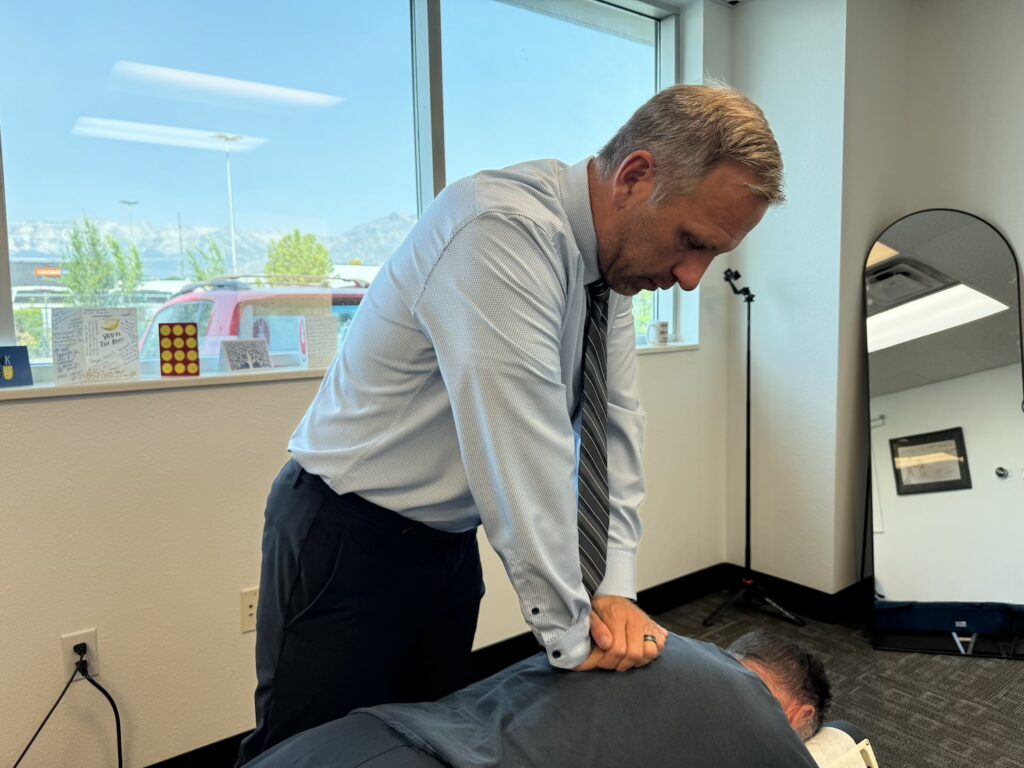
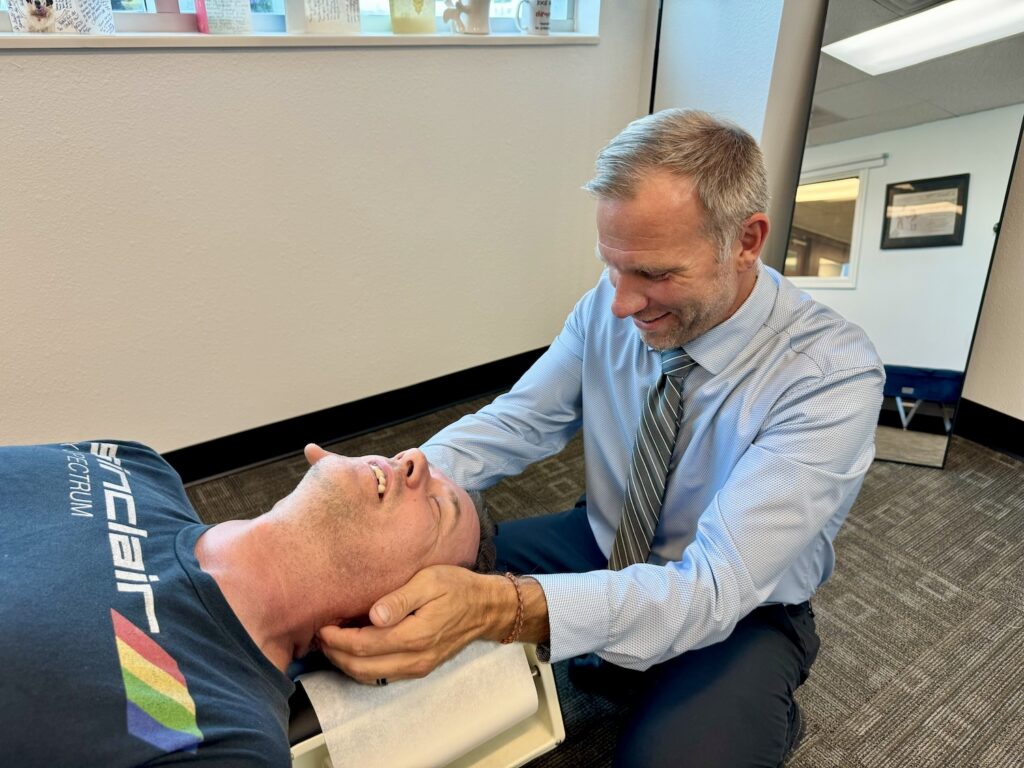
As a local chiropractor, I find it truly remarkable to reflect on the evolution of sports injury recovery. In ancient times, healing was largely reliant on manual techniques, and while those methods laid the groundwork for recovery, we've come a long way since then. Today, the rise of chiropractic care and the incorporation of modern rehabilitation practices are at the forefront of helping athletes recover effectively.
If you're not familiar with chiropractic care, it's important to understand how these developments have shaped the way we approach healing. Chiropractic focuses on the relationship between the body's structure, particularly the spine, and its function. This holistic approach can alleviate pain and promote overall wellness, allowing athletes to return to their sport stronger and healthier.
The journey from basic techniques to advanced, technology-driven recovery methods raises exciting questions. What innovations are on the horizon that could further enhance how athletes heal? As we continue to learn and adapt in the field of chiropractic care, my goal is to educate and empower you to take control of your health and recovery through natural healing methods. Together, we can explore the best practices that support your journey to wellness.
Early Approaches to Injury Recovery
As a local chiropractor, I want to share some important insights on how to effectively manage a sports injury right from the start. The initial steps you take can significantly influence your recovery journey, so it's essential to remain calm and evaluate your situation carefully.
If you believe your injury may be serious, seeking medical attention is crucial. However, for less severe injuries such as sprains or strains, you can often begin your healing process at home.
One of the most effective methods for early recovery is the RICE approach—Rest, Ice, Compression, Elevation. Let's break that down together.
First and foremost, give your body the rest it needs. It may be tempting to push through the discomfort, but allowing your body time to recuperate is vital for healing.
After that, consider applying ice to the injured area. Ice is effective in reducing swelling and numbing pain. Remember, always use a cloth or towel to protect your skin from ice burns, and limit icing to no more than 20 minutes at a time.
Next, compression plays a key role in your recovery. Using an elastic bandage, wrap the injured area snugly, but ensure it's not too tight to cut off circulation. This helps manage swelling and provides necessary support.
Elevation is also important—try to keep your injured limb elevated above heart level as much as possible to further minimize swelling.
Implementing these early recovery strategies lays a solid foundation for your healing process. By taking prompt and informed action, you can significantly reduce your recovery time and get back to enjoying the activities you love sooner.
Always tune in to what your body is telling you, and don't hesitate to reach out to a healthcare professional, such as a chiropractor, if your symptoms persist or worsen. We're here to help guide you on your path to natural healing and wellness.
The Rise of Rehabilitation Techniques
As a local chiropractor, I want to share with you how rehabilitation techniques have significantly transformed the way we approach injury recovery, particularly for athletes.
These advancements not only help shorten recovery times but also boost overall performance. Many athletes today are embracing a combination of traditional chiropractic care and innovative therapies to ensure a comprehensive healing process.
Here are four key rehabilitation techniques that I often recommend to my patients:
- Active Release Technique (ART): This is a hands-on therapy that focuses on relieving tension in your muscles and fascia. By doing so, it helps restore your mobility and alleviate pain, making it an integral part of rehabilitation.
- Blood Flow Restriction (BFR) Training: This method involves applying a band to your limbs during low-intensity exercise, which encourages muscle growth and strength without putting excess stress on the injured area. It's a fantastic way to promote healing while still being gentle on your body.
- Electrical Stimulation: This technique utilizes electrical impulses to stimulate your muscles. It's particularly effective in reducing pain and enhancing muscle function, which can be incredibly beneficial as you recover from an injury.
- Hydrotherapy: Engaging in water-based exercises provides resistance while minimizing impact. This allows you to strengthen your muscles and improve flexibility in a safe, low-stress environment.
Integrating these techniques into your recovery plan can make a substantial difference.
My focus isn't only on healing your current injury but also on preventing future issues and optimizing your overall performance.
As you consider these options, remember that a personalized approach to rehabilitation can lead to a more effective and efficient recovery, helping you return to your activities stronger than ever.
If you have any questions or would like to discuss how these techniques can work for you, don't hesitate to reach out!
Introduction of Physiotherapy
Chiropractic care plays a crucial role in your journey to recovery, offering natural methods to restore movement and function after an injury. If you've suffered a sports-related injury, the road to recovery can often seem daunting. That's where chiropractic care steps in, providing personalized treatment tailored to your unique needs.
A skilled chiropractor will evaluate your condition and create a treatment plan that focuses on pain relief, enhancing mobility, and strengthening the affected areas. Using hands-on adjustments, specific exercises, and various natural therapies, we aim to help you regain your strength and functionality.
Initially, we may start with gentle spinal manipulations and stretches, gradually progressing to more dynamic exercises as you heal.
Education is a fundamental aspect of chiropractic care. Your chiropractor will help you understand your injury, guiding you on how to prevent future issues. This knowledge empowers you to take control of your recovery and make informed choices about your health.
Additionally, chiropractic care promotes a holistic approach to healing. By collaborating with other healthcare professionals, your chiropractor ensures that you receive comprehensive care that addresses all facets of your recovery. This teamwork is essential in optimizing your rehabilitation process.
Ultimately, chiropractic care not only supports physical healing but also enhances your overall confidence. As you regain your strength and mobility, you'll feel more ready to return to your sport and perform at your best.
Embracing chiropractic care is a vital step toward achieving a complete and effective recovery.
Impact of Technology on Recovery
As a local chiropractor, I want to share how technology has transformed the way we approach recovery from sports injuries.
With the advent of wearable recovery devices, you can now monitor your healing progress in real-time, allowing for a more tailored recovery plan.
Additionally, telehealth rehabilitation programs provide easy access to expert guidance from the comfort of your home.
These advancements not only enhance your recovery experience but also lead to better overall outcomes, aligning perfectly with our focus on natural healing and holistic care.
It's exciting to see how these tools can empower you on your journey to recovery!
Wearable Recovery Devices
As a local chiropractor dedicated to your well-being, I want to share how wearable recovery devices can significantly enhance your rehabilitation process. These cutting-edge tools are designed to provide real-time feedback and data, allowing you to monitor your recovery journey effectively. By incorporating them into your daily routine, you can support your healing and return to your activities more swiftly.
Here are four essential benefits of using wearable recovery devices that I believe can help you:
- Real-Time Monitoring: These devices allow you to monitor vital metrics such as heart rate, muscle activity, and fatigue levels instantly. This information empowers you to make informed choices about your physical activities and training intensity, ensuring you're not overexerting yourself during recovery.
- Personalized Feedback: Each person's body is unique, and wearable recovery devices offer insights tailored specifically to your individual metrics. This personalized approach ensures that your rehabilitation plan aligns with your specific needs, helping you heal more effectively.
- Motivation and Accountability: Tracking your progress with these devices can significantly enhance your commitment to recovery. Seeing tangible results can motivate you to stick to your treatment regimen, fostering a positive mindset as you work toward your healing goals.
- Enhanced Communication: By sharing your recovery data with me or other healthcare providers, we can collaborate more effectively. This open line of communication ensures that everyone involved in your care is well-informed, allowing us to adjust your treatment plan as needed for optimal results.
Incorporating wearable recovery devices into your routine can transform your rehabilitation experience, making it not only more efficient but also more empowering.
I encourage you to embrace this technology as a valuable tool in your journey toward health and recovery!
Telehealth Rehabilitation Programs
In the realm of sports injury recovery, telehealth rehabilitation programs are revolutionizing the way we approach healing. As your local chiropractor, I want to share how these innovative programs can support you without the need for frequent clinic visits. You can now receive expert care right from your home, which is both convenient and effective.
Telehealth utilizes technology to create personalized rehabilitation plans tailored to your specific needs. This means you can stay committed to your recovery without the added stress of traveling to appointments. With the help of video calls or dedicated apps, you can easily connect with skilled professionals, including chiropractors, physical therapists, and sports medicine specialists. They can assess your condition remotely, provide immediate feedback, and modify your exercises according to your progress.
One of the great advantages of telehealth is the ability to stick to your recovery schedule. Many platforms offer helpful reminders and track your performance, keeping you motivated and on track.
Furthermore, these programs often include valuable educational resources. Understanding your injury and the healing process is crucial, as it empowers you to take an active role in your recovery.
You can also share your progress through wearable devices, allowing your healthcare team to stay informed about your journey. As more athletes and individuals embrace telehealth rehabilitation, it's evident that technology is enhancing the efficiency, accessibility, and effectiveness of recovery.
If you're navigating a sports injury or seeking a natural healing approach, I encourage you to explore telehealth options. Together, we can work towards a faster and more comfortable recovery.
Personalized Treatment Plans
As a local chiropractor, I want to share how a personalized treatment plan can significantly enhance your recovery from a sports injury.
Understanding that each athlete's body is unique is crucial; injuries affect everyone differently, which is why a one-size-fits-all approach often doesn't yield the best results. By developing a personalized treatment plan, you can expect a more effective and focused journey toward healing.
Here are four key benefits of a tailored approach:
- Targeted Interventions: A personalized plan will specifically address your injury and its root causes. This means we're not just masking symptoms; we're working towards sustainable recovery and long-term health.
- Optimized Rehabilitation: Your treatment will include customized exercises and therapies suited to your fitness level and the nature of your injury. This approach helps you rebuild strength and regain mobility more effectively and safely.
- Progress Tracking: With a personalized plan, we'll conduct regular evaluations to track your recovery. This ongoing assessment allows us to make necessary adjustments, ensuring that your treatment remains effective and aligned with your healing process.
- Psychological Support: Recovery from an injury can be mentally challenging. A tailored plan can incorporate mental conditioning strategies to help you maintain motivation and address the emotional hurdles that may arise during your healing journey.
If you're new to chiropractic care, know that our goal is to empower you through a holistic approach that focuses on your individual needs.
Together, we can create a pathway that supports both your physical recovery and overall well-being.
Role of Nutrition in Healing
As a local chiropractor, I want to emphasize the crucial role that nutrition plays in your recovery from sports injuries.
When you're healing, the right nutrients can significantly enhance the healing process and get you back in action sooner. It's important to prioritize essential vitamins and minerals, maintain proper hydration, and consider meal timing to maximize your recovery efforts.
Let's delve into how these components can support your healing journey and complement the chiropractic care you're receiving.
Essential Nutrients for Recovery
As a local chiropractor, I want to emphasize the importance of proper nutrition in your recovery from sports injuries. The body requires specific nutrients to heal effectively, and understanding these can greatly improve your healing process, helping you regain strength and mobility.
Let's explore four essential nutrients that can aid in your recovery journey:
- Protein: This nutrient is crucial for tissue repair, as it helps rebuild muscles and ligaments that may have been damaged. Incorporating lean sources of protein, such as chicken, fish, and legumes into your diet can significantly support your healing.
- Vitamin C: Known for its role as a powerful antioxidant, vitamin C is vital for collagen formation, which is necessary for the healing of connective tissues. You can find this nutrient in citrus fruits, strawberries, and bell peppers, all of which can enhance your recovery.
- Omega-3 Fatty Acids: These healthy fats, found in fish oil and flaxseeds, are renowned for their anti-inflammatory properties. They can help reduce swelling and pain, thereby promoting a quicker recovery from your injuries.
- Zinc: This essential mineral plays a key role in immune function and tissue repair. Foods rich in zinc, such as nuts, seeds, and whole grains, can aid in cell division and speed up the healing process.
By focusing on incorporating these nutrients into your diet, you can make a significant difference in how quickly and effectively you recover from sports injuries.
At our chiropractic clinic, we believe that prioritizing nutrition, alongside chiropractic care, can help you get back to your active lifestyle sooner than you might expect.
Hydration's Impact on Healing
As a local chiropractor dedicated to your overall wellness, I want to highlight the vital role that proper hydration plays in your recovery from sports injuries. Water is a significant component of our bodies and is essential for numerous healing processes. When you're dealing with an injury, staying well-hydrated is crucial for transporting nutrients, eliminating waste, and ensuring that your cells function optimally.
Insufficient fluid intake can slow your recovery, making it more challenging to return to your favorite activities. Hydration also contributes to joint lubrication, which is crucial for maintaining mobility as you heal. If your joints lack adequate lubrication, you may experience stiffness and discomfort, which can further delay your recovery.
Dehydration can also lead to issues like muscle cramps and fatigue, both of which can impede your rehabilitation progress. To support your healing journey, I recommend that you drink water consistently throughout the day, particularly during and after any physical activity.
Be attentive to your body's signals; if you feel thirsty or notice that your urine is darker than usual, it's a clear sign that you need to hydrate. Additionally, incorporating electrolytes into your routine can be beneficial, especially after intense workouts, as they assist with fluid retention and maintaining balance in your body.
Meal Timing Strategies
As a local chiropractor dedicated to your holistic health and recovery, I want to emphasize the critical role that meal timing plays in your healing process, especially if you're recovering from a sports injury.
The right nutrients consumed at the right times are essential for optimizing your recovery. Let's explore four effective meal timing strategies that can support your journey to wellness:
- Post-Workout Nutrition: After you've engaged in physical activity, it's crucial to refuel your body. Aim to consume a balanced meal or snack within 30 to 60 minutes post-exercise. This helps replenish glycogen stores and promotes muscle repair, which is vital for healing.
- Frequent Small Meals: Instead of sticking to the traditional three large meals, consider eating five to six smaller meals throughout the day. This approach helps maintain stable energy levels and ensures that your body has a consistent supply of nutrients, which is particularly beneficial during recovery.
- Protein Timing: Incorporating a source of protein into each meal and snack is key. Regular protein intake supports muscle repair and aids in recovery, helping your body heal more effectively.
- Pre-Bedtime Snack: Don't overlook the importance of a small, protein-rich snack before bedtime. This can enhance overnight muscle repair and help prevent muscle breakdown while you sleep, contributing to a more efficient recovery process.
By adopting these meal timing strategies, you can complement your chiropractic care and enhance your body's natural healing abilities.
Advances in Sports Psychology
As you navigate the challenges of recovering from sports injuries, understanding the role of your mental state is crucial for both mental and physical healing. Advances in sports psychology have shown that the psychological aspect of recovery can significantly influence how quickly and effectively you get back on your feet. Techniques like visualization and mental rehearsal can help you create positive outcomes and picture yourself returning to peak performance.
In my practice, I've seen how cognitive-behavioral strategies can empower you to manage anxiety and negative thoughts that often accompany injuries. By recognizing and challenging these thoughts, you can develop a more resilient mindset. It's important to realize that your mental well-being can have a profound effect on your physical recovery; maintaining a positive outlook can actually support your body's healing processes.
Mindfulness and relaxation techniques, including meditation, are also gaining recognition in the realm of sports recovery. These approaches help you stay focused and alleviate stress, making it easier to handle the emotional ups and downs during your recovery journey. Regular mental training can keep your mind sharp and prepared for competition, even when your body needs time to heal.
Moreover, working with professionals, such as sports psychologists, can provide personalized strategies tailored to your unique situation. Their guidance can be incredibly beneficial as you navigate the emotional challenges of injury recovery.
As you explore these advances in sports psychology alongside chiropractic care, you'll discover that they not only assist in your healing process but also equip you to tackle future challenges in your athletic pursuits. Embracing a holistic approach to recovery will ultimately enhance your overall well-being and performance.
Future Trends in Injury Recovery
As a local chiropractor, I want to share how emerging technologies are revolutionizing the way we approach injury recovery, especially in the realm of natural healing.
With innovative techniques on the rise, we're witnessing a shift in how athletes—and indeed everyone—can heal more effectively. Here are four key trends that are shaping the future of injury recovery and how they can benefit you:
1. Wearable Technology: Imagine wearing a smart device that monitors your movements in real time.
These wearables can provide valuable insights into your biomechanics, allowing us to tailor your recovery plan based on precise data. Not only will you receive immediate feedback on your movements, but you'll also have a powerful tool to help prevent future injuries.
2. Telehealth Solutions: In today's fast-paced world, virtual consultations are becoming a vital resource.
Through telehealth, you can easily connect with me or other healthcare professionals from the comfort of your home. This means you can stay on track with your recovery plan, even when your schedule gets hectic.
3. Personalized Rehabilitation Programs: With the help of artificial intelligence, we can now create rehabilitation programs that are tailored just for you.
By analyzing your unique data, these personalized plans can adapt as you progress, ensuring that you're always receiving the most effective care to aid your recovery.
4. Regenerative Medicine: Cutting-edge techniques like stem cell therapy and PRP (Platelet-Rich Plasma) injections are becoming more common in injury recovery.
These methods promote faster tissue healing and can significantly reduce your downtime. By incorporating these advanced treatments into your recovery process, you may find that you can return to your daily activities much sooner.
At our chiropractic clinic, we're committed to integrating these advancements into your care plan.
We're excited about the future of injury recovery and are here to support you on your journey to healing naturally and effectively.
Conclusion
As a local chiropractor, I want to emphasize the remarkable evolution of sports injury recovery and how it can benefit you. From ancient manual techniques to the latest advancements in technology, we've learned that a holistic approach is essential. Personalized treatment plans, proper nutrition, and even sports psychology are all vital components that contribute to successful recovery outcomes.
It's important to understand that chiropractic care plays a significant role in this journey. By focusing on the body's natural healing processes, we can help you recover more effectively. As you explore these advancements in injury recovery, I encourage you to stay informed and open to various methods, including chiropractic adjustments, which can optimize your healing experience. The future of injury recovery is exciting, and with the right tools and knowledge, you can thrive as an athlete.