When considering whiplash recovery, it’s fascinating to see how far we’ve come in treating this common injury. From the ancient practices of warm compresses used in Egypt to the modern, evidence-based methods we have today, treatment approaches have evolved significantly. Each era has contributed unique insights, shaping our understanding of recovery and wellness.
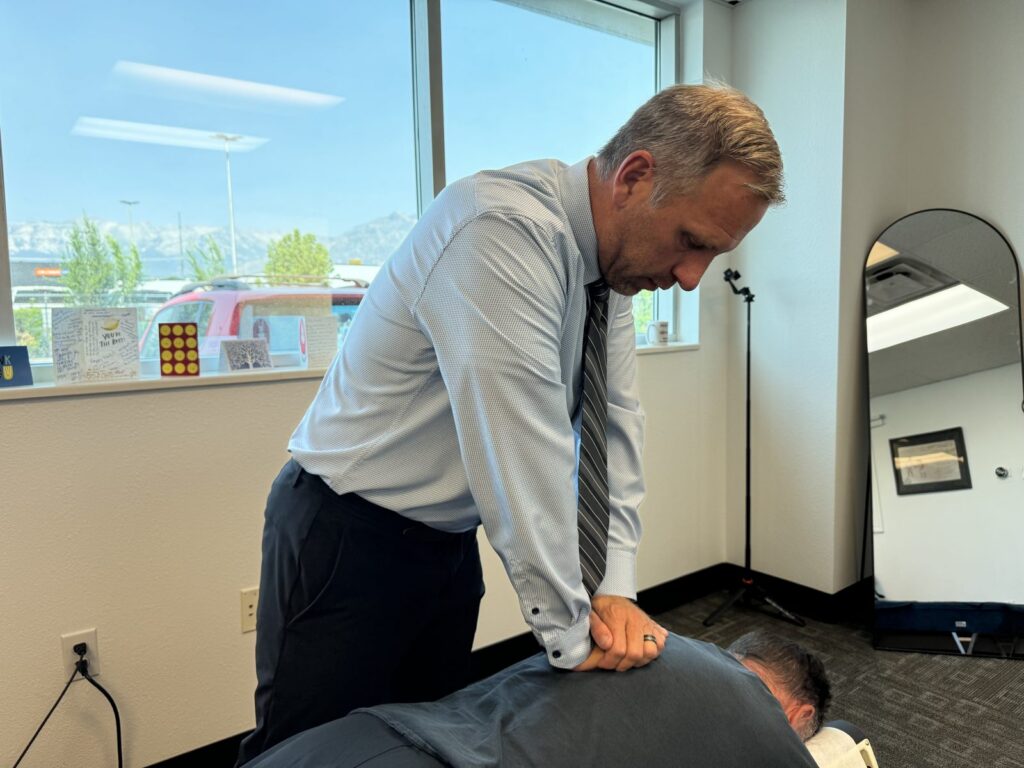
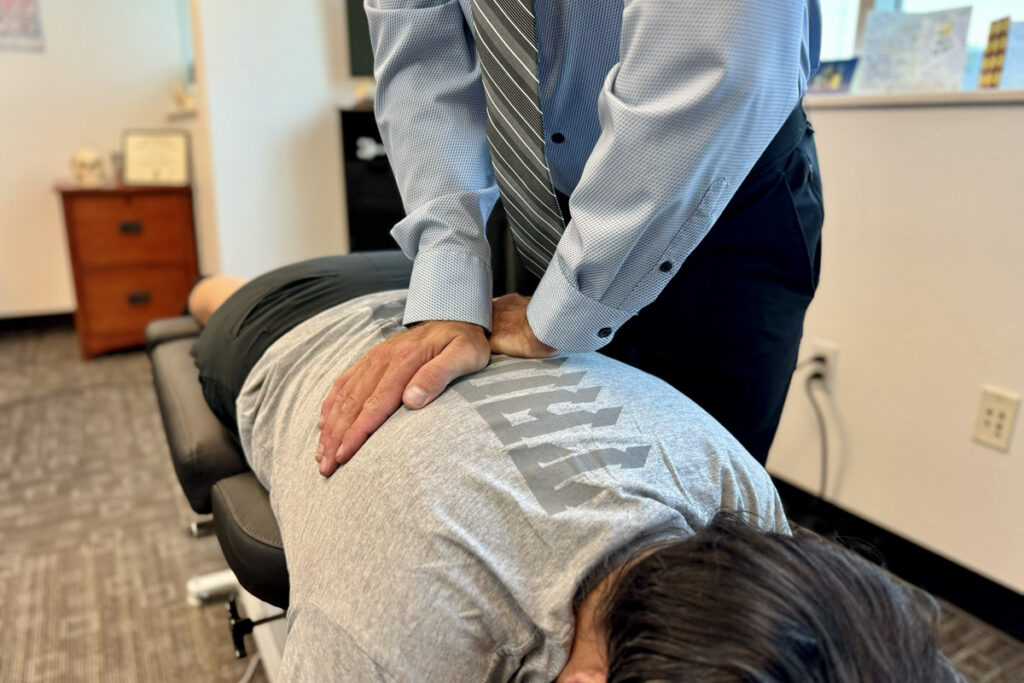
As a chiropractor, I want to emphasize how natural healing techniques, particularly chiropractic care, can play a crucial role in your whiplash recovery. Chiropractic care focuses on restoring proper spinal alignment and function, which is essential for alleviating pain and promoting overall health. Unlike surgeries or medications, which often come with side effects, chiropractic offers a holistic approach that addresses the root causes of your discomfort.
Key milestones in the history of whiplash treatment have shown us that gentle, focused care leads to better outcomes. For instance, techniques like spinal adjustments can significantly reduce tension in the neck and improve mobility, allowing your body to heal naturally. Alongside chiropractic adjustments, incorporating practices like gentle stretching, proper posture, and ergonomic support in your daily life can greatly enhance your recovery journey.
So, what does this history reveal about the future of whiplash treatment? It highlights the importance of embracing natural wellness solutions. If you’re dealing with whiplash, consider how chiropractic care can help you regain your health and vitality. Remember, taking small steps towards a healthier lifestyle, like staying active and maintaining good posture, can make a world of difference in your recovery. Let’s prioritize your health together, and explore the benefits of chiropractic care as a powerful ally in your journey to wellness.
The Origins of Whiplash Understanding
While many people think of whiplash as just a problem that happens in car accidents, there’s so much more to it. Over the years, our understanding of whiplash has grown tremendously. At first, it was often seen as a minor issue, and many didn’t realize how complex it truly is. Through research and experience, we now know that whiplash can lead to various symptoms beyond just neck pain, including headaches, dizziness, and even cognitive challenges.
The term “whiplash” came about in the early 20th century when medical professionals began to connect it to the sudden, forceful movement of the neck. Unfortunately, many early cases were misdiagnosed, which meant that people didn’t get the help they needed. Thankfully, the medical community has come a long way, recognizing that whiplash isn’t only a physical injury but also involves psychological aspects during recovery.
This is where chiropractic care shines as an excellent choice for managing whiplash symptoms. Chiropractors focus on natural healing and addressing the root causes of pain. By using gentle adjustments and personalized treatment plans, we can help restore your neck’s mobility and alleviate discomfort.
If you’re dealing with whiplash, here are a few tips to consider:
- Stay Active: Gentle movements and stretches can help prevent stiffness. Walking or light exercises can boost circulation and promote healing.
- Ice and Heat: Applying ice packs in the initial days can reduce swelling, while heat therapy can soothe tight muscles later on.
- Posture Matters: Maintain good posture throughout the day, especially if you’re sitting for long periods. This can help reduce strain on your neck.
- Hydrate: Drinking plenty of water is crucial for overall health and helps to keep your body functioning properly.
- Chiropractic Care: Regular visits to your chiropractor can provide relief and support your body’s natural healing process.
Early Treatments: Ancient Remedies and Practices
Throughout history, people have sought relief from various ailments, including whiplash, using a range of ancient remedies and practices. It’s fascinating to see how different cultures approached healing and wellness.
For example, in ancient Egypt, warm compresses were commonly used to soothe muscle tension and support recovery. This simple yet effective method is something we can still incorporate into our modern wellness routines.
Traditional Chinese medicine also offered valuable techniques, such as acupuncture, which focuses on specific points in the body to alleviate pain and restore balance. While acupuncture is a different practice, it highlights the importance of looking at the body holistically, a principle that aligns perfectly with chiropractic care.
Herbal remedies have long been popular too, with willow bark known for its anti-inflammatory properties. This natural approach mirrors the philosophy of chiropractic, which emphasizes the body’s ability to heal itself with the right support.
In ancient Greece, Hippocrates even recommended gentle manipulations to realign the spine, laying the groundwork for what we now recognize as chiropractic care.
One important takeaway from these early treatments is the emphasis on rest and relaxation. Taking time to heal is crucial for recovery, and as a chiropractor, I encourage patients to listen to their bodies and take breaks when needed.
Chiropractic care stands out as a leading choice for pain relief and overall wellness. By focusing on spinal health and proper alignment, we can help alleviate discomfort like whiplash and promote natural healing.
The Emergence of Medical Recognition
As understanding of whiplash has grown, many healthcare professionals, including chiropractors, have recognized the importance of exploring a wide range of treatment options that go beyond just traditional methods. Instead of simply masking symptoms, the focus has shifted towards addressing the underlying causes of pain and discomfort.
This holistic approach often combines chiropractic care with physical therapy and psychological support, creating a well-rounded path to recovery. You might notice that insurance companies have started to cover these comprehensive treatments, reflecting their effectiveness in helping patients heal.
Additionally, there’s been a strong push within the medical community for better patient education, which empowers you with insights about your condition and the natural treatment options available to you. With this growing recognition of chiropractic care, there’s an increasing emphasis on research and evidence-based practices.
This means that you can trust that the care you receive is designed to be the most effective possible. The collaborative efforts between various specialists, particularly in chiropractic care, have transformed how whiplash is treated, making recovery a more structured and supportive journey.
Here are a few tips to consider for managing whiplash and promoting overall wellness:
- Stay Active: Gentle movements and stretches can help maintain flexibility and reduce stiffness. Always consult with your chiropractor for specific exercises suited to your condition.
- Posture Matters: Maintaining good posture, especially while sitting or using electronic devices, can alleviate stress on your spine and neck.
- Heat and Cold Therapy: Applying heat or cold packs can provide relief from discomfort. Heat can help relax tight muscles, while cold can reduce inflammation.
- Stay Hydrated: Drinking plenty of water supports overall health and helps keep your spinal discs hydrated.
- Consult a Chiropractor: Regular visits can help ensure that your spine is aligned and functioning well, aiding in your recovery and promoting long-term wellness.
Embracing chiropractic care not only addresses the immediate pain from whiplash but also contributes to your overall health and well-being. It’s a natural, effective way to support your body’s healing process.
Advancements in Physical Therapy Techniques
With the evolution of physical therapy techniques, patients are now benefiting from more tailored and effective approaches to whiplash recovery. However, I want to emphasize that chiropractic care is often the best choice for achieving optimal health and wellness, especially when it comes to pain relief and natural healing.
Chiropractors focus on personalized treatment plans that address your specific needs, aiming to restore proper alignment and function to your spine. Techniques like spinal adjustments can help alleviate pain, improve mobility, and enhance your overall well-being. These adjustments work to reduce tension in the muscles and promote better communication between your brain and body.
In addition to spinal adjustments, your chiropractor may recommend therapeutic exercises designed to strengthen your neck and shoulder muscles while enhancing flexibility. These exercises are crucial for regaining functionality and preventing future injuries.
It’s also important to incorporate healthy lifestyle habits to support your recovery. Staying hydrated, maintaining a balanced diet, and practicing good posture can all contribute to your healing process. Remember to take breaks during long periods of sitting and to engage in gentle stretching to keep your muscles relaxed.
If you’re experiencing dizziness, don’t hesitate to discuss this with your chiropractor. They may provide specific techniques to help with balance and stability, ensuring a comprehensive approach to your recovery.
By choosing chiropractic care, you aren’t only speeding up your recovery but also empowering yourself to manage your symptoms effectively. With these holistic advancements, you can expect all-encompassing care that helps you return to your daily activities with confidence and vitality.
The Role of Chiropractic Care in Recovery
Chiropractic care is an invaluable resource in your journey to recover from whiplash, providing targeted treatments that focus on the underlying causes of your pain and discomfort. When you come to see me, I’ll start by thoroughly assessing your condition through physical examinations and diagnostic tools. This allows us to pinpoint any misalignments in your spine and neck, which can be contributing to your symptoms.
Using gentle spinal adjustments, I help realign your vertebrae, which can significantly relieve tension in your muscles and nerves. This approach not only enhances your mobility but also reduces pain, allowing you to feel more like yourself again.
In addition to adjustments, I may incorporate techniques like soft tissue therapy and rehabilitation exercises tailored to support your healing process. Regular visits to my office do more than just alleviate immediate pain; they promote long-term recovery by enhancing your overall spinal health.
By following my recommendations and attending your sessions consistently, you’re likely to notice a significant improvement in your recovery journey, helping you return to your daily activities with greater ease and comfort.
Here are a few tips to support your healing at home:
- Stay active: Gentle movements and stretches can help maintain mobility and prevent stiffness.
- Ice the area: Applying ice can reduce inflammation and soothe pain in the initial stages of your recovery.
- Practice good posture: Being mindful of your posture while sitting, standing, and sleeping can greatly benefit your spine.
Modern Approaches: Integrative and Holistic Methods
When it comes to recovering from whiplash, understanding the mind-body connection is vital for your healing journey. As a chiropractor, I believe that integrative and holistic methods, particularly chiropractic care, can play a crucial role in your recovery. Chiropractic adjustments help realign the spine and relieve tension, promoting natural healing without the need for medications or surgeries.
By focusing on personalized treatment plans that address your specific needs, chiropractic care not only alleviates pain but also enhances your overall wellness. Incorporating complementary therapies such as massage, stretching, and relaxation techniques can further support your recovery and improve your quality of life.
Here are some simple tips to enhance your healing process:
- Stay Active: Gentle movements, like walking or stretching, can help keep your body in motion without straining it.
- Posture Awareness: Be mindful of your posture, especially when sitting or using electronic devices, to avoid additional strain on your neck and spine.
- Hydration: Drink plenty of water to keep your body hydrated, which aids in muscle recovery and overall health.
- Mindfulness and Relaxation: Incorporate relaxation techniques such as deep breathing or meditation to reduce stress and promote healing.
Embracing chiropractic care along with these holistic approaches can significantly enhance your recovery from whiplash and support your journey toward optimal health.
Mind-Body Connection
Understanding the mind-body connection is crucial for your whiplash recovery, as it highlights how your mental and emotional well-being can significantly impact your physical healing. By recognizing this connection, you can adopt strategies that not only support your recovery but also enhance your overall wellness.
Here are three important aspects to consider:
- Stress Management: Incorporating mindfulness practices such as deep breathing, meditation, or gentle yoga can be incredibly beneficial. These techniques help reduce stress, which in turn can lower muscle tension and decrease your perception of pain. Remember, a calm mind can lead to a more relaxed body.
- Emotional Awareness: It’s important to acknowledge your feelings surrounding your injury. Taking time to process your emotions can empower you and provide a sense of control over your healing journey. This awareness can help alleviate anxiety and promote a more positive outlook on your recovery.
- Positive Visualization: Visualizing your healing process can be a powerful tool. By engaging in positive imagery—such as picturing yourself moving freely and feeling strong—you encourage your body to heal more effectively. This optimistic mindset can greatly influence your recovery.
Chiropractic care plays a vital role in supporting both your physical and mental healing. By focusing on spinal health, you can improve your overall well-being, alleviate pain, and promote natural healing without the need for medications or invasive treatments.
Complementary Therapies
Complementary therapies can significantly support your recovery from whiplash, and while many options exist, chiropractic care stands out as a natural and effective choice for pain relief and overall wellness. As a chiropractor, I believe that addressing spinal health is key to achieving optimal recovery. Chiropractic adjustments can relieve pain, restore mobility, and promote healing by ensuring your spine is aligned and functioning properly.
In addition to chiropractic care, you may also explore other gentle methods that enhance your well-being. Techniques like massage therapy can help ease muscle tension, while practices such as yoga and tai chi can improve flexibility and reduce stress levels. These activities complement the adjustments you receive in chiropractic care, creating a well-rounded approach to your recovery.
Aromatherapy can also be beneficial for soothing your mind and body, and incorporating mindfulness or meditation into your routine can help you manage pain perception more effectively. However, remember that these therapies should work alongside chiropractic care, which is the cornerstone of your recovery.
Here are some general tips to keep in mind as you navigate your healing journey:
- Stay active with gentle exercises that promote movement without straining your neck.
- Maintain good posture, whether sitting, standing, or sleeping, to support spinal health.
- Hydrate well and nourish your body with a balanced diet to aid in recovery.
- Consult your chiropractor about any complementary therapies you’d like to try to ensure they fit with your recovery plan.
By focusing on chiropractic care and integrating other supportive practices, you can create a nurturing environment for your body to heal and thrive.
Always consult with your chiropractor before starting any new therapies to guarantee they align with your recovery goals. Your path to optimal health starts here!
Personalized Treatment Plans
Personalized treatment plans are vital for effectively addressing whiplash recovery, as they cater to your unique needs and circumstances. This approach focuses on chiropractic care, which is a natural and holistic way to promote healing and wellness.
By considering your individual factors, you can optimize your recovery experience and get back to living your life pain-free.
Here are three key components of personalized treatment plans with a focus on chiropractic care:
- Comprehensive Assessment: A thorough evaluation of your symptoms and medical history is crucial to identify the best chiropractic strategies for your recovery. This helps pinpoint underlying issues and tailor treatments just for you.
- Chiropractic Techniques: Utilizing various chiropractic techniques, such as spinal adjustments, massage therapy, and therapeutic exercises, creates a well-rounded approach to healing. These natural methods work together to relieve pain, improve function, and promote overall wellness.
- Ongoing Monitoring: Regular check-ins with your chiropractor allow for adjustments to your treatment plan, ensuring it remains effective and aligned with your recovery goals. This continuous support can make a significant difference in your healing journey.
Embracing a personalized chiropractic plan can greatly enhance your chances of a full recovery.
Remember that maintaining good posture, staying active, and incorporating gentle stretches into your daily routine can also support your healing process. Choosing chiropractic care not only addresses your current pain but also lays the foundation for a healthier, more vibrant life.
Future Directions in Whiplash Treatment Research
As a local chiropractor dedicated to your health and wellness, I want to share some exciting advancements in whiplash treatment that align with natural healing and holistic care. Research is increasingly showing that evidence-based approaches, particularly those that emphasize chiropractic care, can lead to effective recovery from whiplash injuries.
One promising trend is the integration of technology with personalized care. For instance, telehealth services can provide remote assessments and allow me to create individualized chiropractic treatment plans tailored to your unique needs. You may also find wearable devices beneficial, as they can track your recovery progress and help me adjust your treatment as needed, ensuring you’re on the right path to healing.
Additionally, innovative therapies like virtual reality are being explored to enhance engagement during treatment sessions. This can be particularly beneficial in chiropractic care, as it helps you stay motivated and involved in your recovery process.
Moreover, the concept of multidisciplinary treatment teams is gaining traction. While I firmly believe in the power of chiropractic care, collaborating with other specialists—like physical therapists and pain specialists—can enhance your overall treatment experience. This combined approach focuses on addressing the multifaceted nature of whiplash injuries, ensuring that all aspects of your health are considered.
As these advancements unfold, you can expect your experience with whiplash recovery to become more efficient and effective, centered around your specific challenges and goals.
Here are some general tips to complement your chiropractic care:
- Stay Active: Gentle movement can help maintain flexibility and reduce stiffness. Simple neck stretches and exercises can be beneficial.
- Maintain Good Posture: Be mindful of your posture, especially when sitting or using devices. Proper alignment can alleviate stress on your spine and neck.
- Stay Hydrated: Drinking plenty of water supports overall health and can aid in the healing process.
- Rest and Recovery: Allow your body time to heal. Ensure you’re getting enough rest and sleep to support your recovery.
The future of whiplash treatment looks promising, and embracing chiropractic care can be a natural and effective way to achieve optimal health and wellness. Together, we can work towards your recovery and help you regain a pain-free life.
Conclusion
In exploring the history of whiplash recovery treatments, it’s fascinating to see how far we’ve come—from ancient remedies to modern, integrative approaches. Throughout the ages, understanding of whiplash has evolved, leading us to current practices that prioritize personalized care and evidence-based methods. As a chiropractor, I believe that one of the best ways to support recovery from whiplash is through chiropractic care.
Chiropractic care not only focuses on relieving pain but also promotes natural healing by addressing the root causes of discomfort. Techniques such as spinal adjustments can help restore proper alignment, reduce tension in the muscles, and improve overall mobility. This holistic approach ensures that patients receive comprehensive care tailored to their individual needs.
As research continues to advance, we can expect even more innovative strategies that enhance recovery outcomes. For those affected by whiplash, embracing chiropractic care can lead to a more effective path to healing. Here are some general tips to support your recovery:
- Stay Active: Gentle movements and stretches can help maintain flexibility and reduce stiffness. Always consult your chiropractor for personalized exercise recommendations.
- Practice Good Posture: Pay attention to your posture, especially when sitting or using electronic devices. Keeping your spine aligned can help prevent further strain.
- Apply Heat or Cold: Using a warm compress or ice pack can alleviate discomfort and reduce inflammation. Alternate between the two for optimal relief.
- Stay Hydrated: Drinking plenty of water supports overall health and can help maintain the elasticity of the spinal discs.
- Consider Regular Chiropractic Visits: Incorporating regular chiropractic adjustments into your routine can help maintain spinal health and prevent future issues.
By choosing chiropractic care, you’re opting for a natural and holistic approach to recovery that emphasizes your body’s ability to heal itself. This not only aids in pain relief but also promotes long-term wellness. Remember, you deserve the best care possible on your journey to recovery!