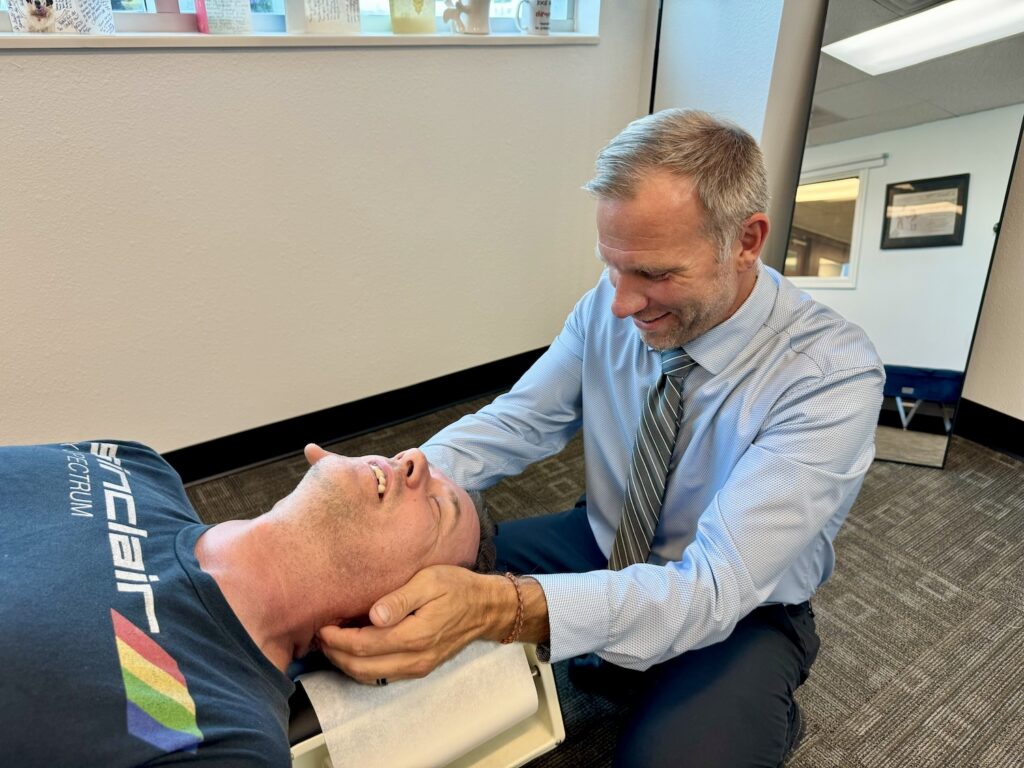
As a local chiropractor, I want to share how holistic approaches can effectively alleviate back pain in a way that goes beyond just treating the symptoms. Many people aren’t aware that incorporating practices such as yoga, mindfulness, and proper nutrition can significantly enhance your recovery process. These methods target not only the physical aspects of pain but also address the emotional and psychological factors that often accompany it. If you’re curious about how we can work together to create a personalized plan that supports your back health and overall well-being, I’m here to guide you through the journey of natural healing.
Understanding the Mind-Body Connection
As your local chiropractor, I want to emphasize how crucial the connection between your mind and body is when it comes to managing physical pain, particularly back pain. Many people may not realize that their thoughts, emotions, and stress levels can significantly impact their experience of discomfort.
When you’re feeling stressed or anxious, your body tends to tighten up, which can lead to muscle stiffness and pain. Understanding this connection is vital for effectively addressing and managing your back pain.
You might be surprised to learn that incorporating practices like mindfulness and relaxation techniques can lead to a noticeable decrease in your pain levels. These methods help you become more aware of both your body and your emotions, allowing you to respond to pain in a healthier way rather than simply reacting to it.
Additionally, activities such as journaling your thoughts or practicing gratitude can help shift your mindset and alleviate the emotional strain that often accompanies physical discomfort.
The Role of Yoga in Back Pain Relief
As a local chiropractor, I want to share with you the benefits of incorporating yoga into your routine for back pain relief. While there are many treatments available, yoga is a unique approach that not only enhances physical flexibility but also nurtures mental well-being.
By practicing yoga, you can improve your posture, strengthen your core muscles, and achieve better spinal alignment, which are all essential for a healthy back. The gentle stretching and controlled movements found in yoga help to release tension stored in your back, often providing immediate relief from discomfort.
Additionally, yoga promotes mindfulness and deep breathing techniques that can significantly lower stress and anxiety levels—two common contributors to chronic pain. You’ll discover that focusing on your breath during your practice helps to calm your mind, making it easier to manage your pain.
Whether you’re new to yoga or have some experience, there are many styles and poses that can specifically target back pain relief. I recommend starting with gentle stretches such as Child’s Pose or Cat-Cow, and as your body becomes more accustomed to the movements, you can gradually explore more advanced poses.
Embracing yoga not only helps to alleviate physical discomfort but also creates a stronger connection between your mind and body, fostering a more holistic approach to healing.
Acupuncture: A Traditional Approach to Pain Management
As a local chiropractor, I want to introduce you to acupuncture, a time-honored method that complements our approach to pain management, especially when it comes to back pain.
Many of you may not be familiar with how acupuncture works or the specific advantages it can bring to your healing journey. Allow me to explain how this ancient practice can be an effective part of your overall care.
Acupuncture operates on the principle of stimulating certain points on the body to promote natural healing and alleviate pain. By using thin needles to target these key points, acupuncture can enhance blood circulation, reduce inflammation, and release endorphins—your body’s natural painkillers.
Incorporating acupuncture into your treatment plan might surprise you with its unique benefits, such as improved mobility and reduced tension in the muscles surrounding your spine.
It works harmoniously with chiropractic adjustments, helping to optimize your recovery and enhance your overall well-being.
If you’re struggling with back pain, I encourage you to consider how acupuncture could be a valuable tool in your path to relief and healing.
History of Acupuncture
As a local chiropractor, I want to share with you the fascinating history of acupuncture, which dates back over 2,500 years and has become a fundamental aspect of traditional Chinese medicine.
This ancient practice originated in China, where healers initially used sharpened stones and eventually metal needles to stimulate specific points on the body.
Over the years, acupuncture spread throughout Asia and gained traction in the West during the 20th century. By the 1970s, its influence began to permeate modern medicine, leading more people to explore its benefits for a variety of health concerns, particularly pain management, such as back pain.
Today, acupuncture is celebrated not just for its historical significance but also for its role in holistic health practices, highlighting the importance of balance and the body’s natural ability to heal itself.
As a chiropractor, I believe that understanding these natural healing modalities can empower you to make informed choices about your health and well-being.
Mechanism of Action
As a chiropractor, I want to help you understand how acupuncture can be an effective way to alleviate pain and enhance your overall health. This ancient practice taps into your body’s natural ability to heal itself through various mechanisms.
When acupuncture needles are placed at specific points, they activate important biochemical responses that can help ease your pain. Let’s break down some of the key ways this works:
- Endorphin Release: One of the great benefits of acupuncture is that it encourages your body to release endorphins. These are natural pain-relieving chemicals produced by your body that can help you feel better and reduce discomfort.
- Nerve Signal Modulation: Acupuncture also plays a role in altering how pain signals are sent to your brain. By stimulating certain nerves, it can effectively lessen the intensity of the pain you experience, making it more manageable.
- Blood Flow Enhancement: Another important effect of acupuncture is improved blood circulation in the areas being treated. This increased blood flow can help reduce inflammation and speed up the healing process, allowing your body to recover more efficiently.
Benefits for Back Pain
If you’re dealing with back pain, I want to introduce you to an effective natural healing method that many of my patients have found transformative: chiropractic care.
As a chiropractor, my goal is to help you manage your pain and improve your overall health without relying on medication. Chiropractic care focuses on the relationship between your spine and the nervous system.
By performing gentle adjustments, we can realign your spine, reduce nerve interference, and promote proper function in your body. Many patients have reported significant relief from pain and discomfort after just a few visits.
In addition to alleviating pain, chiropractic adjustments can enhance your mobility and improve your posture, which are crucial for long-term recovery.
You’ll also find that regular chiropractic care can contribute to better sleep and reduced stress levels, as a well-functioning spine supports your body’s natural healing processes.
This holistic approach not only addresses the symptoms of back pain but also works to identify and treat the underlying issues contributing to your discomfort.
If you’re looking for a natural alternative to pain relief, exploring chiropractic care might be just what you need to enhance your quality of life.
Let’s work together to help you regain your mobility and enjoy a healthier, pain-free life.
Mindfulness and Meditation Techniques
As a local chiropractor, I want to share how mindfulness and meditation can be beneficial in managing back pain. Many of my patients may not be familiar with these practices, but they can serve as excellent complementary tools to traditional chiropractic care.
By incorporating breathing exercises into your routine, you can help relax the muscles around your spine and promote better alignment. Engaging in guided imagery can also assist in visualizing a pain-free state, which can positively influence your body’s response to discomfort.
Additionally, exploring mindful movement techniques, such as gentle stretching or yoga, can enhance your body’s awareness and connection to its movements.
These approaches not only aim to alleviate pain but also contribute to your overall health and well-being. Embracing mindfulness and meditation alongside chiropractic care can lead to a more holistic healing experience.
If you have any questions about how to integrate these practices into your routine, feel free to ask during your next visit!
Breathing Exercises for Relaxation
As a local chiropractor dedicated to your well-being, I want to share how breathing exercises can significantly enhance relaxation and alleviate back pain. These exercises encourage mindfulness and help you establish a deeper connection with your body. By honing in on your breath, you can release built-up tension and cultivate a sense of calm.
Here are a few techniques you might find beneficial:
- Diaphragmatic Breathing: This is a fundamental practice where you inhale deeply through your nose, allowing your abdomen to expand fully, and then exhale slowly through your mouth. This technique not only oxygenates your body but also helps relax your muscles, which is crucial for maintaining a healthy spine.
- 4-7-8 Breathing: Inhale for a count of four, hold your breath for seven counts, and then exhale for eight counts. This method can help usher in a tranquil state of mind, making it easier to manage stress and discomfort.
- Box Breathing: This involves inhaling for four counts, holding your breath for four counts, exhaling for four counts, and then holding your breath again for four counts. The rhythmic nature of this practice can be particularly effective in reducing anxiety and sharpening your focus, which can be beneficial for your overall health.
I encourage you to incorporate these breathing exercises into your daily routine. They can be powerful tools not just for relaxation, but also for enhancing your overall well-being and supporting the natural healing processes of your body.
Guided Imagery Practices
As a local chiropractor, I want to share with you the incredible benefits of incorporating guided imagery practices into your wellness routine. Alongside breathing exercises, these techniques can significantly enhance relaxation and assist with pain management.
Guided imagery involves visualizing calming scenes—like a serene beach or a tranquil forest. By immersing yourself in the details such as the sounds of waves or the scent of pine trees, you actively engage your mind, which can help distract you from discomfort.
This mental escape is a powerful tool for reducing your perception of pain and alleviating stress levels. You don’t need to rely on guided recordings to practice this; you can simply close your eyes and imagine these peaceful settings.
Consistency is vital—try to weave this practice into your daily routine. As you become more skilled at using guided imagery, you’ll likely find it easier to manage pain and foster a sense of tranquility in your life.
This approach can empower you to navigate your day with greater ease, complementing the benefits of chiropractic care and natural healing.
Mindful Movement Techniques
As your local chiropractor, I want to share some valuable insights on how you can effectively manage back pain through mindful movement techniques. These practices aren’t just about improving physical flexibility; they also promote mental relaxation, which is key to alleviating discomfort.
By engaging in mindful movements, you can enhance your awareness of your body, helping you to identify areas of tension and discomfort that may be contributing to your pain.
Here are a few mindful movement techniques I encourage you to incorporate into your daily routine:
- Yoga: This practice emphasizes gentle stretches and postures that can significantly improve spinal alignment and flexibility. It’s an excellent way to foster a deeper connection with your body while promoting relaxation.
- Tai Chi: Known for its slow, flowing movements, Tai Chi can enhance your balance and reduce stress levels. This gentle martial art is particularly beneficial for improving your posture and overall body awareness.
- Walking Meditation: This technique blends the mindfulness of meditation with the simplicity of walking. Focus on each step and your breath, allowing yourself to be fully present in the moment. This can help clear your mind and reduce pain perception.
Incorporating these mindful movement techniques into your lifestyle not only supports your chiropractic care but also empowers you to take charge of your wellness journey.
The Benefits of Massage Therapy
As a local chiropractor, I want to share with you the incredible benefits of incorporating massage therapy into your routine, especially if you’re dealing with back pain.
Combining chiropractic care with massage offers a holistic approach to healing that can significantly improve your overall well-being.
When you receive a massage, the therapist targets tight muscles and tension that may be contributing to your discomfort. This not only improves circulation but also promotes relaxation, which is essential for reducing pain.
Many of my patients find that regular massage sessions provide immediate relief and help maintain the benefits of chiropractic adjustments.
During a massage, the therapist will focus on the specific areas where you’re experiencing pain, using a variety of techniques, from light pressure to deeper tissue work.
This personalized care can help release accumulated stress and enhance your range of motion. I’ve seen firsthand how patients who engage consistently in massage therapy often become more resilient to pain.
It’s important to note that the advantages of massage extend beyond the physical realm.
The calming environment during a session can alleviate anxiety and boost your mood, contributing to a comprehensive sense of health.
As you explore your options for managing back pain, I encourage you to consider adding massage therapy to your wellness plan for a more thorough approach to healing.
Nutrition and Its Impact on Back Health
As a local chiropractor, I want to emphasize the importance of nutrition in maintaining your back health alongside other therapies like massage.
While massage therapy can offer immediate relief from back pain, the food you consume plays a vital role in your overall comfort and mobility. Nourishing your body with a balanced diet rich in essential nutrients is key to keeping your back strong and resilient.
Here are some crucial dietary components you should consider for optimal back health:
- Calcium: This mineral is essential for developing and maintaining strong bones. You can find calcium in dairy products, leafy greens, and fortified foods. Ensuring you get enough calcium can help prevent bone-related issues that may contribute to back pain.
- Omega-3 Fatty Acids: These healthy fats are known for their anti-inflammatory properties. Incorporating fatty fish, walnuts, and flaxseeds into your diet can help reduce inflammation in your body, which may alleviate some of the discomfort you experience in your back.
- Magnesium: This mineral is vital for muscle function and recovery. You can increase your magnesium intake by consuming nuts, seeds, and whole grains. Adequate magnesium levels can help your muscles relax and recover, which is essential for maintaining a healthy back.
By focusing on these nutritional elements, you can support your back health and complement the chiropractic care you receive.
Essential Oils and Aromatherapy for Pain Relief
As your local chiropractor, I want to introduce you to some natural methods that may help alleviate your back pain, such as essential oils and aromatherapy.
Many patients are surprised to learn about the pain-relieving properties of certain essential oils and how they can complement the chiropractic care we provide.
By exploring the top essential oils known for their analgesic effects, you can discover how these natural solutions can support your healing journey.
I’ll also share effective application techniques to maximize their benefits and enhance your overall well-being.
Together, we can uncover how these aromatic therapies can play a role in your recovery and pain relief.
Top Essential Oils
As your local chiropractor, I want to share how essential oils can complement your journey to relief from back pain.
These concentrated plant extracts can play a significant role in a holistic approach to healing, offering natural therapeutic benefits that may help ease discomfort and promote relaxation.
Here are some essential oils you might find beneficial:
- Lavender: This oil is well-known for its calming effects. By reducing tension and stress, lavender can indirectly help alleviate back pain that may be exacerbated by these factors.
- Peppermint: With its refreshing and cooling properties, peppermint oil can relieve muscle tension and enhance circulation. This makes it an excellent option for those seeking pain relief.
- Eucalyptus: Known for its anti-inflammatory properties, eucalyptus oil can help reduce swelling and discomfort in areas affected by pain.
Incorporating these essential oils into your daily routine can serve as a natural enhancement to your back pain relief strategy.
Application Techniques
As a local chiropractor, I want to share some effective ways to apply essential oils and harness the benefits of aromatherapy for back pain relief.
One popular method is to dilute a few drops of essential oil, such as lavender or peppermint, in a carrier oil like coconut or jojoba oil. This blend can be gently massaged into the affected area, helping to alleviate tension and discomfort.
Another technique is to use a diffuser in your living space. This allows the essential oils to disperse into the air, promoting relaxation and potentially reducing your perception of pain.
For immediate relief, you can inhale the scent directly from the bottle or use a personal inhaler. Additionally, adding a few drops of essential oil to a warm bath can create a soothing experience that may help ease your back pain.
I encourage you to experiment with these techniques to discover what works best for you.
Chiropractic Care: Aligning the Body for Relief
As a local chiropractor, I want to share with you the transformative benefits of chiropractic care for back pain relief and overall wellness. Many people are unfamiliar with how chiropractic practices can help align the spine and enhance the function of your entire body.
By correcting misalignments in your spine, we can work together to restore balance, alleviate discomfort, and improve your quality of life.
Here are some key benefits of chiropractic care that you should know:
- Pain Management: Through precise adjustments, we can target specific areas of tension and pain in your back, helping you find relief without relying on medications.
- Enhanced Function: When your spine is properly aligned, it supports your nervous system, leading to improved bodily functions, better mobility, and greater overall vitality.
- Preventative Care: Regular chiropractic visits can help maintain your spine’s alignment and prevent future health issues, allowing you to live a more active and fulfilling life.
At our practice, we focus on creating personalized treatment plans tailored to your unique needs.
Our goal is to empower you to take control of your health through natural healing methods.
By incorporating chiropractic care into your routine, you can cultivate a healthier lifestyle and experience the journey toward a pain-free back.
I invite you to explore this holistic approach and discover how it can benefit you!
Tai Chi and Its Gentle Movements
As a chiropractor, I often emphasize the importance of gentle movement and mindful practices for improving back health, and Tai Chi is an excellent example of this. This ancient practice offers a way to enhance your flexibility and strengthen the core muscles that support your spine, all through its flowing movements and deliberate motions.
When you engage in Tai Chi, you not only work on your physical strength but also cultivate a greater awareness of your body. This awareness helps you identify areas of tension and stress that may contribute to your discomfort. Each stance encourages relaxation and balance, allowing you to move more freely and without strain.
The rhythmic breathing that accompanies these movements can foster a sense of calm, which is beneficial in managing anxiety often linked to chronic pain. You don’t have to be an expert to reap the benefits of Tai Chi; even beginners can find relief through simple routines.
I encourage you to explore local classes or online tutorials to start incorporating Tai Chi into your wellness routine. With consistent practice, you may find that it not only alleviates your back pain but also contributes to your overall well-being.
Creating a Personalized Holistic Plan for Back Pain
As a chiropractor, I understand how debilitating back pain can be, and I’m here to guide you toward creating a personalized holistic plan for your recovery.
It’s essential to start by assessing your specific symptoms and identifying what triggers your pain. This evaluation will help us determine which natural healing methods might be the most effective for you.
Here are some key elements to consider incorporating into your holistic plan:
- Mindfulness and Meditation: These practices are powerful tools for reducing stress and can alter your perception of pain, making it easier to cope with discomfort.
- Nutritional Adjustments: Emphasizing an anti-inflammatory diet can support your body’s healing processes. Foods rich in omega-3 fatty acids, antioxidants, and vitamins can play a crucial role in reducing inflammation and pain.
- Physical Activity: Engaging in tailored exercises, such as yoga or gentle stretching, can significantly strengthen your back muscles and enhance your flexibility. These activities aren’t only beneficial for your back but also contribute to overall health.
I encourage you to consult with healthcare professionals who specialize in holistic approaches, including chiropractic care.
We can work together to create a comprehensive plan that addresses your unique needs. By committing to this personalized strategy, you take vital steps toward alleviating your back pain and improving your overall well-being.
Conclusion
As a local chiropractor, I want to share with you the incredible benefits of incorporating holistic approaches to alleviate back pain. Embracing practices such as yoga, mindfulness, and acupuncture can significantly enhance your healing journey. These techniques not only target physical discomfort but also support your emotional well-being, creating a more balanced approach to health.
It’s important to remember that each individual is unique, so tailoring your wellness plan to suit your specific needs is essential. Working alongside healthcare professionals, including chiropractors like myself, can help you find the best combination of therapies for your situation. By doing so, you’ll not only promote a healthier back but also empower yourself to move freely and comfortably once again. Let’s work together to explore these holistic methods and discover a path to lasting relief and improved quality of life.