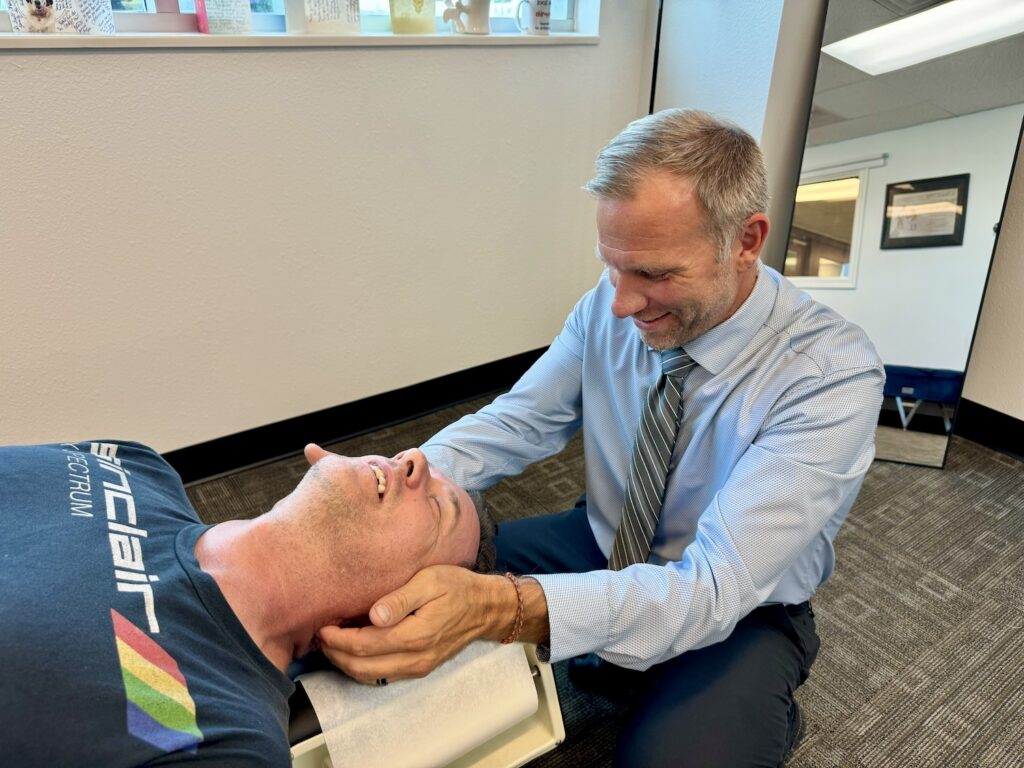
As a local chiropractor, I want to share some insights on achieving long-term relief from back pain. It’s crucial to recognize the underlying causes of your discomfort and to embrace a holistic approach to healing. Many patients find that by focusing on their posture, strengthening their core muscles, and incorporating flexibility exercises into their routine, they can experience significant improvements in their pain levels.
However, it’s important to understand that relief isn’t solely about engaging in physical activity. There are numerous factors that can either support or obstruct your healing journey. In my practice, I often emphasize the importance of lifestyle choices, stress management, and overall wellness in conjunction with chiropractic adjustments.
By addressing these elements collectively, we can develop a comprehensive strategy tailored to your individual needs that promotes lasting comfort and well-being. If you’re new to chiropractic care, I encourage you to explore how these natural healing methods can help you reclaim your quality of life and alleviate back pain for good.
Understanding the Causes of Back Pain
As your local chiropractor, I want to help you understand the common causes of back pain and how we can address them naturally. When you experience discomfort in your back, it’s important to recognize the various factors that could be at play.
For instance, if you’ve recently lifted something heavy, the strain on your muscles or ligaments could lead to pain and discomfort. Additionally, poor ergonomics—like sitting for extended periods without proper support—can worsen these issues.
It’s also important to consider age-related changes that can affect your spine, such as herniated discs or arthritis. Interestingly, stress can also play a significant role in your back pain, as it often leads to muscle tension.
Moreover, your activity level is crucial; both excessive activity and a sedentary lifestyle can contribute to back pain.
By understanding these potential causes, we can work together to create a tailored approach to alleviate your discomfort and enhance your overall back health.
The Importance of Posture
As your local chiropractor, I want to emphasize the crucial role that posture plays in your overall health, particularly when it comes to back pain. Many of my patients are often unaware of how their daily habits, such as slouching or hunching over, can lead to significant strain on the spine and surrounding muscles. This misalignment can cause discomfort and potentially lead to long-term injuries if not addressed.
It’s important to be conscious of your posture in all aspects of your life—whether you’re sitting at your desk, standing, or walking. I encourage you to keep your shoulders back and your head aligned with your spine. When sitting, ensure your feet are flat on the floor and your knees form a right angle.
If you spend long hours at a desk, an ergonomic chair that supports your lower back can be a game-changer.
Regularly checking in on your posture can profoundly impact how you feel throughout the day. By being proactive about maintaining good posture, you can’t only alleviate current back pain but also prevent future issues. This simple adjustment can significantly enhance your overall well-being.
Strengthening Core Muscles
As a local chiropractor, I often see patients who focus primarily on their back muscles in efforts to alleviate pain.
However, I want to emphasize that strengthening your core is equally important for maintaining overall spinal health. A robust core not only provides stability and support for your spine but also plays a crucial role in reducing the risk of injury and enhancing your posture.
Here are four fundamental exercises I recommend to help you build core strength:
- Planks: By holding a plank position, you engage your entire core while ensuring you maintain proper form. This is essential for strengthening the muscles that support your spine.
- Bridges: Start by lying on your back with your knees bent. Lift your hips off the ground while squeezing your glutes. This exercise strengthens both your lower back and abdomen, which is vital for spinal stability.
- Bicycle Crunches: Lie on your back and alternate bringing your knees toward your chest while twisting your torso. This movement effectively engages your obliques, helping to develop a balanced core.
- Dead Bugs: While lying on your back, extend your arms and legs straight up. Carefully lower one arm and the opposite leg while keeping your core tight. This exercise challenges your stability and strengthens your core muscles.
Incorporating these exercises into your regular routine can significantly impact your efforts to relieve back pain.
Flexibility and Stretching Exercises
As your local chiropractor, I want to emphasize the importance of incorporating flexibility and stretching exercises into your daily routine for optimal spinal health and to help alleviate any back pain you may be experiencing.
These exercises can significantly enhance your range of motion, diminish stiffness, and improve your overall posture. By regularly stretching, you encourage blood flow to your muscles, which is crucial for recovery and tension relief.
I recommend integrating gentle stretches into your routine, such as the cat-cow pose, child’s pose, or hamstring stretches. These specific stretches can effectively target tight areas that often contribute to back pain.
Ideally, aim to stretch at least three times a week, holding each stretch for 15-30 seconds while focusing on deep breathing to further relax your body.
It’s essential to listen to your body and not overexert yourself. Consistency is key; as you remain dedicated to these practices, you’ll likely notice improvements in your comfort and mobility over time.
The Role of Physical Therapy
As a local chiropractor, I want to emphasize the importance of flexibility and stretching exercises for your recovery, especially when combined with chiropractic care.
Chiropractic therapy can be tailored to address your specific needs and health goals, providing a holistic approach to back pain relief. Here’s how chiropractic care can enhance your recovery process:
- Comprehensive Assessment: I’ll evaluate your condition to pinpoint the underlying causes of your pain, taking into account your overall health and lifestyle.
- Customized Exercises: You’ll participate in targeted exercises that strengthen the muscles supporting your spine, improve your posture, and promote overall wellness.
- Hands-On Techniques: Chiropractic adjustments, along with manual therapies like massage, can alleviate tension, restore mobility, and realign your spine for better function.
- Empowerment Through Education: You’ll gain valuable knowledge about proper body mechanics and preventative strategies to help you avoid future injuries and maintain a healthy spine.
Alternative Therapies for Pain Relief
As a local chiropractor, I understand that many of you may not be familiar with the various options available for managing back pain, especially when traditional methods fall short.
Alternative therapies can be a valuable part of your pain relief journey. Chiropractic care focuses on the alignment of your spine and musculoskeletal system, which can significantly alleviate pain and improve your overall function.
Many patients find that chiropractic adjustments not only ease their back discomfort but also enhance their mobility and well-being.
In addition to chiropractic care, acupuncture is another alternative therapy that has gained popularity for its potential to relieve pain. This ancient practice involves inserting thin needles into specific points on the body to help balance energy and promote healing.
Herbal remedies are also worth exploring, as certain natural herbs can provide anti-inflammatory benefits and support your body’s healing processes.
I encourage you to consider these alternative therapies in conjunction with traditional methods to help you find the comfort and relief you deserve.
Your journey to better health might just include a holistic approach that combines the best of both worlds.
Acupuncture for Pain Relief
As a local chiropractor, I want to share with you the benefits of incorporating acupuncture into your pain relief strategy, especially for those struggling with back pain.
This ancient form of therapy works by stimulating specific points on the body using fine needles, offering a holistic approach to healing.
Here are four key benefits of acupuncture that can complement your chiropractic care:
- Reduces Inflammation: Acupuncture enhances blood circulation, which helps diminish inflammation in the areas affected by pain, making it easier for your body to heal.
- Releases Endorphins: This practice encourages the release of natural pain-relieving hormones, known as endorphins, which can help elevate your mood and reduce discomfort.
- Improves Mobility: Regular acupuncture sessions can lead to increased flexibility and reduced stiffness, allowing you to move more freely and comfortably.
- Promotes Relaxation: By targeting stress and tension, acupuncture can help lower your stress levels, which is crucial as stress often contributes to muscle tightness and pain.
I encourage you to consider acupuncture as a valuable addition to your overall pain management plan.
Chiropractic Adjustments Benefits
As a local chiropractor, I want to take a moment to introduce you to the incredible benefits of chiropractic adjustments, especially if you’re new to this form of natural healing.
Chiropractic care isn’t just about relieving pain; it’s about enhancing your overall health and well-being.
When we perform adjustments, our primary goal is to realign your spine. This realignment can alleviate pressure on your nerves, leading to improved bodily function. Many of my patients find that with regular visits, they experience a significant reduction in discomfort, an increase in mobility, and even an improvement in their posture.
Moreover, chiropractic adjustments can bolster your body’s innate ability to heal itself. This means that the relief you experience can be long-lasting. A common feedback I hear from my patients is that they feel more relaxed and less tense following their adjustments, which can further help in managing pain levels.
If you’re looking for a natural and holistic approach to pain relief and overall health, I encourage you to consider chiropractic care as a valuable part of your wellness journey.
Herbal Remedies Effectiveness
As a local chiropractor, I often see patients seeking relief from back pain through conventional methods. However, I want to share with you some natural alternatives that might be effective in your healing journey.
Herbal remedies can offer a holistic approach to pain management, and I encourage you to consider these options:
- Turmeric: This vibrant spice is renowned for its anti-inflammatory properties, which may help reduce pain and promote healing in your back.
- Willow Bark: Often dubbed nature’s aspirin, willow bark has been used for centuries to alleviate discomfort and may be a beneficial addition to your pain management plan.
- Ginger: Known for its anti-inflammatory effects, ginger can help relax your muscles and ease tension, potentially providing much-needed relief.
- Devil’s Claw: This herb has a long history of use for pain relief and may help improve your mobility, making it a great option for those struggling with chronic pain.
Before you explore any herbal remedies, I strongly advise consulting with a healthcare professional. It’s important to ensure that these natural treatments are safe and suitable for your specific condition.
Lifestyle Modifications for Prevention
As a local chiropractor, I want to share some valuable insights on how you can prevent back pain through simple lifestyle modifications. One of the first things to consider is your posture. Whether you’re sitting at a desk, standing in line, or lifting objects, keeping your body aligned properly can significantly reduce strain on your back.
It’s about being mindful of how you move and position yourself throughout the day.
Regular exercise is another crucial component. I recommend incorporating activities that strengthen your core muscles, as they play an essential role in supporting your spine. Core-strengthening workouts can help stabilize your back and prevent discomfort.
Additionally, don’t underestimate the importance of stretching. A daily stretching routine can improve your flexibility and relieve tension in your muscles, which often contributes to back pain.
Weight management is also key. Carrying excess weight can increase the pressure on your spine and lead to discomfort. Maintaining a balanced diet that’s rich in essential nutrients won’t only support your overall health but also help keep your bones and muscles strong.
Consider your sleep environment as well. Investing in a supportive mattress and ergonomic furniture can promote better posture while you sleep and during your daily activities.
It’s crucial to create a space that encourages your body to rest and recover properly.
Finally, don’t forget the importance of staying hydrated. Proper hydration is essential for maintaining the elasticity of your spinal discs, which can help prevent pain and injury.
By implementing these lifestyle changes, you can significantly reduce your risk of back pain and enhance your overall well-being.
If you have any questions or need further guidance, feel free to reach out. Your health is important, and I’m here to support you on your journey to a pain-free life!
The Impact of Stress on Back Pain
As your local chiropractor, I want to share with you how stress can significantly affect your back health, even if you’re already making positive lifestyle changes like maintaining good posture and exercising regularly.
It’s important to understand the connection between stress and back pain, as stress can lead to physical changes in your body that contribute to discomfort.
Here are four key ways stress can impact your back pain:
- Muscle Tension: When you’re under stress, your muscles tend to tighten up, causing stiffness and discomfort in your back. This tension can lead to chronic pain if not addressed.
- Inflammation: Ongoing stress can increase inflammation in your body, which may worsen any existing back pain. It’s crucial to manage stress to help reduce this inflammation.
- Poor Posture: Stress often leads to changes in how we carry ourselves, such as slouching or hunching over. These postural changes can place additional strain on your spine, contributing to discomfort.
- Reduced Pain Tolerance: High levels of stress can lower your pain threshold, making any discomfort feel more intense. By managing stress, you may find that you can tolerate pain better.
As we work together towards your wellness, it’s vital to consider not just physical adjustments but also the impact of stress on your overall health.
Through chiropractic care and natural healing practices, we can help you manage stress and alleviate back pain effectively.
Creating a Supportive Sleep Environment
As a local chiropractor committed to your overall well-being, I want to emphasize how crucial a restful night’s sleep is for maintaining your back health. One of the first steps in achieving this is to create a supportive sleep environment tailored to your needs.
Let’s start with your mattress. It’s important to select one that offers both comfort and adequate support for your spine. If your mattress is more than seven years old or shows signs of sagging, it might be time to invest in a new one to ensure your back is properly supported while you sleep.
Next, let’s talk about pillows. The right pillow can make a significant difference in keeping your head and neck aligned with your spine. For those of you who sleep on your side, a thicker pillow may provide the necessary support, while back sleepers often find a flatter pillow more beneficial.
Don’t forget about the temperature of your bedroom! A cool and well-ventilated space can promote better sleep quality. Consider using dark curtains or a sleep mask to block out any intrusive light, as this helps facilitate deeper, more restorative sleep.
Lastly, I recommend limiting screen time in the hour leading up to bedtime. Reducing exposure to blue light from devices can help your body prepare for sleep, making it easier to drift off.
By optimizing your sleep environment, you can significantly improve your back health and enhance your overall quality of life.
Setting Realistic Goals for Recovery
When considering your recovery, it’s important to set realistic goals that truly reflect your progress.
As a chiropractor, I encourage you to start by defining clear milestones that are achievable for you. Make it a regular practice to track your pain levels, as this will provide valuable insight into your healing journey.
Remember, recovery isn’t always a straight path, and it’s perfectly okay to adjust your goals as you progress. This flexibility will help you stay aligned with your body’s needs and support your overall healing.
Let’s work together to create a plan that honors your unique journey towards wellness.
Define Your Progress Milestones
As a local chiropractor, I want to emphasize the importance of setting realistic goals for your recovery from back pain. Understanding your progress milestones can significantly enhance your motivation and focus throughout this healing journey.
Here are four key milestones to consider:
- Pain Reduction: It’s crucial to aim for a specific percentage of pain relief within a designated timeframe. This provides a tangible goal to work towards and helps you monitor your progress.
- Increased Mobility: Set a target for how far you can bend or twist without experiencing discomfort. This milestone is vital as it not only signifies improvement but also enhances your overall quality of life.
- Strength Improvement: Establish a goal for increasing your core strength through targeted exercises. Strengthening your core is fundamental to supporting your back and preventing future pain.
- Activity Resumption: Identify the daily activities you wish to return to, such as walking, lifting objects, or playing with your kids. This gives you something to look forward to as you recover.
By focusing on these milestones, you can effectively measure your progress and celebrate each achievement along the way.
This approach keeps you engaged and committed to your recovery, allowing you to embrace the benefits of chiropractic care and natural healing.
Track Pain Levels Regularly
As your local chiropractor, I want to emphasize the importance of tracking your pain levels regularly. This practice is vital for setting realistic recovery goals and understanding your progress on your healing journey.
By maintaining a daily log of your pain, you can identify patterns and triggers that may affect your condition, which is crucial for choosing the right approach to your treatment.
I recommend using a simple scale from 1 to 10 to rate your pain, noting when it occurs and any activities that seem to worsen it. This detailed information can greatly enhance our discussions during your appointments, allowing us to tailor your chiropractic care to your specific needs.
Additionally, being aware of fluctuations in your pain can serve as a source of motivation. Recovery is rarely a straight path, but acknowledging small victories along the way can keep your spirits high. Remember, consistency is key!
Adjust Goals as Needed
As you embark on your journey to recovery, it’s important to remember that adjusting your goals is a key part of the process—especially when it comes to managing pain and enhancing your overall well-being.
Flexibility in your approach can keep you motivated and focused on your progress. Here are some strategies to consider as we work together:
- Reassess Your Pain: It’s crucial to regularly evaluate your pain levels. This will help us understand how your body is responding to treatment and allow us to adjust your activities as needed.
- Set Incremental Goals: I recommend breaking down larger goals into smaller, manageable steps. This method not only makes your objectives feel more achievable but also helps maintain your momentum throughout your recovery.
- Celebrate Small Wins: Don’t overlook the importance of recognizing every improvement, no matter how small. Celebrating these milestones can significantly boost your confidence and motivation.
- Stay Realistic: Understanding your limits is vital. It’s important not to push yourself too hard. Remember, steady progress is more beneficial than risking an injury by overexerting yourself.
By incorporating these strategies into your recovery plan, you can create a more effective and personalized approach to healing.
Together, we can work toward achieving your health goals in a safe and sustainable way.
Conclusion
As your local chiropractor, I want to share with you an effective, holistic approach to achieving long-term relief from back pain. Many people are not aware of the powerful impact that posture, core strength, and flexibility can have on your overall health. By focusing on these key areas, you can significantly reduce discomfort and improve your quality of life.
Incorporating exercises to strengthen your core and enhance flexibility into your daily routine is essential. Additionally, managing stress levels and creating a restful sleep environment are crucial for your recovery. Chiropractic care can support these efforts by addressing misalignments in your spine that contribute to pain and discomfort.
With dedication and realistic goals, we can work together to not only alleviate your back pain but also promote a healthier lifestyle. I invite you to take the first step towards a pain-free future by exploring chiropractic care and the natural healing methods it offers. Let’s embark on this journey to better health together!