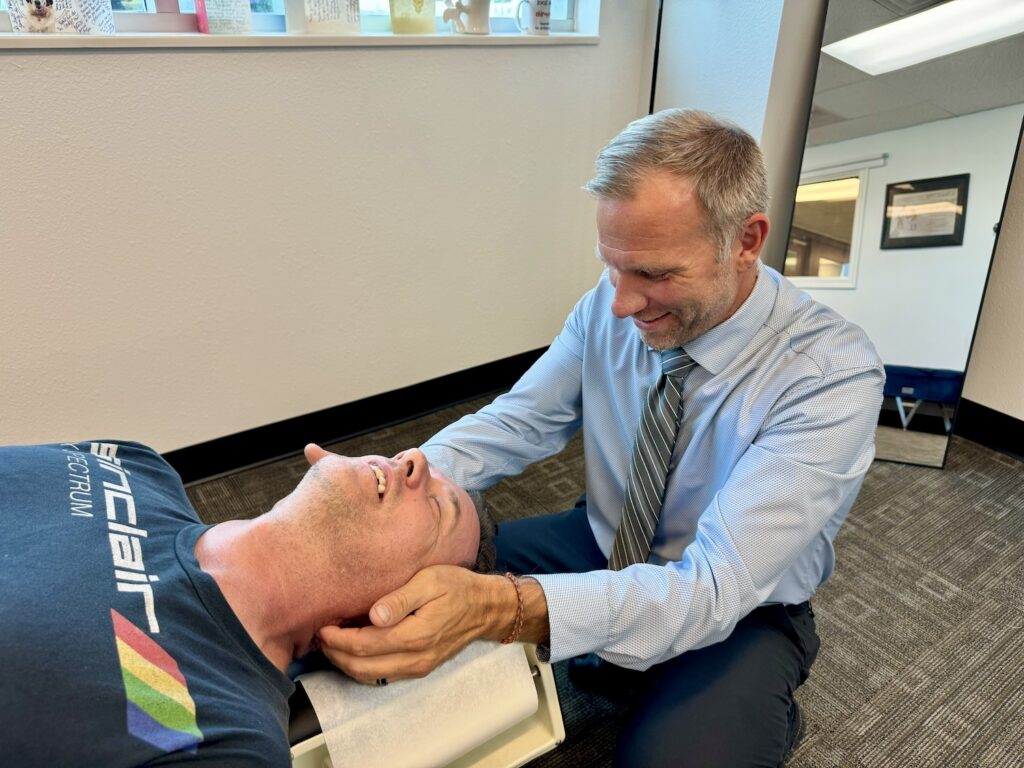
As a local chiropractor, I want to share some essential insights on recovering from an injury. It's crucial to not only grasp the nature of your injury but also to adopt effective strategies that can enhance your recovery journey. One key aspect I recommend is setting clear, achievable goals to maintain your focus and motivation throughout the healing process. Additionally, a well-balanced diet can significantly support your body's natural healing mechanisms.
Incorporating chiropractic care into your recovery plan can be incredibly beneficial. Chiropractic adjustments help restore proper alignment and function to your spine and joints, which can improve mobility and reduce pain. Physical therapy and active recovery techniques are also vital components of a comprehensive recovery strategy.
But what specific steps can you take to ensure that you not only return to your previous performance level but come back even stronger? Engaging with a chiropractor can guide you on a personalized path to recovery that prioritizes natural healing methods. Together, we can explore tailored rehabilitation exercises, nutrition advice, and ongoing support to optimize your recovery and enhance your athletic performance. You might be surprised at how effective these natural approaches can be!
Understand Your Injury
To truly understand your injury, it's important to delve into its specifics and what they mean for your body. Start by identifying the type of injury you have—be it a sprain, strain, fracture, or another condition. Each type presents unique causes, symptoms, and healing processes. For example, a sprain involves damage to ligaments, while a strain impacts muscles or tendons. Recognizing the type of injury you have is crucial as it informs both the severity of the issue and the appropriate treatment options available.
Next, reflect on how your injury is influencing your daily activities and overall well-being. Are you feeling pain during specific movements? Is your range of motion restricted? These considerations are essential because they can guide the path of your recovery. Pay close attention to any signs like swelling, bruising, or tenderness, as these can indicate the seriousness of the injury and help us in creating a tailored treatment plan.
It's also important to acknowledge the emotional side of dealing with an injury. Feelings of frustration, anxiety, or even sadness can arise when you're unable to perform at your usual level. Recognizing these emotions is a key part of your healing journey, and as your chiropractor, I can support you in managing them.
Lastly, it's beneficial to educate yourself about the healing timeline associated with your injury. Some injuries may heal relatively quickly, while others might take several weeks or even months. Understanding what to expect during your recovery process can help keep you motivated and focused on your path to wellness.
Follow a Recovery Plan
As your local chiropractor, I want to emphasize how crucial it's to follow a personalized recovery plan for your healing journey.
Begin by setting clear, achievable goals that won't only motivate you but also help you stay focused on your recovery.
It's important to regularly monitor your progress, as this will ensure you're on the right path and allow us to make any necessary adjustments to your plan.
Remember, chiropractic care is about more than just alleviating pain; it's about restoring balance and supporting your overall well-being through natural healing methods.
Let's work together to create a plan that fits your unique needs and helps you achieve optimal health!
Establish Clear Goals
Establishing clear goals is vital for your recovery, especially when exploring the benefits of chiropractic care and natural healing. Having well-defined objectives gives you direction and motivation throughout your healing journey.
Begin by identifying what you aim to achieve—whether it's regaining full mobility, returning to your favorite activities, or simply alleviating discomfort. It can be helpful to break these larger aspirations into smaller, manageable milestones. For example, if your ultimate goal is to run a marathon, start by focusing on walking without pain or gradually increasing your jogging distance.
When setting your goals, consider using the SMART criteria—make them Specific, Measurable, Achievable, Relevant, and Time-bound. Instead of a vague aspiration like, "I want to feel better," specify, "I will practice spinal exercises for 15 minutes each day this week." This level of clarity not only helps you stay accountable but also allows you to celebrate small victories, which can significantly enhance your motivation.
It's also beneficial to share your goals with your chiropractor, as well as any other healthcare providers in your support network. They can offer encouragement, tailored advice, and help make any necessary adjustments to your treatment plan.
Keeping your goals visible is important; consider writing them down and reviewing them regularly to maintain focus. Remember, the recovery process is a journey, and establishing clear goals through chiropractic care can significantly support your efforts to achieve the outcomes you desire.
#
Monitor Progress Regularly
As a local chiropractor, I want to emphasize the importance of regularly monitoring your recovery journey, especially if you're unfamiliar with chiropractic care and natural healing. Tracking your progress is crucial for optimizing your overall well-being and athletic performance.
Start by following a personalized recovery plan that outlines specific milestones tailored to your needs. I encourage you to document your daily activities, any discomfort you feel, and the exercises you engage in. This practice will help you recognize patterns in your recovery and make necessary adjustments.
Set aside time each week to review your notes and evaluate how you're doing. Are you feeling stronger? Is your flexibility improving? If you notice that your progress has plateaued or if you experience any setbacks, it may be wise to consult with me or another healthcare professional. Together, we can modify your plan to ensure you're moving in the right direction.
Additionally, consider utilizing technology such as fitness apps or wearable devices that can track your performance metrics. These tools offer valuable real-time feedback and can help keep you motivated throughout your healing journey.
Remember, consistency is essential. By regularly monitoring your recovery, you not only hold yourself accountable but also equip yourself to make informed decisions that align with your health goals.
Stay proactive, and don't forget to celebrate small victories along the way—these accomplishments are vital to your recovery. Your dedication to this process will undoubtedly pay off in the long run.
Focus on Nutrition
As your local chiropractor, I want to emphasize how essential nutrition is in your recovery journey. What you eat plays a crucial role in how well your body heals. By incorporating essential nutrients into your diet, you can support your body's natural healing processes.
Additionally, staying properly hydrated is key; it not only keeps your energy levels up but also assists in recovery.
Timing your meals is just as important. Eating at the right times can significantly influence how quickly you bounce back from any discomfort or injury.
By focusing on these nutritional aspects, you can enhance the benefits of the chiropractic care you receive and promote a holistic approach to your health and well-being.
Let's work together to ensure your body has the support it needs to thrive!
Essential Nutrients for Healing
As a local chiropractor dedicated to your overall health and well-being, I want to emphasize that healing from an injury involves more than just rest; it requires a comprehensive approach that includes a nourishing diet filled with essential nutrients. Your body needs the right fuel to support tissue repair and enhance your immune function during recovery.
First and foremost, let's talk about protein. This macronutrient is crucial for muscle repair, so it's important to include sources such as lean meats, fish, eggs, beans, and dairy in your meals. By diversifying your protein sources, you ensure that your body receives all the essential amino acids necessary for optimal healing.
Vitamins are another vital component of your recovery. Vitamin C, for instance, is instrumental in collagen formation, which is essential for healing wounds and repairing tissues. You can boost your vitamin C intake by enjoying citrus fruits, strawberries, and bell peppers.
On the other hand, vitamin D is key for maintaining bone health; if you're not getting enough sunlight, you might want to consider adding fortified foods or a vitamin D supplement to your routine.
Don't forget about the important minerals like zinc and magnesium. Zinc is known to assist in cell repair, while magnesium helps with muscle function and can alleviate cramps. To incorporate these minerals into your diet, think about adding nuts, seeds, whole grains, and leafy greens to your meals.
By focusing on these essential nutrients, you can significantly enhance your body's natural healing process and support your recovery journey.
Hydration's Role in Recovery
As a local chiropractor, I want to emphasize the vital role hydration plays in your recovery journey. Water is often overlooked, yet it serves as a crucial ally in almost every aspect of healing. Staying well-hydrated aids in transporting essential nutrients to your cells, flushing out harmful toxins, and keeping your joints lubricated, which is particularly important when you're recovering from an injury.
When your body is dealing with healing, it demands additional fluids to repair tissues and manage inflammation effectively. It's essential to prioritize drinking enough water throughout the day, particularly during and after your workouts or any physical activities. A simple way to gauge your hydration level is by observing the color of your urine; aim for a light yellow hue. If it appears darker, it's a good sign that you need to increase your water intake.
For those of you who are sweating heavily or engaging in more strenuous recovery sessions, consider adding electrolyte-rich beverages to your routine. These drinks can help replace minerals lost through sweat, further supporting your recovery efforts.
Don't forget that hydration doesn't solely come from water! Incorporating hydrating foods into your diet, such as cucumbers, oranges, and watermelon, can also contribute to your fluid intake. These foods not only provide hydration but are packed with essential nutrients that facilitate healing.
Ultimately, maintaining proper hydration levels is crucial for enhancing your body's healing capabilities. This will help you bounce back and return to your optimal performance more quickly.
Meal Timing Strategies
As a local chiropractor, I want to emphasize the importance of meal timing in your recovery journey. Understanding when to eat can significantly influence how well your body heals and recovers, particularly after physical activities or chiropractic adjustments.
It's crucial to consume a balanced meal or snack within 30-60 minutes after your workout or therapy session. This is the optimal time for your muscles to absorb nutrients, which helps jumpstart your recovery process.
I recommend focusing on meals that are rich in protein and carbohydrates. Protein is essential for repairing muscles, while carbohydrates help replenish glycogen stores that can get depleted during your activities. A good guideline to follow is a 3:1 ratio of carbohydrates to protein in your post-exercise meals.
In addition to post-workout nutrition, spreading your meals throughout the day can also help maintain your energy levels. Consuming smaller, nutrient-dense meals every 3-4 hours keeps your metabolism active and ensures that your body receives a steady supply of essential nutrients for effective recovery.
Furthermore, don't underestimate the significance of pre-workout nutrition. Eating a well-balanced meal 2-3 hours before exercising can't only enhance your performance but also reduce the risk of injury.
This holistic approach to nutrition complements the chiropractic care I provide and supports your overall well-being.
Incorporate Physical Therapy
Incorporating chiropractic care into your recovery plan can significantly enhance your healing journey. By working with a qualified chiropractor, you can receive personalized treatment designed to address your specific needs and injuries. They'll conduct a thorough assessment of your condition, helping you understand your limitations and creating a tailored plan that focuses on restoring your mobility and strength.
One of the primary advantages of chiropractic care is the expert guidance you'll receive. You'll learn proper techniques for exercises and stretches that facilitate healing while reducing the risk of re-injury. This is crucial, particularly if you're eager to return to your favorite sport or activity. Your chiropractor can also guide you on how to adjust your movements to accommodate any injuries, ensuring that you don't push your body too hard too soon.
Regular chiropractic sessions can also serve as a source of motivation and accountability. Knowing that you have scheduled appointments can keep you committed to your recovery plan. Your chiropractor will monitor your progress and make necessary adjustments to your treatment, helping you avoid plateaus and ensuring your healing remains on track.
Furthermore, chiropractic care often includes education on natural pain management techniques. This empowers you with knowledge about your body and helps you develop effective coping strategies.
Use Active Recovery Techniques
As your local chiropractor, I want to emphasize the importance of active recovery techniques in your injury rehabilitation process. Rather than relying solely on complete rest, engaging in low-intensity activities can significantly aid in maintaining blood circulation and promoting healing. Depending on your specific injury and fitness level, activities such as walking, gentle yoga, or swimming can be beneficial.
When you choose active recovery, you're not just sitting idly; you're allowing your body to heal more effectively. Low-impact exercises can enhance your range of motion, alleviate stiffness, and help reduce the risk of future injuries. Additionally, these activities can have a positive impact on your mood and keep your motivation high throughout your recovery journey.
Starting with light exercises is a great approach. Focus on movements that feel comfortable and don't aggravate your injury. It's essential to listen to your body—if you experience pain with a particular movement, it's wise to modify it or select a different activity.
As you begin to feel better, you can gradually increase the intensity of your exercises while always prioritizing proper form and quality of movement. Incorporating active recovery into your routine can also help you maintain your fitness level as you heal.
Striking the right balance is crucial; we want to avoid overexerting yourself, but we also don't want you to become stagnant in your recovery. Creating a consistent active recovery schedule will help keep you on track with your rehabilitation process.
When combined with the chiropractic care and physical therapy that I provide, you may notice improvements in your recovery timeline. Embracing active recovery not only supports your healing process but also prepares you for a stronger and more resilient comeback.
Let's work together to ensure your recovery is as effective as possible!
Manage Pain and Inflammation
As a local chiropractor, I want to emphasize that while engaging in active recovery is essential for healing, managing pain and inflammation is just as crucial in your recovery journey. There are several natural steps you can take to effectively control these factors and enhance your overall recovery.
First and foremost, applying ice to the affected area can be incredibly helpful. Ice works to reduce swelling and numb sharp pain, making it a go-to remedy for injuries. I recommend icing for 15-20 minutes every hour, especially in the first few days after your injury. This approach is part of a well-known method called RICE—Rest, Ice, Compression, Elevation—so make sure you're also resting and elevating your injury.
In addition to ice, consider utilizing over-the-counter anti-inflammatory medications if necessary. Non-steroidal anti-inflammatory drugs (NSAIDs) like ibuprofen or naproxen can help alleviate pain and reduce swelling. Just be sure to follow the recommended dosage and consult with a healthcare professional if you have any questions or concerns.
As you begin to feel better, gently incorporating stretching and mobility exercises can be beneficial. These activities help maintain flexibility and prevent stiffness, which often accompanies inflammation. A chiropractor can provide specific exercises tailored to your needs.
Lastly, always listen to your body. If you experience pain or if an activity aggravates your injury, it's important not to push through it. Instead, modify your activities to avoid further strain.
Stay Mentally Strong
Staying mentally strong during your recovery is crucial, and as a chiropractor, I want to emphasize that your mindset is just as important as the physical healing process. The journey back from an injury can be tough, but how you think and feel can significantly influence your recovery.
First and foremost, it's essential to acknowledge your emotions. Frustration, sadness, and anxiety are all normal feelings to experience during this time. Rather than pushing these emotions aside, allow yourself to process them. This is a vital step in your journey toward healing.
Setting realistic goals is another key aspect of recovery. I encourage you to break down your rehabilitation into smaller, manageable milestones. Celebrate each achievement, no matter how small it may seem. This practice not only keeps you motivated but also reinforces a sense of progress, which is crucial in the healing journey.
Focus on what you can control; this includes your rehabilitation exercises, nutrition, and sleep. Concentrating on these elements empowers you and creates a positive feedback loop that aids in your recovery.
Additionally, connecting with supportive friends, family, or teammates can significantly bolster your mental resilience. Sharing your thoughts and feelings with them can provide encouragement and remind you that you aren't facing this challenge alone. A robust support system can make a world of difference during your recovery.
Visualization techniques can also be incredibly beneficial. Picture yourself fully recovered and back to the activities you love. This mental imagery can keep your spirits high and serve as a reminder of your ultimate goal.
Gradually Return to Activity
As a local chiropractor, I want to emphasize the importance of gradually returning to activity after nurturing your mental and physical strength. Jumping back into your regular routine too quickly can lead to setbacks, so it's essential to take a measured approach. I highly recommend consulting with your healthcare provider or a physical therapist who can offer personalized guidance tailored to your specific injury and recovery progress.
Start with low-impact exercises that won't put undue stress on your body. Activities like walking or swimming are excellent choices as they help maintain your fitness level while allowing your body to adjust. Pay close attention to how you feel during these initial sessions. If you notice any pain or discomfort, it's crucial to dial back or modify your activity accordingly.
As you build confidence and strength, you can gradually incorporate more vigorous exercises into your routine. Focus on low-intensity workouts and slowly increase the duration and intensity over time. It's vital to listen to your body throughout this process—if something doesn't feel right, don't hesitate to take a step back and reassess.
Setting realistic goals for your return to activity is equally important. Celebrate small victories, whether that's completing a workout or mastering a new movement. These achievements will help keep you motivated and on track. Remember, recovery isn't always a straight line; some days will be better than others, and that's perfectly normal.
Lastly, don't overlook the importance of rest days in your routine. They're essential for allowing your body to recover fully. By returning to activity gradually and mindfully, you'll not only protect your recovery but also lay a strong foundation for your athletic performance moving forward.
If you have any questions about this process or how chiropractic care can support you on your journey, feel free to reach out. Your health and well-being are my top priorities!
Cross-Train Safely
As your local chiropractor, I want to emphasize that when you're recovering from an injury, cross-training can be an excellent way to keep your body moving while minimizing the risk of further damage.
It's crucial to select activities that not only support your primary sport but also promote overall healing. Pay close attention to how intensely you engage in these activities, as monitoring your intensity levels is key to maintaining your fitness without compromising your recovery.
By integrating safe cross-training practices, you can stay active while allowing your body the time it needs to heal effectively.
Choose Complementary Activities
As a local chiropractor, I want to share how cross-training can significantly benefit your recovery journey, especially if you're dealing with an injury. It allows you to maintain your fitness levels while minimizing strain on the affected areas, which is crucial for healing. By incorporating complementary activities, you can keep your body engaged without aggravating your injury.
For example, if you're recovering from a lower body injury, swimming or cycling can be excellent options. These activities provide a fantastic cardiovascular workout while giving your legs the much-needed rest they require.
It's also important to focus on exercises that work different muscle groups. This strategy helps prevent overuse injuries and encourages overall body balance. If running is your primary activity, consider adding yoga or Pilates to your routine. These practices can boost your flexibility and strengthen your core, both of which are essential for your recovery.
Listening to your body is key. If any activity doesn't feel right, it's important to adjust your routine accordingly. Incorporating strength training for unaffected muscles can also be beneficial, as it allows you to build strength and stability while you heal.
Ultimately, our goal at the chiropractic office is to support you in staying active during your recovery. By selecting the right complementary activities, you can remain engaged in your healing process, which will set you up for a smoother return to your favorite activities.
Monitor Intensity Levels
As a local chiropractor, I want to emphasize the importance of monitoring your intensity levels during your recovery process, especially if you're engaging in cross-training. Healing takes time, and pushing yourself too hard can lead to setbacks that hinder your progress.
It's crucial to find a balance that promotes your recovery while still allowing you to stay active.
Here are some practical tips to help you effectively monitor your intensity levels:
- Use a heart rate monitor: This tool can be invaluable in keeping you within your target heart rate zone. By doing so, you can avoid overexertion and ensure that your body is responding positively to your workouts.
- Keep a training log: I encourage you to document your workouts and how you feel afterward. This practice can help you spot patterns in your energy levels and adjust your intensity accordingly to support your healing.
- Incorporate rest days: Recovery is just as important as the workouts themselves. Don't underestimate the power of giving your body time to heal and adapt. Schedule regular rest days to facilitate this process.
- Listen to your body: Your body communicates with you. Pay attention to any signs of fatigue or pain. If something feels off, it's essential to ease up and allow yourself the necessary time to recover.
Remember, chiropractic care can support your recovery by addressing any underlying issues and helping to restore balance to your body.
Together, we can work on a personalized plan that aligns with your healing journey.
## Monitor Progress Regularly
As your local chiropractor, I want to emphasize the importance of regularly monitoring your recovery progress to ensure you're on the right path to healing. By keeping a watchful eye on your recovery, you can discover what strategies are effective and what may need some adjustment. This proactive approach empowers you to make informed decisions about your rehabilitation and overall wellness.
To start, I recommend setting measurable goals that align with your recovery journey. These might include improvements in your range of motion, reductions in pain levels, or specific strength benchmarks. Document these goals and review them weekly. You can use a journal or a mobile app to track your daily progress. Recording your activities, pain levels, and any challenges you encounter will provide you with valuable insights into your healing process.
Additionally, I encourage you to consult with me or another healthcare professional regularly. An objective perspective can be incredibly beneficial in assessing your progress and fine-tuning your recovery plan as needed. Let's schedule regular check-ins to discuss your goals and any concerns you might have.
Remember to celebrate the small victories along the way. Whether it's completing a session without discomfort or achieving a new range of motion, recognizing these milestones can greatly enhance your motivation and keep you focused on your recovery.
Finally, it's essential to be patient with yourself throughout this process. Recovery often has its ups and downs, and it's not always a straightforward path. By monitoring your progress consistently, you'll equip yourself with the knowledge necessary to adapt your approach and maintain a positive mindset.
Stay committed to your healing journey, and together we can maximize your athletic performance and overall well-being through chiropractic care and natural healing methods.
Conclusion
Injury recovery goes beyond mere rest; it's an opportunity to heal and emerge even stronger. As your local chiropractor, I want to help you understand the importance of your injury and the recovery process. By adhering to a personalized recovery plan and paying attention to the role of nutrition in healing, you can lay a strong foundation for your comeback.
Incorporating chiropractic care into your recovery can significantly enhance your healing journey. Chiropractic adjustments and physical therapy techniques can help restore mobility and reduce pain, while active recovery strategies keep your body engaged in a gentle way. It's also essential to maintain a positive mindset throughout this process, as your mental state plays a crucial role in healing.
As you start to reintegrate into your routine and safely explore cross-training options, keep track of your progress. Regular check-ins with your chiropractor can ensure that you are on the right path. Stay dedicated to your recovery, and you may be surprised at the resilience and strength you can achieve through natural healing methods.