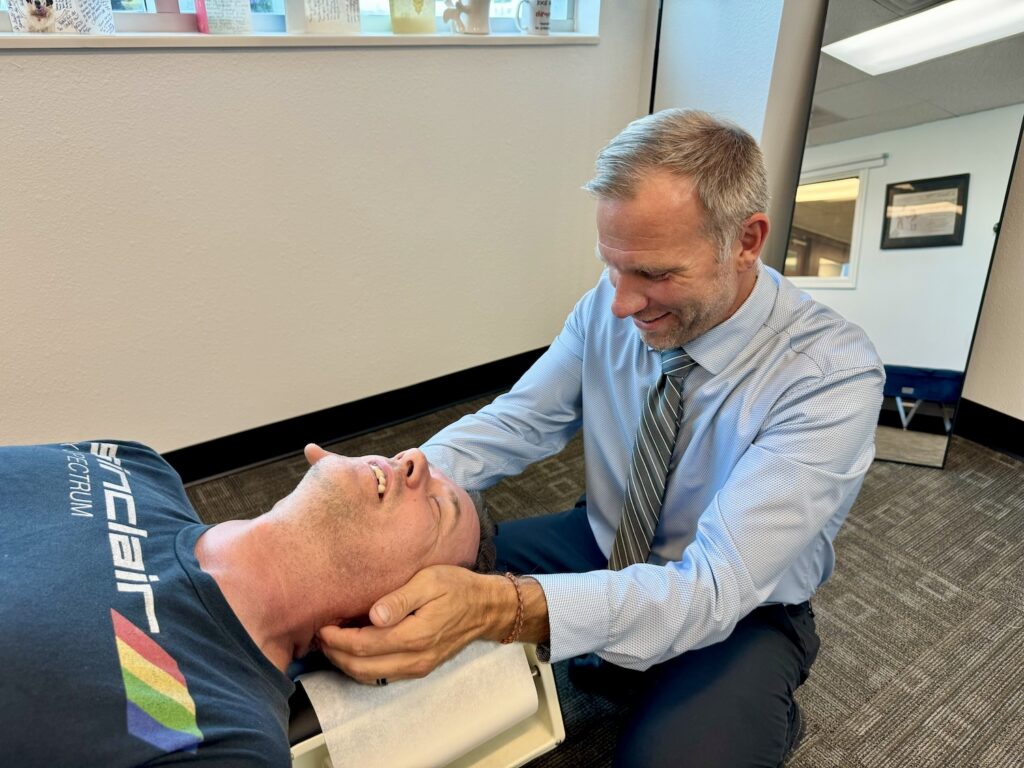
As a local chiropractor, I want to help you understand how to effectively respond to a muscle strain. Knowing the right steps to take can significantly impact your recovery and overall well-being. It’s essential to grasp the fundamentals of strain relief and the natural methods available to alleviate pain and aid in healing.
Initially, you might consider some basic first aid techniques, but there are also holistic approaches, including chiropractic care, that can enhance your recovery. If you find that your symptoms persist despite these initial efforts, don’t worry—there are plenty of strategies we can explore together to promote healing and restore function.
Incorporating gentle exercises and targeted chiropractic adjustments can be incredibly beneficial in addressing muscle strains and preventing further injury. My goal is to guide you through a structured plan that not only alleviates your current discomfort but also strengthens your body for the future. Let’s work together to find the best recovery strategies tailored specifically for you!
Understanding Muscle Strains
As a local chiropractor dedicated to your health and well-being, I want to share some important information about muscle strains—an issue that many people encounter, often without realizing how they can effectively manage and prevent them.
Muscle strains occur when you push your muscles too hard, causing the fibers to stretch or tear. This is particularly common during intense activities like lifting heavy objects, sprinting, or even making sudden, awkward movements. If you experience sudden pain, swelling, or stiffness in a specific area, it could be a sign of a muscle strain.
Muscle strains are classified into three grades, which can help you understand the severity of the injury. A Grade I strain is relatively mild, involving minor stretching and discomfort. A Grade II strain is more serious, featuring partial tearing of the muscle, which leads to increased pain and restricted movement. A Grade III strain is the most severe, resulting in a complete tear that can be debilitating and often necessitates medical attention.
Recognizing these signs early on is crucial for effective management and recovery. By understanding how muscle strains occur and their classifications, you can take proactive steps to prevent them.
As your chiropractor, I encourage you to prioritize your overall fitness and well-being through proper body mechanics, stretching, and strengthening exercises. Together, we can work on maintaining your body’s health and preventing future injuries.
Immediate First Aid for Muscle Strain
As your local chiropractor, I want to share some essential steps for addressing a muscle strain effectively. Understanding how to respond promptly can significantly enhance your recovery process.
One of the best methods to follow is the R.I.C.E. approach—Rest, Ice, Compression, and Elevation. This technique provides immediate relief and helps reduce inflammation.
In addition to R.I.C.E., there are natural pain relief options that I can discuss with you, such as gentle adjustments and therapies that promote healing without the need for medication.
If you find that your pain persists or even intensifies, I encourage you to reach out for professional help. As a chiropractor, I’m here to support your recovery and help you regain your strength using natural healing methods.
Don’t hesitate to contact me if you have any questions or need assistance.
R.I.C.E. Method Explained
As a local Chiropractor, I want to share with you an effective method for recovering from muscle strains known as R.I.C.E., which stands for Rest, Ice, Compression, and Elevation. If you’re new to chiropractic care and natural healing, understanding this approach can significantly enhance your recovery process.
First and foremost, it’s essential to rest the injured area. By allowing your body the time it needs to heal, you prevent further damage and promote recovery.
Next, applying ice wrapped in a cloth for 15-20 minutes every hour can help reduce swelling and alleviate pain. Remember, it’s crucial to avoid placing ice directly on your skin to prevent frostbite.
Following the icing, utilizing a compression bandage can provide valuable support to the strained muscle, while also minimizing swelling. Ensure the bandage is snug but not overly tight, as this can lead to additional issues.
Lastly, elevating the affected muscle above heart level is a great way to further decrease swelling and enhance circulation.
By following these R.I.C.E. steps consistently, especially during the first 48 hours after your injury, you’ll be taking important strides toward a quicker recovery.
If you have any questions about this method or how chiropractic care can assist you further, feel free to reach out. Your journey to wellness is important to us!
Pain Relief Options
As your local chiropractor, I want to help you understand how to manage discomfort from a muscle strain effectively, especially if you’re new to chiropractic care and natural healing methods.
After applying the R.I.C.E. method—Rest, Ice, Compression, and Elevation—you may still experience pain and discomfort. In these cases, over-the-counter pain relievers like ibuprofen or acetaminophen can be beneficial for reducing pain and inflammation. Just be sure to adhere to the recommended dosages provided on the packaging.
In addition to oral medications, topical analgesics, such as creams or gels with menthol or capsaicin, can offer targeted relief when applied directly to the affected area. They work by numbing the pain or creating a warming sensation that can soothe the muscle.
After the first 48 hours of injury, applying heat can be a wonderful way to relax tight muscles and increase blood flow to the area, promoting healing.
Remember, staying hydrated is essential for recovery, and I encourage you to engage in gentle stretching or light activity to prevent stiffness in the muscle. These natural pain relief methods can greatly enhance your comfort and support your healing journey.
Always feel free to reach out to me for personalized advice tailored to your needs!
When to Seek Help
As a local chiropractor dedicated to your health and well-being, I want to emphasize the importance of recognizing when to seek help for a muscle strain. Understanding the signs can lead to more effective recovery and prevent further complications.
If you find yourself experiencing any of the following symptoms, please reach out to a healthcare professional, such as myself:
- Severe pain: If the discomfort persists despite rest or over-the-counter pain relief, it’s crucial to get a professional assessment.
- Increasing swelling or bruising: If these symptoms worsen, it may indicate a more serious injury, such as a muscle tear, that needs immediate attention.
- Loss of function: Struggling to use the affected muscle—whether it’s walking, lifting, or performing daily activities—signals that you should seek help.
- Chronic symptoms: If your discomfort lasts longer than a few days without improvement, it’s a good idea to consult a chiropractor for further evaluation and natural treatment options.
Remember, your body has the ability to heal, and with the right support, you can recover effectively.
Don’t hesitate to reach out if you have any concerns about your muscle strain!
Home Remedies for Pain Relief
As a local chiropractor, I often see patients who are eager to find relief from muscle strain but may not be familiar with the benefits of natural healing methods. While over-the-counter medications can provide temporary relief, there are several effective home remedies that can help you manage pain and promote healing.
One of the first things I recommend is applying a cold compress to the affected area for 15-20 minutes. This can help reduce swelling and numb the pain, especially in the initial stages of an injury.
After a couple of days, transitioning to heat therapy—like a warm towel or heating pad—can be beneficial for soothing tight muscles and improving circulation.
Incorporating gentle massage into your routine can also make a significant difference. Using essential oils such as lavender or peppermint during your massage can further relieve tension and promote relaxation.
Remember to stay hydrated by drinking plenty of water, as proper hydration is crucial for muscle recovery.
Additionally, consider adding turmeric or ginger to your meals. Both of these spices are known for their natural anti-inflammatory properties and can support your body in the healing process.
Lastly, don’t underestimate the importance of rest. Allowing your muscles the time they need to heal is vital, so try to avoid strenuous activities during your recovery period.
Effective Stretching Techniques
As a local chiropractor, I want to emphasize the importance of incorporating effective stretching techniques into your daily routine.
These practices not only help relieve muscle strain but also play a vital role in preventing future injuries and maintaining overall muscle health. Stretching enhances flexibility, boosts blood circulation, and promotes a balanced body.
Here are some techniques you can start using today:
- Static Stretching: This involves holding a stretch for 15-30 seconds to gently lengthen your muscles. It’s particularly beneficial after workouts or long periods of sitting.
- Dynamic Stretching: Before engaging in physical activity, consider incorporating dynamic movements like leg swings or arm circles. This prepares your body for exercise by increasing blood flow to your muscles.
- Foam Rolling: Using a foam roller can be a game-changer for releasing tension in tight muscles. It helps improve circulation and can enhance your overall flexibility.
- Yoga: Practicing yoga can greatly benefit your body by improving flexibility and encouraging relaxation. Poses such as Downward Dog and Child’s Pose are excellent choices for stretching and alleviating tension.
By integrating these techniques into your routine, you’ll be taking proactive steps toward better muscle health and overall wellness.
If you have any questions or would like personalized recommendations, feel free to reach out during your next visit!
Strengthening Exercises for Recovery
As a local chiropractor, I want to emphasize the importance of building strength after a muscle strain to ensure a complete recovery.
It’s crucial to focus on specific exercises that not only enhance muscle stability but also adhere to gradual progression guidelines to prevent any risk of re-injury.
Allow me to share some effective techniques that can help you safely get back on track.
By incorporating these exercises into your routine, you’ll support your body’s natural healing process and improve your overall strength and resilience.
Importance of Muscle Strength
As a local chiropractor, I want to emphasize the importance of muscle strength in your recovery process. Strengthening your muscles isn’t just about lifting weights; it plays a crucial role in preventing injuries and enhancing your overall physical performance.
When you prioritize building muscle strength, you create a solid foundation for your body, allowing it to function more efficiently. Here are some key benefits of focusing on muscle strength that I want you to be aware of:
- Improved Stability: Strong muscles provide support for your joints, helping to reduce the risk of strains and sprains. This is particularly important for maintaining proper alignment and preventing discomfort during daily activities.
- Enhanced Flexibility: Engaging in strength training can improve your range of motion. This makes everyday tasks, like bending and reaching, easier and less stressful on your body.
- Increased Endurance: As your muscles grow stronger, you’ll find that you can perform tasks with less fatigue. This means you can enjoy your daily activities without feeling worn out.
- Boosted Confidence: There’s a psychological benefit to getting stronger. As you build your muscle strength, you’ll feel more capable, both physically and mentally, which can positively impact your overall well-being.
I encourage you to stay committed to your strength training regimen, as it can lead to a faster and more effective recovery.
Recommended Stretching Techniques
Incorporating recommended stretching techniques into your recovery routine can significantly improve your muscle strength and flexibility, which is essential for overall health. As a local chiropractor, I want to emphasize the importance of proper stretching as part of a holistic approach to healing and wellness.
Start your routine with dynamic stretches, such as arm circles and leg swings. These movements help increase blood flow and prepare your muscles for activity, which is especially important if you’ve been sitting for long periods or engaging in physical activity.
After your workout, it’s crucial to transition to static stretches. Focus on major muscle groups like the hamstrings, quadriceps, and shoulders. Hold each stretch for 15 to 30 seconds, and remember to breathe deeply. This not only aids in muscle relaxation but also enhances your range of motion.
If you’re looking to deepen your stretches, consider using props like resistance bands or foam rollers. These tools can help alleviate tension and promote better alignment, which is a key aspect of chiropractic care.
Regularly practicing these techniques won’t only support your recovery but also build resilience in your muscles, helping to prevent future strains and injuries.
Remember, consistency is vital for achieving the best results. By integrating these stretching routines into your daily life, you’re taking proactive steps towards maintaining your overall health and well-being.
As always, if you have any questions or concerns about your stretching routine or how it fits into your recovery plan, don’t hesitate to reach out to me for guidance. Your journey towards optimal health is important, and I’m here to support you every step of the way.
Gradual Progression Guidelines
As you begin your journey to recover from a muscle strain, it’s essential to approach strengthening exercises with a gradual progression mindset. This approach ensures that you rebuild your strength safely and effectively, which is crucial in the healing process.
Here are some guidelines that I, as your local chiropractor, recommend to help you navigate your recovery:
- Start with gentle range-of-motion exercises to help restore flexibility in the affected area. This is an important first step in your healing journey.
- Next, incorporate isometric exercises. These involve contracting the muscles without actually moving the joint, allowing you to activate your muscles while minimizing strain.
- Once you feel comfortable, move on to light resistance training. Focus on maintaining proper form rather than lifting heavy weights. This will help reinforce good habits and prevent further injury.
- Always listen to your body. If you experience any pain during your exercises, it’s important to reduce the intensity or take a break. Your body knows best, and respecting its signals is key to a successful recovery.
The Role of Heat and Ice Therapy
As a local chiropractor, I often see patients dealing with muscle strains, and I want to share some valuable insights on how heat and ice therapy can enhance your recovery process.
When you experience a muscle strain, the first step is to utilize ice therapy during the first 48 hours following your injury. Ice is fantastic at reducing swelling and numbing any pain you may feel. I recommend applying an ice pack for 15-20 minutes every one to two hours. Just remember to wrap the ice pack in a cloth to protect your skin from frostbite.
Once the initial swelling has gone down, it’s time to transition to heat therapy. Heat is beneficial because it increases blood flow, which is essential for healing tight or sore muscles. You can use a heating pad or even enjoy a warm bath to help relax your muscles.
Again, apply the heat for 15-20 minutes, but please avoid using heat if there’s still swelling present.
By following these simple steps, you can support your body’s natural healing process and promote a quicker recovery from your muscle strain.
If you have any questions or need further guidance, don’t hesitate to reach out to me. Your health and well-being are my priority!
When to Seek Professional Help
As a local chiropractor, I want to emphasize that while many muscle strains can be effectively managed at home, there are crucial moments when seeking professional help is essential for your health and recovery.
If you find yourself experiencing any of the following symptoms, I encourage you to reach out to a healthcare provider like myself:
- Severe pain that doesn’t lessen with rest or over-the-counter medications can be a sign that a deeper issue is at play.
- Swelling or bruising that continues to increase over time may indicate potential damage that requires professional assessment.
- Inability to move the affected area can significantly impact your daily life, and it’s important to address this limitation promptly.
- Persistent symptoms lasting more than a few days could signal a more serious injury that needs immediate attention.
Your body communicates with you, and it’s crucial to listen to those signals.
If something feels off or you’re unsure about your recovery, seeking a professional opinion can help prevent further complications.
Early intervention, especially through natural healing methods like chiropractic care, can lead to a quicker and more effective recovery.
This means you can return to your regular activities sooner and with greater confidence in your body’s health.
Don’t hesitate to reach out; your well-being is our priority!
Preventing Future Muscle Strains
As a local chiropractor dedicated to your health, I want to share some important steps to help you prevent future muscle strains and enhance your overall well-being.
One of the first things I recommend is to always warm up before engaging in any physical activity. Incorporating dynamic stretches can effectively prepare your muscles for movement and reduce the risk of injury.
Proper form during exercises is crucial. It minimizes unnecessary strain on your muscles and joints, helping you avoid discomfort. It’s essential to listen to your body. If you start to feel fatigued or experience any discomfort, take a break. Pushing through pain can lead to more significant issues down the line.
Gradually increasing the intensity and duration of your workouts is key. This approach allows your muscles ample time to adapt, strengthening them over time.
In addition, strength training is vital. By building muscle strength, you provide your body with the support and stability it needs, which can significantly lower the risk of strains.
Don’t forget the importance of hydration and nutrition. Fueling your body with a well-balanced diet rich in essential nutrients will support muscle health and aid in recovery.
Lastly, consider cross-training to engage different muscle groups. This practice helps to minimize repetitive strain on any single area, promoting overall balance and strength.
By incorporating these strategies into your routine, you can greatly reduce the likelihood of experiencing muscle strains in the future and maintain a healthy, active lifestyle.
If you have any questions or need further guidance, feel free to reach out. Your health journey is important to me!
Staying Active During Recovery
As your local chiropractor, I want to share some valuable insights on how to stay active during your recovery from a muscle strain. It’s crucial to strike a balance between getting enough rest and staying engaged in gentle movement. Staying active can aid in your healing process and help prevent stiffness, but it’s important to approach this with caution.
Here are some recommendations to help you maintain activity while you recover:
- Gentle Stretching: Incorporating light stretching into your routine can help maintain flexibility without overexerting your injured muscles. This is a great way to keep your body limber as it heals.
- Low-Impact Activities: Opt for low-impact activities such as walking, swimming, or cycling. These exercises can help you stay active without placing excessive stress on your injury, which is essential for a smooth recovery.
- Strengthening Exercises: Focus on strengthening the muscles around the injured area. However, it’s always best to consult with a healthcare professional, like a chiropractor, to ensure you’re doing the right exercises safely.
- Listen to Your Body: Your body will give you signals during your recovery. If you experience pain while doing an activity, it’s important to stop and allow yourself to rest.
Conclusion
As a local chiropractor, I want to share some important insights on how to effectively manage a muscle strain. It’s essential to approach healing with care and patience. One of the best methods I recommend is the R.I.C.E. approach—Rest, Ice, Compression, and Elevation. This technique can help reduce inflammation and pain during the initial recovery phase.
In addition to R.I.C.E., incorporating gentle stretches can be beneficial. Stretching helps maintain flexibility and promotes blood flow to the affected area, which is crucial for healing. Once you’re ready, gradually strengthening your muscles will not only aid in recovery but also help prevent future injuries.
It’s vital to listen to your body during this process. If you experience persistent pain or discomfort, don’t hesitate to seek professional assistance. As a chiropractor, I can provide tailored treatment options that may include adjustments, soft tissue therapy, and personalized exercise programs to facilitate your recovery.
Remember, with the right approach to healing and prevention, you can stay active and maintain your overall health. I’m here to support you on your journey to recovery and wellness.