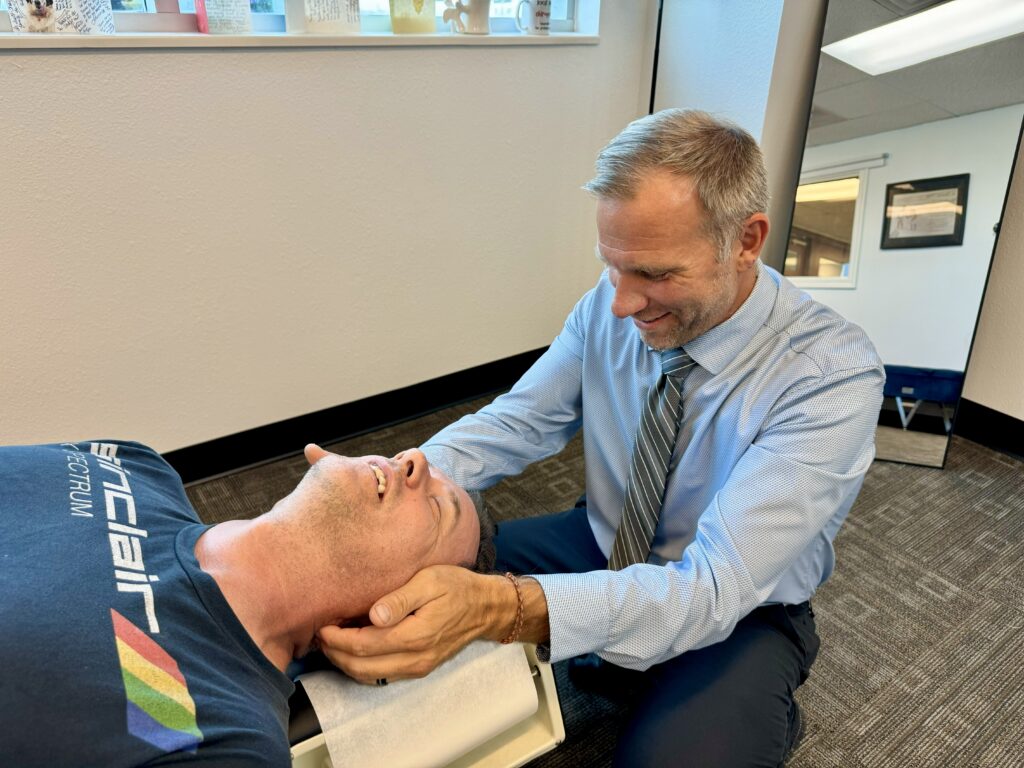
As a local chiropractor, I often meet patients who are grappling with back pain, and I want you to know that you’re not alone in this struggle. Many individuals are seeking natural solutions to address their discomfort without relying on medication. The good news is that there are several effective approaches that I recommend, which can help alleviate your pain and enhance your overall well-being.
From gentle exercises tailored to your specific needs to thoughtful dietary changes that can support your body’s healing process, these strategies can make a significant difference in your daily life. In my practice, I emphasize the importance of natural healing methods, and I’m here to guide you through these seven effective strategies that can help you find relief. You’ll be surprised at how simple adjustments can lead to substantial improvements in your quality of life. Let’s work together to explore these options and find the right solutions for you.
Gentle Stretching and Strengthening Exercises
As a chiropractor, I often see patients struggling with back pain, and I want to share how incorporating gentle stretching and strengthening exercises can significantly improve your condition.
One of the simplest ways to start is with stretches like the cat-cow pose. This exercise is excellent for enhancing flexibility and relieving tension in your spine. Another effective stretch is the child’s pose, which gently elongates your back and hips, helping to alleviate discomfort.
These stretches not only target tight muscles but also promote better posture, which is crucial for spinal health.
In addition to stretching, it’s important to focus on strengthening your core. Exercises like planks and bridges are fantastic for this purpose. They engage your abdominal muscles, providing essential support to your back and helping to reduce pain over time.
Just remember to keep proper form to prevent any further strain.
I recommend incorporating these exercises into your daily routine for the best results. Aim for consistency, as performing them regularly will gradually build your strength and flexibility.
Always listen to your body; if any movement causes significant pain, it’s important to ease off and consult with a healthcare professional.
With time and dedication, you’ll likely notice improvements that will make your daily activities easier and more comfortable. Your journey to better back health can start with these simple yet effective exercises.
Mindfulness and Meditation Techniques
As a local chiropractor, I often see patients dealing with back pain, and I want to share how mindfulness and meditation can play a crucial role in your healing journey. These practices can help shift your focus away from discomfort and foster a deeper awareness of your body. By concentrating on your breath and the sensations you feel, you can cultivate a sense of relaxation that alleviates tension in your back.
Incorporating mindfulness into your daily routine can fundamentally change your relationship with pain. Instead of viewing it with fear, you can learn to acknowledge it without judgment. This shift in mindset can help reduce the emotional reactions that often intensify your discomfort.
I encourage you to set aside just a few minutes each day to practice mindfulness or meditation. You may discover that, over time, these small moments of awareness can lead to significant relief.
Ultimately, embracing these techniques empowers you to take control of your pain and improve your overall well-being, complementing the chiropractic care we provide.
Hot and Cold Therapy
As a local chiropractor, I want to share with you an effective approach to managing back pain that many of my patients have found beneficial: hot and cold therapy.
Understanding how to use these two techniques can make a significant difference in your healing journey.
Heat therapy is excellent for relaxing tight muscles and enhancing blood circulation, which can help alleviate discomfort.
On the other hand, cold therapy is your go-to for reducing inflammation and numbing sharp, acute pain.
By alternating between hot and cold treatments, you can harness the benefits of both methods for optimal relief.
I encourage you to consider incorporating these therapies into your routine.
Let’s talk about how to implement them effectively for your specific needs, and together, we can work towards a healthier, pain-free life.
Heat Application Benefits
As a local chiropractor, I often see patients struggling with debilitating back pain. One effective approach I recommend is heat application through hot and cold therapy. This natural method can provide significant relief and support your overall wellness.
Here are four key benefits of heat therapy that you should know:
- Increased Blood Flow: Applying heat helps enhance circulation in the affected area, ensuring that essential nutrients and oxygen reach your muscles and tissues, promoting healing.
- Muscle Relaxation: Heat therapy is excellent for alleviating muscle tension. It encourages your muscles to relax, which can lead to reduced pain and discomfort in your back.
- Pain Relief: The soothing warmth can dull pain receptors in your body, offering immediate relief from the discomfort you’re experiencing.
- Improved Flexibility: Warm muscles are more flexible and pliable. By incorporating heat therapy, you can regain mobility, making everyday movements easier and more comfortable.
Integrating heat therapy into your daily routine can be a simple yet highly effective way to manage your back pain naturally.
If you have any questions or need personalized guidance on how to use heat therapy effectively, feel free to reach out during your next visit!
Cold Therapy Relief
As your local chiropractor, I want to share the benefits of incorporating cold therapy into your pain management routine. While many are familiar with the soothing effects of heat therapy, cold therapy can also play a crucial role in alleviating discomfort. It works by numbing the affected area, reducing inflammation, and providing relief from pain.
You don’t need any special equipment to get started. Ice packs, gel packs, or even a simple bag of frozen vegetables wrapped in a cloth can be very effective. I recommend applying cold therapy for about 15-20 minutes at a time. Be sure to allow your skin to return to its normal temperature in between applications to avoid any issues.
This approach is particularly helpful for acute injuries or flare-ups, offering quick relief from sharp, intense pain. It’s important to remember to never apply ice directly to your skin, as this can lead to frostbite.
Alternating Temperature Techniques
As your local chiropractor, I want to share an effective technique that can significantly aid in your pain management routine: alternating temperature therapy. This approach combines the benefits of both hot and cold treatments, helping to reduce inflammation, enhance blood flow, and relieve muscle tension.
Here’s how you can incorporate this method into your self-care practices:
- Begin with cold therapy: Start by applying a cold pack to the affected area for 15-20 minutes. This will help numb the pain and minimize swelling, especially after an injury or during a flare-up.
- Transition to heat therapy: After you’ve completed the cold treatment, switch to heat by using a heating pad or a warm towel for another 15-20 minutes. This step is crucial as it helps to relax tight muscles and improve circulation, promoting overall healing.
- Alternate as necessary: You can repeat the process of applying hot and cold treatments as needed. However, it’s essential to always conclude with heat, as this will further aid in your recovery.
- Pay attention to your body: Each individual is unique, so it’s important to adjust the duration and frequency of these treatments based on how you feel and your specific pain levels.
By integrating this balanced approach into your routine, you can enhance your recovery and overall well-being.
If you have any questions or need guidance on how to best implement these techniques, feel free to reach out during your next visit!
Dietary Adjustments for Inflammation
As your chiropractor, I want to emphasize the significant impact your diet can have on reducing inflammation, especially when it comes to alleviating back pain. By making mindful dietary adjustments, you can support your body’s natural healing processes.
Start by incorporating anti-inflammatory foods into your meals. Foods like fatty fish, such as salmon, nuts, and a variety of leafy greens are excellent choices. For instance, the omega-3 fatty acids found in salmon and walnuts are known for their powerful anti-inflammatory effects.
Additionally, don’t forget to include a rainbow of colorful fruits and vegetables in your diet. Berries and spinach, for example, are packed with antioxidants that can help combat inflammation in your body.
On the other hand, it’s important to steer clear of processed foods, sugary snacks, and excessive alcohol, as these can aggravate inflammation and hinder your healing journey. Instead, focus on whole grains like brown rice and quinoa. These options provide essential nutrients without the inflammatory drawbacks associated with refined grains.
Lastly, staying well-hydrated is crucial in supporting your overall health, so be sure to drink plenty of water throughout the day.
Acupuncture and Acupressure
As your local chiropractor, I want to introduce you to the potential benefits of acupuncture and acupressure for managing your back pain.
These time-honored techniques focus on stimulating specific points in the body to relieve tension and enhance your body’s natural healing processes. They serve as effective alternatives or complementary treatments to traditional pain relief methods.
Here’s what you might find beneficial:
- Pain Reduction: Acupuncture can help stimulate the release of endorphins, which are your body’s natural painkillers, providing relief from discomfort you might be experiencing.
- Muscle Relaxation: Both acupuncture and acupressure can significantly ease muscle tightness, contributing to your overall comfort and well-being.
- Improved Circulation: These methods enhance blood flow, which can accelerate healing and decrease inflammation in your back.
- Stress Relief: By promoting relaxation, acupuncture and acupressure can help alleviate the mental stress that often intensifies physical pain.
If you’re seeking a holistic approach to managing your back pain, I encourage you to explore the benefits of acupuncture and acupressure as part of your treatment plan.
Together, we can work towards a healthier, pain-free lifestyle.
Chiropractic Care and Manipulation
As a local chiropractor, I want to share with you how chiropractic care can be a vital part of your journey towards healing and wellness, especially if you’re dealing with back pain. Many people may not be familiar with how this natural approach works, so let me explain.
Chiropractic care focuses on diagnosing and treating issues related to the musculoskeletal system, particularly through manual adjustments and spinal manipulation. When you come to my office, the first step is to assess your spine and identify any misalignments that may be contributing to your discomfort.
By applying targeted pressure and realigning the spine, I can help restore function, reduce inflammation, and improve your mobility. Many of my patients experience immediate relief after an adjustment, allowing them to engage in their daily activities with greater comfort.
What’s important to understand is that chiropractic care goes beyond just masking the pain; it aims to address the root cause of your issues. This promotes healing and supports long-term wellness.
Additionally, regular chiropractic sessions can enhance your posture and help prevent future injuries.
If you’ve been struggling with persistent back pain, I encourage you to schedule a consultation with me. Together, we can create a tailored treatment plan that meets your specific needs, empowering you to take control of your health and well-being through natural healing.
Essential Oils and Herbal Remedies
As a local chiropractor, I want to share with you some natural approaches to alleviate back pain and enhance your overall well-being.
Incorporating essential oils and herbal remedies into your daily routine can offer significant relief and support your healing process. Here are four effective options to consider:
- Peppermint Oil: This oil has a cooling effect that can help reduce inflammation and ease tension in your back muscles. When applied topically (after dilution), it can provide quick relief from discomfort.
- Lavender Oil: Known for its calming properties, lavender oil is excellent for reducing stress and promoting a restful night’s sleep. Quality sleep is essential for recovery and can help your body heal more effectively.
- Turmeric: This powerful herb contains curcumin, which is recognized for its anti-inflammatory benefits. You can take turmeric as a supplement or add it to your meals for pain relief and support in reducing inflammation.
- Ginger: Drinking ginger tea is an excellent way to help reduce muscle soreness and inflammation. Its soothing properties can provide comfort for your back and improve your overall sense of well-being.
By exploring these natural remedies, you can complement your chiropractic care and discover effective ways to manage your back pain while enhancing your health.
If you have any questions about incorporating these options into your routine, feel free to ask during your next visit!
Conclusion
As a local chiropractor, I want to share some natural approaches that can help you manage and alleviate back pain effectively. Embracing gentle exercises, mindfulness practices, and making dietary changes are all proactive steps toward improving your overall health. Additionally, therapies such as acupuncture and the use of essential oils can provide added relief.
It’s essential to listen to your body and prioritize self-care as you explore these options. Each individual is unique, so with consistency and patience, you can discover what works best for you. Together, we can work towards a more comfortable, pain-free life. If you’re new to chiropractic care, I invite you to learn how it can complement these natural approaches and support your journey to wellness.