If you're dealing with neck pain, you might be surprised at how many natural relief options are available within just 30 days. By incorporating simple daily routines like stretching exercises and mindfulness practices, you can enhance your overall well-being while reducing discomfort. It's all about making small, manageable changes that fit into your lifestyle. But what if you could further optimize these strategies to achieve lasting relief? The journey to a pain-free neck isn't just about what you do; it's also about how you approach the process. Let's explore what you can do.
Understanding Neck Pain
Neck pain can be a frustrating experience, often stemming from various causes that affect your daily life. You might feel discomfort due to poor posture, muscle strain, or even stress. It's important to recognize how these factors contribute to your neck pain, as understanding the root cause can help you find effective relief.
For instance, if you spend hours hunched over your computer or looking down at your phone, you may be straining your neck muscles. This repetitive motion can lead to muscle fatigue and tension, resulting in pain.
Stress also plays a significant role; when you're anxious, your muscles tend to tighten, causing discomfort in your neck and shoulders.
Injuries, such as whiplash from a car accident, can also lead to chronic neck pain. This type of injury may involve damage to the muscles and ligaments in your neck, leading to inflammation and soreness.
You should also consider the impact of your sleep environment. An unsupportive pillow or mattress can contribute to neck pain, as can sleeping in awkward positions.
Importance of Natural Relief
Natural relief methods offer a range of benefits that can enhance your overall well-being.
By choosing these options, you can reduce your reliance on medications and avoid potential side effects.
Embracing natural approaches not only eases neck pain but also supports a healthier lifestyle.
Benefits of Natural Methods
Finding effective ways to relieve discomfort can make a significant difference in your daily life. When you choose natural methods, you're not just alleviating pain; you're also supporting your overall well-being. Natural relief options often promote holistic healing, allowing your body to recover without the side effects that come with pharmaceuticals.
One major benefit is that natural methods, like stretching, yoga, or massage, can enhance flexibility and strengthen muscles. This not only helps with immediate pain relief but also reduces the risk of future injuries. You'll find that by incorporating these practices into your routine, you're investing in your long-term health.
Additionally, many natural techniques encourage mindfulness and relaxation, which can lower stress levels that contribute to neck pain. When you're more relaxed, you're less likely to tense up, creating a positive feedback loop for relief.
Embracing natural methods fosters a sense of empowerment and control over your health. Instead of relying solely on quick fixes, you'll develop sustainable habits that promote strength and resilience.
Ultimately, these benefits lead to a more balanced lifestyle, allowing you to enjoy daily activities without the burden of discomfort.
Avoiding Medication Dependence
Many people seek quick relief from pain, but relying too heavily on medication can lead to dependence and unwanted side effects. You might find that while medication provides immediate relief, it often masks the root cause of your neck pain rather than addressing it. This can lead to a cycle where you need increasing doses to achieve the same effect, making it difficult to break free from reliance on pills.
Instead, consider exploring natural relief options. Techniques like stretching, yoga, or physical therapy not only relieve pain but also strengthen your neck muscles and improve flexibility. These methods empower you to take control of your health and reduce the risk of future pain episodes.
Incorporating mindfulness practices such as meditation can help you manage stress, which often exacerbates pain.
Additionally, maintaining good posture and ergonomic adjustments in your workspace can greatly decrease neck strain.
Stretching Exercises
Incorporating stretching exercises into your daily routine can greatly alleviate neck pain and improve flexibility. By dedicating just a few minutes each day, you can loosen tight muscles and enhance your range of motion.
Start with simple neck stretches that target the muscles around your cervical spine. One effective stretch is the neck tilt. Sit or stand comfortably, and gently tilt your head to one side, bringing your ear towards your shoulder. Hold for 15-30 seconds and repeat on the other side. This stretch helps relieve tension in the muscles on the sides of your neck.
Another beneficial stretch is the chin tuck. While sitting or standing, pull your chin straight back, creating a double chin effect. Hold for 5 seconds, then release. This exercise strengthens the neck muscles and promotes proper alignment.
Don't forget about shoulder rolls. Lift your shoulders toward your ears, then roll them back and down. Repeat this motion 10 times in each direction. It not only relaxes your neck but also releases tension in your shoulders.
Finally, try the doorway stretch. Stand in a doorway with your arms on the frame, and gently lean forward. You'll feel a stretch across your chest and shoulders, complementing your neck stretches.
Consistency is key. Aim to incorporate these stretches into your morning routine or during breaks throughout the day. With dedication, you'll notice a significant reduction in neck pain and an increase in mobility within a month.
Strengthening Exercises
Strengthening exercises play an essential role in alleviating neck pain and preventing future discomfort. By targeting the muscles that support your neck, you can improve stability, reduce strain, and enhance your overall posture. Incorporating these exercises into your routine can be a game-changer for your neck health.
Start with isometric exercises, where you gently press your head against your hands without moving it. For example, place your palm on your forehead and push forward while resisting with your hand. Hold this position for about 5 seconds, then switch to the sides and back of your head. This will engage your neck muscles without excessive movement.
Next, try shoulder shrugs. Stand or sit up straight, and lift your shoulders toward your ears. Hold for a few seconds, and then relax them back down. Repeat this 10-15 times. This exercise strengthens the upper trapezius and helps relieve tension.
You can also perform chin tucks. Sit or stand with your back straight, and gently tuck your chin in toward your neck. Hold for a few seconds, then release. This exercise strengthens the deep neck flexors, which are vital for maintaining proper alignment.
Lastly, consider incorporating resistance bands. Secure one end to a stable surface, hold the other end with your hand, and perform gentle neck movements against the resistance. This adds extra strength training to your routine.
Consistency is key. Aim for at least three sessions a week, and you'll soon notice improvements in your neck strength and reduced pain.
Yoga for Neck Pain
Yoga can be an effective way to relieve neck pain through targeted poses and breathing techniques.
You'll find that specific stretches help improve flexibility and reduce tension in your neck.
Plus, proper breathing can enhance your relaxation and overall well-being during practice.
Effective Yoga Poses
While you may not think of yoga as a remedy for neck pain, certain poses can effectively alleviate tension and promote relaxation. One great pose to start with is the Cat-Cow Stretch. This dynamic movement helps increase flexibility in your spine while gently stretching your neck.
Begin on all fours, alternate between arching your back and dropping your belly while lifting your head, then round your spine and tuck your chin.
Next, try the Neck Rolls. Sit comfortably, drop your chin to your chest, and slowly roll your head in circles. This helps release tightness and increases blood flow.
The Child's Pose is another excellent option. Kneel on the floor, sit back on your heels, and stretch your arms forward while resting your forehead on the ground. This pose not only relaxes your neck but also calms your mind.
Lastly, incorporate the Seated Forward Bend. Sit with your legs straight and gently reach for your toes, allowing your neck to relax and release tension.
Regularly practicing these poses can considerably ease neck pain, improve mobility, and enhance your overall well-being.
Breathing Techniques Importance
When you incorporate breathing techniques into your yoga practice, you're not just calming your mind; you're also enhancing the effectiveness of your poses for neck pain relief. Proper breathing helps reduce tension and increases the flow of oxygen to your muscles, allowing them to relax. This is especially important for your neck, where tightness can lead to discomfort.
Here are some key benefits of using breathing techniques during your yoga sessions:
- Reduces Stress: Deep breathing decreases cortisol levels, which can contribute to muscle tension.
- Enhances Focus: Concentrating on your breath anchors your mind, helping you stay present in your practice.
- Improves Posture: Controlled breathing encourages you to maintain better alignment, reducing strain on your neck.
- Increases Flexibility: As you breathe deeply, your muscles can relax more, allowing for a greater range of motion.
- Promotes Relaxation: Engaging in mindful breathing activates the parasympathetic nervous system, promoting overall relaxation.
Incorporating these techniques into your routine can lead to a more effective and enjoyable yoga practice, ultimately contributing to your neck pain relief journey.
Pilates Benefits
Pilates offers numerous benefits that can significantly alleviate neck pain and improve overall well-being. This low-impact exercise method focuses on core strength, flexibility, and body awareness, which can help you manage and reduce discomfort in your neck. By engaging in Pilates, you'll learn to control your movements, enhancing your posture and relieving tension that often contributes to neck pain.
One significant advantage of Pilates is its emphasis on strengthening the muscles that support your spine. Stronger core muscles help stabilize your neck, reducing strain during daily activities. You'll also develop better body awareness, enabling you to identify and correct movements that may lead to discomfort.
Furthermore, Pilates incorporates stretching exercises that improve flexibility in your neck and shoulders. This increased flexibility can alleviate tightness and promote better circulation, fostering a more relaxed state. As you progress in your practice, you may notice less stiffness and greater range of motion, which can contribute to overall neck pain relief.
Additionally, Pilates encourages mindful breathing, which is essential for relaxation. When you focus on your breath, you can release built-up tension in your neck and upper back. This mindfulness practice not only supports physical well-being but also promotes mental clarity and stress reduction.
Incorporating Pilates into your routine can lead to a more balanced body and a substantial reduction in neck pain. With consistent practice, you'll likely experience improved strength, flexibility, and an overall sense of well-being.
Posture Correction
Good posture is essential for preventing and alleviating neck pain, and it's something you can actively work on every day. By being mindful of your body alignment, you can greatly reduce strain on your neck and improve your overall well-being.
Here are some simple tips to help you correct your posture:
- Engage your core: Strengthening your abdominal muscles supports proper spinal alignment, which helps keep your neck in a neutral position.
- Keep your shoulders relaxed: Avoid hunching or rounding your shoulders. Instead, let them sit back and down, creating a more open chest area.
- Align your head: Make sure your head is in line with your spine, not jutting forward. Picture a string pulling the top of your head upward to maintain that alignment.
- Use your backrest: When sitting, lean against a supportive chair back, ensuring your lower back maintains its natural curve to support your entire spine.
- Take breaks: If you find yourself sitting for long periods, take regular breaks to stretch and reset your posture. Stand up, move around, and reset your alignment.
Ergonomic Workspaces
Creating an ergonomic workspace is essential for preventing neck pain and improving comfort.
You can start by ensuring your desk setup is ideal, adjusting your monitor height, and choosing a chair with proper support features.
These adjustments can make a significant difference in how you feel throughout the day.
Proper Desk Setup
A well-organized desk can greatly reduce neck pain and improve your overall comfort while working. To create an ergonomic workspace, you'll want to pay attention to a few key elements.
Start by arranging your essentials within arm's reach. This minimizes unnecessary stretching and twisting.
Here are some tips to optimize your desk setup:
- Chair Height: Adjust your chair so your feet rest flat on the ground, with knees at a 90-degree angle.
- Keyboard Position: Keep your keyboard at elbow height to reduce strain on your shoulders and neck.
- Mouse Placement: Position your mouse close to your keyboard to avoid reaching too far.
- Desk Clutter: Keep only the items you need on your desk to maintain a clear workspace.
- Lighting: Verify you have adequate lighting to reduce eye strain, which can contribute to neck discomfort.
Monitor Height Adjustment
Proper monitor height adjustment is essential for reducing neck strain and enhancing your overall comfort while working. When your monitor's at the right height, it helps maintain a neutral neck position, preventing unnecessary strain. Ideally, the top of your screen should be at or just below eye level. This way, you won't have to tilt your head up or down.
To achieve this, adjust your monitor's height using a stand or stack of books. If you're using a laptop, consider a laptop stand or an external monitor to elevate the screen. Make certain you're seated comfortably in your chair, with your feet flat on the floor. Your eyes should comfortably fall on the upper third of the screen when you look straight ahead.
You should also verify that the monitor's distance is about an arm's length away. This reduces eye strain and encourages better posture. If you find yourself leaning forward to see the screen clearly, it's a sign you need to adjust the height.
Regularly check your setup to verify it stays ergonomic, as small changes can make a big difference in your comfort and productivity.
Chair Support Features
Adjusting your monitor height is just one part of creating an ergonomic workspace. Your chair plays an essential role in supporting your neck and overall posture while you work.
A well-designed chair can alleviate discomfort and help you maintain a healthy alignment throughout the day. Here's what to look for in chair support features:
- Adjustable Height: You should be able to customize the height to guarantee your feet are flat on the ground.
- Lumbar Support: Opt for a chair with built-in lumbar support to maintain the natural curve of your spine.
- Seat Depth Adjustment: This feature lets you adjust the seat depth, guaranteeing your back is fully supported without putting pressure on your knees.
- Armrests: Look for adjustable armrests that can help reduce strain on your shoulders and neck.
- Swivel Base: A swivel base allows easy movement, so you don't have to twist your neck uncomfortably.
Heat Therapy
When you're dealing with neck pain, heat therapy can provide soothing relief that promotes relaxation and improves blood flow. This simple yet effective method can help ease muscle tension and reduce stiffness, making it a go-to option for many experiencing discomfort in their necks.
You can apply heat therapy in various ways. For instance, a warm towel, heating pad, or even a hot water bottle can work wonders. Just make sure the heat source is comfortable and not too hot to avoid burns.
You might also consider taking a warm shower or bath, allowing the heat to envelop your entire body while focusing on your neck.
Applying heat for about 15 to 20 minutes at a time is generally recommended. You can do this several times a day, allowing your muscles to relax and blood vessels to dilate. Increased blood flow brings essential nutrients to the affected area, which can aid in the healing process.
If you've got chronic neck pain, you might want to incorporate heat therapy into your daily routine. Just remember to listen to your body; if you ever feel any discomfort, stop the treatment immediately.
Lastly, combining heat therapy with gentle stretches can enhance its effectiveness. This combination not only relieves pain but also improves your overall neck mobility, making everyday activities much easier.
Cold Therapy
Cold therapy is a powerful tool for alleviating neck pain, especially in the first 48 hours following an injury or flare-up. By applying cold, you can reduce inflammation, numb the area, and provide immediate relief. It's simple to implement and can be done at home with items you likely already have.
Here's how to effectively use cold therapy for your neck pain:
- Ice Packs: Wrap ice in a cloth to avoid direct contact with your skin, applying for 15-20 minutes at a time.
- Cold Compresses: Use a store-bought cold pack or a bag of frozen peas for a flexible option that molds to your neck.
- Cooling Gels: Look for menthol-infused gels that provide a cooling sensation while soothing soreness.
- Cold Showers: If you prefer, a quick cold shower can help reduce overall tension and discomfort in your neck.
- Frozen Towel: Dampen a towel, place it in the freezer for a bit, and wrap it around your neck for targeted relief.
When using cold therapy, remember to take breaks and avoid prolonged exposure to prevent skin damage. You can repeat this treatment every few hours for the best results.
Combining cold therapy with rest and gentle movements can help accelerate your recovery process, enabling you to get back to your daily activities without the burden of neck pain.
Massage Techniques
When it comes to relieving neck pain, massage techniques can be incredibly effective.
You can try self-massage techniques at home or consider the benefits of a professional massage.
Additionally, incorporating essential oils into your routine can enhance the overall experience and effectiveness.
Self-Massage Techniques
After a long day of work or physical activity, self-massage techniques can provide effective relief for neck pain. You can easily incorporate these techniques into your routine, helping to alleviate tension and promote relaxation.
Here are five simple self-massage techniques you can try:
- Kneading: Use your fingers to apply gentle pressure in a circular motion on the affected areas of your neck, focusing on any tight spots.
- Stretching: Gently tilt your head side to side, and rotate it slowly to release muscle tension. Hold each stretch for a few seconds for maximum effect.
- Pressure Points: Locate the small indentations at the base of your skull and apply steady pressure using your thumbs for about 30 seconds.
- Rolling: Use a tennis ball against a wall to roll out tight muscles in your neck and upper back. This can help release deeper tension.
- Heat Application: After massaging, apply a warm towel or heating pad to soothe the muscles further and enhance relaxation.
Professional Massage Benefits
Professional massage offers numerous benefits for relieving neck pain, especially when you seek the expertise of a trained therapist. A skilled massage therapist can pinpoint areas of tension and use specific techniques to alleviate discomfort effectively.
Techniques like deep tissue massage target the deeper layers of muscle and fascia, helping to release tightness and improve blood circulation.
Swedish massage, on the other hand, emphasizes relaxation and gentle manipulation, which can also ease muscle tension and reduce stress. You might find that trigger point therapy is particularly beneficial, as it focuses on specific knots in your muscles, releasing pain and promoting relaxation.
In addition to physical relief, professional massage can enhance your overall well-being. It encourages the production of endorphins, your body's natural painkillers, which can lead to a lasting sense of relief.
Additionally, a regular massage routine can improve your posture and flexibility, reducing the likelihood of future neck pain.
#
Essential Oils
Application
Applying essential oils during a massage can greatly enhance your neck pain relief experience. When combined with effective massage techniques, these oils can penetrate deeper into your muscles, providing soothing relief.
Here are a few tips to maximize the benefits:
- Choose the Right Oils: Lavender, peppermint, and eucalyptus are excellent for muscle tension and relaxation.
- Dilute Properly: Always mix essential oils with a carrier oil like coconut or jojoba to avoid skin irritation.
- Warm the Oil: Gently heating your oil before application helps it absorb more effectively into your skin.
- Use Gentle Pressure: Start with light pressure around your neck and gradually increase as you feel comfortable. This allows you to assess the tension points without causing discomfort.
- Focus on Key Areas: Concentrate on the trapezius muscles and the base of your skull where tension often accumulates.
Acupuncture Benefits
Acupuncture offers numerous benefits for those seeking relief from neck pain. This ancient practice involves inserting thin needles into specific points on your body to stimulate energy flow, known as "Qi." By targeting these points, acupuncture can help reduce muscle tension and alleviate pain in your neck.
One of the most significant advantages of acupuncture is its ability to trigger the release of endorphins, your body's natural painkillers. This can lead to reduced pain perception and an overall sense of well-being. You might notice a decrease in discomfort after just a few sessions, making it an appealing option for short-term relief.
Additionally, acupuncture can improve blood circulation in the affected area. Enhanced blood flow not only helps deliver essential nutrients to your muscles but also aids in the removal of toxins that can contribute to pain. As your circulation improves, you may experience increased flexibility and a greater range of motion in your neck.
Stress often exacerbates neck pain, and acupuncture can also help with this. By promoting relaxation and reducing anxiety, the treatment can lead to a more peaceful state of mind, which can further alleviate tension in your neck and shoulders.
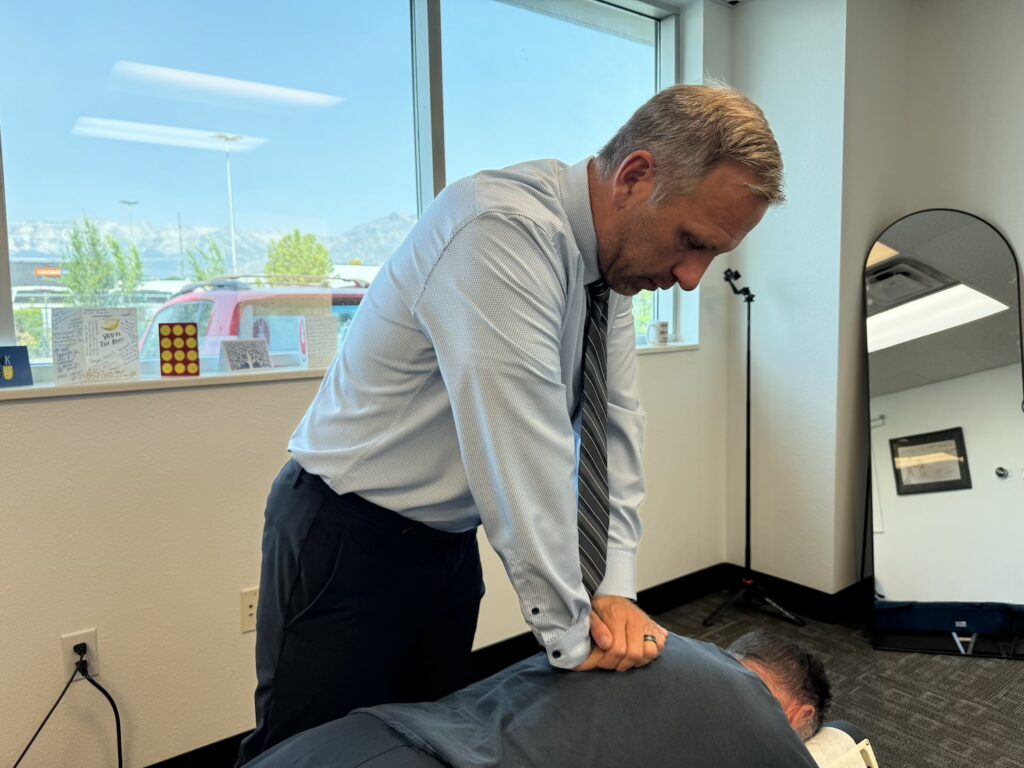
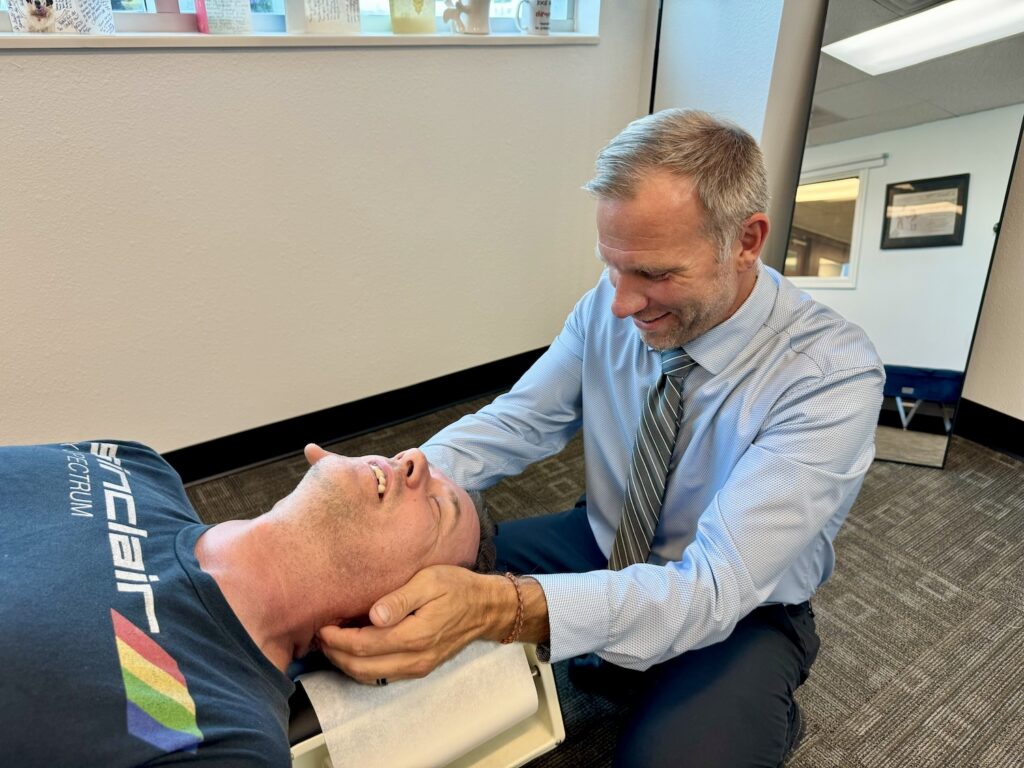
Chiropractic Adjustments
Chiropractic adjustments can be a game-changer for neck pain relief.
You'll experience a range of benefits, from improved mobility to reduced tension, as skilled practitioners use various techniques tailored to your needs.
Understanding these methods can help you make informed choices about your neck pain management.
Benefits of Chiropractic Care
Many people find relief from neck pain through chiropractic care, which focuses on aligning the spine and improving overall function.
By addressing misalignments, chiropractic adjustments can foster a range of benefits that enhance your quality of life.
Here are some key advantages of chiropractic care for neck pain:
- Pain Relief: Chiropractic adjustments can markedly reduce neck pain and discomfort, allowing you to move more freely.
- Improved Mobility: Regular adjustments help restore your range of motion, making daily activities easier and more enjoyable.
- Reduced Muscle Tension: Chiropractic care can alleviate tension in neck muscles, promoting relaxation and reducing headaches.
- Enhanced Posture: Aligning the spine helps you maintain better posture, which can prevent future neck pain.
- Holistic Approach: Chiropractic care addresses not just the symptoms but also the underlying causes of your neck pain, promoting overall wellness.
Techniques Used in Adjustments
There are several techniques used in chiropractic adjustments that can effectively relieve neck pain. One common method is the Diversified technique, which involves quick, precise thrusts to realign the vertebrae. This technique helps restore proper movement and function to your neck.
Another popular approach is the Gonstead technique. It focuses on analyzing spinal alignment and making targeted adjustments to specific areas of your neck. By addressing misalignments, this technique can alleviate pain and improve mobility.
The Activator method uses a small handheld instrument to deliver gentle impulses to the affected areas. This technique is great if you prefer a gentler approach, as it's less forceful than traditional adjustments.
Soft tissue techniques, like myofascial release, can also be included in your treatment plan. These techniques focus on relieving tension in the muscles surrounding your neck, promoting relaxation and reducing discomfort.
Lastly, some chiropractors incorporate stretching and strengthening exercises into their adjustments. By combining these techniques, you can enhance your recovery and maintain better neck health.
Discussing your specific needs with your chiropractor can help you find the most effective approach for your neck pain relief.
## Essential Oils
How can essential oils help alleviate neck pain? Essential oils have long been celebrated for their therapeutic properties, and they can play a significant role in easing your neck discomfort.
These concentrated plant extracts can reduce inflammation, promote relaxation, and relieve muscle tension, making them a natural choice for neck pain relief.
To get started, you can try using essential oils in various ways, such as diffusing them in your living space or applying them topically with a carrier oil.
Here are five essential oils that might help:
- Lavender: Known for its calming effects, lavender oil can promote relaxation and reduce muscle tension.
- Peppermint: Its cooling sensation can help soothe sore muscles and improve circulation in the neck area.
- Eucalyptus: This oil has anti-inflammatory properties and can help alleviate pain by opening up your airways and reducing tension.
- Frankincense: Often used for its anti-inflammatory benefits, frankincense can help reduce pain and stiffness in the neck.
- Rosemary: Known for stimulating blood flow, rosemary oil can help ease muscle pain and tension.
When using essential oils, always remember to dilute them properly with a carrier oil before applying them to your skin.
Experiment with different oils and methods to find what works best for you, and enjoy the natural relief they can bring to your neck pain.
Herbal Remedies
In addition to essential oils, herbal remedies offer another natural approach to managing neck pain. You might find relief by incorporating certain herbs into your routine. One popular option is turmeric, known for its anti-inflammatory properties. You can use it in cooking or take it in supplement form to help reduce pain and swelling in your neck.
Another effective herb is ginger. Its natural analgesic effects can help alleviate discomfort. Try brewing ginger tea or adding fresh ginger to your meals. You'll not only enjoy its flavor but also benefit from its pain-relieving qualities.
Boswellia, also known as frankincense, is another powerful herb that may help reduce inflammation and improve mobility. You can find it in capsules or topical creams, which you can apply directly to the affected area for targeted relief.
You might also consider using devil's claw, which has a long history of use for pain relief. It's available in capsules or tinctures, and many people have reported positive results from its use. Just be sure to consult with your healthcare provider before starting any new herbal regimen, especially if you're on medication.
Lastly, don't overlook the power of peppermint. Its cooling properties can provide soothing relief when applied topically. Mix peppermint oil with a carrier oil and gently massage it into your neck to ease tension.
Dietary Adjustments
To ease neck pain, consider adjusting your diet with anti-inflammatory foods like berries, leafy greens, and fatty fish.
Staying well-hydrated is equally important, as it helps maintain muscle function and reduces stiffness.
Anti-Inflammatory Foods
What if simple changes to your diet could help alleviate neck pain? Incorporating anti-inflammatory foods is a powerful step toward reducing inflammation and discomfort.
By focusing on these foods, you can support your body's healing process and improve your overall well-being.
Here are five anti-inflammatory foods you should consider adding to your diet:
- Fatty Fish: Salmon, mackerel, and sardines are rich in omega-3 fatty acids that combat inflammation.
- Berries: Blueberries, strawberries, and blackberries contain antioxidants that can help reduce inflammatory markers in your body.
- Leafy Greens: Spinach, kale, and Swiss chard are packed with vitamins and minerals that promote healing.
- Nuts and Seeds: Walnuts, chia seeds, and flaxseeds provide healthy fats and support joint health.
- Turmeric: This spice contains curcumin, known for its anti-inflammatory properties; adding it to meals can enhance flavor and health benefits.
#
Hydration Importance
Your body's need for hydration often gets overlooked, but staying well-hydrated is vital for managing neck pain. Water plays an important role in maintaining the elasticity of muscles and connective tissues, which can help prevent stiffness and reduce tension in your neck.
When you're dehydrated, the muscles around your neck can become tight, leading to increased discomfort and pain.
To guarantee you're getting enough hydration, aim for at least eight 8-ounce glasses of water daily, but adjust this based on your activity level and climate. You can also incorporate water-rich foods like cucumbers, oranges, and watermelon into your diet.
Herbal teas and broths can further contribute to your hydration needs.
Pay attention to your body's signals. If you experience fatigue, headaches, or dry mouth, these may be signs that you need more water.
You might want to carry a reusable water bottle to remind yourself to drink throughout the day.
## Hydration Importance
Adequate hydration plays an essential role in managing neck pain and promoting overall well-being. When you're well-hydrated, your body can function efficiently, which can help reduce discomfort in your neck and surrounding areas.
Dehydration can lead to muscle stiffness, tension, and even headaches, all of which can exacerbate neck pain. By drinking enough water throughout the day, you can help maintain proper muscle function and support your body's natural healing processes.
Here are some key benefits of staying hydrated for neck pain relief:
- Reduced Muscle Tension: Water helps muscles stay flexible and less prone to cramps or stiffness.
- Improved Circulation: Hydration supports blood flow, ensuring nutrients and oxygen reach your muscles and joints.
- Enhanced Joint Lubrication: Adequate fluid intake helps keep your joints lubricated, reducing friction and pain.
- Better Nutrient Absorption: Proper hydration aids in the absorption of essential vitamins and minerals that support muscle and nerve function.
- Decreased Inflammation: Staying hydrated can help reduce inflammation, which is often a contributing factor to neck pain.
To reap these benefits, aim for at least eight glasses of water daily, adjusting for activity levels and climate.
Monitor your hydration by paying attention to your body's signals—like thirst and urine color. By prioritizing hydration, you're taking a proactive step toward alleviating neck pain and enhancing your overall health.
Stress Management
Managing stress is essential for reducing neck pain, and there are several effective techniques you can try.
Mindfulness practices, breathing exercises, and relaxation methods can help you stay centered and ease tension.
Mindfulness Techniques
Practicing mindfulness techniques can markedly reduce stress, which often contributes to neck pain. By incorporating mindfulness into your daily routine, you can create a sense of calm that helps alleviate tension in your neck and shoulders.
Here are some effective mindfulness techniques you can try:
- Meditation: Set aside a few minutes each day to sit quietly, focus on your breath, and observe your thoughts without judgment.
- Body Scan: Lie down comfortably and mentally scan your body from head to toe, noticing areas of tension and consciously relaxing them.
- Mindful Walking: Take a slow, deliberate walk, paying attention to each step and the sensations in your body as you move.
- Gratitude Journaling: Write down three things you're grateful for each day, shifting your focus away from stressors and towards positivity.
- Mindful Eating: Enjoy your meals without distractions, savoring each bite and paying attention to the flavors and textures.
#
Breathing Exercises
Breathing exercises offer a powerful way to manage stress and can greatly alleviate neck pain. When you focus on your breath, you activate your body's relaxation response, which helps reduce tension in your neck and shoulders.
Start by finding a comfortable position, whether sitting or lying down. Close your eyes and take a deep breath in through your nose, allowing your abdomen to rise. Hold that breath for a moment before slowly exhaling through your mouth. Repeat this process for several minutes.
As you breathe, pay attention to any tightness in your neck. Visualize the breath flowing into that area and releasing tension with each exhale. You can also incorporate a counting technique: inhale for a count of four, hold for four, then exhale for six. This structured approach can enhance your focus and deepen relaxation.
Practicing these exercises daily can't only reduce stress but also promote better posture and align your neck. Remember, consistency is key.
Relaxation Methods
To effectively manage neck pain, incorporating relaxation methods into your routine can be invaluable. Stress can contribute to muscle tension, which often exacerbates neck discomfort. By finding ways to relax, you can reduce tension and promote healing.
Here are some effective relaxation methods you can try:
- Meditation: Spend a few minutes each day focusing on your breath or a calming mantra to clear your mind.
- Progressive Muscle Relaxation: Tense and then relax each muscle group, starting from your toes and working up to your neck.
- Yoga: Engage in gentle stretches and poses that promote relaxation and flexibility in your neck and shoulders.
- Massage: Treat yourself to a professional massage or use self-massage techniques to relieve muscle tightness.
- Warm Baths: Soaking in warm water can help soothe your muscles and create a peaceful environment for relaxation.
Mindfulness and Meditation
While it may seem challenging to find relief from neck pain, incorporating mindfulness and meditation into your daily routine can greatly help. These practices encourage you to focus on the present moment, often easing the stress and anxiety that can contribute to muscle tension in your neck. By dedicating just a few minutes each day, you can cultivate a sense of calm that can alleviate discomfort.
Start with simple mindfulness techniques. Take a few deep breaths, inhaling through your nose and exhaling slowly through your mouth. As you breathe, tune in to your body and notice any areas of tension. Acknowledge these sensations without judgment, simply observing them. This awareness can help you identify patterns in your neck pain and become more attuned to what your body needs.
Meditation can further enhance your neck pain relief journey. You might find guided meditations particularly useful, as they often focus on relaxation and body awareness. Try a meditation that emphasizes the neck and shoulders, allowing you to visualize warmth and healing energy flowing to those areas.
Consistency is key. By practicing mindfulness and meditation daily, you create a habit that not only helps in managing your neck pain but also improves your overall well-being.
Over time, you'll likely notice that you're better equipped to handle stressors that contribute to tension, leading to a more comfortable and pain-free neck. So, carve out that time for yourself and embrace the benefits of these powerful techniques.
Sleep Positioning
Your sleep position can greatly impact neck pain, so it's important to find what's best for you.
Consider the height of your pillow, as it plays a vital role in maintaining proper alignment.
Plus, whether you sleep on your side, back, or stomach can make a large difference in how you feel in the morning.
Ideal Pillow Height
Finding the ideal pillow height is crucial for maintaining proper spinal alignment during sleep. A pillow that's too high or too low can lead to neck strain, discomfort, and even exacerbate existing pain.
To find the right height for you, consider your sleep position and personal preferences.
Here are some tips to help you choose the perfect pillow height:
- Sleep Position: Identify if you're a back, stomach, or side sleeper, as each requires different pillow heights.
- Material Matters: Explore various materials like memory foam, latex, or down, which can offer different support levels.
- Trial and Error: Don't hesitate to try out different pillows until you find one that feels right.
- Spinal Alignment: Verify your neck is aligned with your spine; your pillow should fill the gap between your neck and mattress.
- Adjustability: Consider adjustable pillows that allow you to customize the height to your liking.
Side Sleeping Benefits
Many people regularly find that side sleeping offers numerous benefits for their overall health and well-being. This position can help reduce neck and back pain, as it promotes better spinal alignment. When you sleep on your side, your head is supported more naturally, reducing strain on your neck and allowing your spine to maintain its natural curve.
Side sleeping also improves digestion. If you lie on your left side, it can aid in the proper functioning of your digestive system, potentially reducing issues like acid reflux.
Furthermore, this position can enhance circulation, as it allows blood to flow more freely throughout your body.
Another advantage is that side sleeping may help reduce snoring. By keeping your airways open, it can decrease the likelihood of obstructed breathing during sleep, making it beneficial for both you and your sleep partner.
Finally, side sleeping can be particularly advantageous for pregnant individuals, as it improves circulation to the fetus and reduces pressure on essential organs.
Back vs. Stomach
When choosing between back and stomach sleeping positions, each has distinct effects on neck and spine health.
Back sleeping is generally regarded as the best option for spinal alignment. It allows your head, neck, and spine to rest in a neutral position, reducing the risk of pain.
On the other hand, stomach sleeping can strain your neck and spine, as it forces your head to twist, which may lead to discomfort and misalignment over time.
Here are some key points to evaluate for each position:
- Back Sleeping: Promotes natural spinal alignment and reduces pressure on the cervical spine.
- Stomach Sleeping: Often leads to neck strain and can exacerbate existing pain.
- Pillow Choice: Back sleepers may benefit from a thinner pillow, while stomach sleepers should avoid thick pillows.
- Body Support: Think about using a small pillow under the knees for back sleepers to enhance comfort.
- Personal Preference: Ultimately, choose the position that feels most comfortable for you, but be mindful of its long-term effects.
Supportive Pillows
Supportive pillows play an essential role in alleviating neck pain by providing the right alignment and comfort while you sleep. Choosing the right pillow can greatly impact your neck's health, helping you wake up refreshed instead of sore.
When selecting a pillow, consider your sleeping position. Side sleepers often benefit from firmer, higher pillows that fill the gap between the head and shoulder. This keeps your spine aligned. Back sleepers usually need a medium loft pillow that supports the natural curve of your neck without pushing your head too far forward. If you sleep on your stomach, a softer, flatter pillow can prevent strain by keeping your neck in a more neutral position.
Memory foam pillows can be an excellent choice. They contour to the shape of your head and neck, providing personalized support. Similarly, cervical pillows are designed specifically to support the neck's curvature, promoting proper alignment and reducing discomfort. If you prefer natural materials, look for buckwheat or latex pillows, which offer firm support while being breathable.
It's also essential to replace your pillow regularly. Over time, pillows lose their shape and support, which can lead to neck pain. Aim to change your pillow every 1-2 years, depending on wear and tear.
Avoiding Tech Neck
Choosing a supportive pillow can help alleviate neck pain during sleep, but it's equally important to contemplate how technology affects your neck throughout the day.
With the rise of smartphones, tablets, and laptops, many of us find ourselves hunched over screens for hours, leading to what's commonly known as tech neck. This condition can cause discomfort and long-term issues if not properly managed.
To avoid tech neck, consider these simple strategies:
- Adjust your screen height: Make sure your device is at eye level to reduce strain on your neck.
- Use voice commands: Whenever possible, utilize voice-to-text features to minimize looking down at your device.
- Take frequent breaks: Set a timer to remind yourself to look away from your screen every 20 minutes and stretch your neck.
- Practice good posture: Sit up straight with your shoulders back and your screen at a comfortable distance.
- Limit use before bed: Reducing screen time in the evening can help prevent neck strain and improve your sleep quality.
Regular Movement
Incorporating regular movement into your daily routine can greatly reduce neck pain and improve overall well-being. When you engage in physical activity, you enhance blood flow to your muscles and joints, which can help alleviate tension and stiffness in your neck. Even simple movements like stretching, walking, or light exercises can make a significant difference.
Start by setting aside a few minutes each hour to stretch and move around. It doesn't have to be an intense workout; just some gentle neck rolls and shoulder shrugs can relieve built-up tension. If you're at a desk for long periods, try standing up, walking around, or doing some light stretches. These small breaks can help keep your muscles loose and prevent stiffness.
You can also incorporate activities that promote overall fitness, like yoga or swimming. These exercises not only strengthen your neck and shoulder muscles but also improve your posture, reducing the risk of neck pain. Aim for at least 30 minutes of moderate activity most days of the week.
If you're not sure where to start, consider joining a class or following online tutorials that focus on neck and shoulder health.
Listening to your body is essential; if something doesn't feel right, modify your movements. By making regular movement a priority, you'll find that not only does your neck feel better, but your overall energy levels and mood will also improve.
## Breathing Exercises
Regular movement can greatly ease neck pain, but combining it with breathing exercises can enhance your relief even further. Breathing exercises help reduce tension in your neck and shoulders while promoting relaxation.
When you focus on your breath, you're not only calming your mind, but also improving the blood flow to the muscles supporting your neck.
Here are some effective breathing exercises you can incorporate into your routine:
- Diaphragmatic Breathing: Sit or lie down comfortably. Place one hand on your chest and the other on your abdomen. Inhale deeply through your nose, allowing your abdomen to rise, then exhale slowly through your mouth. Repeat for 5-10 minutes.
- Box Breathing: Inhale for a count of 4, hold for 4, exhale for 4, and hold again for 4. This rhythmic pattern helps center your mind and relax your body.
- Nasal Breathing: Close your mouth and inhale slowly through your nose for a count of 5, then exhale through your nose for a count of 5. This technique promotes calmness and helps reduce stress.
- Alternate Nostril Breathing: Use your thumb and ring finger to close one nostril at a time while alternating breaths. This balances energy and calms the nervous system.
- Mindful Breathing: Simply focus on your breath, noticing each inhalation and exhalation without trying to change it. This practice encourages mindfulness and relaxation.
Incorporating these breathing exercises into your daily routine can markedly enhance your neck pain relief journey.
Daily Routines
Establishing a daily routine that prioritizes neck health can make a significant difference in alleviating pain. Start your day with gentle neck stretches. Simple movements, like tilting your head side to side and rotating it slowly, can improve flexibility and reduce tension. Aim to spend just five minutes each morning focusing on these exercises.
Throughout your day, be mindful of your posture. When sitting at your desk, keep your feet flat on the floor, your back straight, and your screen at eye level.
Take regular breaks to stand up, stretch, and walk around. This helps prevent stiffness from prolonged sitting and keeps your neck muscles engaged.
Incorporating relaxation techniques into your daily routine can also benefit your neck health. Try practicing mindfulness or meditation for a few minutes each day. This can help reduce stress, which often contributes to muscle tension.
You could also explore yoga or tai chi, which promote flexibility and relaxation.
End your day with a calming ritual. Consider using a warm compress on your neck for about 15 minutes to soothe any discomfort.
Coupling this with deep breathing exercises can enhance relaxation and prepare your body for a restful night.
Tracking Progress
Consistently tracking your progress can be a game-changer in managing neck pain. By keeping a close eye on your symptoms and improvements, you'll gain valuable insights into what works for you. This awareness not only helps you stay motivated but also allows you to make informed decisions about your daily routines and natural remedies.
Here are some effective ways to track your progress:
- Daily Pain Journal: Write down your pain levels, triggers, and relief methods each day. This helps identify patterns over time.
- Set Specific Goals: Define clear, achievable goals for your neck pain management, like improving flexibility or reducing pain intensity.
- Monitor Activities: Note which activities aggravate or alleviate your pain. This can guide you in modifying your routines.
- Use a Pain Scale: Rate your pain on a scale of 1 to 10 daily. This numerical assessment can highlight improvements or setbacks.
- Track Treatments: Keep a record of any treatments or lifestyle changes you implement, such as stretching, massage, or heat therapy.
As you gather this information, you'll begin to see trends that can inform your next steps.
Whether you're improving or facing challenges, tracking progress empowers you to take control of your neck pain relief journey.
Seeking Professional Help
Sometimes, seeking professional help can be an essential step in your neck pain relief journey. While many natural remedies can provide relief, certain conditions might require the expertise of healthcare professionals. If your neck pain persists or worsens despite your efforts, don't hesitate to reach out for assistance.
Start by consulting a chiropractor or physical therapist. They're trained to assess your condition and recommend personalized treatment plans. Chiropractors can help realign your spine and improve mobility, while physical therapists can guide you through targeted exercises designed to strengthen neck muscles and enhance flexibility.
Both can provide hands-on techniques to alleviate pain and promote healing.
Additionally, consider visiting a medical doctor, especially if you suspect an underlying issue, such as a herniated disc or arthritis. They can perform diagnostic tests, like X-rays or MRIs, to pinpoint the problem. Once they identify the cause, they can prescribe medications or therapies that complement your natural relief efforts.
Don't forget about holistic practitioners, too. Acupuncturists and massage therapists can also play an important role in your recovery process. They can address muscle tension and improve circulation, which may contribute to your pain.
Community Support
Finding community support can greatly enhance your neck pain relief journey. When you connect with others who share similar experiences, you'll find encouragement, advice, and camaraderie. This supportive environment can motivate you to stick with your natural pain relief strategies and reinforce your commitment to healing.
Here are some ways to tap into community support:
- Join Online Forums: Websites and social media groups can connect you with individuals who understand your pain. Share tips and find solace in knowing you're not alone.
- Attend Local Support Groups: Look for in-person gatherings focused on neck pain or general wellness. Meeting face-to-face can foster deeper connections and provide a safe space to discuss your struggles.
- Participate in Classes: Yoga, Pilates, or other wellness classes can introduce you to others who prioritize natural health solutions. Sharing experiences in these settings can enhance your sense of community.
- Engage with Friends and Family: Don't hesitate to open up to your loved ones about your journey. They can offer emotional support and may even join you in activities that promote healing.
- Volunteer or Give Back: Helping others can boost your mood and sense of purpose. Look for opportunities to assist those dealing with similar pain challenges, creating bonds through shared experiences.
Staying Consistent
Staying committed to your neck pain relief strategies is essential for achieving long-term results. It's easy to get excited about a new routine or treatment, but maintaining that momentum is what truly makes a difference.
To stay consistent, set clear, achievable goals for your neck pain relief journey. Break down your objectives into manageable steps, whether it's practicing daily stretches, applying heat or cold, or sticking to a specific posture throughout the day.
Creating a schedule can help you stay on track. Block out time in your day for your neck care routines, just like you'd for any other important appointment. Consistency is key, so try to make these practices a non-negotiable part of your daily life.
You might also want to incorporate reminders or alarms on your phone to nudge you when it's time to focus on your neck health.
Additionally, keep a journal to track your progress. Writing down your daily activities and any changes in your neck pain can help you stay motivated. When you see how far you've come, it reinforces your commitment to the process.
Finally, don't hesitate to lean on your community for support. Share your goals with friends or family, and encourage them to check in on your progress. Their encouragement can help you remain accountable and enthusiastic.
Celebrating Achievements
After establishing a consistent routine for your neck pain relief, it's important to recognize and celebrate your achievements along the way. Acknowledging your progress not only boosts your motivation but also reinforces the positive habits you've built.
Every small victory counts, and celebrating them can make your journey more enjoyable.
Take a moment to reflect on what you've accomplished. Have you experienced less discomfort during daily activities? Maybe you've mastered some new stretches or techniques that help alleviate pain. Whatever it is, it deserves recognition.
Here are a few ways to celebrate those achievements:
- Keep a Journal: Document your progress and jot down your feelings about each milestone.
- Treat Yourself: Reward yourself with something special, like a massage, a favorite meal, or a relaxing day off.
- Share Your Journey: Tell friends or family about your successes; their encouragement can motivate you further.
- Set New Goals: Use your achievements as stepping stones for setting even bigger objectives.
- Practice Gratitude: Take a moment to appreciate your body's resilience and the effort you've put in.
Conclusion
In just 30 days, you can transform your approach to neck pain relief. By embracing natural methods like stretching, strengthening exercises, and mindful practices, you'll not only alleviate discomfort but also enhance your overall well-being. Remember to seek professional guidance if needed and lean on your community for support. Stay consistent with your efforts, and don't forget to celebrate your progress. You've got the power to reclaim your comfort and live pain-free!