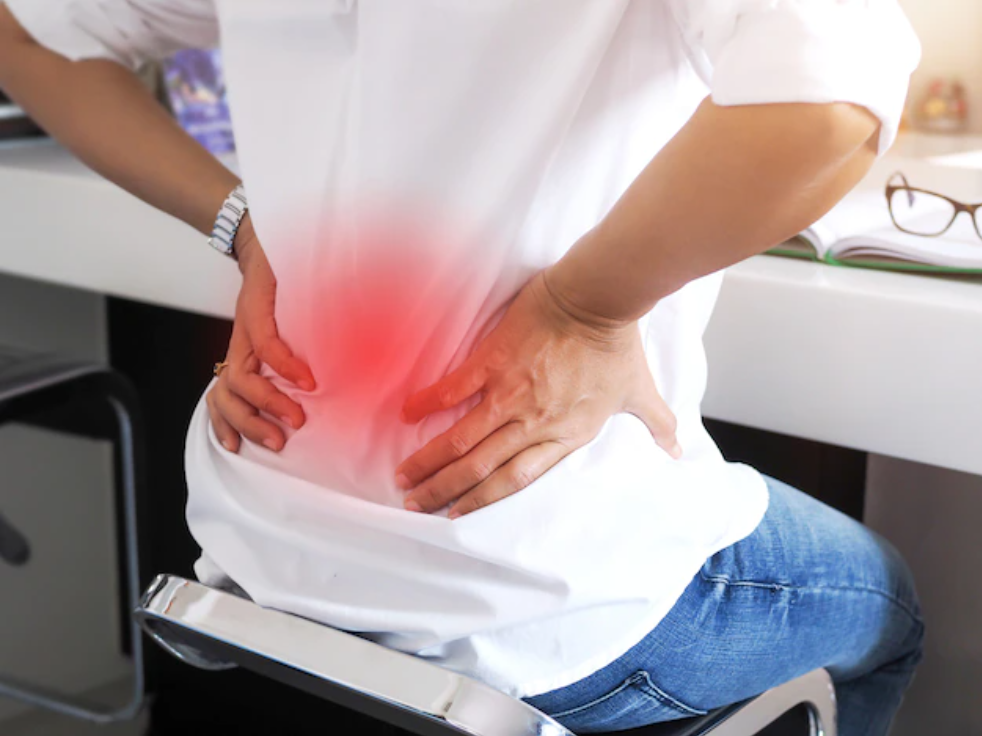
As a local chiropractor, I want to emphasize that managing pain doesn’t have to rely solely on medication. There are numerous natural techniques that can promote healing and provide relief without the unwanted side effects that often accompany pharmaceuticals. Techniques such as mindfulness practices and dietary changes can empower you to take control of your pain in a holistic way.
Many patients are surprised to learn how simple adjustments in their daily routines can lead to significant relief. By incorporating chiropractic care, along with other natural methods, we can work together to uncover effective strategies tailored to your individual needs. I invite you to explore these options with me, as we focus on enhancing your overall well-being and comfort.
Mindfulness and Meditation
As a local chiropractor, I want to share how incorporating mindfulness and meditation into your daily routine can provide significant relief from pain and enhance your overall well-being. These practices are valuable tools that help you tune into the present moment, allowing you to detach from discomfort and stress that may be affecting your body.
When you focus on your breath or observe your thoughts without judgment, you cultivate a mental space that can effectively reduce your perception of pain. This is especially important when dealing with the physical discomfort that often accompanies musculoskeletal issues.
I recommend starting with just a few minutes each day. Find a quiet spot, sit comfortably, and close your eyes. Take deep breaths and pay attention to how your body feels. Acknowledge any pain you might be experiencing, but try not to let it take over your thoughts.
With consistent practice, you may find that your resilience to discomfort increases. Mindfulness encourages a sense of acceptance, which can help you change the way you relate to pain.
As you develop this skill alongside your chiropractic care, not only will you manage pain more effectively, but you’ll also improve your overall emotional health. Stick with these practices, and you may be pleasantly surprised by the level of control you gain over your pain and your well-being.
Physical Activity and Exercise
As a local chiropractor, I want to emphasize the importance of incorporating regular physical activity and exercise into your daily routine. Engaging in activities like walking, swimming, or yoga can play a significant role in alleviating pain and enhancing your overall well-being.
These activities not only help strengthen your muscles but also improve flexibility and reduce stiffness, which can lead to less discomfort in your joints and back.
I recommend aiming for at least 150 minutes of moderate aerobic activity each week, along with strength training exercises on two separate days. If you’re new to exercising, it’s essential to start slowly and gradually increase the intensity to prevent injury. Pay attention to how your body responds; finding a balance is crucial for your health.
Moreover, don’t overlook the mental benefits of exercise. Physical activity releases endorphins, which are natural mood enhancers, helping you manage pain and stress more effectively.
I encourage you to find an activity that you enjoy and incorporate it into your lifestyle regularly. Your body and mind will greatly benefit from this commitment to wellness, and as your chiropractor, I’m here to support you on your journey to natural healing and improved health.
Acupuncture
As a local chiropractor, I want to share valuable information about acupuncture, a natural healing technique that can be an effective ally in managing pain. This ancient practice involves the insertion of fine needles into specific points on the body to stimulate the flow of energy, or “qi.” Many of my patients have found relief from various types of pain, such as backaches, headaches, and joint discomfort through acupuncture.
During an acupuncture session, a skilled practitioner will evaluate your condition and tailor the treatment to meet your individual needs. It’s common for patients to leave these sessions feeling relaxed and rejuvenated.
I encourage you to communicate openly with your acupuncturist about your pain levels and any concerns you may have, as this will help them provide the best care possible.
While acupuncture isn’t a one-size-fits-all solution, it can be a valuable addition to your overall pain management strategy. By integrating this holistic approach with chiropractic care, you may discover new avenues for relief and enhance your overall well-being.
If you’re curious about how your body might respond, I recommend giving acupuncture a try as part of your journey toward natural healing.
Herbal Remedies
As a local chiropractor, I want to introduce you to the benefits of herbal remedies as a natural approach to managing pain. Many of my patients find these remedies to be effective alternatives to conventional pharmaceuticals. These solutions often come from plants that have been utilized for centuries to alleviate discomfort.
For example, arnica is a popular topical remedy that can help reduce swelling and bruising, making it a great option after an injury. Ginger, on the other hand, can be consumed as tea or added to your meals to ease muscle pain and inflammation.
Another powerful herbal option is turmeric, particularly its active compound curcumin, which is renowned for its anti-inflammatory effects. Additionally, willow bark has a long history of use for pain relief and works in a way similar to aspirin.
As you explore these natural remedies, I encourage you to consult with a healthcare professional, including myself, to ensure safe and proper usage.
It’s important to remember that the potency and effects of herbal remedies can vary from person to person, so patience is essential as you discover what works best for you.
Heat and Cold Therapy
As a local chiropractor dedicated to helping my patients manage pain naturally, I want to share with you some effective techniques that can complement your treatment—specifically, heat and cold therapy.
Heat therapy is a fantastic way to promote relaxation in your muscles, enhance circulation, and alleviate stiffness. You might find it helpful to use a heating pad, a warm towel, or even indulge in a soothing hot bath to target areas that are causing discomfort.
It’s essential to apply heat at a comfortable level to prevent any risk of burns, ensuring that your experience is both safe and beneficial.
Conversely, cold therapy is an excellent option for addressing inflammation and numbing sharp pain, particularly in cases of acute injuries or flare-ups. Ice packs and cold compresses can be very effective.
Just make sure to wrap the ice in a cloth before applying it to your skin, and limit your application to 15-20 minutes at a time. Allow your skin to return to its normal temperature between sessions for optimal safety.
Both heat and cold therapy are straightforward, accessible methods that can provide significant relief from pain.
I encourage you to explore both options to see which one resonates with your body best. You might even find that alternating between heat and cold yields the best results for your specific condition.
Massage Therapy
As a local Chiropractor, I want to share the numerous benefits of massage therapy in conjunction with chiropractic care.
Massage therapy can significantly alleviate pain and enhance your overall well-being. Through various techniques, it targets specific areas of discomfort, allowing you to find a tailored approach that suits your individual needs.
Understanding how to select a qualified massage therapist is crucial, as it can greatly enhance your experience and effectiveness in managing pain.
Combining the principles of chiropractic care with massage therapy can lead to more comprehensive healing and improved quality of life. Embracing these natural healing methods can help you achieve optimal health and wellness.
Benefits of Massage Therapy
As a local chiropractor, I want to share with you the incredible benefits of massage therapy, which many people often perceive as merely a luxury. In reality, it plays a crucial role in enhancing your overall well-being.
Regular massage sessions can significantly reduce muscle tension, leading to improved flexibility and mobility. Many of my patients report a noticeable decrease in stress levels after a massage, as it promotes deep relaxation and uplifts your mood.
Moreover, massage therapy enhances circulation, which is vital for healing injuries and alleviating pain. It also stimulates the release of endorphins, your body’s natural painkillers, making you feel more comfortable and at ease.
If you experience anxiety or have trouble sleeping, incorporating massage into your routine can provide substantial relief and elevate your quality of life.
I encourage you to consider massage therapy as a valuable complement to your chiropractic care. By integrating it into your health regimen, you’re making a positive investment in both your physical and mental health.
Together, we can work towards achieving a more balanced and healthier you.
Techniques for Pain Relief
As a local chiropractor, I want to introduce you to some effective techniques for pain relief that can complement your chiropractic care and enhance your overall well-being.
Many patients find that various massage methods can specifically target areas of discomfort and help alleviate pain.
For instance, Swedish massage is a fantastic technique that promotes relaxation. It uses gentle strokes to ease tension and can significantly reduce pain levels.
On the other hand, if you’re experiencing chronic pain, deep tissue massage may be more beneficial. This technique delves into the deeper layers of muscle, breaking down knots and releasing tightness.
Another valuable approach is trigger point therapy. This method focuses on specific tight spots in your muscles, helping to release tension and improve mobility.
If headaches are a common issue for you, craniosacral therapy might be worth considering. This gentle manipulation of the skull and spine can provide significant relief from discomfort.
Additionally, hot stone massage is a wonderful option that utilizes heated stones to enhance circulation and soothe sore muscles, making it a great addition to your pain management routine.
By integrating these techniques into your care plan, you can effectively manage pain and improve your quality of life.
Choosing a Therapist
When it comes to finding the right chiropractor for your wellness journey, it’s important to approach the selection process thoughtfully. Start by checking their qualifications and experience; ensure they’re licensed and have a specialization that aligns with your specific health concerns.
Seeking recommendations from friends, family, or your primary healthcare provider can be a valuable way to discover reputable chiropractors based on personal experiences. Additionally, reading online reviews can provide insight into the satisfaction of other patients.
Once you’ve narrowed down your options, I encourage you to schedule consultations with a few practitioners. This initial meeting is an excellent opportunity to discuss your health issues, treatment objectives, and to better understand their approach to care.
Pay attention to how comfortable you feel with each chiropractor; a strong rapport is vital for achieving the best results in your healing process. Remember, the right chiropractor can significantly enhance your journey towards pain relief and overall well-being.
Dietary Changes
As your local chiropractor, I want to emphasize the significant role that dietary changes can play in managing pain and promoting overall health.
By incorporating anti-inflammatory foods into your meals and ensuring you stay well-hydrated, you can help alleviate discomfort and improve your well-being.
Many patients may not realize how much their diet impacts their body’s ability to heal and function optimally. Foods rich in omega-3 fatty acids, antioxidants, and vitamins can reduce inflammation and support your chiropractic treatments.
Staying hydrated is equally important, as it aids in joint lubrication and overall bodily functions.
Let’s discuss how making these dietary adjustments can positively influence your daily life and complement the natural healing process we focus on in chiropractic care.
Together, we can work towards a healthier and pain-free lifestyle!
Anti-Inflammatory Foods
As a local chiropractor, I want to emphasize the importance of nutrition in reducing inflammation and managing pain, something that may not be commonly discussed. The foods you choose to include in your diet can truly make a difference in how you feel.
For instance, incorporating a variety of fruits and vegetables, such as berries, spinach, and kale, can provide you with essential antioxidants that support your body’s natural healing processes.
Additionally, omega-3 fatty acids, which are abundant in fatty fish, walnuts, and flaxseeds, are known for their ability to combat inflammation. Including these in your meals can be a game changer.
Don’t overlook the power of spices, either—turmeric and ginger are particularly noted for their strong anti-inflammatory effects, and adding them to your cooking can enhance both flavor and health benefits.
Whole grains, like brown rice and quinoa, are excellent choices as they provide important nutrients while helping to maintain stable blood sugar levels, which can aid in reducing inflammation.
And let’s not forget about healthy fats; sources like olive oil and avocados are fantastic options that support overall health.
By focusing on these anti-inflammatory foods, you can create a diet that not only nourishes your body but also assists in pain management and promotes healing.
This holistic approach, combined with chiropractic care, can lead to better health outcomes and improved quality of life.
Hydration Importance
As a local chiropractor, I want to emphasize the vital role hydration plays in both pain management and your overall health. Many of my patients may not realize that staying well-hydrated can significantly enhance the benefits of an anti-inflammatory diet, which is often recommended for those dealing with discomfort.
When you drink sufficient water, your body is better equipped to flush out toxins that can contribute to inflammation and pain. On the other hand, dehydration can exacerbate your symptoms, making it crucial to ensure you maintain an adequate fluid intake.
I generally recommend aiming for at least eight 8-ounce glasses of water daily, but you should adjust that based on your activity level and the climate you live in.
Incorporating hydrating foods, such as fruits and vegetables, into your diet is also beneficial. Don’t forget about herbal teas and broths, which are fantastic options to help keep you hydrated.
Remember, staying hydrated not only aids in managing pain but also helps boost your energy and improve your mood. This can make a significant difference in how you cope with daily challenges and support your journey toward better health.
As always, I’m here to guide you on this path to wellness!
Conclusion
As a local chiropractor, I want to share some natural techniques that can significantly enhance your pain management journey. By incorporating practices such as mindfulness, regular exercise, acupuncture, and massage therapy into your routine, you can adopt holistic approaches that not only promote healing but also improve your overall comfort.
Don’t underestimate the benefits of heat and cold therapy, which can provide immediate relief for various types of pain. Additionally, making dietary changes that support your body can be a game-changer in how you feel daily.
Embracing these natural methods can help reduce your pain and contribute to your overall well-being. I encourage you to start exploring these options and see what resonates with you. Remember, every individual is different, and discovering what works best for you is key to achieving optimal health and comfort.