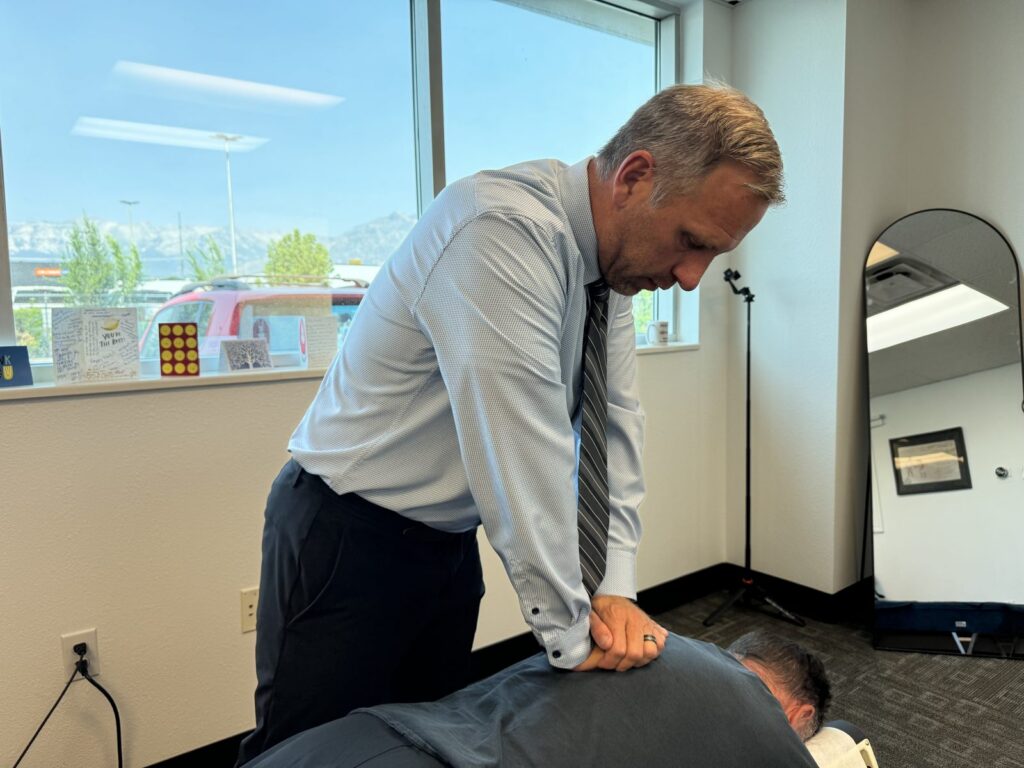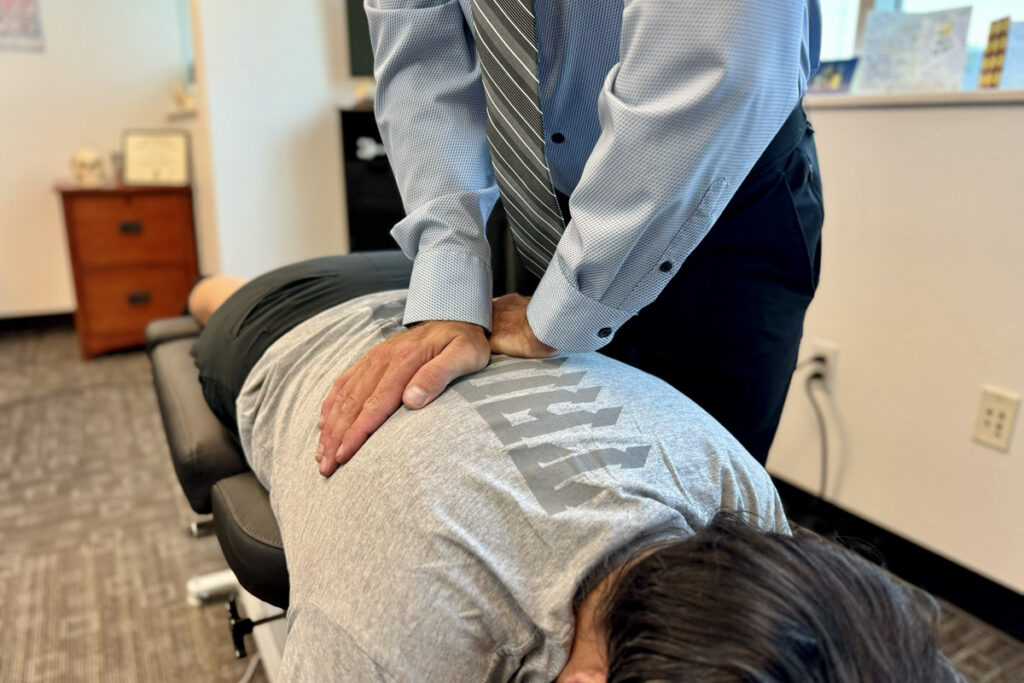
As a local chiropractor, I understand that many of you may be experiencing back pain and are seeking natural solutions to alleviate your discomfort. It’s important to know that you don’t have to rely solely on medication for relief. Simple techniques, such as gentle stretching and heat therapy, can significantly enhance your comfort levels and promote healing.
Let’s take a closer look at some effective methods that can help you manage your back pain at home. One of the first steps I recommend is incorporating easy stretching exercises into your routine. These exercises can help improve flexibility, reduce tension, and ease your discomfort. Additionally, applying heat to the affected area can increase blood flow and relax tight muscles.
I encourage you to explore these natural approaches to find what works best for you. Together, we can create a plan that supports your body’s healing process and helps you regain your quality of life. Remember, chiropractic care focuses on the body’s natural ability to heal itself, and I’m here to guide you on that journey.
Gentle Stretching Exercises
As a local chiropractor, I want to share the benefits of incorporating gentle stretching exercises into your daily routine. These exercises can significantly alleviate back pain and enhance your overall flexibility. For instance, simple stretches such as the cat-cow pose and child’s pose are excellent for releasing tension in your back while promoting better spinal alignment.
To perform the cat-cow pose, start by getting on all fours. Arch your back while inhaling, and then round it while exhaling. Hold each position for a few breaths to allow the stretch to deepen and provide relief.
Another effective stretch is the seated forward bend. This exercise helps to lengthen your spine and reduce tightness. As you bend forward, remember to relax your shoulders and breathe deeply, allowing your body to release any built-up tension.
Consistency is key in any wellness routine. I encourage you to aim for daily stretching, even if it’s just for a few minutes. It’s important to listen to your body; if a stretch feels too intense, back off a bit.
With regular practice, you’ll likely notice increased flexibility and a reduction in discomfort, which can make daily activities much more manageable.
Incorporating these gentle stretches into your life can be a natural way to enhance your overall spinal health and well-being. If you have any questions or need guidance on specific stretches, feel free to reach out during your next visit!
Strengthening Core Muscles
As a local chiropractor, I want to emphasize the importance of strengthening your core muscles for your overall health and wellness.
A strong core is vital for supporting your back and enhancing your stability. When you engage in core exercises, you’re not only building muscle strength, but you’re also improving your balance and posture—two key components of a healthy spine.
This solid foundation can help alleviate back pain and significantly reduce the risk of future issues. By incorporating core strengthening into your routine, you can take proactive steps towards better spinal health and a more active lifestyle.
Core Exercises Essentials
As a local chiropractor, I want to emphasize the importance of core exercises in alleviating back pain and enhancing overall spinal health. A strong core stabilizes the spine and promotes better posture, which is vital for your daily activities. By strengthening your core muscles, you provide vital support to your back, significantly reducing the risk of injury.
Incorporating simple exercises like planks, bridges, and bird-dogs into your routine can lead to remarkable improvements. It’s crucial to engage your core during these movements and maintain proper form to maximize their benefits. I recommend starting with a few repetitions and gradually increasing as your strength improves.
For optimal results, aim to include these exercises in your routine three to four times a week. Remember, consistency is key in achieving lasting benefits. Over time, you should notice increased stability and a reduction in discomfort.
Prioritizing these core exercises won’t only contribute to a healthier back but also enhance your overall well-being. If you have any questions about how to integrate these exercises into your lifestyle or how they complement chiropractic care, feel free to reach out!
Importance of Stability
As a local chiropractor, I want to emphasize the importance of stability in maintaining a healthy spine and preventing back pain.
While many individuals focus primarily on building muscle strength during workouts, stability is just as vital. By strengthening your core muscles, you enhance your body’s stability, enabling more efficient movement and reducing unnecessary strain on your back.
Here are three effective exercises to improve your stability:
- Planks: Holding a plank position is an excellent way to engage your core muscles, which plays a key role in improving overall stability. This exercise helps support your spine and can prevent injuries.
- Bridges: When you lift your hips while lying on your back, you not only strengthen your glutes but also provide essential support to your lower back. This exercise is beneficial for maintaining proper alignment and function of your spine.
- Bird-Dogs: This exercise involves extending one arm and the opposite leg while on all fours. It enhances your coordination and balance, crucial elements for stability. Incorporating bird-dogs into your routine can help promote a more resilient spine.
By integrating these stability exercises into your fitness regimen, you contribute to a healthier spine and reduce the risk of back pain.
Heat Therapy Techniques
As a local chiropractor, I want to share with you how heat therapy techniques can be an effective and comforting approach to alleviating back pain.
When we apply heat to the affected area, it increases blood flow, which helps to relax tight muscles and diminish stiffness. For targeted relief, you can utilize a heating pad, a warm towel, or a hot water bottle. Just remember to wrap your heat source in a cloth to protect your skin from burns.
For a more soothing experience, consider taking a warm bath or shower. The heat from the water not only eases your back discomfort but also provides a moment to unwind and relax.
Alternatively, heat patches can be a convenient option, delivering continuous warmth for several hours.
I recommend aiming for about 15 to 20 minutes of heat application. It’s important to listen to your body—if the heat feels too intense or uncomfortable, don’t hesitate to adjust the temperature.
Incorporating heat therapy into your daily routine can significantly enhance your comfort and mobility, serving as an effective strategy in managing back pain.
If you have any questions about how heat therapy can work alongside chiropractic care, feel free to reach out!
Cold Therapy Applications
As a local chiropractor, I want to share with you how cold therapy can be an effective method for alleviating back pain and reducing inflammation. By utilizing cold compresses or ice packs, you can numb the affected area, providing relief from discomfort.
It’s important to understand the benefits of cold therapy and how to apply it properly to achieve optimal results. When you experience back pain, applying cold therapy helps constrict blood vessels, which can reduce swelling and inflammation. It also decreases nerve activity, leading to a reduction in pain.
I encourage you to consider incorporating this simple yet powerful technique into your self-care routine. To use cold therapy effectively, apply an ice pack wrapped in a cloth to the painful area for about 15-20 minutes at a time. Make sure to take breaks in between applications to prevent skin damage.
This method can be particularly helpful during the initial stages of pain or after any activity that may have aggravated your back. At our practice, we focus on holistic approaches to healing, and cold therapy is just one of many tools we recommend to support your recovery.
If you’re new to chiropractic care or have questions about how to manage your back pain naturally, feel free to reach out. Together, we can explore the best options to help you feel your best.
Benefits of Cold Therapy
As a local chiropractor, I want to share some valuable insights about cold therapy, also known as cryotherapy, and how it can be a natural and effective method for managing back pain and inflammation.
Many of you may not be familiar with this approach, so let me explain the benefits you can experience by incorporating cold therapy into your routine.
- Reduces Swelling: When you apply cold to an affected area, it helps constrict blood vessels. This process minimizes swelling and inflammation, which is particularly beneficial for those suffering from back pain.
- Numbs Pain: The cooling effect of cold therapy temporarily numbs the nerve endings in your back. This can provide you with immediate relief from pain and a sense of comfort, allowing you to carry on with your daily activities.
- Speeds Up Recovery: Regularly using cold therapy can enhance your recovery process. After the cold is removed, your blood flow increases, which can help heal injuries more efficiently and promote overall recovery.
Incorporating cold therapy into your wellness routine is a simple, natural way to manage back pain.
As your chiropractor, I encourage you to explore this option along with other chiropractic care methods to support your healing journey.
How to Apply Cold
As a local chiropractor, I want to share with you the importance of cold therapy in managing back pain. This natural healing method can be incredibly effective when applied properly.
To start, you can use either a cold pack or even a bag of frozen vegetables—just be sure to wrap it in a towel first to protect your skin from damage.
Apply the cold pack directly to the area that’s bothering you for about 15-20 minutes at a time. It’s crucial to allow your skin to return to its normal temperature between applications, so you can repeat this process several times a day, especially after any activities that may flare up your discomfort.
However, it’s important to listen to your body. If you start to feel numbness or excessive discomfort, take the cold pack off right away.
Never place ice directly on your skin, as this can lead to frostbite. If you find that cold therapy is increasing your pain rather than alleviating it, I encourage you to stop using it and consult with a healthcare professional.
Proper Posture Practices
As a local chiropractor dedicated to your well-being, I want to emphasize the importance of maintaining proper posture to prevent and alleviate back pain, especially for those of you who spend extended periods sitting or standing.
By being conscious of your body alignment, you can significantly reduce the strain on your back and promote overall health. Here are three fundamental practices I encourage you to incorporate into your daily routine:
1. Sit Up Straight: It’s crucial to keep your shoulders back and your spine aligned while sitting. Invest in a chair with good lumbar support to help maintain your natural curvature.
Make a conscious effort to avoid slouching or leaning forward, as this can lead to discomfort and pain over time.
2. Stand Tall: When standing, aim to distribute your weight evenly on both feet. Relax your shoulders and engage your core muscles to provide support for your lower back.
This alignment not only helps with back pain but also promotes better balance and stability.
3. Adjust Your Workspace: For those of you working at a desk, ensure that your computer screen is at eye level and your chair height allows your feet to rest flat on the floor.
Proper ergonomics at your workspace are key to minimizing neck and back strain, leading to a more comfortable and productive work environment.
By adopting these simple practices, you can take significant steps towards improving your posture and overall spinal health.
If you have any questions or would like personalized advice, feel free to reach out during your next visit!
Mindfulness and Relaxation Techniques
As a chiropractor, I want to emphasize that maintaining proper posture is crucial in preventing back pain, but there’s so much more you can do to enhance your overall well-being through mindfulness and relaxation techniques.
Practicing mindfulness allows you to connect with your body on a deeper level, helping you identify tension and discomfort before they become more serious issues.
I recommend setting aside a few minutes each day for deep breathing exercises. Inhale slowly through your nose and exhale through your mouth, focusing on releasing any tightness you may feel in your back. This simple practice can create a sense of calm and relief.
Additionally, incorporating yoga or gentle stretching into your routine can greatly promote relaxation. These practices not only improve your flexibility but also strengthen the mind-body connection, which is essential for holistic health.
Guided imagery or meditation can also be powerful tools. By visualizing a serene scene, you can divert your attention from pain and stress, allowing your body to relax further.
By consistently integrating these mindfulness techniques into your daily life, you can cultivate a more relaxed state, which can aid in pain relief and significantly enhance your quality of life.
Herbal Remedies and Essential Oils
As a local chiropractor dedicated to helping patients manage their back pain, I often recommend exploring natural options like herbal remedies and essential oils alongside traditional chiropractic care.
These holistic approaches can complement your treatment plan by reducing inflammation, easing muscle tension, and promoting relaxation. Here are three effective remedies that I encourage you to consider:
- Turmeric: This powerful herb is renowned for its anti-inflammatory properties. You can incorporate turmeric into your diet as a supplement or by adding it to your meals. A warming drink made with turmeric and milk can be particularly soothing for discomfort.
- Peppermint Oil: The cooling effect of peppermint oil is excellent for relieving tension in sore muscles. When diluted with a carrier oil, it can be massaged directly into the affected area, providing a refreshing and revitalizing sensation that may enhance your recovery.
- Ginger: Known for its strong anti-inflammatory effects, ginger can be steeped in hot water to create a comforting tea. Drinking ginger tea may help alleviate pain and improve circulation, which is beneficial for your overall well-being.
Integrating these natural remedies into your routine can be a valuable part of managing back pain.
I encourage you to experiment with them and see how they work for you, as they can be a great complement to your chiropractic care.
Lifestyle Modifications
As your local chiropractor, I want to share some important lifestyle modifications that can help alleviate your back pain. One of the first steps you can take is to create an ergonomic workstation. This means setting up your desk, chair, and computer in a way that supports your natural body alignment, reducing strain on your spine.
Additionally, incorporating regular physical activity into your daily routine is crucial. Gentle exercises, stretching, and even walking can enhance your flexibility and strengthen the muscles that support your back.
These simple changes not only improve your comfort but also contribute to your overall health and well-being.
Ergonomic Workstation Setup
As a local chiropractor, I want to emphasize the importance of an ergonomic workstation setup for preventing and alleviating back pain, especially for those who spend long hours sitting at a desk.
By implementing a few simple adjustments, you can create a more comfortable and supportive environment that promotes good posture and overall spinal health.
- Chair: It’s crucial to use a chair that provides lumbar support to encourage an upright sitting posture. Your feet should rest flat on the ground or on a footrest to maintain proper alignment.
- Desk Height: Adjusting your desk height is vital. Ensure that your elbows form a 90-degree angle when typing, while keeping your wrists straight. This helps reduce strain on your back and neck.
- Monitor Position: Position your monitor so that it’s at eye level and approximately an arm’s length away. This will help prevent unnecessary neck strain and promote a more comfortable viewing angle.
By making these straightforward changes to your workstation, you can significantly enhance your comfort and help minimize back pain throughout your workday.
Remember, maintaining a healthy posture is key to supporting your spine and overall well-being.
If you have further questions about how to support your back health, feel free to reach out for more personalized advice.
Regular Physical Activity
As a local chiropractor, I want to emphasize that creating an ergonomic workstation is just one step in your journey to alleviate back pain. Regular physical activity is equally important and plays a vital role in strengthening your back muscles and enhancing flexibility.
I recommend aiming for at least 150 minutes of moderate exercise each week. This can include activities that you enjoy, such as walking, swimming, or cycling, which are all fantastic for your overall health.
In addition to cardiovascular activities, it’s essential to incorporate strength training exercises, particularly those that target your core. A strong core provides excellent support for your spine, helping to prevent and alleviate discomfort.
Don’t overlook the importance of stretching routines as well; they can significantly improve your flexibility and help reduce tension in your muscles.
Even small adjustments in your daily routine, such as taking breaks to stand or walk during long periods of sitting, can have a positive impact on your back health.
Staying active not only helps in relieving back pain but also enhances your overall well-being. So, let’s get moving together—your back will appreciate it!
Yoga and Pilates for Back Health
As a local chiropractor, I understand that dealing with back pain can be incredibly frustrating. However, I want to share with you how incorporating yoga and Pilates into your routine can significantly improve your back health.
These holistic practices focus on enhancing flexibility, building strength, and ensuring proper alignment, which are crucial for relieving tension and promoting better posture.
Here are three key benefits you can expect to experience:
- Increased Flexibility: Engaging in yoga poses helps to stretch and elongate your spine, which can alleviate tightness and improve your overall range of motion. This added flexibility can support the adjustments we make during chiropractic care.
- Strengthened Core: Pilates places a strong emphasis on core stability. A strong core supports your back, reducing the risk of pain during everyday activities. By strengthening these muscles, you can better maintain your spinal alignment and minimize discomfort.
- Enhanced Mind-Body Connection: Both yoga and Pilates encourage mindfulness, allowing you to become more attuned to your body mechanics and areas of tension. This awareness not only leads to improved posture but also helps you to manage and reduce strain, complementing the benefits of chiropractic adjustments.
Incorporating these practices into your routine can be a powerful way to enhance your overall back health and support your journey toward natural healing.
When to Seek Professional Help
As a local chiropractor, I want to help you understand when it’s important to seek professional assistance for your back pain. If you’ve been dealing with discomfort for longer than a few weeks and home remedies aren’t providing relief, it’s a clear indicator that it’s time to reach out for professional guidance.
Pay close attention to any symptoms such as pain that radiates down your legs, numbness, or difficulty walking or standing—these are signs that warrant a visit to a healthcare provider.
Additionally, if you experience sudden and severe pain after an injury, or if your back pain is accompanied by symptoms like fever, unexplained weight loss, or issues with bladder or bowel control, please seek immediate medical attention.
Listening to your body is crucial. If everyday tasks are becoming increasingly difficult or if you notice any changes in your overall health, it’s important to get evaluated by a professional.
As a chiropractor, I specialize in natural healing methods and can help identify the root cause of your pain. I’ll work with you to develop a tailored treatment plan that suits your individual needs.
Conclusion
As a local chiropractor, I want to share some effective natural methods you can incorporate into your daily routine to alleviate back pain right at home. Gentle stretching and core strengthening exercises are essential; they can significantly enhance your comfort and mobility. It’s also vital to maintain good posture throughout your day, as this can help prevent further strain on your back.
Consider exploring herbal remedies as an additional support system for your pain relief. These natural options can complement your overall wellness approach. However, I must emphasize that if your pain persists or worsens, seeking professional help is crucial. Chiropractic care can provide targeted treatments that address the root causes of your discomfort. By taking these proactive steps, you can work towards a healthier, more active lifestyle without the burden of back pain. Remember, your well-being is our priority!