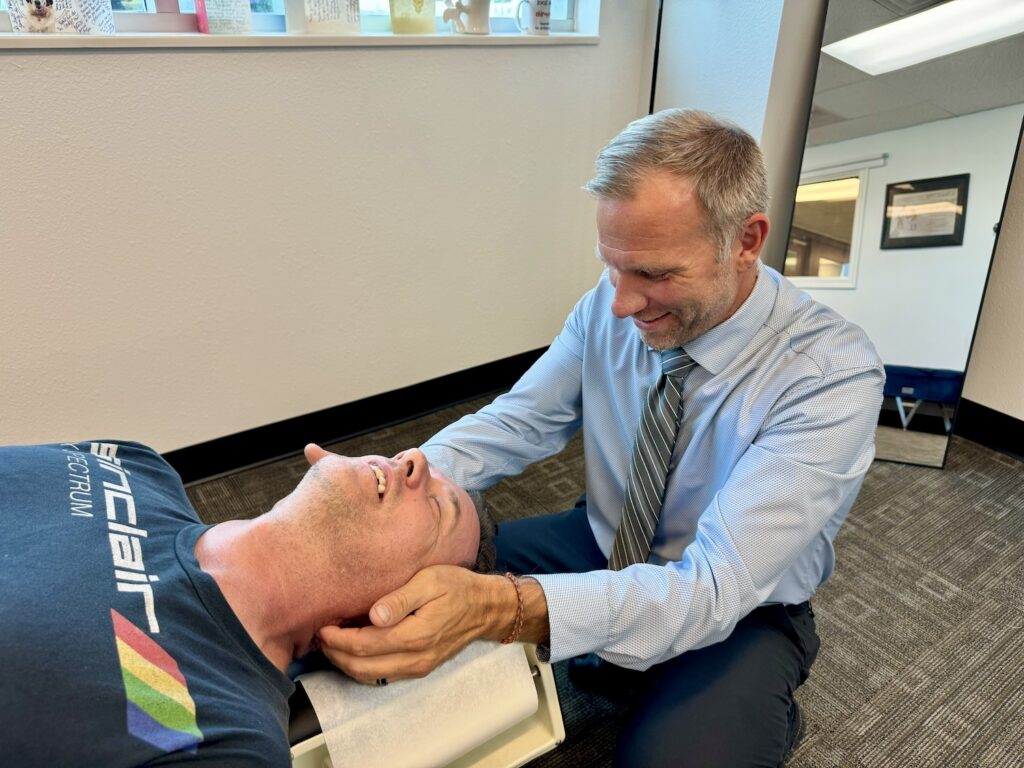
Headaches can be a real nuisance, but you don’t have to rely solely on medication for relief. As a chiropractor, I want to share some natural methods that may help reduce the frequency and intensity of your headaches, emphasizing the importance of spinal health and holistic wellness.
One of the key approaches to alleviating headaches is ensuring that your spine is properly aligned. Misalignments in the spine can contribute to tension and pain, leading to headaches. Regular chiropractic adjustments can help maintain spinal health, reducing the likelihood of headaches and promoting overall well-being.
In addition to chiropractic care, there are several simple techniques and lifestyle changes you can incorporate into your daily routine. Staying well-hydrated is crucial, as dehydration can often trigger headaches. Aim to drink plenty of water throughout the day to keep your body and mind functioning at their best.
You might also consider the benefits of acupressure, a technique that involves applying pressure to specific points on the body. This can help relieve tension and promote relaxation, potentially reducing headache symptoms. Combining acupressure with regular chiropractic care can be a powerful way to manage and prevent headaches.
Additionally, incorporating essential oils like peppermint or lavender into your routine may provide soothing effects. You can try massaging diluted essential oils onto your temples or using a diffuser to create a calming atmosphere.
Remember, a healthy lifestyle plays a significant role in headache management. Prioritize regular exercise, a balanced diet rich in nutrients, and good sleep hygiene. These practices, along with chiropractic care, can help you achieve optimal health and reduce the frequency of headaches naturally.
If you’re looking for a safe and effective way to alleviate headaches, consider scheduling a visit to your chiropractor. Together, we can explore personalized strategies to enhance your health and wellness.
Key Takeaways
- Staying well-hydrated is crucial for overall health and can help prevent headaches caused by dehydration. Aim to drink plenty of water throughout the day.
- Essential oils, such as peppermint and lavender, can be soothing. Applying them to your temples may help relieve tension and promote relaxation, enhancing your overall well-being.
- Acupressure techniques can be beneficial. Focusing on key points like LI4 (located between your thumb and index finger) and the base of your skull may provide immediate relief from headaches.
- Incorporate deep breathing exercises and mindfulness meditation into your daily routine. These practices can significantly reduce stress levels, which often contribute to headache symptoms.
- Regular physical activity is essential for maintaining good spinal health and reducing muscle tension. Additionally, paying attention to your posture while sitting or standing can help decrease the frequency of headaches.
As a chiropractor, I emphasize that these natural methods, alongside regular chiropractic care, can lead to optimal health and well-being. Chiropractic adjustments can help align your spine, relieve tension, and support your body’s natural ability to heal, making it a powerful ally in your journey toward pain relief and overall wellness.
Understanding Different Types of Headaches
Headaches can strike unexpectedly, and understanding their different types is essential for finding the right relief. As a chiropractor, I want to share insights on how you can manage headaches naturally and promote overall wellness.
There are several common types of headaches you might encounter. Tension headaches often feel like a tight band around your head and can result from stress, poor posture, or muscle tension in the neck and shoulders. A great way to alleviate tension headaches is through gentle stretching and chiropractic adjustments that target spinal alignment and relieve muscle tightness.
Migraines, which usually come with intense pain often on one side of the head, may also include symptoms like nausea or sensitivity to light. While they can be debilitating, many patients find that regular chiropractic care helps reduce the frequency and severity of their migraines by addressing underlying issues in the spine and nervous system.
Cluster headaches, though less common, can be extremely painful and typically affect one side of the head, occurring in cyclical patterns. Chiropractic care can provide significant relief by improving spinal function and reducing nerve irritation.
Sinus headaches are often caused by sinus congestion and present with facial pressure and tenderness. Natural methods, such as adjusting your posture, staying hydrated, and using chiropractic techniques to promote sinus drainage, can help alleviate these symptoms.
By identifying which type of headache you’re experiencing, you can tailor your approach to relief. Incorporating relaxation techniques, regular chiropractic adjustments, and maintaining good posture can be effective ways to manage headaches naturally.
The Power of Hydration
The Importance of Staying Hydrated for Headache Prevention
As a chiropractor, I understand that many people experience headaches, and staying properly hydrated is a key factor in helping to prevent them. Your body needs water for almost every function, including temperature regulation and blood circulation. When you’re even a little dehydrated, it can lead to tension and throbbing pain, which we all want to avoid.
To help keep headaches at bay, make it a goal to drink enough water throughout the day. A helpful tip is to carry a reusable water bottle with you as a reminder to hydrate regularly. You might also consider starting your day with a glass of water and drinking another before each meal to increase your hydration levels.
It’s essential to listen to your body’s signals as well. If you notice signs like a dry mouth or fatigue, that’s your body telling you it needs more water. Keep in mind that your hydration needs can vary depending on factors like your activity level and the climate, so stay in tune with how you’re feeling and adjust your intake as necessary.
Remember, while hydration is crucial, it’s also important to consider the role that chiropractic care can play in your overall well-being. Regular chiropractic adjustments can help improve your body’s function and enhance your overall health, making it easier for you to maintain a balanced lifestyle, including proper hydration.
Essential Oils for Headache Relief
If you’re looking for a natural way to find relief from headaches, incorporating essential oils into your wellness routine can be a helpful addition. While essential oils have their benefits, it’s important to remember that chiropractic care addresses the root cause of headaches by focusing on spinal health and alignment. By ensuring your spine is properly aligned, you can reduce tension and pressure that often leads to headaches.
Essential oils, such as peppermint and lavender, can complement your chiropractic care. Peppermint oil may enhance blood flow and provide a cooling sensation when gently applied to your temples, while lavender oil is known for its calming properties, which can help ease tension and promote relaxation.
To use essential oils effectively, consider mixing a few drops with a carrier oil like coconut or jojoba oil, and gently massage it into your temples, forehead, or neck. Additionally, you can add a few drops to a diffuser to create a relaxing atmosphere or inhale directly from the bottle for immediate relief. Just be sure to test for skin sensitivity before use.
However, remember that essential oils aren’t a substitute for chiropractic care. Regular chiropractic adjustments can help maintain proper spinal alignment, which is essential for overall health and can significantly reduce the frequency and intensity of headaches.
By combining the benefits of essential oils with regular chiropractic visits, you can create a holistic approach to headache relief and overall wellness.
If you experience frequent headaches, consider scheduling an appointment with your chiropractor to explore natural solutions tailored to your needs. Together, you can develop a comprehensive plan that enhances your health and well-being.
Herbal Remedies to Consider
When it comes to finding natural relief for headaches, incorporating herbal remedies can complement your wellness journey—especially when paired with chiropractic care. While chiropractic adjustments focus on aligning your spine and relieving tension in the nervous system, certain herbs can add an extra layer of support in alleviating headache symptoms.
Here’s a look at some herbs that may help ease headaches:
| Herb | Benefits |
|---|---|
| Feverfew | May reduce headache frequency |
| Butterbur | Could alleviate migraine symptoms |
| Peppermint | Can relieve tension and stress |
Feverfew is known to potentially lower both the intensity and frequency of headaches, which can enhance the benefits you experience from chiropractic adjustments. Butterbur could be particularly helpful for those who suffer from migraines, with research supporting its effectiveness. If you find yourself dealing with tension headaches, peppermint might be a soothing option that helps relieve stress and tension.
You might consider brewing these herbs into teas or exploring supplements, but it’s important to consult with a healthcare professional or your chiropractor before introducing any new remedies into your routine.
In addition to herbal support, don’t forget the importance of regular chiropractic care. Maintaining proper alignment of the spine not only helps with headache relief but also promotes overall wellness. Pairing chiropractic treatments with natural remedies like these herbs can lead to a more holistic approach to health.
Here are some general tips to help manage headaches:
- Stay hydrated: Dehydration can trigger headaches, so drink plenty of water throughout the day.
- Maintain good posture: Poor posture can contribute to tension headaches, so be mindful of your body position, especially if you sit for long periods.
- Incorporate relaxation techniques: Practices like yoga, deep-breathing exercises, or meditation can reduce stress and tension, potentially minimizing headache occurrences.
Acupressure Techniques for Immediate Relief
In addition to the benefits of chiropractic care, acupressure can provide immediate relief for headaches, making it a great complementary technique to enhance your wellness journey. By applying pressure to specific points on your body, you can often alleviate pain and tension quite quickly.
One effective acupressure point is located between your thumb and index finger, commonly referred to as the LI4 point. To use this technique, simply pinch the webbing between these two fingers and apply firm pressure for about 30 seconds. Many find this method helpful for reducing headache symptoms.
Another useful point is found at the base of your skull, where your neck meets your head. Gently pressing this area can help release tension and improve circulation, which is crucial for overall health.
You can also focus on your temples by using your fingertips to massage in a circular motion. This simple technique can help ease the throbbing sensation often associated with headaches.
Next time you feel a headache coming on, consider trying these acupressure techniques. They can offer the relief you need while complementing your chiropractic care, promoting a natural approach to wellness without the need for medications.
The Role of Relaxation and Meditation
When you feel a headache coming on, incorporating relaxation and meditation can be excellent strategies for finding relief. Simple deep breathing exercises can help calm your mind, reduce tension in your body, and promote overall wellness. Mindfulness techniques also assist in keeping your focus on the present moment, which can alleviate stress and discomfort.
As a chiropractor, I want to emphasize that maintaining a healthy spine is key to preventing headaches. Poor spinal alignment can lead to tension and discomfort, so regular chiropractic adjustments can help keep your spine in optimal condition. By addressing the root cause of your headaches through chiropractic care, you can experience long-lasting relief.
In addition to chiropractic adjustments, here are some general tips you can incorporate into your routine for headache prevention and relief:
- Stay Hydrated: Dehydration can trigger headaches, so be sure to drink plenty of water throughout the day.
- Maintain Good Posture: Proper posture supports spinal health and can reduce tension in your neck and shoulders.
- Take Breaks: If you’re working at a desk or using screens for long periods, take regular breaks to stretch and relax your muscles.
- Practice Relaxation Techniques: Setting aside time for relaxation or meditation can help lower stress levels and reduce the likelihood of headaches.
Benefits of Deep Breathing
Deep breathing techniques can significantly help alleviate headache symptoms by promoting relaxation and enhancing mental clarity. When you focus on your breath, you activate your body’s natural relaxation response, which lowers stress levels and eases tension—key factors that can contribute to headaches.
By inhaling deeply through your nose and exhaling slowly through your mouth, you’re not only supplying your body with more oxygen but also fostering a state of calm that can help reduce pain and discomfort. This simple practice encourages mindfulness, allowing you to shift your focus away from headache triggers.
Moreover, deep breathing can help lower your heart rate and blood pressure, further enhancing your sense of calm. Incorporating deep breathing into your daily routine is a great way to manage headaches, but it’s just one piece of the puzzle.
As a chiropractor, I emphasize the importance of a holistic approach to health and wellness. Regular chiropractic adjustments can help align your spine, which can improve your overall nervous system function and reduce tension in the body—further aiding in headache relief.
Here are some general tips you can incorporate alongside deep breathing:
- Stay Hydrated: Dehydration can lead to headaches. Make sure to drink plenty of water throughout the day.
- Maintain Good Posture: Poor posture can put strain on your neck and back, potentially leading to headaches. Pay attention to your posture, especially when sitting at a desk.
- Practice Regular Stretching: Gentle stretching can relieve tension in your muscles, particularly in the neck and shoulders, which are common headache triggers.
- Get Adequate Sleep: Ensure you’re getting enough restful sleep each night, as fatigue can exacerbate headache symptoms.
- Consider Chiropractic Care: Regular visits to a chiropractor can help maintain spinal health and promote overall wellness, reducing headaches and improving your quality of life.
By integrating these practices into your routine, you can take proactive steps toward managing headaches and improving your overall well-being.
Mindfulness Techniques for Relief
Integrating mindfulness techniques into your daily routine can significantly support your journey toward managing headaches and achieving optimal health. As a chiropractor, I believe that a holistic approach to wellness, including mindfulness, can enhance your overall well-being while promoting the benefits of chiropractic care.
One effective technique is meditation. By taking just a few minutes each day to meditate, you can focus your mind and reduce the stress and tension that often lead to headache discomfort. Find a quiet space to sit comfortably, close your eyes, and concentrate on your breath. This simple practice helps you let go of distracting thoughts, allowing your body to relax.
Another valuable method is guided imagery. Picture yourself in a peaceful place—perhaps a serene beach or a tranquil forest. Visualizing such scenes can bring joy and relaxation, which can be especially beneficial for alleviating headaches.
Additionally, consider incorporating body scans into your mindfulness practice. This technique involves paying close attention to any tension in your body and consciously releasing it. Being aware of your body’s signals can help you understand where stress accumulates, allowing you to address these areas more effectively.
While mindfulness techniques are fantastic tools for headache relief, they work best when combined with regular chiropractic care. Chiropractic adjustments help align your spine, reduce tension, and improve overall function, making it easier to manage stress and discomfort.
Remember, achieving optimal health is a journey. By incorporating mindfulness practices alongside chiropractic care, you can create a powerful strategy for not just relieving headaches, but also enhancing your overall quality of life.
Embrace these techniques and consider visiting your chiropractor for personalized care tailored to your needs.
Dietary Adjustments to Prevent Headaches
As a local chiropractor, I want to emphasize that what you eat can significantly influence not only your overall health but also the frequency and severity of headaches. By making some thoughtful dietary adjustments, you can help prevent those painful episodes and promote your well-being.
Here are four key changes to consider:
- Stay Hydrated: One of the most common headache triggers is dehydration. Make it a habit to drink plenty of water throughout the day. Keeping your body well-hydrated not only supports your spine and muscles but also helps prevent those pesky headaches.
- Moderate Caffeine Intake: While some individuals find relief from headaches with caffeine, too much can lead to withdrawal headaches. It’s all about balance. If you enjoy your morning coffee, try to keep it moderate to avoid any potential discomfort later.
- Choose Whole Foods: Processed foods filled with additives, preservatives, and artificial sweeteners can trigger headaches. Instead, opt for whole, natural foods. These not only nourish your body but also support your spinal health and overall wellness.
- Incorporate Magnesium-Rich Foods: Foods like spinach, nuts, and whole grains are excellent sources of magnesium, which is essential for muscle and nerve function. Including these foods in your diet can help reduce the frequency of headaches while also benefiting your spine’s health.
Remember, a healthy diet is just one aspect of achieving optimal wellness.
Regular chiropractic care can complement these dietary adjustments by ensuring your spine is well-aligned and your nervous system is functioning properly. Together, these practices can enhance your quality of life and help you live pain-free.
The Importance of Sleep Hygiene
Getting quality sleep is crucial for headache relief, and a big part of that comes from optimizing your sleep environment. As a chiropractor, I often see how proper sleep can significantly impact overall well-being, including spinal health. To enhance your chances of enjoying a restful night, make sure your sleeping space isn’t only comfortable but also dark and quiet. This can help your body relax and prepare for restorative sleep.
Another important factor is sticking to a consistent sleep schedule. Just like your spine benefits from regular chiropractic adjustments, your body’s internal clock thrives on routine. Going to bed and waking up at the same time each day can help regulate your sleep patterns, making it easier to wake up feeling refreshed and ready to tackle the day.
In addition to creating a cozy environment and maintaining a regular sleep schedule, consider incorporating gentle stretches or relaxation techniques before bed. These practices can help relieve tension in your neck and back, further promoting a peaceful night’s sleep.
Sleep Environment Optimization
How often do you consider your sleep environment when dealing with headaches? Your surroundings play a significant role in your overall well-being and can greatly affect your sleep quality, which, in turn, can influence the frequency and severity of headaches.
As a chiropractor, I believe that creating an optimal sleep environment is essential for natural healing and overall health. Here are some simple tips to enhance your sleep environment for better rest and relief from headaches:
- Keep it Dark: Light can interfere with your sleep cycle. Consider using blackout curtains to create a dark space that promotes deeper sleep, helping your body recover and heal naturally.
- Control the Temperature: Aim for a cool room, ideally between 60-67°F (15-19°C). A comfortable temperature can help you relax and fall asleep more easily, which is crucial for your body to heal and reduce headache symptoms.
- Minimize Noise: Distractions can disrupt your sleep. Using earplugs or a white noise machine can help create a calm environment, allowing your body to rest and rejuvenate without interruptions.
- Choose the Right Bedding: Invest in comfortable pillows and a supportive mattress that align with your sleeping style. Proper spinal alignment during sleep is essential for reducing tension and preventing headaches.
By optimizing your sleep environment, you can support your body’s natural healing processes and enhance your overall wellness.
Consistent Sleep Schedule
A consistent sleep schedule is vital for not just your overall health but also for the well-being of your spine. When you go to bed and wake up at the same times each day, your body harmonizes its internal clock, which can lead to deeper and more restorative sleep. This is especially important for spinal health, as quality sleep supports the body’s natural healing processes.
By maintaining a regular sleep routine, you can help alleviate tension and stress in your spine, making it easier for you to fall asleep and stay asleep. When your body is well-rested, it can recover from daily wear and tear, and you may find that your chiropractic adjustments hold better, providing longer-lasting relief from pain and discomfort.
Here are some simple tips to establish and maintain a consistent sleep schedule:
- Set a Regular Sleep Time: Aim to go to bed and wake up at the same times each day, even on weekends. This reinforces your body’s natural rhythms.
- Create a Relaxing Bedtime Routine: Engage in calming activities before bed, such as reading, gentle stretching, or deep-breathing exercises. This prepares your mind and body for sleep.
- Limit Screen Time: Try to avoid screens at least an hour before bedtime. The blue light emitted can interfere with your ability to fall asleep.
- Optimize Your Sleep Environment: Keep your bedroom cool, dark, and quiet. A comfortable mattress and pillows can also support spinal health while you sleep.
- Stay Active During the Day: Regular physical activity can promote better sleep. Just be sure not to exercise too close to bedtime.
By following these tips and prioritizing a consistent sleep schedule, you can enhance your overall health and support your spine.
Physical Activity and Its Benefits
Engaging in physical activity can significantly decrease the frequency and intensity of headaches, and chiropractic care can further enhance these benefits. When you move your body, you improve blood circulation, release feel-good hormones called endorphins, and reduce tension—factors that can help alleviate headache pain.
Here’s how physical activity, combined with chiropractic care, helps:
- Increases blood flow – Enhanced circulation delivers more oxygen and nutrients to your brain, which can help in preventing headaches. Regular chiropractic adjustments can also improve spinal alignment, leading to better blood flow.
- Reduces stress – Exercise acts as a natural stress reliever, lowering cortisol levels that contribute to tension headaches. Chiropractic care can help relieve stress by ensuring that your spine is aligned, which can help your body function better overall.
- Improves sleep quality – Regular activity promotes better sleep, which is crucial since poor sleep can trigger headaches. Chiropractic adjustments can also improve your sleep quality by addressing any discomfort or pain that may disrupt your rest.
- Strengthens muscles – Strengthening your neck and shoulder muscles can alleviate strain that often leads to headaches. Chiropractors can provide exercises tailored to your needs, helping to support muscle strength and spinal health.
Additionally, here are some general tips you can incorporate into your routine:
- Stay hydrated: Dehydration can be a trigger for headaches, so drink plenty of water throughout the day.
- Practice good posture: Maintaining proper posture while sitting or standing can reduce strain on your neck and back, potentially preventing headaches.
- Take breaks: If you’re working at a desk for long periods, take short breaks to stretch and move around. This can help reduce tension buildup.
- Consider regular chiropractic visits: Regular check-ups can help maintain spinal health, which is essential for overall wellness and pain relief.
By combining physical activity with chiropractic care, you can take proactive steps toward reducing headaches and enhancing your overall health and well-being.
When to Seek Professional Help
If you find yourself dealing with persistent headaches or episodes of severe pain, it’s important to consider reaching out for professional help. As a chiropractor, I suggest paying close attention to any accompanying symptoms, such as changes in vision or nausea, as these may indicate a more serious concern. Early recognition of these warning signs can lead to better management and relief of your headaches.
Chiropractic care offers a natural and effective approach to treating headache pain. By focusing on spinal health and alignment, chiropractors can help alleviate tension and improve overall wellness.
Here are some helpful tips you can incorporate into your daily routine to support your health and potentially reduce headache occurrences:
- Maintain Good Posture: Whether you’re working at a desk or using your phone, be mindful of your posture. Keeping your spine aligned can help prevent tension that leads to headaches.
- Stay Hydrated: Dehydration can lead to headaches, so make sure you’re drinking plenty of water throughout the day.
- Manage Stress: Practice relaxation techniques such as deep breathing, meditation, or gentle yoga. Reducing stress levels can significantly decrease headache frequency.
- Regular Chiropractic Adjustments: Schedule routine appointments with your chiropractor to keep your spine in alignment and address any issues before they escalate into pain.
- Limit Screen Time: Take regular breaks from screens to reduce eye strain and tension in your neck and shoulders.
By embracing these strategies and considering chiropractic care, you can take significant steps towards achieving optimal health and minimizing headaches naturally.
If you’re unsure about your symptoms or the best course of action, don’t hesitate to consult with a chiropractor who can provide personalized guidance and care.
Persistent Headache Patterns
While most headaches are harmless, persistent headache patterns can indicate an underlying issue that deserves your attention. Recognizing when to seek professional help is crucial for your health and wellness. Here are some signs that may signal it’s time to consult a chiropractor:
- Frequency: If you find yourself experiencing headaches more than 15 days a month, it’s a good idea to have a professional assessment.
- Intensity: Are your headaches becoming more intense or unbearable? Chiropractic care can help address pain naturally and provide relief.
- Duration: If your headaches last longer than 72 hours despite your efforts to manage them, it’s essential to seek help. A chiropractor can offer treatments that may reduce the duration and frequency of your headaches.
- Accompanying Symptoms: If you notice additional symptoms like nausea, vision changes, or neurological signs, consider reaching out to a chiropractor. They can help you find the root cause of your headaches and provide a tailored treatment plan.
In addition to seeking professional help, here are some general tips for managing headaches at home:
- Stay Hydrated: Dehydration can trigger headaches, so drink plenty of water throughout the day.
- Practice Good Posture: Poor posture can lead to tension in your neck and shoulders, contributing to headaches. Be mindful of your posture, especially if you sit for long periods.
- Incorporate Stretching and Exercise: Gentle stretching and regular exercise can improve circulation and reduce tension in your body.
- Manage Stress: Techniques such as deep breathing, meditation, or yoga can help keep stress levels in check, potentially reducing headache occurrences.
If you identify any of the headache patterns mentioned above, don’t hesitate to reach out to a chiropractor. Early intervention through natural, non-invasive methods can significantly improve your quality of life and help you manage headaches effectively.
Severe Pain Episodes
Severe pain episodes can be quite distressing, especially when they interfere with your daily activities. If you find yourself dealing with intense headaches that last longer than normal or feel overwhelming, it’s important to take proactive steps towards relief.
One effective approach to managing pain is through chiropractic care, which focuses on the body’s alignment and nervous system function. Chiropractic adjustments can help alleviate headaches by addressing spinal misalignments that may be contributing to your pain. By restoring proper alignment, we can improve blood flow and reduce tension, leading to a decrease in headache frequency and intensity.
If your headaches are affecting your work, social life, or everyday tasks, consider visiting a chiropractor who can provide personalized care tailored to your needs.
In addition to chiropractic adjustments, here are some simple tips you can incorporate into your daily routine to enhance your well-being:
- Stay Hydrated: Dehydration can often lead to headaches, so make sure you’re drinking plenty of water throughout the day.
- Practice Good Posture: Maintaining proper posture, especially when sitting for long periods, can help prevent tension headaches. Be mindful of your sitting position and consider ergonomic furniture.
- Manage Stress: Stress is a common trigger for headaches. Incorporating relaxation techniques such as deep breathing, yoga, or meditation can be beneficial.
- Get Regular Exercise: Physical activity can help reduce tension and improve overall health. Aim for at least 30 minutes of moderate exercise most days of the week.
- Sleep Well: Ensure you’re getting adequate rest each night. Aim for 7-9 hours of quality sleep and establish a calming bedtime routine.
Trust your instincts—if something doesn’t feel right, don’t hesitate to reach out to a chiropractor for guidance and support. Early intervention can lead to more effective treatment options and help you achieve optimal health naturally.
Your well-being is worth the effort!
Accompanying Symptoms Warning
Experiencing headaches along with other symptoms can sometimes point to more serious issues, so it’s important to listen to your body. If you notice any of the following accompanying symptoms, consider reaching out to your chiropractor for a thorough evaluation:
- Vision changes: If you start to experience blurred or double vision, this could indicate a need for further assessment.
- Nausea or vomiting: Ongoing nausea along with headaches can be concerning and might be best addressed by a professional who understands the connection between your spine and overall health.
- Neurological symptoms: Feelings of weakness, numbness, or difficulty speaking can be signs that your nervous system is under stress and could benefit from chiropractic care.
- Severe stiffness: A stiff neck alongside a headache could indicate tension or misalignment in your spine, which can often be relieved through chiropractic adjustments.
It’s essential not to overlook these signs. A visit to your chiropractor can help identify the root cause of your headaches and ensure you receive natural, effective care tailored to your needs.
In addition to seeking chiropractic care, here are some general tips to help manage headaches and promote wellness:
- Stay Hydrated: Drink plenty of water throughout the day to help prevent dehydration-related headaches.
- Practice Good Posture: Maintaining proper posture, especially while sitting or working, can reduce tension in your neck and back.
- Incorporate Stretching: Gentle neck and shoulder stretches can relieve muscle tightness that may contribute to headaches.
- Regular Exercise: Engage in regular physical activity to improve blood circulation and reduce stress, which can help minimize headache occurrences.
Conclusion
Incorporating natural strategies into your daily routine can significantly help in managing and alleviating headaches. One of the best ways to find relief is through chiropractic care, which focuses on optimizing spinal health and overall wellness. Regular chiropractic adjustments can help align your spine, alleviate tension, and reduce headache frequency and intensity.
Staying hydrated is essential, as dehydration can often lead to headaches. Make sure to drink plenty of water throughout the day. You can also explore the use of essential oils like lavender or peppermint; these can provide soothing relief and enhance your overall sense of well-being.
Another great technique is acupressure. By applying gentle pressure to specific points on your body, you can promote relaxation and help ease headache symptoms.
Don’t underestimate the importance of a balanced diet filled with fruits, vegetables, and whole grains. Regular exercise not only boosts your overall health but can also help prevent headaches by reducing stress and tension. Additionally, practicing good sleep hygiene is crucial. Aim for a consistent sleep schedule and create a restful environment to ensure you’re getting quality rest.
By taking these proactive steps and tuning into your body, you can enhance your quality of life and reduce the likelihood of headaches. Remember, chiropractic care is a powerful ally in your journey toward natural pain relief and optimal health.