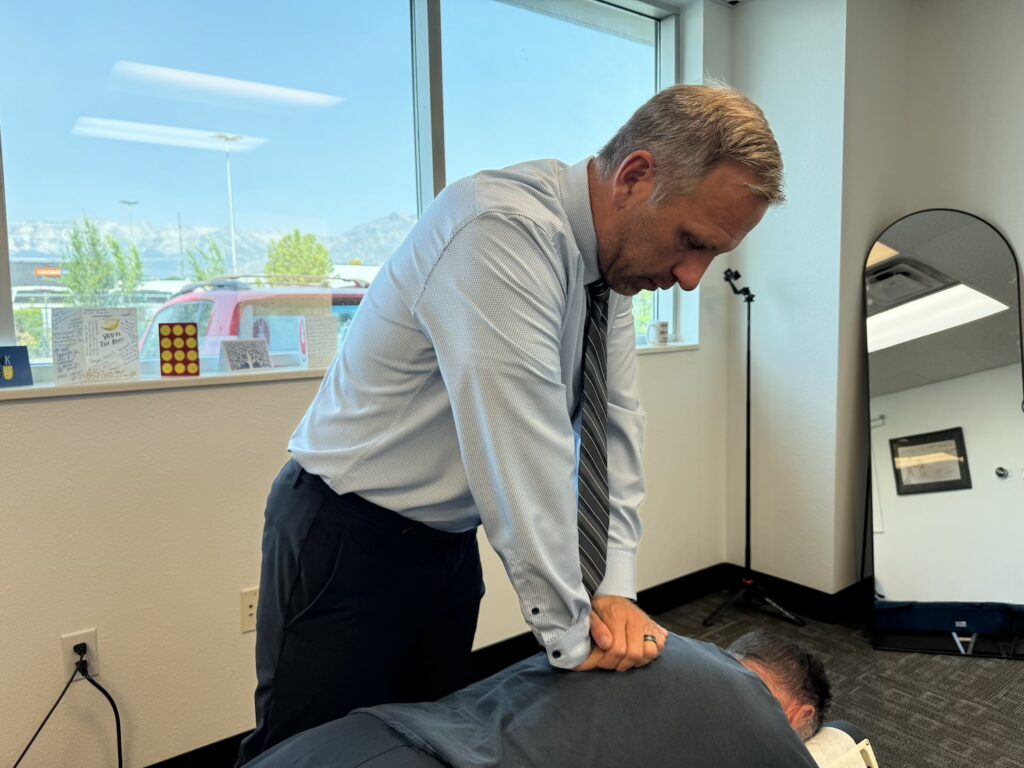
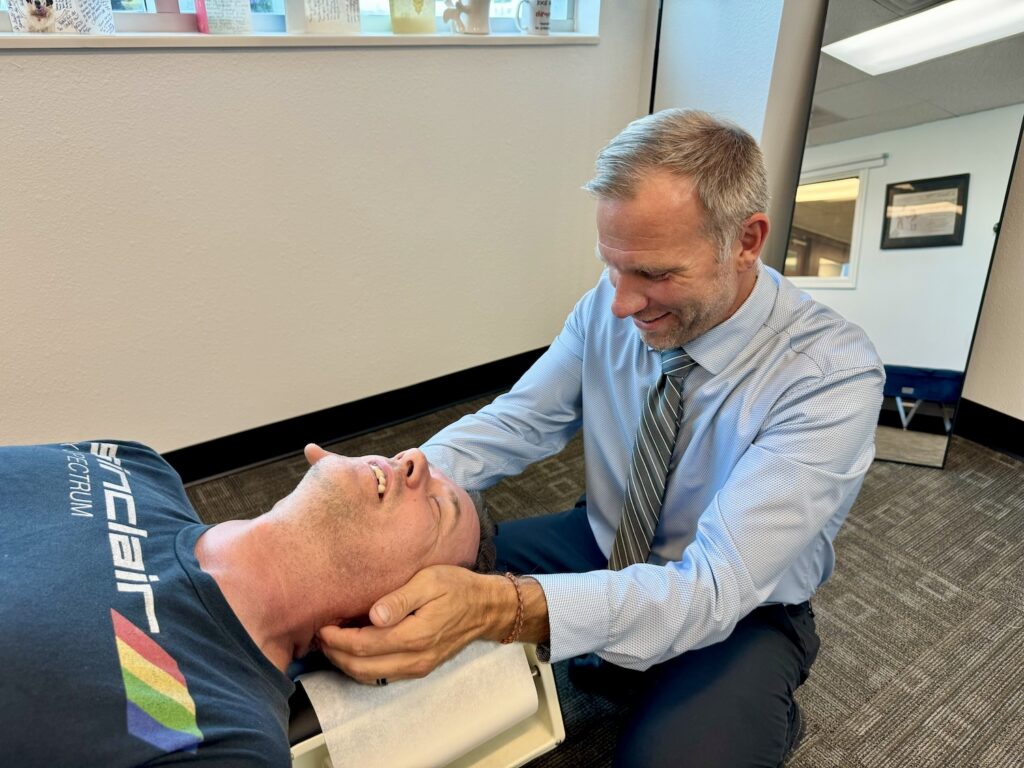
If you’re dealing with migraines, it’s very likely that neck pain is contributing to your discomfort. Many people don’t realize how closely linked neck strain is to headache severity, but addressing this issue can lead to significant relief. By focusing on practical, natural solutions, particularly through chiropractic care, you can not only find relief from your migraines but also reduce their frequency.
Chiropractic care is a holistic approach that targets the root causes of your pain, rather than just masking symptoms. By aligning the spine and relieving tension in the neck, we can help alleviate the strain that may be triggering your headaches. Regular chiropractic adjustments can enhance your overall well-being and promote a healthier lifestyle.
Here are some effective strategies you can incorporate into your daily routine:
- Posture Check: Maintain good posture while sitting and standing. Poor posture can strain your neck and contribute to headaches. Ensure your workspace is ergonomically designed to support your spine.
- Stretching and Strengthening: Simple neck stretches and strengthening exercises can help relieve tension. Try gently tilting your head from side to side, or rolling your shoulders to release tightness.
- Hydration: Staying well-hydrated is essential for overall health. Dehydration can trigger migraines, so make sure you’re drinking enough water throughout the day.
- Regular Chiropractic Visits: Make chiropractic care a part of your wellness routine. Regular adjustments can help keep your spine aligned and reduce neck strain, leading to fewer headaches.
- Stress Management: Implement relaxation techniques such as deep breathing, meditation, or yoga to help manage stress, which can also trigger migraines.
By incorporating these tips into your lifestyle and seeking regular chiropractic care, you can take proactive steps toward reducing your migraines and enhancing your overall health. Remember, your spine is the foundation of your well-being, and keeping it healthy is the best way to achieve optimal health.
Understanding the Connection Between Neck Pain and Migraines
When you experience migraines, it’s common to also feel tension or pain in your neck. This connection is significant and not just a coincidence. Tight or strained neck muscles can occur due to the stress of a migraine, leading to further discomfort.
The muscles in your neck and head are closely linked, meaning that pain in one area can easily influence the other. During a migraine, you may find yourself holding your head in unnatural positions, which increases strain on your neck. Furthermore, nerve pathways that carry pain signals from your neck can trigger migraines, creating a challenging cycle.
Factors such as poor posture, stress, and lack of sleep can contribute to both neck pain and the frequency of migraines. Understanding this relationship is crucial for managing your symptoms effectively. By recognizing how neck pain can worsen your migraines, you can take proactive steps to address it.
Chiropractic care is an excellent option for relieving neck pain and promoting overall wellness. A chiropractor can help align your spine, reduce muscle tension, and improve your posture, which can ultimately lessen the frequency and severity of your migraines.
Here are some general tips to help manage neck pain and migraines:
- Practice Good Posture: Be mindful of your posture, especially when sitting for long periods. Keep your shoulders relaxed and your head aligned over your spine.
- Stay Hydrated: Dehydration can trigger migraines, so make sure to drink plenty of water throughout the day.
- Manage Stress: Incorporate relaxation techniques such as deep breathing, yoga, or meditation into your daily routine to help reduce stress levels.
- Get Plenty of Rest: Aim for a consistent sleep schedule to help your body recover and prevent migraines.
- Consider Chiropractic Care: Regular visits to a chiropractor can help keep your spine and neck in alignment, alleviate tension, and improve your overall health.
Stretching and Strengthening Exercises for Neck Pain Relief
Incorporating stretching and strengthening exercises into your daily routine can significantly alleviate neck pain and help prevent migraines. As a local chiropractor, I believe that these natural methods can complement your overall health and wellness journey.
Start with gentle neck stretches to promote flexibility and relieve tension. Simple movements like tilting your head from side to side and bending it forward and backward can go a long way. Hold each position for about 15-30 seconds to allow your muscles to relax.
Another effective stretch is the chin tuck exercise: sit up straight, gently tuck your chin toward your chest, and hold for a few seconds. This helps to strengthen the muscles that support your neck.
For strengthening, it’s important to focus on your upper back and shoulders, as these areas play a crucial role in neck health. Resistance band exercises, such as rows, are excellent for building strength in these muscles. You can also incorporate shoulder shrugs and neck rotations into your routine.
These exercises not only enhance flexibility but also contribute to better stability. Aim to perform these exercises a few times a week. Consistency is essential; as you continue practicing, you’ll likely notice improved neck mobility and decreased pain.
By committing to these natural methods, you’re taking proactive steps toward managing and preventing neck pain and migraines in your life.
Remember, chiropractic care is also a powerful tool in your wellness journey. Regular adjustments can help align your spine, reduce muscle tension, and enhance your overall well-being.
Posture Correction Techniques to Alleviate Discomfort
To alleviate discomfort and minimize neck pain, focusing on your posture is vital. Maintaining good posture not only reduces strain on your neck but also enhances your overall well-being.
As a chiropractor, I believe that proper alignment is key to achieving optimal health. Here are some effective techniques you can incorporate into your daily routine:
- Align your ears with your shoulders: Make sure your head is positioned directly over your spine. This alignment helps prevent the common issue of forward head posture, which can lead to discomfort.
- Engage your core: Strengthening your abdominal muscles is essential for supporting your spine. A strong core helps you maintain an upright position, reducing the risk of neck pain.
- Adjust your workstation: Ensure your computer screen is at eye level. This simple adjustment can prevent you from craning your neck forward, which adds unnecessary strain.
- Take regular breaks: It’s important to stand up and stretch every 30 minutes. These short breaks can relieve tension and help reset your posture, keeping your body feeling fresh and aligned.
- Practice mindfulness: Throughout the day, take a moment to check in with your posture. Making small adjustments as needed can go a long way in preventing discomfort.
By incorporating these techniques into your daily life, you can support your spinal health and enhance your overall wellness.
The Role of Ergonomics in Preventing Neck Strain
Ergonomics plays a vital role in preventing neck strain, especially in our modern work environments where many of us spend long hours at desks.
As a chiropractor, I want to share some simple yet effective tips to help you create a workspace that supports your neck and spine health.
Start by adjusting your chair height so that your feet rest flat on the floor. This helps maintain proper posture and alignment. Your computer screen should be at eye level to avoid awkward head positions that can lead to discomfort. If you find yourself leaning forward or tilting your neck, it’s a sign to make some adjustments.
Invest in a chair that offers good lumbar support, as this helps maintain the natural curve of your spine. Additionally, consider using a headset when taking phone calls instead of cradling your phone between your shoulder and ear, which can put unnecessary strain on your neck.
Don’t forget to take regular breaks to stretch and move around. Simple neck stretches and gentle movements can do wonders for relieving tension and keeping your muscles relaxed.
Remember, these ergonomic practices can significantly reduce the risk of neck strain and the headaches that often accompany it.
Incorporating these tips into your daily routine won’t only help alleviate discomfort but also promote overall wellness.
As a chiropractor, I encourage you to prioritize your spinal health and consider regular adjustments to keep your body functioning at its best. Your neck will thank you!
Alternative Therapies: Acupuncture and Massage for Pain Relief
When it comes to finding relief from neck pain and migraines, chiropractic care stands out as an effective solution. While alternative therapies like acupuncture and massage can provide temporary relief, chiropractic adjustments address the root cause of pain, promoting spinal health and overall well-being.
By incorporating chiropractic care into your routine, you can enhance your quality of life and achieve lasting results.
Here are some benefits of chiropractic care for pain relief:
- Improves spinal alignment: Proper alignment of the spine can alleviate pressure on nerves and reduce pain.
- Enhances blood flow: Chiropractic adjustments promote better circulation, aiding in the healing process.
- Relieves muscle tension: By addressing misalignments, chiropractic care helps relax tight muscles, improving comfort and mobility.
- Encourages relaxation: Regular chiropractic visits can lower stress levels, contributing to fewer migraines and a more balanced state of mind.
- Promotes overall wellness: Chiropractic care not only addresses pain but also encourages a healthier lifestyle, empowering you to take charge of your health.
In addition to regular chiropractic adjustments, here are some general tips for managing neck pain and migraines:
- Practice good posture: Be mindful of your posture, especially when sitting for long periods. Use ergonomic furniture when possible.
- Stay hydrated: Drinking plenty of water can help reduce tension headaches and promote overall health.
- Incorporate stretching: Gentle stretches can help relieve tension in your neck and shoulders. Consider adding a few minutes of stretching into your daily routine.
- Manage stress: Engage in relaxation techniques such as deep breathing, meditation, or yoga to help reduce stress levels.
By focusing on chiropractic care and these simple lifestyle tips, you can work towards achieving optimal health and lasting relief from neck pain and migraines.
When to Seek Professional Help for Neck Pain and Migraines
If you’re experiencing neck pain and migraines that persist for more than a few days, it’s important to consider seeking professional help from a chiropractor. Chiropractic care is a holistic approach that focuses on the spine and nervous system, which can greatly influence your overall health.
Pay attention to any neurological symptoms such as numbness or weakness, as these could signal a more serious issue that needs to be addressed. Remember, if previous treatments haven’t provided relief, a chiropractor can help identify the root cause of your pain and develop a customized treatment plan to alleviate your discomfort.
In addition to seeking chiropractic care, here are some general tips to help manage neck pain and migraines:
- Posture Check: Ensure that you maintain good posture, especially if you spend long hours at a desk. Keep your back straight and shoulders relaxed to reduce strain on your neck.
- Stay Hydrated: Drink plenty of water throughout the day. Dehydration can contribute to headaches and muscle tension.
- Regular Stretching: Incorporate gentle neck stretches into your daily routine. This can help reduce tension and improve flexibility.
- Sleep Comfortably: Invest in a supportive pillow that keeps your head and neck aligned while you sleep.
- Stress Management: Practice relaxation techniques such as deep breathing, meditation, or yoga to help alleviate stress, which can trigger migraines.
Chiropractic care is often the best choice for achieving optimal health and wellness naturally. By addressing the underlying issues affecting your neck and spine, you can’t only alleviate pain but also enhance your overall quality of life.
Don’t hesitate to reach out to a chiropractor for guidance and support on your journey to relief and wellness.
Persistent Pain Duration
While neck pain can often be manageable, it’s essential to recognize when it becomes persistent or worsens, especially if accompanied by migraines. Here are some signs that indicate it’s time to seek the help of a chiropractor:
- Pain lasting more than a few days: If your neck pain lingers, it’s a cue that your body needs attention.
- Increased intensity of neck pain or migraines: A rise in pain levels may signal an underlying issue that chiropractic adjustments can address.
- Pain radiating down your arms or into your shoulders: This could indicate nerve involvement, which chiropractic care can effectively treat.
- Difficulty with everyday activities: If tasks like sleeping or working become challenging, it’s a sign that your body is asking for help.
- Changes in your range of motion: Limited movement can indicate misalignments in the spine that a chiropractor can help correct.
Ignoring these signs can lead to more significant issues down the line. Chiropractic care focuses on natural healing and restoring proper alignment to alleviate pain and improve overall wellness.
Here are a few tips to help manage neck pain at home while you consider chiropractic treatment:
- Practice good posture: Ensure your workstation is ergonomically arranged to reduce strain on your neck.
- Take frequent breaks: If you sit for prolonged periods, take breaks to stretch and move around.
- Apply heat or cold: A warm compress can relax tight muscles, while cold packs can help reduce inflammation.
- Stay hydrated: Proper hydration supports overall spinal health and helps keep your muscles functioning well.
- Gentle stretching: Incorporating daily neck stretches can provide relief and improve flexibility.
Neurological Symptoms Present
Experiencing neurological symptoms like weakness, numbness, tingling, or difficulty speaking alongside neck pain and migraines can understandably be concerning.
It’s crucial to pay attention to these signs, as they can indicate issues that may benefit from chiropractic care. Chiropractic treatment focuses on improving spinal alignment and overall nervous system function, which can help alleviate neck pain and reduce the frequency and intensity of migraines.
If you notice any changes in your symptoms, such as headaches becoming more intense or accompanied by visual disturbances, it’s a good idea to consult a chiropractor.
Incorporating regular chiropractic adjustments can enhance your body’s natural healing processes and promote better health. Additionally, you might consider integrating the following tips into your daily routine to support your wellness journey:
- Maintain Good Posture: Whether sitting at a desk or using your phone, keeping a neutral spine can help reduce strain on your neck and prevent discomfort.
- Stay Hydrated: Drinking plenty of water is essential for overall health and can help keep your muscles and joints functioning properly.
- Regular Exercise: Gentle stretching and strengthening exercises can help maintain flexibility and stability in your neck and spine.
- Mindfulness and Stress Management: Practices like yoga or meditation can help reduce stress, which can contribute to tension headaches and neck pain.
Remember, seeking chiropractic care not only addresses your current symptoms but also supports your long-term health goals.
Previous Treatment Ineffective
When neck pain and migraines persist despite previous treatments, it’s crucial to consider seeking professional help, specifically from a chiropractor. Ignoring ongoing discomfort or worsening symptoms can lead to bigger issues down the line.
Here are some indicators that it might be time to consult a chiropractor:
- You’ve tried various over-the-counter medications without finding relief.
- Your neck pain and migraines are interfering with your daily life and activities.
- You experience additional symptoms, such as dizziness or visual disturbances.
- The pain has lingered for an extended period, usually beyond a few weeks.
- You’re noticing changes in your posture or mobility.
Chiropractic care focuses on identifying the root causes of your pain and addressing them naturally. Through targeted adjustments and personalized treatment plans, a chiropractor can help restore balance to your spine and nervous system, which can lead to significant relief from pain and discomfort.
In addition to seeking chiropractic care, here are some general tips you might find helpful:
- Maintain good posture, especially when sitting for long periods.
- Incorporate gentle stretches into your daily routine to keep your neck and shoulders relaxed.
- Stay hydrated to support overall health and reduce the risk of headaches.
- Practice stress-reducing techniques, like deep breathing or meditation, to help manage tension.
Your well-being is important, and chiropractic care can be a vital part of your journey to optimal health. Don’t hesitate to reach out to a chiropractor to explore effective, natural solutions tailored to your needs.
Your health deserves the best care!
Conclusion
Incorporating evidence-based chiropractic strategies can truly transform your experience with neck pain and migraines. By prioritizing your posture, engaging in regular stretching, and adopting ergonomic practices, you can significantly reduce discomfort and the frequency of headaches. Remember, managing stress and staying properly hydrated are also crucial components of your overall health.
As a chiropractor, I want to emphasize that if neck pain persists or worsens, seeking the expertise of a chiropractic professional is vital. We focus on addressing the root causes of your pain through gentle adjustments and personalized care, helping you achieve optimal health naturally.
Here are some simple tips you can incorporate into your daily routine to promote wellness:
- Pay attention to your posture, especially when sitting at a desk or using your phone. Keep your shoulders back and your head aligned over your spine.
- Take regular breaks to stretch your neck and shoulders. Gentle neck rolls and shoulder shrugs can relieve tension.
- Create an ergonomic workspace by adjusting your chair height and screen position to reduce strain on your neck.
- Practice stress-reducing techniques like deep breathing or meditation to help ease muscle tension.
- Stay hydrated by drinking plenty of water throughout the day.
With the right chiropractic care and these practical tips, you can tackle neck pain and migraines head-on, paving the way for a healthier, pain-free life. Remember, you don’t have to live with discomfort—let’s work together to find the solution that’s right for you!