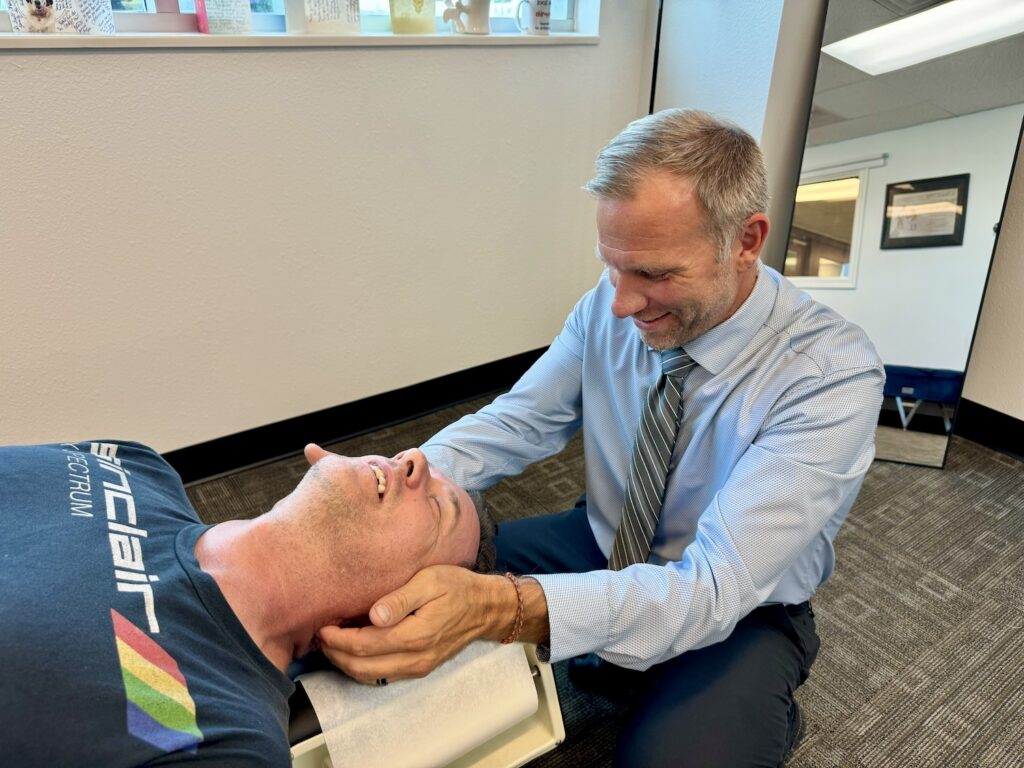
If you’ve experienced whiplash, knowing how to manage your recovery is essential, and chiropractic care can be your best ally in this journey. The right strategies can make a significant difference in your healing process. From immediate care steps like gentle neck movements to the importance of seeking a thorough chiropractic evaluation, each aspect plays a vital role in your recovery.
Chiropractic adjustments can help restore proper alignment in your spine and neck, which is crucial for reducing pain and improving mobility. Additionally, physical therapy and self-management techniques, such as practicing good posture and incorporating gentle stretching exercises, can further enhance your recovery.
Understanding these elements empowers you to take control of your healing journey and effectively address lingering concerns. Remember, your body has an amazing ability to heal itself, and chiropractic care focuses on supporting that natural process.
So, what’s the next step you should consider? Reach out to a qualified chiropractor who can create a personalized treatment plan tailored to your needs. They will guide you through the recovery process, ensuring you regain your strength and well-being without the need for medications or invasive procedures. Embrace this holistic approach for optimal health and a pain-free life!
Understanding Whiplash: Causes and Symptoms
Understanding whiplash is crucial, especially if you’ve experienced a sudden jolt or impact to your neck. Whiplash often occurs in situations like rear-end collisions, sports injuries, or falls, where your head is quickly thrown backward and then forward. This rapid movement can strain the muscles and ligaments in your neck, leading to unnecessary pain and discomfort.
Common symptoms of whiplash include stiffness, headaches, and tenderness in the neck. These can appear within a few hours or days after the incident. You may also notice feelings of dizziness, fatigue, or difficulty concentrating. It’s important to listen to your body and recognize these signals. Ignoring them can’t only prolong your recovery but may also lead to ongoing issues.
Chiropractic care is an excellent choice for addressing whiplash and promoting natural healing. A chiropractor can help realign your spine and improve your overall function, providing relief from pain and helping to restore mobility. Regular adjustments can also support your body’s natural healing processes, leading to better long-term health.
In addition to seeking chiropractic care, here are some helpful tips for managing whiplash symptoms at home:
- Apply Ice or Heat: Using ice packs in the first few days can help reduce swelling, while heat can soothe tight muscles afterward.
- Stay Active: Gentle movements and stretches can prevent stiffness. Avoid long periods of inactivity, which can worsen your symptoms.
- Practice Good Posture: Being mindful of your posture, especially when sitting or using electronic devices, can alleviate strain on your neck.
- Stay Hydrated: Drinking plenty of water supports overall health and helps your muscles and ligaments stay flexible.
Immediate Care Following an Injury
When you’ve just experienced a whiplash injury, taking immediate action can significantly enhance your recovery, and chiropractic care can play a key role in that. First and foremost, try to remain calm and avoid sudden movements. Resting your neck and keeping it as still as possible is essential in preventing further injury.
One effective method to alleviate pain and swelling is by applying ice to the affected area. Aim for 15-20 minutes of ice application every hour for the first couple of days. This can help soothe discomfort and reduce inflammation naturally.
In addition to ice, incorporating gentle stretching and mobility exercises, as guided by a chiropractor, can support the healing process. Keeping your head in a neutral position is important, so be mindful to avoid looking up or down for extended periods.
Chiropractic care offers a holistic approach to managing whiplash injuries. A chiropractor can assess your spine and neck, ensuring proper alignment and function. This can’t only relieve pain but also enhance your overall well-being.
If your symptoms persist or worsen, it’s vital to seek professional chiropractic help promptly. Early intervention can set you on the right path to recovery, minimizing long-term effects and helping you regain your normal function sooner.
The Role of Medical Evaluation and Diagnosis
Medical evaluation and diagnosis are crucial steps in your recovery journey after a whiplash injury, as they help identify the extent of your condition and any underlying issues. When you visit a chiropractor, they’ll conduct a thorough examination focusing on your spine and overall alignment. This may include hands-on assessments and, if necessary, gentle imaging tests to rule out more serious injuries.
An accurate diagnosis is vital for developing an effective treatment plan tailored to your specific needs. Your chiropractor will guide you in choosing the best natural interventions, such as spinal adjustments, stretches, and lifestyle changes that promote healing.
It’s important to remember that by addressing your injury properly from the start, you can significantly enhance your recovery process and work towards regaining your normal life.
Here are some general tips to help support your recovery after a whiplash injury:
- Stay Active: Gentle movements and stretches can help maintain flexibility and prevent stiffness. Your chiropractor can recommend specific exercises that are safe for your condition.
- Practice Good Posture: Being mindful of your posture while sitting, standing, and sleeping can relieve strain on your neck and spine.
- Apply Heat or Cold: Alternating heat and cold packs on the affected area can help reduce pain and inflammation.
- Stay Hydrated: Drinking plenty of water is essential for overall health and can support the healing process.
- Listen to Your Body: If something doesn’t feel right, don’t hesitate to communicate with your chiropractor about your symptoms.
Choosing chiropractic care as your primary approach to healing not only addresses the pain but also supports your overall wellness. By focusing on natural healing methods, you can pave the way for a more vibrant and healthy life.
Physical Therapy: Essential Techniques for Recovery
Chiropractic care plays a pivotal role in your recovery from whiplash, focusing on restoring your body’s natural function and alleviating pain through gentle, hands-on techniques. As a chiropractor, I’ll develop a personalized treatment plan that emphasizes spinal alignment and overall wellness, which is crucial for healing.
A key component of your recovery will include specific adjustments and exercises aimed at improving flexibility, strength, and the range of motion in your neck and shoulders. These targeted movements help reduce stiffness and protect against future injuries, ensuring your body functions optimally.
In addition to adjustments, I may use techniques such as soft tissue therapy to relieve tension and enhance blood flow, which can speed up your healing process. I might also recommend natural modalities like heat packs or cold therapy to further support your recovery.
Education is essential as well. I’ll guide you on maintaining proper posture and adopting ergonomic practices in your daily life to avoid unnecessary strain. By actively engaging in your healing journey and understanding how your body works, you’ll equip yourself with the knowledge and tools for a successful recovery.
Remember, chiropractic care not only addresses the symptoms of whiplash but also helps you achieve lasting wellness. By prioritizing your spinal health, you can confidently return to your everyday activities without pain.
Embrace this opportunity for natural healing and healthier living!
Pain Management Strategies for Whiplash
When dealing with whiplash, managing pain effectively is essential for your recovery, and chiropractic care can be a powerful ally in this journey. Instead of turning to medications or invasive procedures, consider embracing the natural healing approach that chiropractic offers.
Our focus is on restoring your spine’s alignment and improving overall function, which can lead to significant relief from pain. Chiropractic adjustments are designed to reduce tension in the neck and spine, helping to alleviate discomfort associated with whiplash. By gently realigning the vertebrae, we can enhance your body’s ability to heal itself naturally.
In addition to adjustments, physical therapy techniques such as stretching and strengthening exercises can be incorporated into your routine to further support your recovery. It’s also important to take proactive steps at home. Here are some general tips to help you manage whiplash pain:
- Ice and Heat Therapy: Applying ice packs for the first 24-48 hours can reduce inflammation, followed by heat to relax muscles and improve blood flow.
- Gentle Movement: Staying mobile is crucial. Engage in light activities and stretches to prevent stiffness, but listen to your body and avoid any movements that cause pain.
- Good Posture: Maintain proper posture while sitting and standing to reduce strain on your neck. Consider ergonomic adjustments to your workspace.
- Hydration and Nutrition: Staying well-hydrated and eating a balanced diet can support your overall health and healing process.
- Stress Reduction Techniques: Practices such as deep breathing, meditation, or gentle yoga can help manage stress, which may contribute to muscle tension.
By choosing chiropractic care as your primary method for addressing whiplash, you’re opting for a safe, natural way to restore your health and well-being.
Let’s work together to create a personalized plan that aligns with your wellness goals and leads you towards optimal health.
Medication Options Available
Many individuals dealing with whiplash often seek relief through various approaches, and I want to highlight that chiropractic care can be a powerful option for managing pain and promoting natural healing. Instead of relying on medications, which might only mask the symptoms, chiropractic adjustments aim to address the root cause of the discomfort by aligning the spine and improving overall function.
When you experience whiplash, your body may have developed tension and misalignments in the neck and upper back. A chiropractor can perform gentle adjustments to help restore proper alignment, reduce pain, and enhance mobility. This natural approach can lead to long-term relief without the need for medications, which often come with side effects.
In addition to chiropractic adjustments, there are several self-care strategies you can incorporate into your routine. Gentle neck stretches can help alleviate tension, and applying heat or cold packs may provide comfort to the affected area. Staying hydrated and maintaining good posture throughout the day can also support your healing process.
Always remember that your health is a journey, and discussing your symptoms with a qualified chiropractor can help determine the best course of action for your recovery.
Embracing chiropractic care not only addresses your current pain but also promotes a healthier, more balanced lifestyle. By choosing this natural pathway, you’re taking a proactive step toward optimal health and wellness.
Physical Therapy Techniques
If you’re dealing with whiplash pain, chiropractic care offers some of the best natural solutions for recovery and wellness. One of the first steps we often recommend is gentle range-of-motion exercises. These can help improve your neck’s flexibility and reduce stiffness, setting the stage for healing.
As you progress, we can guide you in strengthening your neck muscles, which is crucial for supporting your head and maintaining proper alignment.
Manual therapy is another effective technique we use in chiropractic care. This includes methods like soft tissue mobilization, which can relieve tension and encourage better blood flow to the affected areas.
Additionally, applying heat or cold packs can provide immediate relief and promote relaxation during your sessions.
Maintaining good posture is essential not only for your recovery but also for preventing future strain on your neck. We’ll work with you on posture training to ensure that your spine is aligned correctly, helping you live a healthier life overall.
Our approach is all about personalized care, and we’ll tailor your treatment plan to suit your specific needs. By committing to this plan, you’re likely to see significant improvements in your recovery journey.
Alternative Pain Relief
While traditional treatments like physical therapy and chiropractic care are important, exploring additional natural pain relief strategies can further support your recovery from whiplash. Chiropractic care, in particular, is a powerful method for addressing pain at its source by aligning the spine and improving overall function.
In addition to chiropractic adjustments, techniques such as acupuncture can also be beneficial. This method targets specific pressure points to help reduce pain and enhance mobility. You might find relief with essential oils like lavender or peppermint, known for their calming effects; simply inhaling their scents or applying them to sore areas can provide soothing comfort.
Mindfulness and meditation are excellent tools for managing pain perception, helping you to feel more empowered and in control of your recovery journey.
Also, using heat and cold therapy can be effective in reducing inflammation and relaxing tense muscles, providing additional relief alongside your chiropractic treatments.
As you consider these options, remember that chiropractic care is your best ally on the path to optimal health and wellness. Always consult with your chiropractor to ensure that any additional methods you choose are safe and complement your chiropractic treatment.
Stay proactive about your health, and don’t hesitate to ask about strategies to enhance your recovery!
Self-Management Techniques and Lifestyle Adjustments
As you work towards healing from whiplash, incorporating effective self-management techniques and making thoughtful lifestyle adjustments can significantly enhance your recovery journey.
One of the best ways to support your healing is through chiropractic care, which focuses on restoring proper alignment and function to your spine, helping alleviate pain and promote overall wellness.
Start by practicing gentle neck exercises that your chiropractor can recommend, which can improve flexibility and strength in a safe and controlled manner. Gradually increase your range of motion while being mindful to avoid any movements that cause discomfort.
To help ease pain and reduce inflammation, consider using heat or cold therapy on your neck, as these can be effective natural remedies.
Additionally, prioritizing good posture—whether sitting or standing—can minimize strain on your neck and support your spine’s health.
Incorporating relaxation techniques, such as deep breathing or meditation, can also help manage stress, which is crucial for healing.
Ensure you’re getting enough restorative sleep, as adequate rest is essential for recovery. Stay hydrated and focus on a balanced diet that includes plenty of anti-inflammatory foods, which can further support your body during this time.
Listening to your body’s signals is key; if something doesn’t feel right, it’s important to adjust your activities accordingly.
Remember, regular visits to your chiropractor can provide you with tailored care and adjustments that enhance your healing process.
With these strategies, you’ll empower yourself on the path to recovery and optimal health.
When to Seek Further Medical Attention
Even with your best efforts in self-management and lifestyle changes, there may come a time when you need to seek further support for your whiplash. If you find that your pain is worsening or becoming too much to handle, it’s important to consult a healthcare professional—preferably a chiropractor who specializes in natural healing and spinal care.
Watch out for persistent headaches, dizziness, or changes in your vision; these could be signs that your body needs additional attention. Numbness or tingling in your arms or hands can indicate nerve involvement, and it’s essential to address these symptoms promptly. If you’re having trouble moving your neck or notice any swelling, those are also good reasons to seek evaluation.
Should your symptoms not improve after a few weeks of self-care, consider visiting a chiropractor for a thorough assessment. They can provide insights into your condition and help identify any underlying issues affecting your wellness.
Remember, prioritizing your health is crucial, and early intervention through chiropractic care can lead to better outcomes.
In the meantime, keep practicing gentle neck stretches, applying heat or ice to the affected area, and maintaining good posture to support your recovery.
Don’t hesitate to reach out for help; taking action now can significantly enhance your healing journey and overall well-being.
Conclusion
Recovering from whiplash requires a proactive and holistic approach, and chiropractic care is one of the best ways to support your healing. Understanding your symptoms and getting evaluated by a chiropractor can help you manage pain effectively and enhance your recovery process. Chiropractic adjustments can realign your spine and relieve tension in the neck, which is crucial for regaining mobility and comfort in your daily life.
In addition to chiropractic care, incorporating self-care practices and making lifestyle adjustments can further support your healing journey. Here are a few simple tips:
- Gentle Stretching: Engage in light neck stretches to improve flexibility and reduce stiffness, but do so under the guidance of your chiropractor.
- Heat and Ice Therapy: Use a warm compress or ice pack on your neck to alleviate pain and inflammation. Alternate between the two for best results.
- Stay Active: Gentle movements and low-impact exercises can promote blood flow and support recovery. Your chiropractor can recommend specific activities that are safe for your condition.
- Posture Awareness: Pay attention to your posture, especially when sitting for long periods. Proper alignment can help reduce strain on your neck and back.
- Hydration and Nutrition: Stay hydrated and eat a balanced diet rich in anti-inflammatory foods to support your body’s healing processes.
Remember, if your symptoms persist or worsen, don’t hesitate to reach out to your chiropractor for further evaluation. Prioritizing your well-being through chiropractic care is key to achieving optimal health and getting back to the activities you love. Embrace this journey towards natural healing and enjoy a healthier, pain-free life!