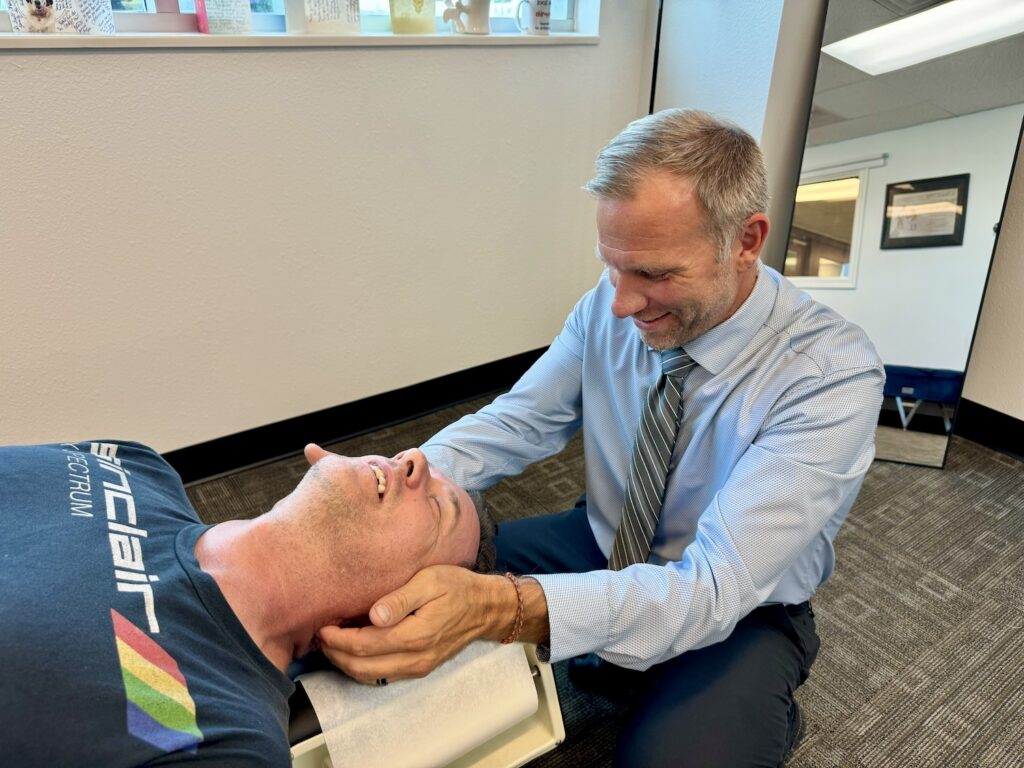
If you find yourself dealing with migraines and cervical discomfort, you’re certainly not alone. Many individuals experience these challenges and are actively looking for effective ways to manage their pain. One of the best approaches to achieving relief and overall wellness is through chiropractic care.
Chiropractic care focuses on the alignment of your spine and nervous system, which can play a crucial role in alleviating headaches and neck pain. By addressing misalignments in your spine, chiropractors help to reduce tension and improve your body’s natural ability to heal itself. This natural healing process can lead to significant improvements in your quality of life.
Here are some strategies that might help alleviate your symptoms and enhance your well-being:
- Regular Chiropractic Adjustments: Routine visits to a chiropractor can help maintain proper spinal alignment, which is essential for reducing migraines and cervical discomfort. These adjustments can relieve pressure on nerves and improve blood flow, contributing to pain relief.
- Posture Awareness: Being mindful of your posture, especially when sitting at a desk or using electronic devices, can greatly impact your neck and spine health. Ensure that your workstation is ergonomically set up to avoid unnecessary strain.
- Stress Management: High stress levels can trigger migraines and tension in the neck. Incorporating relaxation techniques such as deep breathing, yoga, or meditation can help lower stress and reduce pain.
- Stay Hydrated: Dehydration can lead to headaches. Make sure you’re drinking enough water throughout the day to keep your body functioning optimally.
- Gentle Exercises: Incorporating gentle neck stretches and exercises into your routine can help alleviate tension and improve flexibility. Always consult with your chiropractor before starting any new exercise regimen.
- Healthy Lifestyle Choices: Eating a balanced diet, getting enough sleep, and exercising regularly can all contribute to better overall health and help prevent migraines.
Remember, understanding what works best for your body is key. Chiropractic care not only addresses the symptoms but also targets the root causes of your discomfort, helping you achieve lasting relief and enhanced wellness. If you’re experiencing migraines or cervical discomfort, consider visiting your local chiropractor to explore how natural healing can work for you.
Understanding Migraines and Cervical Discomfort
When you experience migraines, you mightn’t be aware of how closely they’re linked to discomfort in your neck. The relationship between your neck and head is intricate; tension in your cervical spine can often trigger or worsen migraine symptoms. Tight muscles and misalignments in the neck can create a ripple effect of pain that radiates into your head. You might notice that certain positions, such as slouching or holding your head in one position for too long, can intensify your discomfort.
Stress plays a significant role, as it can lead to both neck tension and migraines, creating a challenging cycle. Understanding this connection is key to managing your symptoms effectively. By paying attention to your posture and incorporating gentle neck stretches into your daily routine, you can help alleviate some of that tightness. Additionally, being mindful of your body’s signals will empower you to take control of your wellness journey.
Chiropractic care is an excellent option for addressing cervical discomfort and migraines. Regular adjustments can help realign your spine, reduce tension, and promote overall better health. Many patients find that with consistent chiropractic treatment, they experience fewer migraines and a greater sense of well-being.
To enhance your daily comfort, remember these simple tips: practice good posture when sitting or standing, take frequent breaks during long periods of fixed positions, and try gentle neck stretches to keep your muscles relaxed. By prioritizing your spinal health and seeking chiropractic care, you can pave the way for a more comfortable, pain-free life.
Lifestyle Modifications for Pain Relief
To effectively manage migraines and cervical discomfort, embracing simple lifestyle changes can make a world of difference. As a chiropractor, I emphasize the importance of not just treating the symptoms but also addressing the root causes of pain through holistic approaches.
Start by paying attention to your diet and hydration. Consuming a balanced diet rich in fruits, vegetables, and whole grains can enhance your overall health and potentially reduce the frequency of migraines. Staying well-hydrated is crucial; dehydration can often trigger headaches, so make sure to drink plenty of water throughout the day.
Incorporating regular exercise and stretching into your routine is vital. Physical activity can help relieve tension in the neck and shoulders, which are common culprits in cervical discomfort. Gentle stretching can improve flexibility and reduce tightness, making it a perfect complement to your chiropractic care.
Don’t forget about posture! Being mindful of your posture, especially when sitting for long periods, can alleviate strain on your spine. This is where chiropractic care shines, as it can help correct posture and align your spine, promoting better overall health and pain relief.
Additionally, consider incorporating relaxation techniques such as deep breathing or yoga. These practices can lower stress levels, which is essential since stress often contributes to both migraines and neck pain.
Remember, chiropractic care is a fantastic option for achieving optimal health and wellness. Regular adjustments can’t only relieve pain but also enhance your body’s natural ability to heal itself.
Diet and Hydration
While many factors contribute to migraines and neck discomfort, diet and hydration are essential components in managing these conditions effectively. By making mindful choices about what you eat and drink, you can significantly alleviate your symptoms. Here are some straightforward tips to consider:
- Stay Hydrated: Aim to drink at least eight glasses of water each day. Dehydration is a common trigger for migraines, and staying hydrated helps maintain overall health and wellness, which is vital for your spine and nervous system.
- Identify Triggers: Keeping a food diary can be incredibly helpful in recognizing foods that might trigger your headaches. Common culprits include aged cheeses, processed meats, and alcohol. By identifying these triggers, you can adjust your diet to help minimize discomfort.
- Balanced Diet: Focus on whole, nutrient-dense foods like fruits, vegetables, whole grains, and lean proteins. These foods nourish your body and support spinal health, helping you to feel your best.
- Regular Meals: Make sure to eat at regular intervals and never skip meals. Consistent meal times help maintain stable blood sugar levels, which can reduce the likelihood of migraines and other discomforts.
Incorporating these practices into your daily routine, along with regular chiropractic care, can lead to a more balanced and pain-free life.
Chiropractic adjustments help restore proper alignment, improve nerve function, and promote overall wellness, making it an excellent choice for those seeking natural relief from pain and discomfort.
Exercise and Stretching Techniques
Incorporating regular exercise and effective stretching techniques into your daily routine can significantly help alleviate migraines and cervical discomfort, and chiropractic care can enhance your overall wellness during this process. Aim for at least 30 minutes of moderate activity, such as walking or swimming, most days of the week. These activities promote the release of endorphins and improve blood circulation, which can help reduce the intensity of your pain.
Additionally, focusing on stretching exercises that target the neck and shoulders is essential. Simple neck rolls and shoulder shrugs can relieve tension and improve flexibility. Practices like yoga and Pilates are fantastic options, as they combine strength, flexibility, and relaxation, all of which can support your spinal health.
Always listen to your body; if something feels uncomfortable, it’s important to adjust or stop. Consistency is key, so discover enjoyable activities that keep you moving and assist in managing your migraines and cervical pain.
Remember, regular chiropractic adjustments can also play a crucial role in your journey to optimal health. Chiropractors focus on aligning the spine and improving nervous system function, which can lead to improved overall wellness and pain relief.
Embrace a holistic approach to health that includes chiropractic care, exercise, and stretching for the best results in managing your discomfort naturally.
Physical Therapy Techniques
When it comes to managing migraines and cervical discomfort, chiropractic care can truly transform your wellness journey. Through gentle adjustments and manual techniques, chiropractors can help alleviate tension in your neck and spine, promoting better alignment and reducing pain.
Incorporating specific strengthening exercises into your routine can also enhance your stability and support your overall health. These exercises not only help relieve discomfort but also empower you to take charge of your well-being.
Here are a few simple tips to help you on your path to relief:
- Stay Hydrated: Dehydration can contribute to headaches and muscle tension. Make sure you drink plenty of water throughout the day.
- Maintain Good Posture: Pay attention to your posture, especially if you work at a desk. Keeping your spine aligned can greatly reduce strain on your neck and back.
- Practice Relaxation Techniques: Stress can trigger migraines and tension. Consider incorporating deep breathing, meditation, or gentle yoga into your daily routine.
- Get Regular Adjustments: Regular chiropractic visits can help keep your spine aligned and your body functioning at its best. This proactive approach can significantly reduce the frequency and intensity of migraines.
By choosing chiropractic care, you’re opting for a natural, holistic approach to health that focuses on healing your body from the inside out.
Manual Therapy Techniques
Manual therapy techniques can be extremely beneficial in relieving the discomfort associated with migraines and cervical issues. As a local chiropractor, I’m here to highlight how these hands-on approaches not only help reduce pain but also improve mobility and promote relaxation.
By focusing on specific areas of tension, you can regain control over your symptoms and enhance your overall well-being naturally. Here are some effective manual therapy techniques that I recommend:
- Cervical Mobilization: This technique involves gentle movements that help increase your neck’s range of motion. By improving mobility, you can alleviate stiffness and discomfort often associated with cervical issues.
- Myofascial Release: This method applies gentle pressure to relieve tension in muscles and fascia, the connective tissue in your body. Releasing this tension can help ease pain and promote a sense of relaxation.
- Trigger Point Therapy: By focusing on tight knots in your muscles, we can alleviate pain effectively. This technique aims to release these trigger points, which can often be the source of headaches and neck pain.
- Soft Tissue Mobilization: Through targeted massage of the soft tissues, we can reduce stiffness and improve circulation. This helps your body heal more efficiently and can lead to lasting relief.
Incorporating these techniques into your wellness routine can provide significant relief from pain and discomfort.
Additionally, here are some general tips to enhance your health:
- Stay Hydrated: Drinking plenty of water can help reduce the frequency and intensity of headaches.
- Practice Good Posture: Maintaining proper posture while sitting or standing can help alleviate pressure on your neck and spine.
- Regular Stretching: Simple stretches for your neck and shoulders can help keep tension at bay.
- Mindfulness and Relaxation Techniques: Engaging in relaxation practices like deep breathing or meditation can help manage stress, which is often a trigger for migraines.
Remember, chiropractic care is a natural and effective way to achieve optimal health and wellness.
Strengthening Exercises Benefits
Strengthening exercises are an excellent way to boost your overall physical health, particularly if you’re experiencing migraines or cervical discomfort. As a local chiropractor, I can tell you that by focusing on your neck, shoulders, and upper back, you can significantly enhance muscle support and stability. This reduction in strain on your cervical spine often leads to less tension, which may help alleviate migraine triggers.
When you strengthen these areas, you’re not only working towards reducing discomfort but also improving your posture. Better alignment can lessen pain in both your neck and head, contributing to a more comfortable daily life. Incorporating simple movements like neck stretches, shoulder shrugs, and resistance training into your routine can yield remarkable benefits.
Remember, consistency is crucial! Aim to make these exercises a regular part of your day, and you’ll likely notice positive changes in both your mobility and pain levels.
Additionally, don’t forget the importance of chiropractic care in your wellness journey. Regular adjustments can complement your strengthening exercises by ensuring your spine is properly aligned, which is essential for optimal health and natural healing.
Medication Options for Management
When it comes to managing migraines and cervical discomfort, chiropractic care can be a powerful ally in your journey towards natural healing and optimal health. Instead of relying solely on medications, which may only mask symptoms, chiropractic adjustments target the root causes of pain, promoting overall wellness.
Here are some key insights into how you can manage these issues effectively:
- Chiropractic Adjustments: Regular visits to a chiropractor can help realign the spine and improve overall function. This can alleviate tension in the neck and reduce the frequency of migraines.
- Lifestyle Modifications: Incorporating ergonomic practices in your daily routine, such as maintaining good posture and creating a comfortable workspace, can prevent strain on your neck and back, reducing the likelihood of discomfort and migraine triggers.
- Stress Management Techniques: Learning relaxation techniques, such as meditation or deep breathing exercises, can significantly lower stress levels, which are often a major contributor to migraines.
- Regular Exercise: Engaging in regular physical activity helps improve circulation, reduce tension, and enhance overall bodily function, contributing to less frequent headaches and a healthier spine.
- Hydration and Nutrition: Staying well-hydrated and eating a balanced diet rich in anti-inflammatory foods can help maintain your body’s health and potentially reduce the occurrence of migraines.
By focusing on these holistic approaches, you can empower yourself to take charge of your health.
Always consult with your chiropractor to create a personalized plan that addresses your unique needs and supports your journey to wellness. Remember, chiropractic care emphasizes natural healing, allowing your body to function at its best without the need for medications or invasive procedures.
Alternative Therapies and Natural Remedies
As a local chiropractor, I want to share effective ways to alleviate migraines and neck discomfort that highlight the benefits of chiropractic care and natural remedies. One of the most impactful steps you can take is to schedule regular chiropractic adjustments. These adjustments focus on spinal alignment, which can greatly reduce tension in the neck and prevent migraines from occurring.
Acupuncture is another complementary therapy that can enhance the benefits of chiropractic care by relieving tension and promoting better blood flow. When combined with chiropractic adjustments, you may experience even greater relief.
In addition to chiropractic treatment, consider incorporating herbal supplements like feverfew and butterbur into your wellness routine. These have been studied for their potential to help prevent migraines, so it’s a good idea to discuss them with your chiropractor or healthcare provider to ensure they fit well with your overall care plan.
Essential oils, particularly lavender and peppermint, can also play a role in your wellness journey. Inhaling these oils or applying them topically can provide a calming effect and help reduce headache symptoms.
Don’t underestimate the power of heat therapy! Applying a warm compress to your neck or forehead can soothe tight muscles and provide immediate relief. Staying hydrated and maintaining a balanced diet that includes magnesium-rich foods can further support your overall health and help keep those headaches at bay.
Finally, if you experience frequent migraines or neck pain, make chiropractic care your first line of defense. By addressing the root cause of your discomfort through spinal adjustments and maintaining your overall wellness, you can achieve optimal health and live pain-free.
Stress Management and Mindfulness Practices
Managing stress effectively can significantly alleviate the frequency and intensity of migraines and neck discomfort, making it an essential aspect of your overall wellness journey. As a chiropractor, I believe in the power of natural healing and the body’s innate ability to recover when provided with the right tools.
By incorporating mindfulness practices into your daily routine, you can cultivate a sense of calm that benefits both your mind and body. Here are some simple strategies to consider:
- Deep Breathing: Take a few moments each day to focus on your breath. Inhale deeply through your nose, hold for a moment, and exhale slowly through your mouth. This not only promotes relaxation but also encourages proper oxygen flow, which is vital for muscle and joint health.
- Meditation: Spend 5-10 minutes in a quiet space to clear your mind. You can focus on your thoughts or use guided meditation apps to help you get started. This practice can help reduce stress levels, which is essential for maintaining a healthy spine and overall well-being.
- Progressive Muscle Relaxation: This technique involves tensing and then relaxing different muscle groups, starting from your toes and working up to your head. It’s a fantastic way to release built-up tension, especially in areas that may contribute to neck pain.
- Yoga or Gentle Stretching: Engaging in yoga or gentle stretches can alleviate physical tension and improve your overall flexibility. Not only does this help with pain relief, but it also supports spinal health, making it easier for your body to function optimally.
Remember, while these practices can be beneficial, regular chiropractic care addresses the root cause of discomfort, ensuring that your spine is aligned and your nervous system is functioning properly.
The Role of Nutrition in Pain Management
Incorporating mindfulness practices into your daily routine can lay the groundwork for overall wellness, and when it comes to pain management, nutrition plays a crucial role as well. The foods you choose to eat can either worsen or help alleviate your migraine and cervical discomfort. One fundamental aspect is staying hydrated; dehydration is a known trigger for headaches.
Focus on adding anti-inflammatory foods to your diet, such as leafy greens, berries, and fatty fish. These foods can help reduce inflammation and support your body in managing pain more effectively. Remember, good nutrition is a vital part of your overall health journey, and it works hand in hand with chiropractic care to help you achieve optimal wellness.
It’s also important to pay attention to possible food sensitivities. Common offenders like aged cheeses, processed meats, and artificial sweeteners may trigger or worsen your symptoms. Keeping a food diary can be a helpful way to pinpoint any potential triggers and adjust your diet accordingly.
Additionally, don’t skip meals! Low blood sugar can lead to increased discomfort and pain. By making mindful dietary choices and nourishing your body with the right foods, you can take significant steps toward managing your pain naturally.
Chiropractic care complements these lifestyle changes by addressing the structural aspects of your body, ensuring that your spine is aligned and functioning optimally. Together, these approaches can pave the way to a healthier, pain-free life.
Seeking Professional Help and Support
Navigating the challenges of migraines and cervical discomfort can be overwhelming, but there are natural and effective ways to find relief. As a local chiropractor, I want to emphasize the importance of holistic health and wellness in managing these conditions. Chiropractic care can be a powerful ally in your journey to optimal health, focusing on natural healing and spinal alignment.
Here are some steps you can take to support your well-being:
- Consult a Chiropractor: A chiropractor specializes in spinal health and can help identify misalignments that may contribute to migraines and neck pain. They’ll create a personalized treatment plan tailored to your needs.
- Maintain a Symptom Journal: Keeping track of your symptoms, triggers, and any treatments you’ve tried can provide valuable insights. This information will help your chiropractor understand your condition better and adjust your care.
- Explore Natural Therapies: In addition to chiropractic adjustments, consider incorporating therapies like massage, stretching, and relaxation techniques into your routine. These can help alleviate tension and improve your overall well-being.
- Engage in Supportive Communities: Connecting with others who experience similar challenges can provide emotional support and practical tips. Look for local or online groups focused on wellness and natural health.
Conclusion
Incorporating proven approaches can significantly enhance your experience with migraines and cervical discomfort, especially when you consider the benefits of chiropractic care. By making simple lifestyle adjustments and embracing natural healing methods, you can take charge of your pain management journey.
Chiropractic care focuses on optimizing spinal health, which can be a key factor in alleviating headaches and neck pain. Regular adjustments can help restore proper alignment, reduce tension, and improve overall nervous system function. Additionally, exploring physical therapy techniques, such as gentle stretching and strengthening exercises, can complement your chiropractic treatment and provide further relief.
Don’t underestimate the importance of stress management and nutrition in your journey to wellness. Incorporating relaxation techniques like yoga or meditation can help diminish stress-related triggers for migraines. Eating a balanced diet rich in whole foods can also support your body’s natural healing processes.
Remember, seeking professional help through chiropractic care is essential; you don’t have to navigate this journey alone. Embrace these strategies and work towards a healthier, pain-free life by prioritizing natural wellness solutions. Together, we can help you achieve optimal health and well-being without the need for invasive procedures or medications.