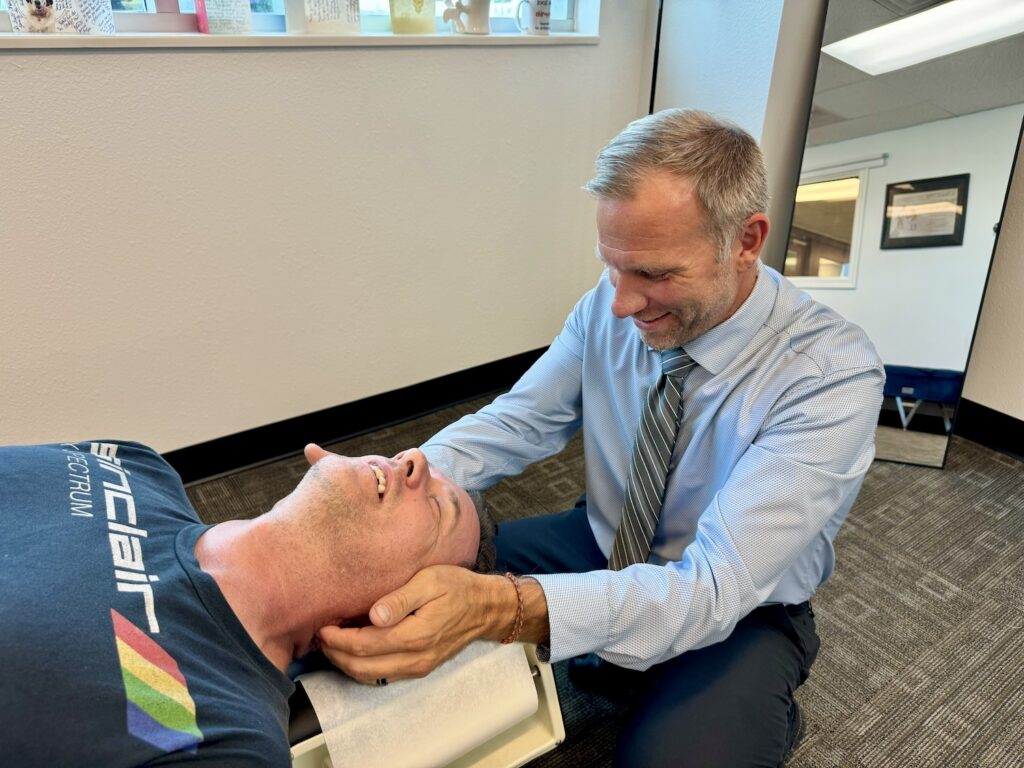
As a local chiropractor, I want to share some proven techniques for back pain relief that can truly make a difference in your life. Many people are unaware of how essential posture is in maintaining back health. By simply improving your posture, you can alleviate much of the discomfort you're experiencing. Additionally, incorporating specific stretching and strengthening exercises into your routine can support your spine and prevent further issues.
Beyond these methods, alternative therapies like chiropractic adjustments can be incredibly beneficial. These natural healing practices, along with lifestyle modifications such as regular movement and ergonomic setups, promote long-term wellness. I understand that it can be overwhelming to determine which combination of techniques will work best for you, but that's where I come in. Together, we can explore these options and find the most effective strategies tailored to your unique situation. Your journey to a pain-free back starts here!
Understanding Back Pain
As a local chiropractor, I want to help you understand back pain and its many causes and effects. Many of my patients come to me experiencing back pain due to issues like muscle strain, poor posture, or even underlying medical conditions. Identifying the source of your pain is crucial for effective treatment. For example, if you've been sitting for extended periods without proper back support, your muscles may become overworked, resulting in discomfort.
Several factors can contribute to back pain, including age, weight, and physical activity levels. As we age, our spines naturally undergo changes that can increase the risk of injuries. Carrying excess weight can put additional pressure on your back, potentially causing pain. Conversely, a sedentary lifestyle can weaken your muscles, making them more susceptible to strain.
It's also important to recognize how back pain can affect your daily life. You might notice it limits your mobility, disrupts your sleep, or even impacts your mood. This connection between physical discomfort and emotional well-being is significant. Ignoring your pain won't make it disappear; instead, working with a chiropractor to identify the root cause can set you on the path to recovery.
Additionally, I want to emphasize the impact of stress on back pain. Mental tension can manifest physically, leading to tightness in your back. By understanding these various causes and effects, you'll be better equipped to seek appropriate treatment.
As a chiropractor, I focus on natural healing methods that can help you find relief from back pain and improve your overall well-being. Together, we can work towards a healthier, pain-free life.
Stretching Exercises
As a local chiropractor, I want to share how stretching exercises can significantly alleviate your back pain and enhance your flexibility. Many of my patients have found that by integrating specific stretching techniques into their daily routines, they not only experience relief from tension but also improve their overall mobility.
Stretching is a natural and effective way to support your body's healing process. It helps to promote blood circulation, increase joint range of motion, and reduce muscle stiffness.
I encourage you to explore some recommended stretching techniques that can be easily incorporated into your life. These exercises can complement your chiropractic care and contribute to your journey towards better health and wellness.
Benefits of Stretching
As a local chiropractor, I want to share with you the transformative benefits of stretching, especially when it comes to managing back pain. Many of my patients have found that incorporating regular stretching into their routines can be a game-changer for their overall well-being.
When you stretch consistently, you're not just increasing your flexibility; you're also helping to alleviate tension in the tight muscles that may be contributing to your discomfort. This can lead to improved posture and better alignment, which ultimately reduces strain on your spine.
Moreover, stretching plays a vital role in enhancing blood flow to your muscles. Better circulation means that essential nutrients and oxygen reach the areas that need it most, which aids in recovery and reduces inflammation. This is particularly important for anyone dealing with back pain.
An added benefit of stretching is that it enhances your range of motion. When you're more flexible, everyday activities become easier and less painful, reducing the likelihood of stiffness that can worsen back pain.
In addition to the physical benefits, stretching encourages body awareness. This mindfulness can lead to better movement patterns, helping to prevent future injuries. It's about tuning into what your body needs and responding accordingly.
Lastly, don't underestimate the power of relaxation and stress reduction that comes with regular stretching. Both are crucial components for effective pain management.
Recommended Stretching Techniques
As a local chiropractor, I want to share some effective stretching techniques that you can incorporate into your daily routine to ease back pain and enhance your overall mobility.
These stretches are simple yet powerful, and can be beneficial even if you're new to chiropractic care.
Let's start with the cat-cow stretch. This is a fantastic way to promote spinal flexibility.
Begin by getting onto all fours on a comfortable surface. As you exhale, arch your back upwards like a cat, and then as you inhale, gently dip your back down.
Repeat this motion for 5-10 cycles, focusing on your breath and the movement of your spine.
Next, I recommend trying the child's pose. Kneel on the floor and sit back on your heels while stretching your arms forward on the ground.
This position allows you to relax your back muscles and can be held for about 30 seconds. Feel free to adjust your arm position for additional comfort.
Another stretch to consider is the seated forward bend. Sit with your legs extended in front of you and reach forward toward your toes.
This stretch targets your lower back and can be held for 20-30 seconds. It's a wonderful way to release tension in that area.
Finally, don't forget about the piriformis stretch. Lie on your back and cross your right ankle over your left knee.
Then, gently pull your left thigh towards your chest. This stretch specifically targets the muscles in your hips and lower back, helping relieve tightness.
By incorporating these stretches into your routine, you may notice a significant reduction in tension and discomfort.
Remember to breathe deeply and listen to your body—each stretch should feel good and not cause pain.
As always, if you have any questions or concerns about your back health, feel free to reach out to me. Your well-being is my priority!
Strengthening Workouts
As a local chiropractor, I want to emphasize the importance of strengthening workouts for alleviating back pain. These exercises are crucial for building the muscles that support your spine. By strengthening these muscles, you create a more stable foundation for your back, which can help prevent injuries and reduce discomfort over time.
It's essential to focus on exercises that target your core, back, and hip muscles, as they work in harmony to support your spine.
I recommend starting with simple exercises such as planks and bridges. Planks are fantastic for engaging your entire core, while bridges specifically target your glutes and lower back. Aim to hold a plank for 20 to 30 seconds, gradually increasing that time as your strength improves.
For bridges, lie on your back with your knees bent, lift your hips off the ground, hold for a few seconds, and then lower them back down.
Additionally, consider incorporating exercises like bird-dogs, which are great for enhancing stability and coordination. Begin on all fours, extend one arm and the opposite leg while maintaining a straight back, hold for a moment, and then return to the starting position before alternating sides.
Don't overlook the benefits of resistance training with light weights or resistance bands. Exercises like seated rows and deadlifts can significantly strengthen your upper and lower back, providing added support to your spine.
Always remember to listen to your body. If you feel any pain while performing these exercises, it's important to stop and consult with a healthcare professional.
Consistency is key; I recommend aiming for at least two to three strengthening sessions per week to see the best results and relief from back pain. Together, we can work towards improving your spinal health and overall well-being through these natural healing methods.
Posture Improvement
As your local chiropractor, I want to emphasize the importance of good posture for maintaining a healthy back and preventing pain. Many people are unaware of how their daily habits can contribute to back discomfort, but by being mindful of your body positioning, you can significantly reduce your risk of pain.
Here are some practical tips that I often share with my patients to improve posture:
- Sit Properly: It's crucial to adopt the right sitting posture. Keep your feet flat on the floor, with your knees bent at a right angle, and ensure your back is straight against the chair. I recommend using a small cushion or lumbar roll to support the natural curve of your lower back, which can help alleviate strain during long periods of sitting.
- Stand Tall: Whether you're at work or home, aim to stand tall with your shoulders back and relaxed. Distributing your weight evenly on both feet is important, and try to avoid locking your knees. Engaging your core muscles can help keep your spine aligned and prevent slouching.
- Adjust Your Workspace: If you spend a lot of time at a desk, it's essential to adjust your workspace to support good posture. Position your computer screen at eye level to avoid leaning forward or tilting your head downwards. Keeping frequently used items within arm's reach can also minimize unnecessary stretching and awkward movements.
- Be Mindful of Your Movements: When lifting objects, always bend at your knees instead of your waist. Keep the object close to your body and use your legs to lift. This proper lifting technique is key to minimizing strain on your back and preventing injuries.
Improving your posture may take some time and practice, but the benefits are absolutely worth it. By making these adjustments, you're not only promoting better spinal health but may also experience a reduction in back pain.
As your chiropractor, I'm here to help guide you on this journey to better posture and overall wellness.
Heat and Cold Therapy
As your local chiropractor, I want to share some valuable insights on how heat and cold therapy can be effective tools in managing back pain. Many of my patients find these techniques to be incredibly helpful, and I believe understanding how they work can empower you on your healing journey.
Heat therapy is a wonderful option for alleviating discomfort. It functions by enhancing blood circulation to the affected area, which aids in relaxing tight muscles and easing stiffness. You can incorporate this method through various means, such as a heating pad, a warm towel, or even a soothing hot bath.
However, it's crucial to ensure that the heat is at a comfortable level—too much heat can lead to burns on your skin. I recommend applying heat for about 15-20 minutes, as this can significantly help in reducing pain and supporting the healing process.
Conversely, cold therapy plays a pivotal role in managing inflammation. By applying ice packs or cold compresses to the painful area, you can effectively numb sharp pain and diminish swelling. I advise using cold therapy for similar intervals of 15-20 minutes, but remember to wrap the ice pack in a cloth to shield your skin from potential frostbite.
Many patients find that alternating between heat and cold therapy yields optimal results. For instance, starting with cold therapy can help reduce inflammation, followed by heat therapy to relax your muscles as the pain subsides.
It's essential to listen to your body during this process; if one method doesn't seem effective for you, don't hesitate to try the other.
Incorporating heat and cold therapy into your routine can be a simple and effective way to manage your back pain from the comfort of your home. These methods can provide the quick relief you need to resume your daily activities and enhance your overall well-being.
Alternative Therapies
As a local chiropractor, I want to share how exploring alternative therapies can provide valuable support for managing back pain and enhancing your overall well-being.
Many of my patients have found that these approaches work well alongside traditional treatments, helping them achieve relief and improve their quality of life.
Here are four alternative therapies worth considering:
1. Acupuncture: This ancient Chinese practice utilizes thin needles inserted at specific points on the body. It's believed to alleviate pain by stimulating the nervous system and promoting healing. While it may sound unconventional, many patients report finding significant relief through this method.
2. Chiropractic Care: At our clinic, we focus on diagnosing and treating musculoskeletal disorders, particularly those affecting the spine. Through gentle spinal adjustments, we aim to improve alignment, reduce pain, and enhance your mobility.
This holistic approach can greatly aid in your journey towards recovery.
3. Massage Therapy: Regular massage is a fantastic way to relieve muscle tension, boost circulation, and promote relaxation. Techniques such as deep tissue or trigger point massage specifically target areas of discomfort, potentially alleviating your back pain and complementing chiropractic care.
4. Yoga: Incorporating yoga into your routine can significantly improve your flexibility, strength, and posture. Many yoga poses are designed to target the back, helping to stretch and strengthen the muscles that support your spine.
This practice can be a beneficial addition to your rehabilitation process.
By considering these alternative therapies, you can empower yourself to take control of your back pain and overall health.
As always, I'm here to guide you on this journey to better health through chiropractic care and natural healing.
Lifestyle Modifications
As a local chiropractor, I want to share some essential lifestyle modifications that can significantly aid in managing back pain and preventing future issues. One of the most important aspects to focus on is your posture. Whether you find yourself sitting at a desk, standing, or lifting items, maintaining proper alignment is key to reducing strain on your back.
Consider investing in ergonomic furniture, and be conscious of how you carry bags or backpacks to avoid unnecessary stress on your spine.
Incorporating regular exercise into your daily routine is also vital. Engaging in low-impact activities such as walking, swimming, or yoga can help strengthen your back muscles and enhance flexibility.
I recommend aiming for at least 30 minutes of movement most days. If you're unsure where to begin or if you have specific concerns, don't hesitate to reach out for a consultation. I can provide personalized exercises tailored to your needs.
Nutrition plays a crucial role in your overall health, including back pain management. A well-balanced diet that's rich in anti-inflammatory foods can help alleviate discomfort.
Focus on incorporating plenty of fruits, vegetables, whole grains, and healthy fats while reducing your intake of processed foods and sugars. Additionally, staying well-hydrated is essential, as it helps maintain the elasticity of your spinal discs.
Don't overlook the importance of sleep in your recovery process. Ensure that you have a supportive mattress and pillows that help keep your spine properly aligned.
Aim for 7-9 hours of quality sleep each night to allow your body to heal and rejuvenate.
Lastly, managing stress is crucial for your overall well-being. High stress levels can lead to muscle tension and exacerbate pain.
I encourage you to practice relaxation techniques such as meditation, deep breathing, or mindfulness to keep both your mind and body in a state of relaxation.
By making these lifestyle modifications, you can take significant steps toward managing your back pain naturally and improving your overall health.
If you have any questions or would like guidance on how to implement these changes, feel free to reach out to my office. I'm here to help you on your journey to better health.
Conclusion
As a local chiropractor, I want to share with you some proven techniques that can significantly help in managing back pain. By incorporating simple practices like stretching and strengthening exercises, along with improving your posture, you can greatly enhance your spinal health.
In our office, we often recommend exploring heat and cold therapy to alleviate discomfort and reduce inflammation. Additionally, I encourage you to consider alternative treatments such as chiropractic adjustments, which can align your spine and promote natural healing.
With consistent effort and some lifestyle changes, you have the power to take control of your well-being. I invite you to start your journey toward a pain-free life today, and I'm here to support you every step of the way!