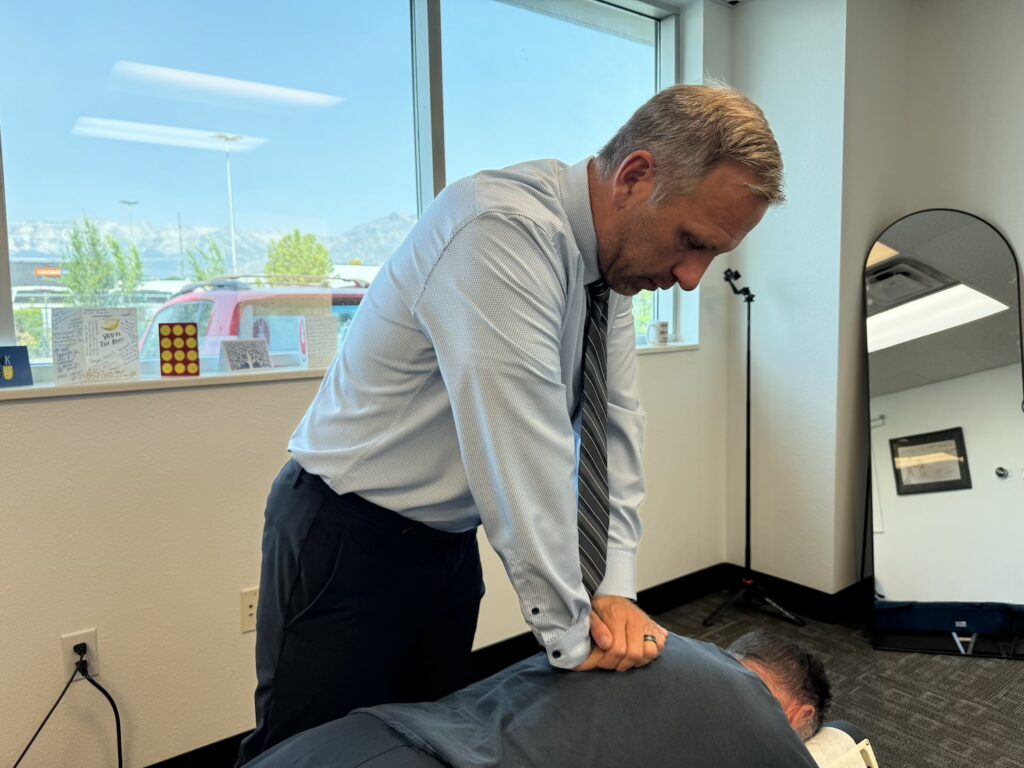
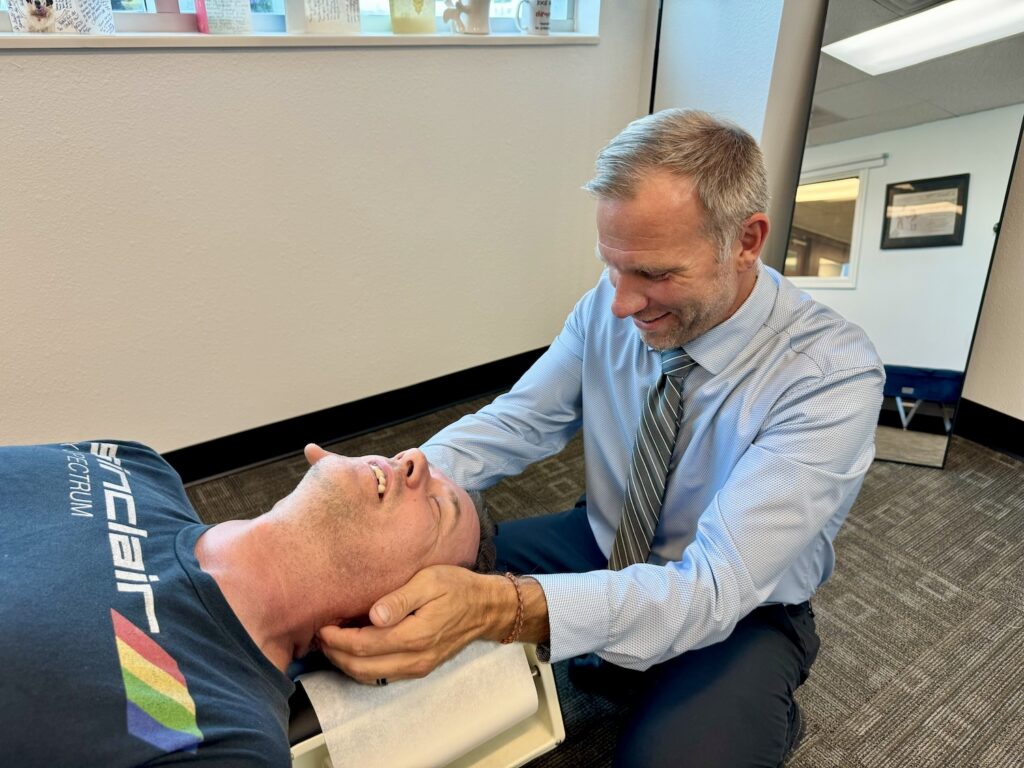
As a local chiropractor, I understand that back pain can be an overwhelming challenge in your daily life. Many of my patients have shared how debilitating it can feel, making even simple tasks difficult. However, I want to emphasize that relief is possible through natural and holistic methods.
One of the first steps in managing back pain is evaluating your daily habits. Simple changes, such as improving your posture or integrating gentle exercises into your routine, can lead to noticeable improvements in your well-being. It's important to understand that finding lasting relief typically involves a combination of strategies that are personalized to fit your specific needs.
But how can you identify which techniques work best for you? The key lies in adopting a multifaceted approach that considers both your physical condition and lifestyle. Chiropractic care can play a vital role in this journey by addressing misalignments in your spine, reducing nerve interference, and improving overall function.
Together, we can explore various methods that promote natural healing and a healthier spine, ultimately transforming your experience with back pain into one of relief and vitality.
Understanding Back Pain
As a local chiropractor, I want to help you understand that back pain can affect anyone, and knowing its causes is key to finding effective relief. Many people assume that back pain is simply a byproduct of aging or overdoing it physically, but the reality is that it can arise from a wide range of factors. By identifying these causes, you can take proactive steps toward managing your discomfort.
One of the most common sources of back pain is muscle strain, which can occur when lifting heavy objects improperly or engaging in repetitive activities. You may also experience pain due to injuries from sports or accidents. Furthermore, conditions such as herniated discs or arthritis can lead to increased pressure on the nerves in your spine, exacerbating your pain.
Your lifestyle plays a significant role in your back health as well. For instance, if you have sedentary habits—like sitting for long hours without taking breaks—this can weaken your core muscles and elevate your risk for back pain. Additionally, stress and anxiety can physically manifest in your body, leading to tightness in your back muscles. Understanding how these factors influence your body can empower you to make meaningful changes.
Another aspect to consider is your sleep environment. Poor sleeping positions or an unsupportive mattress can worsen existing back issues. It's important to reflect on your nighttime habits; how you sleep might be hindering your recovery.
As a chiropractor, I'm here to guide you on your journey to better back health through natural healing methods that address these underlying causes. Together, we can work towards alleviating your pain and enhancing your overall well-being.
Importance of Proper Posture
As a local chiropractor, I want to emphasize the vital role that proper posture plays in preventing and alleviating back pain.
Many of my patients are surprised to learn how significantly their daily habits can impact their spinal health. When you sit correctly and arrange your workstation with ergonomics in mind, you can greatly reduce the strain on your spine, leading to enhanced comfort and overall well-being.
Adjusting your posture is a simple yet powerful way to take control of your health, and I encourage you to consider how these changes can make a real difference in your daily life.
Let's work together to create a healthier, pain-free future!
Correct Sitting Techniques
As a local chiropractor, I want to emphasize the importance of proper posture in your daily life, especially when it comes to reducing back pain. Many people may not realize how crucial it's to sit in a way that supports the natural curves of your spine.
When you take a seat, aim to keep your feet flat on the floor or on a footrest. This simple adjustment helps distribute your weight evenly, alleviating pressure on your lower back. It's also important to position your knees at or slightly below the level of your hips. This alignment encourages a healthy pelvic position, which is key to maintaining spinal health.
Make sure your back is straight and your shoulders are relaxed—not slumped forward. Choosing a chair with good lumbar support can make a significant difference, and if necessary, consider using a cushion to help preserve the natural curve of your lower back.
Avoid crossing your legs, as this can create imbalances and lead to discomfort in your spine. Instead, allow your arms to rest comfortably on the chair's armrests or on your lap.
Don't forget the importance of movement; try to take breaks every 30 minutes to stand, stretch, and walk around. This practice can significantly reduce strain on your back and help maintain better posture throughout your day.
By incorporating these sitting techniques into your routine, you're not just preventing discomfort; you're laying the groundwork for long-term relief from back pain.
Ergonomic Workstation Setup
As your local chiropractor, I want to emphasize the importance of your workstation in supporting good posture and preventing discomfort, particularly in your back. A well-structured setup can significantly reduce strain and enhance your overall comfort during long hours of work.
To begin, adjust your chair so that your feet are flat on the floor, and your knees form a 90-degree angle. This positioning helps maintain the natural curve of your spine, and your lower back should feel supported, either by the chair's built-in lumbar support or by using a cushion.
Next, it's crucial to position your computer screen at eye level. This prevents you from having to tilt your head, which can lead to neck and back issues over time. When typing, keep your keyboard close enough that your elbows remain at your sides, forming a right angle. This helps reduce strain on your shoulders and arms.
If you're on the phone frequently, consider using a headset. Cradling a phone between your ear and shoulder can put undue stress on your neck, leading to discomfort.
Additionally, don't forget the importance of taking regular breaks. Simple stretches and short walks can do wonders for your body and overall well-being.
By prioritizing these ergonomic adjustments in your workstation, you're not just making your work environment more comfortable; you're also investing in your long-term health.
Physical Therapy Techniques
When it comes to effectively alleviating back pain, chiropractic care offers a holistic approach that emphasizes natural healing and restoring balance to your body. Our techniques focus on relieving discomfort, enhancing mobility, and reinstating functional movement, all customized to meet your individual needs.
One of the primary methods we utilize is spinal manipulation, where we gently adjust the vertebrae to improve alignment and relieve pressure on nerves. This hands-on technique can significantly reduce muscle tension and enhance circulation, promoting a faster recovery process.
In addition, we may incorporate therapeutic modalities such as ultrasound or electrical stimulation, which can help decrease inflammation and support the healing of soft tissues.
Stretching and strengthening exercises are also integral to our approach. We'll guide you through targeted stretches designed to release tight muscles and increase flexibility. This is especially beneficial if your pain is associated with muscle imbalances or stiffness, as it helps restore proper function.
Another valuable technique we offer is education on body mechanics and posture. We'll teach you how to move safely and effectively to prevent future injuries. By being mindful of your movements in daily activities, you can significantly lower the risk of aggravating your pain.
Lastly, we believe in the power of understanding your body. Gaining insight into your specific condition and the underlying mechanics of your pain can empower you to take charge of your healing journey.
We're here to support you every step of the way as you work towards a healthier, pain-free life.
Strengthening Core Muscles
As a local chiropractor, I want to emphasize the importance of building a strong core for your overall spine health and to help reduce back pain. Your core muscles, which include your abdominals, obliques, and lower back, are crucial for maintaining good posture and stability in your daily activities. Strengthening these muscles can significantly alleviate pressure on your spine and enhance your movement patterns.
You don't need to invest in fancy gym equipment to strengthen your core. In fact, bodyweight exercises can be incredibly effective and are a great starting point. One of the best exercises to engage your entire core is the plank. I recommend starting by holding the plank position for 20-30 seconds and gradually increasing the duration as you build strength.
Another effective exercise is the bird-dog. While on all fours, extend one arm and the opposite leg, holding for a few seconds before switching sides. This not only enhances your balance but also strengthens your lower back.
In addition to these, incorporating exercises like bridges and dead bugs into your routine can be very beneficial. Bridges primarily target your glutes and lower back, while dead bugs work your core without placing too much strain on your spine. Aim to perform these exercises two to three times a week, always focusing on maintaining proper form and control.
As you become more comfortable, consider adding resistance with weights or resistance bands to further challenge your core muscles. Remember, consistency is vital.
Stretching and Flexibility Exercises
As a local chiropractor, I want to share how incorporating stretching and flexibility exercises into your daily routine can significantly help manage back pain. These exercises are vital for improving your range of motion, reducing muscle tension, and promoting better posture—all crucial factors in alleviating discomfort.
Let's start with some gentle stretches that focus on the back, hips, and hamstrings. One effective stretch I often recommend is the child's pose. This stretch is fantastic for releasing tension in the lower back. To perform it, simply kneel on the floor, sit back on your heels, and stretch your arms forward while lowering your torso. Hold this position for about 20 to 30 seconds while taking deep breaths to enhance your relaxation.
Another beneficial stretch is the cat-cow stretch. Begin on your hands and knees, and alternate between arching your back toward the ceiling and allowing your belly to drop toward the floor. This movement is great for increasing spinal flexibility and warming up the back muscles.
Adding dynamic stretches like torso twists can also be advantageous. Stand with your feet shoulder-width apart, and gently twist your torso from side to side. This exercise improves spinal mobility and helps reduce stiffness.
I recommend aiming for at least 10-15 minutes of stretching each day, focusing on areas that feel tight. It's important to listen to your body; if you experience pain during a stretch, ease off.
Hot and Cold Therapy
As a local chiropractor, I often see patients struggling with back pain, and I want to share how hot and cold therapy can truly transform your healing experience.
Heat therapy is excellent for relaxing tight muscles and enhancing blood circulation, which can alleviate discomfort.
On the other hand, cold therapy is effective in reducing inflammation and numbing acute pain, providing immediate relief.
By understanding how to properly apply these methods, you can significantly enhance your journey towards pain relief and overall wellness.
Benefits of Heat Application
As a local chiropractor, I often emphasize the benefits of heat application in managing back pain, especially for those who may be unfamiliar with chiropractic care and natural healing methods.
Applying heat, whether through hot or cold therapy, can significantly enhance your recovery process. When you place heat on your back, it increases blood flow to the area, which promotes healing and helps relax tight muscles. This can provide immediate relief from stiffness and discomfort, allowing you to move more freely.
One of the easiest ways to utilize heat is with a hot water bottle or a heating pad. Simply place it on the affected area for about 15 to 20 minutes. Alternatively, taking a warm bath can be incredibly effective, as it allows the heat to gently envelop your entire back.
Heat therapy is especially beneficial for those dealing with chronic pain. If you have ongoing back issues, incorporating heat into your routine can be a powerful way to manage your pain levels. I often recommend using heat before physical activity or stretching, as it prepares your muscles for movement and helps reduce the risk of injury.
Always pay attention to how your body responds—if the heat feels too intense or uncomfortable, it's important to remove it and let your skin cool down.
Advantages of Cold Therapy
As a local chiropractor, I want to share with you the remarkable benefits of cold therapy, especially when it comes to managing back pain. While many of you may be familiar with heat therapy, cold therapy can be an equally valuable tool in your wellness toolkit.
One of the standout advantages of cold therapy is its effectiveness in reducing inflammation. When you apply cold packs or ice to your back, it constricts blood vessels, which helps to decrease swelling and can numb sharp pain. This is particularly beneficial after an injury or during flare-ups of discomfort.
Cold therapy also plays a key role in alleviating muscle spasms. By cooling the affected area, you can effectively reduce muscle tension, promoting relaxation and easing the discomfort you may be experiencing.
The beauty of cold therapy is its accessibility; all you need are ice packs or even a simple bag of frozen vegetables.
Using cold therapy is easy and straightforward. Just remember to wrap the ice in a cloth to prevent frostbite, and apply it to the affected area for about 15-20 minutes at a time. You can repeat this process several times throughout the day, particularly after physical activity.
Incorporating cold therapy into your daily routine can provide significant relief and work alongside other treatments we offer in our practice, helping you regain mobility and comfort in your everyday life.
If you have any questions about how to best use cold therapy or how it fits into your overall treatment plan, please don't hesitate to ask!
Mindfulness and Stress Management
As a local chiropractor, I understand that many of you may be dealing with back pain that can feel quite overwhelming. However, I want to share some insights on how incorporating mindfulness and stress management techniques can significantly improve your ability to cope with discomfort. By focusing on the present moment, you can effectively reduce anxiety and tension, which can often worsen your pain.
One of the simplest ways to begin this journey is through mindful breathing. I recommend setting aside just a few minutes each day to practice this technique. Find a quiet space, sit comfortably, and take slow, deep breaths. As you inhale, visualize filling your lungs completely. When you exhale, imagine releasing the tension from your back. This practice not only cultivates a sense of calm but can also help alleviate some of your pain.
In addition to mindful breathing, I encourage you to incorporate gentle stretches into your daily routine. Pay close attention to how your body feels during these stretches and make adjustments based on your comfort level. This mindful connection between your mind and body can promote relaxation and enhance your flexibility, ultimately easing some of the strain on your back.
It's also crucial to recognize the impact of stress on your overall health. High stress levels can lead to muscle tension and exacerbate pain. Techniques like progressive muscle relaxation or guided imagery can be effective tools for unwinding and letting go of built-up stress.
By actively managing your stress, you create a more conducive environment for healing and recovery. Ultimately, adopting mindfulness and stress management practices not only equips you to cope with back pain more effectively but also fosters a healthier mindset overall.
Embrace these techniques, and you may discover a greater sense of relief and balance in your life. As your chiropractor, I'm here to support you on this journey to natural healing.
Alternative Therapies
As your local chiropractor, I want to share some valuable insights about managing back pain through alternative therapies. Approaches like acupuncture and herbal remedies can significantly enhance your recovery process. Not only can these methods help alleviate discomfort, but they also contribute to your overall well-being.
Incorporating these therapies into your pain management plan can be beneficial. Acupuncture, for instance, targets specific points in the body to relieve pain and improve energy flow, while herbal remedies can provide natural support for healing.
Acupuncture Benefits Explained
As a local chiropractor, I want to share with you an effective, natural approach to managing chronic back pain: acupuncture. This age-old practice, which involves the insertion of thin needles at specific points on your body, can stimulate your body's natural healing processes and offer significant relief.
Here are some key benefits of acupuncture that I encourage you to consider:
- Pain Reduction: Many patients experience a noticeable decrease in their pain levels after just a few acupuncture sessions. This can lead to improved mobility and a greater sense of comfort in your daily activities.
- Improved Blood Flow: Acupuncture enhances circulation in the areas affected by pain. This increased blood flow can promote healing and reduce inflammation, which is crucial for recovery.
- Stress Relief: Chronic pain often leads to stress and anxiety. Acupuncture has been shown to help alleviate these feelings, encouraging a more relaxed state that supports your overall health and recovery process.
- Enhanced Overall Well-Being: By helping to balance your body's energy, acupuncture can improve your sleep quality, elevate your mood, and increase your energy levels. These factors are all important in your journey of managing back pain effectively.
If you're exploring holistic methods to relieve your back pain, I believe acupuncture could be a valuable option for you.
It may just be the natural solution you've been seeking. Let's discuss how we can integrate this practice into your overall treatment plan!
Herbal Remedies Overview
As a local chiropractor, I often see patients seeking natural solutions to manage chronic back pain. One effective approach I recommend is exploring herbal remedies, which have been utilized for centuries to support healing and reduce inflammation.
For example, turmeric is well-known for its powerful anti-inflammatory properties. Incorporating it into your diet may help alleviate some discomfort.
Another herb to consider is ginger, which can assist in easing muscle soreness and stiffness—common issues that many of my patients face.
Willow bark, often dubbed nature's aspirin, is another alternative worth considering. It has been reported to provide pain relief and can serve as a more natural option for those looking to reduce their reliance on traditional painkillers.
Additionally, devil's claw is a herb that has shown promise in not only reducing pain but also improving mobility, making it a beneficial addition to your pain management plan.
However, it's crucial to consult with a healthcare professional before starting any herbal remedies, especially if you're on other medications. This step will help you avoid any potential interactions and ensure you're using the appropriate dosages.
I always emphasize that while herbal remedies can be beneficial, they're most effective when combined with other treatments, such as chiropractic care, physical therapy, or exercise.
Ergonomic Workspaces
As a local chiropractor, I want to emphasize the importance of creating an ergonomic workspace to alleviate back pain and boost your productivity. Many people underestimate how a well-structured workspace can significantly reduce strain on your back and other muscles, allowing you to concentrate on your tasks without discomfort.
Here are some valuable tips to help you establish an ergonomic environment:
- Chair Selection: Opt for a chair that provides adequate lumbar support. It's crucial that your feet rest flat on the floor, with your knees positioned at or slightly below hip level. Adjust the chair height to achieve the best fit for your body.
- Desk Height: Ensure your desk is set at a height that allows your elbows to form a 90-degree angle while typing. This positioning helps keep your shoulders relaxed and minimizes tension in your upper back.
- Monitor Position: Your monitor should be at eye level and about an arm's length away. This arrangement prevents you from straining your neck by looking up or down, which can lead to discomfort over time.
- Keyboard and Mouse: Keep your keyboard and mouse close enough so that you can use them comfortably without stretching. It's important to maintain your wrists in a neutral position to avoid strain and repetitive stress injuries.
By following these recommendations, you can create a workspace that not only supports your physical health but also enhances your overall well-being.
Lifestyle Modifications for Relief
As a local chiropractor, I want to help you understand that managing back pain involves more than just adjustments to your workspace—it's about embracing a holistic approach to your health. To truly find relief, it's essential to consider broader lifestyle modifications.
First and foremost, incorporating regular physical activity into your daily routine is vital. Gentle exercises such as walking, swimming, or yoga not only strengthen your back but also enhance flexibility. I recommend aiming for at least thirty minutes of moderate activity on most days to keep your body moving and your spine healthy.
Posture is another crucial aspect of back health. Whether you're sitting, standing, or walking, maintaining proper alignment is key. Keep your shoulders back and your spine straight to reduce unnecessary strain on your back. Investing in supportive footwear can also make a significant difference in promoting good posture and alleviating discomfort.
Nutrition is an often overlooked factor in managing back pain. A balanced diet that includes anti-inflammatory foods—such as fruits, vegetables, whole grains, and healthy fats—can help reduce pain and inflammation. Additionally, staying hydrated is essential; dehydration can lead to muscle cramps and tension, which can further exacerbate your discomfort.
Let's not forget about the importance of sleep. Quality rest is crucial for recovery, so aim for seven to nine hours each night. Investing in a supportive mattress and pillows can help maintain proper spinal alignment while you sleep, allowing your body to heal effectively.
Lastly, managing stress is vital for overall wellness. High levels of stress can lead to muscle tension, which may worsen your back pain. Techniques such as meditation, deep breathing exercises, or engaging in hobbies that you enjoy can help you unwind and reduce stress levels.
As your chiropractor, I'm here to support you on your journey to better health. By making these lifestyle modifications, you can take significant steps toward alleviating your back pain and improving your overall well-being. Together, we can develop a comprehensive plan tailored to your individual needs.
Conclusion
As a local chiropractor, I want to share some proven techniques that can help you achieve lasting relief from back pain. It's essential to start with the basics, such as maintaining proper posture throughout your day. This simple adjustment can significantly reduce strain on your spine.
In addition, engaging in core-strengthening exercises is crucial. A strong core supports your back and can prevent pain from recurring. I also encourage you to explore alternative therapies, which may include chiropractic adjustments, massage, or acupuncture, all of which can complement your healing journey.
Mindfulness practices can play an important role in managing pain as well. Taking time to focus on your body and its needs can help you develop a better understanding of your discomfort. Furthermore, creating an ergonomic workspace is vital; make sure your chair and desk setup promote good posture and reduce tension.
By incorporating these adjustments into your daily routine and staying consistent, you can alleviate your discomfort and improve your overall quality of life. I invite you to take the first step toward a pain-free back today! If you have questions or need guidance, don't hesitate to reach out. Your well-being is my priority.