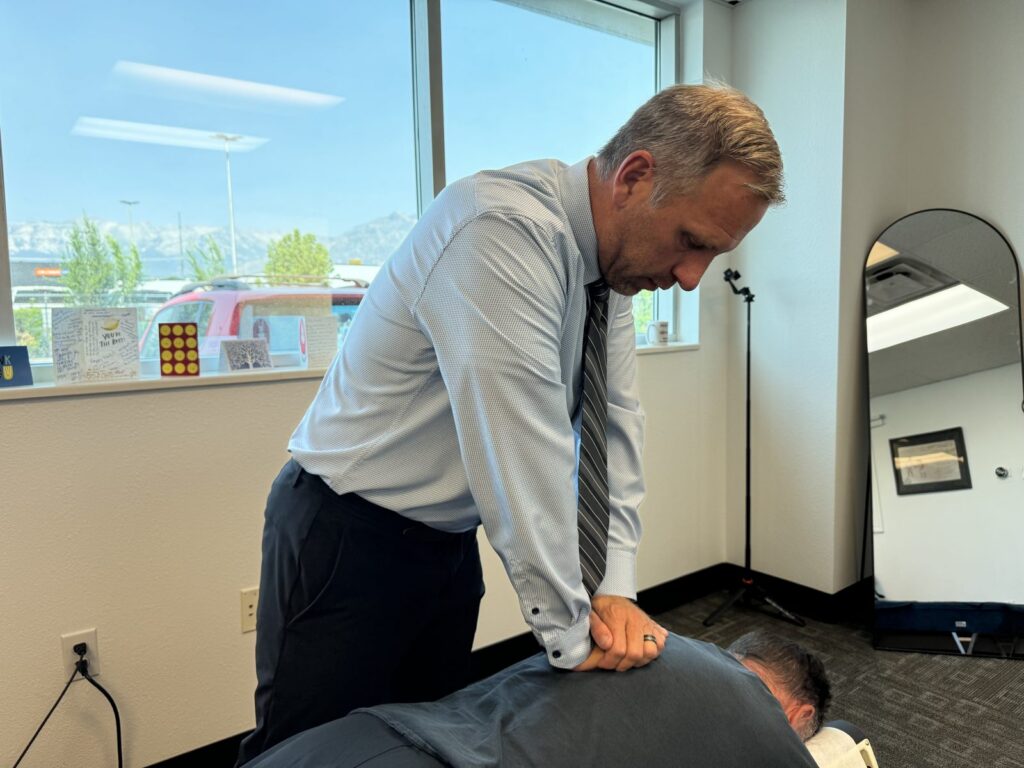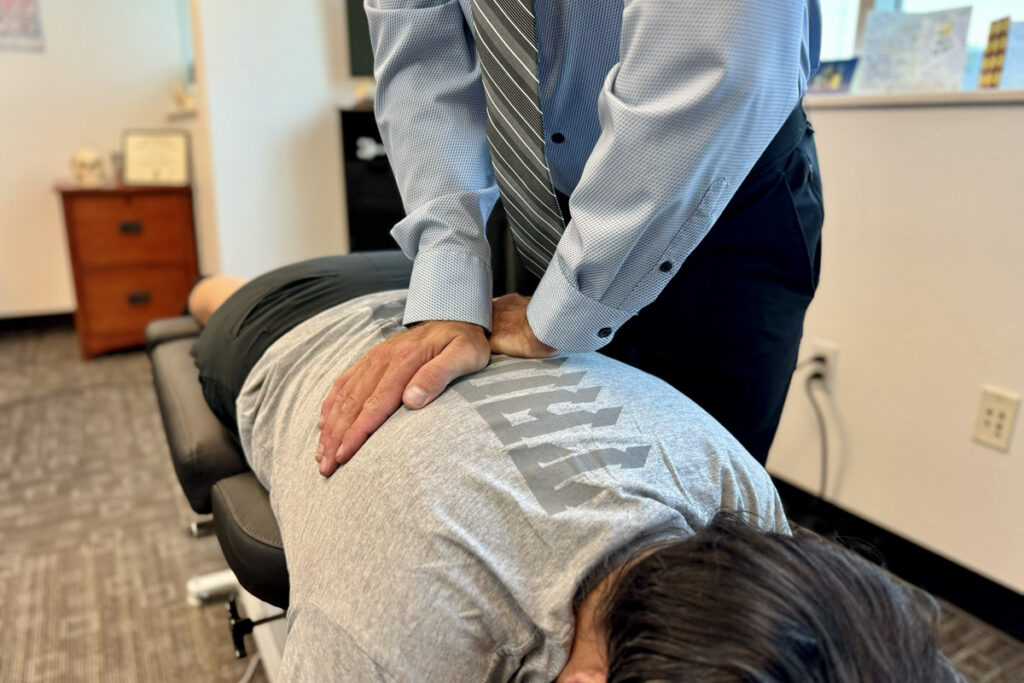
If you're struggling with neck pain, you're not alone, and surgery isn't your only option. Many effective strategies can help relieve discomfort and improve your quality of life. You might find that simple stretching, targeted exercises, and even adjustments in your daily routine can lead to significant relief. Plus, incorporating therapies like heat, cold, and massage can enhance your recovery. But what specific exercises and techniques should you consider? Understanding the right approach could make all the difference in your journey to a pain-free neck.
Understanding Neck Pain Causes
Understanding the causes of neck pain can be essential for finding relief. Neck pain can stem from various sources, and recognizing these can help you address the issue effectively. One common cause is poor posture, especially if you spend long hours hunched over a computer or looking down at your phone. This can strain the muscles and ligaments in your neck.
Injuries, such as whiplash from car accidents, often lead to acute neck pain. Even minor falls can result in sprains or strains that may linger. Additionally, degenerative conditions like arthritis can cause chronic neck pain as cartilage wears down, leading to inflammation and stiffness.
Muscle tension is another culprit; stress can cause your neck muscles to tighten, resulting in discomfort. You might notice that when you're under pressure, you unconsciously tense your shoulders, which can exacerbate neck pain.
Moreover, sleeping on an unsuitable pillow or in an awkward position can lead to neck strain. If your pillow doesn't support your head properly, it can create misalignment during sleep, causing you to wake up with pain.
Lastly, certain medical conditions, like herniated discs, can lead to nerve compression in the neck, resulting in pain that may radiate into your arms or shoulders.
Stretching Exercises for Relief
If you're dealing with neck pain, incorporating effective stretching exercises can make a significant difference.
By establishing a daily stretching routine and focusing on posture improvement techniques, you can alleviate tension and enhance your overall comfort.
Let's explore some targeted stretches that can provide relief and support your neck health.
Effective Neck Stretches
As you seek relief from neck pain, incorporating effective neck stretches into your daily routine can make a significant difference.
Start with the neck tilt: gently tilt your head to the right, bringing your ear toward your shoulder. Hold for 15-30 seconds, then switch sides. This stretch helps alleviate tension in your neck muscles.
Next, try the chin tuck. Sit or stand tall, and gently pull your chin straight back, creating a double chin effect. Hold for a few seconds and release. This exercise strengthens your neck and improves posture.
Another great option is the neck rotation. Slowly turn your head to the right until you feel a stretch. Hold for 15-30 seconds, then rotate to the left. This motion can enhance flexibility and reduce stiffness.
Finally, the shoulder shrug is essential. Raise your shoulders toward your ears, hold for a few seconds, and then relax. Repeat this several times to release built-up tension.
Daily Stretching Routine
Incorporating a daily stretching routine can greatly enhance your neck health and provide ongoing relief from pain. By dedicating just a few minutes each day to stretches, you can improve flexibility, reduce tension, and promote better blood circulation in the neck area.
Start with gentle neck tilts. Slowly tilt your head to one side, bringing your ear toward your shoulder. Hold for 15-30 seconds and switch sides.
Next, try neck rotations. Turn your head to the right and left, holding each position for 15-30 seconds. This exercise helps increase mobility and eases stiffness.
Another effective stretch is the chin tuck. Sit or stand upright and gently tuck your chin toward your chest. Hold for 5 seconds, then return to a neutral position. Repeat this 10 times to strengthen the muscles around your neck.
Incorporating shoulder rolls into your routine can also help. Roll your shoulders forward and backward in a circular motion, completing 10 repetitions in each direction.
Make these stretching exercises a daily habit, and you'll likely notice a significant reduction in neck discomfort and an overall improvement in your neck's health.
#
Posture Improvement Techniques
Improving your posture is essential for relieving neck pain and enhancing overall well-being. Poor posture can put unnecessary strain on your neck muscles, leading to discomfort and pain. To correct this, focus on positioning your body properly throughout the day.
Start by sitting up straight in your chair, keeping your shoulders relaxed and your back supported. Align your ears with your shoulders and avoid craning your neck forward. When using your computer or phone, make sure your screen is at eye level to prevent slouching.
Incorporate simple stretching exercises into your daily routine. Try chin tucks by gently pulling your chin back toward your neck, holding for a few seconds. Another effective stretch is the neck tilt; gently tilt your head to one side, bringing your ear closer to your shoulder, and hold for 15-30 seconds. Repeat on the other side.
Strengthening your core can also improve your posture. Engage in exercises like planks and bridges to support your spine.
Strengthening Your Neck Muscles
To effectively relieve neck pain, you need to focus on strengthening your neck muscles.
Incorporating targeted neck exercises and improving your posture can make a significant difference in your comfort and overall well-being.
Let's explore some practical techniques that you can easily integrate into your daily routine.
Targeted Neck Exercises
Building strength in your neck muscles can greatly alleviate pain and enhance mobility. Targeted neck exercises are a practical way to achieve this.
Start with neck tilts: gently tilt your head toward one shoulder and hold for a few seconds, then switch sides. This helps stretch and strengthen the muscles.
Next, try neck rotations. Slowly turn your head to one side until you feel a stretch, hold for a moment, and then rotate to the other side. This motion promotes flexibility and can reduce stiffness.
Another effective exercise is the chin tuck. Sit or stand up straight, tuck your chin in toward your chest, and hold for a few seconds. This helps strengthen the deep neck muscles and improves alignment.
Lastly, incorporate shoulder shrugs. Raise your shoulders toward your ears, hold for a moment, and then release them down. This not only strengthens your neck but also relieves tension in the shoulders.
Perform these exercises regularly, aiming for at least three times a week. Listen to your body, and if you feel pain, stop and consult a healthcare professional.
Strengthening your neck can lead to lasting relief.
Posture Improvement Techniques
Maintaining good posture plays an essential role in relieving neck pain and strengthening your neck muscles. When you sit or stand tall, you align your spine and reduce the strain on your neck. Start by being mindful of how you position yourself throughout the day. Keep your shoulders back and relaxed, and your head directly over your spine. This simple adjustment can greatly alleviate discomfort.
Incorporate exercises that focus on strengthening your neck and upper back muscles. Try chin tucks, where you gently pull your chin toward your chest, holding for a few seconds. This exercise helps reinforce neck alignment.
Additionally, practice wall angels by standing against a wall and sliding your arms up and down while keeping your back flat against the surface.
Remember to take breaks from prolonged activities, especially if you're working at a desk. Stand up, stretch, and reset your posture regularly.
Using ergonomic furniture can also assist in maintaining proper alignment. By consistently applying these posture improvement techniques, you'll not only relieve neck pain but also build stronger neck muscles, setting the foundation for long-term comfort and health.
Heat and Cold Therapy
When you're dealing with neck pain, heat and cold therapy can provide effective relief by targeting inflammation and improving blood flow. Using these methods can help you manage discomfort and promote healing.
Let's break down how you can use both heat and cold to your advantage.
Cold Therapy is great for reducing inflammation and numbing sharp pain. You can apply it using:
- Ice packs or frozen peas wrapped in a cloth
- Cold gel packs that conform to your neck
- A cold compress for targeted relief
Apply cold therapy for 15-20 minutes at a time, especially after any activity that aggravates your neck pain. Just remember to give your skin a break to avoid frostbite.
Heat Therapy, on the other hand, promotes blood flow and relaxes tight muscles. Here are a few ways to use heat:
- A warm towel or heating pad
- A hot shower or bath
- Microwaveable heat packs
Use heat therapy for 15-30 minutes, ensuring it's warm but not too hot to touch. This method is particularly effective for chronic pain or stiffness.
Combining these therapies can also be beneficial. Start with cold therapy to reduce swelling, then switch to heat to enhance circulation and relaxation.
Remember to listen to your body—if something feels uncomfortable or increases your pain, stop immediately.
Ultimately, both heat and cold therapy can be powerful tools in your neck pain relief arsenal.
The Benefits of Massage
After you've utilized heat and cold therapy, consider incorporating massage into your routine for additional relief.
Massage therapy can markedly ease neck pain by targeting tension in the muscles surrounding your cervical spine. It helps to increase blood circulation, which promotes healing and reduces inflammation.
When you get a massage, the therapist applies pressure to specific points, helping to release muscle knots and tension. This not only alleviates pain but also improves your overall range of motion, making it easier for you to move your neck without discomfort.
You'll likely notice that after a session, your neck feels lighter and more relaxed.
In addition to physical benefits, massage can also provide emotional relief. The soothing touch can help reduce stress and anxiety, which often exacerbate physical pain. By taking time for self-care through massage, you're investing in your overall well-being.
You don't have to visit a professional every time; there are plenty of self-massage techniques you can try at home. Using your fingers or a massage ball, you can apply pressure to tight spots in your neck and shoulders, helping to relieve tension on your own.
Whether you opt for professional sessions or self-massage, incorporating this practice into your routine can make a noticeable difference in how you feel.
Exploring Acupuncture
Acupuncture can really help ease neck pain by tapping into the body's natural healing processes. This ancient practice involves inserting thin needles into specific points on your body, which can stimulate nerves, muscles, and connective tissue. By doing so, it promotes blood flow and encourages the release of endorphins, your body's natural painkillers.
Here are some key reasons to take into account acupuncture for neck pain relief:
- Reduces Inflammation: Acupuncture can decrease swelling and inflammation in the neck area, helping you feel more comfortable and free of tension.
- Increases Range of Motion: Regular sessions can improve mobility in your neck, making it easier to turn your head and perform daily activities.
- Promotes Relaxation: The calming effect of acupuncture can reduce stress, which often contributes to muscle tightness and pain in the neck.
Many people notice improvement after just a few sessions. You don't have to worry about major side effects, as acupuncture is generally safe when performed by a qualified practitioner.
It's important to communicate openly with your acupuncturist about your specific pain and any underlying conditions.
While acupuncture isn't a one-size-fits-all solution, it might be just what you need to relieve neck pain without resorting to surgery. If you're curious, think about scheduling an appointment to see how it can work for you. You might discover a new, effective way to regain comfort and ease in your daily life.
## Posture Improvement Techniques
Good posture is essential for preventing and alleviating neck pain. When you maintain an upright position, you distribute weight evenly across your spine, reducing strain on your neck muscles. To improve your posture, begin by being mindful of how you sit, stand, and move throughout the day.
When sitting, keep your back straight and shoulders relaxed. Your feet should rest flat on the ground, with your knees level with your hips. If you're at a desk, adjust your chair height so your computer screen is at eye level. This way, you won't strain your neck by looking up or down too much.
When standing, distribute your weight evenly on both feet and avoid slouching. Engaging your core can provide additional support to your spine. If you find yourself frequently looking down at your phone, hold it at eye level. This simple adjustment can considerably lessen the strain on your neck.
Incorporating regular stretching and strengthening exercises can also enhance your posture. Focus on exercises that strengthen your back and neck muscles, such as chin tucks and shoulder blade squeezes. These can help counterbalance the effects of prolonged sitting or hunching.
Lastly, consider practicing mindfulness or yoga, which can improve body awareness and posture over time. By consciously working on your posture during daily activities, you'll not only reduce your neck pain but also promote overall well-being.
Ergonomic Adjustments at Work
Making ergonomic adjustments at work can considerably reduce neck pain and improve your overall comfort. When you create a workspace that supports your body, you can prevent strain and enhance productivity.
Here are some key adjustments to take into account:
- Monitor Position: Keep your monitor at eye level, about an arm's length away. This helps you avoid leaning forward or looking down, which can strain your neck.
- Chair Height: Adjust your chair so your feet rest flat on the floor, and your knees are at a 90-degree angle. This promotes good posture and reduces tension in your neck and shoulders.
- Keyboard and Mouse Placement: Position your keyboard and mouse at the same level as your elbows, allowing your arms to rest comfortably at your sides. This minimizes the likelihood of hunching or reaching too far.
Consider using a chair with lumbar support to help maintain the natural curve of your spine.
If you're on calls frequently, try using a headset to avoid cradling your phone between your shoulder and ear.
It's also a good idea to take regular breaks, stand up, and stretch to keep your muscles relaxed.
Mindfulness and Relaxation Methods
Practicing mindfulness and relaxation methods can significantly alleviate neck pain by reducing stress and tension in your body. When you're mindful, you focus on the present moment, which helps you recognize and release the tension that accumulates in your neck and shoulders.
You can start by incorporating simple breathing exercises into your daily routine. Take a few moments to inhale deeply through your nose, hold for a count of four, and then exhale slowly through your mouth. This helps calm your nervous system and promotes relaxation.
Another effective technique is progressive muscle relaxation. This involves tensing and then relaxing different muscle groups in your body, starting from your toes and working your way up to your neck and shoulders. Pay attention to how each muscle feels when you release the tension, allowing your body to relax more deeply.
Meditation can also be a powerful tool. Even just five to ten minutes of meditation a day can help clear your mind and reduce stress levels, which may contribute to neck pain. You can use guided meditations or simply focus on your breath, letting go of racing thoughts.
Lastly, consider incorporating gentle yoga or stretching into your routine. These practices not only improve flexibility but also encourage relaxation throughout your body.
Conclusion
Incorporating these proven methods can greatly help relieve your neck pain without resorting to surgery. By focusing on stretching, strengthening, and using heat and cold therapy, you'll find a routine that works for you. Don't overlook the benefits of massage and acupuncture, and be sure to improve your posture and ergonomic setup at work. Finally, practicing mindfulness can enhance your overall well-being. With consistency, you can regain comfort and prevent future discomfort in your neck.