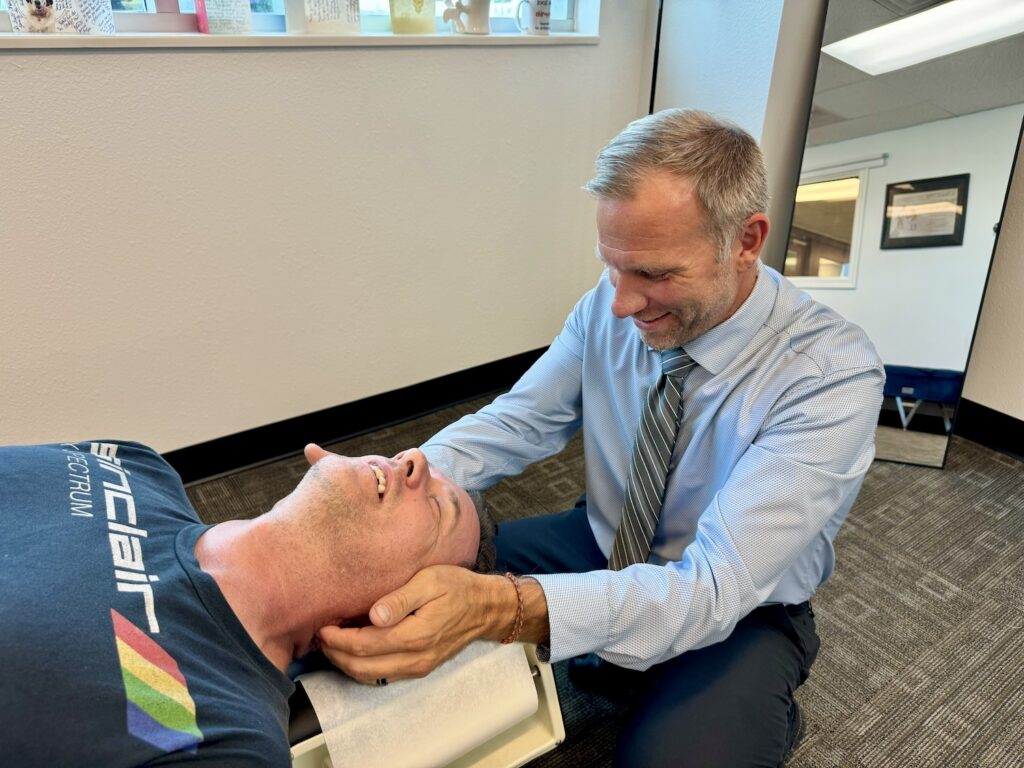
When headaches strike, finding effective relief is crucial for your overall well-being. Did you know that natural solutions could be right at your fingertips? As a local chiropractor, I want to share how simple, natural methods, including chiropractic care, can help alleviate discomfort and promote a healthier lifestyle.
Chiropractic adjustments focus on aligning the spine, which can relieve tension and pressure that contribute to headaches. By ensuring that your nervous system functions optimally, you may experience a reduction in headache frequency and intensity. Incorporating regular chiropractic care into your routine can be a game-changer for managing headaches naturally.
In addition to chiropractic adjustments, consider integrating herbal remedies or acupressure techniques into your wellness plan. Many find that certain herbs, like peppermint or ginger, can ease headache symptoms. Acupressure, which involves applying pressure to specific points on the body, can also provide relief.
Moreover, understanding the underlying causes of your headaches—such as tension, stress, or poor posture—can significantly improve your relief strategy. Here are some general tips to keep in mind:
- Stay Hydrated: Dehydration can lead to headaches, so drink plenty of water throughout the day.
- Practice Good Posture: Maintain a straight posture, especially when sitting for long periods.
- Manage Stress: Incorporate relaxation techniques like deep breathing or meditation into your daily routine.
- Get Regular Check-ups: Regular chiropractic visits can help maintain spinal health and prevent headaches from occurring.
Curious about how these methods can work for you? Let’s explore the benefits of chiropractic care and other natural solutions that might just transform your approach to managing headaches and enhance your overall health.
Key Takeaways
- Regular chiropractic care is an effective way to alleviate muscle tension and improve spinal alignment. By addressing these issues, chiropractic adjustments can significantly reduce the frequency and intensity of headaches, giving you a natural path to relief.
- Additionally, incorporating herbal remedies like peppermint tea and ginger into your diet can complement your chiropractic care. These herbs are known for their anti-inflammatory properties, which can help soothe headaches naturally.
- You might also consider using acupressure techniques. Targeting specific pressure points, such as Yintang (located between your eyebrows) and LI4 (found on the web of your hand), can provide immediate headache relief. These techniques can easily be learned and practiced at home, enhancing the benefits of your chiropractic treatments.
- Staying hydrated is another essential step. Make sure to drink at least 8 cups of water daily. Proper hydration helps prevent headaches that can result from dehydration, while also supporting overall brain function and wellness.
- Lastly, don’t forget to incorporate exercise into your daily routine. Regular physical activity improves blood circulation and helps reduce stress, which are both key factors in minimizing tension headaches.
By prioritizing chiropractic care and these natural methods, you can take control of your headache relief and enhance your overall health and wellness. Remember, seeking natural and non-invasive solutions is a powerful step towards achieving optimal health.
Understanding the Causes of Headaches
Headaches can strike unexpectedly, often leaving you puzzled about what caused the pain. Understanding the triggers is essential for finding effective relief, and chiropractic care can play a vital role in your journey to wellness.
One of the leading culprits of headaches is stress. When you’re under pressure, your muscles tend to tense up, which can lead to tension headaches. Regular chiropractic adjustments can help alleviate this tension in your neck and shoulders, promoting relaxation and reducing headache frequency.
Dehydration is another common factor. When your body doesn’t get enough water, it can react with a headache. Make sure to drink plenty of fluids throughout the day. Keeping hydrated not only helps prevent headaches but also supports overall health.
Poor posture, especially while working on your computer, can also contribute to discomfort. Slouching can strain your neck and back, leading to headaches. Chiropractic care can help improve your posture by aligning your spine, making it easier for you to maintain a healthy position while working.
Hormonal changes, particularly in women during their menstrual cycle, can also trigger headaches. While chiropractic care may not directly influence hormonal fluctuations, it can help mitigate the pain associated with headaches during these times by addressing spinal alignment and nervous system function.
Your diet matters too! Certain foods or additives might trigger migraines for some individuals. Keeping a food diary can help identify any potential triggers. Meanwhile, focusing on a balanced diet rich in whole foods can support your overall health and well-being.
Lastly, lack of sleep or irregular sleep patterns can make headaches worse. Establishing a consistent sleep routine and creating a restful sleep environment is key. Chiropractic adjustments can also help improve sleep quality by reducing discomfort that might keep you awake.
By identifying these triggers and incorporating chiropractic care into your lifestyle, you can take proactive steps to minimize or eliminate headaches and pave the way for better head health.
Herbal Remedies for Headache Relief
If you’re looking for natural ways to alleviate your headache, consider the benefits of chiropractic care. As a chiropractor, I can tell you that many headaches are often linked to tension in the neck and spine. By addressing these underlying issues through spinal adjustments, we can help restore proper alignment and reduce headache frequency and intensity.
In addition to chiropractic adjustments, there are a few herbal remedies worth considering. For instance, peppermint tea may promote relaxation and enhance blood circulation, potentially easing muscle tension. Ginger is another great choice, known for its anti-inflammatory properties that can help lessen headache severity.
Feverfew, a herb that has shown promise in preventing migraines, can be consumed as a tea or taken in supplement form. Chamomile is also beneficial, as its calming effects can soothe tension headaches. Lastly, willow bark can provide natural pain relief, working in a way similar to aspirin.
Remember, it’s always a good idea to consult with a healthcare provider before trying new remedies, especially if you’re pregnant or have other health conditions.
However, chiropractic care remains a cornerstone of natural wellness and pain relief. By incorporating regular adjustments and these herbal options into your wellness routine, you can work towards achieving optimal health without the unwanted side effects of medications.
As you pursue a healthier lifestyle, don’t forget to stay hydrated, manage stress through relaxation techniques, and maintain good posture to support your overall well-being. Your journey to relief and wellness starts with taking proactive steps for your health!
Essential Oils and Their Benefits
If you’re looking for natural ways to manage headaches, chiropractic care may be the best solution for you. As a chiropractor, I understand the impact that spinal alignment and overall wellness can have on headache relief. While essential oils can provide temporary relief, addressing the root causes of headaches through chiropractic adjustments can lead to lasting improvements.
Here are three approaches to consider:
- Spinal Adjustments: Misalignments in the spine can create tension and pressure that contribute to headaches. Regular chiropractic adjustments can help realign your spine, improve blood flow, and reduce muscle tension, leading to fewer headaches.
- Posture Improvement: Poor posture is a common culprit for tension headaches. As a chiropractor, I can guide you on maintaining proper posture throughout your daily activities, which can alleviate strain on your neck and shoulders, reducing headache frequency and intensity.
- Stress Management: Stress is a significant factor in many headaches. Chiropractic care not only addresses physical issues but also promotes relaxation and stress relief. Techniques such as spinal adjustments and therapeutic exercises can help you manage stress more effectively.
Incorporating these chiropractic approaches into your routine can lead to a natural and effective way to achieve headache relief and overall wellness.
Remember, it’s important to listen to your body and seek professional care when needed. By prioritizing your spinal health, you can enhance your quality of life and reduce the occurrence of headaches.
If you’re struggling with headaches, don’t hesitate to reach out for guidance tailored to your needs!
Acupressure Techniques to Try
Acupressure can be a powerful tool for relieving headaches, but it’s essential to understand that while these techniques can be helpful, they complement the benefits of chiropractic care.
As your local chiropractor, I want to emphasize that spinal health plays a significant role in overall wellness. When your spine is aligned, your nervous system functions optimally, which can greatly reduce headache occurrences and improve your general health.
That said, let’s explore some simple acupressure techniques that you can try at home. By applying the right amount of pressure to specific points on your body, you may experience relief from headache discomfort. Here are some steps to guide you:
- Locate the Pressure Points: One effective point is the “LI4” point, located between your thumb and index finger. Gently pinch this area using your opposite thumb and index finger, applying pressure for about 30 seconds.
- Use Your Thumbs: Another helpful area is the base of your skull, where it meets your neck. Use your thumbs to apply firm pressure here for a couple of minutes. This can help ease tension that contributes to headaches.
- Relaxation Techniques: While applying pressure, remember to breathe deeply. Relaxation is key to maximizing the benefits of acupressure.
- Stay Hydrated: Often, headaches can be exacerbated by dehydration. Make sure you’re drinking plenty of water throughout the day.
- Regular Chiropractic Care: Consider visiting your chiropractor regularly. Adjustments can improve spinal alignment, reduce stress on your nervous system, and promote overall wellness, which can help prevent headaches from occurring in the first place.
By integrating these acupressure techniques with regular chiropractic care, you’re taking significant steps toward achieving optimal health and living a pain-free life.
Pressure Points Overview
Pressure Points for Headache Relief: A Natural Approach
As a chiropractor, I often emphasize the importance of natural healing and wellness. One effective method to alleviate headaches is through the application of pressure on specific points of the body. By utilizing these pressure points, you can tap into your body’s natural healing abilities, promoting relaxation and relief without relying on medications.
Here are three key pressure points you can try next time you’re feeling a headache coming on:
- Yintang: This pressure point is located right between your eyebrows. Applying gentle pressure here can help reduce stress and tension, which are common triggers for headaches. Take a moment to breathe deeply while pressing on this point, allowing your body to relax.
- LI4 (Hegu): This point is found on the web of your hand, between your thumb and index finger. Known for its pain-relieving properties, applying pressure here can help alleviate headache pain. Use your opposite thumb to press firmly for several seconds, then switch hands.
- PC8 (Laogong): Located in the center of your palm, this point is great for calming your mind and reducing headache intensity. Press down gently with your thumb and take deep breaths to enhance the calming effect.
In addition to these pressure points, remember that regular chiropractic care can play a significant role in preventing headaches. By ensuring proper spinal alignment and reducing tension in your body, chiropractic adjustments can help maintain your overall health and wellness.
Experiment with these pressure points and see how they work for you. Incorporating simple self-care techniques like these, along with regular visits to your chiropractor, can lead to a healthier, pain-free lifestyle.
Always listen to your body, and don’t hesitate to reach out to your chiropractor for personalized advice and care.
Step-by-Step Techniques
As a local chiropractor dedicated to promoting health and wellness, I want to share some effective techniques for headache relief that align with our philosophy of natural healing and optimal health.
One of the best approaches to managing headaches is through acupressure, which can complement your chiropractic care.
Start by locating the LI4 point, which is found between your thumb and index finger. Apply firm pressure here for about 30 seconds while taking deep, calming breaths. This technique not only helps relieve headaches but also promotes relaxation throughout your body.
Next, focus on the GB20 points located at the base of your skull. Gently press these points with your thumbs for a minute. This can alleviate tension and help ease discomfort associated with headaches.
Another effective point is the Yintang point, right between your eyebrows. Pressing here can provide quick relief, especially during tension headaches. For added relaxation, spend a couple of minutes massaging the area between your eyebrows.
Incorporating these simple acupressure techniques into your routine can offer a natural way to ease headache discomfort.
Remember, these methods work best when combined with regular chiropractic care, which addresses the root causes of pain and promotes overall wellness.
The Role of Hydration in Headache Prevention
Staying hydrated is crucial for preventing headaches, as even mild dehydration can lead to discomfort. Many people may not recognize the early warning signs, such as fatigue and dizziness, which indicate that your body needs more water.
As a chiropractor, I want to emphasize the importance of hydration not just for headache prevention, but for overall wellness and spinal health.
When your body is well-hydrated, it helps maintain the proper function of your nervous system and supports the health of your spinal discs. This can significantly reduce tension-related headaches and promote better alignment of the spine.
Let’s explore some simple hydration tips that can aid in keeping headaches at bay and enhance your overall health.
- Drink Water Regularly: Aim to drink water consistently throughout the day. Keep a water bottle with you as a reminder to sip regularly, rather than waiting until you feel thirsty.
- Infuse Your Water: If plain water feels boring, try infusing it with fruits, herbs, or vegetables. Options like lemon, mint, or cucumber can add flavor and make hydration more enjoyable.
- Eat Hydrating Foods: Incorporate fruits and vegetables with high water content into your diet, such as cucumbers, watermelon, and oranges. These not only hydrate you but also provide essential vitamins and minerals that can support your overall health.
- Monitor Your Hydration Levels: Pay attention to your urine color; pale yellow usually indicates good hydration, while darker colors may suggest you need to drink more water.
- Limit Dehydrating Beverages: Be mindful of drinks that can dehydrate you, such as those with caffeine or high sugar content. Opt for herbal teas or diluted juices as alternatives.
By prioritizing hydration, you can help prevent headaches and support your spine’s health.
As always, if you experience frequent headaches, consider visiting your chiropractor. We can provide natural, holistic care that addresses the root causes of your discomfort, helping you achieve optimal health without the need for medications or invasive procedures.
Importance of Water Intake
Water plays a crucial role in maintaining your overall health, especially when it comes to preventing headaches, which many of us may overlook in our busy lives. Staying properly hydrated can significantly lower your chances of experiencing head pain. By drinking enough water, you’re not only supporting your body’s functions but also helping to keep headaches at bay.
Here are three important reasons why hydration is vital, especially for those seeking natural wellness:
- Maintains Electrolyte Balance: Adequate hydration helps to keep your body’s electrolyte levels in check. This balance is essential for your nerves and muscles to function properly, which can decrease the likelihood of tension-related headaches. Remember, a well-hydrated body supports a well-aligned spine!
- Enhances Blood Circulation: Drinking enough water boosts blood flow, which is crucial for delivering oxygen and nutrients to your brain. Improved circulation can help alleviate headache symptoms and is also beneficial for spinal health. Think of it as providing your body with the fuel it needs to perform at its best.
- Aids in Toxin Elimination: Staying hydrated helps your body flush out toxins that may trigger headaches. Think of water as a natural detoxifier that not only supports your overall wellness but also complements the benefits of chiropractic care.
As a chiropractor, I encourage you to incorporate hydration into your daily routine to support your spinal health and overall wellness.
Here are some simple tips to help you stay hydrated:
- Keep a water bottle with you throughout the day to remind yourself to drink regularly.
- Set hydration goals, like drinking a glass of water before each meal.
- Add flavor to your water with slices of lemon, cucumber, or mint to make it more enjoyable.
Dehydration Symptoms Explained
When you don’t drink enough fluids, your body can quickly show signs of dehydration, which often manifests as headaches. Recognizing these symptoms can help you take action before your discomfort escalates, and as a chiropractor, I believe in addressing these issues naturally to promote overall wellness.
| Dehydration Symptom | Description | Impact on Headaches |
|---|---|---|
| Thirst | A strong urge to drink | Can trigger headache onset, making hydration crucial for relief |
| Dry Mouth | Lack of saliva production | May contribute to discomfort and exacerbate headaches |
| Fatigue | Low energy levels | Increases headache severity, impacting your daily activities |
Here are some simple tips to prevent dehydration and support your overall health:
- Stay Hydrated: Aim to drink plenty of water throughout the day. Keeping a water bottle handy can serve as a reminder to hydrate.
- Eat Hydrating Foods: Incorporate fruits and vegetables with high water content, like cucumbers, watermelon, and oranges, into your diet.
- Mind Your Caffeine and Alcohol: Both can lead to dehydration, so try to limit your intake and balance them with extra water.
- Listen to Your Body: If you’re feeling thirsty, don’t ignore it. Make it a habit to drink water regularly, even if you don’t feel thirsty.
Hydration Tips for Relief
Recognizing the signs of dehydration is just the first step; implementing effective hydration strategies can significantly enhance your overall wellness, including reducing headache frequency and intensity.
Staying properly hydrated supports optimal brain function and can help prevent those bothersome headaches, which is especially important for maintaining a healthy spine.
Here are three hydration tips that can help you achieve better health naturally:
- Drink water consistently: Aim for at least 8 cups of water each day. If you lead an active lifestyle or spend time in a warm environment, don’t hesitate to increase that amount. Proper hydration is essential for keeping your body functioning smoothly, including your spine.
- Incorporate hydrating foods: Include fruits and vegetables in your diet that are high in water content, such as cucumbers, watermelon, and oranges. Not only do they help keep you hydrated, but they also provide essential nutrients that support your overall health and well-being.
- Set reminders: Use your phone or an app to remind you to drink water throughout the day. Staying mindful of your hydration can help you maintain your energy levels and reduce tension in your body, which is vital for spinal health.
Remember, hydration is just one aspect of a holistic approach to wellness.
Regular chiropractic care can complement your efforts by addressing any spinal misalignments that may contribute to headaches and overall discomfort.
Together, these practices can lead to a healthier, pain-free life.
Mindfulness and Meditation Practices
How can mindfulness and meditation practices help you find relief from headaches? As a chiropractor dedicated to promoting health and wellness, I can tell you that these techniques play a significant role in managing pain naturally. Stress is a common headache trigger, and by calming your mind and focusing on your breath, you can create a sense of tranquility that helps ease tension.
Mindfulness practices encourage you to stay present, making it easier to recognize when stress levels begin to rise. By being aware of your body and mind, you can take proactive steps—such as practicing deep breathing or gentle stretches—to relax before a headache develops. Additionally, dedicating just a few minutes a day to meditation can enhance your mental clarity and emotional balance, helping to prevent headaches from occurring in the first place.
Moreover, incorporating mindfulness and meditation into your daily routine can improve your sleep quality, which is vital for overall wellness. When your body is well-rested, it’s better equipped to handle stress and tension that can lead to headaches.
As a chiropractor, I encourage you to explore these natural methods alongside regular chiropractic care. By aligning your spine and ensuring proper nerve function, you can further support your body’s ability to heal and manage pain.
Dietary Adjustments for Fewer Headaches
Headaches can be a real pain, but did you know that making some simple changes to your diet can help? As a chiropractor, I believe in the power of natural healing and holistic approaches to wellness. By focusing on what you eat, you can significantly reduce the frequency and intensity of headaches.
Here are three easy dietary adjustments to consider:
- Stay Hydrated: One of the most common causes of headaches is dehydration. Make sure to drink at least eight glasses of water daily to keep your body well-hydrated. Proper hydration supports overall health and can help prevent headaches.
- Limit Processed Foods: Many processed foods contain additives, preservatives, and artificial sweeteners that may trigger headaches. Instead, opt for whole, unprocessed foods like fruits, vegetables, and whole grains. These choices not only nourish your body but also promote better spinal health, which is essential for overall wellness.
- Incorporate Magnesium-Rich Foods: Magnesium is known for its ability to help reduce headache frequency. Foods like spinach, almonds, and avocados are excellent sources of magnesium. By including these in your meals, you can support your body’s natural healing processes and potentially ease headache symptoms.
Remember, while dietary adjustments are beneficial, they work best alongside regular chiropractic care. Chiropractic adjustments help align your spine, relieve tension, and promote overall wellness.
The Benefits of Regular Exercise
While you may already know that regular exercise is crucial for maintaining overall health, its benefits reach far beyond just physical fitness. As a chiropractor, I want to emphasize how engaging in regular physical activity can significantly help reduce the frequency and intensity of headaches.
Exercise enhances blood circulation, which is essential for delivering oxygen and nutrients to your brain, potentially alleviating headache triggers. When you exercise, your body releases endorphins—natural pain relievers that can ease headache pain. Additionally, regular physical activity serves as an excellent stress reducer; lower stress levels are often linked to fewer tension headaches.
You don’t need to spend hours in the gym to reap these benefits. Even moderate activities like walking, cycling, or practicing yoga can make a significant difference. Aim for at least 30 minutes of activity on most days to establish a consistent routine. This regular movement not only improves your physical health but also supports your overall well-being, making it a powerful ally in your fight against headaches.
Incorporating chiropractic care into your wellness routine can further enhance the benefits of exercise. A chiropractor can help ensure that your spine is aligned, which is vital for optimal nervous system function. Proper alignment can improve your body’s ability to respond to physical activity and help prevent headaches caused by tension or misalignment.
To sum up, consider integrating these simple tips into your life:
- Aim for at least 30 minutes of moderate exercise most days.
- Explore activities you enjoy, such as walking, cycling, or yoga.
- Consult with a chiropractor to maintain proper spinal alignment and enhance your overall health.
Creating a Relaxing Sleep Environment
Creating a relaxing sleep environment is crucial, not only for reducing headaches but also for promoting overall wellness—an area where chiropractic care can make a significant difference.
A calming atmosphere helps your body unwind and prepares it for restorative sleep, which is essential for optimal spinal health. Here are three key elements to consider for enhancing your sleep environment:
1. Comfortable Bedding: Just as proper spinal alignment is vital for your health, the right bedding supports your body’s need for comfort.
Invest in a quality mattress and pillows that align with your preferred sleeping position to reduce strain on your spine. Soft, breathable sheets can also enhance your comfort, helping to ensure you wake up feeling refreshed.
2. Lighting Control: Bright lights can interfere with your body’s natural sleep cycle and may contribute to tension headaches.
Dim the lights in your bedroom or use blackout curtains to limit exposure to harsh light. Soft lamps or nightlights can create a calming ambiance, making it easier to relax and prepare for a good night’s sleep—an important factor in maintaining spinal health.
3. Noise Reduction: Disruptive sounds can take a toll on your sleep quality.
Consider using earplugs or a white noise machine to create a peaceful environment. Calming sounds, such as gentle rain or ocean waves, can help drown out distractions, allowing your body to rest and recover. This is particularly beneficial for those who may experience stress-related tension that affects the spine.
By creating a soothing sleep environment, you can enhance your overall well-being and support your spinal health.
When to Seek Professional Help
If you’re dealing with persistent or severe pain, it’s crucial to explore natural healing options, and chiropractic care can be an excellent first step.
Pay close attention to your body—if you experience any unusual symptoms such as vision changes or confusion, it may be a sign to seek professional advice. Chiropractic care is designed to address the root causes of discomfort, so if you’re having new or unusual headaches that don’t seem to improve with your usual home remedies, a chiropractor can provide targeted adjustments and therapies to help restore balance and alleviate pain.
In addition to seeking chiropractic care, here are some general tips for managing pain and promoting wellness:
- Stay Active: Gentle movement, like walking or stretching, can help reduce stiffness and improve circulation.
- Practice Good Posture: Be mindful of your posture throughout the day, especially if you spend long hours sitting.
- Stay Hydrated: Drinking plenty of water is essential for overall health and can help reduce muscle tension.
- Get Enough Sleep: Quality sleep is vital for recovery and overall wellness. Aim for a restful night’s sleep to support your body’s healing processes.
- Consider Regular Chiropractic Visits: Regular adjustments can help maintain alignment and prevent future discomfort.
Persistent or Severe Pain
When headaches persist or become severe, it’s crucial to understand when to seek guidance, particularly through chiropractic care, which can provide a natural path to relief. Ignoring these symptoms can lead to more significant health concerns.
Here are three key signs that indicate it’s time to consult a chiropractor:
- Duration: If your headache lasts more than 72 hours or keeps coming back without much relief, it’s wise to seek a chiropractic evaluation. Chiropractors can assess your spine and overall body alignment, helping to identify any underlying issues that may be contributing to your pain.
- Intensity: Severe headaches that disrupt your daily life or feel like the worst headache you’ve ever had shouldn’t be taken lightly. A chiropractor can help by addressing tension in the neck and spine, which may alleviate the pain and prevent future episodes.
- Frequent Reliance on Pain Relief: If you find yourself needing to use over-the-counter pain relievers more than twice a week, this could lead to rebound headaches. Instead of turning to medication, consider visiting a chiropractor who can offer natural techniques to manage pain and promote overall wellness.
Remember, your health is essential, and taking a proactive approach to managing headaches is key. Chiropractic care focuses on natural healing, and by addressing spinal health, you can enhance your overall well-being.
Don’t hesitate to reach out for support when your symptoms become concerning, and explore the benefits of chiropractic care for a healthier, pain-free life.
Accompanying Symptoms Present
Accompanying symptoms can indicate that a headache may be more than just a typical discomfort, so it’s crucial to listen to your body. If you notice symptoms such as vision changes, nausea, confusion, or difficulty speaking alongside your headache, it could be a sign that it’s time to seek help. These symptoms might signal a more serious issue that warrants immediate attention.
Moreover, if your headache comes with a fever, stiff neck, or rash, it’s important to reach out to a healthcare provider. Ignoring these signs can lead to complications, so trusting your instinct is key.
As a chiropractor, I believe in the power of natural healing and wellness. Chiropractic care can play a significant role in managing headaches and improving overall health. Regular adjustments can help alleviate tension in the spine and surrounding areas, which may contribute to headaches.
In addition to seeking chiropractic care, here are a few general tips to help manage headaches naturally:
- Stay Hydrated: Dehydration can trigger headaches, so make sure to drink plenty of water throughout the day.
- Maintain Good Posture: Poor posture can lead to tension headaches. Be mindful of your posture, especially when sitting for long periods.
- Practice Relaxation Techniques: Stress can exacerbate headaches. Consider yoga, meditation, or deep breathing exercises to help reduce stress levels.
- Get Adequate Rest: Ensure you’re getting enough sleep, as fatigue can contribute to headache frequency and intensity.
- Maintain a Healthy Diet: Eating regular, balanced meals can help stabilize your blood sugar levels and prevent headaches.
Remember, it’s always better to be cautious and proactive about your health. If headaches persist or worsen, consulting a chiropractor can lead you to a path of natural relief and optimal well-being.
Take charge of your health today!
New or Unusual Headaches
How can you tell when a headache is more than just a minor annoyance? New or unusual headaches can signal something more serious, and understanding your body is crucial. If you experience any of the following, it may be time to consult with a chiropractor who can help you address the root cause:
- Sudden Onset: If a headache strikes you out of nowhere, especially if it’s severe, don’t ignore it. Sudden headaches can sometimes indicate tension or misalignment in your spine, which chiropractic adjustments can help alleviate.
- Change in Pattern: If your headaches become more frequent or intense, this could indicate an underlying issue. Regular chiropractic care can help identify and correct any spinal misalignments that may be contributing to your headache patterns.
- Accompanying Symptoms: Pay attention to any additional symptoms like vision changes, confusion, or difficulty speaking, as these require immediate attention. While chiropractic care can often help manage headaches and improve overall wellness, it’s important to address any serious concerns with a healthcare professional.
Listening to your body is key. Chiropractic care focuses on natural healing and promoting optimal health through spinal education and adjustments.
If you’re unsure about the severity of your headache or want to explore natural pain relief methods, don’t hesitate to consult a chiropractor. Your health is important, and there are many ways to achieve wellness without relying on medications or surgeries.
Remember to maintain good posture, stay hydrated, and incorporate stress-reduction techniques like yoga or meditation into your routine for overall better health!
Conclusion
Incorporating natural solutions into your daily routine can significantly ease headache discomfort and enhance your overall well-being. One of the most effective ways to manage headaches is through chiropractic care. Regular adjustments can help align your spine, relieve tension, and improve nervous system function, all of which play a crucial role in headache relief.
Staying hydrated is another essential tip. Water helps to maintain optimal brain function and can prevent headaches caused by dehydration. Alongside hydration, exploring herbal remedies like peppermint or ginger can provide soothing effects. These natural options complement chiropractic adjustments beautifully.
Don’t underestimate the power of acupressure either! Applying gentle pressure to specific points on your body can help release tension and alleviate headache symptoms. Additionally, regular exercise and creating a calming sleep environment are key to preventing future headaches. Physical activity promotes blood flow and releases endorphins, which can reduce pain, while a good sleep environment helps your body recover and rejuvenate.
Remember, if your headaches persist or worsen, it’s always best to consult with a healthcare professional. However, by prioritizing chiropractic care and embracing these holistic approaches, you can take charge of your health and experience lasting relief. Make the commitment to a healthier lifestyle today, and your body will thank you!