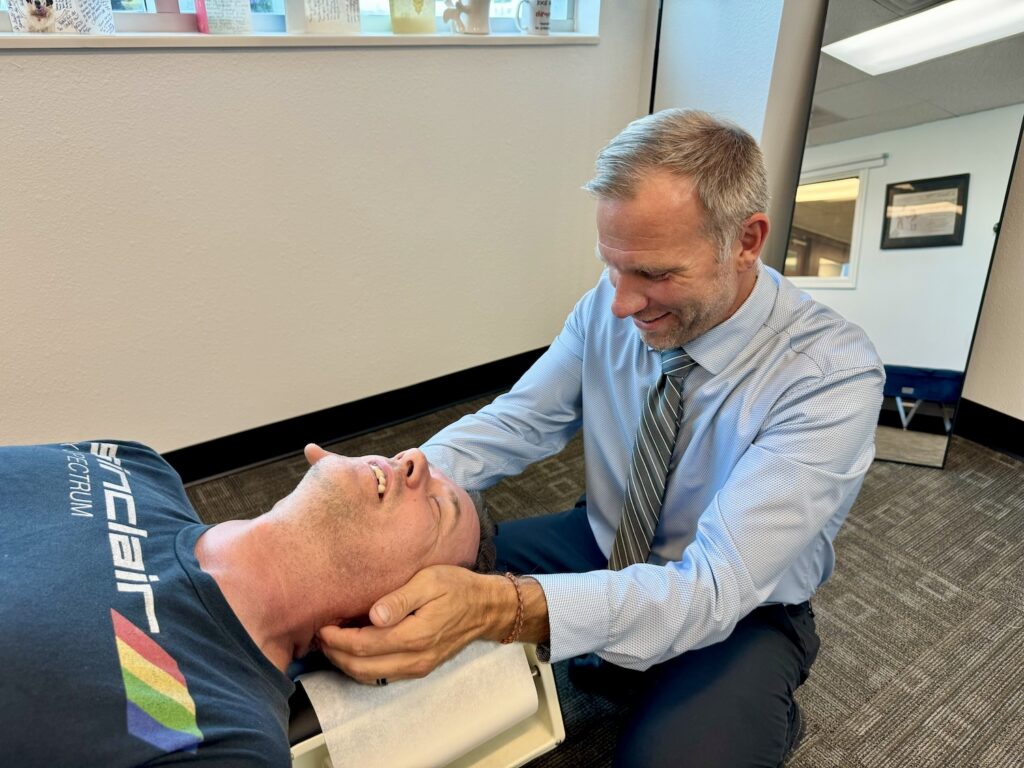
Back pain can be a frustrating and debilitating experience, but as your local chiropractor, I want to assure you that you don’t have to endure it alone. There are effective and reliable steps you can take to achieve lasting relief. Understanding the underlying causes of your pain is crucial, and I can help you with that.
Incorporating proper posture and engaging in specific exercises tailored to your needs are vital components of recovery. These practices not only alleviate pain but also strengthen your body against future issues. Additionally, mindfulness techniques and ergonomic adjustments to your daily routine can significantly enhance your healing process.
If you’re curious about how to implement these strategies effectively, I’m here to guide you. Together, we can explore essential components of your recovery journey, ensuring a holistic approach to your back pain relief. Let’s work together to help you regain your quality of life!
Understanding the Causes of Back Pain
As a local chiropractor, I want to help you understand the various causes of back pain so you can find effective relief. Many patients come to me experiencing discomfort due to muscle strains, often resulting from lifting heavy objects or making sudden movements.
It’s important to recognize that your back pain might also be linked to conditions such as herniated discs or arthritis. These issues can put pressure on your nerves, leading to chronic discomfort that may require specialized care.
Additionally, poor lifting techniques and repetitive motions can gradually strain your back over time. Even emotional stress can play a role, as it often causes muscle tightness that can lead to pain.
If you find yourself sitting or standing for long periods without breaks, this can negatively impact your spine, resulting in stiffness and discomfort.
By understanding these factors, you can begin to identify the root causes of your back pain. As a chiropractor, my goal is to help you address these underlying issues through natural healing approaches.
Together, we can work towards finding the right treatment plan to alleviate your pain and promote lasting relief. Remember, taking care of your spine is essential for your overall health and well-being!
Importance of Proper Posture
As your local chiropractor, I want to emphasize the importance of maintaining proper posture for your overall spine health. Many people underestimate how much posture affects their well-being, particularly when it comes to back pain.
When you adopt the right posture—whether sitting, standing, or moving—you help ensure that your spine is aligned properly. This alignment allows your body to distribute weight evenly, reducing unnecessary strain on your muscles and ligaments, which can lead to fatigue and discomfort.
You may not be aware, but habits like slouching or leaning forward can create tension in both your back and neck. By consciously keeping your shoulders back, your chin up, and your spine straight, you support the natural curvature of your spine. This not only promotes healthy spinal alignment but also alleviates existing discomfort.
I encourage you to pay close attention to your posture throughout the day, whether you’re working at a desk or simply walking around. Even small adjustments can lead to significant improvements in how you feel.
Remember, practicing good posture isn’t just about relieving current pain; it’s also a proactive step in preventing future discomfort. Take control of your posture today, and you’ll be investing in a healthier back for tomorrow.
If you have any questions or need personalized advice, I’m here to help you on your journey to wellness through natural healing.
Incorporating Regular Exercise
As your local chiropractor, I want to highlight the importance of incorporating regular exercise into your routine to effectively relieve back pain.
Engaging in specific exercises can significantly strengthen your core muscles and enhance your flexibility, both of which are crucial for maintaining a healthy spine.
Additionally, don’t overlook the vital role of stretching; it helps keep your muscles limber and alleviates tension that can contribute to discomfort.
Types of Beneficial Exercises
As a local chiropractor, I want to emphasize the importance of incorporating regular exercise into your daily routine to help alleviate back pain and enhance your overall mobility.
It’s essential to focus on low-impact activities that are gentle on your back while still delivering significant benefits. Activities like walking, swimming, and cycling can be excellent choices for maintaining an active lifestyle.
In addition to cardiovascular exercises, consider incorporating strengthening routines, such as core workouts and resistance training. These exercises are vital for supporting your spine and can significantly reduce discomfort over time.
Don’t overlook the benefits of stretching exercises as well; practices like yoga or Pilates can enhance your flexibility and help relieve tension in your back muscles.
Moreover, I encourage you to practice proper posture exercises that promote correct alignment. This can be an effective way to prevent further strain on your back.
It’s crucial to listen to your body during your workouts; if something feels off, it’s important to stop and reassess.
I recommend aiming for at least 30 minutes of exercise most days of the week. However, if you’re new to working out, it’s perfectly okay to start slowly and gradually build up your routine.
Consistency is key to achieving lasting relief from back pain, and I’m here to support you on your journey to better health through natural healing and chiropractic care.
Establishing a Routine
As a local chiropractor, I want to emphasize the importance of creating a consistent exercise routine for managing back pain. Setting aside specific times each week for physical activity can make a world of difference in your overall well-being.
Focus on exercises that strengthen your core and enhance flexibility, as these are vital for supporting your spine.
I recommend aiming for at least 30 minutes of activity most days, but it’s crucial not to push yourself too hard at the beginning. Gradually increasing the intensity of your workouts as your strength improves will help you avoid injury.
Incorporating low-impact activities—such as walking, swimming, or cycling—can keep your routine enjoyable while minimizing strain on your back.
Always listen to your body; if something doesn’t feel right, it’s important to stop and reassess.
By committing to a regular exercise routine, you won’t only help alleviate your back pain but also promote your overall health. Stick with it, and you’ll likely notice positive changes!
If you have any questions or need guidance on specific exercises, feel free to reach out; I’m here to help you on your journey to better health through natural healing.
Importance of Stretching
As a local chiropractor, I want to emphasize the crucial role that stretching plays in your overall health and well-being, especially when it comes to maintaining a strong core. Many people focus solely on strengthening exercises, but neglecting stretching can hinder your progress and lead to discomfort.
Stretching not only enhances your flexibility and improves your range of motion but also plays a vital role in preventing injuries. Incorporating stretches that specifically target your back and surrounding muscles can significantly promote better posture and alleviate tension throughout your body.
I recommend including dynamic stretches before your workouts to warm up your muscles, followed by static stretches afterward to cool them down effectively. This approach ensures that your muscles aren’t only prepared for activity but also recover properly afterward.
Regular stretching can help reduce stiffness, making everyday activities more manageable. Keep in mind that a flexible body supports a strong core, which can lead to lasting relief from back pain.
I encourage you to make stretching an essential part of your exercise routine; it’s a simple yet powerful practice for enhancing your overall health and supporting your journey toward natural healing.
Stretching Techniques for Relief
As a local chiropractor, I want to share with you some effective stretching techniques that can significantly help alleviate back pain. These methods not only improve flexibility but also reduce muscle tension, promoting better overall spinal health.
Let’s start with a gentle stretch known as the cat-cow pose. This involves alternating between arching and rounding your back, which helps warm up your spine and enhances mobility. It’s a simple yet effective way to get your body moving and prepared for deeper stretches.
Next, consider trying the child’s pose. This stretch is fantastic for lengthening your lower back and shoulders while also encouraging relaxation. It’s a great way to connect with your body and ease any tightness you may be feeling.
Another valuable stretch is the seated forward bend, where you sit with your legs extended and reach for your toes. This stretch targets your hamstrings and lower back. Aim to hold this position for about 15-30 seconds, allowing your body to gradually release tension.
Don’t overlook the supine spinal twist, which is performed while lying on your back. Bring one knee across your body to facilitate a gentle rotation of your spine. This twist can deeply relieve tightness and improve your spinal mobility.
As you practice these stretches, remember to hold each position for at least 20-30 seconds and focus on your breathing. Deep breaths can enhance the benefits of each stretch, promoting a more profound sense of relaxation.
By incorporating these techniques into your routine, you can experience lasting relief and improve your overall back health.
It’s essential to listen to your body during these activities. If something doesn’t feel right, don’t push yourself too hard. Chiropractic care, combined with these natural stretching techniques, can help you achieve the relief you’re seeking.
Heat and Cold Therapy
As a local chiropractor, I want to share some valuable insights about managing back pain through natural methods like heat and cold therapy. Many of my patients find quick relief using these techniques.
Heat therapy, for instance, enhances blood circulation and helps to relax tight muscles, which can be incredibly beneficial for those experiencing stiffness or tension. On the other hand, cold therapy is effective in reducing inflammation and numbing sharp pain, making it a great option for acute injuries.
Understanding when to apply each method is crucial in your recovery journey. For example, heat is often best used for chronic pain or muscle tightness, while cold therapy is ideal for recent injuries or flare-ups.
Benefits of Heat Therapy
As a local chiropractor, I want to share with you the benefits of heat therapy for alleviating back pain, particularly if you’re experiencing tight muscles or stiffness.
Heat therapy is a practical and soothing method that can help you feel better. By applying warmth to the affected area, you can increase blood circulation, which promotes healing and relaxation.
You might consider using a heating pad, hot water bottle, or even enjoying a warm bath. The gentle heat penetrates deep into your muscles, helping to ease tension and discomfort.
I often recommend heat therapy not only for pain relief but also for improving your range of motion. It’s particularly effective when used before physical activities or stretches, as it warms up your muscles and makes them more flexible.
When using heat therapy, remember to apply it for 15-20 minutes at a time to avoid overheating your skin.
Embracing this simple yet effective approach can significantly enhance your comfort and overall well-being. If you have any questions or need further guidance on incorporating heat therapy into your routine, feel free to reach out!
Cold Therapy Techniques
As a local chiropractor, I want to share some valuable insights on cold therapy techniques that can significantly aid in managing back pain, particularly when inflammation or swelling is an issue.
Utilizing cold therapy can numb the affected area and alleviate discomfort, making it an excellent addition to your healing journey. Here are three effective cold therapy methods you can easily incorporate into your routine:
- Ice Packs: One of the simplest ways to apply cold therapy is by using ice packs. You can wrap a towel around a bag of ice or use a gel pack designed for this purpose. Apply it to the painful area of your back for 15-20 minutes at a time. This method can help reduce inflammation and provide immediate relief.
- Cold Compresses: Another effective option is to soak a cloth in cold water, wring it out, and place it on the area experiencing pain. This technique offers quick relief and can be a convenient way to manage discomfort throughout the day.
- Frozen Vegetables: You might be surprised to learn that a bag of frozen peas or corn can serve as an effective cold pack. These bags can easily mold to the contours of your back, providing targeted cold therapy while adhering to the shape of your body.
Incorporating these cold therapy techniques into your daily routine can enhance your pain management strategy and support your overall recovery.
If you have any questions or need further guidance on how to integrate these methods into your care plan, please don’t hesitate to reach out. Your journey to better health is important to us!
When to Use Each
As your local chiropractor, I want to help you understand the effective ways to manage your back pain, particularly through the use of heat and cold therapy. Knowing when to apply each can significantly enhance your recovery process.
Cold therapy is highly beneficial for acute injuries, such as a recent strain or sprain. It works wonders in reducing inflammation and numbing sharp pain. I recommend applying ice packs or cold compresses for about 15-20 minutes at a time.
Be sure to allow your skin to return to its normal temperature between applications to avoid any skin damage.
Conversely, heat therapy is ideal for managing chronic pain or muscle stiffness. The warmth helps to relax and soothe tight muscles, while also improving blood flow to the affected areas.
You can use a heating pad or a warm towel for 15-30 minutes, just be sure it’s at a comfortable temperature – it shouldn’t be too hot to touch.
By understanding when to use heat or cold therapy, you can tailor your pain management approach and find the relief you need.
If you have any questions or would like more personalized advice, feel free to reach out during your next visit!
Ergonomic Adjustments at Work
As a local chiropractor, I often see how long hours at a desk can lead to discomfort and back pain.
However, making ergonomic adjustments in your workspace can significantly help alleviate these issues and promote better overall health.
Here are three essential adjustments I recommend for your comfort:
- Chair Height: It’s crucial to adjust your chair so that your feet are resting flat on the floor and your knees form a 90-degree angle. If your feet don’t reach the floor, a footrest can be very beneficial. This position helps support your spine and reduces strain.
- Monitor Position: Your monitor should be at eye level and about an arm’s length away from you. This encourages a neutral neck position, which is vital for minimizing strain and preventing discomfort in your neck and upper back.
- Keyboard and Mouse: Keep your keyboard and mouse close enough so that your elbows can remain at your sides. When typing, ensure your wrists are straight and relaxed. This posture helps to prevent repetitive strain injuries and supports healthy alignment of your shoulders and back.
By implementing these ergonomic adjustments, you can enhance your productivity at work while also reducing the risk of back pain and discomfort during those long hours.
Remember, your comfort is essential, and small changes can lead to significant improvements in your health and well-being.
If you have any questions or need further guidance, feel free to reach out!
Mindfulness and Stress Management
As a local chiropractor, I want to emphasize the importance of incorporating mindfulness into your daily routine for not only managing stress but also enhancing your overall well-being. By learning to focus on the present moment, you can help alleviate anxiety that often worsens back pain. I recommend starting with simple practices like deep breathing or meditation for just a few minutes each day. These techniques can help you connect with your body, allowing you to become more aware of areas of tension and discomfort.
You might also explore mindful movement, which includes practices like yoga or tai chi. These activities not only promote flexibility and strength but also help calm your mind, supporting your body’s natural healing processes.
It’s crucial to understand that effective stress management isn’t just about finding physical relief; it plays a significant role in managing pain more effectively.
Additionally, I encourage you to cultivate a positive mindset. Keeping a journal of your thoughts or practicing gratitude can shift your focus away from pain and towards appreciation for your body and its capabilities.
Seeking Professional Help
When back pain becomes a persistent issue, understanding the benefits of chiropractic care can greatly enhance your recovery journey. Many individuals attempt to manage their discomfort on their own, but seeking a chiropractor’s expertise often leads to more effective and holistic solutions.
Here are three important steps I encourage you to consider:
- Consult a Chiropractor: Begin by scheduling an appointment with a chiropractor who specializes in assessing spinal health. We’ll evaluate your condition and create a personalized treatment plan aimed at restoring proper alignment and function.
- Consider Diagnostic Imaging: If necessary, I may recommend X-rays or MRIs to get a clearer picture of any underlying issues affecting your spine and overall health. This can help us tailor a more effective approach to your care.
- Explore Natural Treatment Options: Based on your assessment and diagnosis, we can explore various treatment options. These may include chiropractic adjustments, therapeutic exercises, and lifestyle modifications designed to alleviate your discomfort and promote natural healing.
Lifestyle Changes for Long-Term Health
As a local chiropractor, I want to share how making positive lifestyle changes can significantly enhance your long-term health and help prevent back pain from returning. One of the most effective ways to achieve this is by incorporating regular exercise into your daily routine.
I recommend focusing on low-impact activities such as swimming, walking, or yoga. These exercises are excellent for strengthening your core muscles and improving your flexibility, both of which are crucial for maintaining a healthy spine.
Another important aspect to consider is your posture, particularly if you spend long hours sitting at a desk or using your phone. I encourage you to invest in ergonomic furniture that supports your spine properly. Good posture can alleviate unnecessary strain on your back and help you feel more comfortable throughout the day.
Nutrition also plays a vital role in your overall health and recovery. A balanced diet that’s rich in anti-inflammatory foods—like fresh fruits, vegetables, and whole grains—can help reduce pain and promote healing.
Don’t forget the importance of hydration, as keeping your body well-hydrated supports the health of your muscles and spinal discs.
Lastly, it’s essential to manage stress, as it can lead to muscle tension and exacerbate pain. Incorporating mindfulness techniques or meditation into your routine can be incredibly beneficial in reducing stress levels.
By embracing these lifestyle changes, you’ll not only lower your risk of back pain but also enhance your overall well-being, leading to a healthier and more active life.
I’m here to support you on this journey to better health through natural healing methods.
Conclusion
As your local chiropractor, I want to share some reliable steps that can lead to lasting relief from back pain. Understanding the importance of proper posture is crucial; it sets the foundation for your overall spinal health. Incorporating regular exercise into your routine can strengthen the muscles that support your back, while effective stretching helps maintain flexibility.
Additionally, utilizing heat and cold therapy can provide immediate relief and reduce inflammation. Making ergonomic adjustments in your workspace and daily activities can significantly improve your posture and reduce strain on your back. I also encourage you to practice mindfulness techniques to help manage stress, which can often exacerbate pain.
If you find that your pain persists, I’m here to help. Seeking professional guidance can lead to tailored solutions that address your unique needs. By embracing these changes, you can work towards a healthier, pain-free life and enjoy the freedom of movement you deserve. Remember, natural healing through chiropractic care is not just about treating pain; it’s about enhancing your overall well-being.