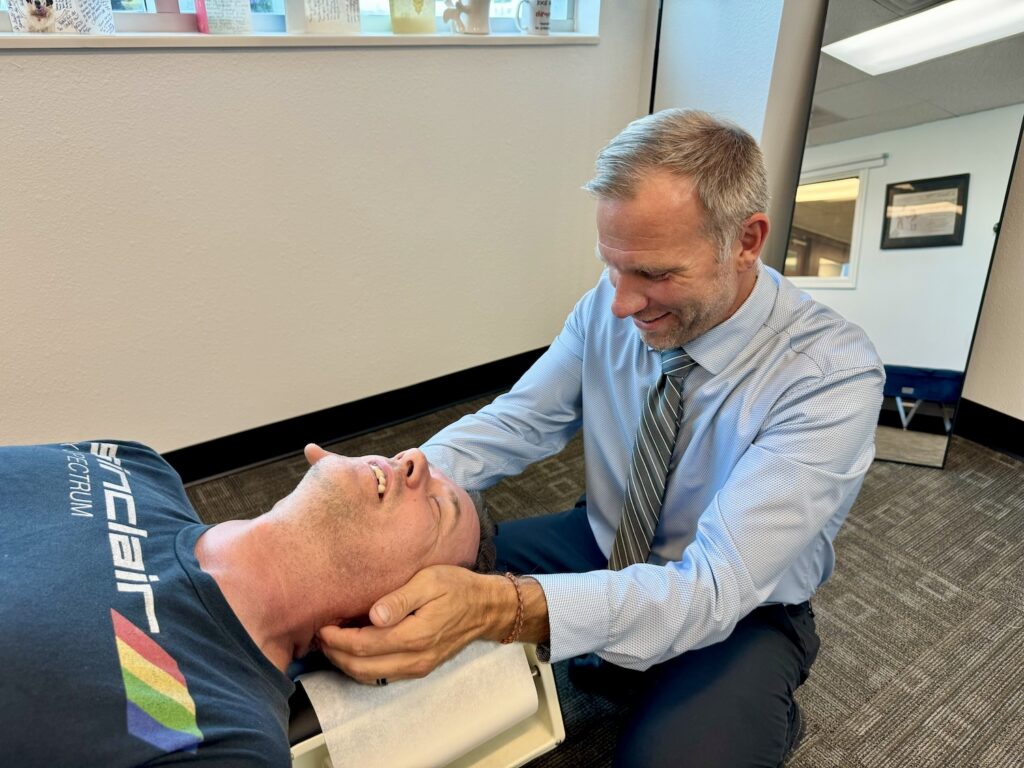
If you're experiencing upper back discomfort, know that you're not alone in this struggle. Many individuals face similar challenges, often stemming from poor posture, stress, or the everyday demands of life. As a local chiropractor, I want to help you understand the underlying causes of your discomfort and share effective relief strategies that can truly make a difference.
Chiropractic care focuses on the alignment of your spine and overall body mechanics, which can significantly impact your comfort levels. While immediate solutions can provide relief, I also emphasize the importance of long-term lifestyle changes to prevent future pain. By adopting healthier habits and incorporating chiropractic adjustments into your routine, you can create a foundation for lasting well-being.
Are you curious about the best techniques and adjustments that can help you reclaim your comfort? Let's explore some practical approaches together that can lead you toward a more comfortable life, free from the limitations of upper back pain. Your journey to wellness starts with understanding how your body works and how natural healing can play a vital role in your recovery.
Understanding Upper Back Discomfort
As a chiropractor, I often see patients who struggle with upper back discomfort, a prevalent issue that can stem from various factors such as poor posture, muscle strain, or extended periods of sitting. Many of us find ourselves hunched over our computers or slouched on the couch, which can lead to overworked and fatigued muscles in the upper back. This strain can manifest as tightness and pain, making even the simplest daily tasks feel uncomfortable.
To better understand your upper back discomfort, it's essential to recognize its symptoms. You might experience a dull ache, sharp pain, or a sensation of tightness around your shoulder blades or spine. In some cases, this discomfort can radiate to the neck or arms, restricting your range of motion and making everyday activities more challenging.
It's crucial to listen to your body and note how these sensations affect your daily life, as they may indicate that your body needs some attention and care. You may also find that certain activities worsen your discomfort. For example, lifting heavy objects or performing repetitive motions can trigger flare-ups. Keeping a record of these activities can help you avoid them in the future and guide your approach to finding relief.
Incorporating regular breaks into your daily routine can significantly improve your upper back discomfort. I encourage you to stand up, stretch, and reassess your workspace to foster better posture.
Additionally, strengthening the muscles in your upper back and enhancing your flexibility can be beneficial in alleviating discomfort. By gaining a deeper understanding of your upper back discomfort and its underlying causes, you can take proactive steps towards managing it effectively and improving your overall well-being.
Common Causes of Pain
As a local chiropractor, one of my primary goals is to help you understand the common causes of upper back pain and how we can work together to find effective relief. You may be surprised to learn that everyday habits can significantly contribute to your discomfort. By identifying these triggers, we can take proactive steps towards alleviating your pain and enhancing your overall quality of life.
Let's explore some of the most prevalent causes of upper back pain that I encounter in my practice:
- Poor ergonomics: Many of us spend long hours sitting at desks without proper support. This can lead to muscle strain and tension in your upper back. Adjusting your workstation to support a better posture is crucial.
- Muscle strain: Engaging in physical activities without proper technique, or lifting heavy objects incorrectly, can result in muscle injuries that leave you feeling sore and achy. It's important to be mindful of how you move your body.
- Stress and tension: Emotional stress can manifest physically, often leading to tightness in the upper back and shoulders. Recognizing this connection is key to addressing your discomfort.
Understanding the underlying causes of your pain is essential for effective treatment. In our chiropractic sessions, we can discuss strategies to adjust your posture and improve your workspace ergonomics.
I often recommend incorporating regular breaks and gentle stretching into your daily routine, which can help alleviate tension and improve your overall comfort.
Moreover, managing stress through relaxation techniques such as yoga or deep breathing exercises can have a significant impact on how you feel.
As we work together, I'll guide you in evaluating your daily habits and help identify potential causes of your upper back pain.
Taking these proactive steps can set you on the path to relief. Together, we can develop a personalized plan that not only addresses your pain but also supports a more active and fulfilling lifestyle.
Let's work towards getting you back to feeling your best!
Importance of Good Posture
As your local chiropractor, I want to emphasize the critical role that good posture plays in your overall well-being, especially when it comes to alleviating upper back discomfort.
Maintaining proper alignment not only supports your spinal health but also minimizes the strain on your muscles, which can lead to better mobility and less pain.
To help you achieve better posture in your everyday life, I'd like to share some effective techniques that you can easily incorporate.
Simple adjustments to how you sit, stand, and move can make a significant difference in how you feel.
Remember, good posture isn't just about looking confident—it's about feeling your best and promoting natural healing throughout your body.
Together, we can work on strategies tailored to your lifestyle that will improve your posture and enhance your overall health.
Benefits of Proper Alignment
As your local chiropractor, I want to share with you the significant benefits of maintaining proper alignment in your spine and overall body. Many people may not realize that good posture is more than just standing up straight; it's a key component to enhancing your overall well-being and alleviating discomfort, especially in the upper back.
When you prioritize proper alignment, you're not only addressing pain but also providing your body with the support it needs to thrive. Here are some essential benefits of maintaining good alignment:
- Improved Breathing: When your spine is aligned correctly, your lungs have the space to expand fully, which enhances your oxygen intake. This can lead to higher energy levels throughout your day.
- Enhanced Mood: Did you know that simply standing tall can have a profound impact on your mood? Good posture has been shown to boost confidence and reduce feelings of anxiety, contributing to a more positive outlook on life.
- Increased Focus: Proper alignment minimizes distractions related to discomfort, allowing you to concentrate better on your daily tasks. With less pain to distract you, you can engage more fully in your work and personal life.
By understanding and incorporating these principles of alignment into your daily routine, you can take significant steps toward a healthier, more vibrant lifestyle.
Let's work together to achieve that!
Impact on Spinal Health
As a local chiropractor, I want to emphasize the vital role proper posture plays in maintaining a healthy spine. When you practice good posture, you're not just standing straight; you're actively distributing weight evenly across your spine. This balance reduces strain on the muscles and ligaments that support your back, significantly lowering the risk of discomfort or injuries that could lead to chronic pain.
Many people don't realize that slouching or hunching your shoulders can place excessive pressure on your upper back. Over time, this can create tension and discomfort that might seem minor at first but can escalate into more significant issues. That's why I encourage everyone to be mindful of their posture throughout the day.
Good posture also promotes ideal spinal alignment. An aligned spine supports the natural curves of your body, which allows your muscles to function more efficiently. This efficiency can enhance your overall mobility and reduce fatigue, making it easier for you to engage in daily activities without discomfort.
Moreover, maintaining proper posture can improve your lung capacity and breathing. When your torso is aligned, your lungs have the space they need to expand fully, which can enhance your oxygen intake and boost your energy levels.
By prioritizing good posture, you're not only protecting your spine but also investing in your overall health and well-being.
Techniques for Better Posture
As a local Chiropractor, I want to emphasize the importance of maintaining good posture, which plays a crucial role in your overall health and well-being. Many people are unaware of how their body's alignment affects their daily life. Even small adjustments can lead to significant improvements in how you feel.
Remember, good posture isn't solely about standing tall; it's about finding the right balance between engaging your muscles and allowing them to relax.
Here are some techniques I encourage you to incorporate into your daily routine to help improve your posture:
- Engage your core: A strong core supports your spine and helps reduce strain on your upper back. Simple exercises can strengthen your abdominal muscles, providing a solid foundation for your posture.
- Monitor your screen height: If you spend time at a desk, ensure that your computer monitor is at eye level. This adjustment can prevent you from slouching and protect your spine from unnecessary stress.
- Take regular breaks: It's essential to stand up, stretch, and move around every hour. This practice keeps your muscles active and helps prevent stiffness, which is vital for maintaining proper alignment.
Incorporating these techniques into your daily life can go a long way in promoting proper posture. Consistency is key; by consciously adjusting your posture throughout the day, you can alleviate discomfort and enhance your overall health.
I encourage you to start making these changes today—your upper back will definitely thank you in the long run! If you have any questions or need personalized advice, feel free to reach out to my office. Together, we can work towards achieving a healthier posture for you!
Effective Stretching Techniques
Incorporating effective stretching techniques into your daily routine can significantly help alleviate upper back discomfort. As your chiropractor, I want to share some simple yet highly effective stretches that you can easily integrate into your life.
One of my favorites is the "cat-cow" stretch, which is excellent for mobilizing your spine. Begin by getting on all fours, ensuring your wrists are directly beneath your shoulders and your knees are under your hips. As you take a deep breath in, arch your back and lift your head toward the ceiling—this is the cow position. Then, as you exhale, round your spine and tuck your chin to your chest, transitioning into the cat position. Repeat this flow five to ten times, paying attention to the movement of your spine. This stretch can help improve flexibility and relieve tension in your upper back.
Next, let's talk about the "thoracic spine rotation." This stretch can be done while seated comfortably in a chair. Keep your feet flat on the ground and place your right hand behind your head. Gently twist your torso to the right while using your left hand to guide the movement. Hold for a few seconds before returning to the center and switching sides. This stretch is particularly beneficial for increasing flexibility and reducing stiffness in your upper back.
Don't overlook the "chest opener" stretch. Stand tall and clasp your hands behind your back, pulling your shoulders down and back while gently lifting your arms. Hold this position for 15 to 30 seconds. You should feel a nice stretch across your chest and upper back, which is crucial for counteracting the effects of poor posture.
Lastly, consider incorporating the "neck stretch" into your routine. Whether seated or standing, tilt your head to one side and gently pull down with your hand on the opposite side for added tension. Hold this stretch for about 15 seconds, then switch sides. Regularly practicing these stretches can make a significant difference in your upper back comfort and overall well-being.
As your chiropractor, I encourage you to integrate these stretches into your daily routine. They're a natural and effective way to support your spinal health and alleviate discomfort. If you have any questions or would like personalized guidance, don't hesitate to reach out!
Strengthening Exercises to Try
As a chiropractor dedicated to helping you achieve better health, I want to emphasize the importance of strengthening your upper back muscles to alleviate discomfort.
Engaging in targeted exercise routines can significantly enhance your posture and overall strength, which are crucial for your well-being.
It's essential to maintain proper form during these exercises—not only to maximize their benefits but also to prevent potential injuries.
Key Muscle Groups Targeted
At our chiropractic clinic, we often emphasize the importance of strengthening the upper back for alleviating discomfort and improving posture. Many patients may not realize that focusing on specific muscle groups can significantly enhance their overall well-being, support their spine, and relieve tension.
Here are the key muscle groups we like to highlight:
- Rhomboids: These critical muscles help retract your shoulder blades, which is vital for maintaining proper alignment. Strengthening them can lead to better posture and reduced strain on the neck and shoulders.
- Trapezius: This large muscle spans from your neck down to your back and plays a vital role in stabilizing and moving the shoulder girdle. A strong trapezius can help prevent shoulder pain and improve mobility.
- Latissimus Dorsi: These broad muscles contribute to arm movement and are essential for supporting the spine. Building strength in the latissimus dorsi can provide additional stability and reduce the risk of injury.
Incorporating exercises that target these muscle groups is a fantastic way to improve functionality in your daily activities and minimize discomfort.
By consistently engaging these muscles, you're not only creating a stronger foundation for your upper back but also allowing for better mobility and less strain during routine movements.
Remember, consistency is crucial! As you strengthen these areas, you may notice a significant reduction in tension and discomfort, leading to improved posture and an enhanced sense of well-being.
We encourage our patients to consider these exercises as part of their overall health routine, as they complement the adjustments and therapies we provide in our clinic.
Your journey to better health starts with understanding how your body works!
Recommended Exercise Routines
As a local chiropractor, I want to share some valuable insights on how to strengthen your upper back and alleviate discomfort through targeted exercise routines. Strengthening this area can significantly enhance your overall posture and well-being.
One effective exercise to consider is the bent-over row. To perform this exercise, grab a pair of dumbbells, hinge at your hips, and pull the weights towards your lower ribcage. Be sure to squeeze your shoulder blades together at the top of the movement. This exercise not only builds strength but also encourages proper alignment of the spine. Aim for three sets of 10 to 12 repetitions.
Another beneficial exercise is the reverse fly. Begin with a slight bend in your knees and lean forward. Extend your arms out to the sides, keeping a slight bend in your elbows. This movement specifically targets your rear deltoids and upper back, helping to improve muscle balance and posture. Again, aim for three sets of 10 to 12 repetitions.
Let's not overlook the wall angels! Stand with your back against a wall and raise your arms in a "W" position. Slowly slide your arms up into a "Y" position while ensuring that your back and arms remain in contact with the wall. This exercise is fantastic for promoting mobility and strengthening your upper back. Perform three sets of 8 to 10 repetitions.
Incorporating these routines into your regular workout regimen can lead to a stronger, more resilient upper back, which in turn supports your chiropractic care and overall health.
Tips for Proper Form
As a local chiropractor, I want to emphasize the importance of maintaining proper form during your strengthening exercises. This practice is crucial not only for maximizing the benefits but also for preventing injuries. When you perform exercises with the right alignment, you can effectively engage the targeted muscles while minimizing the risk of strain.
Here are some tips to help you ensure you maintain good form:
- Engage Your Core: Activating your core muscles is vital for providing stability and supporting your spine. Engaging your core helps you maintain an upright posture and prevents excessive arching of your back, which is key for overall spinal health.
- Keep Your Shoulders Back: It's important to avoid rounding your shoulders forward during exercises. Instead, focus on pulling your shoulder blades back and down. This position opens up your chest, aligns your upper back, and helps prevent any discomfort that may arise from poor posture.
- Breathe Properly: One common mistake is holding your breath while exercising. It's essential to practice rhythmic breathing instead. Inhale during the easier part of the movement, and exhale during the exertion phase. This technique not only keeps your body oxygenated but also helps you maintain better control throughout your exercises.
By following these tips, you can enhance your exercise routine and support your body's natural healing processes.
If you have any questions about your form or how to prevent injuries, feel free to reach out. Your health and well-being are our top priorities!
Ergonomic Workspace Solutions
As a local chiropractor, I want to share some valuable insights on creating an ergonomic workspace to help alleviate upper back discomfort during your workday. Many of my patients experience pain due to poor posture and workspace setup, but with a few simple adjustments, you can significantly enhance your comfort and productivity.
First, let's talk about your chair. It's crucial to choose one that offers proper support for your lower back. Your feet should rest flat on the floor; if your chair lacks this feature, consider using a lumbar support cushion to help maintain the natural curve of your spine.
Next, focus on your desk height. Ideally, your elbows should be at a 90-degree angle when typing, with your wrists remaining straight. An improperly positioned desk can lead to strain in your back and shoulders over time. If your desk isn't adjustable, you may want to explore using a keyboard tray or a different arrangement that better suits your body's needs.
Your monitor's positioning is equally important. Ensure that it's at eye level and approximately an arm's length away. This setup prevents you from leaning forward or looking down, both of which can contribute to back tension. You can use a monitor stand or stack some books to elevate your screen if needed.
Don't overlook the placement of your keyboard and mouse. They should be close enough to your body to prevent any reaching, allowing your arms to rest comfortably at your sides. Consider investing in an ergonomic keyboard or mouse, as these are specifically designed to reduce strain on your wrists and hands.
Lastly, make it a habit to take regular breaks. Standing, stretching, and walking around periodically can help keep your muscles engaged and reduce stiffness.
By implementing these ergonomic workspace solutions, you can create a healthier work environment that supports not just your upper back, but your overall well-being.
If you have any questions or need personalized advice on how to improve your workspace for better spinal health, don't hesitate to reach out. Your comfort and health are my top priorities!
Benefits of Heat and Cold Therapy
As a local chiropractor dedicated to helping you understand natural healing methods, I want to share how heat and cold therapy can be effective tools in managing upper back discomfort.
These two therapies offer unique benefits that can significantly alleviate pain and promote healing, allowing you to regain your comfort and mobility.
Heat therapy works by increasing blood flow to the affected area, which helps relax tight muscles and reduce stiffness. This can be particularly beneficial if you find yourself sitting for long periods or have recently strained your back muscles.
Conversely, cold therapy is excellent for reducing inflammation and numbing sharp pain, making it a go-to option for recent injuries or flare-ups.
Let's take a closer look at some key benefits of using heat and cold therapy for your upper back:
- Pain Relief: Both heat and cold therapies can provide immediate relief, enabling you to go about your daily activities with less discomfort.
- Improved Flexibility: Heat therapy is fantastic for loosening tight muscles, enhancing your range of motion, and making it easier to stretch effectively.
- Reduced Inflammation: Cold therapy is particularly useful for minimizing swelling, allowing for a quicker recovery from injuries.
When incorporating these therapies into your routine, I recommend applying heat or cold for about 15-20 minutes at a time.
Always use a protective barrier, such as a towel, to shield your skin from extreme temperatures.
By understanding and utilizing heat and cold therapy, you can take proactive steps in managing upper back discomfort and enjoy a more active and fulfilling lifestyle.
If you have any questions or would like to learn more about how chiropractic care can complement these therapies, feel free to reach out!
Mindfulness and Stress Relief
As a local chiropractor, I want to share how mindfulness can significantly aid in alleviating upper back discomfort. Many people are unfamiliar with the benefits of chiropractic care and natural healing, but incorporating mindfulness into your routine can enhance your overall well-being.
Practicing mindful breathing techniques helps you to become more aware of your body and the tension it holds. By engaging in body awareness exercises, you can identify areas of discomfort and learn to gently release that tension.
Additionally, stress reduction strategies can further support your healing journey. By focusing on the present moment, you can't only find relief from upper back pain but also promote a sense of calm and balance in your life.
I encourage you to explore these mindfulness practices alongside your chiropractic care to experience a holistic approach to your health.
Mindful Breathing Techniques
As a local chiropractor dedicated to your well-being, I want to introduce you to the transformative power of mindful breathing techniques. These simple practices not only help relieve upper back discomfort but also promote a profound sense of relaxation and calm.
By incorporating mindful breathing into your daily routine, you can enhance your body's natural healing processes. Here's how you can easily integrate these techniques:
- Deep Belly Breathing: Find a comfortable seated or lying position. Place one hand on your belly and the other on your chest. Inhale deeply through your nose, allowing your belly to rise more than your chest. As you exhale slowly through your mouth, feel your belly fall. Practicing this for several minutes can help release tension in your back and encourage relaxation.
- 4-7-8 Breathing: This technique is particularly effective for reducing anxiety and easing upper back tension. Inhale through your nose for a count of 4, hold your breath for a count of 7, then exhale through your mouth for a count of 8. This rhythmic pattern helps to ground you and promotes a sense of tranquility.
- Box Breathing: This structured method is excellent for regaining focus and alleviating stress. Inhale for a count of 4, hold that breath for another count of 4, exhale for a count of 4, and hold again for 4 before starting the cycle anew. This technique not only calms the mind but can also help relieve physical tension in your upper back.
By making these mindful breathing techniques a part of your daily life, you may experience significant relief from upper back discomfort.
Body Awareness Practices
As a chiropractor, I want to emphasize the importance of body awareness practices in managing upper back discomfort and promoting overall well-being. Many people are unfamiliar with how our bodies communicate tension and stress, and by tuning into these signals, you can prevent discomfort from escalating.
To begin, find a comfortable position, whether that's sitting in a chair or lying on a supportive surface. Close your eyes and take a few deep breaths, allowing your body to unwind with each exhale. This simple practice can set the stage for greater awareness.
Now, focus your attention on your upper back. Pay close attention to any areas that may feel tight or painful. Rather than judging these sensations, simply observe them. This mindfulness practice can help you appreciate the connection between your mind and body, which is crucial in chiropractic care.
Incorporating gentle movements can further enhance your experience. For example, stretching your arms overhead or rolling your shoulders back can help release built-up tension. I also encourage exploring somatic exercises, which allow you to engage more deeply with the sensations in your body.
By regularly practicing body awareness, you can manage discomfort more effectively and reduce stress levels. This proactive approach not only aids in pain relief but also empowers you to respond to discomfort in healthier ways.
Prioritizing body awareness is an essential step toward achieving lasting relief from upper back discomfort and improving your overall health. As your chiropractor, I'm here to guide you on this journey to natural healing and wellness.
Stress Reduction Strategies
As a local chiropractor, I want to share with you the important link between stress and physical discomfort, especially when it comes to upper back pain. Many people may not realize that elevated stress levels can lead to muscle tension, causing discomfort and pain in the upper back area.
By incorporating stress reduction strategies into your daily routine, you can significantly improve your overall well-being and manage your pain more effectively.
Here are some techniques that I often recommend to my patients for relaxation and stress relief:
- Mindfulness Meditation: Take just a few minutes each day to focus on your breathing. This simple practice can help to calm your mind and release tension from your body, ultimately contributing to a reduction in back pain.
- Deep Breathing Exercises: Try inhaling deeply through your nose, holding your breath for a moment, and then exhaling slowly through your mouth. This method can trigger your body's natural relaxation response, which is essential for easing both stress and pain.
- Physical Activity: Engaging in regular physical activity, such as a brisk walk, is vital. Exercise releases endorphins, which are natural stress relievers that can also help reduce discomfort in your back.
By understanding how stress impacts your body, you can take proactive steps to alleviate your upper back pain.
When to Seek Professional Help
As a local chiropractor, I want to help you understand when it's important to seek professional assistance for upper back discomfort. Recognizing the right time to reach out can greatly influence your recovery journey.
If you're experiencing persistent pain that doesn't improve with home remedies or over-the-counter medications, it's a clear signal that professional evaluation is needed. Don't overlook symptoms that linger for more than a few days or intensify over time.
It's particularly important to consult with a healthcare professional if you feel sharp, stabbing pain, or if the discomfort travels down your arms or legs. These sensations may suggest nerve involvement or an underlying condition that requires attention.
Additionally, if routine activities—such as lifting, bending, or sitting—become challenging due to your discomfort, it's time to seek guidance from a chiropractor.
Stay alert for any accompanying signs like numbness, tingling, or weakness in your limbs, as these could indicate more serious issues that warrant immediate care. If you've experienced a recent traumatic injury to your back, don't wait to reach out. Early intervention can be crucial in preventing further complications and facilitating a smoother recovery process.
Lastly, if your pain is coupled with unexplained weight loss, fever, or changes in bowel or bladder habits, it's essential to seek medical help without delay. These symptoms could be indicative of serious conditions that require prompt diagnosis and treatment.
Your health is a priority, and I encourage you to reach out when you're uncertain. Early action can lead to better outcomes and help you return to your daily activities more quickly. As your chiropractor, I'm here to support you on your journey to natural healing and overall wellness.
Lifestyle Changes for Prevention
As a local chiropractor dedicated to your well-being, I want to share some valuable insights on how simple lifestyle changes can significantly reduce your risk of upper back discomfort.
By making a few key adjustments to your daily routine, you can't only strengthen your back but also enhance your posture, leading to long-lasting relief. Here are some effective strategies that I encourage you to consider:
– Practice Good Posture: It's crucial to maintain proper posture whether you're sitting, standing, or walking. Keeping your shoulders back and your spine aligned can make a big difference.
If you find yourself working at a desk for extended periods, I recommend investing in an ergonomic chair that properly supports your lower back.
– Stay Active: Engaging in regular physical activity is essential for strengthening your back muscles and improving flexibility. Aim for at least 30 minutes of moderate exercise on most days.
Activities such as swimming, walking, or yoga are particularly beneficial for your back health.
– Take Frequent Breaks: If you sit for long hours, it's important to make a habit of taking breaks. Stand up, stretch, and walk around every hour.
This simple practice can help relieve tension and improve circulation in your upper back, preventing discomfort.
By incorporating these lifestyle changes into your daily routine, you can significantly lower your chances of experiencing upper back discomfort.
Remember, consistency is key. By prioritizing these adjustments, you'll not only feel better but also promote long-term health for your back.
Conclusion
As a local chiropractor, I want to share some effective strategies that can significantly alleviate upper back discomfort. By paying attention to your posture and incorporating specific stretching and strengthening exercises into your daily routine, you can greatly improve your spine health.
Additionally, utilizing heat and cold therapy can provide immediate relief, while mindfulness practices can help manage the stress that often contributes to tension in the back. These lifestyle modifications not only address current pain but also serve as a preventative measure against future issues.
I encourage you to embrace these changes, as they can make a substantial difference in your well-being. However, if your discomfort continues, please reach out for professional guidance tailored to your individual needs. Together, we can work towards achieving a healthier, pain-free back. Your body will truly appreciate the care!