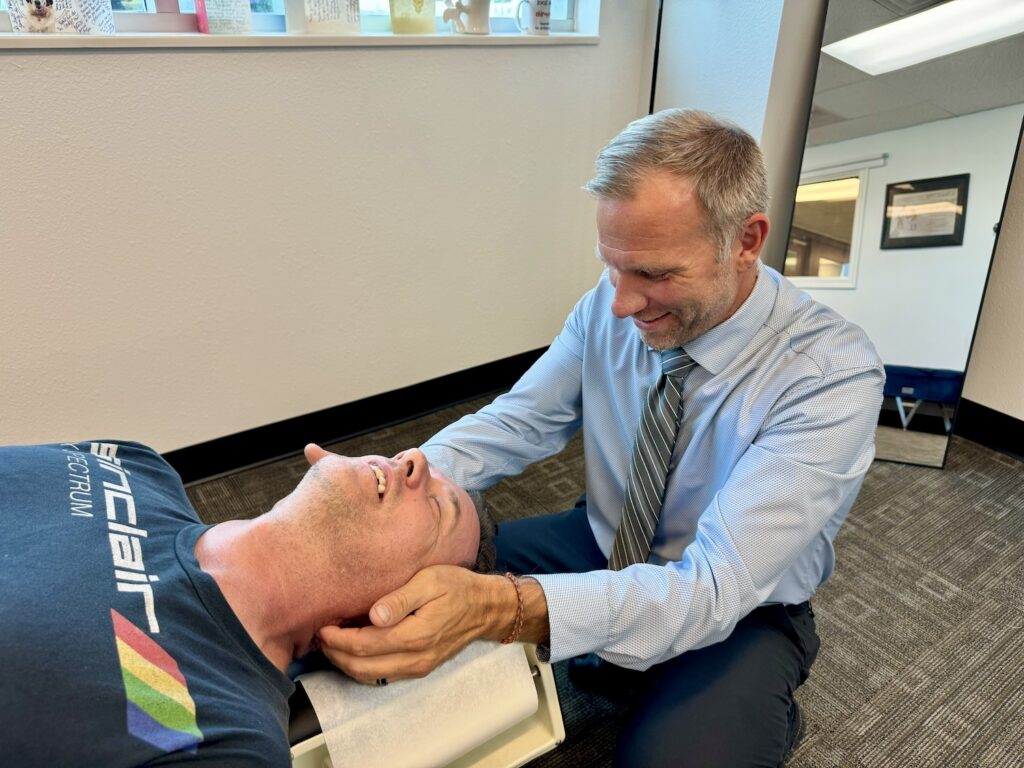
Tension headaches can be a real nuisance, making it challenging to focus on your daily tasks. Fortunately, you don’t have to suffer alone—there are effective, natural solutions to help you find relief and restore your comfort. As a chiropractor, I believe that spinal health plays a crucial role in overall wellness, and addressing any misalignments can significantly reduce the frequency and intensity of tension headaches.
Here are some simple techniques to consider incorporating into your routine:
- Posture Awareness: Poor posture, especially when sitting for long periods, can contribute to tension in your neck and shoulders. Be mindful of your posture throughout the day. Keep your head aligned with your spine and your shoulders relaxed. You might find that adjusting your workstation can make a big difference.
- Chiropractic Adjustments: Regular chiropractic care can help alleviate tension headaches by addressing spinal misalignments. A chiropractor can assess your spine and make adjustments to improve your overall function and comfort. This is a natural way to relieve tension without relying on medications.
- Relaxation Techniques: Incorporate relaxation methods such as deep breathing exercises, meditation, or gentle yoga into your daily life. These practices can help reduce stress, which is a common trigger for tension headaches.
- Stretching: Simple stretches can relieve tightness in your neck and shoulders. Try gently rolling your shoulders back, tilting your head side to side, or doing some neck stretches. Just a few minutes of stretching can provide significant relief.
- Hydration and Nutrition: Staying hydrated is essential for overall health. Dehydration can contribute to headaches, so make sure you drink plenty of water throughout the day. Eating a balanced diet rich in vitamins and minerals can also support your body’s natural healing processes.
- Regular Exercise: Engaging in regular physical activity helps reduce stress and tension, which can decrease the likelihood of headaches. Consider activities that you enjoy, whether it’s walking, cycling, or swimming.
Curious about how to implement these strategies into your life? Remember, taking care of your spine and overall health is a journey. Regular chiropractic visits can provide personalized guidance tailored to your needs, helping you achieve optimal health and wellness. Don’t let tension headaches control your life—take proactive steps toward relief today!
Key Takeaways
- Engage in deep breathing exercises to help relax your shoulders and neck. This simple practice can alleviate tension and discomfort, supporting your body’s natural healing process.
- Incorporate gentle stretches, like neck rolls and shoulder shrugs, to improve blood flow and reduce muscle tightness. Regular movement is essential for maintaining spinal health and overall well-being.
- Stay hydrated by drinking plenty of water and consuming hydrating foods such as fresh fruits and vegetables. Proper hydration is crucial in preventing headaches and promoting a healthy spine.
- Consider creating an ergonomic workspace that includes a supportive chair and proper screen height. This will help you maintain good posture, reducing strain on your spine and muscles.
- Remember to take regular breaks every hour to stand up, stretch, and give your mind a refresh. This practice minimizes built-up tension and supports your overall health.
As a chiropractor, I encourage you to explore these natural methods for relieving tension headaches and consider chiropractic care as a proactive approach to achieving optimal health and wellness. Regular adjustments can help align your spine, improve your posture, and enhance your body’s ability to heal itself.
Understanding Tension Headaches
Tension headaches are quite common, yet many people find it challenging to grasp their causes and symptoms. If you’ve ever felt a dull, aching pain around your forehead, temples, or the back of your head, you know how uncomfortable it can be. This sensation often feels like a tight band is squeezing your head.
Stress, poor posture, and muscle tension in the neck and shoulders are frequent culprits that can lead to these headaches. Additionally, factors like fatigue, anxiety, and dehydration may trigger them. Unlike migraines, tension headaches typically don’t come with nausea or sensitivity to light, which can make them easier to manage once you understand their origins.
As a chiropractor, I encourage you to recognize your personal triggers to help manage these headaches effectively. Here are some tips to consider:
- Maintain Good Posture: Being mindful of your posture, especially when sitting for long periods, can go a long way in reducing tension. Make sure your workstation is ergonomically friendly.
- Stay Hydrated: Drinking enough water throughout the day can help prevent dehydration, which is a common trigger for tension headaches.
- Incorporate Relaxation Techniques: Stress management is crucial. Practices such as deep breathing, meditation, or yoga can help alleviate tension in your body.
- Regular Chiropractic Care: Chiropractic adjustments can help relieve muscle tension and improve spinal alignment, which may reduce the frequency and intensity of your headaches.
- Keep a Headache Diary: Tracking your headaches can help identify patterns and pinpoint what exacerbates your discomfort, allowing both you and your chiropractor to develop a tailored approach to your care.
By understanding these aspects and implementing these tips, you can take proactive steps towards reducing the frequency and intensity of your tension headaches.
Embracing chiropractic care as part of your wellness journey can lead to lasting relief and help you regain control over your health and well-being. Remember, your body is designed to heal itself; chiropractic care can support that natural process.
Relaxation Techniques for Instant Relief
When you’re grappling with the discomfort of a tension headache, incorporating relaxation techniques can offer you immediate relief while also supporting your overall spinal health.
Start by finding a quiet space where you can sit or lie down comfortably. Close your eyes and take a few deep breaths, inhaling through your nose and exhaling through your mouth. As you breathe out, focus on relaxing the tension in your shoulders and neck, areas that are often affected by poor posture and spinal misalignments.
Next, try progressive muscle relaxation. This technique not only helps reduce tension but also encourages better alignment in your body. Tense each muscle group for five seconds, then release, starting from your toes and moving all the way up to your head.
Pay attention to how your body feels as you let go of that tension—this awareness can help you better understand your physical state and promote mindfulness about your posture.
Visualizing a peaceful scene can also be beneficial. Picture a serene beach or a tranquil forest, immersing yourself in the calming sights and sounds. This mental imagery can help shift your focus away from the discomfort and promote relaxation, which is vital for your overall wellness.
Lastly, don’t underestimate the effectiveness of mindful meditation. Spend a few moments observing your thoughts without judgment, allowing them to drift away. This practice can enhance your mental clarity and stress management, which are essential for maintaining a healthy spine and body.
Incorporating these relaxation techniques into your routine not only provides quick relief but also complements the benefits of chiropractic care. Regular chiropractic adjustments can help maintain proper spinal alignment, reduce tension, and improve your overall health.
Stretching and Physical Activity
To effectively relieve tension headaches, it’s important to incorporate regular stretching and physical activity into your daily routine. Stretching is a powerful tool that helps loosen tight muscles, especially in your neck and shoulders, which are often culprits behind headache pain.
Take just a few minutes each day to perform gentle neck rolls, shoulder shrugs, and upper back stretches. These simple movements can increase blood flow, reduce tension, and promote relaxation, all of which are essential for alleviating discomfort.
In addition to stretching, engaging in physical activities like walking, yoga, or swimming can significantly help in preventing headaches. Regular aerobic exercise not only releases endorphins—your body’s natural pain relievers—but also boosts your mood.
Aim for at least 30 minutes of moderate exercise most days of the week; it’s a terrific way to keep your body in balance and support your overall health.
As a chiropractor, I encourage you to listen to your body. If you’re feeling tense or fatigued, take a moment to move around and stretch. Integrating these practices into your life can greatly reduce your risk of tension headaches, while also enhancing your overall well-being.
Remember, chiropractic care is an excellent option for managing and preventing headaches, as it focuses on the alignment of your spine and the health of your nervous system. Regular chiropractic adjustments can help keep your body functioning optimally, ensuring that tension doesn’t build up in the first place.
Prioritize your health by incorporating these simple tips and consider chiropractic care as a vital part of your wellness journey.
Hydration and Nutrition Tips
Proper hydration and balanced nutrition are vital components of maintaining overall wellness and can significantly aid in preventing tension headaches. Staying well-hydrated not only promotes general health but also helps reduce the frequency of headaches. Aim to drink at least eight glasses of water a day, and consider adding hydrating foods like fruits and vegetables to your diet.
Here’s a quick and easy guide to help you stay hydrated and nourished:
| Drink Options | Healthy Snacks | Foods to Avoid |
|---|---|---|
| Water | Almonds | Processed foods |
| Herbal teas | Greek yogurt | Sugary snacks |
| Coconut water | Fresh fruit | Caffeinated drinks |
| Infused water | Veggie sticks | High-fat foods |
Incorporating these hydration and nutrition tips into your daily routine can contribute to your overall well-being and help keep tension headaches at bay. Remember, taking care of your body through proper hydration and nutrition is an important step toward natural relief.
Additionally, consider how chiropractic care can enhance your journey to optimal health. Regular chiropractic adjustments can improve your body’s function, aligning your spine and promoting better hydration and nutrient absorption. This holistic approach not only addresses the root causes of discomfort but also supports your body’s natural healing processes.
Creating a Comfortable Workspace
Creating a comfortable workspace is essential for maintaining your overall health and well-being, especially when it comes to preventing tension headaches and enhancing productivity. As a chiropractor, I can’t emphasize enough how important it’s to align your workspace with your body’s natural posture to promote spinal health.
First, choose a chair that supports your lower back, promoting good posture. This is crucial for reducing stress on your spine. Make sure your desk height allows your elbows to remain at a 90-degree angle while typing; this helps in keeping your shoulders relaxed and can prevent discomfort.
Proper screen placement is also vital. Position your monitor at eye level to avoid straining your neck, which can lead to pain and tension. Remember, your spine should be in a neutral position, and your head should align with your spine, not jutting forward.
Good lighting can significantly impact your comfort level. Opt for natural light when possible, as it can reduce eye strain. If you need additional lighting, consider a desk lamp that minimizes glare. A well-lit workspace not only helps you see better but also contributes to a more positive atmosphere.
Keeping your workspace organized and clutter-free is another key step in minimizing distractions. A tidy space can help reduce stress and keep your mind focused.
Adding personal touches, like plants or inspiring photos, can create a calming environment that promotes relaxation and well-being.
Additionally, remember to take regular breaks. Stand up, stretch, and walk around every hour. This practice helps relieve any built-up tension and encourages movement, which is vital for spinal health.
Lastly, consider using noise-canceling headphones or playing soft music to create a focused environment. This can help drown out distractions, allowing you to concentrate better on your tasks.
By making these adjustments to your workspace, you can create a haven that supports your spinal health and enhances your overall productivity and well-being.
When to Seek Professional Help
Knowing when to seek professional help is crucial for effectively managing tension headaches, and as a chiropractor, I emphasize the importance of a holistic approach to health. If you’re experiencing frequent headaches that interfere with your daily life or don’t improve with natural remedies, it’s time to consult a healthcare provider who understands the connection between spinal health and overall wellness.
Keep an eye on any changes in the frequency or severity of your headaches—this could be a sign that something deeper may be affecting your nervous system. If your headaches come with symptoms like changes in vision, nausea, or other sensory disturbances, it’s important to seek professional advice promptly.
A chiropractor can help identify potential triggers for your headaches, often related to spinal misalignments or tension in the neck and back. By using gentle adjustments and other natural therapies, we can work together to relieve that tension and restore balance to your body.
In addition, incorporating stress management techniques like deep breathing, regular exercise, and proper hydration can be beneficial.
If you find that your current methods aren’t providing the relief you need, consider reaching out to a chiropractor who can offer personalized care tailored to your health goals. Remember, you don’t have to suffer through headaches alone; seeking help can lead to a more vibrant and pain-free life.
Taking this step is vital for your long-term wellness, allowing you to enjoy life to the fullest.
Conclusion
Incorporating simple techniques into your daily routine can significantly help relieve tension headaches and promote overall wellness. As a chiropractor, I emphasize the importance of spinal health in alleviating discomfort. Practicing relaxation exercises, engaging in gentle stretches, and staying well-hydrated can all contribute to reducing tension and discomfort in your body.
Creating a comfortable workspace is also crucial; ensuring that your posture is supported can prevent strain on your neck and spine, which are often contributors to headaches. Remember to take regular breaks to stretch your body and reset your posture throughout the day.
If you experience persistent or worsening headaches, consider visiting a chiropractor. Chiropractic care focuses on realigning the spine and improving nervous system function, which can be incredibly effective for headache relief. By incorporating these steps and prioritizing your spinal health, you can work towards a more relaxed and headache-free life. You deserve to feel your best, and chiropractic care can help you achieve that!