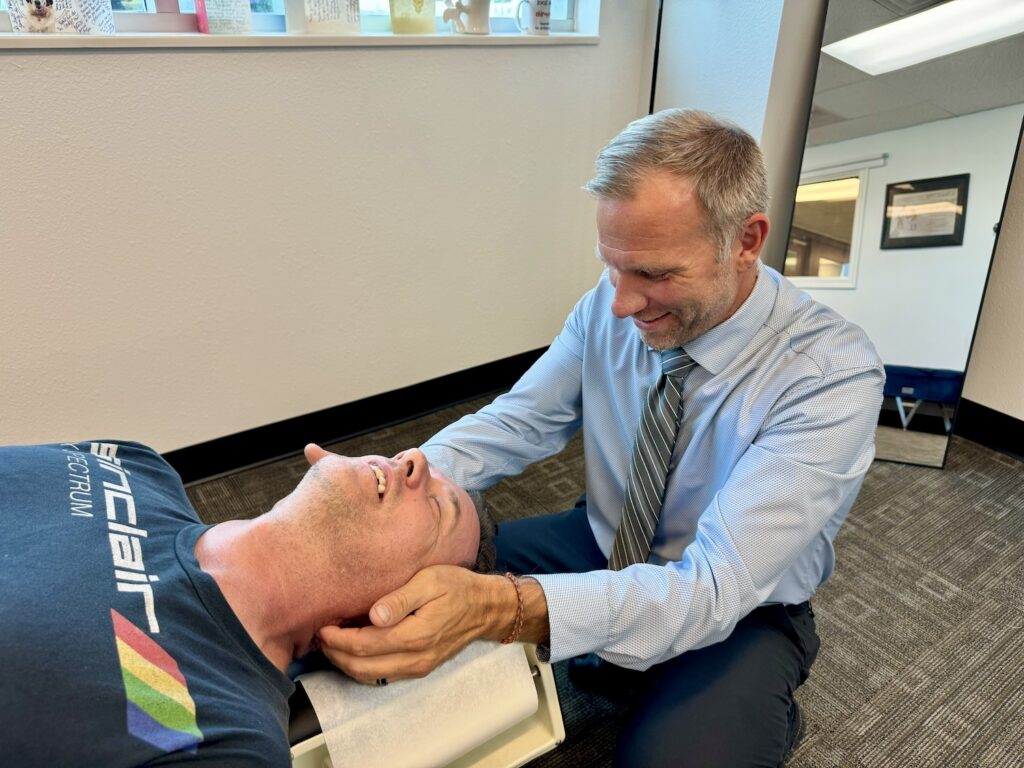
If you're experiencing discomfort in your upper back, I want to introduce you to the benefits of targeted chiropractic adjustments. These specialized manipulations are designed to restore alignment in your spine, which can help release tension and improve blood circulation. By focusing on these areas, we can enhance your overall mobility and comfort.
It's important to understand how these adjustments work and their benefits—not only do they help alleviate pain, but they also address the underlying issues contributing to your discomfort. As we discuss this approach, I hope to share strategies that not only provide immediate relief but also help prevent the discomfort from returning in the future.
In addition to chiropractic adjustments, there are other techniques we can explore together, such as stretching exercises, posture correction, and lifestyle modifications, which can further enhance your relief and overall well-being. Let's work together to find the best solutions for your upper back discomfort!
Understanding Upper Back Discomfort
Understanding upper back discomfort is essential, especially when it lingers over time. As a chiropractor, I often see patients who describe their pain as a dull ache, sharp sensation, or tightness that makes everyday activities feel daunting. This discomfort frequently arises from muscle strain, poor posture, or insufficient movement. If you find yourself sitting for extended periods at a desk or hunched over your phone, it's no surprise that this can translate into upper back pain.
Stress is another significant contributor to your discomfort. In times of stress, many people unconsciously tense their muscles, leading to increased pain and tightness in the upper back. Additionally, engaging in activities like lifting heavy objects or participating in sports without proper warm-up can exacerbate these symptoms.
It's crucial to tune into your body and recognize the triggers that may be causing your discomfort. Consider any previous injuries or health issues that could be affecting your current situation. By identifying these factors, you can gain a better understanding of the root causes of your pain, which is a vital step toward effective relief.
If you've been experiencing upper back pain for some time, it's important to take action. Ignoring the signals your body is sending can lead to more significant problems down the line. By being aware of the various factors contributing to your upper back discomfort, you can begin to make informed decisions about your health and well-being.
Early intervention is key, and chiropractic care can provide you with natural, holistic strategies to alleviate your pain and prevent future complications. Let's work together to find the best approach for your individual needs.
Importance of Targeted Adjustments
As a local chiropractor, I want to share with you the importance of targeted adjustments in relieving upper back discomfort. Many people experience tightness or pain in their upper back, and I want you to know that specific manipulations can significantly help restore proper alignment and function to your spine. By concentrating on the areas that are most affected, targeted adjustments can provide faster relief and enhance your mobility.
One of the standout benefits of targeted adjustments is their ability to tackle underlying issues. Discomfort often stems from misalignments or tension in particular vertebrae or muscle groups. When we focus directly on these areas, adjustments can effectively release tension and improve blood circulation, facilitating your body's natural healing process.
After a session, you may notice that you feel more relaxed, and your range of motion has improved.
Moreover, targeted adjustments play a crucial role in preventing future discomfort. By correcting misalignments, we can help reduce the likelihood of recurring pain that often results from poor posture or muscle imbalances. This proactive approach not only alleviates your current discomfort but also promotes long-term wellness.
Additionally, these adjustments can work hand-in-hand with other treatments, such as physical therapy or strengthening exercises. When combined, they create a comprehensive plan for maintaining your upper back health.
Regular adjustments can become an essential part of your wellness routine, helping you stave off discomfort while improving your overall quality of life. By embracing targeted adjustments, you can take control of your upper back health and enjoy a more active, pain-free lifestyle.
If you have any questions or would like to learn more about how chiropractic care can benefit you, feel free to reach out!
Common Causes of Upper Back Pain
As a local chiropractor, I often see patients who experience upper back pain due to a variety of common everyday activities and habits that many may not even realize are contributing factors.
For instance, poor posture while sitting at your desk or scrolling through your phone can lead to muscle strain and discomfort. If you find yourself hunched over a screen for extended periods, this can weaken your upper back muscles and create tightness, ultimately resulting in pain.
Another frequent cause of upper back discomfort is improper lifting techniques. When you lift heavy objects without using the correct body mechanics, it can place undue stress on your upper back.
Even simple tasks, like reaching for something on a high shelf, can lead to pain if you twist or strain your body incorrectly.
Stress is another significant contributor to upper back pain. When you're feeling stressed, your body often tenses up, particularly in the shoulder and upper back areas. This tension can lead to chronic pain over time, making it essential to find ways to manage your stress effectively.
Inactivity can also be a factor in upper back discomfort. A sedentary lifestyle can weaken your upper back muscles, making them more prone to pain when you do engage in physical activity.
On the other hand, overexertion—such as lifting weights without proper form—can worsen these issues as well.
Lastly, underlying medical conditions like herniated discs or arthritis can manifest as upper back pain. If you're experiencing persistent discomfort, I encourage you to consult with a healthcare professional, such as myself, for an accurate diagnosis and tailored treatment plan.
Effective Stretching Techniques
As a local chiropractor, I want to share some effective stretching techniques that can be incredibly beneficial for alleviating upper back discomfort. Many of my patients find that incorporating these simple stretches into their daily routine not only helps improve flexibility but also reduces muscle tension and promotes better posture—key factors in relieving upper back pain.
One stretch I often recommend is the cat-cow stretch. To perform this stretch, start on your hands and knees in a tabletop position. As you inhale, arch your back, allowing your belly to lower towards the ground while lifting your head and tailbone. On the exhale, round your back by tucking your chin towards your chest and your pelvis under. Repeat this sequence 5-10 times. It's a great way to mobilize your spine and ease tension in the upper back.
Another stretch that can be quite beneficial is the shoulder blade squeeze. Whether you're sitting or standing, maintain an upright posture and gently pull your shoulder blades together, as if trying to hold a pencil between them. Hold this position for about 5 seconds, then relax. Doing this 10-15 times can help strengthen the muscles that support your upper back and improve your posture.
Don't overlook the importance of the chest opener stretch. Stand tall and clasp your hands together behind your back. Straighten your arms and lift them slightly while opening your chest and shoulders. Hold this position for 15-30 seconds. This stretch is particularly effective for counteracting slouching and relieving tightness in the chest area.
Lastly, I advise trying the upper trapezius stretch. Whether sitting or standing, gently tilt your head to one side while bringing the opposite hand overhead to deepen the stretch. Hold this position for 15-30 seconds on each side. This stretch can alleviate tension in both your neck and upper back, helping you feel more relaxed.
Incorporating these stretches into your daily routine can significantly enhance your overall well-being and support your journey to natural healing. If you have any questions or would like personalized guidance, feel free to reach out!
Strengthening Exercises for Relief
As a local chiropractor, I want to emphasize the importance of strengthening the muscles that support your upper back for alleviating discomfort and preventing future pain. By incorporating specific exercises into your routine, you can build strength and stability, leading to lasting relief. Here are a few effective exercises that I recommend for my patients.
First, let's talk about the seated row. To perform this exercise, sit on the floor with your legs extended in front of you, and use a resistance band or light weights. As you pull the band or weights towards your torso, focus on squeezing your shoulder blades together. This movement specifically targets the rhomboids and trapezius muscles, which are crucial for providing support to your upper back.
Next, I suggest trying wall angels. Stand with your back against a wall and allow your feet to be slightly away from it. Raise your arms to create a "W" shape while keeping both your arms and back flat against the wall. Slowly slide your arms upward while maintaining contact with the wall, then return to the starting position. This exercise not only strengthens your upper back but also improves shoulder mobility.
Another great exercise is the prone Y raise. For this, lie face down on a mat with your arms extended overhead. Lift your arms and chest off the ground while squeezing your shoulder blades together, and hold this position for a few seconds before lowering back down. This movement effectively engages the upper back muscles and contributes to better posture.
I encourage you to incorporate these strengthening exercises into your weekly routine, aiming for two to three sessions per week. By doing so, you'll likely experience improved muscle tone and reduced discomfort in your upper back, establishing a solid foundation for long-term relief.
Incorporating Daily Habits for Prevention
As a local chiropractor, I want to share with you how everyday habits can significantly help in preventing upper back discomfort. Many people aren't aware that small changes in their daily routine can make a big difference in reducing the risk of pain.
First and foremost, let's talk about posture. It's crucial to be mindful of how you hold your body throughout the day. Whether you're sitting at a desk or standing, aim to keep your shoulders back and your spine aligned. If you work on a computer, adjust your screen to eye level and remember to take regular breaks to stretch. This simple awareness can help alleviate unnecessary strain on your back.
Incorporating movement into your daily activities is another essential habit. Instead of remaining seated for long stretches, make it a point to get up and walk around every hour. This not only helps to relieve tension that builds up in your upper back but also promotes overall circulation. Setting reminders on your phone can be a great way to encourage yourself to move throughout the day.
Additionally, how you lift objects matters significantly. Always bend at your knees and keep the load close to your body when lifting. This technique not only protects your back but also minimizes strain on your shoulders, which can lead to discomfort over time.
Don't overlook the importance of a supportive sleeping environment. Investing in a quality mattress and pillows that support proper alignment can make a world of difference. When it comes to sleep positions, consider sleeping on your side with a pillow between your knees. This position helps alleviate pressure on your back and promotes better alignment during rest.
Finally, I encourage you to incorporate relaxation techniques into your daily routine. Practices such as deep breathing exercises or yoga can help reduce stress and tension in your body, making it easier to maintain a healthy back.
Conclusion
As a local chiropractor, I want to share how incorporating targeted adjustments into your wellness routine can significantly alleviate upper back discomfort. Misalignments in the spine can lead to pain and tension, and by addressing these issues through chiropractic care, you're taking a proactive step toward improving your overall spinal health.
It's important to understand that adjustments are just one piece of the puzzle. To complement the benefits of chiropractic care, I encourage you to incorporate effective stretching and strengthening exercises into your daily routine. Additionally, adopting healthy habits can help prevent future discomfort.
Your back deserves the right care, and by embracing these strategies, you'll be on your way to enjoying a more comfortable and active lifestyle. Remember, I'm here to guide you through this process and answer any questions you may have about chiropractic care and natural healing.