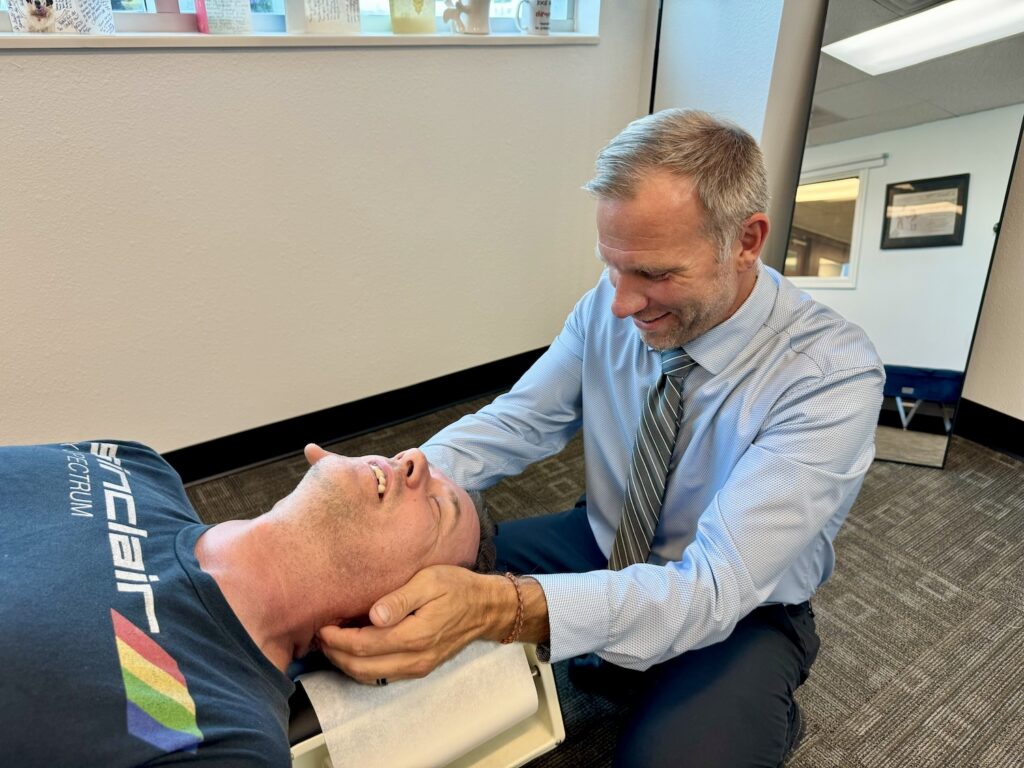
As a local chiropractor, I understand that back pain can be a frustrating and debilitating issue for many. However, I want to assure you that it doesn’t have to be a permanent part of your life. By making some essential lifestyle adjustments, you can significantly reduce your risk of discomfort.
Many people aren’t aware of the importance of maintaining proper posture and the impact it has on spinal health. Additionally, choosing the right furniture can make a world of difference in how your body feels throughout the day.
If you’re curious about specific steps you can take to protect your back and enhance your overall well-being, I’m here to help. Let’s explore these effective strategies together, and I can guide you on how to incorporate them into your daily routine for lasting relief and better health.
Maintain Proper Posture
As a local chiropractor, I want to emphasize the importance of maintaining proper posture for your overall health and well-being. Many people don’t realize that good posture plays a crucial role in preventing back pain. When your body is aligned correctly, it significantly reduces stress on your spine and surrounding muscles.
Whether you’re sitting, standing, or moving, it’s important to keep your shoulders back, your spine straight, and your head in line with your body. If you spend a lot of time at a desk, I encourage you to adjust your chair and computer screen to promote an ergonomic setup that supports your posture.
When standing, try to distribute your weight evenly across both feet and avoid locking your knees. If you catch yourself slouching, take a moment to remind yourself to straighten up. This simple practice can lead to significant improvements in how you feel.
Additionally, when it comes to lifting objects, remember to bend at your knees instead of your waist, keeping the item close to your body. By incorporating these habits into your daily routine, not only can you help prevent back pain, but you’ll also enhance your overall health and boost your confidence.
Prioritizing your posture is a vital step toward achieving a healthier lifestyle. I encourage you to take these tips to heart and enjoy the many benefits that come with better alignment!
Incorporate Regular Exercise
As your local chiropractor, I want to emphasize the importance of incorporating regular exercise into your daily routine to help manage and prevent back pain.
Engaging in activities that strengthen your core muscles and enhance your flexibility can significantly improve your overall back health.
By focusing on these key areas, you not only support your spine but also promote your overall well-being.
Remember, a strong core and flexible body can make a world of difference in how you feel day-to-day.
Let’s work together to find the right exercise plan that suits your needs and keeps your back healthy!
Strengthening Core Muscles
As a local chiropractor, I want to emphasize the importance of a strong core for your overall health, particularly when it comes to maintaining a healthy back and preventing pain. Engaging in regular exercises that focus on your core muscles not only supports your spine but also enhances your overall well-being.
I recommend starting with fundamental exercises such as planks, bridges, and abdominal crunches. Aim for at least three sessions a week, and gradually increase the intensity and duration as you become stronger.
Additionally, incorporating practices like Pilates or yoga can significantly boost your core strength while also improving your stability and balance.
It’s crucial to pay attention to your form during these exercises; proper technique is essential for maximizing effectiveness and minimizing the risk of injury.
Remember, strengthening your core isn’t just about looking good; it’s about developing functional strength that supports your daily activities and helps reduce the risk of back pain.
By maintaining consistency in your core workouts, you’ll notice a positive difference in your body and your overall health.
As your chiropractor, I’m here to guide you on this journey toward better health and to answer any questions you may have about core strength and its role in natural healing.
Flexibility and Stretching
As a local chiropractor, I want to emphasize the importance of building a strong core as a foundation for preventing back pain. However, equally crucial is the incorporation of flexibility and stretching into your daily routine.
Regular stretching not only enhances your range of motion but also reduces muscle tension, which can significantly alleviate strain on your back.
I encourage you to focus on key areas such as your hamstrings, hip flexors, and lower back. Simple stretches like the cat-cow pose or seated forward bends can be incredibly beneficial.
Aim to stretch at least three times a week, and remember to warm up your muscles beforehand to prevent injury.
As you work on improving your flexibility, you’ll likely notice better posture and a reduced risk of injury in your daily activities.
Consistency is essential, so making stretching a regular part of your exercise regimen can lead to lasting benefits for your overall health and well-being.
Embracing these practices can complement your chiropractic care and help you achieve a more balanced and pain-free life.
Focus on Core Strengthening
As a local chiropractor, I want to share how essential core strengthening is for your overall back health. Many people experience back pain for various reasons, but one of the most effective ways to alleviate discomfort and prevent future issues is by focusing on strengthening your core.
It’s important to understand that your core is more than just your abdominal muscles; it also encompasses the muscles in your back, hips, and pelvis – all of which play a critical role in supporting your spine.
By targeting these core muscles, you can significantly improve your stability and posture, which in turn helps to reduce strain on your back. I recommend incorporating exercises such as planks, bridges, and bird-dogs into your weekly routine. Aim for two to three sessions a week to start feeling the benefits.
Begin with basic movements and gradually increase the intensity as your strength improves. It’s also crucial to maintain balance in your routine; this means pairing strengthening exercises with stretching to promote flexibility.
Remember, your daily habits matter too! Engaging your core while sitting, standing, or lifting can lead to noticeable improvements in your back health.
With a strong core, you’ll not only feel better but also enhance your overall well-being while significantly reducing your risk of back pain. I encourage you to start this journey today – your back will truly appreciate it!
If you have any questions or need guidance on proper techniques, don’t hesitate to reach out during your visits. Your health is our priority!
Choose Ergonomic Furniture
As a chiropractor, I can’t emphasize enough the importance of choosing ergonomic furniture to support your spinal health during work hours. A well-organized workspace and an appropriately designed chair can significantly alleviate the strain on your back and promote better posture.
Let’s discuss how these elements can enhance your daily comfort and contribute to your overall well-being.
When you set up your desk correctly, it allows you to maintain a neutral spine position, reducing the risk of discomfort and injury.
Likewise, selecting chairs with the right features—such as lumbar support, adjustability, and proper seat height—can make a world of difference in how your body feels at the end of the day.
Importance of Ergonomics
As a local chiropractor, I want to emphasize the importance of investing in ergonomic furniture for your workspace. This isn’t just about aesthetics; it’s about prioritizing your health and well-being. Proper ergonomics plays a crucial role in preventing back pain by ensuring that you maintain good posture and minimizing strain on your body.
When you choose adjustable chairs and desks, you’re taking an active step towards customizing your environment to fit your unique body needs. This personalized approach helps to promote comfort throughout your day, reducing fatigue and allowing you to focus better on your tasks, which in turn boosts your productivity.
Moreover, ergonomic furniture encourages movement, a key factor in maintaining spinal health. By selecting pieces that support your natural alignment, you’re not just enhancing your workspace; you’re creating a sustainable environment that benefits your overall health in the long term.
I urge you to consider the significant impact that your furniture can have on your back health. Small changes in your workspace can lead to substantial improvements in your well-being, and as your chiropractor, I’m here to guide you on this journey towards a healthier lifestyle.
Desk Setup Guidelines
As a local chiropractor, I want to emphasize that investing in ergonomic furniture is just the beginning; how you set up your desk plays a crucial role in preventing back pain and promoting overall health.
Start by positioning your monitor at eye level; this ensures your neck remains in a neutral position, reducing strain. Your keyboard should be at a height that allows your elbows to rest comfortably at a 90-degree angle, which helps keep your wrists straight and reduces tension.
It’s also essential to have a chair that offers adequate support for your lower back and allows your feet to rest flat on the floor—this promotes proper posture.
If your desk design allows it, consider a sit-stand option to change your position throughout the day, as alternating between sitting and standing can help alleviate pressure on your spine.
Make it a habit to keep frequently used items within arm’s reach to avoid unnecessary stretching, which can lead to discomfort.
Lastly, I encourage you to regularly reassess your desk setup; even small adjustments can significantly impact your comfort and long-term spinal health.
Chair Features to Consider
As a local chiropractor, I want to emphasize the importance of selecting the right chair to support your spine and overall posture, especially if you’re not familiar with chiropractic care.
It’s essential to choose a chair that promotes comfort and proper alignment to help prevent back pain.
First and foremost, look for an adjustable seat height. This feature allows you to keep your feet flat on the floor, which can significantly reduce strain on your lower back.
It’s all about finding that balance!
Next, consider a chair that offers lumbar support. This is crucial for maintaining the natural curve of your spine, which helps prevent slouching and the discomfort that often accompanies it.
Your back deserves that extra support!
Don’t overlook the armrests. Opt for adjustable armrests to relieve pressure on your shoulders and neck.
This simple feature can make a world of difference in your comfort level throughout the day.
Also, pay attention to the seat depth. A chair with the right seat depth will accommodate your thighs without cutting off circulation, promoting better blood flow and comfort.
Lastly, movement is key! Choose a chair with a swivel base.
This feature allows you to reach different areas of your workspace effortlessly, encouraging you to stay active rather than remaining stationary for long periods.
Investing in ergonomic furniture isn’t just about comfort; it’s essential for your spinal health and preventing back pain.
As you make these choices, remember that your body will thank you!
Practice Stress Management Techniques
As a chiropractor, I want to emphasize that while stress may seem trivial, it can significantly contribute to back pain. When we experience stress, our bodies tend to tense up, leading to muscle stiffness and discomfort.
To help mitigate these effects, it’s essential to adopt stress management techniques that resonate with you. One effective method is deep breathing exercises. I recommend dedicating a few minutes each day to focus on your breathing. This simple practice can help to calm both your mind and body.
Additionally, mindfulness meditation and yoga are excellent options. They not only promote relaxation but also enhance flexibility and alleviate tension in your back and neck.
It’s also important to incorporate regular physical activity into your routine. Activities such as brisk walking or engaging in a workout release endorphins, which are natural stress relievers.
Lastly, don’t underestimate the value of hobbies that bring you joy. They can serve as a vital distraction and help lower your stress levels.
Prioritize a Balanced Diet
As a chiropractor, I want to emphasize that managing stress is just one aspect of preventing back pain. An equally important factor is prioritizing a balanced diet. What you eat significantly impacts your overall health, including the health of your spine.
I encourage you to incorporate a variety of fruits, vegetables, whole grains, and lean proteins into your daily meals. These foods are rich in essential nutrients that support muscle function and help reduce inflammation, which is crucial for a healthy back.
It’s also important to include sources of calcium and vitamin D in your diet. These nutrients are vital for strengthening your bones, which can help prevent back issues down the line.
Don’t forget about hydration, too! Staying well-hydrated plays a key role in maintaining the health of your spinal discs.
On the flip side, try to limit your intake of processed foods, sugars, and excessive fats. These can lead to inflammation and contribute to weight gain, which puts added strain on your back.
By fueling your body with the right nutrients, you’ll not only enhance your overall well-being but also significantly lower your risk of experiencing back pain.
Conclusion
As a local chiropractor, I want to share some essential tips to help you prevent back pain and improve your overall well-being. First and foremost, let’s talk about the importance of maintaining proper posture. Whether you’re sitting at a desk or standing throughout the day, being mindful of your alignment can significantly reduce strain on your back.
Incorporating regular exercise into your routine is another key factor. Activities that promote movement and flexibility, such as walking, swimming, or yoga, can strengthen your back and reduce the likelihood of discomfort. Core strengthening exercises are particularly beneficial, as a strong core provides better support for your spine.
Investing in ergonomic furniture is also a wise choice. Chairs and desks designed to support your body’s natural curves can make a big difference in minimizing pain. Additionally, managing stress is crucial. High stress levels can lead to muscle tension, so practicing relaxation techniques can help keep tension at bay.
Don’t underestimate the power of nutrition, either. A balanced diet that includes calcium-rich foods and adequate hydration supports bone health and overall body function. By integrating these lifestyle tips into your daily routine, you’ll not only protect your back but also enhance your overall health. Embrace this natural approach to wellness, and let’s work together towards a healthier, pain-free life!