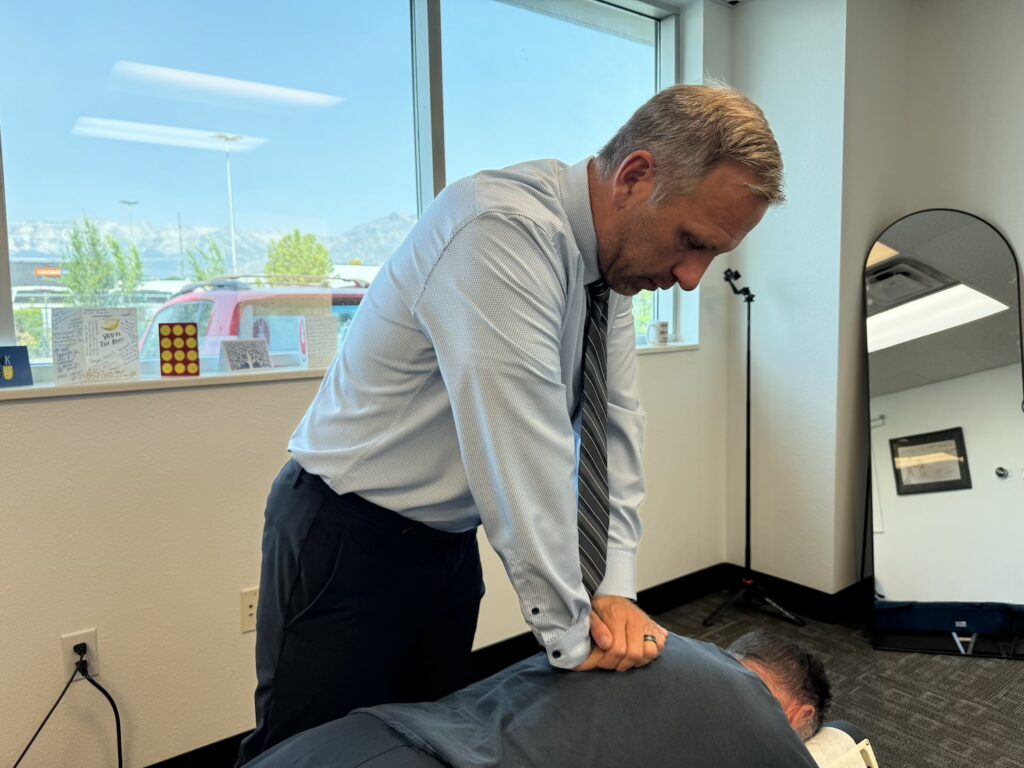
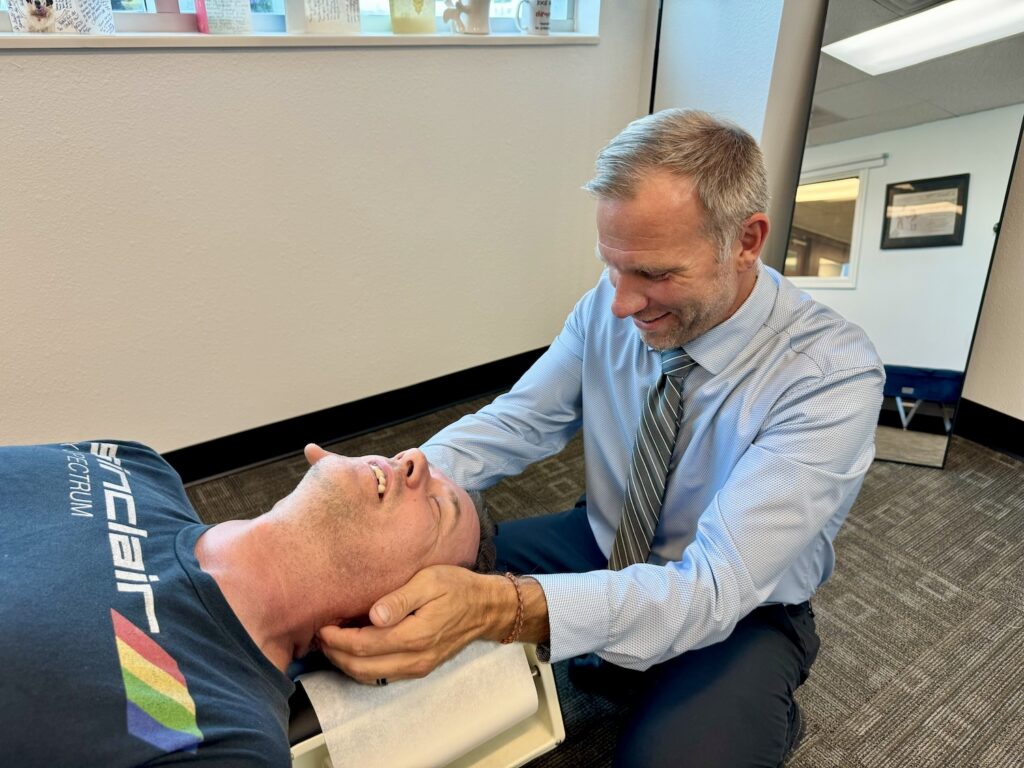
As a local chiropractor, I want to assure you that if you’re dealing with back pain, you’re certainly not alone. Many individuals experience this discomfort, which can interfere with their daily lives. The good news is that there are natural methods we can explore together to help alleviate your pain.
First, let’s talk about the importance of posture. Poor posture can contribute significantly to back pain, and I can guide you on how to adjust your daily habits to promote better alignment. Additionally, incorporating simple exercises designed to strengthen and stretch the back can make a remarkable difference in your comfort levels.
Are you interested in learning how to implement these natural strategies effectively? Together, we can discuss various steps you can take to not just find relief from your back pain, but also enhance your overall well-being. Your journey to feeling better starts here!
Maintain Proper Posture
As a local chiropractor, I want to emphasize the importance of maintaining proper posture for your overall health. When you maintain good posture, you’re not just supporting your spine; you’re also reducing the strain on your muscles and joints. Standing tall and sitting straight can greatly affect how you feel throughout the day.
Remember to keep your shoulders back and relaxed, and align your ears with your shoulders for optimal spinal health.
If you’re sitting for extended periods, ensure that your feet rest flat on the floor and that your knees are at a right angle. This simple adjustment can significantly improve your comfort and reduce the risk of discomfort.
Incorporating ergonomic furniture into your workspace is another effective way to promote good posture. These tools encourage a natural alignment of your body and help minimize discomfort.
Additionally, when lifting objects, always bend your knees and keep the item close to your body, rather than bending at the waist. This technique protects your back and prevents injuries.
It’s crucial to be mindful of your posture during everyday activities, whether you’re working at a desk or using your phone. Small yet intentional adjustments can lead to substantial benefits over time.
By actively engaging in good posture practices, you’ll find it easier to alleviate back pain and enhance your overall well-being.
Engage in Regular Stretching
As a local chiropractor, I want to emphasize the importance of regular stretching for your overall health, especially when it comes to maintaining flexibility and alleviating back pain.
Stretching isn’t just a simple exercise; it plays a crucial role in increasing blood flow to your muscles, which can significantly reduce tension and enhance your mobility. By integrating stretching into your daily routine, you can effectively prevent stiffness and discomfort in your back.
Here are a few stretches I recommend incorporating into your regimen:
- Cat-Cow Stretch: This dynamic movement is fantastic for promoting flexibility in your spine and stretching the muscles in your back. It helps to mobilize your spine while also providing a gentle massage to your back muscles.
- Child’s Pose: This gentle stretch is excellent for relaxing your back, hips, and shoulders. It creates a soothing effect that can help relieve stress and tension in those areas.
- Seated Forward Bend: This stretch focuses on your hamstrings and lower back, helping to release tightness and promoting better posture.
I encourage you to make stretching a daily habit. Many of my patients notice significant improvements in their back pain when they consistently dedicate just a few minutes a day to these stretches.
Strengthen Core Muscles
As a local chiropractor, I want to emphasize the importance of strengthening your core muscles for better spinal health and overall stability. A strong core acts as a supportive structure for your spine, which can significantly reduce strain on your back and alleviate pain.
To help you get started, I recommend incorporating exercises such as planks, bridges, and pelvic tilts into your routine. These exercises not only engage your abdominal muscles but also activate your back and hip muscles, creating a well-rounded support system for your body.
I encourage you to aim for at least three sessions each week, and focus on maintaining proper form to prevent injuries. You don’t need any fancy equipment; bodyweight exercises can be incredibly effective in building strength.
As you progress, you might consider adding some resistance with bands or weights to further enhance your workouts. It’s essential to listen to your body during these exercises. If something doesn’t feel right, take a moment to stop and reassess your technique.
Consistency is crucial, so find a schedule that fits into your life. By strengthening your core muscles, you can’t only alleviate back pain but also improve your posture and enhance your overall physical performance.
Take the first step today toward a stronger, pain-free tomorrow! Remember, a healthy core is the foundation of a healthy spine, and I’m here to support you on your journey to wellness.
Utilize Heat and Cold Therapy
As a local chiropractor, I want to share with you the benefits of heat and cold therapy in managing back pain. Many people are unaware of how effective these natural methods can be.
Using heat therapy can work wonders for your muscles. It helps to relax tight muscles and enhances blood circulation, which can promote healing in the affected areas of your back.
On the other hand, cold therapy is particularly useful when you’re dealing with inflammation or acute pain. Applying cold can reduce swelling and numb sharp sensations, providing you with much-needed relief.
Understanding how to properly apply these therapies can greatly assist you in your recovery journey.
Whether you have chronic pain or a recent injury, integrating heat and cold therapy into your routine can make a significant difference in how you feel.
If you’re interested, I’d be happy to guide you through the best practices for using these treatments effectively!
Benefits of Heat Therapy
As a local chiropractor, I want to share the incredible benefits of heat therapy for those who may not be familiar with the natural healing methods we use in chiropractic care.
If you’re struggling with back pain, heat therapy can be a fantastic addition to your pain management routine.
Here’s how heat therapy can help you:
- Muscle Relaxation: The soothing warmth from heat therapy can effectively loosen tight muscles, providing you with immediate relief and comfort. This relaxation is essential for reducing tension and promoting overall mobility.
- Increased Blood Flow: When you apply heat, it encourages better blood circulation. This increased flow is crucial as it delivers essential nutrients and oxygen to the affected areas, aiding in the healing process and helping to alleviate pain.
- Pain Relief: Heat therapy can also help block pain signals traveling to your brain, offering you a temporary escape from discomfort. This can be particularly beneficial in managing chronic pain conditions.
By incorporating heat therapy into your daily routine, you may find significant improvements in your overall well-being.
This simple yet effective method can help you move more freely and comfortably, allowing you to engage in your daily activities with greater ease.
If you have any questions or would like to learn more about how heat therapy can work for you, don’t hesitate to reach out. Your journey toward better health starts here!
Cold Therapy Techniques
As a local chiropractor, I’d like to share how cold therapy, also known as cryotherapy, can be an effective tool in managing back pain. Many of my patients have found relief by applying cold compresses or ice packs directly to the affected areas. This method helps to reduce inflammation and can numb sharp pain, making it easier to cope with discomfort.
When using cold therapy, I recommend applying it for about 15-20 minutes at a time. It’s important to allow your skin to warm up between applications to prevent any adverse effects. If you don’t have an ice pack readily available, a bag of frozen vegetables can serve as a convenient alternative. Just remember to wrap any ice pack in a cloth to avoid frostbite.
For those dealing with persistent pain, it can also be beneficial to alternate cold therapy with heat therapy. This combination often enhances relief and can promote better healing.
Always pay attention to your body’s signals; if you experience increased pain or discomfort while using cold therapy, it’s best to discontinue and consult with a healthcare professional. I’m here to support you on your journey to natural healing and finding the right balance for your body.
Practice Mindfulness and Relaxation Techniques
As a local chiropractor, I want to share with you the powerful connection between mindfulness, relaxation techniques, and back pain relief. Many of my patients are surprised to learn that by focusing on the present moment and managing stress, they can significantly reduce their discomfort.
Mindfulness practices enhance your awareness of your body, enabling you to recognize and release tension effectively.
Here are some techniques that I recommend incorporating into your daily routine:
- Deep Breathing: Practicing slow, deep breaths can have a profound effect on both your mind and body. This technique not only calms your mind but also relaxes your muscles, reducing tension in your back.
- Meditation: Setting aside just a few minutes each day for meditation can greatly enhance your mental focus and help you manage pain more effectively. It’s a simple yet powerful tool for promoting overall well-being.
- Gentle Yoga: Adding gentle stretches and poses to your routine can improve your flexibility and strength. This not only alleviates discomfort but also contributes to better posture, which is essential for spinal health.
By integrating these mindfulness and relaxation techniques into your life, you can complement the chiropractic care you receive and pave the way for a healthier, pain-free future.
Adjust Your Sleep Environment
As a local chiropractor, I want to emphasize the importance of creating a comfortable sleep environment, especially if you’re dealing with back pain. Your mattress plays a crucial role in your overall spinal health. If you tend to sleep on your back, a medium-firm mattress is often the best choice, as it helps maintain the natural alignment of your spine.
On the other hand, side sleepers might benefit from a softer mattress, which can provide better pressure relief on the hips and shoulders.
Pillows are another key component of a good night’s sleep. It’s essential to use a pillow that helps keep your neck aligned with your spine. For those of you who sleep on your back, I recommend placing a small pillow under your knees. This simple adjustment can significantly reduce pressure on your lower back.
If you’re a side sleeper, inserting a pillow between your knees can help keep your hips aligned and reduce strain on your back.
Additionally, the overall atmosphere in your bedroom matters. Aim for a dark, quiet, and cool environment to promote restful sleep. Consider investing in blackout curtains to block out light and a white noise machine to drown out disruptive sounds.
Lastly, establishing a consistent sleep schedule is vital for regulating your body’s natural rhythms. This not only enhances your sleep quality but can also contribute to alleviating back pain over time.
Stay Hydrated and Eat Anti-Inflammatory Foods
As a local chiropractor, I want to emphasize the significant role that hydration and anti-inflammatory foods play in managing back pain. Many of my patients are often surprised to learn that what they put into their bodies can have a direct impact on their healing process. By nourishing your body with the right nutrients, you can help reduce inflammation and support your body’s natural healing mechanisms.
Let’s take a closer look at why staying hydrated is so vital. Proper hydration helps maintain the elasticity of your spinal discs and keeps your joints lubricated, which is essential for reducing pain and discomfort.
Now, let’s talk about food. Incorporating anti-inflammatory foods into your diet can make a considerable difference in how you feel. Foods such as leafy greens, fatty fish, nuts, and berries are excellent choices that can help combat inflammation.
I also encourage my patients to think about meal planning. Preparing meals in advance can ensure you have healthy options readily available, making it easier to stick to a diet that promotes healing.
By focusing on hydration and nutrition, you can enhance the benefits of chiropractic care and take significant steps towards alleviating your back pain.
Importance of Hydration
As a local chiropractor, I want to emphasize the often-overlooked importance of hydration in managing back pain. Many people don’t realize that staying properly hydrated is key to not only overall health but also to the health of your spine.
When you drink enough water, it helps maintain the elasticity of your spinal discs and can significantly reduce inflammation, which often contributes to discomfort and pain. On the other hand, insufficient hydration can lead to stiffness in your body, making your back more vulnerable to pain.
Here are some essential benefits of hydration that can support your back health:
- Supports Spinal Health: When you drink adequate amounts of water, it keeps your spinal discs hydrated, providing better cushioning between your vertebrae and helping to prevent injuries.
- Reduces Muscle Tension: Staying hydrated ensures that your muscles function properly, which can help prevent spasms and tightness that may lead to further discomfort.
- Enhances Nutrient Transport: Water plays a crucial role in delivering essential nutrients to your muscles and tissues, promoting recovery and improving overall health.
As part of your journey to better back health, make it a priority to drink enough water daily. It’s a simple yet effective step you can take to support your spine and overall well-being.
Anti-Inflammatory Food Choices
As a local chiropractor, I want to emphasize the importance of incorporating anti-inflammatory foods into your diet to support your back health and alleviate pain. These foods can play a significant role in your overall wellness and recovery. Start by including options that are rich in omega-3 fatty acids, such as salmon and walnuts. These foods are known to help reduce inflammation that can affect your spinal health.
Don’t overlook the power of leafy greens like spinach and kale; they’re loaded with antioxidants that can help combat oxidative stress in the body. Berries are another excellent choice—they not only add natural sweetness to your meals but also possess anti-inflammatory properties that can aid in your healing process.
In addition to these, opt for whole grains like brown rice and quinoa, which provide essential nutrients that support your body’s functions. Also, consider adding spices such as turmeric and ginger to your meals; they’ve been shown to have potent anti-inflammatory effects.
Lastly, it’s crucial to stay hydrated. Water plays a vital role in maintaining spinal health and ensuring that your body functions optimally.
Meal Planning Tips
As a local chiropractor, I want to share how meal planning can significantly help in managing back pain. One of the key aspects of natural healing is ensuring that your body receives the right nutrients. Staying well-hydrated and incorporating anti-inflammatory foods into your diet are crucial steps in supporting your recovery.
Here are some important tips to consider when planning your meals:
- Hydration is Key: Make sure to drink plenty of water throughout the day. Proper hydration is essential for maintaining healthy spinal discs and overall bodily function.
- Focus on Omega-3 Fatty Acids: Include foods rich in omega-3 fatty acids, such as salmon and walnuts. These foods can help reduce inflammation and support joint health, which is vital for alleviating back pain.
- Embrace Colorful Produce: Incorporate a variety of colorful fruits and vegetables into your meals. Options like berries and leafy greens aren’t only delicious but are also packed with antioxidants that can aid in the healing process and reduce inflammation.
By planning your meals with these principles in mind, you can create a diet that supports your body’s natural healing abilities and contributes to a more effective recovery from back pain.
Incorporate Low-Impact Exercises
As a local chiropractor, I want to emphasize the importance of incorporating low-impact exercises into your routine to help manage back pain effectively. Many patients are surprised to learn that activities such as walking, swimming, and cycling can significantly strengthen your back muscles while minimizing strain.
These exercises not only enhance your flexibility but also promote better posture, both of which are crucial for alleviating discomfort.
I recommend starting with short sessions and gradually increasing the duration and intensity as your body becomes more accustomed to the activity. Ideally, aim for at least 30 minutes of moderate exercise most days of the week.
Additionally, incorporating stretching exercises like yoga or gentle Pilates can further improve your mobility and reduce tension in your back.
It’s essential to listen to your body; if something doesn’t feel right, don’t hesitate to modify the activity or consult with me or another healthcare professional.
Remember, consistency is vital. By regularly engaging in low-impact exercises, you can build strength and resilience, making it easier to cope with and prevent future back pain.
Your journey to better back health begins with these simple yet effective steps!
Limit Prolonged Sitting
As a local chiropractor, I want to share with you how prolonged sitting can negatively impact your back health.
It’s crucial to prioritize movement throughout your daily routine, as this can significantly alleviate discomfort. One effective way to do this is by creating an ergonomic workspace that supports your body’s natural alignment.
Additionally, incorporating regular stretching breaks into your schedule can help counteract the effects of sitting for long periods.
Let’s delve into these strategies together, so you can maintain a healthy and pain-free back.
Importance of Movement
As your local chiropractor, I want to emphasize the critical role that movement plays in managing and alleviating back pain. While it might be tempting to remain seated during work or leisure, staying in one position for extended periods can lead to stiffness and discomfort.
By incorporating regular movement into your daily routine, you can experience a notable improvement in your overall well-being.
Let’s explore some key benefits of movement:
- Improves circulation: Engaging in movement enhances blood flow throughout your body, ensuring that vital nutrients reach your muscles and tissues. This is essential for recovery and overall health.
- Enhances flexibility: Regular stretching and movement keep your body limber and can prevent stiffness. This flexibility is crucial for reducing pain and maintaining a full range of motion in your back.
- Strengthens muscles: Participating in physical activities not only strengthens your core muscles but also provides essential support for your spine. A strong core is fundamental in preventing and alleviating back pain.
As you consider your approach to health, remember that movement is a natural and effective way to support your body, particularly when it comes to back pain.
Let’s work together to integrate more movement into your life for a healthier back and a happier you!
Ergonomic Workspace Setup
As a local chiropractor, I want to emphasize the importance of creating an ergonomic workspace to help reduce back pain and boost your productivity. One of the first steps is to ensure your chair is set up correctly; your feet should rest flat on the floor, with your knees aligned at hip level. This alignment is crucial for maintaining good posture and minimizing strain on your back.
Next, it’s vital to position your desk in such a way that your elbows form a 90-degree angle when you’re typing. This helps prevent any unnecessary stress on your shoulders and wrists. Your computer screen should be at eye level and about an arm’s length away from you to avoid straining your neck.
I also recommend using a supportive chair that encourages proper posture. If you find that your lower back needs extra support, consider adding some lumbar support to help maintain the natural curve of your spine.
Additionally, try to keep frequently used items within easy reach. This will help you avoid twisting and stretching, which can lead to discomfort and injury over time.
Lastly, remember to alternate between sitting and standing throughout your day. This simple practice can greatly reduce the risks associated with prolonged sitting and improve your overall comfort.
Stretching Break Techniques
As a local chiropractor, I want to emphasize the importance of taking regular stretching breaks to counteract the negative effects of prolonged sitting. Many of my patients are surprised to learn how simple stretches can improve circulation and alleviate tension in the back.
I recommend that you incorporate short, intentional stretches into your daily routine, aiming for a break every 30 to 60 minutes. Here are a few effective stretching techniques that can benefit your overall well-being:
- Neck Rolls: This simple movement involves gently rolling your head side to side. It can help relieve tension in your neck, which is particularly beneficial if you’ve been sitting at a desk for a while.
- Seated Torso Twist: While sitting upright, place one hand on the back of your chair and gently twist your torso. This stretch helps to improve spinal mobility and reduce stiffness.
- Standing Forward Bend: Stand up, hinge at your hips, and reach towards your toes. This stretch targets your lower back and hamstrings, promoting flexibility and relieving tension from sitting.
Incorporating these stretches into your day can significantly enhance your comfort and overall spinal health.
Seek Professional Guidance From a Therapist
When you’re dealing with back pain, turning to a chiropractor for professional guidance can significantly enhance your recovery process.
As a chiropractor, my goal is to assess your condition comprehensively, pinpoint the underlying causes of your discomfort, and create a personalized treatment plan tailored specifically to your needs.
Chiropractic care emphasizes the importance of proper body mechanics and includes specialized exercises designed to strengthen your back and enhance flexibility.
Through hands-on adjustments, I can help realign your spine, alleviate pain, and promote overall healing.
In addition to spinal adjustments, I may utilize techniques such as soft tissue therapy, therapeutic exercises, and lifestyle advice to address factors that contribute to your pain.
Together, we’ll explore your posture and daily activities to identify habits that may lead to discomfort.
Don’t underestimate the benefits of chiropractic support.
Regular visits can keep you accountable and motivated on your path to recovery and wellness.
Embrace the journey to a healthier back with the natural healing approach of chiropractic care!
Conclusion
As a local chiropractor dedicated to your well-being, I want to share some effective, natural ways to alleviate back pain. By incorporating these 10 steps into your daily routine, you can experience significant relief.
First and foremost, it’s essential to maintain proper posture throughout your day. This simple adjustment can make a world of difference in how your back feels. Regular stretching is also crucial; it helps to keep your muscles flexible and reduces tension.
Strengthening your core is another vital step. A strong core supports your spine and can prevent future discomfort. I also recommend utilizing heat and cold therapy. Heat can relax tight muscles, while cold therapy can reduce inflammation.
Mindfulness practices, such as meditation or yoga, can help manage pain and stress levels. Staying hydrated and incorporating anti-inflammatory foods into your diet also plays a key role in your recovery process.
In addition, engaging in low-impact exercises will keep your back healthy and promote overall mobility. Be mindful to limit prolonged sitting, as this can exacerbate pain.
Lastly, if you ever feel uncertain or need personalized guidance, don’t hesitate to reach out for professional help. As a chiropractor, I’m here to support you on your journey to a pain-free life. Take charge of your health and enjoy the benefits of natural healing!