Tension headaches can be quite bothersome, but as a chiropractor, I want to share some effective techniques that can help alleviate your discomfort naturally. By focusing on lifestyle changes and relaxation methods, you can significantly reduce both the frequency and intensity of these headaches.
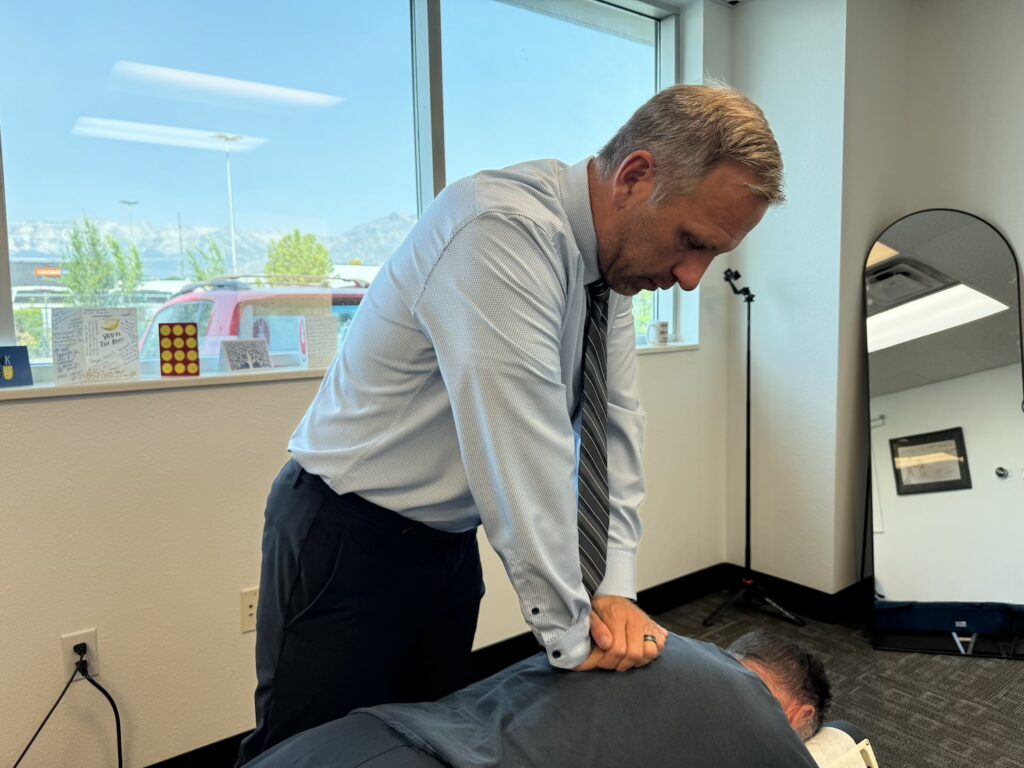
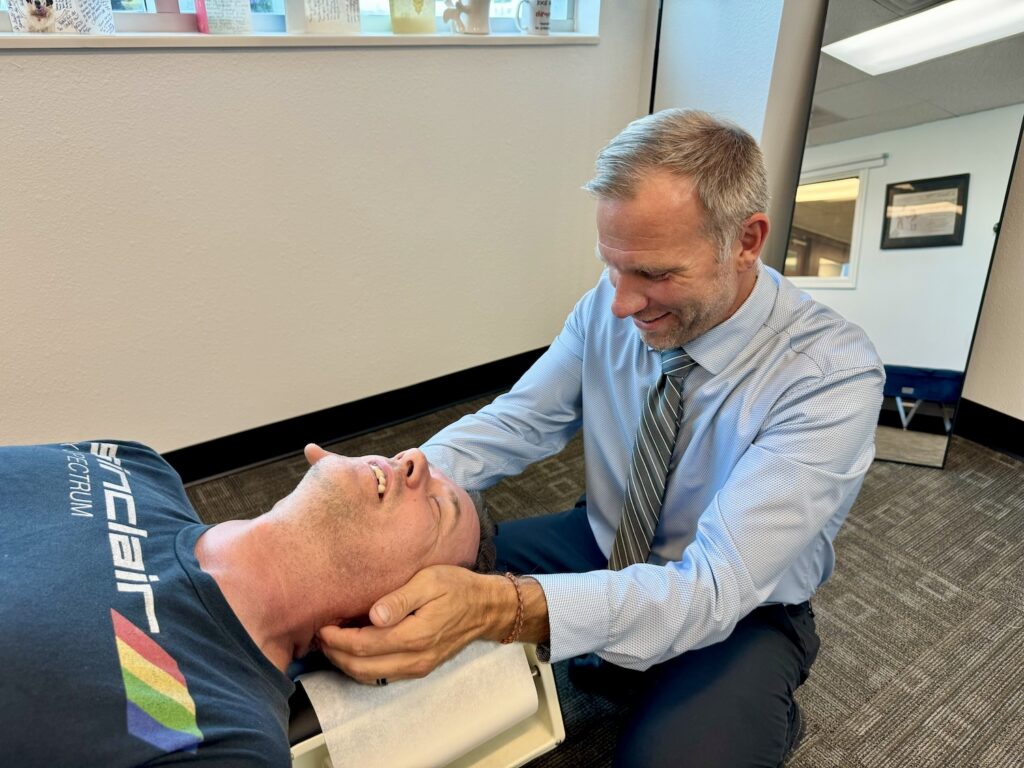
One of the most beneficial approaches is to integrate chiropractic care into your wellness routine. Regular chiropractic adjustments can help align your spine, relieve tension in your neck and shoulders, and improve your overall posture, which is crucial for preventing tension headaches.
In addition to chiropractic care, here are some simple techniques you can incorporate into your daily life:
- Deep Breathing Exercises: Practicing deep breathing can help relax your mind and body, reducing stress that often contributes to headaches. Try inhaling deeply through your nose, holding for a few seconds, and exhaling slowly through your mouth.
- Maintain Good Posture: Pay attention to your posture, especially if you spend long hours at a desk. Keep your back straight, shoulders relaxed, and your computer screen at eye level to reduce strain on your neck and upper back.
- Stay Hydrated: Dehydration can lead to headaches, so make sure you’re drinking plenty of water throughout the day. Aim for at least 8 glasses, and more if you’re active.
- Practice Relaxation Techniques: Incorporate activities like yoga or meditation into your routine. These practices not only promote relaxation but also improve flexibility and muscle tension, which can contribute to headache relief.
- Get Regular Exercise: Physical activity boosts endorphins, your body’s natural painkillers, and helps reduce stress. Aim for at least 30 minutes of moderate exercise most days of the week.
- Manage Stress: Identify stressors in your life and find healthy ways to cope with them. Whether it’s through mindfulness, talking with a friend, or engaging in hobbies, managing stress is crucial for preventing tension headaches.
- Sleep Well: Ensure you’re getting enough restful sleep. Aim for 7-9 hours each night and try to maintain a consistent sleep schedule to help your body recover.
- Limit Screen Time: Prolonged exposure to screens can lead to eye strain and tension headaches. Take regular breaks by following the 20-20-20 rule: every 20 minutes, look at something 20 feet away for at least 20 seconds.
- Heat Therapy: Apply a warm compress or heating pad to your neck and shoulders to help loosen tight muscles and promote blood flow, which can relieve headache pain.
- Regular Chiropractic Visits: Finally, make chiropractic care a part of your health routine. Regular visits can help maintain spinal alignment, reduce muscle tension, and keep your body functioning optimally.
By incorporating these techniques and prioritizing chiropractic care, you can empower yourself to manage tension headaches more effectively. Embrace these natural methods for a healthier, pain-free lifestyle!
Key Takeaways
- Maintain good posture by sitting with your feet flat on the ground and your back supported. This simple adjustment can significantly reduce strain on your spine and help alleviate discomfort that may lead to tension headaches.
- Staying hydrated is crucial for overall health and can help prevent headaches. Make it a habit to drink water throughout the day, and pay attention to signs of dehydration, such as dark urine or a dry mouth. Proper hydration supports your body’s natural functions and can enhance your well-being.
- Incorporating relaxation techniques, like deep breathing and meditation, can be incredibly beneficial in managing stress, which is a common trigger for headaches. These practices not only help calm your mind but also promote a healthier spine by reducing tension in your muscles.
- Regular physical activity and stretching are essential for maintaining good spinal health. Exercise improves blood circulation and helps relieve muscle tension, both of which can contribute to headache relief. Consider incorporating gentle stretching into your daily routine to keep your body flexible and pain-free.
- Chiropractic care is a powerful tool for achieving optimal health and wellness. Regular visits to a chiropractor can help address the root causes of tension headaches, improve spinal alignment, and promote overall wellness. Additionally, using essential oils, like peppermint or lavender, can complement your chiropractic care by providing natural relief and enhancing your sense of well-being.
By focusing on these key areas, you can take proactive steps in managing tension headaches and promoting a healthier, more balanced lifestyle. Remember, chiropractic care is always here to support you on your journey to optimal health!
Practice Deep Breathing Exercises
When you feel a tension headache creeping in, practicing deep breathing exercises can be a natural and effective way to find relief. Start by finding a comfortable, quiet space where you can focus on yourself. Sit or lie down in a relaxed position, and close your eyes to minimize distractions.
Take a slow, deep breath in through your nose, allowing your abdomen to expand fully. Hold that breath for a moment, then gently exhale through your mouth, consciously releasing any tension you may be holding in your body. Repeat this process for several minutes, concentrating solely on your breath.
As you breathe, visualize the tension melting away with each exhale. If your mind starts to wander, gently guide your focus back to your breathing. Counting each breath can also help maintain your concentration. Incorporating deep breathing into your daily routine can reduce stress and alleviate headache symptoms, helping you regain a sense of calm and clarity.
While deep breathing is beneficial, it’s important to remember that regular chiropractic care can also play a crucial role in maintaining optimal health and alleviating headaches. Chiropractic adjustments help improve spinal alignment, relieve nerve pressure, and promote overall wellness, which can lead to fewer headaches and less tension in the body.
Maintain Good Posture
Practicing deep breathing is a wonderful way to relax, but don’t forget that your posture plays a crucial role in preventing tension headaches. Poor posture can lead to muscle strain, which often triggers discomfort. By maintaining good posture when you sit or stand, you can help relieve and prevent headaches. Here are some simple tips to keep your spine aligned and your body comfortable:
| Position | Key Tips | Benefits |
|---|---|---|
| Sitting | Keep your feet flat on the ground and your back supported | Reduces strain on your neck and back, leading to less discomfort |
| Standing | Distribute your weight evenly and keep your knees slightly bent | Enhances your balance and stability, which can reduce tension |
| Working | Ensure your screen is at eye level and your elbows are at 90 degrees | Minimizes eye strain and discomfort, making your work more enjoyable |
| Sleeping | Use a supportive mattress and align your neck with your spine | Promotes restful sleep and helps reduce tension throughout your body |
Apply Cold or Warm Compress
Applying a cold or warm compress can be a simple yet effective way to relieve tension headaches, and it complements the holistic approach of chiropractic care. As a chiropractor, I encourage you to explore natural methods for managing pain and discomfort.
If you find that cold therapy works for you, wrapping some ice in a cloth or using a gel pack can provide great relief. Apply it to your forehead or the back of your neck for 15-20 minutes. The cold sensation can help numb the pain and reduce inflammation, which is particularly beneficial after a long day of stress or poor posture.
On the other hand, warmth can also be soothing. Soak a cloth in warm water or use a heating pad, and place it on your neck or shoulders. This gentle heat can help relax tight muscles, improve blood flow, and ease discomfort, allowing your body to function optimally.
It’s important to experiment with both methods to discover which one provides the best relief for you. Remember to listen to your body; if something doesn’t feel right, adjust the temperature or duration.
In addition to using compresses, regular chiropractic adjustments can address the underlying causes of tension headaches, such as spinal misalignments and muscle tension.
Stay Hydrated
Staying hydrated is a key component of achieving optimal health and preventing tension headaches. When your body is properly hydrated, it functions more effectively, helping to support your overall well-being.
As a chiropractor, I often see patients who experience headaches linked to dehydration. If you find yourself feeling fatigued or dizzy, it may be a sign that you’re not drinking enough water, which can exacerbate your headaches.
To help alleviate tension and enhance your health, make it a habit to sip water throughout the day. This simple action not only nurtures your body but also complements the benefits of chiropractic care, which focuses on natural healing and spinal health.
Remember, staying hydrated can play a significant role in reducing pain and improving your overall wellness.
Here are a few easy tips to ensure you’re drinking enough water:
- Keep a water bottle with you at all times.
- Set reminders on your phone to drink water regularly.
- Infuse your water with fruits or herbs for added flavor, making it more enjoyable to sip throughout the day.
Importance of Water Intake
Staying adequately hydrated is a simple yet powerful way to support your overall wellness and help prevent tension headaches. When your body lacks enough water, it can lead to dehydration, which often results in muscle tension and discomfort—common triggers for headaches.
By prioritizing your fluid intake, you can support proper blood circulation and alleviate muscle strain, contributing to a healthier spine and body.
As a chiropractor, I encourage you to aim for at least eight glasses of water daily, but keep in mind that everyone’s hydration needs can differ. Including hydrating foods like fruits and vegetables in your diet can also significantly boost your water intake.
A quick and easy way to remember to hydrate is to always have a water bottle with you, making it a habit to sip throughout the day.
Remember, keeping your body well-hydrated isn’t just about preventing headaches; it’s part of a holistic approach to health that complements chiropractic care.
By maintaining proper hydration, you support your body’s natural healing processes, which is essential for achieving optimal health and wellness.
Signs of Dehydration
Recognizing the signs of dehydration is crucial for your overall health and can even play a role in preventing tension headaches. When your body doesn’t have enough water, it can contribute to headaches, fatigue, and feelings of dizziness. Staying properly hydrated is an essential part of maintaining your well-being and supporting your body’s natural healing processes, which is where chiropractic care can really shine. Let’s take a look at some signs that you may need to drink more water:
| Sign | Description |
|---|---|
| Thirst | A strong urge to drink water may signal dehydration. |
| Dark Urine | If your urine is darker than usual, it’s a sign to hydrate. |
| Dry Mouth | A noticeable lack of saliva can indicate you need more fluids. |
| Fatigue | Feeling unusually tired or weak could be a result of dehydration. |
| Dizziness | Experiencing light-headedness may point to a need for hydration. |
To promote optimal health, remember to drink plenty of water throughout the day, especially if you’re active or in warmer climates. Incorporating fruits and vegetables with high water content into your diet can also help keep you hydrated. As a chiropractor, I encourage you to pay attention to these signs and prioritize hydration as part of your holistic health routine. By doing so, you can support your body’s natural ability to heal, reduce discomfort, and enhance your overall wellness.
Incorporate Regular Stretching
Incorporating regular stretching into your wellness routine can significantly help in reducing tension headaches. As a chiropractor, I often see how tight muscles can contribute to discomfort and pain. Stretching not only helps to relieve these tight muscles but also enhances blood flow and promotes a sense of relaxation throughout your body.
Here are some effective stretching techniques you can easily incorporate into your daily life:
- Neck Stretch: Sit or stand comfortably. Slowly tilt your head to one side, bringing your ear towards your shoulder. Hold for 15-30 seconds and then switch sides. This helps alleviate tension in the neck area, which is often a culprit for headaches.
- Shoulder Rolls: Stand or sit upright. Roll your shoulders forward in a circular motion 5-10 times, then reverse the direction. This simple exercise can release built-up tension in your shoulders and upper back.
- Upper Back Stretch: Interlace your fingers and stretch your arms out in front of you, rounding your upper back. Hold this position for 15-30 seconds. This stretch can help open up the upper back and relieve pressure that may be contributing to headaches.
- Chest Opener: Stand tall and clasp your hands behind your back, gently pulling your shoulders back and down. Hold for 15-30 seconds. This stretch helps counteract the forward hunch many of us develop from sitting.
Regularly practicing these stretches can be a powerful tool in managing and preventing tension headaches.
However, it’s important to remember that chiropractic care can further enhance your overall wellness by addressing spinal alignment and muscle imbalances. Regular visits to your chiropractor can help keep your body in optimal health, reducing the likelihood of headaches and improving your quality of life.
Embrace a healthier lifestyle by integrating these stretches and considering chiropractic care as a proactive approach to your health and wellness journey!
Benefits of Stretching
When you integrate regular stretching into your daily routine, you can significantly alleviate the tension that often contributes to headaches. Stretching enhances blood circulation, allowing for better oxygen and nutrient delivery to your muscles, which promotes relaxation.
As you stretch, your body releases endorphins, natural painkillers that provide immediate relief from discomfort. This practice not only improves flexibility but also reduces stiffness in your neck and shoulders—areas that frequently hold tension.
Incorporating stretching into your life can help lower stress levels, both physically and mentally, which is key to preventing headaches. Taking time to stretch gives you a moment to pause, connect with your body, and practice mindfulness, which can be a powerful tool for managing stress.
While stretching is valuable, it’s also important to consider how chiropractic care complements your wellness routine. Chiropractors focus on spinal health and nervous system function, which are essential for overall health.
By addressing misalignments in the spine, chiropractic adjustments can enhance your body’s ability to heal naturally, reduce pain, and improve your quality of life.
In addition to regular stretching, remember to maintain good posture throughout your day, stay hydrated, and incorporate breathing exercises to keep stress levels in check.
These simple habits, combined with chiropractic care, can lead to a healthier, headache-free life. Embrace these practices for optimal wellness, and consider visiting your chiropractor for personalized advice on how to support your health journey naturally.
Stretching Techniques Explained
Regular stretching is a fantastic way to support your overall health and wellness, particularly for alleviating tension headaches. As a chiropractor, I believe in the power of natural methods to promote healing and relieve discomfort. Let’s explore some effective stretching techniques that you can easily incorporate into your daily routine.
Start with neck stretches. Simply tilt your head gently from side to side while ensuring your shoulders remain relaxed. This movement helps release tension that can build up from poor posture or stress.
Following that, shoulder rolls are another excellent option—lift your shoulders towards your ears, then roll them back and down. This simple exercise can relieve tightness in your upper back, which is often linked to headache pain.
Don’t overlook your wrists and hands! Extend your arm with your palm facing up, and gently pull back on your fingers. This stretch can help alleviate tension that accumulates from repetitive activities like typing.
For your upper back, seated twists can be particularly beneficial. Sit comfortably in a chair, place one hand on the back of the chair and twist gently to one side, holding the position to feel the stretch. This can improve spine mobility and help release stress.
I encourage you to stretch regularly—aim for daily practice to reap the maximum benefits. Always listen to your body; hold each stretch for about 15-30 seconds, and remember to breathe deeply throughout. This will enhance relaxation and help you feel more at ease.
Chiropractic care is an excellent complement to these stretching techniques, as it addresses the root causes of pain and tension in your body. By combining regular chiropractic adjustments with stretching and mindful practices, you can achieve optimal health and well-being.
Let’s prioritize natural healing and take steps towards a healthier, pain-free life!
Use Essential Oils
As a local chiropractor, I understand how tension headaches can significantly impact your daily life. While chiropractic care is essential for addressing the root causes of headaches, incorporating natural remedies like essential oils can also provide effective relief.
One of the best essential oils for tension headaches is peppermint oil. Its refreshing, cooling sensation can help improve circulation and alleviate pain. To use it, simply dilute a few drops with a carrier oil, such as coconut or jojoba oil, and gently massage the mixture onto your temples. This not only helps with headache relief but can also promote relaxation.
Another excellent choice is lavender oil, known for its calming properties. The soothing aroma of lavender can help ease headaches and encourage relaxation. You can inhale it directly from the bottle or add a few drops to a diffuser in your home or office to create a peaceful environment.
Eucalyptus oil is also worth considering due to its anti-inflammatory properties. You can mix it with a warm compress and place it on your forehead for additional relief.
Remember, while essential oils can complement your wellness routine, regular chiropractic adjustments are crucial for addressing spinal misalignments that may contribute to tension headaches. By maintaining proper spinal health, you can reduce the frequency and intensity of headaches and improve your overall well-being.
Incorporate these essential oils into your self-care routine, but always consult with your chiropractor to ensure you’re on the right path to optimal health. By combining natural remedies with chiropractic care, you can achieve effective pain relief and promote a healthier lifestyle.
Engage in Relaxation Techniques
Incorporating relaxation techniques into your daily routine can significantly enhance relief from tension headaches, and as a chiropractor, I believe these practices can complement the benefits of chiropractic care for optimal health.
Let’s explore some straightforward techniques that promote wellness and ease discomfort.
Start with deep breathing exercises. These are simple yet incredibly effective. Find a quiet space where you can sit comfortably. Inhale deeply through your nose, allowing your abdomen to rise fully. Hold that breath for a moment, then exhale slowly through your mouth. Repeat this several times. Deep breathing helps to calm the nervous system and promote relaxation, which can be particularly beneficial for alleviating tension headaches.
You might also want to try progressive muscle relaxation. This technique involves tensing each muscle group for a few seconds, then releasing the tension. It’s a great way to identify where you might be holding stress in your body. By recognizing these areas and allowing them to relax, you can experience relief from tightness and discomfort.
Meditation is another powerful tool in managing stress and enhancing overall well-being. Set aside a few minutes each day to focus on your breath or listen to guided meditations. This practice helps calm the mind and can improve your ability to cope with pain, including headaches.
Additionally, gentle yoga or stretching can be incredibly beneficial. These practices not only relieve physical tension but also promote mental clarity and relaxation. Incorporating them into your routine can help maintain spinal health and enhance your overall wellness.
By consistently practicing these relaxation techniques, you’ll likely find increased relief from tension headaches.
Limit Screen Time
As you go about your daily routine, limiting screen time can significantly contribute to reducing tension headaches. Continuous exposure to screens can lead to eye strain and neck discomfort, which may affect your overall spinal health. To alleviate this strain, make sure to take regular breaks.
Try the 20-20-20 rule: every 20 minutes, look at something 20 feet away for 20 seconds. This simple practice can help relax your eyes and reduce tension.
Additionally, setting daily limits on your screen use can be beneficial. Consider having tech-free hours, especially in the evening before bedtime. This not only helps your body unwind but also promotes better sleep, which is vital for healing and overall wellness.
When you do use screens, ensure your workspace is ergonomically friendly. Position your screen at eye level and maintain good posture. This helps minimize tension in your neck and shoulders, aligning with the principles of chiropractic care.
Beyond screen time management, explore alternative activities that don’t involve technology, such as reading a book or taking a leisurely walk. These activities can help you connect with your environment and promote relaxation.
Get Adequate Sleep
Getting enough quality sleep is crucial for preventing tension headaches, and chiropractic care can play a significant role in achieving that restful slumber. By establishing a consistent sleep routine and ensuring your spine is properly aligned, you can enhance your rest and reduce stress levels.
When your spine is in alignment, it can help alleviate tension in the neck and shoulders, which are common areas where headaches originate. Regular chiropractic adjustments not only promote spinal health but can also improve your overall well-being, leading to better sleep quality.
Here are some simple tips to enhance your sleep and reduce headache occurrence:
- Create a Sleep Schedule: Try to go to bed and wake up at the same time every day to regulate your body’s internal clock.
- Limit Screen Time: Reduce exposure to screens at least an hour before bed. The blue light emitted can interfere with your ability to fall asleep.
- Practice Relaxation Techniques: Incorporate breathing exercises, meditation, or gentle stretching before bed to help unwind and release tension.
- Maintain a Comfortable Sleep Environment: Ensure your mattress and pillows support your spine properly. A comfortable sleep setting can make a significant difference in the quality of your rest.
- Stay Active: Regular physical activity can help reduce stress and improve sleep quality. Just remember to avoid vigorous exercise close to bedtime.
By prioritizing your sleep and considering regular chiropractic care, you can’t only reduce the frequency of tension headaches but also enhance your overall health and wellness.
Importance of Sleep Quality
As a chiropractor, I want to emphasize how crucial sleep quality is for managing tension headaches. Many people mightn’t connect the dots, but inadequate sleep can heighten stress and muscle tightness, both of which can lead to more frequent headaches.
When you enjoy restful and deep sleep, your body gets the chance to heal and recharge. This healing process is key to reducing the occurrence and severity of headaches.
It’s important to remember that it’s not just about clocking hours in bed; the quality of that sleep is what truly matters. You can enhance your sleep experience by creating a comfortable sleep environment, reducing distractions, and ensuring your mattress and pillows provide the right support.
Chiropractic care can also play a significant role in improving your sleep quality. Regular adjustments can help align your spine, reduce tension in your muscles, and promote relaxation, all of which contribute to a better night’s sleep.
By prioritizing restorative sleep and incorporating chiropractic care into your wellness routine, you’re setting yourself up for improved overall health and a reduced chance of experiencing tension headaches.
Establishing a Sleep Routine
To effectively manage tension headaches, establishing a consistent sleep routine is crucial for your overall well-being and spinal health. Aim to go to bed and wake up at the same time every day, even on weekends. This helps regulate your body’s internal clock, which can lead to better sleep quality and reduce the strain on your spine.
Create a calming pre-sleep ritual, such as gentle stretching or meditating, to signal to your body that it’s time to wind down. These practices not only relax your mind but also ease tension in your muscles, which is beneficial for spinal alignment.
Additionally, limit screen time before bed, as the blue light emitted from devices can hinder melatonin production and disrupt your sleep cycle.
Make your bedroom a sleep-friendly environment by keeping it dark, cool, and quiet. A comfortable mattress and supportive pillows can also help maintain proper spinal alignment while you sleep.
Avoid caffeine and heavy meals close to bedtime, as these can interfere with your ability to fall asleep and stay asleep.
Prioritizing a regular sleep schedule won’t only help reduce the frequency of tension headaches but also promote overall wellness.
Remember, incorporating chiropractic care into your routine can further enhance your health by ensuring your spine is aligned, which supports better sleep and reduces pain.
Consider Regular Massage Therapy
Regular chiropractic care can be a game-changer for relieving tension headaches. By focusing on spinal alignment and overall body mechanics, chiropractic adjustments help reduce tension and improve blood circulation. When you prioritize regular visits to a chiropractor, you’re not just addressing headaches; you’re also tackling the underlying stress and misalignments that contribute to them.
During a chiropractic session, your chiropractor can focus on aligning your spine and relieving tension in the muscles around your neck and shoulders, where stress often accumulates. This holistic approach not only alleviates pain but also promotes relaxation, providing a much-needed respite from your daily routine.
Additionally, the adjustments can stimulate the release of endorphins, which can elevate your mood and help you manage stress more effectively.
To achieve the best results, consider incorporating chiropractic care into your health routine. Whether you visit weekly or bi-weekly, finding a qualified chiropractor who understands your unique needs is crucial. As you commit to this practice, you’ll likely notice a reduction in the frequency and intensity of your tension headaches, ultimately enhancing your overall well-being.
In addition to chiropractic adjustments, here are some general tips for managing tension headaches:
- Stay Hydrated: Dehydration can contribute to headaches, so make sure you’re drinking plenty of water throughout the day.
- Practice Good Posture: Being mindful of your posture, especially when sitting for long periods, can help reduce strain on your neck and shoulders.
- Incorporate Relaxation Techniques: Techniques such as deep breathing, meditation, or yoga can help manage stress and tension.
- Get Regular Exercise: Physical activity can improve blood circulation and reduce stress, which may help decrease the occurrence of headaches.
Conclusion
By incorporating these chiropractic techniques into your daily routine, you can effectively relieve and prevent tension headaches while promoting overall wellness. Start with deep breathing exercises to help relax your body and mind, and be mindful of your posture throughout the day—good alignment can significantly reduce the strain that leads to headaches. Staying hydrated is also essential for maintaining proper bodily functions and preventing headache triggers.
Regular stretching and relaxation techniques, such as gentle yoga or meditation, can further enhance your well-being and help release tension in your muscles. It’s also important to limit screen time and ensure you prioritize quality sleep, as both are crucial for managing headaches and supporting your health.
Consider incorporating regular chiropractic adjustments into your routine. These treatments can help align your spine, reduce muscle tension, and improve your overall nervous system function, which all contribute to headache relief. Taking proactive steps towards your health through chiropractic care can empower you to live a headache-free life. Embrace these strategies and discover the natural healing benefits of chiropractic for optimal health and wellness!