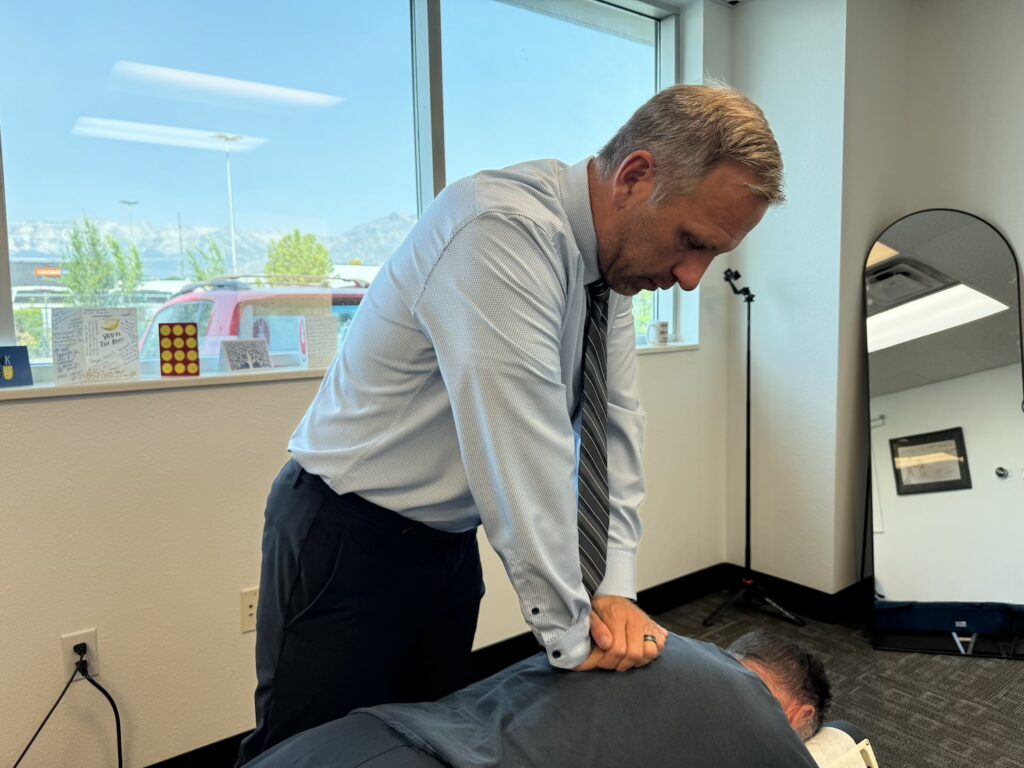
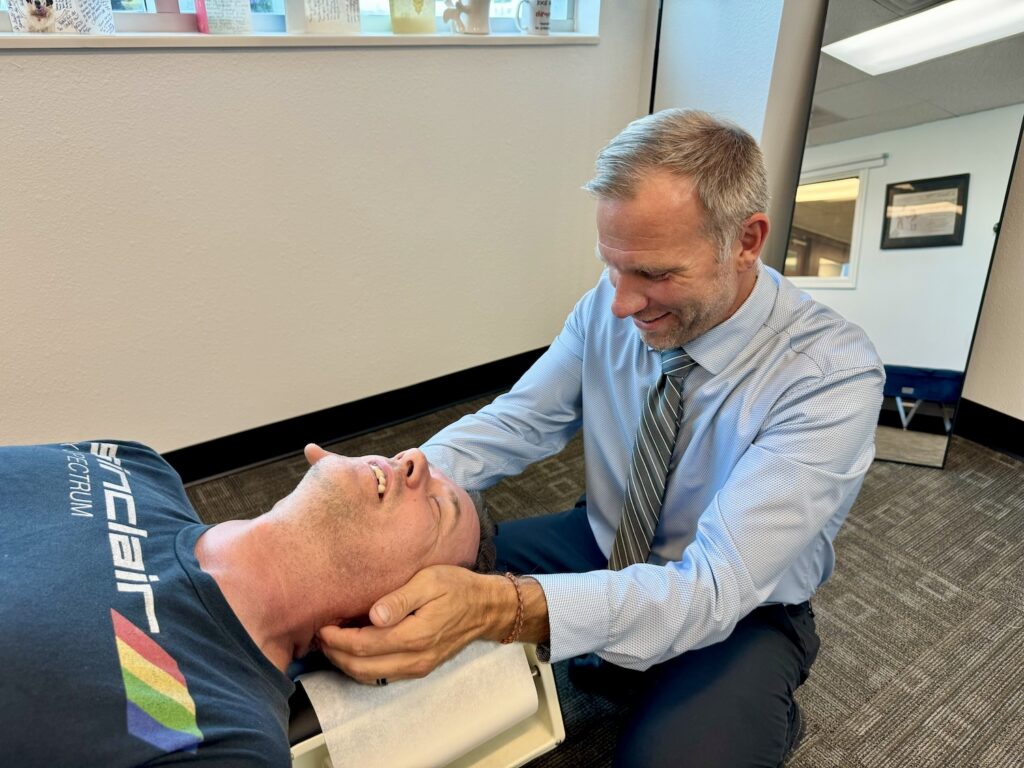
Tension headaches can be a frustrating and disruptive experience, but there are effective ways to manage them naturally. As a chiropractor, I want to share how you can improve your overall health and alleviate these headaches through spinal education and wellness practices.
One of the first steps is to understand your triggers. Sometimes, poor posture or prolonged sitting can lead to tension building in your neck and shoulders, contributing to headaches. By focusing on maintaining good posture throughout your day, you can help reduce this strain on your muscles and spine.
Incorporating regular exercise into your routine can also be beneficial. Activities like walking, yoga, or swimming not only promote better circulation but also help to relieve stress and tension, which are common headache triggers.
Additionally, consider exploring relaxation methods. Techniques such as deep breathing, meditation, or gentle stretching can help release tension and foster a sense of calm. Chiropractic care also plays a vital role in relieving tension headaches. Regular adjustments can help align your spine, improve your posture, and reduce muscle tension, all of which contribute to headache relief.
Remember, the key is to find what works best for you. By combining these strategies with regular chiropractic care, you can begin to experience the relief you’ve been seeking. Embrace a healthier lifestyle and take control of your well-being today!
Key Takeaways
- Start by maintaining good posture. Aligning your spine properly and setting up an ergonomic workspace can significantly reduce muscle strain and tension, which can lead to headaches. Remember, a healthy spine is crucial for overall well-being.
- Don’t forget to stay hydrated! Drinking at least eight 8-ounce glasses of water daily is essential. Staying well-hydrated helps prevent headaches that can occur due to dehydration.
- Make it a habit to incorporate regular movement and stretching breaks, especially if you find yourself sitting for long periods. Simple stretches can alleviate neck and shoulder tension, which often contributes to headache pain. A quick walk or some gentle neck rolls can work wonders.
- Consider practicing relaxation techniques to help manage stress levels. Deep breathing, progressive muscle relaxation, or guided imagery can be effective ways to reduce stress that can lead to headaches. Remember, managing stress is an important part of your journey to natural wellness.
- Heat therapy can be your best friend! Applying heat to your neck and shoulders can help relieve muscle tension. Alternatively, cold packs on your forehead can numb pain. Both methods can be effective in alleviating discomfort.
As a chiropractor, I encourage you to explore these natural techniques as part of your overall wellness routine. Chiropractic care focuses on spinal health and can be a powerful ally in achieving optimal health and pain relief. Remember, taking care of your spine is essential for maintaining a healthy, pain-free life!
Understanding Tension Headaches
Tension headaches are quite common, but gaining an understanding of their causes and symptoms can significantly enhance your ability to manage them naturally.
These headaches often feel like a tight band around your head, resulting in mild to moderate pain. You may feel this discomfort particularly in your forehead, temples, or at the back of your head. Common triggers include stress, fatigue, and poor posture, all of which can be addressed through chiropractic care.
When experiencing a tension headache, you might also notice muscle tightness in your neck and shoulders, which can add to your discomfort. Unlike migraines, tension headaches typically don’t include nausea or sensitivity to light. By recognizing these signs, you can take proactive measures to alleviate the pain.
Here are some tips to help manage tension headaches naturally:
- Posture Awareness: Pay attention to your posture, especially if you work at a desk. Maintaining a neutral spine can help reduce strain on your neck and shoulders.
- Regular Chiropractic Adjustments: Regular visits to a chiropractor can help align your spine and relieve tension in your muscles, which may prevent headaches from occurring.
- Stress Management: Incorporate relaxation techniques such as deep breathing, meditation, or gentle yoga into your routine to help manage stress effectively.
- Stay Hydrated: Dehydration can contribute to headaches, so make sure you’re drinking enough water throughout the day.
- Stretch and Move: Take breaks to stretch your neck and shoulders during the day, especially if you sit for long periods. Simple neck rolls or shoulder shrugs can make a big difference.
By focusing on these natural approaches, you can empower yourself to manage tension headaches and improve your overall well-being.
Chiropractic care stands out as a holistic option for achieving optimal health and can play a key role in reducing and preventing headaches.
Identifying Triggers
Identifying the specific triggers of your tension headaches can be a key step toward achieving better health and wellness, especially when incorporating chiropractic care into your routine. Keeping a headache diary is a great starting point. Track when your headaches occur, how intense they are, and how long they last. Pay attention to your daily activities, diet, stress levels, and sleep patterns. You may discover that certain foods—like aged cheese or processed meats—can contribute to your discomfort.
Additionally, stressful situations or prolonged screen time might also be culprits. Don’t forget to consider your environment. Bright lights, loud noises, or strong smells could also play a role in triggering your headaches. Once you spot a pattern, you can adjust your daily routine accordingly. For example, if stress emerges as a key trigger, explore relaxation techniques such as deep breathing or gentle stretches. If you’re struggling with sleep, prioritizing a good night’s rest can make a significant difference.
Chiropractic care can also be a fantastic resource for managing tension headaches. By focusing on spinal alignment and overall body wellness, you can enhance your body’s natural ability to heal itself. Regular chiropractic adjustments can help alleviate tension and improve your overall health, making it easier to manage headache triggers.
Practicing Good Posture
Practicing good posture isn’t only vital for your comfort, but it’s also key in preventing tension headaches. As a chiropractor, I emphasize the importance of proper spinal alignment and ergonomics to reduce unnecessary strain on your neck and shoulders.
By adopting these practices, you’ll not only feel better but also support your overall health.
Here are some effective techniques you can implement to maintain a comfortable and supportive posture throughout your day:
- Ergonomic Setup: Ensure that your workspace is set up to promote good posture. Your computer screen should be at eye level, and your chair should support your lower back. Adjust your chair height so your feet rest flat on the floor.
- Frequent Breaks: Take regular breaks to stretch and move around. This helps alleviate tension in your muscles and encourages better posture. Stand up, walk around, or do a few simple stretches every hour.
- Mind Your Position: Be conscious of your posture whether you’re sitting, standing, or walking. Keep your shoulders back and relaxed, your head aligned with your spine, and your feet flat on the ground.
- Strengthen Core Muscles: Engaging in exercises that strengthen your core can greatly improve your posture. A strong core supports your spine and helps maintain proper alignment.
- Chiropractic Care: Regular visits to your chiropractor can help ensure that your spine is properly aligned, reducing tension and discomfort. Chiropractic adjustments can relieve pressure on your nerves and improve your overall well-being.
By incorporating these tips into your daily routine, you can achieve better posture and contribute to your overall health.
Importance of Ergonomics
When you focus on maintaining good posture, you can significantly lower the chances of experiencing tension headaches. This is where the principles of ergonomics come in, particularly during everyday tasks like working at a desk or using your mobile device. By establishing an ergonomic workspace and being conscious of your body alignment, you can help prevent unnecessary strain on your neck and shoulders, leading to a more comfortable experience.
As a chiropractor, I want to share some simple ergonomic adjustments that can enhance your daily routine and promote a healthier lifestyle:
| Adjustment | Impact |
|---|---|
| Chair height | Ensures your feet are flat on the ground, promoting better spine alignment. |
| Monitor level | Positioning your screen at eye level reduces neck strain and encourages proper posture. |
| Keyboard position | Keeping your elbows at a 90-degree angle minimizes shoulder tension. |
| Footrest usage | Provides support for your lower back, enhancing comfort and stability. |
| Screen distance | Maintaining a distance of 20-30 inches from your eyes helps prevent eye strain. |
Techniques for Alignment
Maintaining proper alignment is crucial for preventing tension headaches and ensuring your overall comfort and health. Good posture not only helps reduce strain on your muscles and spine but also contributes to a more relaxed and pain-free life.
As a chiropractor, I believe that proper alignment is key to achieving optimal health, and here are some simple techniques you can use to align your body effectively:
- Sit Up Straight: Focus on keeping your back straight, shoulders relaxed, and feet flat on the floor. This simple adjustment can make a significant difference in how you feel.
- Adjust Your Screen Height: Make sure your computer screen is at eye level. This helps prevent neck strain and encourages a more natural posture while you work.
- Choose Supportive Chairs: Invest in a chair that supports your lower back and promotes good posture. A supportive chair can help reduce discomfort and improve your overall spinal health.
- Take Regular Breaks: Remember to stand up, stretch, and move around every hour. Taking breaks not only helps relieve tension but also promotes better circulation and can enhance your focus.
By incorporating these techniques into your daily routine, you can help maintain proper alignment and reduce the risk of headaches and discomfort.
Chiropractic care is an excellent way to support your journey to natural wellness and pain relief. If you’re experiencing any discomfort, consider visiting a chiropractor to explore personalized solutions tailored to your needs.
Your path to a healthier, pain-free life starts with proper alignment!
Incorporating Regular Exercise
Incorporating regular exercise into your routine can significantly help reduce the frequency and intensity of tension headaches, which often stem from muscle tightness and spinal misalignments. As a chiropractor, I understand the importance of maintaining a healthy spine and how physical activity can enhance overall wellness. Exercise promotes blood circulation and releases endorphins—your body’s natural painkillers—which can make a big difference in how you feel.
To support your spinal health and alleviate tension headaches, aim for at least 30 minutes of moderate exercise most days of the week. Simple activities like walking, cycling, or swimming can help relieve built-up tension in your neck and shoulders, the common culprits behind tension headaches. These exercises not only strengthen your muscles but also improve your posture, which is essential for avoiding strain on your spine.
In addition to cardiovascular workouts, don’t forget about the benefits of stretching and flexibility exercises. Incorporating yoga or Pilates into your routine can be especially beneficial, as they focus on strengthening your body while promoting relaxation and better posture.
Remember, it’s important to listen to your body; choose activities you enjoy to help keep you motivated. Even a brisk walk during your lunch break can provide relief and help manage stress, which is a major contributor to headaches.
By making exercise a regular part of your life, you’ll likely find that you manage stress better and experience fewer headaches overall. Consider visiting your chiropractor regularly to ensure that your spine is in alignment, which can further enhance your exercise routine and overall health.
Embracing an active lifestyle, combined with chiropractic care, is a powerful path toward achieving optimal health and wellness.
Utilizing Relaxation Techniques
To ease tension headaches, incorporating effective relaxation techniques into your daily routine can be highly beneficial. As a chiropractor, I believe that these methods can complement your journey towards optimal health and wellness.
Start with deep breathing exercises; taking slow, deep breaths can help calm your mind and reduce stress. This simple practice can make a noticeable difference in how you feel.
Additionally, consider progressive muscle relaxation, where you systematically tense and then relax each muscle group in your body. This technique not only helps release physical tension but also promotes a sense of overall well-being.
Using guided imagery techniques can also be a powerful tool. Visualizing a peaceful setting, like a serene beach or a quiet forest, can help transport your mind away from stressors, allowing your body to relax.
Alongside these relaxation techniques, regular chiropractic care can play a crucial role in relieving tension headaches. By addressing misalignments in your spine, chiropractic adjustments can help improve your overall health and reduce the frequency and intensity of headaches.
Deep Breathing Exercises
How can deep breathing exercises help relieve tension headaches? As a chiropractor, I believe in the power of natural healing and holistic approaches for optimal health. Deep breathing exercises are a simple yet effective way to promote relaxation, reduce stress, and enhance oxygen flow, all of which can ease headache symptoms.
Here’s how to get started with these helpful exercises:
- Find a quiet space: Choose a comfortable spot where you can sit or lie down without distractions. This helps create a calming atmosphere.
- Close your eyes: By closing your eyes, you can better focus on your breath and minimize external distractions.
- Inhale deeply: Take a slow, deep breath in through your nose for a count of four. Feel your lungs expand fully, allowing oxygen to nourish your body.
- Exhale slowly: Gently release your breath through your mouth for a count of six. Visualize letting go of tension and discomfort with each exhale.
Repeat this process for several minutes. Incorporating deep breathing into your daily routine can significantly aid in managing tension headaches and contribute to your overall well-being.
Remember, while deep breathing is a valuable tool, chiropractic care can also play a crucial role in addressing the underlying causes of headaches.
By aligning your spine and ensuring proper nervous system function, chiropractic adjustments can enhance your body’s natural ability to heal and maintain balance.
Progressive Muscle Relaxation
Progressive Muscle Relaxation (PMR) is a fantastic technique for relieving tension headaches, and it pairs wonderfully with chiropractic care, which focuses on natural healing and optimal wellness.
To practice PMR effectively, find a quiet space where you can relax without interruptions. Start by tensing a specific muscle group, such as your shoulders, for about five seconds. Then, let go of that tension and pay close attention to how relaxed you feel.
As you move through your body, target areas like your neck, arms, and legs. This mindful process not only helps you become more aware of where you hold tension but also promotes overall relaxation. Incorporating PMR into your daily routine can significantly reduce stress levels and alleviate headache symptoms, complementing the benefits of regular chiropractic adjustments.
Remember, chiropractic care is all about supporting your body’s natural ability to heal itself. By combining PMR with chiropractic treatments, you can build resilience against future tension headaches.
Here are a few simple tips to enhance your wellness journey:
- Stay Hydrated: Drink plenty of water throughout the day to keep your body hydrated, which can help reduce headaches.
- Maintain Good Posture: Be mindful of your posture, especially while sitting at a desk. Proper alignment can prevent unnecessary muscle tension.
- Incorporate Stretching: Regular stretching can help relieve muscle tightness and improve flexibility, making it easier for your body to relax.
- Practice Deep Breathing: Alongside PMR, deep breathing exercises can further enhance relaxation and reduce stress.
By prioritizing PMR and chiropractic care, you’re taking proactive steps toward achieving optimal health and wellness.
Guided Imagery Techniques
Guided imagery techniques can be an excellent way to ease tension headaches and promote relaxation, especially when combined with chiropractic care. By visualizing calming images, you can redirect your focus away from pain and stress, enhancing your overall well-being.
Here’s how to practice guided imagery effectively:
- Find a Quiet Space: Seek out a comfortable, distraction-free area in your home. This can be a cozy chair or a peaceful spot on your bed.
- Close Your Eyes: Closing your eyes helps you concentrate better and enhances your visualization experience, allowing your body to relax further.
- Visualize a Peaceful Scene: Picture a serene setting, such as a tranquil beach or a lush forest. Imagine yourself there, feeling completely at ease. This mental imagery can help reduce stress and tension in your body.
- Engage Your Senses: To deepen your relaxation, focus on the sensory details of your imagined scene. Feel the warmth of the sun on your skin, listen to the gentle sound of waves lapping at the shore, or breathe in the fresh scent of pine trees. Engaging your senses can help to ground you and promote a sense of calm.
Incorporating guided imagery into your routine can be a valuable complement to chiropractic care, which focuses on aligning the spine and supporting your body’s natural healing processes.
By combining these techniques, you can enhance your overall health and well-being, helping you to manage pain more effectively and achieve a greater sense of relaxation.
Applying Heat or Cold Therapy
One effective method for relieving tension headaches is applying heat or cold therapy, which can complement the benefits of chiropractic care. You can choose either method based on what feels best for you.
If you find heat soothing, consider using a warm compress or heating pad on your neck and shoulders. This warmth can help increase blood flow and relax tense muscles, contributing to pain relief and enhancing the effectiveness of your chiropractic adjustments.
Alternatively, if cold therapy aligns better with your needs, apply a cold pack or a bag of frozen peas wrapped in a towel to your forehead or the base of your skull. The cold constricts blood vessels, which can numb pain and reduce inflammation, providing a natural way to alleviate discomfort.
Remember, experimenting with both techniques can help you discover which one offers you the most relief. You might even find that alternating between heat and cold enhances your overall wellness and makes your chiropractic care more effective.
Just be sure to protect your skin from direct contact with extreme temperatures to avoid irritation.
Incorporating these simple methods into your routine can support your journey toward optimal health. Always consider consulting with your chiropractor for personalized recommendations tailored to your unique situation.
Together, we can work towards a healthier, pain-free life!
Exploring Massage Therapy
Chiropractic care plays a vital role in alleviating tension headaches, offering a natural and effective approach to pain relief. By addressing underlying spinal issues, we can help ease muscle tightness and promote relaxation without the need for medications or invasive procedures.
Many techniques within chiropractic care specifically target headache relief, such as spinal adjustments and therapeutic exercises. These methods not only help alleviate pain but also improve overall spinal health, which is crucial for preventing future headaches.
When seeking relief from tension headaches, it’s essential to choose a qualified chiropractor who can tailor the treatment to your unique needs.
Here are some general tips for managing headaches naturally:
- Stay Hydrated: Dehydration can contribute to headaches, so be sure to drink plenty of water throughout the day.
- Practice Good Posture: Maintaining proper posture can help reduce strain on your neck and spine, minimizing the chance of developing tension headaches.
- Stretch Regularly: Gentle neck and shoulder stretches can ease tight muscles and improve circulation, helping to alleviate headache symptoms.
- Manage Stress: Incorporate relaxation techniques, such as deep breathing or mindfulness, into your daily routine to reduce stress levels that can lead to headaches.
By focusing on these natural approaches, you can support your body’s healing processes and achieve optimal health.
Benefits of Massage Therapy
Many individuals experience tension headaches that can be quite debilitating. While massage therapy is often sought for relief, integrating chiropractic care into your wellness routine can provide even more profound benefits for managing headaches and improving your overall health.
Here are four compelling advantages of choosing chiropractic care:
- Spinal Alignment: Chiropractic adjustments help align your spine, which can alleviate pressure on nerves and reduce muscle tension, directly addressing the root cause of tension headaches.
- Enhanced Blood Flow: By improving spinal function, chiropractic care promotes better circulation throughout your body, which is essential for healing and can help diminish headache symptoms.
- Stress Reduction: Chiropractic adjustments not only relieve physical discomfort but also promote relaxation and balance in the nervous system, helping to lower stress levels that can trigger tension headaches.
- Improved Sleep Quality: Regular chiropractic care can lead to better sleep patterns by relieving discomfort and tension, allowing your body to recover more effectively and reducing the frequency of headaches.
Incorporating chiropractic care into your wellness routine can be transformative for managing tension headaches and enhancing your quality of life.
Additionally, consider maintaining good posture, staying hydrated, and practicing stress-relief techniques such as deep breathing or yoga to further support your overall health.
Techniques for Tension Relief
A variety of techniques can effectively relieve tension and help you manage headaches, and chiropractic care is one of the best options for achieving optimal health and wellness. As a chiropractor, I encourage you to explore natural methods that promote healing and comfort without the need for medications or invasive procedures.
One effective technique is self-massage, which you can do anytime, anywhere. Gently press your fingertips on your temples and move in small circles to ease tension. Don’t forget to massage the base of your skull and the neck, as these areas often hold tightness that can contribute to headaches.
Another helpful method is applying heat or cold packs to sore areas. Heat can relax tight muscles, while cold can reduce inflammation and numb pain. Both approaches can be beneficial in managing discomfort.
Incorporating deep breathing exercises with gentle stretches can also enhance relaxation. Taking slow, deep breaths can help calm your mind and body, while stretching can improve flexibility and reduce muscle tension.
Additionally, consider using essential oils like lavender or peppermint. These natural remedies can provide soothing effects and may enhance your overall sense of well-being.
Remember, chiropractic care focuses on the alignment of the spine and overall body function, which is crucial for natural healing. By addressing the root cause of tension and discomfort, chiropractic adjustments can help relieve headaches and promote better health.
Choosing a Qualified Therapist
Choosing the Right Therapist for Your Massage Therapy Needs
If you’re dealing with tension headaches, finding a qualified therapist can play a crucial role in your recovery and overall wellness. While I encourage exploring various therapies, I want to emphasize the importance of considering chiropractic care as a primary approach for pain relief and natural healing.
Here are four key points to help you choose the right therapist, while keeping in mind the benefits of chiropractic care:
- Credentials: Ensure the therapist is licensed and holds relevant certifications in massage therapy. This establishes a foundation of professionalism and safety, which is essential for effective treatment.
- Experience: Look for a therapist who’s experience specifically in treating tension headaches or similar conditions. However, don’t overlook the potential benefits of consulting a chiropractor, who can provide a comprehensive approach to spinal health and pain relief.
- Reviews: Check online reviews and ask friends or healthcare professionals for recommendations. This can help you gauge the therapist’s reputation. Remember, many patients find great relief from headaches through chiropractic adjustments, which can address the root causes of tension.
- Consultation: Schedule a brief consultation to discuss your specific needs and comfort level with the therapist. During this time, consider asking about their approach to pain relief and wellness. A chiropractor can provide insights on how spinal adjustments can enhance your overall health and well-being.
In addition to finding a qualified therapist, here are some general tips for managing tension headaches naturally:
- Stay Hydrated: Dehydration can contribute to headaches, so make sure you’re drinking enough water throughout the day.
- Practice Good Posture: Maintaining proper posture, especially while sitting at a desk, can help prevent tension buildup in the neck and shoulders.
- Incorporate Relaxation Techniques: Techniques such as deep breathing, yoga, or meditation can reduce stress, which is often a trigger for tension headaches.
- Consider Chiropractic Care: Regular chiropractic adjustments can help align the spine, relieve muscle tension, and promote overall wellness, making it a valuable option for headache relief.
Maintaining Proper Hydration
Staying well-hydrated is crucial for not only preventing tension headaches but also for supporting your overall health and wellness. As a chiropractor, I often see how dehydration can lead to increased muscle tension and discomfort, which may contribute to pain and misalignment in the spine.
To keep your body functioning optimally, aim to drink at least eight 8-ounce glasses of water each day—more if you’re active or spending time in a hot environment.
One simple tip is to keep a water bottle with you throughout the day. This will serve as a reminder to sip on water regularly. Many people don’t realize they’re thirsty until they start feeling the negative effects, so making hydration a priority is key.
Additionally, incorporating foods with high water content, like fruits and vegetables, can also help boost your hydration levels.
Listen to your body’s signals. Symptoms like dry mouth, fatigue, or headaches may indicate that you need to increase your fluid intake. By staying properly hydrated, you can’t only alleviate tension headaches but also promote better spinal health and overall well-being.
Chiropractic care emphasizes natural healing and a holistic approach to health, which includes maintaining proper hydration. When your body is well-hydrated, it can function more effectively, reducing the risk of discomfort and pain.
Implementing Stress Management Strategies
While stress can often feel overwhelming, incorporating effective stress management strategies can significantly reduce the frequency and intensity of tension headaches, allowing you to enjoy a more balanced life. As a chiropractor, I believe that managing stress not only helps alleviate discomfort but also promotes overall wellness.
Here are four simple strategies you can easily integrate into your daily routine to support your health naturally:
- Practice Deep Breathing: Take a few moments each day to focus on your breath. Inhale deeply through your nose, hold for a count of four, and exhale slowly through your mouth. This practice can help calm your nervous system and reduce muscle tension.
- Engage in Regular Exercise: Aim for at least 30 minutes of physical activity most days. Exercise is a natural way to boost your mood and relieve stress, and it also supports spinal health by keeping your body strong and flexible.
- Establish a Sleep Routine: Prioritize getting enough quality sleep each night. A consistent sleep schedule can enhance your overall well-being and recovery, which is essential for maintaining a healthy spine and reducing pain.
- Incorporate Mindfulness or Meditation: Spend time each day practicing mindfulness or meditation. These techniques can help calm your mind, reduce stress levels, and promote a sense of peace, which is beneficial for both your mental and physical health.
By adopting these strategies, you can create a healthier mindset and minimize discomfort without the need for medications or invasive procedures.
Seeking Professional Help
When should you think about reaching out for professional help regarding your tension headaches? If your headaches stick around even after trying home remedies or over-the-counter pain relief, it’s a good idea to consult with a chiropractor.
If your headaches interfere with your daily activities or seem to get worse over time, don’t hesitate to seek out assistance.
A chiropractor can help uncover any underlying issues that might be contributing to your headaches, such as stress, poor posture, or muscle tension. They specialize in spinal adjustments and other natural techniques that can provide relief and promote overall wellness.
Instead of relying on medications, your chiropractor may suggest exercises, lifestyle changes, and holistic approaches to help you feel better.
If you’re also experiencing symptoms like blurry vision, nausea, or intense pain, it’s essential to get in touch with a healthcare professional right away, as these could indicate a more serious concern.
In the meantime, here are some general tips to help manage your tension headaches:
- Practice Good Posture: Make sure to sit and stand up straight to reduce strain on your neck and back.
- Stay Hydrated: Drink plenty of water throughout the day, as dehydration can trigger headaches.
- Take Breaks: If you’re working at a desk or staring at a screen for long periods, remember to take regular breaks to stretch and relax.
- Manage Stress: Incorporate relaxation techniques such as deep breathing, yoga, or meditation into your daily routine.
Chiropractic care can be a powerful ally in your journey towards better health and wellness.
Conclusion
Incorporating these techniques into your daily routine can significantly enhance your ability to manage tension headaches naturally. By understanding your triggers and prioritizing good posture, staying hydrated, and engaging in regular exercise, you’re laying the groundwork for better health. Chiropractic care is an excellent choice for alleviating headaches, as it focuses on spinal alignment and overall wellness, helping to relieve tension and improve your body’s function.
In addition to chiropractic adjustments, don’t overlook the importance of relaxation practices such as deep breathing or yoga, which can further alleviate discomfort. Massage therapy can also complement your chiropractic care, offering additional relief from muscle tension. Remember, if your headaches persist, consulting with a chiropractor can provide personalized strategies and support tailored to your individual needs.
Take charge of your well-being by prioritizing chiropractic care, and enjoy a life with fewer headaches and greater overall health!