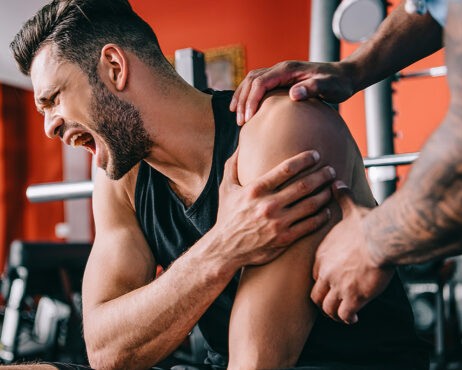
When considering the path of an athlete recovering from an injury, it's important to recognize that healing involves much more than just physical rest. As a chiropractor, I often emphasize that effective recovery combines various strategies, including nutritional choices, physical therapy, and mental resilience techniques. This holistic approach not only aids in rehabilitation but also enhances overall well-being.
Healing is not solely about returning to the field; it's about understanding how each component contributes to the recovery process. What are some tried-and-true methods that have proven effective for athletes looking to bounce back? By exploring these timeless strategies, we can shift your perspective on recovery and help you appreciate the benefits of chiropractic care and natural healing in your own recovery journey.
Rest and Recovery
As a local chiropractor, I want to emphasize the importance of rest and recovery when you experience an injury. It's natural to feel the urge to push through the pain and return to your daily activities, but neglecting your body's signals can hinder your healing process and potentially lead to more serious complications in the future. Allowing your body the necessary time to rest is crucial, as it enables your muscles, ligaments, and joints to repair themselves effectively and helps prevent further injury.
During the initial recovery phase, it's important to minimize movement in the affected area. This doesn't mean you have to be completely sedentary; gentle movements can actually enhance circulation and combat stiffness. Pay attention to how your body feels—if something seems off or painful, it's best to stop and reassess. Applying ice to the injured area can help reduce swelling and alleviate pain, but be sure to give your body the rest it needs from strenuous activities.
Quality sleep is another vital component of your recovery journey. While you sleep, your body engages in crucial repair work, healing tissues and bolstering your immune system. Strive for restful sleep each night, as it significantly contributes to your healing process. Additionally, staying hydrated and consuming a balanced diet rich in vitamins and minerals will support your recovery efforts.
Furthermore, don't overlook the significance of mental rest during your healing period. Dealing with an injury can be frustrating, but maintaining a positive mindset is essential to coping with the challenges. Surrounding yourself with supportive friends and family can make a big difference, and engaging in uplifting activities can help elevate your spirits while you heal.
Physical Therapy Techniques
When you're on the road to recovery from an injury, chiropractic care can be a vital component of your healing journey.
Our manual therapy techniques are designed to alleviate pain and enhance your mobility, helping your body to function at its best.
Additionally, we offer rehabilitation exercise programs tailored to strengthen the areas affected by your injury.
Manual Therapy Approaches
As a local chiropractor, I want to share with you the importance of manual therapy approaches in your recovery journey, especially if you're an athlete dealing with injuries. These techniques focus on soft tissues and joints, aiming to alleviate pain and restore function. Methods like joint mobilization, soft tissue manipulation, and myofascial release are just a few examples of the hands-on care we provide to help you heal.
When you come to see me, I'll conduct a thorough assessment of your condition and create a tailored treatment plan specifically for you. This personalized approach is crucial to ensure you receive the most effective care possible. Many of my patients notice significant improvements in their range of motion and a decrease in pain, which ultimately makes returning to their sport much smoother.
Moreover, manual therapy can significantly enhance your body's natural healing processes. It promotes the release of endorphins, which are your body's natural pain relievers, helping you feel more comfortable as you recover.
It's essential to communicate openly with me about any discomfort you might experience during treatment; your feedback is invaluable in optimizing the therapy sessions for the best results.
Incorporating manual therapy into your recovery plan is a proactive step towards regaining your strength and mobility after an injury. I'm here to help guide you through this process and support you on your path to recovery.
Rehabilitation Exercise Programs
Rehabilitation exercise programs are a crucial aspect of recovery following an injury, particularly for athletes aiming to restore strength and mobility. As a local chiropractor, I want to emphasize how these individualized programs can aid in your healing journey.
When you come to see me, the first step is to assess your specific condition. This involves identifying any weaknesses or imbalances that may be contributing to your discomfort. Based on this evaluation, I'll create a tailored rehabilitation program that gradually increases in intensity, ensuring that you're focusing on the right exercises to promote healing.
You will begin with gentle movements aimed at improving your flexibility and range of motion. As your body starts to respond positively, we'll introduce strength training exercises that specifically target the affected area. This gradual progression is essential to avoid overwhelming your body and to foster a safe recovery.
Consistency is key in this process. By adhering to your rehabilitation program, you can't only speed up your recovery but also significantly lower the chances of re-injury. Throughout the program, I'll teach you proper techniques that not only enhance your performance but also help prevent future issues.
Additionally, we'll incorporate functional exercises that prepare you to return to your sport with renewed confidence. I encourage you to stay engaged with me during your rehabilitation. I'll closely monitor your progress and make adjustments to your program as necessary, ensuring that you're consistently challenged without feeling overwhelmed.
Nutritional Strategies
As a local chiropractor, I want to emphasize the crucial role nutrition plays in your recovery process after an injury. Many people may not realize that the foods we consume can significantly impact healing.
For instance, incorporating anti-inflammatory foods into your diet can help alleviate pain and swelling, making your recovery more comfortable. Additionally, staying well-hydrated is vital for overall healing and can aid in your body's natural recovery mechanisms.
Let's delve into how these nutritional strategies can enhance your healing journey and complement the chiropractic care you receive.
Anti-Inflammatory Foods
As a local chiropractor dedicated to promoting natural healing, I want to emphasize the importance of incorporating anti-inflammatory foods into your diet, especially if you're recovering from an injury.
These nutrient-dense options not only nourish your body but also enhance its ability to heal effectively. By paying attention to what you eat, you can significantly support your recovery process.
Here are some powerful anti-inflammatory foods that I recommend including in your meals:
- Berries: Berries such as blueberries and strawberries are rich in antioxidants, which play a crucial role in reducing inflammation and supporting your body's recovery efforts.
- Fatty Fish: Including fatty fish like salmon, mackerel, and sardines in your diet can provide you with omega-3 fatty acids, known for their strong anti-inflammatory properties. These can help alleviate pain and promote healing.
- Leafy Greens: Vegetables like spinach, kale, and Swiss chard are packed with essential vitamins and minerals that help fight inflammation. Incorporating these into your meals can contribute to overall health and recovery.
- Nuts: Almonds and walnuts are excellent sources of healthy fats and antioxidants. Regularly eating these nuts can support your body's ability to reduce inflammation and improve recovery times.
- Turmeric: This vibrant spice contains curcumin, a compound recognized for its powerful anti-inflammatory effects. Adding turmeric to your dishes can be a delicious way to enhance your meals while also supporting your healing journey.
By making these dietary adjustments, you're not just nourishing your body; you're also taking proactive steps toward a healthier recovery.
If you have questions about how chiropractic care can complement your healing process, feel free to reach out!
Hydration Importance
As your local chiropractor, I want to emphasize the critical role hydration plays in your recovery journey. While incorporating anti-inflammatory foods into your diet is essential for healing, don't underestimate how staying properly hydrated can significantly enhance your body's natural healing processes.
Proper hydration allows your body to function optimally, ensuring that nutrients are effectively transported and waste is efficiently removed. Water is vital for maintaining joint lubrication, which is especially important in preventing further injuries.
When you're healing from an injury, your body needs additional fluids to aid in tissue repair and to help reduce swelling. If you're dehydrated, this healing process can be delayed. That's why it's crucial to drink plenty of water throughout the day—aim for at least half your body weight in ounces of water daily, adjusting this amount based on your activity levels and the environment.
In addition to drinking water, consider adding hydrating foods to your diet, such as fruits and vegetables. Items like watermelon, cucumbers, and oranges aren't only refreshing but also packed with essential vitamins and minerals that support your recovery.
Pay close attention to your body's signals regarding hydration. If you notice that your urine is darker than usual or you start to feel fatigued, it's a sign that you need to rehydrate.
Mental Resilience Training
As a local chiropractor, I want to emphasize the importance of mental resilience training, especially for patients recovering from injuries. This approach not only addresses physical healing but also equips you with essential mental tools to navigate the challenges and setbacks that often accompany recovery.
By fostering mental resilience, you can maintain focus, boost your confidence, and enhance your overall well-being during the healing process.
Here are some key components of mental resilience training that I encourage you to integrate into your recovery:
- Goal Setting: Establishing realistic and achievable goals can help keep you motivated and provide a clear roadmap for your recovery journey. This practice allows you to track your progress and celebrate small victories along the way.
- Positive Visualization: Taking the time to visualize successful outcomes can significantly enhance your confidence and commitment to the healing process. Imagine yourself fully recovered and engaging in activities you love.
- Mindfulness Practices: Incorporating techniques such as meditation and deep breathing can help you manage stress and stay present, alleviating anxiety about your injury. These practices can also complement chiropractic care by promoting relaxation and overall wellness.
- Self-Talk: Developing a positive inner dialogue is crucial for building confidence and encouraging perseverance when faced with obstacles. Remind yourself of your strengths and the progress you've made.
- Support Systems: Surrounding yourself with supportive friends, family, and teammates is vital. A strong support network provides encouragement and accountability, making it easier to navigate the tough times during your recovery.
Cross-Training Approaches
As a local chiropractor, I want to emphasize how cross-training approaches can significantly aid your recovery from injuries. When you're dealing with an injury, it's crucial to maintain your fitness levels while allowing the affected area the necessary time to heal. Cross-training offers a fantastic way to stay active without putting excessive strain on your injury.
For example, if you're experiencing knee issues, consider incorporating swimming or cycling into your routine. These activities are low-impact, allowing you to maintain your cardiovascular fitness without placing unnecessary stress on your knee.
Additionally, mixing up your exercises can help break the monotony of recovery, keeping your spirits high and motivation intact.
Strength training is another key component I recommend. By focusing on strengthening other muscle groups, you can maintain overall body strength and balance, which is essential for your recovery. Using resistance bands or body-weight exercises can be particularly effective, as they can be easily modified to ensure you don't aggravate your injury.
Flexibility and mobility are equally important. Gentle stretching or practices like yoga can help keep your muscles and joints flexible, which supports the healing process. These activities also promote relaxation, a vital aspect of recovery that's often overlooked.
Always listen to your body during cross-training. If something doesn't feel right, don't hesitate to modify or switch to a different activity.
I encourage you to consult with a physical therapist or a chiropractor like myself for personalized advice on safe and effective cross-training methods tailored to your specific injury. Our goal is to help you heal naturally and regain your strength.
Use of Ice and Heat
As a local chiropractor, I want to emphasize the importance of active recovery and the effective use of ice and heat in your healing journey. Many of you may not be familiar with how these simple techniques can significantly enhance your recovery, so let me break it down for you.
When you experience swelling or acute pain, ice becomes your best ally. Applying ice to the affected area can constrict blood vessels, which helps reduce inflammation and numb any pain you may feel. It's a critical first step in managing injuries.
Conversely, heat is beneficial for relaxing and soothing tight muscles. It promotes blood flow and alleviates tension, making it easier to move and function.
Understanding when to use ice versus heat can make a world of difference in your recovery process. Here's a straightforward guide to help you make the most of these therapies:
- Ice Application: After sustaining an acute injury, apply ice for 15-20 minutes every hour. This is crucial for minimizing swelling and controlling pain.
- Heat Application: Once the initial swelling has subsided, you can apply heat for 15-30 minutes to tight muscles. This will help promote relaxation and flexibility.
- Timing: Remember to use ice within the first 48 hours following an injury. After that, transitioning to heat can help improve your range of motion.
- Methods: For ice, you can use ice packs, frozen peas, or a cold compress. For heat, consider using heating pads or warm towels to soothe your muscles.
- Listen to Your Body: It's vital to pay attention to how your body responds. If you notice an increase in pain or discomfort, don't hesitate to adjust your approach.
Incorporating ice and heat into your recovery routine not only aids in healing but also prepares your body to return to your activities stronger and more resilient.
As your chiropractor, I'm here to guide you in these practices and support your journey towards optimal health and wellness.
Alternative Therapies
As a local chiropractor, I want to share how alternative therapies, particularly chiropractic care, can play a crucial role in your recovery from injuries. Many individuals are discovering the benefits of these natural healing methods to enhance their recovery and overall well-being.
Let's start with chiropractic care. This approach focuses on correcting misalignments in your spine and joints, which can alleviate pain and improve your mobility. If you've experienced an injury that has affected your movement or biomechanics, chiropractic adjustments can restore proper function and help you regain your strength more effectively.
But chiropractic care is just one piece of the puzzle. You might also consider integrating other alternative therapies into your recovery plan. For instance, acupuncture is an ancient practice that involves the insertion of thin needles at specific points on the body. This technique can stimulate your body's healing processes, reduce pain, and improve circulation, which are all vital for effective recovery.
Additionally, therapeutic massage is an excellent complement to chiropractic adjustments. It helps reduce muscle tension, increase blood flow, and enhance flexibility—key elements in the recovery process. Regular massages can aid in healing soft tissue injuries and can also elevate your overall athletic performance.
While I firmly believe in the importance of traditional medical treatments, I also advocate for a holistic approach to healing. By incorporating chiropractic care and other alternative therapies into your recovery plan, you address both the physical and mental aspects of healing.
I encourage you to explore these options with me, so together we can create a tailored recovery strategy that helps you bounce back stronger than ever.
Gradual Return to Play
As a local chiropractor, I want to emphasize the importance of a gradual return to play after an injury. Rushing back into full competition too soon can lead to setbacks and potentially prolong your recovery.
It's crucial to take your time and listen to your body throughout this process. By focusing on rebuilding your strength, endurance, and confidence through a thoughtful and structured approach, you can set yourself up for long-term success.
Here are some key steps to consider as you gradually return to your sport:
- Start with Low-Impact Activities: Begin with exercises that are gentle on your injury. Activities such as swimming or cycling can help you maintain your fitness without putting unnecessary stress on your healing body.
- Incorporate Strength Training: It's important to strengthen the muscles surrounding your injury. Gradually increase the resistance in your strength training to help you regain your strength while ensuring that you maintain proper form.
- Progress to Sport-Specific Drills: Once you feel comfortable with the initial exercises, start incorporating drills that are specific to your sport. This may involve light passing drills or footwork exercises that mimic the movements you'll be performing in competition.
- Monitor Your Pain Levels: Always pay close attention to how your body reacts to various activities. If you experience any pain, it's a signal to scale back your efforts and possibly consult with a healthcare professional, such as a chiropractor, who can provide guidance tailored to your needs.
- Set Goals: Establishing short-term, achievable goals can help keep you motivated and provide a clear pathway back to full competition. This structured approach will help you stay focused and encouraged as you work toward recovery.
Remember, healing is a journey, and taking the right steps now can make all the difference in your long-term health and performance.
If you have any questions or need personalized guidance, don't hesitate to reach out to your local chiropractor for support in your recovery process.
Support Systems and Coaches
As a local chiropractor, I want to emphasize the importance of support systems and coaches in your recovery journey after an injury. Chiropractic care isn't just about physical adjustments; it encompasses a holistic approach to healing that involves emotional and mental well-being.
When you're recovering from an injury, your mental state can fluctuate, and having a strong support network—comprising family, friends, trainers, and healthcare professionals—is crucial for maintaining motivation and focus.
Chiropractors play a vital role during this process. We specialize in understanding how the body heals and can tailor treatment plans that align with your recovery needs. By setting realistic goals and celebrating small milestones, we help you regain confidence in your body and its capabilities.
Our experience in managing injuries allows us to guide you through effective rehabilitation strategies that promote natural healing.
Open communication is essential in this journey. Don't hesitate to express your feelings or concerns during your visits. Sharing your thoughts with your chiropractor and support system can lead to valuable insights and reassurance that might ease the frustration and impatience that often accompany recovery.
Remember, you aren't alone; your support team is there to uplift and encourage you.
As you navigate your recovery, lean on your support network. They'll help you stay committed, remind you of your goals, and contribute to maintaining a positive mindset.
Conclusion
Injury recovery goes beyond just physical healing; it's a comprehensive journey that involves rest, nutrition, and mental resilience. As your local chiropractor, I want to emphasize the importance of these time-tested strategies in enhancing your recovery process.
First, individualized rehabilitation is key. Each injury is unique, and tailored care can make a significant difference in your healing. Make sure to stay hydrated, as proper hydration supports overall health and recovery. Additionally, don't underestimate the power of a strong support system; lean on friends, family, or fellow athletes to keep your spirits high during the healing process.
Remember, healing takes time, and patience is crucial. With the right approach—combining chiropractic care, proper nutrition, and mental fortitude—you'll be able to return to your activities stronger and more resilient than ever. Let's work together to ensure you're on the path to optimal health and performance!