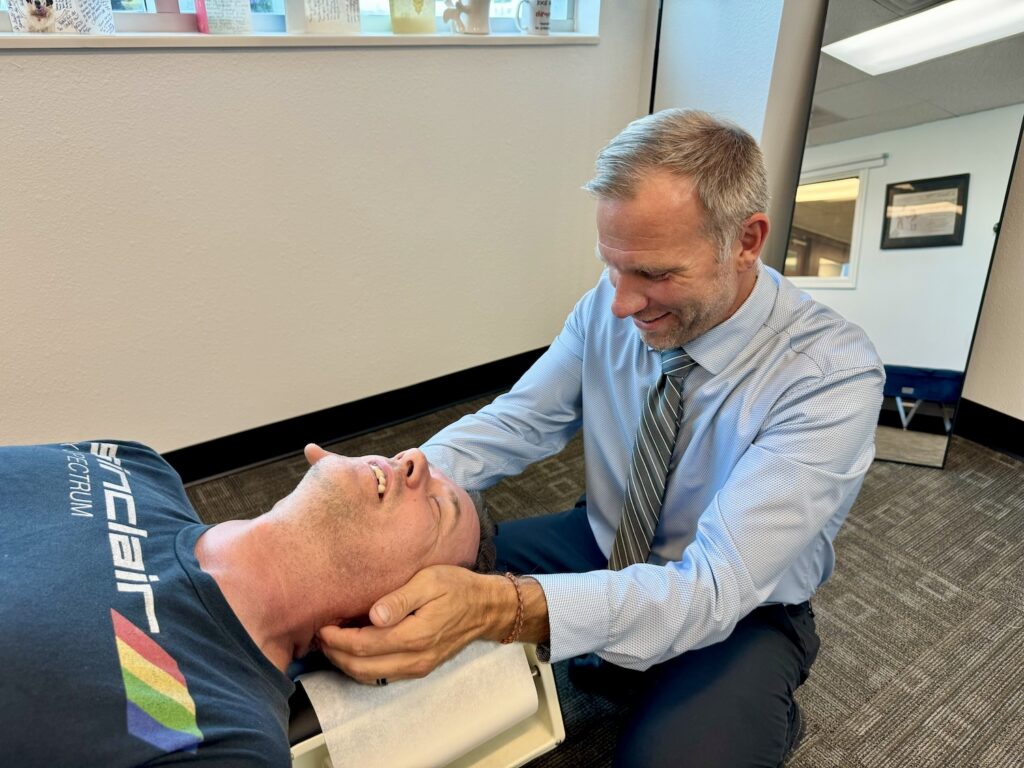
Managing headaches can often feel overwhelming, but understanding how frequently you should visit your chiropractor is essential for achieving relief and optimal wellness. Regular chiropractic consultations can help identify underlying issues related to your spine and nervous system that may be triggering your headaches. By addressing these root causes through natural, holistic methods, you can pave the way for a healthier, pain-free life.
To make the most of your chiropractic visits, it’s important to keep track of your headache frequency and severity. This information will help your chiropractor tailor a personalized treatment plan that addresses your specific needs. Here are five essential tips to enhance your approach to headache management and ensure you get the most benefit from your chiropractic care:
- Regular Check-ups: Schedule consistent appointments with your chiropractor. This allows for ongoing monitoring and adjustments to your treatment plan as needed. Your body’s needs can change, and regular visits ensure you stay on top of your health.
- Keep a Headache Journal: Document your headaches—note when they occur, how intense they are, and any potential triggers. Sharing this information with your chiropractor can help them identify patterns and tailor your care accordingly.
- Focus on Posture: Poor posture is a common contributor to headaches. Be mindful of how you sit and stand throughout the day. Your chiropractor can provide exercises and adjustments to improve your spinal alignment, which may help reduce headache frequency.
- Stay Hydrated: Dehydration can lead to headaches. Make it a habit to drink plenty of water throughout the day. This simple tip can make a significant difference in how you feel.
- Incorporate Stress-Relieving Techniques: Stress can be a major headache trigger. Consider integrating relaxation techniques such as yoga, meditation, or deep breathing exercises into your routine. Your chiropractor may also offer advice on managing stress through physical adjustments.
In conclusion, chiropractic care is a powerful ally in your journey toward headache relief. By prioritizing regular visits, tracking your headaches, improving your posture, staying hydrated, and managing stress, you can cultivate a healthier lifestyle and find lasting relief from headaches. Embrace the natural healing benefits of chiropractic, and take an active role in your wellness today!
Key Takeaways
- Keep a headache journal to monitor how often you experience headaches, their intensity, and any possible triggers. This information can help your chiropractor create a personalized treatment plan that targets your specific needs.
- Make it a priority to schedule regular chiropractic visits. Chiropractic care focuses on spinal health and can be a powerful way to alleviate headache symptoms by improving alignment and reducing tension.
- During each chiropractic visit, take the time to evaluate how well your current treatments are working. This collaborative approach ensures that your care is always tailored for maximum effectiveness.
- If your headaches become more severe or if their frequency increases, don’t hesitate to reach out to your chiropractor. Noticing these changes early can help in adjusting your care plan promptly.
- In between visits, consider incorporating stress management techniques and staying well-hydrated into your daily routine. These simple practices can help support your overall health and contribute to reducing headache occurrences.
By prioritizing chiropractic care and adopting these habits, you can take significant steps towards a healthier, headache-free life.
Identify Your Headache Triggers
Have you ever considered the factors that could be triggering your headaches? Understanding your headache triggers is an essential first step toward finding relief, and as a chiropractor, I believe that addressing these triggers naturally is a key to achieving optimal health.
Common headache culprits include stress, dehydration, poor posture, and even certain foods like aged cheeses or processed meats. You may find that strong smells or bright lights can also intensify your pain. One effective way to identify these triggers is by keeping a headache diary. Simply jot down when your headaches occur, what you ate, your stress levels, and any environmental factors you notice. This practice can help you uncover patterns that you mightn’t have recognized.
Don’t forget to consider your sleep habits as well! Poor sleep or irregular sleep schedules can contribute significantly to headaches. Ensuring you have a restful night and maintaining a consistent sleep routine can do wonders for your overall well-being.
As a chiropractor, I encourage you to take proactive steps to minimize or avoid your headache triggers. By addressing these factors and incorporating chiropractic care into your wellness routine, you can achieve not only fewer headaches but also a better quality of life.
Chiropractic adjustments help improve spinal alignment, which can alleviate tension and enhance overall health.
Start observing your habits and be mindful of what works for you. Remember, natural healing through chiropractic care can be a powerful ally in your journey toward a headache-free life!
Track Headache Frequency and Severity
Tracking the frequency and severity of your headaches is an important step towards understanding your overall well-being. By keeping a detailed record, you can identify patterns that may help you and your chiropractor develop effective strategies for relief.
Here are four simple steps to help you track your headaches effectively while embracing a natural, holistic approach to health:
- Create a Headache Journal: Start by noting the date, time, and how long each headache lasts. This visual representation can help both you and your chiropractor see how often headaches occur and may lead to better treatment options.
- Rate Your Pain: Use a scale from 1 to 10 to describe how intense each headache feels. This easy method not only helps you communicate with your chiropractor about your pain levels but also aids in evaluating your progress during treatment.
- Note Accompanying Symptoms: Pay attention to any additional symptoms, such as nausea or light sensitivity. Recording these can provide valuable insights into your condition and help your chiropractor tailor your care to your specific needs.
- Identify Possible Triggers: Keep track of potential headache triggers, like stress, specific foods, or lack of sleep. Understanding these triggers can empower you to make lifestyle changes that promote overall wellness and reduce the likelihood of headaches.
By taking these simple steps, you can work alongside your chiropractor to find natural, effective ways to manage your headaches and enhance your overall health.
Evaluate Your Current Treatment Plan
How effective is your current approach to managing headaches? It’s important to take a step back and evaluate how well your methods are working for you. Consider the techniques and treatments you’re currently using. Are they helping to alleviate your headaches, or do you still find yourself experiencing frequent and intense pain?
Keeping a journal of your headache occurrences can be immensely helpful. Note down when your headaches occur, how severe they are, and what remedies you tried. This information can help you identify patterns and make better decisions moving forward.
Let’s also think about the timing of your response to headaches. Are you addressing the discomfort as soon as it starts, or are you waiting too long? Your response time can significantly influence how effective your relief strategies are.
One of the best options for managing headaches naturally is chiropractic care. Chiropractors focus on spinal health and alignment, which can have a profound impact on headache relief. Misalignments in the spine can contribute to tension and pain, so regular chiropractic adjustments can help restore balance and alleviate discomfort.
If you’re not seeing the results you want, don’t hesitate to reach out to your chiropractor. They can provide personalized advice and adjustments to help you find the best pathway to relief. Remember, natural healing takes time, and what works for one person may not work for another. Be proactive in seeking the optimal solutions for your health.
In addition to chiropractic care, consider incorporating some general wellness tips into your routine. Staying hydrated, maintaining good posture, managing stress through relaxation techniques, and incorporating regular exercise can all contribute to reducing the frequency and intensity of headaches.
Consider Coexisting Health Conditions
When dealing with headaches, it’s crucial to consider any coexisting health conditions that may be contributing to your discomfort. By understanding these conditions, you and your chiropractor can create a more effective, natural treatment plan that focuses on holistic healing.
Here are some common health issues that can influence your headaches and how chiropractic care can help:
1. Stress and Anxiety: High stress levels can often lead to tension headaches. Chiropractic adjustments can help reduce stress by improving spinal alignment and promoting relaxation.
Incorporating stress-relief techniques, such as deep breathing or gentle stretching, can also support your overall wellness.
2. Sleep Disorders: Conditions like sleep apnea can lead to chronic headaches. Chiropractic care can enhance your sleep quality by correcting misalignments in the spine that may affect your nervous system.
Establishing a calming bedtime routine and ensuring a comfortable sleep environment can further improve your rest.
3. Hormonal Changes: Hormonal fluctuations, especially in women, can trigger migraines. Regular chiropractic adjustments can help maintain spinal health, which supports hormone balance.
Keeping a journal to track your headache patterns in relation to your menstrual cycle may provide valuable insights.
4. Chronic Illnesses: Conditions like fibromyalgia or arthritis can also manifest as headache symptoms. By addressing the underlying issues through chiropractic care—such as improving mobility and reducing inflammation—you can alleviate pain more effectively.
Staying active with gentle exercises and maintaining a healthy diet can also help manage these chronic conditions.
Remember, chiropractic care focuses on natural healing and optimizing your body’s function.
Know When to Seek Immediate Help
Even with effective management of coexisting health conditions, headaches can sometimes indicate a more serious issue that requires attention. If your headache suddenly becomes more intense or feels different from what you’re used to, it’s important not to brush it off.
Consider reaching out for immediate help if you experience any unusual symptoms like confusion, changes in vision, difficulty speaking, or weakness in your limbs, as these could be serious signs that need prompt evaluation.
If your headache follows a head injury, especially if it gets worse over time, it’s vital to seek professional advice. Persistent headaches that don’t respond to your usual care, or those accompanied by symptoms like fever, a stiff neck, or a rash, can also indicate underlying issues that need to be addressed.
As a chiropractor, I encourage you to listen to your body. Maintaining a healthy spine through regular chiropractic care can help reduce the frequency and intensity of headaches.
Consider integrating practices such as proper hydration, stress management techniques, and regular exercise into your routine to support overall wellness. Remember, your health is your wealth, and prioritizing natural approaches to pain relief can lead you to a healthier, happier life.
If you ever feel uncertain about a new or worsening headache, don’t hesitate to consult with a healthcare professional who can guide you on the best path to recovery.
Conclusion
To summarize, effectively managing your headaches starts with regular visits to your chiropractor. By working together, we can help identify your headache triggers, track how often they occur, and assess their intensity. Chiropractic care can play a key role in evaluating your overall health and wellness, ensuring that any underlying issues are addressed.
It’s important to communicate openly about your symptoms, so we can make necessary adjustments to your care plan. Remember, chiropractic adjustments can help alleviate tension and misalignments in your spine, which may be contributing to your headaches.
In addition to chiropractic care, here are some tips to consider for better headache relief:
- Stay Hydrated: Drink plenty of water throughout the day to prevent dehydration, which can trigger headaches.
- Practice Good Posture: Pay attention to your posture, especially if you sit for long periods. Proper alignment can help reduce tension headaches.
- Manage Stress: Incorporate relaxation techniques such as deep breathing, meditation, or yoga to keep stress levels in check.
- Get Regular Exercise: Physical activity can improve overall health and reduce the frequency and severity of headaches.
- Sleep Well: Aim for consistent sleep patterns and a restful environment to promote better sleep quality.
With consistent chiropractic care and proactive lifestyle choices, you can take charge of your well-being and pave the way for improved headache relief and overall health.