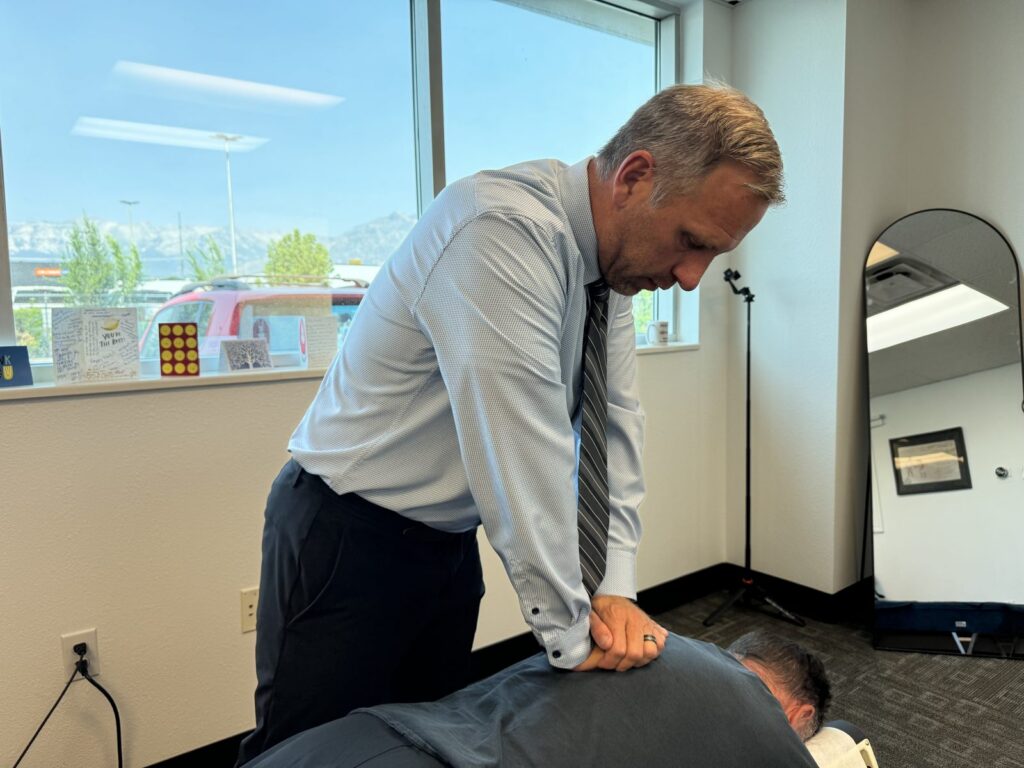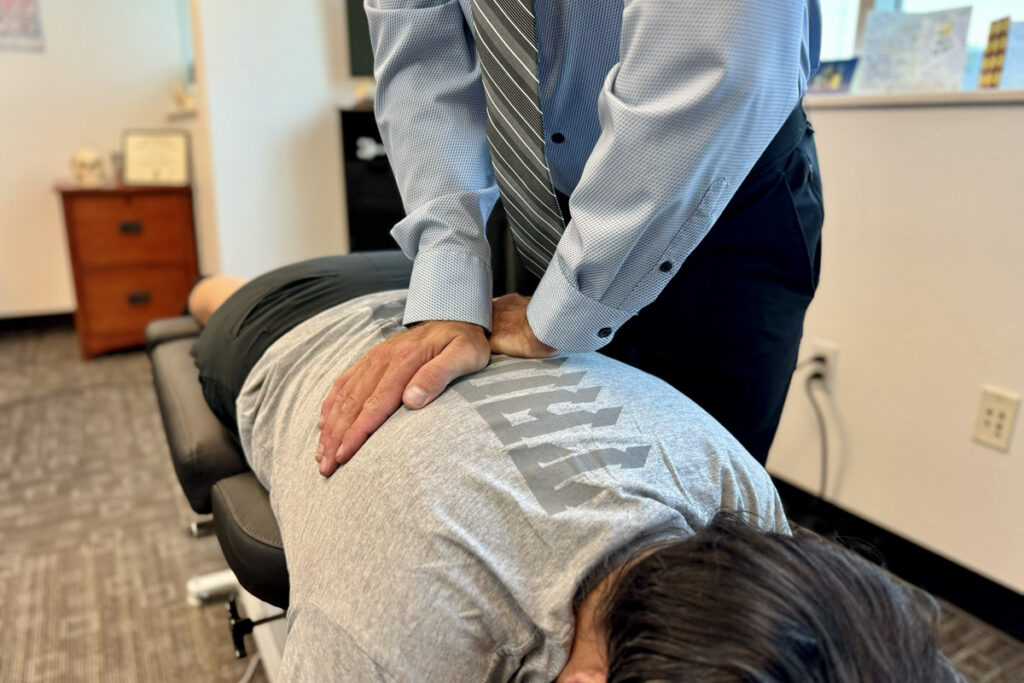
As a local chiropractor, I understand how debilitating lower back pain can be and the toll it takes on your everyday activities. Many people are unaware of how chiropractic care and natural healing can help alleviate this discomfort. By addressing the underlying causes and employing effective recovery strategies, you can experience a noticeable improvement in your quality of life.
One of the first steps in your journey to recovery is to gain a better understanding of your body’s posture. Poor posture can contribute significantly to lower back pain, and making simple adjustments can lead to lasting relief. Additionally, incorporating targeted exercise routines can strengthen the muscles that support your spine, further enhancing your mobility.
Are you ready to learn about some practical tips that can help you reclaim your comfort and movement? I’m here to guide you through various approaches that can support your recovery process, including chiropractic adjustments, stretches, and lifestyle changes. Let’s work together to find the best path for you to feel better and live pain-free!
Understand the Causes of Lower Back Pain
As a local chiropractor, I want to help you understand the various causes of lower back pain and how we can work together to find effective relief. Many factors can contribute to your discomfort, and recognizing these can empower you to make informed choices about your health.
One of the most common culprits is muscle strain, which often occurs from lifting heavy objects or making sudden movements. If your core muscles are weak due to poor physical conditioning, your back can become more vulnerable to injury. This is where chiropractic care can be beneficial, as we can work on strengthening those muscles through targeted exercises and adjustments.
Age is another significant factor in lower back pain. As we get older, our spines naturally experience wear and tear, leading to conditions such as arthritis or herniated discs. Our chiropractic approach focuses on maintaining spinal health and mobility to delay or mitigate these issues.
Lifestyle choices also play a crucial role. A sedentary lifestyle can weaken your back muscles, while excess weight puts additional strain on your spine. We can help you develop a personalized plan that includes exercises, stretches, and nutritional guidance to support a healthier lifestyle.
Interestingly, emotional stress can also manifest as physical pain, leading to muscle tension in your back. Chiropractic care not only addresses the physical aspects of your pain but also promotes overall well-being and stress relief.
Maintain Proper Posture
As a local chiropractor, I want to emphasize the importance of maintaining proper posture in your daily life, especially if you’re experiencing lower back pain. Good posture plays a crucial role in aligning your spine, which can help prevent discomfort and promote healing.
When you’re sitting, standing, or walking, aim to keep your shoulders back and your chest open, ensuring that your head is aligned with your spine. If you spend a lot of time seated, choose a chair that provides support for your lower back. It’s also beneficial to keep your feet flat on the floor with your knees bent at a right angle.
While standing, make sure to distribute your weight evenly across both feet and avoid locking your knees, as this can place unnecessary strain on your back.
If you’re working at a desk, take the time to adjust your workstation for optimal posture. Your computer screen should be at eye level, and your forearms should be parallel to the ground.
By incorporating these posture practices into your routine, you can significantly reduce strain on your back and enhance your overall health.
I encourage you to make good posture a habit, as you may notice a reduction in your lower back discomfort over time.
Incorporate Regular Exercise
As a local chiropractor, I want to emphasize the importance of incorporating regular exercise into your daily routine, especially if you’re dealing with lower back pain. Engaging in physical activity is crucial for strengthening the muscles that support your spine and improving overall flexibility.
I recommend starting with low-impact exercises such as walking, swimming, or cycling. These activities will help you get moving without putting undue strain on your back. Aim for at least 30 minutes of exercise most days of the week.
It’s particularly beneficial to focus on exercises that target your core muscles. A strong core can significantly alleviate pressure on your back and enhance your stability. Practices like yoga and Pilates are excellent choices; they not only improve flexibility but also promote better posture, which is essential for spinal health.
Always listen to your body during these activities. If you experience any pain, it’s important to modify the exercise or take a break. As you become more comfortable, gradually increase the intensity and duration of your workouts.
Consistency is key to seeing results, so I encourage you to find activities you truly enjoy to keep your motivation high.
Use Heat and Cold Therapy
As your local chiropractor, I want to share some valuable insights on managing lower back pain through natural methods like heat and cold therapy. These therapies can be incredibly effective in promoting recovery and alleviating discomfort.
Heat therapy is a wonderful way to relax tight muscles and boost blood circulation, which can significantly reduce stiffness in your lower back. You might consider using a heating pad or indulging in a warm bath for about 15-20 minutes to experience the soothing effects.
Just be cautious to avoid excessively high temperatures that could lead to burns.
Conversely, cold therapy is beneficial for reducing inflammation and numbing sharp pain. Applying an ice pack wrapped in a cloth to the affected area for 10-15 minutes can provide significant relief.
A great strategy is to alternate between heat and cold therapy to maximize your comfort and recovery. However, it’s essential to listen to your body—if you find that one method works better for you, feel free to stick with it.
Always remember to give your skin breaks to prevent irritation, and never apply heat or cold directly to your skin without a protective barrier.
Practice Stretching and Flexibility
As a chiropractor dedicated to helping you understand the benefits of natural healing, I want to emphasize the importance of stretching and flexibility exercises in your recovery from lower back pain. Many people overlook these practices, but they can truly transform your healing journey.
By incorporating stretching into your daily routine, you can enhance your range of motion, build strength in your muscles, and alleviate tension that may be contributing to your discomfort.
I recommend starting with gentle stretches such as the cat-cow pose or child’s pose. These are excellent for specifically targeting your lower back. Aim to hold each position for about 20-30 seconds, and pay attention to your breathing; this will help you deepen the stretch and maximize its benefits.
As you become more comfortable, feel free to gradually increase the intensity of your stretches.
In addition to general stretching, it’s crucial to include flexibility exercises like standing hamstring stretches and hip openers. These movements support your lower back and contribute to overall spinal health.
While I encourage you to stretch daily, it’s essential to listen to your body. If you experience any pain, ease off and adjust your approach.
Remember, consistency is vital. With regular practice, you may notice significant improvements in your overall mobility and comfort.
Embracing these natural methods alongside chiropractic care can lead to a healthier, more balanced you.
Consider Physical Therapy
If you’re dealing with lower back pain, I encourage you to consider chiropractic care as a vital part of your recovery journey. As a local chiropractor, my goal is to assess your unique condition and create a personalized treatment plan tailored just for you.
Through gentle adjustments and targeted techniques, I can help realign your spine, relieve pain, and enhance your overall mobility. Chiropractic care goes beyond mere pain relief; it’s about equipping you with the knowledge and tools to manage your health effectively.
I’ll teach you about proper body mechanics and strategies to prevent future injuries. Regular visits can help you regain confidence in your movements and significantly lower the risk of chronic pain.
Moreover, I’ll provide practical advice on lifestyle changes that can support your healing process. We’ll work together to set realistic goals and monitor your progress, keeping you motivated every step of the way.
Manage Stress Effectively
As your local chiropractor, I want to emphasize the importance of effectively managing stress, especially when dealing with lower back pain. High levels of stress can intensify your physical discomfort, as stress can cause your body to tense up, leading to increased pain.
To support your recovery and promote healing, I encourage you to incorporate some stress-management techniques into your daily routine.
- Deep Breathing Exercises: These exercises can help calm your mind and relax your muscles, making it easier for your body to cope with pain. Taking a few moments each day to practice deep breathing can make a significant difference.
- Regular Physical Activity: Engaging in regular activities like walking or yoga not only helps you stay active but also releases endorphins—your body’s natural stress relievers. This can greatly reduce stress levels and contribute to your overall well-being.
- Mindfulness Meditation: Techniques such as mindfulness meditation or guided imagery can enhance your mental well-being. These practices promote relaxation and can help you manage pain more effectively.
- Social Connections: Don’t underestimate the power of community. Connecting with friends or family to share your thoughts and feelings provides emotional support, helping you to cope with stress and pain.
Incorporating these stress-management strategies can complement your chiropractic care, leading to a more holistic approach to your recovery.
Evaluate Your Sleep Position
As a local chiropractor, I want to emphasize how important your sleep position is in managing lower back pain.
The way you position your body while you sleep can significantly impact your comfort and recovery. By finding the right posture and ensuring you have proper pillow support, you can improve your sleep quality and alleviate pain.
Let’s discuss how these elements can contribute to a better night’s rest and promote healing in your body.
Together, we can explore the best practices for sleeping that will support your spine and overall well-being.
Optimal Sleeping Posture
As a local chiropractor, I want to emphasize that while many individuals concentrate on daytime activities to alleviate lower back pain, the way you sleep can significantly influence your recovery process.
It’s crucial to find the right sleeping posture to minimize discomfort and promote healing. Here are some recommendations to consider:
- Back Sleeping: If you can, try sleeping on your back with a small pillow under your knees. This position helps maintain the natural alignment of your spine, which is essential for preventing pain and promoting healing.
- Side Sleeping: If you’re more comfortable on your side, I recommend placing a pillow between your knees. This simple adjustment can help reduce strain on your lower back and keep your spine aligned.
- Avoid Stomach Sleeping: I advise against sleeping on your stomach, as this position can twist your spine and exacerbate pain. It’s generally not supportive for your back.
- Mattress Matters: Lastly, ensure that your mattress offers adequate support. A medium-firm mattress is often the best choice for individuals dealing with lower back issues, as it strikes a balance between comfort and support.
By adjusting your sleeping posture and ensuring your mattress is supportive, you can significantly enhance your recovery and overall well-being.
Pillow Support Importance
As a local Chiropractor, I want to emphasize the importance of proper pillow support for your overall spinal health and to help reduce lower back pain during sleep.
It’s essential to evaluate your sleep position to ensure your pillow is providing the right support for you.
If you tend to sleep on your back, I recommend using a thinner pillow. This helps keep your neck aligned with your spine, which can prevent discomfort and promote healthier sleep.
For those who sleep on their sides, a firmer, thicker pillow is ideal. This type of pillow will fill the gap between your shoulder and head, maintaining proper alignment and reducing strain.
If you’re a stomach sleeper, I suggest using a very thin pillow or even opting to sleep without one. This can help to prevent unnecessary strain on your neck, which is crucial for avoiding pain and discomfort.
Additionally, placing a pillow between your knees while sleeping can significantly alleviate pressure on your lower back, promoting better spinal alignment.
By choosing the right pillow for your sleep position, you can enhance your comfort and support, which ultimately leads to better sleep and aids in your recovery from lower back pain.
At our practice, we believe that understanding these small adjustments can make a big difference in your overall health and well-being.
Stay Hydrated and Maintain a Healthy Diet
As a local chiropractor, I want to emphasize how crucial it’s to stay hydrated and maintain a healthy diet, especially when you’re recovering from lower back pain. Proper hydration is key to keeping your spinal discs well-lubricated, which can help alleviate discomfort.
Additionally, a nutritious diet provides your body with the essential nutrients it needs to heal effectively.
Here are some dietary tips I recommend for supporting your recovery:
- Drink plenty of water: Staying hydrated is vital for spinal health. It helps prevent stiffness and encourages better mobility.
- Focus on anti-inflammatory foods: Incorporate a variety of fruits, vegetables, and whole grains into your meals. These foods can help reduce inflammation and promote healing.
- Include lean proteins: Foods such as chicken, fish, and legumes are excellent for muscle repair and can strengthen your body during recovery.
- Limit processed foods: Be mindful of your intake of sugar and trans fats. These can increase inflammation and slow down your healing process.
By following these dietary guidelines, you can support your chiropractic care and enhance your overall recovery from lower back pain.
Consult a Healthcare Professional
When it comes to managing lower back pain, seeking the expertise of a chiropractor can make a significant difference in your recovery.
As a chiropractor, I focus on assessing the root causes of your discomfort and developing a personalized treatment plan that aligns with your unique needs.
Through a combination of adjustments, therapeutic exercises, and lifestyle recommendations, we can work together to alleviate your pain and enhance your overall well-being.
Importance of Assessment
As a local chiropractor, I want to emphasize the importance of seeking professional help when it comes to managing lower back pain. While many individuals attempt to handle their discomfort independently, a proper assessment from a healthcare professional is crucial for effective treatment.
I can help you identify the root cause of your pain and guide you away from ineffective remedies. A thorough evaluation not only saves you time and money but also helps prevent unnecessary frustration in your recovery journey.
Here are a few reasons why getting assessed by a chiropractor is vital:
- Accurate Diagnosis: We specialize in understanding the specific issues that may be affecting your back, which is essential for effective treatment.
- Preventing Complications: Early intervention can address underlying conditions before they escalate into more serious problems.
- Guidance on Activities: With our expertise, we can inform you about which movements or exercises to avoid, helping you to stay safe while you heal.
- Avoiding Self-Diagnosis: As trained professionals, we can recognize symptoms and nuances that you might overlook, ensuring you receive the care you truly need.
Taking this step towards a professional assessment is essential for a personalized approach to your recovery. Don’t underestimate the value of expert insight into your health!
Personalized Treatment Plans
As a local chiropractor dedicated to helping patients like you, I want to emphasize the importance of personalized treatment plans for effectively addressing your lower back pain. Every individual has unique needs and circumstances, which is why a tailored approach is key.
The first step in your healing journey is to consult with a healthcare professional, such as myself, who specializes in chiropractic care.
During your initial visit, I’ll thoroughly assess your situation, taking into account your medical history, lifestyle, and specific symptoms. This allows me to create a customized treatment plan just for you.
Our approach may include spinal adjustments, physical therapy techniques, specific exercises, and natural remedies aimed at relieving your pain and promoting overall wellness.
I encourage you to share your preferences and any concerns you might have. Open communication is vital to ensure that your treatment plan isn’t only effective but also manageable for your daily life.
Remember, what works for one person may not work for another, and that’s perfectly okay. By focusing on your individual condition, we can optimize your recovery journey and help you regain your quality of life.
Take charge of your health today by reaching out for a personalized chiropractic solution. Together, we can explore natural healing methods that can make a significant difference in your well-being.
Ongoing Monitoring Progress
As you work towards recovering from lower back pain, it’s important to understand the value of ongoing monitoring in your healing journey. Regular check-ins with a chiropractor can be instrumental in assessing your progress, adjusting your treatment plan, and ensuring you’re making strides towards your recovery goals.
Here are some key aspects to keep in mind as you navigate this process:
- Keep a daily log of your pain levels to help identify any patterns that may emerge.
- Pay attention to any changes in your mobility or flexibility, as these can provide insights into your recovery.
- Don’t hesitate to share any new symptoms or concerns with your chiropractor; open communication is crucial.
- Remember to celebrate small victories along the way, as they can help boost your motivation and reinforce your commitment to healing.
Conclusion
As a local chiropractor, I want to share some valuable insights to help you recover from lower back pain. By incorporating these tips into your daily routine, you can significantly enhance your healing process. First, it’s crucial to understand the underlying causes of your discomfort. This knowledge empowers you to take proactive steps toward recovery.
Maintaining good posture is key; it helps alleviate strain on your back and promotes overall well-being. Regular exercise is also essential—gentle stretching and strengthening activities can bolster your back muscles and improve flexibility. Additionally, managing stress is important, as tension can exacerbate pain.
Don’t underestimate the value of proper sleep and staying hydrated; both play significant roles in your body’s recovery process. Lastly, seeking professional guidance, like chiropractic care, can provide tailored treatment options to address your specific needs.
With commitment and a holistic approach, you can restore your mobility and embrace a pain-free life once again. I invite you to take the first step towards recovery today—your body will thank you!