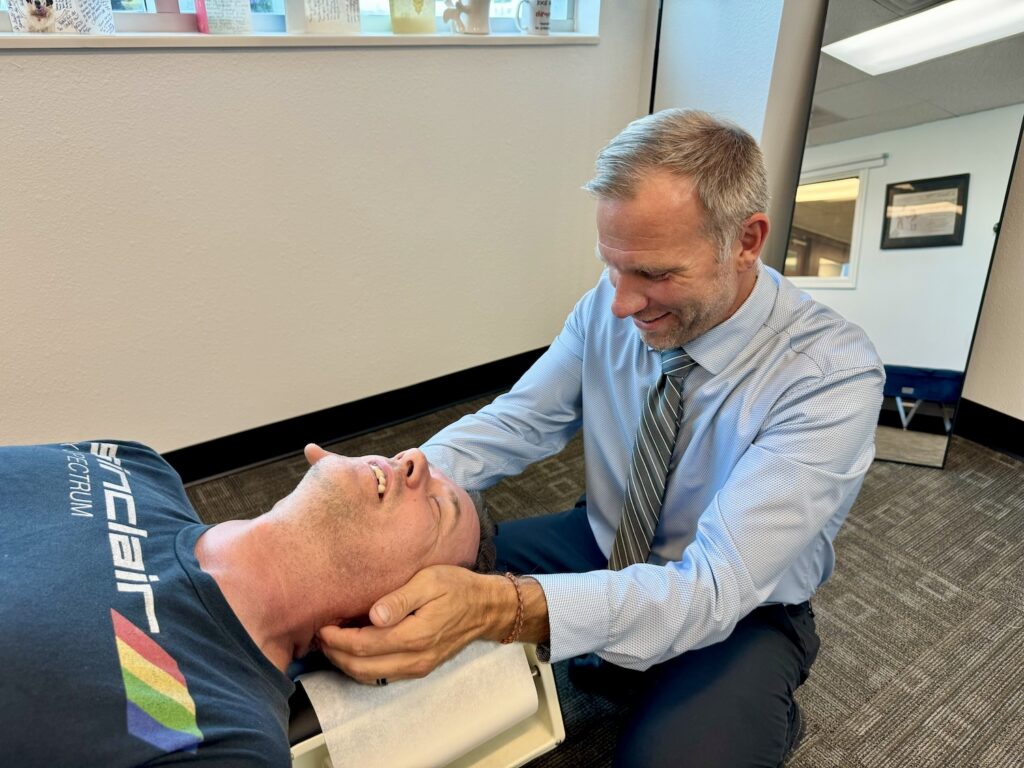
If you’re dealing with migraines and neck pain, know that you’re not alone, and there are natural ways to find relief. Many individuals face these challenges, but incorporating chiropractic care into your routine can be a game-changer for managing pain and enhancing overall well-being. Chiropractic adjustments can help align your spine, reducing tension and improving your posture, which are key factors in alleviating neck pain and migraine triggers.
In addition to seeing your chiropractor, there are several practical strategies you can implement at home. Staying well-hydrated is important, as dehydration can contribute to headaches. Focus on maintaining good posture throughout your day, especially if you work at a desk. Simple stretches and neck exercises can also help release built-up tension.
Tracking your migraine triggers is another effective way to understand what may be contributing to your pain. Common triggers include stress, certain foods, and even changes in sleep patterns. By identifying these, you can work with your chiropractor to develop a tailored plan that addresses your specific needs.
Incorporating relaxation techniques like deep breathing, meditation, or gentle yoga can further enhance your ability to manage pain naturally. These practices not only promote relaxation but also support your overall health.
Remember, chiropractic care is a powerful tool in your wellness journey, offering a holistic approach to pain relief and health enhancement. By taking these steps and partnering with your chiropractor, you can regain control of your life and enjoy a healthier, pain-free existence.
Stay Hydrated
Staying hydrated is crucial for your overall well-being, and it can also play a significant role in managing headaches, including migraines. When you’re dehydrated, it can trigger headaches, which is why it’s essential to sip water consistently throughout the day. Aim for at least eight glasses of water daily, but always listen to your body. If you’re active or in a warm environment, you may need even more hydration.
A great tip is to carry a reusable water bottle with you. This simple act can remind you to drink regularly and keep your hydration levels up. If plain water feels boring, try infusing it with fruits like lemon or berries, or herbs like mint for a refreshing twist. Remember that while caffeine can be enjoyable, it may also lead to dehydration, so balance your coffee or tea intake with plenty of water.
In addition to drinking water, consider incorporating hydrating foods into your diet, such as fruits and vegetables. These not only contribute to your overall fluid intake but also provide essential nutrients that support your body.
Be aware of dehydration signs, like a dry mouth or feeling tired—these are your body’s signals that it needs more fluids.
As a chiropractor, I emphasize that staying hydrated is a simple yet effective way to support your health and manage migraine symptoms. When your body is well-hydrated, it can function more efficiently, which can also aid in pain relief.
Practice Good Posture
Practicing good posture isn’t just a habit—it’s a vital component of maintaining your overall health and well-being, especially when it comes to preventing migraines. Poor alignment can put extra strain on your neck and shoulders, leading to discomfort and headaches. To promote optimal health, follow these simple posture tips.
When sitting or standing, aim to keep your back straight, shoulders relaxed, and head aligned with your spine. Picture a gentle string pulling the top of your head upward. This small adjustment can significantly reduce tension that may lead to headaches.
At your desk, ensure your chair supports your lower back, and keep your feet flat on the floor. Your computer screen should be at eye level to minimize the urge to hunch or strain your neck. Remember to take regular breaks to stretch and shift your position, especially if you’re seated for long periods.
Being mindful of your posture throughout the day can greatly enhance your comfort and natural wellness. By adopting these habits, you’ll not only lower your risk of migraines but also promote better neck health.
Incorporating chiropractic care into your wellness routine can further support your posture and overall health. A chiropractor can help assess your spinal alignment and provide personalized adjustments to improve your posture, alleviate tension, and enhance your well-being naturally.
Prioritizing your spine is a powerful step towards achieving optimal health and living pain-free.
Identify and Avoid Triggers
To manage your migraines effectively, it’s important to identify and steer clear of your specific triggers. Common culprits can include certain foods, stress, and changes in sleep patterns. One effective method is to keep a personal trigger journal to track what seems to set off your migraines. This awareness can empower you to make informed lifestyle choices that may help reduce the frequency of these painful episodes.
In addition to identifying triggers, consider incorporating chiropractic care into your wellness routine. Chiropractic adjustments can help relieve tension and improve spinal alignment, which in turn may lead to a decrease in the intensity and frequency of migraine attacks. Many patients find that regular chiropractic visits not only provide relief from headaches but also enhance overall health and well-being.
Alongside chiropractic care, here are some general tips to help manage migraines naturally:
- Stay Hydrated: Drink plenty of water throughout the day to prevent dehydration, which can trigger headaches.
- Maintain a Consistent Sleep Schedule: Aim for regular sleep patterns to help regulate your body’s natural rhythms.
- Practice Stress Management: Engage in relaxation techniques such as deep breathing, meditation, or gentle yoga to help manage stress levels.
- Nutrition Awareness: Pay attention to your diet and try to avoid known food triggers. Eating balanced meals can also support your overall health.
- Regular Exercise: Engage in regular physical activity, as it can help reduce stress and improve overall health.
By combining these lifestyle changes with chiropractic care, you can take proactive steps toward achieving optimal health and reducing the impact of migraines on your daily life.
Common Migraine Triggers
Identifying and avoiding common migraine triggers can significantly enhance your overall well-being. As a local chiropractor, I want to share insights on how to manage migraines naturally and promote a healthier lifestyle.
Stress is often a major contributor to migraines. To combat this, consider incorporating relaxation techniques into your daily routine. Simple practices like deep breathing or yoga can help release tension and promote relaxation, which is beneficial for both your mind and spine.
Be mindful of your diet as well, as certain foods can spark headaches. Aged cheeses, processed meats, and excessive caffeine are known triggers. Instead, focus on a balanced diet rich in whole foods, which supports your overall health and can reduce the frequency of migraines.
Remember, proper nutrition plays a crucial role in maintaining spinal health and overall wellness.
Changes in sleep patterns can also trigger migraines. Aim for consistent sleep schedules and ensure you’re getting restorative rest. A well-aligned spine can contribute to better sleep quality, so regular chiropractic adjustments may enhance your sleep patterns.
For women, hormonal fluctuations can influence migraine occurrences. Maintaining a healthy lifestyle and regular chiropractic care can help balance hormones and alleviate discomfort.
Environmental factors like bright lights, strong smells, and loud noises can lead to migraine attacks. Being aware of your surroundings and taking proactive steps to minimize these triggers can make a difference.
Personal Trigger Journal
Keeping track of your personal triggers can be a game-changer in managing migraines, and as your local chiropractor, I want to help you find natural solutions for wellness. By identifying what sets off your migraines, you can take proactive steps to avoid those triggers and enhance your overall health.
Starting a personal trigger journal is a great way to record your daily experiences that may relate to your migraines, including factors like food, stress levels, sleep patterns, and weather changes. This can assist you in spotting patterns and correlations that contribute to your discomfort.
Here are some tips to help you get started:
- Note the time and duration of your migraines to identify any recurring patterns.
- Record what you ate and drank before the onset, as certain foods can act as triggers for many people.
- Include any stressful events or emotional factors, as stress can significantly impact your physical health and contribute to migraine occurrences.
- Track your sleep quality and duration, since inadequate rest can lead to increased tension and discomfort.
Regularly reviewing your journal will empower you to better understand your triggers and develop strategies to minimize their impact on your life.
Incorporate Relaxation Techniques
While migraines can be challenging to manage, incorporating relaxation techniques can significantly help reduce their intensity and frequency. As a local chiropractor, I believe that achieving optimal health naturally can be done through mindful practices alongside chiropractic care. Here are some effective techniques you can easily integrate into your daily routine.
Start with deep breathing exercises. Take a moment to find a comfortable position, close your eyes, and take slow, deep breaths. Inhale deeply through your nose, allowing your abdomen to expand, and then exhale gently through your mouth. This simple practice helps calm your nervous system, promoting relaxation and reducing stress that may trigger migraines.
Progressive muscle relaxation is another valuable technique. Begin by tensing each muscle group in your body, starting from your toes and working your way up to your head. Hold the tension for a few seconds, then release it. This helps alleviate built-up tension and can lead to a more relaxed state, making it easier for your body to manage pain.
Incorporating meditation and mindfulness into your routine can further enhance your relaxation efforts. Set aside a few minutes each day to sit quietly, close your eyes, and focus on your breath or repeat a calming mantra. This practice can create a peaceful mental space, helping reduce the frequency of migraines.
Gentle yoga or stretching can also be incredibly beneficial for easing muscle tightness in your neck and shoulders, which are common areas of tension for migraine sufferers. These practices not only promote relaxation but also improve flexibility and overall well-being.
Remember, while relaxation techniques are helpful, regular chiropractic adjustments can play a crucial role in managing migraines by addressing spinal misalignments and improving overall nervous system function.
Use Hot or Cold Therapy
When migraines strike, finding relief is essential, and incorporating heat or cold therapy can be an effective part of your approach. As a chiropractor, I understand the importance of addressing not just the symptoms, but also the underlying issues that contribute to pain.
Heat therapy is a wonderful way to relax tense muscles, which can often be a contributing factor to migraines. By applying warmth to the neck and shoulders, you can improve blood flow and alleviate muscle tightness, potentially reducing the frequency and intensity of your headaches.
On the other hand, cold therapy can also be beneficial. Cold packs can numb the area and reduce inflammation, providing temporary relief from the throbbing pain associated with migraines. Experimenting with both heat and cold can help you discover which method works best for your specific situation.
In addition to these therapies, it’s important to prioritize your overall spinal health. Regular chiropractic adjustments can help align your spine, improve your nervous system function, and reduce stress on your body, which may lead to fewer headaches.
Incorporating relaxation techniques, such as deep breathing exercises or gentle stretching, can also enhance your healing process. Remember to stay hydrated and maintain a balanced diet, as these factors play a significant role in overall wellness and headache prevention.
Benefits of Heat Therapy
As a local chiropractor, I often see patients who struggle with migraine pain, and one natural remedy that can be quite effective is heat therapy. If you find comfort in soothing warmth, applying heat to your neck or shoulders can be a simple yet powerful way to help alleviate your symptoms.
Here are some key benefits of using heat therapy for migraines:
- Relaxes tense muscles: Heat therapy helps loosen tightness in the neck and shoulder area, which can often be a contributing factor to migraine discomfort.
- Improves blood flow: The warmth increases circulation, promoting healing and potentially reducing the intensity of your pain.
- Enhances relaxation: Heat provides a calming effect that can help lower stress levels, making it easier for your body to cope with migraine triggers.
- Eases stiffness: If you’re experiencing stiffness associated with migraines, heat therapy can be particularly effective in relieving that discomfort.
Incorporating heat therapy into your routine could provide significant relief, but remember, the best approach to achieving optimal health and wellness is through chiropractic care. Regular chiropractic adjustments can help address the root causes of your migraines by improving spinal alignment, enhancing nerve function, and reducing tension throughout your body.
Here are a few tips to integrate heat therapy and chiropractic care into your wellness routine:
- Warm Compress: Use a warm compress or heating pad on your neck or shoulders for 15-20 minutes to help relax those tight muscles.
- Gentle Stretching: Combine heat therapy with gentle neck and shoulder stretches to further relieve tension.
- Stay Hydrated: Drink plenty of water, as dehydration can also trigger migraines.
- Schedule Regular Chiropractic Visits: Regular adjustments can help maintain spinal health and prevent future migraines.
Cold Pack Effectiveness
Cold therapy can be a powerful tool in managing migraine pain, and it may even complement the benefits of chiropractic care. When you apply a cold pack to your forehead or the back of your neck, it helps numb the area and reduce headache intensity. This method works by constricting blood vessels, which may relieve those throbbing sensations associated with migraines.
To use cold therapy effectively, simply wrap an ice pack in a cloth and place it on the affected area for about 15-20 minutes. If you don’t have an ice pack available, a bag of frozen vegetables can serve as a great alternative. Just be sure not to apply ice directly to your skin, as this can lead to frostbite.
While cold therapy can provide temporary relief, it’s essential to consider how chiropractic care can address the underlying causes of migraines. Regular adjustments can help improve spinal alignment, reduce tension in the neck and shoulders, and promote overall wellness.
If you find that cold therapy alleviates your symptoms, think about integrating it into your routine during migraine episodes. Additionally, maintaining a healthy lifestyle, including proper hydration, regular exercise, and stress management techniques, can also enhance your overall health and help prevent future migraine episodes.
Consider Over-the-Counter Medications
If you’re dealing with a migraine, it’s important to consider a holistic approach to relief. While over-the-counter medications can provide temporary comfort, they often address the symptoms rather than the root cause of the pain.
As a chiropractor, I believe in the power of natural healing and spinal health to help manage and prevent migraines effectively.
Here are some alternatives to consider for migraine relief:
- Chiropractic Adjustments: Regular spinal adjustments can help alleviate tension in the neck and back, which may contribute to migraine headaches. By aligning the spine, you can improve overall function and reduce headache frequency.
- Stress Management Techniques: Stress is a common trigger for migraines. Incorporating relaxation techniques such as deep breathing, meditation, or gentle yoga can help reduce stress levels and promote a sense of calm.
- Hydration: Dehydration can lead to headaches. Ensure you’re drinking enough water throughout the day to keep your body hydrated.
- Nutrition: Eating a balanced diet rich in whole foods can support your overall health. Certain foods, like those high in magnesium (such as nuts and leafy greens), may help reduce the frequency of migraines.
- Regular Exercise: Physical activity can boost your mood and reduce stress, which may help in managing migraines. Aim for regular, gentle exercise like walking or swimming.
- Sleep Hygiene: Establishing a consistent sleep routine can improve your rest and help prevent migraines. Aim for 7-9 hours of quality sleep each night.
While over-the-counter meds may seem like a quick fix, they don’t address the underlying issues that may be causing your migraines.
By focusing on chiropractic care and adopting healthier lifestyle habits, you can take proactive steps toward achieving optimal health and reducing your migraine symptoms naturally.
If your migraines persist, I encourage you to consult with a chiropractor who can provide personalized care and support for your wellness journey.
Seek Professional Help
Seek Chiropractic Care for Migraines and Neck Pain
Many individuals attempt to manage migraines and neck pain on their own, but seeking chiropractic care can be a game-changer for long-term relief. A chiropractor can help identify the root causes of your discomfort, ensuring you receive the right adjustments and care tailored to your specific needs.
It’s important to share all your symptoms with your chiropractor, even if they seem unrelated. This information is vital for creating a comprehensive plan that addresses all aspects of your health.
Chiropractic care focuses on the spine and nervous system, which play a crucial role in overall wellness. By aligning the spine, we can often reduce tension and improve function, leading to fewer migraines and less neck pain.
You might also find it beneficial to incorporate healthy lifestyle changes alongside your chiropractic care. Simple adjustments, such as practicing good posture, staying hydrated, and managing stress through techniques like deep breathing or gentle yoga, can significantly impact your health.
Your chiropractor can provide guidance on these practices, helping you identify potential triggers for your headaches and neck discomfort.
Additionally, chiropractic care can equip you with effective coping strategies and preventive measures. Regular adjustments can enhance your body’s natural healing abilities, allowing you to take control of your health and well-being.
Conclusion
As a local chiropractor, I’m here to share some valuable tips for managing migraines and neck pain through natural methods. By implementing these seven strategies, you can take control of your health and find relief without the need for medications or invasive procedures.
- Stay Hydrated: Keeping your body well-hydrated is essential for overall health and can help reduce the frequency and intensity of migraines. Aim to drink plenty of water throughout the day.
- Practice Good Posture: Maintaining proper alignment of your spine is crucial. Make sure your workstation is ergonomically designed, and be mindful of your posture when sitting or standing. This can help prevent tension in your neck and lessen migraine triggers.
- Identify Your Triggers: Pay attention to what might be causing your migraines and neck pain. Common triggers can include certain foods, stress, or lack of sleep. By identifying and avoiding these triggers, you can significantly reduce your symptoms.
- Incorporate Relaxation Techniques: Techniques such as deep breathing, meditation, or gentle yoga can help relax your mind and body, easing tension that might lead to migraines or neck pain.
- Utilize Hot or Cold Therapy: Applying a warm compress or an ice pack to your neck can provide comfort and relief. Heat helps to relax tight muscles, while cold therapy can reduce inflammation and numb sharp pain.
- Regular Chiropractic Care: One of the most effective ways to manage migraines and neck pain is through chiropractic adjustments. These natural treatments focus on aligning your spine, improving nerve function, and promoting overall wellness, which can help alleviate your symptoms.
- Listen to Your Body: Always pay attention to what your body is telling you. If you experience persistent pain or discomfort, don’t hesitate to consult with a chiropractor. They can provide personalized care to address your specific needs.
By taking these steps, you can work towards achieving a healthier, more comfortable life. Remember, chiropractic care is a natural and effective way to manage pain and promote overall wellness. Embrace these strategies, and take charge of your health today!