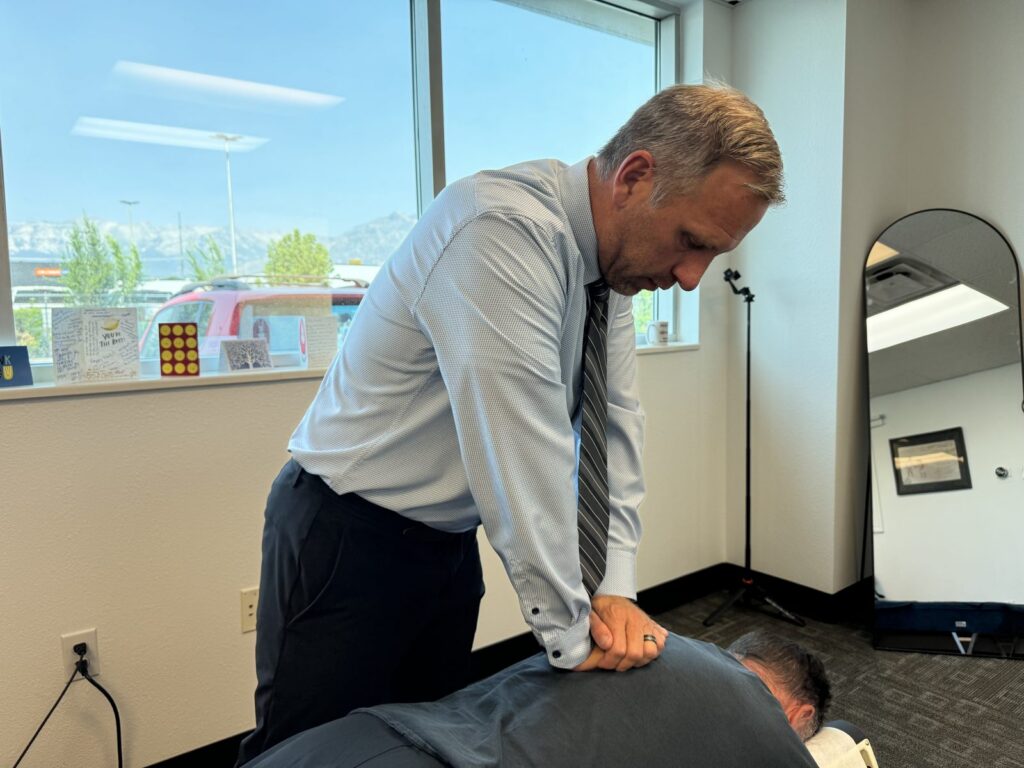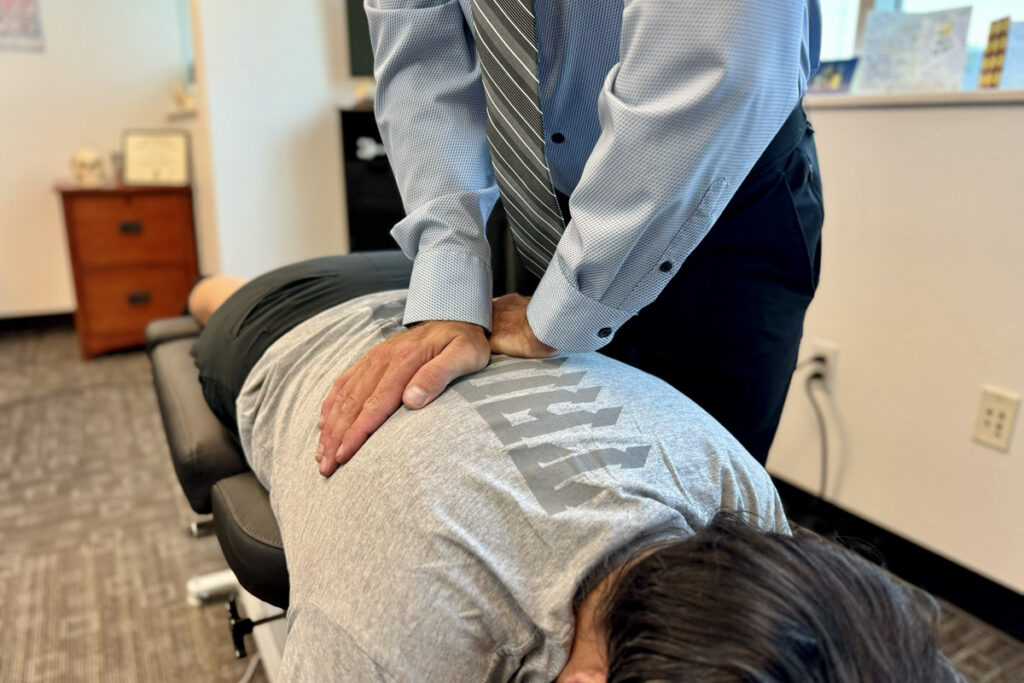
If you're dealing with back pain, know that you're not alone, and I want to assure you that finding relief is possible. As a chiropractor, I've seen how simple adjustments and natural techniques can profoundly enhance your comfort and mobility. In my practice, I emphasize the importance of incorporating stretching exercises into daily routines and understanding how crucial proper posture is for spinal health.
There are a variety of strategies we can explore together, and it's important to find what resonates best with you. Some techniques may feel more effective than others, and that's perfectly normal. My goal is to help you discover a personalized approach to managing your pain through the benefits of chiropractic care and holistic healing. Let's work together to uncover the best solutions for your back pain relief.
Stretching Exercises
As a local chiropractor, I want to share with you the importance of stretching exercises for alleviating back pain and enhancing your overall flexibility. Incorporating regular stretching into your routine can significantly ease muscle tension and improve your range of motion, which is crucial for maintaining a healthy back and preventing injuries in the future.
Let's start with some simple yet effective stretches. One of my favorites is the cat-cow pose. Begin on your hands and knees, and gently arch your back upwards, then lower it while lifting your head and tailbone. This movement stretches your spine and helps relieve tension that can build up throughout the day.
Another great option is the child's pose. Kneel and sit back on your heels, then stretch your arms forward on the floor. This gentle stretch specifically targets your lower back and encourages relaxation, making it an excellent addition to your routine.
Don't overlook the importance of hamstring stretches as well. Sit on the floor with one leg extended and the other bent, then lean forward to reach toward your toes. This not only stretches your hamstrings but also alleviates pressure on your lower back, which can be especially beneficial if you spend a lot of time sitting.
The standing forward bend is another effective stretch. Stand with your feet shoulder-width apart, hinge at your hips, and allow your upper body to hang down. This position decompresses your spine and releases any tightness that may have accumulated from prolonged sitting.
I recommend holding each stretch for at least 20-30 seconds while breathing deeply to maximize the benefits. By incorporating these stretching exercises into your daily routine, you can greatly improve your back health and overall flexibility.
This will make it easier for you to enjoy everyday activities without discomfort. Remember, taking care of your body through natural methods like stretching can be an integral part of your journey to wellness.
Proper Posture
As a local chiropractor, I want to share with you the importance of maintaining proper posture for your overall health and well-being. Many people are unaware that how we sit, stand, and move can significantly impact our spinal health and lead to back pain. By practicing proper alignment, we can reduce strain on our spine and muscles, promoting a healthier lifestyle.
It's essential to be mindful of your posture throughout the day, whether you're working at your desk, driving, or simply walking. Make sure your spine is aligned and your shoulders are relaxed. Here are some tips to help you maintain good posture:
When sitting, ensure your feet are flat on the floor and your knees form a right angle. Opt for a chair that offers lumbar support, which helps maintain the natural curve of your lower back. If you're working at a desk, position your computer screen at eye level to prevent leaning forward, which can strain your neck.
When standing, distribute your weight evenly across both feet. Keep your shoulders back and your head aligned over your spine. Avoid locking your knees, as this can create unnecessary tension in your lower back. If you frequently carry a bag, consider switching sides regularly or using a backpack to evenly distribute the weight.
Proper posture is equally important during physical activities. When lifting heavy objects, remember to bend at your hips and knees instead of your waist. Keep the object close to your body and avoid twisting while lifting to prevent injury.
Heat Therapy
As a local chiropractor dedicated to helping my patients understand natural healing methods, I want to emphasize the transformative power of heat therapy when it comes to alleviating back pain.
It's essential to explore different heat sources and learn the safest methods for application. This not only enhances your comfort but also maximizes the benefits of heat therapy.
Additionally, I want to share some crucial safety tips to ensure that you can enjoy relief without any associated risks.
By incorporating these practices into your self-care routine, you can effectively manage your back pain and support your body's natural healing processes.
Types of Heat Sources
As a chiropractor dedicated to helping you find relief from back pain, I want to share how utilizing various heat sources can significantly enhance your recovery process.
Heat therapy is an effective method that increases blood circulation, relaxes tight muscles, and alleviates discomfort. Here are three popular heat sources you can incorporate into your self-care routine:
- Heating Pads: These are a practical choice for targeted pain relief. You can easily apply them directly to the area of discomfort on your back. Many heating pads offer adjustable heat settings, allowing you to personalize the intensity to suit your comfort level.
- Warm Baths or Showers: Immersing yourself in warm water can be incredibly soothing. It helps to release tension in your muscles and promotes a sense of relaxation. For added benefits, consider using Epsom salts in your bath, as they can help further ease sore muscles.
- Hot Water Bottles: A timeless remedy, hot water bottles can provide sustained warmth. Simply fill one with warm water and place it on your back. They retain heat for an extended period, and you can easily adjust the position to maximize your comfort.
I encourage you to experiment with these heat sources to discover which one works best for your unique needs.
Always be mindful of the temperature to prevent burns, and ensure that any heat source you choose is safe for use.
By integrating effective heat therapy into your routine, you can enhance your comfort and support your journey to being pain-free.
Best Application Techniques
As a local chiropractor, I want to share with you some effective techniques for applying heat therapy that can significantly aid in your journey toward relieving back pain.
First, it's essential to select the appropriate heat source that suits your needs—options include a heating pad, a warm towel, or a hot water bottle. Always ensure that the temperature is comfortable; it should feel warm and soothing, but not so hot that it causes discomfort or burns your skin.
Finding a peaceful environment where you can unwind is crucial. Once settled, place the heat source directly on the area where you're experiencing discomfort. The warmth will help penetrate your muscles, promoting relaxation and alleviating tension.
I recommend applying heat for about 15 to 20 minutes at a time, and you can repeat this several times a day, particularly during flare-ups.
To maximize the benefits of heat therapy, consider pairing it with gentle stretching or a light massage after the application. This combination can enhance blood circulation and further relax your back muscles.
Always pay attention to how your body feels; if you notice any increase in discomfort, it may be a signal to remove the heat source.
By consistently incorporating these techniques into your routine, you'll be taking meaningful steps toward effectively managing your back pain and improving your overall well-being.
Safety Considerations and Tips
As your local chiropractor, I want to share some important safety tips for using heat therapy to relieve back pain. While this method can be very effective, it's crucial to approach it with care to avoid any unwanted side effects.
Here are some guidelines to ensure you use heat therapy safely and effectively:
- Check the Temperature: Before applying heat, always test it on a small area of your skin. You want the sensation to be warm and soothing, not scalding hot. High temperatures can lead to burns or skin irritation, so it's best to err on the side of caution.
- Limit Application Time: I recommend using heat therapy for no longer than 15-20 minutes at a time. Extended exposure can cause your skin to overheat and may lead to discomfort. Be sure to take breaks between sessions to allow your skin to cool down and recover.
- Avoid Heat on Injuries: If you've recently sustained an injury or are experiencing swelling, it's better to avoid heat therapy altogether. In these cases, ice is typically more beneficial as it helps reduce inflammation. Heat can sometimes worsen these conditions.
By following these tips, you can safely incorporate heat therapy into your routine and help manage your back pain effectively.
If you have any questions or need further assistance, feel free to reach out during your next visit!
Cold Therapy
As a local chiropractor, I often recommend cold therapy as an effective way to alleviate back pain, especially for those who may be new to chiropractic care and natural healing methods. This simple technique can significantly reduce inflammation and numb any discomfort you might be experiencing.
When you apply cold to the affected area, it causes blood vessels to constrict, which can help minimize swelling and ease pain—particularly valuable during the acute phase of an injury or after physical activity.
To get started with cold therapy, you can use a cold pack, ice wrapped in a cloth, or even a bag of frozen vegetables. It's important to avoid placing ice directly on your skin to prevent frostbite. Instead, apply your cold source to the lower back for about 15 to 20 minutes, then allow your skin to return to its normal temperature before reapplying.
This process can be repeated several times a day, especially within the first 48 hours after an injury.
Cold therapy isn't just beneficial for immediate relief; it can also be a useful tool in managing chronic pain. If you notice that heat worsens your discomfort, then cold therapy may be the better choice for you.
Always pay attention to your body's signals—if you experience increased pain or discomfort while using cold therapy, it's best to stop and consult with a healthcare professional for further guidance.
At our practice, we believe in empowering you with knowledge about natural healing methods like cold therapy, so you can take an active role in your recovery and wellness journey.
Massage Techniques
As a local chiropractor, I want to educate you on how incorporating massage techniques can significantly enhance your back pain relief strategy. Many patients who are new to chiropractic care mightn't realize the powerful benefits that massage can offer, not only for relaxation but also for therapeutic healing.
Whether you're dealing with chronic discomfort or occasional aches, adding massage to your routine can help ease tension and improve your overall well-being. Here are three effective massage techniques that I recommend:
- Swedish Massage: This technique is characterized by long, flowing strokes and gentle kneading. It's designed to relax your muscles and enhance circulation, making it an ideal choice for relieving stress and tension in your back. The deep sense of relaxation it provides can complement your chiropractic adjustments beautifully.
- Deep Tissue Massage: For those experiencing more severe pain, deep tissue massage may be particularly beneficial. This technique focuses on the deeper layers of muscle and connective tissue, targeting specific areas of tension. By applying slower strokes and firmer pressure, deep tissue massage helps break up knots and alleviate pain, providing support to your chiropractic care.
- Trigger Point Therapy: This method involves applying targeted pressure to specific points in your muscles to relieve tightness and discomfort. By identifying and working on these trigger points, you can release tension and improve mobility in your back, further enhancing the benefits of your chiropractic treatments.
Incorporating these massage techniques into your wellness routine can lead to significant relief from back pain.
Whether you opt for a professional massage therapist or practice self-massage techniques at home, it's essential to listen to your body and adjust the pressure to suit your comfort level.
Regular massage can be a transformative element in your journey toward back pain relief, promoting relaxation and restoring balance to your body. I encourage all my patients to explore these natural healing modalities as part of their overall health strategy.
Strengthening Workouts
As a local chiropractor, I want to share how incorporating strengthening workouts can significantly help alleviate back pain.
Many of my patients are surprised to learn that core stability exercises and flexibility workouts play a crucial role in not just enhancing overall strength, but also in improving mobility.
By focusing on these key areas, you can establish a strong foundation that supports a healthier back and contributes to your overall well-being.
Embracing these natural healing methods can empower you on your journey to pain relief and a more active lifestyle.
Core Stability Exercises
As a local chiropractor, I want to emphasize the importance of core stability exercises for your overall health and well-being. Strengthening the muscles that support your spine is crucial for improving posture, alleviating back pain, and enhancing your physical performance.
Incorporating these exercises into your routine can lead to significant benefits. Here are three effective core stability exercises I recommend:
- Planks: Begin in a push-up position, but instead of resting on your hands, support your weight on your forearms. Ensure your body remains straight, and hold this position for 20 to 60 seconds. Planks engage your entire core, helping to build strength and stability that's vital for a healthy spine.
- Bird-Dog: Start on all fours, with your hands aligned under your shoulders and knees under your hips. Extend one arm forward while extending the opposite leg backward, maintaining a tight core throughout the movement. Hold this position for a few seconds before switching sides. The Bird-Dog exercise is excellent for improving balance and coordination, which are key components of spinal health.
- Dead Bug: Lie flat on your back with your arms pointing toward the ceiling and your knees bent at 90 degrees. As you lower one arm and the opposite leg toward the ground, be sure to keep your back flat against the surface. Return to the starting position and alternate sides. This exercise effectively challenges your core stability and coordination, both of which are essential for maintaining a healthy spine.
By integrating these core stability exercises into your daily routine, you can enhance your back strength and overall stability, ultimately supporting your journey toward better health and wellness.
If you have any questions or need guidance on these exercises, feel free to reach out during your next visit!
Flexibility and Mobility Workouts
As a local chiropractor, I want to emphasize the importance of incorporating flexibility and mobility workouts into your daily routine for optimal health and wellness. These workouts are essential not just for maintaining a balanced fitness regimen, but they also play a crucial role in enhancing your overall quality of life. Improving your range of motion can enhance your performance in daily activities and significantly reduce the risk of injuries, particularly in the back region.
To get started, I recommend focusing on dynamic stretching before engaging in any physical activity. Simple movements such as arm circles, leg swings, and hip openers can prepare your body for exercise, increasing blood flow to your muscles and reducing the likelihood of strains.
After your workouts, make sure to engage in static stretching. Spend a few minutes stretching critical areas like your hamstrings, quadriceps, and hip flexors. This practice can help alleviate tension and promote a greater degree of flexibility.
In addition to traditional stretching, I highly encourage exploring yoga and Pilates as excellent options for enhancing flexibility and mobility. These practices not only stretch your muscles but also promote core strength, which is vital for maintaining proper spinal alignment and back support. Incorporating poses like cat-cow, downward dog, and pigeon pose can effectively target areas that often contribute to discomfort.
Finally, consistency is key. Aim for at least two to three flexibility sessions each week. Over time, you'll likely notice improved mobility, a reduction in back pain, and a greater awareness of your body's capabilities.
Ergonomic Adjustments
As a local chiropractor, I want to emphasize how crucial ergonomic adjustments can be for alleviating back pain and improving your overall well-being. By creating a workspace that aligns with your body's natural structure, you can significantly reduce strain and discomfort.
Here are three essential adjustments you can implement to enhance your posture and comfort while working:
- Chair Height: It's important to set your chair to a height where your feet can rest flat on the ground, and your knees are at or slightly below hip level. This positioning not only promotes better circulation but also alleviates pressure on your lower back, which is vital for maintaining spinal health.
- Desk Setup: Your desk should be adjusted so that when you type, your elbows are at a 90-degree angle. Additionally, keeping your monitor at eye level—roughly an arm's length away—can prevent unnecessary strain on your neck and back. This simple adjustment can make a big difference in your daily comfort.
- Keyboard and Mouse Position: It's essential to place your keyboard and mouse within easy reach, allowing your elbows to remain close to your body. This helps eliminate excessive reaching and promotes a relaxed shoulder position, which is important for preventing tension and discomfort in the upper back and neck.
By incorporating these ergonomic adjustments into your daily routine, you can take proactive steps towards better posture and a more comfortable work experience.
Mindfulness and Meditation
As a local chiropractor, I want to share with you how mindfulness and meditation can serve as effective complements to chiropractic care in managing and alleviating back pain. These practices can enhance your awareness of your body and its sensations, which is essential in understanding and addressing your pain.
To get started, find a quiet space where you can sit comfortably. Close your eyes and take several deep breaths, allowing yourself to let go of distractions. As you focus on your breath, pay attention to different areas of your body—particularly where you may feel tension or discomfort. It's important to acknowledge these sensations without judgment; simply observe what you're feeling.
During your meditation practice, try visualizing your pain as a physical object. Picture it slowly dissolving or diminishing with each breath you take. This visualization can help create a sense of detachment from the pain, making it feel less overwhelming.
Mindfulness also encourages you to observe your thoughts and feelings without getting lost in them. If negative thoughts about your pain arise, acknowledge them and gently bring your focus back to your breath.
You don't need to spend a long time meditating; even a few minutes each day can yield significant benefits. Over time, many people find they're better prepared to cope with pain when it arises. Incorporating mindfulness and meditation into your routine not only promotes relaxation but also empowers you to take an active role in managing your back pain.
As you embrace these techniques, coupled with chiropractic care, you may discover a greater sense of relief and resilience. Together, we can work towards improving your overall well-being and enhancing your quality of life.
Over-the-Counter Medications
As your local chiropractor, I want to help you understand how over-the-counter medications can play a role in managing back pain, but it's essential to look at this from a holistic perspective.
While these medications can provide quick relief, I encourage you to consider the benefits of chiropractic care and natural healing methods as well.
When it comes to pain relief, many patients find common over-the-counter pain relievers effective. However, it's crucial to be informed about the appropriate dosages and safety guidelines to ensure you're using them correctly.
I recommend discussing any medication use with your healthcare provider to create a comprehensive pain management plan that aligns with your overall wellness goals.
Remember, my goal is to support your healing journey not just through medication, but also through chiropractic adjustments, exercises, and lifestyle changes that promote long-term relief and improved function.
Together, we can explore the right approach for your individual needs.
Common Pain Relievers
As a local chiropractor, I often see patients seeking relief from back pain, and many times this journey begins with over-the-counter (OTC) medications.
While these medications can provide temporary relief by reducing inflammation and alleviating pain, I encourage you to explore holistic approaches to healing that can address the root cause of your discomfort.
However, if you're considering OTC options, here are three common pain relievers that may be helpful:
- Acetaminophen: Often recommended for mild to moderate pain, acetaminophen works by blocking pain signals in the brain. It can be a gentle choice for those with sensitive stomachs, but it's important to remember that it doesn't tackle inflammation directly.
- Ibuprofen: This nonsteroidal anti-inflammatory drug (NSAID) is effective not only for pain relief but also for reducing inflammation. It's particularly beneficial for more intense pain and can be taken with food to help protect your stomach.
- Naproxen: Similar to ibuprofen, naproxen is another NSAID that offers a longer duration of action. This means you may not need to take it as frequently, making it a good option for chronic pain management.
While these medications can be part of your pain management strategy, I encourage you to consult with a healthcare professional, especially if you have existing health conditions or are taking other medications.
Additionally, consider incorporating chiropractic care into your routine, as it focuses on natural healing, restoring alignment, and improving overall function.
Together, we can work towards a more holistic approach to your back pain relief.
Dosage and Safety Guidelines
As a local chiropractor, I understand the importance of effective pain management, especially when it comes to issues like back pain. While many people turn to over-the-counter (OTC) medications such as ibuprofen or acetaminophen, it's essential to be aware of proper dosage and safety guidelines to ensure your well-being.
When considering OTC pain relievers, the first step is always to read the label carefully. It contains crucial information regarding dosage, frequency, and potential side effects that you should be aware of. For ibuprofen, the standard adult dosage is typically 200-400 mg every 4-6 hours. However, it's important not to exceed 1200 mg within a 24-hour period without first consulting a healthcare professional.
Similarly, acetaminophen is generally recommended at 500-1000 mg every 4-6 hours, with a maximum daily limit of 3000 mg. Be cautious, as surpassing these dosages may lead to serious health complications, including liver damage or gastrointestinal bleeding.
In addition to dosage, consider your overall health and any pre-existing conditions you may have. If you're pregnant, nursing, or taking other medications, it's wise to consult with a healthcare provider before using OTC pain relievers.
As a chiropractor, I encourage you to think about natural healing methods as well. If you find that your pain persists or worsens, don't hesitate to reach out for professional guidance. Chiropractic care focuses on addressing the root causes of pain rather than just masking symptoms.
Professional Treatments
As a local chiropractor, I want to emphasize the transformative impact that professional treatments can have on your journey to recovery from back pain. While home remedies and over-the-counter medications may offer some temporary relief, seeking the expertise of a healthcare professional, particularly in chiropractic care, can lead to more effective and personalized solutions.
Here are three key approaches I often recommend for alleviating back pain:
- Chiropractic Adjustments: My focus as a chiropractor is on spinal adjustments and manipulations. By realigning your spine, I can help reduce pressure on nerves, alleviate pain, and enhance overall function. This gentle, hands-on approach not only addresses existing discomfort but also promotes the body's natural healing processes.
- Holistic Care: I believe in treating the whole person, not just the symptoms. During our sessions, I'll assess your posture, movement patterns, and lifestyle habits. Together, we can create a tailored plan that includes exercises to strengthen your back, improve flexibility, and support proper posture—essential elements in preventing future issues.
- Collaborative Pain Management: In some cases, managing severe pain may require a multi-faceted approach. I work closely with other healthcare providers to ensure that you receive the right combination of treatments. This may include recommendations for therapeutic exercises, lifestyle changes, or, when necessary, guidance on medication management.
By understanding these aspects of chiropractic care, you can take a proactive step toward alleviating your back pain and achieving long-term wellness.
Conclusion
As a local chiropractor, I want to share with you some effective techniques for relieving back pain that can greatly enhance your comfort and overall well-being. It's important to understand that simple practices like regular stretching, maintaining proper posture, and utilizing heat or cold therapy can have a profound impact on your recovery.
Incorporating mindfulness techniques and seeking professional support, such as chiropractic adjustments, can also play a crucial role in your healing journey. By actively taking steps to manage your pain, you can return to the activities you enjoy most.
Remember, consistent care and attention to your body's needs are essential for achieving lasting relief. I'm here to guide you through this process and help you discover the natural healing methods that work best for you. Let's work together towards a healthier, pain-free life!