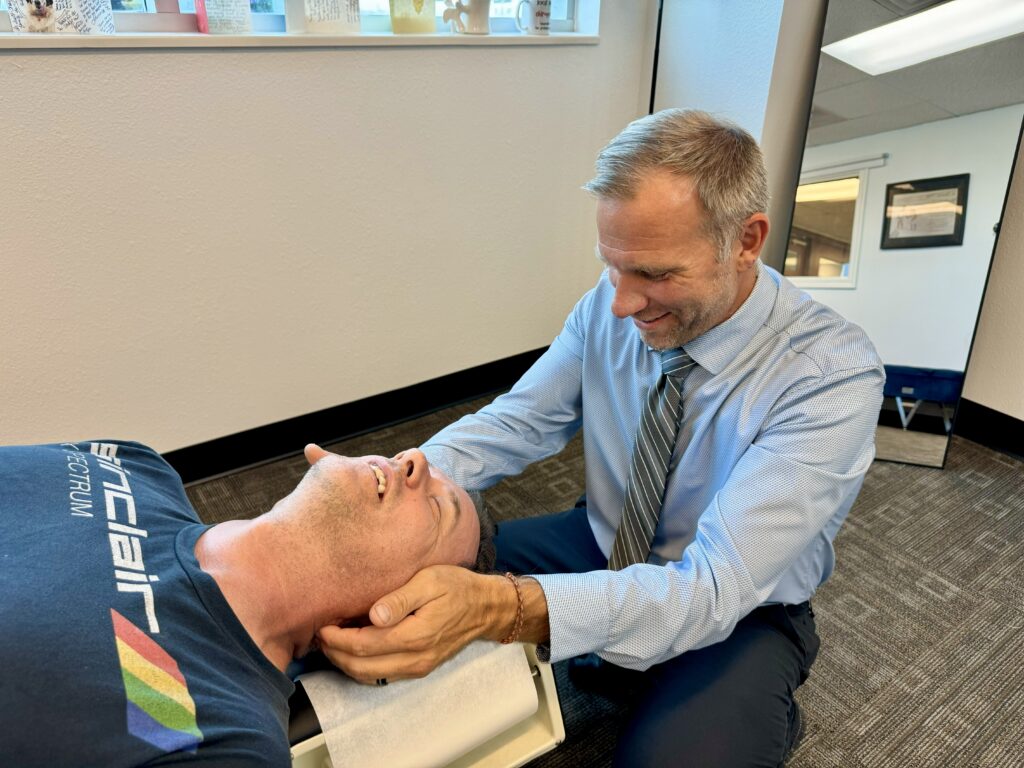
If you're dealing with lower back pain, know that you're not alone, and finding the right relief shouldn't be a daunting task. As a local chiropractor, I want to help you explore various treatments that can alleviate your discomfort. Chiropractic adjustments, for instance, can restore proper alignment and function to your spine, providing significant relief.
In addition to chiropractic care, there are many natural healing techniques worth considering, from physical therapy exercises to mindfulness practices. Each treatment offers its own unique benefits and understanding what suits your individual needs can greatly enhance your quality of life.
Before making a decision, it's essential to look at the full range of solutions available to you. You might be surprised by how effective some of these natural treatments can be in managing your pain. Let's take a closer look at the top treatments that could transform your approach to handling lower back discomfort and help you regain your well-being.
Physical Therapy
When it comes to relieving lower back pain, chiropractic care can be a transformative approach. A well-structured chiropractic program focuses on your specific needs, helping you regain strength, flexibility, and overall function. As a chiropractor, I'll assess your condition, identifying the underlying issues that may be contributing to your discomfort. From there, I'll develop a personalized treatment plan that aligns with your individual health goals.
During your visits, you can expect a blend of spinal adjustments, exercises, and gentle stretches. These techniques not only target the muscles surrounding your lower back but also enhance your overall body awareness. As you continue your care, you'll gain insights into proper body mechanics and posture, which can significantly reduce the risk of future injuries.
One of the most empowering aspects of chiropractic care is that it puts you in charge of your recovery journey. You'll learn valuable information about your body and effective pain management strategies. Additionally, I may incorporate natural therapeutic modalities such as heat or cold therapy, ultrasound, or electrical stimulation to support your healing process.
Consistency is key, so staying committed to your chiropractic schedule and practicing recommended exercises at home will lead to optimal results. As you strengthen your core and enhance your flexibility, you may notice that everyday activities become easier and less painful.
Ultimately, chiropractic care isn't just about alleviating pain; it's about equipping you with the knowledge and tools to maintain a healthier spine and overall well-being for years to come.
Chiropractic Adjustments
As a local chiropractor, I want to take a moment to educate you about the vital role chiropractic adjustments can play in alleviating lower back pain. Many people may not realize how spinal alignment impacts overall health. When the spine is misaligned, it can lead to nerve irritation and muscle tension, which often intensifies discomfort. Our goal here is to gently realign the spine and restore its proper function, which can significantly reduce your pain and enhance your mobility.
During your initial visit, I'll conduct a comprehensive assessment of your condition. This includes discussing your medical history, performing physical tests, and possibly taking X-rays to gain a clearer understanding of your spine's alignment. From this thorough evaluation, I'll develop a personalized treatment plan designed specifically for you and your unique needs.
The chiropractic adjustments themselves are typically quick and can provide a sense of relief. You may hear a popping sound during the adjustment, which is completely normal. This sound occurs when gas bubbles are released from the joints. Many of my patients experience immediate relief from pain and an increased range of motion following their adjustments.
In addition to adjustments, I believe in empowering my patients with knowledge. I can offer guidance on proper posture, ergonomic practices, and exercises that can support your recovery and help prevent future episodes of back pain. For those with chronic lower back issues, regular visits may be beneficial.
Incorporating chiropractic care into your pain management strategy can be an effective method for addressing your discomfort naturally. When combined with other treatments, such as physical therapy, chiropractic adjustments can enhance your overall recovery process and help you return to an active lifestyle.
If you're struggling with lower back pain, I encourage you to schedule an appointment with me. Together, we can work towards alleviating your pain and improving your quality of life.
Massage Therapy
As a local chiropractor, I want to share how massage therapy can be an essential part of your journey towards alleviating lower back pain. By focusing on the muscles and soft tissues in your back, massage therapy not only helps to release tension but also enhances blood circulation. This improved blood flow can promote healing and reduce stiffness, enabling you to move more freely and enjoy your daily activities.
Choosing massage therapy is more than just a way to relax; it's an opportunity to address the underlying causes of your pain. Techniques such as deep tissue massage and myofascial release are particularly effective in targeting tight muscles, breaking up knots, and relieving discomfort. Many of my patients report significant reductions in pain and enhanced mobility after just a few sessions.
Incorporating regular massage therapy into your wellness routine is also beneficial for maintaining back health. It can help manage stress and prevent the issues that often lead to back pain. As you become more attuned to your body, you'll learn to identify areas of tension that may require attention.
Before starting any massage therapy, I recommend consulting with a qualified therapist who's experience in back pain management. A thorough assessment of your individual needs is crucial, and open communication about your discomfort and any past injuries will help tailor the treatment for optimal results.
Ultimately, massage therapy offers immediate relief while also providing long-term benefits for your lower back. By integrating it into your overall wellness strategy, you can significantly improve your quality of life and keep lower back pain at bay.
As your chiropractor, I'm here to support you in understanding how these natural healing methods can work together to promote a healthier, pain-free lifestyle.
Heat and Cold Therapy
As a local chiropractor, I want to share some valuable insights about managing lower back pain through heat and cold therapy.
These natural techniques can truly be transformative in your healing journey.
Applying heat to your lower back can help relax tense muscles and enhance blood circulation, which is essential for recovery.
On the other hand, cold therapy is effective in reducing inflammation and numbing any sharp pain you may be experiencing.
It's important to understand how to use these methods properly to maximize their benefits.
Incorporating heat and cold therapy into your routine can significantly support your recovery and overall well-being.
If you have any questions about how to implement these techniques or how they fit into your broader chiropractic care plan, feel free to ask!
Benefits of Heat Application
As a local chiropractor dedicated to helping you achieve optimal health, I want to share the benefits of applying heat to your lower back, particularly for those who may not be familiar with chiropractic care and natural healing methods.
Heat therapy can provide significant relief from pain and discomfort. When you apply gentle heat to the affected area, it increases blood flow, which promotes healing and helps reduce stiffness in your muscles.
This enhanced circulation not only alleviates tension but also makes it easier for you to move without pain. For conditions like chronic pain or muscle spasms, heat can be especially effective. You might consider using a warm bath, heating pad, or a hot water bottle for that soothing relief that helps you relax and feel more at ease.
However, it's important to ensure that the heat source isn't too hot, as excessive heat can lead to burns or skin irritation. Aim for a comfortable warmth that feels soothing to you.
In addition to pain relief, applying heat can improve flexibility in your lower back, which is crucial for engaging in daily activities with greater ease. If you're planning to partake in physical activity, using heat beforehand can help prepare your muscles, thereby reducing the risk of further injury.
Remember to limit your heat applications to 15-20 minutes at a time and allow your skin some time to recover in between sessions.
Cold Therapy Techniques
As a local chiropractor, I often recommend cold therapy techniques to my patients who are dealing with inflammation or sharp pain in their lower back. Utilizing ice or cold packs can be highly effective in reducing swelling and providing immediate relief, especially after an injury or a flare-up occurs.
To begin, you can wrap ice in a cloth or use a commercial cold pack designed for this purpose. It's important to apply the cold source to the affected area for about 15 to 20 minutes at a time, ensuring that you give your skin a break between applications. I typically suggest using cold therapy several times throughout the day, particularly within the first 48 hours after pain sets in.
However, always remember to avoid placing ice directly on your skin, as this can lead to frostbite.
In addition to the standard ice packs, there are other options you might find beneficial, such as cold gel packs or even a simple bag of frozen peas, which can easily mold to the contours of your body. If you prefer a gentler method, a cold compress soaked in cold water can also work well.
Cold therapy isn't solely about numbing pain; it plays a crucial role in reducing muscle spasms and promoting the healing process.
Over-the-Counter Medications
As a local chiropractor, I often encounter patients struggling with lower back pain, and many of them consider over-the-counter medications as a quick solution. While these medications can provide temporary relief, I want to help you understand their role and introduce you to natural healing alternatives that may be more beneficial in the long run.
Here are three common types of over-the-counter options you might come across:
- Nonsteroidal Anti-Inflammatory Drugs (NSAIDs): Medications such as ibuprofen or naproxen can reduce inflammation and alleviate pain. While they're readily available and can be taken as needed, it's crucial to adhere to the recommended dosage. However, relying solely on NSAIDs can mask the underlying issues causing your discomfort.
- Acetaminophen: Another widely used pain reliever, acetaminophen can help ease discomfort without addressing inflammation. It's a suitable alternative if you have sensitivities to NSAIDs, particularly if you experience stomach issues. However, it's important to remember that it doesn't tackle the root causes of your pain.
- Topical Analgesics: Creams and ointments with ingredients like menthol or capsaicin can be applied directly to the painful area. They work by numbing sensations or creating a warming effect, which can provide temporary distraction from your discomfort. While this can be helpful, it's not a substitute for comprehensive care.
As your chiropractor, I encourage you to consider holistic approaches to manage your pain. Gentle adjustments, targeted exercises, and lifestyle changes can address the underlying causes of your discomfort rather than just masking the symptoms.
Always consult with a healthcare professional before starting any new medication or treatment, especially if you have existing health conditions or are taking other medications. If your pain continues or worsens, seeking further evaluation and guidance can lead to more effective and lasting relief.
Together, we can find a path to better health that goes beyond just quick fixes.
Prescription Medications
When over-the-counter options aren't providing the relief you need, it may be time to consider alternative approaches to managing your lower back pain.
As a local chiropractor, I want to educate you about the benefits of chiropractic care and natural healing methods that can address the root causes of your discomfort, rather than simply masking the symptoms with prescription medications.
Prescription medications can sometimes offer stronger relief, but they often come with a range of side effects that can affect your overall health.
It's essential to think about the long-term implications of relying on these medications. Instead, chiropractic adjustments and holistic treatments can help restore proper alignment, improve mobility, and promote natural healing processes in your body.
Before making a decision about your pain management, let's discuss how chiropractic care can provide a safe and effective alternative to medications, allowing you to regain your quality of life while minimizing potential risks.
Your health and well-being are my top priorities, and I'm here to support you on your journey to recovery.
Common Prescription Options
As a local chiropractor, I understand that many individuals experience lower back pain and may be exploring various options for relief. While prescription medications can offer some temporary comfort, I want to share how chiropractic care and natural healing approaches can be effective alternatives or complements to these treatments.
- Chiropractic Adjustments: One of the core aspects of chiropractic care is spinal manipulation. By gently adjusting the spine, we can help reduce inflammation and relieve pressure on nerves, which can alleviate pain and improve your mobility without the need for medications.
- Muscle Relaxation Techniques: Alongside adjustments, we often incorporate techniques such as massage therapy and stretching exercises. These methods target muscle tightness and spasms, promoting relaxation and restoring balance in your muscles, allowing for easier movement and a more comfortable daily routine.
- Holistic Pain Management: In cases of severe discomfort, we focus on a comprehensive approach that includes lifestyle advice, ergonomic assessments, and nutrition guidance. While we don't prescribe narcotics, we can work with you to identify natural pain management strategies that address the root causes of your lower back pain, helping you avoid reliance on medication.
I encourage you to consider exploring chiropractic care as a viable option for managing your lower back pain. By working together, we can develop a personalized plan that focuses on healing your body naturally and effectively.
Always feel free to ask questions and discuss your concerns—your health and well-being are our top priorities!
Potential Side Effects
As your local chiropractor, I want to take a moment to discuss the potential side effects associated with prescription medications for lower back pain. Many individuals may not be aware that while these medications can offer relief, they may also come with a variety of side effects that could impact your well-being.
Commonly reported side effects include dizziness, drowsiness, and nausea, which can interfere with your daily life. It's crucial to pay attention to how you feel after taking any medication. Additionally, some pain relievers, particularly when used over an extended period, may lead to gastrointestinal issues such as constipation or even stomach ulcers.
More concerning are the risks associated with opioids, which can lead to dependency or addiction. If you find yourself prescribed these medications, I urge you to follow your healthcare provider's directions carefully and bring any concerns to their attention.
It's also essential to be aware that certain medications can interact with others you may be taking, potentially heightening side effects or diminishing their effectiveness. Always keep your doctor informed about all medications you're using.
While managing lower back pain is undoubtedly important, I believe that understanding the potential side effects can empower you to make safer choices.
At our clinic, we focus on natural healing methods that can help alleviate pain without the risks associated with pharmaceuticals. I encourage you to have regular check-ins with your healthcare provider to ensure your treatment plan remains effective, safe, and aligned with your health goals.
Acupuncture
As a local chiropractor, I want to introduce you to the benefits of acupuncture as a complementary approach to managing lower back pain. This ancient practice, deeply rooted in Traditional Chinese Medicine, focuses on stimulating specific points on the body using fine needles to help restore balance and promote natural healing. Many patients find that acupuncture can offer relief, especially when traditional treatments haven't provided the desired results.
Here are some key benefits of considering acupuncture for your lower back pain:
- Pain Relief: Studies indicate that acupuncture can stimulate the release of endorphins, which are your body's natural pain relief chemicals. By targeting these specific points, you might experience notable pain reduction, making it easier to engage in daily activities.
- Reduced Inflammation: Acupuncture can enhance blood circulation to the affected areas, helping to reduce inflammation and swelling in your lower back. This can lead to decreased discomfort and an improved sense of well-being.
- Improved Functionality: Regular acupuncture sessions may enhance your mobility and flexibility in the lower back. As your range of motion improves, you may find that everyday tasks become easier and more enjoyable.
Before starting acupuncture, it's essential to consult with a qualified practitioner who can assess your unique needs. They'll evaluate your condition and tailor a treatment plan just for you.
Many patients discover that a series of sessions yield the best outcomes, so it's important to remain patient and committed to the process.
Integrating acupuncture into your overall care plan can be a valuable addition to your journey toward managing lower back pain naturally. You may find yourself feeling more relaxed and in sync with your body, which can significantly enhance your quality of life.
If you have any questions or would like to learn more about how acupuncture can work alongside chiropractic care, feel free to reach out!
Exercise and Stretching
As your local chiropractor, I want to emphasize the importance of exercise and stretching in managing lower back pain.
Strengthening your core is crucial, as it provides essential support for your spine and helps alleviate discomfort. Incorporating specific stretching techniques can greatly enhance your flexibility, allowing for improved movement and reduced tension in your back.
I also recommend engaging in low-impact exercises, which can keep you active while minimizing strain on your back. These activities not only promote overall health but also play a significant role in the natural healing process.
By focusing on these practices, we can work together to create a personalized plan that helps you find relief and regain your quality of life.
Importance of Core Strength
As a chiropractor, I want to emphasize the crucial role that a strong core plays in your overall health and well-being, particularly when it comes to preventing and alleviating lower back pain.
Many people may not realize that the core muscles are essential for supporting the spine and maintaining stability during everyday activities. When these muscles are weak, the lower back takes on extra strain, which can lead to discomfort and potential injury.
By focusing on building core strength, you can significantly improve your quality of life.
Let me share three key benefits of strengthening your core:
- Improved Posture: A strong core is foundational for maintaining proper alignment of your body. This can help to reduce strain on your back, leading to better posture and less discomfort.
- Enhanced Stability: Strong core muscles improve your balance and coordination, making it easier to perform daily tasks without putting unnecessary strain on your body.
- Reduced Risk of Injury: When your core is strong, it helps stabilize your spine. This stabilization is crucial not only during physical activities but also during simple tasks like lifting objects around the house, thus minimizing the risk of injury.
Incorporating core-strengthening exercises into your routine is vital for long-term relief from lower back pain.
I encourage you to focus on exercises that engage not just your abdominal muscles, but also your obliques and lower back muscles. Strengthening your core can alleviate pain and significantly enhance your physical performance in all areas of life.
Embracing core strength as a vital element of your fitness journey is an important step towards leading a healthier, pain-free life.
As your chiropractor, I'm here to guide you on this path to natural healing and improved well-being.
Recommended Stretching Techniques
As a local chiropractor, I want to share some effective stretching techniques that can significantly improve your back health and help alleviate discomfort.
One of the first stretches I recommend is the cat-cow stretch. This movement is excellent for promoting spinal flexibility. To do this stretch, get on all fours and, as you inhale, arch your back upwards (this is the cat position). Then, as you exhale, lower your belly towards the ground, creating a gentle dip in your back (the cow position). Aim to repeat this sequence for about 10 cycles.
Another beneficial stretch is the child's pose. To perform this, kneel on the floor and sit back onto your heels. Extend your arms forward and lower your torso toward the ground. Hold this position for 20-30 seconds, allowing your lower back to release any built-up tension.
I also suggest incorporating the hamstring stretch into your routine. While standing, place one foot on a low surface, ensuring that your leg remains straight. Lean forward gently to feel a stretch along the back of your thigh. Hold this stretch for about 15-20 seconds on each side to promote flexibility.
Lastly, consider the seated spinal twist. Sit with your legs extended in front of you, bend one knee, and cross it over the other leg. Gently twist your torso towards the bent knee; this will help enhance your spinal mobility. For optimal benefits, aim to hold each stretch for at least 20 seconds and repeat them several times a week.
Incorporating these stretches into your daily routine can be a natural way to support your chiropractic care and improve your overall well-being.
Low-Impact Exercise Options
As a local chiropractor dedicated to helping my patients manage their health, I want to share some valuable insights about low-impact exercises that can significantly aid in alleviating lower back pain.
These gentle activities are designed to strengthen your muscles, enhance flexibility, and reduce discomfort—all while minimizing strain on your back. Here are three effective low-impact exercise options that I encourage you to consider:
1. Walking: This is a fundamental yet powerful activity that promotes circulation and core strength. I recommend aiming for 20-30 minutes of walking daily.
You'll likely experience not only relief from back pain but also improvements in your overall physical and mental well-being.
2. Swimming: The water's buoyancy is incredibly beneficial for those dealing with back pain. It supports your body, allowing for unrestricted movement without discomfort.
Experimenting with different swimming strokes can engage various muscle groups, providing a gentle yet effective workout that promotes healing.
3. Yoga: Integrating gentle yoga routines into your daily practice can greatly improve your flexibility and help manage stress levels.
Focus on poses that open the hips and gently stretch the spine, as these can significantly alleviate tension in your lower back.
Always remember to listen to your body and start at a pace that feels comfortable for you. If you experience any pain during these exercises, please stop right away.
By incorporating these low-impact activities into your routine, you may experience relief from lower back pain and enhance your overall quality of life.
If you have any questions or need personalized guidance, don't hesitate to reach out. I'm here to support you on your journey to better health!
Mindfulness and Relaxation Techniques
As a local chiropractor dedicated to helping my patients find relief from lower back pain, I want to share some mindfulness and relaxation techniques that can be incredibly effective in managing discomfort.
These practices not only promote mental calmness but also enhance your physical awareness, allowing you to better understand your body's signals.
When you engage in mindfulness, you become more attuned to the sensations in your lower back. This heightened awareness helps you identify tension or discomfort early on, enabling you to address these issues before they develop into more significant problems. This approach is a valuable tool in your pain management strategy.
One of the easiest ways to integrate mindfulness into your daily routine is through mindful breathing.
I recommend finding a comfortable position, whether sitting or lying down, closing your eyes, and focusing solely on your breath. Inhale deeply through your nose, allowing your abdomen to rise, and then exhale slowly through your mouth. This practice not only relaxes your body but also calms your mind, reducing the stress that can worsen pain.
Another effective technique is progressive muscle relaxation. You can start by tensing the muscles in your feet for a few seconds and then releasing them. Gradually move up through your body, paying attention to each muscle group.
This method helps you pinpoint areas of tension and encourages overall relaxation, which is particularly beneficial for your lower back.
Additionally, I encourage you to explore guided imagery as a complementary practice. Visualize a serene scene, such as a tranquil beach or a peaceful forest, and immerse yourself in the experience.
This mental escape can serve as a distraction from pain and create a sense of calm.
By incorporating these mindfulness and relaxation techniques into your routine, you can enhance your overall well-being and support your journey towards a pain-free life.
As your chiropractor, I'm here to guide you in discovering these natural healing methods that work in conjunction with chiropractic care.
Surgical Options
When conservative treatments, like chiropractic care, fail to alleviate lower back pain, some patients may find themselves considering surgical options. While surgery isn't typically the first choice for treatment, it can be a viable consideration if pain significantly impacts your daily life.
As a local chiropractor, I want to help you understand some common surgical procedures, even though I firmly believe in exploring natural healing methods first.
- Discectomy: This procedure involves the removal of a portion of a herniated disc that's pressing on nerves. While it may provide immediate pain relief, it's essential to consider other non-invasive options, such as spinal adjustments and therapeutic exercises, that can also address disc issues without surgery.
- Laminectomy: If spinal stenosis is causing discomfort, a laminectomy may be suggested. This surgery removes a small section of bone to create more space for the spinal cord and nerves. However, chiropractic adjustments and specific stretches can often relieve pressure in the spine and improve mobility without the need for invasive procedures.
- Spinal Fusion: In cases of severe instability or degenerative disc disease, spinal fusion may be necessary. This operation permanently connects two or more vertebrae to promote stability. Before considering such a significant step, I encourage my patients to explore comprehensive chiropractic care, which aims to restore balance and function to the spine naturally.
Before making any decisions about surgery, it's crucial to discuss the potential risks and benefits with your healthcare provider. They can help you understand what to expect during recovery and how it might affect your lifestyle.
While surgery can indeed be effective for some, I advocate for considering all available options, particularly those that align with natural healing principles. The ultimate goal is to regain function and enhance your overall well-being through approaches that prioritize your body's innate ability to heal.
Conclusion
As a local chiropractor, I want to emphasize that effectively managing lower back pain often requires a personalized approach that combines various treatments. Chiropractic care is a natural and holistic option that focuses on spinal alignment and overall wellness. Alongside chiropractic adjustments, therapies like acupuncture and mindfulness techniques can be beneficial for many patients.
Incorporating exercises and making positive lifestyle changes are also crucial components of your recovery journey. These practices can significantly enhance your overall health and help alleviate pain. I encourage you to consult with healthcare professionals, including myself, to develop a comprehensive plan tailored to your unique needs. Remember, relief from lower back pain is achievable, and by taking proactive steps, you can work towards living a healthier, pain-free life.