Good posture is essential for your overall health and well-being, influencing everything from your pain levels to your productivity. As a chiropractor, I want to emphasize that by making simple adjustments to your daily habits and incorporating specific exercises, you can significantly enhance your posture and alleviate discomfort. You may be surprised at how small changes can lead to substantial improvements.
Let’s explore some practical techniques that can enhance your daily life and support your journey toward better posture and natural pain relief.
- Mind Your Alignment: Pay attention to your body alignment throughout the day. Whether you’re sitting at a desk, standing, or walking, ensure your shoulders are back, your head is aligned with your spine, and your feet are firmly planted on the ground.
- Take Breaks: If you sit for long periods, take regular breaks to stretch and move around. This simple action can prevent stiffness and promote healthy spinal alignment.
- Strengthening Exercises: Incorporate exercises that strengthen your core muscles. A strong core supports your spine and helps maintain good posture. Simple activities like planks or gentle yoga can be beneficial.
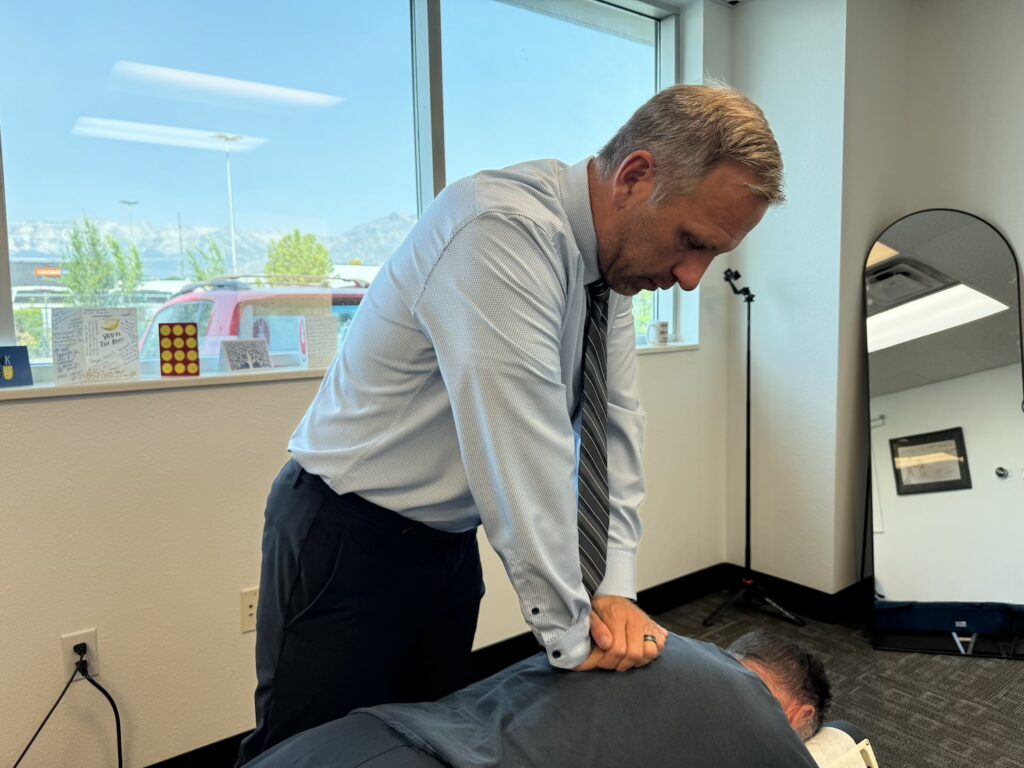
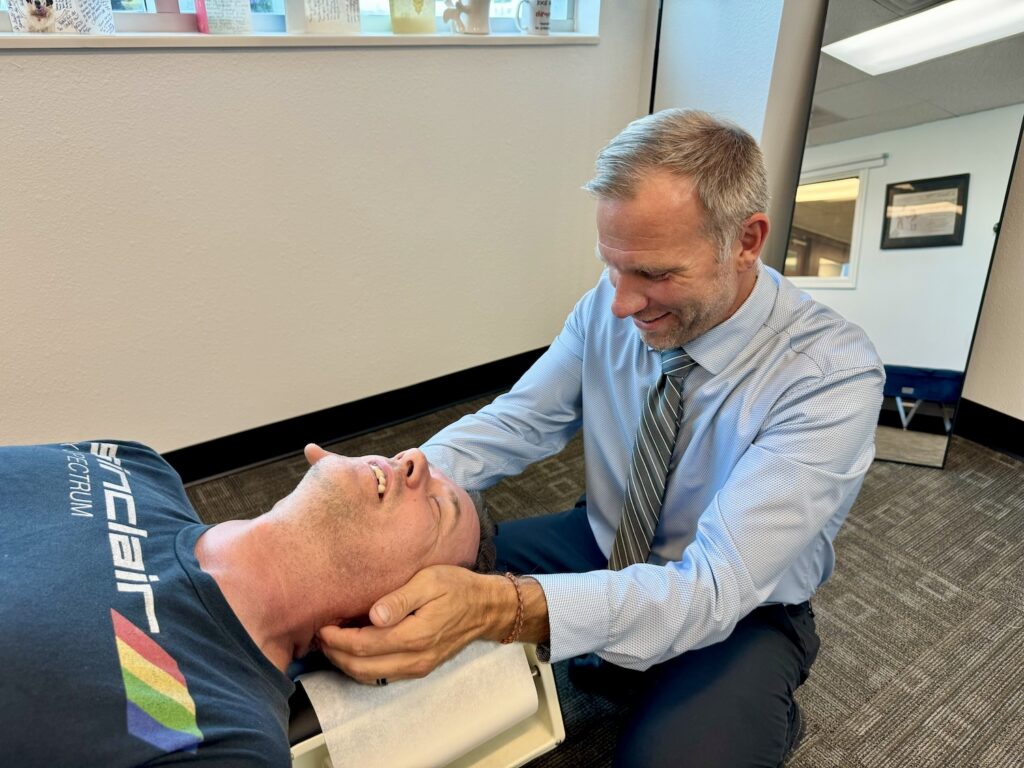
- Chiropractic Care: Regular visits to a chiropractor can help you achieve and maintain optimal spinal health. Chiropractic adjustments can correct misalignments and provide relief from pain, allowing your body to function at its best.
- Ergonomic Workspace: If you work at a desk, make sure your workspace is ergonomically friendly. Your chair, desk height, and computer screen should all be positioned to promote good posture and reduce strain.
- Stay Hydrated: Drinking plenty of water helps keep your spinal discs hydrated and can prevent discomfort due to dehydration.
By implementing these strategies, you can take control of your posture and experience the natural relief that chiropractic care offers. Remember, small changes can lead to big results in your journey toward better health and wellness. Let’s work together to achieve your health goals!
Understanding the Importance of Good Posture
Good posture is crucial for your overall health and wellness, and as a chiropractor, I can’t stress enough how it impacts your daily life. When you maintain good posture, you’re helping to align your bones and joints properly, which minimizes strain on your muscles and ligaments. This alignment not only helps relieve discomfort but also promotes better breathing and circulation, allowing oxygen and nutrients to flow more efficiently throughout your body.
Beyond the physical benefits, good posture can significantly boost your confidence. When you stand tall and sit upright, you often feel more self-assured, which can positively influence how others perceive you. On the flip side, poor posture can lead to chronic discomfort and pain, particularly in the back, neck, and shoulders. Many people don’t realize how much slouching can impact their well-being until they start experiencing the negative effects.
As your chiropractor, I encourage you to take proactive steps to improve your posture. Here are a few simple tips to help you get started:
- Be Mindful of Your Posture: Throughout the day, check in with your posture. Are your shoulders back? Is your head aligned over your spine? Making small adjustments can make a big difference.
- Strengthen Your Core: A strong core supports your spine. Incorporate exercises like planks and bridges into your routine to build core strength.
- Take Breaks: If you sit for long periods, make sure to stand up and stretch every hour. This can relieve tension and reset your posture.
- Use Ergonomic Furniture: Invest in a chair that supports your lower back and promotes good posture while sitting.
- Visit Your Chiropractor: Regular chiropractic adjustments can help keep your spine aligned and address any postural issues you may have.
Exercises to Strengthen Postural Muscles
To enhance your posture, it’s essential to concentrate on exercises that strengthen your core and upper back. These muscle groups are crucial for providing the support needed to maintain proper alignment throughout your daily activities.
As a chiropractor, I believe that incorporating these exercises into your routine can significantly improve your posture and overall well-being.
Here are some effective exercises to help strengthen your postural muscles:
- Planks: This exercise helps to engage your core and back muscles. Start in a push-up position, but rest on your forearms. Keep your body straight from head to heels, and hold this position for 20-30 seconds, gradually increasing the time as you gain strength.
- Seated Rows: Using resistance bands or a cable machine, sit with your back straight and pull the handles towards your torso. This targets your upper back, helping to counteract the slouching that can come from sitting for long periods.
- Bird-Dogs: Start on your hands and knees. Extend one arm forward and the opposite leg back, keeping your body stable. This exercise is fantastic for improving balance and strengthening both your core and lower back.
- Wall Angels: Stand with your back against a wall, feet a few inches away from the base. With your arms at a 90-degree angle, slide them up and down the wall while keeping your back and arms in contact with the wall. This will help improve shoulder mobility and strengthen your upper back.
Remember, while these exercises can be beneficial, it’s important to approach them with care. If you’re experiencing pain or discomfort, I encourage you to consult with a chiropractor.
We can provide personalized guidance and adjustments that not only enhance your posture but also promote natural healing and overall health.
In addition to exercising, here are some general tips to keep in mind for better posture throughout your day:
- Take Frequent Breaks: If you sit for long periods, stand up and stretch every 30-60 minutes to relieve tension in your muscles.
- Mind Your Sitting Position: Ensure your chair supports your lower back and that your feet are flat on the floor.
- Be Aware of Your Posture: Regularly check in with your body. Are your shoulders back and down? Is your head aligned with your spine? Small adjustments can make a big difference.
By incorporating these exercises and tips into your routine, you’ll be on your way to achieving better posture and overall health.
Core Stability Exercises
Strengthening your core is crucial for maintaining good posture and overall stability, which are vital for spinal health. A robust core not only supports your spine but also helps reduce the risk of injury and enhances balance.
As a local chiropractor, I believe that incorporating core stability exercises into your routine can significantly complement your chiropractic care, promoting natural healing and healthier living. Here are four effective exercises to consider:
- Plank: This simple yet powerful exercise involves holding a straight line from your head to your heels. Focus on engaging your abdominal muscles and hold this position for 30 seconds to a minute. This helps strengthen the muscles that support your spine.
- Dead Bug: While lying on your back with your arms extended toward the ceiling, alternately lower opposite arms and legs. Keep your core tight throughout the movement. This exercise helps improve coordination and strengthens your core, which is essential for spinal stability.
- Bird Dog: Begin on all fours and extend one arm forward while extending the opposite leg back. Maintain your balance and engage your core as you alternate sides. This exercise not only enhances core stability but also promotes proper alignment of the spine.
- Russian Twists: Sit with your knees bent and lean back slightly. Hold a weight or simply clasp your hands together and rotate your torso from side to side. This movement engages your oblique muscles, which are important for maintaining a healthy spine.
Incorporating these exercises into your daily routine can greatly enhance your core strength and posture, ultimately supporting your spinal health.
Remember, chiropractic care is an excellent way to address any pain or discomfort while promoting overall wellness. By combining core stability exercises with regular chiropractic adjustments, you can achieve optimal health and a more resilient spine.
Prioritize your health and consider these tips for a stronger, healthier you!
Upper Back Strengthening
A strong core is crucial for enhancing your upper back strength, which is vital for maintaining good posture and overall spinal health. As a chiropractor, I encourage you to integrate specific exercises into your routine to target these important postural muscles. Simple movements like rows, reverse flys, and scapular squeezes can make a significant difference in your upper back strength.
When performing rows, you can use resistance bands or weights. Focus on pulling them toward your chest while keeping your elbows close to your sides. This helps strengthen the muscles that support your spine.
For reverse flys, hinge at your hips and extend your arms out to the sides, squeezing your shoulder blades together as you do so. This exercise not only strengthens your upper back but also enhances your shoulder stability, which is essential for good posture.
Scapular squeezes are another effective exercise that can be done while seated or standing. Simply pull your shoulder blades back and hold for a few seconds. This action helps reinforce the muscles that keep your spine aligned.
In addition to these exercises, remember that regular chiropractic care plays a vital role in achieving and maintaining optimal health. Chiropractic adjustments can help align your spine, alleviate discomfort, and support your body’s natural healing processes.
By combining these exercises with regular visits to your chiropractor, you can experience better posture, reduced pain, and improved overall wellness.
Embrace these exercises and consider chiropractic care as a key element in your journey towards a healthier, pain-free life. Your back will thank you!
Ergonomic Adjustments for Your Workspace
Adjusting your workspace is essential for maintaining good posture and overall spinal health. As a chiropractor, I often see the impact that improper ergonomics can have on patients’ well-being.
Begin by setting your chair height so your feet are flat on the floor. This simple adjustment helps support your lower back and encourages proper spinal alignment.
Next, position your monitor at eye level. When your screen is too low or too high, it can lead to unnecessary strain on your neck and shoulders, resulting in discomfort over time. By keeping your monitor at eye level, you can help alleviate this strain and promote a healthier neck position.
Incorporating these ergonomic adjustments into your workspace can significantly improve your comfort and alignment throughout the workday.
Chair Height Adjustment
When it comes to maintaining proper posture during long hours at your desk, ensuring your chair is at the right height is crucial for your spinal health. A well-adjusted chair not only supports your lower back but also helps keep your feet flat on the ground, reducing strain on your body.
Here’s how to set your chair height correctly for optimal comfort and wellness:
- Feet Position: Your feet should rest flat on the ground or on a footrest, with your knees bent at a 90-degree angle. This position promotes healthy circulation and prevents discomfort.
- Thigh Clearance: Make sure there’s adequate space between the edge of the seat and the back of your knees to avoid unnecessary pressure. This helps maintain proper blood flow and reduces the risk of nerve compression.
- Arm Support: Your elbows should be at a 90-degree angle and resting comfortably on the armrests. Proper arm support can alleviate tension in your shoulders and neck, reducing the likelihood of pain.
- Back Support: Adjust the chair height so your lower back is supported. A well-aligned spine prevents slumping, which is essential for maintaining a healthy posture throughout the day.
By making these adjustments, you’ll not only improve your comfort but also invest in your overall wellbeing.
Monitor Positioning Tips
Proper chair height is just one piece of the puzzle when it comes to achieving the best posture at your workspace; monitor positioning is equally important for your overall spinal health and well-being. Start by setting your monitor at eye level to prevent straining your neck and spine. Ideally, the top of the screen should be in line with your eyes or just slightly below. This alignment helps maintain a neutral position in your neck, which can prevent discomfort and promote better spinal health.
Keep your monitor about an arm’s length away to help reduce eye strain, which can lead to tension headaches that affect your overall wellness. Additionally, adjusting the tilt of your monitor can minimize glare from windows or overhead lights, allowing you to maintain a relaxed posture without straining your eyes.
If you wear glasses, consider how they impact your line of sight as this can also affect your neck and back alignment. Ensure that your screen is positioned directly in front of you to avoid twisting your body, which can lead to misalignments in your spine and contribute to discomfort over time.
Finally, remember to take regular breaks to stretch your body and refocus your eyes. A few minutes of gentle stretching can help alleviate tension and maintain comfort throughout your workday. This simple practice not only promotes better posture but also supports your overall health and well-being.
If you experience persistent pain or discomfort, don’t hesitate to explore chiropractic care as a natural solution to help you achieve optimal health and ensure your spine is well taken care of.
Mindfulness Techniques for Posture Awareness
How often do you catch yourself slouching or losing track of your posture during the day? It’s a common issue, but practicing mindfulness can significantly improve your posture awareness and overall spinal health.
By staying present and attentive to your body, you can make adjustments before discomfort sets in. Here are four effective techniques to incorporate mindfulness into your daily routine, all of which complement the benefits of chiropractic care:
- Breath Awareness: Take a moment to focus on your breath. As you inhale deeply and exhale fully, imagine your spine lengthening and your shoulders dropping away from your ears. This simple practice can help relieve tension and promote a healthy posture.
- Body Scanning: Regularly check in with your body. Notice if you’re tensing up or slouching, and consciously realign your posture. This practice can make you more aware of your body’s alignment and is a great way to support the adjustments you receive in chiropractic care.
- Posture Reminders: To help keep your posture in check, set reminders on your phone or place sticky notes around your workspace. These prompts can encourage you to straighten up and maintain a healthy spinal position throughout the day.
- Mindful Movement: Incorporate gentle movements into your day, such as stretching or taking short walks, while paying attention to how you hold your body. Mindful movement not only enhances posture but also helps keep your spine flexible and healthy, making chiropractic adjustments even more effective.
By incorporating these techniques, you can foster a greater awareness of your posture, which can help reduce strain and discomfort.
Stretching Routines to Relieve Tension
Incorporating just a few minutes of stretching into your daily routine can work wonders for relieving tension and supporting your overall spinal health. As a local chiropractor, I want to emphasize how these simple practices can enhance your wellness and posture while promoting the benefits of chiropractic care.
Start with neck stretches: gently tilt your head side to side, holding each position for 15 seconds. This not only eases tension but also helps improve spinal alignment.
Next, try shoulder rolls—lift your shoulders towards your ears, then roll them back and down. This movement can significantly release built-up tension in your upper back and neck, areas often affected by stress and poor posture.
For your back, consider the cat-cow stretch. On all fours, alternate between arching your back upwards and dipping it down. This exercise is fantastic for enhancing spinal flexibility and mobility, which is crucial for maintaining a healthy spine.
Don’t forget about your hip flexors; performing a deep lunge while keeping your back straight can ease tightness and improve your range of motion. Remember, tight hip flexors can lead to discomfort that may radiate into your lower back, so addressing this area is key.
Finally, conclude your routine with a standing forward bend. Let your upper body hang and take deep breaths to release any remaining tension. Stretching regularly, especially after long periods of sitting, not only promotes flexibility but also helps in reducing pain and improving posture.
As you incorporate these stretches into your day, consider regular chiropractic adjustments to complement your efforts. Chiropractic care is a natural way to support your body’s healing processes, enhance your posture, and alleviate pain.
Together with these stretching techniques, you’ll be on the path to optimal health and well-being. Remember, your spine deserves the best care!
Incorporating Posture Improvement Into Daily Life
Maintaining good posture throughout your busy day might seem challenging, but with a few simple habits, you can see significant improvements in your spinal health.
As a chiropractor, I want to emphasize that good posture plays a crucial role in your overall wellness and can help prevent pain and discomfort.
Here are four effective ways to incorporate posture improvement into your daily life:
- Set Reminders: Place reminders on your phone or sticky notes around your workspace to prompt you to check in on your posture every hour. This small effort can help you develop a habit of maintaining a healthy spine.
- Ergonomic Workstation: Make your workspace a sanctuary for your spine. Adjust your chair and desk height to ensure your computer screen is at eye level and your feet are flat on the ground. An ergonomic setup can reduce strain and promote better alignment.
- Active Sitting: Consider using a stability ball or a chair designed with lumbar support. These options encourage better alignment while sitting, supporting the natural curve of your spine and helping to engage your core muscles.
- Movement Breaks: Every 30 minutes, take a short break to stretch or walk around. This practice not only promotes mobility but also helps reduce stiffness and encourages blood flow, which is essential for maintaining a healthy spine.
Remember, incorporating these simple habits into your daily life can lead to lasting improvements in your posture and overall health.
If you’re experiencing pain or discomfort, chiropractic care is a natural and effective way to achieve relief and enhance your wellness journey.
Your spine deserves the best care—let’s keep it healthy together!
Conclusion
Incorporating these techniques into your daily routine can significantly enhance your posture and help manage pain effectively. As a chiropractor, I believe that being mindful of your alignment, strengthening your postural muscles, and making ergonomic adjustments are vital steps in nurturing a healthier body. Chiropractic care plays a crucial role in this process, providing natural healing and promoting optimal spinal health.
Don’t overlook the power of mindfulness and stretching; both are essential for relieving tension and improving your overall well-being. By focusing on these practices, you can create a supportive environment for your spine, which is key to a comfortable, pain-free life.
Remember, you have the power to take control of your health. Prioritize your posture today and consider incorporating regular chiropractic adjustments into your routine. This holistic approach not only alleviates pain but also fosters a lifestyle of wellness. Start your journey towards better health by making these small changes, and feel the difference they can make!