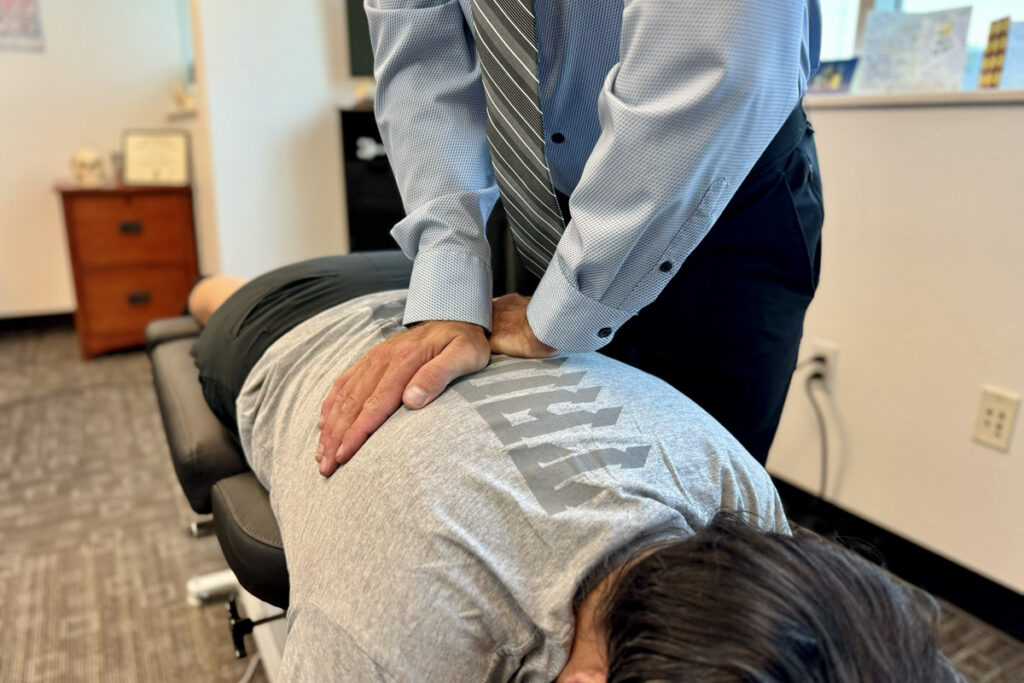
Headaches can significantly disrupt your day, but with the right strategies, you can manage them effectively and naturally. As a chiropractor, I want to share how chiropractic care can be a powerful tool in relieving headache pain and promoting overall wellness.
First, it’s essential to identify your headache triggers. Common culprits include stress, poor posture, and tension in the neck and shoulders. Chiropractic adjustments can help alleviate these tensions and improve spinal alignment, which may reduce the frequency and intensity of headaches.
Staying hydrated is another key factor. Dehydration can lead to headaches, so make sure you’re drinking enough water throughout the day. Alongside hydration, practicing relaxation techniques such as deep breathing or gentle stretching can help ease muscle tension and promote a sense of calm.
Another valuable tip is to maintain a regular sleep schedule. Quality sleep is crucial for healing and overall health. Chiropractic care can also help improve your sleep by addressing any discomfort that may be keeping you awake.
Have you considered keeping a headache diary? This can be an excellent way to track your headaches, identify patterns, and discover what may be triggering them. By sharing this information with your chiropractor, you can work together to develop a personalized treatment plan that suits your needs.
Incorporating chiropractic care into your wellness routine can be an effective way to manage headaches and enhance your quality of life. By focusing on natural healing and healthier living, you can take control of your discomfort and work towards optimal health. If you’re ready to explore how chiropractic care can help you, don’t hesitate to reach out for an appointment. Let’s work together towards a pain-free life!
Key Takeaways
- Keep a headache diary to help identify specific triggers and patterns related to your headaches. This can be a useful tool for understanding how various factors, such as posture or stress, may influence your discomfort, allowing for better management through chiropractic care.
- Stay properly hydrated by drinking water throughout the day, not just when you feel thirsty. Dehydration can contribute to headaches, and maintaining optimal hydration supports overall spinal health and bodily functions.
- Incorporate relaxation techniques into your daily routine, such as yoga, meditation, and deep breathing exercises. These practices can reduce stress and tension in your body, which are common contributors to headaches. Chiropractic adjustments can also play a vital role in relieving tension and promoting relaxation.
- Pay attention to your posture, especially while sitting or working at a desk. Good posture helps prevent tension in the neck and shoulders, which can lead to headache pain. Regular chiropractic care can help you maintain proper alignment and reduce the risk of headaches.
- If your headaches are frequent, severe, or accompanied by new symptoms, don’t hesitate to seek professional help. A chiropractor can provide a thorough evaluation to identify any underlying issues and develop a personalized treatment plan that focuses on natural healing and wellness, ensuring you achieve optimal health without the need for medications or surgeries.
Understand Your Headache Triggers
Have you ever wondered what sparks your headaches? Identifying your headache triggers can be a transformative step in managing pain effectively. These triggers can differ from person to person, so it’s important to observe patterns in your lifestyle. Stress often ranks high on the list, but you may also find that certain foods, lack of sleep, or even strong smells can intensify your discomfort.
One effective approach is to keep a headache diary. This simple tool allows you to track when your headaches occur and what you were doing or eating beforehand. By noting these details, you can identify specific triggers that are unique to you. For instance, you might find that skipping meals or spending too much time in front of screens contributes to your headaches.
Understanding these patterns is key to gaining greater control over your health. Once you identify your triggers, you can take proactive steps to avoid or manage them. Incorporating chiropractic care into your wellness routine can also be a powerful way to alleviate headaches. Chiropractors focus on spinal health, which can significantly impact your overall well-being and pain levels.
Additionally, consider making some lifestyle adjustments that support your health:
- Stay Hydrated: Dehydration can lead to headaches, so ensure you drink plenty of water throughout the day.
- Prioritize Sleep: Aim for a consistent sleep schedule to help regulate your body’s natural rhythms.
- Practice Relaxation Techniques: Techniques such as yoga, meditation, or deep breathing can help reduce stress levels.
- Limit Screen Time: Take regular breaks from screens to reduce eye strain and tension in your neck and shoulders.
Stay Hydrated
Staying hydrated is crucial for overall wellness and can play a significant role in preventing headaches. Even mild dehydration can lead to discomfort, making it essential to keep your body well-hydrated. You might notice signs like a dry mouth or fatigue when you’re not drinking enough water, which can affect your daily activities and overall health.
As a chiropractor, I want to emphasize the importance of hydration not just for headache prevention but also for maintaining a healthy spine and supporting your body’s natural healing processes. Proper hydration helps keep spinal discs healthy, aids in nutrient transport, and supports overall bodily functions.
Here are some effective hydration tips to help you feel your best:
- Drink Water Regularly: Aim to drink water throughout the day rather than waiting until you feel thirsty. Keeping a refillable water bottle with you can serve as a reminder to sip consistently.
- Incorporate Hydrating Foods: Foods like cucumbers, watermelon, and oranges have high water content and can contribute to your hydration levels while providing essential nutrients.
- Set Hydration Goals: Try setting daily water intake goals. You might find it helpful to track your progress with an app or journal, ensuring you meet your hydration needs.
- Infuse Your Water: If plain water isn’t enticing, consider adding natural flavors. A slice of lemon, a few mint leaves, or berries can make hydration more enjoyable.
- Listen to Your Body: Pay attention to the signs your body gives you. If you’re feeling tired or have a headache, drink some water before reaching for other remedies.
Remember, while hydration is essential, regular chiropractic care is also vital for maintaining optimal health. Chiropractic adjustments can help alleviate tension and discomfort that may arise from dehydration and promote overall wellness.
Importance of Water Intake
Water is a vital component for maintaining your overall health, and it plays a significant role in preventing headaches. When your body is well-hydrated, it functions more efficiently, which can help you avoid common headache triggers.
As a chiropractor, I encourage you to drink water consistently throughout the day, not just when you feel thirsty. Keeping a reusable water bottle handy can serve as a great reminder to sip regularly.
If you’re active or spending time in hot weather, it’s important to increase your water intake to replace the fluids you lose. Additionally, incorporating hydrating foods like fruits and vegetables into your diet can help support your overall hydration levels.
By prioritizing proper hydration, you’re not just taking care of your body but also supporting your wellness journey. This simple yet effective habit can complement your chiropractic care, enhancing your overall well-being and contributing to pain management.
Signs of Dehydration
When you don’t drink enough fluids, your body can show several signs of dehydration that are important to recognize for your overall health and wellness. Thirst is your body’s natural signal that it needs water, and ignoring it can lead to bigger issues down the line. Common indicators include a dry mouth and dark urine, which are clear signs that your hydration levels are off balance.
Feeling fatigued or dizzy? These symptoms can also point to inadequate hydration. Dehydration can lead to headaches, which can impact your daily life and activities. It’s crucial to be mindful of these signs and take proactive steps to address them.
Additionally, dry skin or a lack of elasticity can further indicate dehydration. Staying properly hydrated supports not just your hydration levels but also your spinal health. Remember, the spine relies on adequate hydration for optimal function, so ensuring you’re drinking enough water is vital.
To support your body and maintain hydration, aim to drink plenty of water throughout the day. Incorporating fruits and vegetables with high water content into your diet can also be beneficial.
Listening to your body’s signals and prioritizing hydration can help you prevent dehydration and maintain your overall well-being. By taking these simple steps, you can support your health naturally and enhance your chiropractic care journey toward optimal wellness.
Hydration Tips and Tricks
To keep your body well-hydrated and support overall wellness, it’s essential to create a routine that encourages healthy hydration habits. As a chiropractor, I understand that hydration plays a vital role in maintaining spinal health and overall bodily function.
One simple way to ensure you’re drinking enough water is to set reminders throughout the day. You can use your phone or download a hydration app to remind you to take a sip every hour.
Aim for at least eight 8-ounce glasses of water daily, but feel free to adjust this based on your activity level and the climate you’re in. Carrying a reusable water bottle can make it easy to drink more often, keeping you refreshed and energized.
For a little extra motivation, try infusing your water with fresh fruits like lemon or berries. This not only adds flavor but also provides additional vitamins and minerals to support your body.
Don’t overlook the power of hydrating foods! Incorporate water-rich fruits and vegetables—such as cucumbers, watermelon, and oranges—into your meals to boost your hydration further.
If you’re exercising, remember that you’ll need to increase your water intake to replace the fluids lost through sweat. Staying hydrated can significantly reduce the frequency and intensity of headaches and other discomforts, helping you feel your best throughout the day.
Remember, proper hydration is just one part of a holistic approach to health. Regular chiropractic care can help ensure your spine is aligned and functioning optimally, which enhances your body’s ability to stay healthy and recover naturally.
Practice Relaxation Techniques
Practicing relaxation techniques can significantly help reduce headache tension, especially when stress is a key factor. By incorporating these methods into your daily routine, you can’t only alleviate discomfort but also promote overall wellness, which is essential for maintaining a healthy spine and body.
- Deep Breathing: Take a moment to focus on slow, deep breaths. This simple practice can calm your mind and reduce tension throughout your body, including in your neck and shoulders where headaches often originate.
- Progressive Muscle Relaxation: Work through your body by tensing and then relaxing each muscle group. This technique releases built-up stress and helps you become more aware of tension, allowing you to identify areas where you might need chiropractic care.
- Guided Imagery: Picture yourself in a tranquil setting. Visualizing a peaceful environment can help distract your mind from pain and tension, providing a natural way to relax.
- Mindfulness Meditation: Spend a few minutes in quiet reflection. This practice helps center your thoughts, promotes relaxation, and can support the alignment of your spine by encouraging a calm state of mind.
Integrating these techniques when you sense a headache approaching, or using them as preventive measures during stressful times, can be incredibly beneficial.
Remember, a well-aligned spine is crucial for optimal health, and chiropractic care can play a vital role in achieving that. By prioritizing these natural methods, you may find that not only do your headaches become less frequent and less intense, but your overall health improves as well.
Your body and mind will thank you for taking these steps toward a healthier, headache-free life!
Maintain a Regular Sleep Schedule
Maintaining a regular sleep schedule is crucial for managing headaches and promoting overall wellness. When you consistently go to bed and wake up at the same times each day, your body establishes a natural rhythm. This can significantly help reduce the frequency and intensity of headaches, allowing you to feel your best. Aim for 7-9 hours of restorative sleep each night to support your health.
Here are some simple tips to help you establish a regular sleep routine:
| Tip | Description |
|---|---|
| Set a bedtime | Choose a time that allows for enough rest and stick to it every day. This consistency helps your body know when it’s time to wind down. |
| Create a wind-down routine | Spend the last hour before bed engaging in calming activities, like reading a book or practicing meditation. This helps signal to your body that it’s time to relax. |
| Limit screen time | Try to reduce exposure to screens at least an hour before bedtime. The blue light emitted by screens can interfere with your body’s natural sleep hormones. |
In addition to these tips, consider how chiropractic care can aid in your journey to better sleep. A well-aligned spine can reduce tension and stress in your body, potentially leading to fewer headaches and improved sleep quality. By incorporating regular chiropractic adjustments into your wellness routine, you can support your body’s natural healing processes and help achieve optimal health. Remember, taking care of your spine is an essential step towards a healthier, headache-free life!
Use Over-the-Counter Medications Wisely
When headaches strike, it’s essential to approach relief in a way that promotes overall wellness and health. While over-the-counter medications can offer quick fixes, there are natural alternatives and lifestyle adjustments that can provide more sustainable relief.
Here are some tips to help you manage headaches effectively while prioritizing your health:
- Consider chiropractic care: Regular chiropractic adjustments can help realign the spine and relieve tension that may be contributing to headaches. A chiropractor can assess your individual situation and provide tailored treatments for long-term relief.
- Stay hydrated: Dehydration is a common trigger for headaches. Make sure you’re drinking plenty of water throughout the day to keep your body well-hydrated.
- Practice good posture: Poor posture can lead to tension in the neck and shoulders, which may result in headaches. Be mindful of your posture at work and during daily activities, and consider chiropractic adjustments to help maintain proper alignment.
- Limit stress: Stress can be a major contributor to headaches. Incorporate relaxation techniques such as deep breathing, meditation, or gentle yoga into your routine to help manage stress levels.
- Get regular exercise: Physical activity can help reduce the frequency and intensity of headaches. Aim for regular, moderate exercise to keep your body strong and healthy.
- Pay attention to triggers: Keep a headache diary to identify any patterns or triggers, such as certain foods, lack of sleep, or stress. Understanding your triggers can help you make lifestyle changes to prevent headaches from occurring.
Remember, while occasional over-the-counter medications may be necessary, embracing natural healing methods and chiropractic care can lead to a healthier, pain-free life.
If you’re struggling with chronic headaches, consider reaching out to a chiropractor to explore how spinal health can play a crucial role in your overall well-being.
Explore Alternative Therapies
Exploring alternative therapies can greatly enhance the lifestyle changes you’ve made for headache relief, with chiropractic care standing out as a top choice for natural wellness. Many individuals find that regular spinal adjustments can significantly reduce the frequency and intensity of headaches by relieving tension and improving overall spinal health.
In addition to chiropractic care, you might consider integrating mindfulness practices like yoga and meditation into your routine. These practices are excellent for lowering stress levels, which can often trigger headaches. By focusing on your breath and body, you can create a sense of calm that helps mitigate headache pain.
It’s also worth noting that some people find relief from herbal remedies, such as feverfew and butterbur. However, it’s essential to consult with your chiropractor before introducing any new supplements to ensure they align with your health goals.
Another gentle and effective method for headache relief is aromatherapy. Essential oils like peppermint and lavender can be soothing when diffused in your space or when applied in diluted form to your temples. These natural scents can help create a calming environment that supports relaxation.
Remember, the key to effective headache management lies in a holistic approach. Regular chiropractic care can be your foundation for optimal health, while simple practices like mindfulness and aromatherapy can complement your journey to feeling your best.
Embracing these natural therapies not only helps with headache relief but supports your overall well-being, allowing you to enjoy a healthier, pain-free life.
Keep a Headache Diary
Keeping a headache diary can be a transformative tool in your path to understanding and alleviating your pain. By documenting your headaches, you’ll uncover patterns and triggers that can help you manage them more effectively. This is where chiropractic care can play a crucial role in promoting natural healing and overall wellness.
Here’s how to make the most of your headache diary:
- Record the date and time: Note when your headaches begin and how long they last. This can help identify if they coincide with any lifestyle factors that chiropractic care can address.
- Describe the pain: Detail the intensity, type, and location of your headache. Understanding the nature of your pain can assist your chiropractor in providing targeted care.
- Identify potential triggers: Include factors like food, stress, sleep quality, or weather changes. Many headaches can be linked to tension in the spine or muscle strain, and your chiropractor can help identify and alleviate these issues.
- Track your treatments: Write down what you tried for relief, especially if you incorporated chiropractic adjustments or therapies, and note how effective they were. Chiropractic care often provides lasting relief by addressing the root cause of your pain.
By keeping a detailed headache diary, you empower yourself with knowledge that can lead to effective, natural solutions.
Remember, chiropractic care focuses on restoring balance and alignment in your body, which can significantly reduce headache frequency and intensity.
Prioritize your wellness by exploring the benefits of chiropractic adjustments as a key component of your health journey.
Seek Professional Help When Needed
Recognizing when to seek professional help is vital for effectively managing your headaches. If your headaches are severe, persistent, or interfere with your daily life, it’s important to consult a chiropractor. They can help identify underlying issues and provide natural, drug-free treatments tailored to your needs.
| When to Seek Help | Possible Signs |
|---|---|
| Frequent Headaches | More than 15 days a month |
| Severe Pain | Pain that disrupts your routine |
| Changes in Patterns | New symptoms or different headaches |
Don’t overlook warning signs like sudden onset headaches, especially if they come with other symptoms like vision changes or confusion. Early intervention is key to preventing complications and enhancing your overall quality of life.
Chiropractic care focuses on aligning the spine to support your body’s natural healing processes. Here are some tips to help manage your headaches:
- Stay Hydrated: Dehydration can trigger headaches, so drink plenty of water throughout the day.
- Practice Good Posture: Ensure your workstation is ergonomically designed to reduce strain on your neck and back.
- Regular Exercise: Engage in regular physical activity to improve your overall health and reduce tension.
- Stress Management: Incorporate relaxation techniques such as deep breathing, meditation, or yoga into your daily routine.
- Chiropractic Adjustments: Regular visits to your chiropractor can help maintain proper spinal alignment and alleviate headache pain.
Conclusion
In summary, managing headaches effectively starts with understanding your unique triggers and maintaining a healthy lifestyle. Staying hydrated is crucial, as dehydration can often lead to increased headache frequency. Additionally, practicing relaxation techniques, such as deep breathing or gentle stretching, can significantly help reduce tension and stress, which are common headache culprits.
Establishing a regular sleep schedule is vital for your overall well-being, as poor sleep can exacerbate headache symptoms. Instead of relying on over-the-counter medications, consider exploring the natural healing benefits of chiropractic care. Chiropractors focus on spinal health and can help relieve tension in your body, which may be contributing to your headaches.
Keeping a headache diary can also be beneficial. By tracking your headaches, you can identify patterns and triggers that might be linked to your spinal alignment or posture. If you find that your headaches are persistent or worsening, it’s essential to seek professional help. A chiropractor can assess your spine and provide targeted adjustments to help alleviate pain and improve your overall health.
By incorporating these practices into your routine and prioritizing chiropractic care, you can effectively reduce the frequency and intensity of headaches, leading to a healthier, more vibrant life. Remember, your spine plays a significant role in your overall wellness, so taking care of it is key to achieving optimal health.