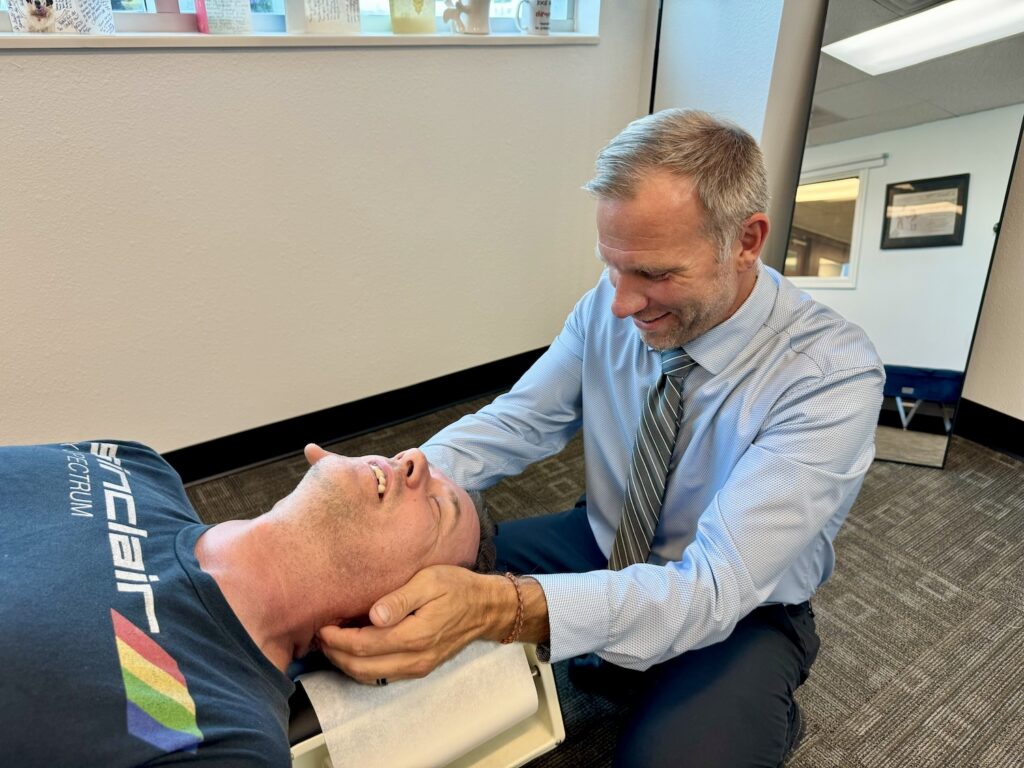
As a local chiropractor, I understand that dealing with lower back pain can be incredibly frustrating. It's important to explore effective treatment options that can provide relief and enhance your quality of life. Chiropractic care, along with other natural healing methods like acupuncture and personalized exercise programs, can be incredibly beneficial for your recovery.
Many patients are unfamiliar with how chiropractic treatments work, but they can play a crucial role in helping you manage and alleviate pain. By focusing on spinal alignment and overall body function, chiropractic adjustments aim to restore balance and promote healing without the need for medication.
In addition to chiropractic care, I often recommend incorporating other holistic approaches, such as acupuncture, which has been shown to relieve pain and reduce inflammation. Tailored exercise regimens can also strengthen your back muscles and improve flexibility, ultimately supporting your recovery.
Understanding the potential benefits of these treatments can make a significant difference in your journey towards relief. If you're wondering which method is right for you, I invite you to schedule a consultation so we can discuss your specific needs and create a personalized treatment plan that works for you. Let's work together to get you back to living your life to the fullest!
Physical Therapy
Chiropractic care is an effective approach for managing lower back pain and promoting overall wellness. When you visit a chiropractor, you'll receive a thorough assessment tailored to your specific needs. We carefully evaluate your posture, spinal alignment, and muscle strength to identify the underlying causes of your discomfort. This personalized approach allows you to understand the factors contributing to your pain and how to address them naturally.
During your sessions, your chiropractor will guide you through various adjustments and exercises aimed at enhancing your spinal health and improving flexibility. These techniques not only help alleviate pain but also reduce the risk of future injuries. You'll also learn about proper body mechanics, which are crucial for everyday activities, whether you're lifting heavy items or sitting at your desk for long periods.
Many of our patients find that incorporating gentle stretches and mobility exercises into their daily routines significantly enhances their range of motion and reduces stiffness. We may also employ hands-on techniques, such as spinal manipulation, to relieve tension and improve circulation throughout your body.
Moreover, we provide valuable insights on ergonomic adjustments you can implement at home or in the workplace to support your recovery and promote a healthier lifestyle. This proactive approach empowers you to take charge of your healing journey.
As you progress through your chiropractic care, you'll likely experience improvements in physical function and a reduction in pain levels. Consistency in attending your appointments and following the recommended exercises will yield the best results.
Ultimately, chiropractic care equips you with the knowledge and tools to effectively manage your lower back pain and enhances your overall quality of life through natural healing methods.
Chiropractic Care
As a local chiropractor, I want to share with you the benefits of chiropractic care, especially for managing lower back pain. Our approach is holistic, focusing on the crucial link between your spine and overall health.
When you come to my office, I'll conduct a comprehensive assessment of your spine's alignment and mobility. This evaluation is essential for identifying any misalignments or restrictions that could be contributing to your discomfort.
A key technique I use in my practice is spinal manipulation. This involves applying controlled force to specific joints in your spine to restore proper alignment and enhance your range of motion. Many of my patients experience immediate relief following a session, as this technique can alleviate pressure on nerves and reduce inflammation.
In addition to spinal adjustments, I often incorporate other therapeutic methods, such as soft tissue therapy, exercise recommendations, and lifestyle advice tailored to your unique situation.
You may receive customized exercises designed to strengthen your back and core muscles, which are vital for preventing future pain. I'll also suggest ergonomic adjustments to your workspace and daily activities to promote better posture and minimize strain on your back.
Regular chiropractic visits can play a significant role in maintaining your spinal health and preventing recurring pain. It's vital for us to communicate openly about your symptoms, progress, and any concerns you may have.
I'll adjust your treatment plan as necessary to ensure you're on the right path to recovery.
If you're looking for a natural, drug-free approach to manage your lower back pain, chiropractic care could be the solution you've been searching for. I look forward to helping you on your journey to better health!
Acupuncture
As a local chiropractor, I want to introduce you to the ancient healing practice of acupuncture, which has gained popularity, especially for addressing lower back pain.
By focusing on specific points on your body, acupuncture can effectively help manage pain and promote relaxation. Many of my patients have found that this holistic approach offers significant relief when other treatments may not be as effective.
It's important to explore all avenues of natural healing, and acupuncture can be a valuable addition to your wellness journey, working hand in hand with chiropractic adjustments to enhance your overall health.
Ancient Healing Practice
Have you ever considered how ancient healing practices can help alleviate lower back pain? As a chiropractor, I often incorporate techniques inspired by traditional methods like acupuncture into my approach. While my focus is on spinal adjustments, understanding these ancient practices can enhance your overall healing experience.
Acupuncture, a fundamental aspect of traditional Chinese medicine, involves inserting thin needles into specific points on the body to stimulate the flow of energy, known as "qi." Many individuals have discovered that this technique provides significant relief from lower back pain, promoting healing and relaxation alongside chiropractic care.
During your visit to my practice, I'll assess your condition and discuss various treatment options tailored specifically for your needs. While acupuncture may not be part of my primary services, I recognize its benefits and can recommend it as a complementary therapy.
If you decide to try it, you might experience a slight sensation as the needles are inserted, but most people report feeling relaxed and sometimes even euphoric during the session.
Beyond pain relief, acupuncture can enhance your overall well-being by promoting balance within your body's energy systems. Many practitioners believe that addressing the root causes of discomfort, rather than just the symptoms, can lead to long-lasting relief.
If you're seeking a natural, holistic remedy for your lower back pain, I encourage you to explore the benefits of both chiropractic care and acupuncture. Together, these ancient practices and modern techniques can provide the relief you've been searching for!
Pain Management Benefits
As a local chiropractor, I want to share with you how incorporating acupuncture into your pain management routine can significantly enhance your healing journey. This ancient practice involves stimulating specific points on the body, which promotes natural healing and helps reduce pain. Many of my patients have experienced remarkable relief from lower back pain after trying acupuncture, which allows them to engage in daily activities with much greater ease.
One of the key advantages of acupuncture is its ability to trigger the release of endorphins—your body's natural painkillers. This often leads to an immediate sense of relief and overall wellbeing. Additionally, acupuncture can improve blood circulation and reduce inflammation, both of which are vital for effective long-term pain management.
Patients often report better sleep quality and reduced stress levels following their acupuncture sessions. These factors are crucial for effective pain relief and overall wellness.
As you continue with acupuncture as part of your care, you may find that your body becomes more resilient to pain, contributing to a better quality of life.
Integrating acupuncture with chiropractic care offers a holistic approach to managing your lower back pain. If you haven't explored acupuncture yet, I encourage you to consider it as a valuable part of your pain management strategy. Together, we can work towards your health goals and enhance your overall wellbeing.
Massage Therapy
When it comes to alleviating lower back pain, many people find that chiropractic care offers a highly effective solution. This holistic approach focuses on the alignment of the spine and musculoskeletal system, helping to relieve tension, enhance mobility, and promote overall wellness. Regular chiropractic adjustments can significantly reduce pain levels and improve your quality of life.
During a chiropractic session, I'll assess your specific areas of discomfort and work to realign your spine, addressing the root cause of your pain. Whether it's through manual adjustments or other specialized techniques, each method is tailored to meet your unique needs. Many patients experience immediate relief as misalignments are corrected, which can also lead to the release of endorphins—your body's natural pain relievers—boosting your mood and reducing stress.
Communication is key in our sessions. I encourage you to share your pain levels and any particular areas of concern. This feedback allows me to adjust my techniques and ensure you receive the most effective treatment possible.
While some patients notice improvements after just a few visits, integrating chiropractic care into your ongoing pain management strategy can result in even more significant benefits over time.
It's also important to consider complementing chiropractic adjustments with other practices such as stretching and exercise. Together, these methods can support your recovery and help prevent future episodes of back pain.
Medication Options
As a local chiropractor, I want to educate you about the various ways we can address lower back pain, particularly through natural healing approaches. While chiropractic care is highly effective in alleviating discomfort and promoting overall wellness, many patients also consider medication options as part of their treatment plan.
It's essential to understand how these options can complement the care you receive in my office.
Over-the-counter (OTC) medications, such as nonsteroidal anti-inflammatory drugs (NSAIDs) like ibuprofen and naproxen, are often the first step many people take for quick relief from pain and inflammation. They're easily accessible and can be effective for mild to moderate pain.
However, I advise caution with prolonged use, as these medications can lead to unwanted side effects.
If you find that OTC medications aren't providing sufficient relief, it's important to consult with your healthcare provider about stronger options. For example, muscle relaxants may be prescribed if muscle spasms are contributing to your discomfort. They work by easing tension in the back muscles.
In cases of severe pain, opioids might be considered for short-term relief, but I must emphasize the importance of using these medications cautiously to avoid the risk of dependence.
Another option to explore is topical treatments, such as creams or patches that contain analgesics. These can offer targeted relief without affecting the entire system, which may be a preferable choice for those looking to avoid systemic medications.
As your chiropractor, I encourage you to have open discussions with me about your symptoms and medical history. Together, we can create a comprehensive treatment plan that not only addresses your pain but also supports your journey toward better health and wellness.
My goal is to help you achieve lasting relief while minimizing the need for medications whenever possible.
Heat and Cold Therapy
As a chiropractor dedicated to your health and well-being, I want to share how heat and cold therapy can be incredibly effective for relieving lower back pain. These natural methods can complement your recovery journey and help you manage discomfort more effectively.
Let's start with heat therapy. Applying warmth to your lower back can increase blood flow to the area, which promotes healing and helps relax tight muscles. You can try using heating pads, warm towels, or even a soothing hot bath to bring relief. Just be sure to keep the temperature comfortable to prevent any burns.
I recommend applying heat for about 15 to 20 minutes at a time. This can significantly ease tension and provide a sense of comfort in your lower back.
Now, let's discuss cold therapy. This approach numbs the area and reduces inflammation, making it especially useful right after an injury or during painful flare-ups. You can use ice packs or cold compresses for about 15 to 20 minutes as well.
Just remember to wrap the ice in a cloth to protect your skin from frostbite. Allow your skin to warm up between sessions to ensure you don't overdo it.
It's essential to listen to your body when using these therapies. If you find that one method isn't providing relief or is even worsening your pain, don't hesitate to switch to the other.
Many patients find that using both therapies can be beneficial; for instance, applying ice to reduce inflammation and then following up with heat to relax the muscles can be a powerful combination.
Yoga and Stretching
As a local chiropractor, I want to emphasize the importance of yoga and stretching as effective methods for relieving lower back pain.
These practices can play a vital role in your healing journey by enhancing flexibility and strengthening your core muscles. By integrating specific yoga poses and stretching techniques into your routine, you can't only alleviate discomfort but also support your overall spinal health.
Let's delve into how these natural healing practices can benefit you and I'll share some effective stretches to help you get started on your path to wellness.
Benefits of Yoga
As a chiropractor, I often emphasize the importance of holistic approaches to health and wellness, and one practice that I highly recommend is yoga. Engaging in yoga can significantly help alleviate lower back pain by enhancing flexibility and strengthening core muscles, which are crucial for maintaining a healthy spine.
When you practice yoga, you're not merely stretching; you're actively promoting proper alignment and improving your posture. Good posture is vital because it reduces unnecessary strain on your lower back, which can lead to discomfort and chronic pain over time.
Moreover, yoga fosters mindfulness and relaxation, allowing you to manage pain perception more effectively. By concentrating on your breath and staying present in the moment, you're less inclined to focus on discomfort, which can often exacerbate your pain.
Many yoga poses are specifically designed to target the lower back and surrounding areas, helping to alleviate tension and discomfort. As you engage regularly in these practices, you'll notice a build-up of strength in the muscles that support your spine, which enhances stability and helps reduce the risk of future injuries.
Beyond the physical advantages, incorporating yoga into your routine can significantly benefit your mental well-being. Feeling more balanced and centered can transform your approach to managing lower back pain.
I encourage you to consider adding yoga to your pain relief toolkit – it's a wonderful complement to chiropractic care and can lead to a more holistic approach to your health!
Effective Stretching Techniques
As a local chiropractor, I want to share some effective stretching techniques that can truly make a difference in managing lower back pain. Integrating yoga and targeted stretches into your daily routine can't only enhance your flexibility but also strengthen the muscles that support your spine and relieve built-up tension.
Let's start with a simple yet powerful stretch: the Cat-Cow pose. This movement is fantastic for mobilizing your spine and warming up your back, preparing it for further stretches. Follow this with the Child's pose, which gently elongates your lower back and helps to release tightness. Holding each of these poses for about 30 seconds can lead to noticeable improvements in how you feel.
Another highly beneficial stretch is the Knee-to-Chest stretch. While lying on your back, bring one knee toward your chest while keeping the other leg extended. This stretch is effective at alleviating pressure in the lower back and encourages relaxation throughout the area.
You might also want to try the Piriformis stretch. By crossing one leg over the other and gently pulling the knee toward your opposite shoulder, you can target the glutes and potentially relieve sciatica-related discomfort.
It's important to remember to listen to your body during these stretches. If something feels painful, it's wise to ease off and adjust your position.
Consistent practice of these stretches can lead to long-term relief and improved mobility, making everyday activities much more comfortable and enjoyable. As your chiropractor, I encourage you to incorporate these techniques into your routine for a holistic approach to your well-being!
Exercise and Strengthening
As a chiropractor, I want to emphasize the importance of strengthening your back to alleviate lower back pain. Incorporating targeted exercises can make a world of difference in your recovery. By strengthening the muscles that support your spine, you can't only enhance stability but also reduce discomfort significantly.
Start by focusing on core exercises that engage both your abdominal and back muscles. Some effective options to consider are planks, bridges, and pelvic tilts. These exercises are designed to build the necessary stability in your core, which directly supports your lower back.
In addition to strengthening, it's crucial to include flexibility training in your routine. Movements that stretch your hamstrings, hip flexors, and glutes can alleviate tightness that often contributes to lower back pain. Practices like yoga and Pilates effectively combine both strengthening and stretching, offering a comprehensive approach to your care.
I recommend engaging in these exercises at least three times a week. Consistency is vital for seeing improvement, so start slowly, especially if you're new to exercise. Gradually increase the intensity and duration of your workouts while being mindful of how your body feels. If you experience any discomfort or pain, please stop and consult with a healthcare professional for guidance.
Equally important is your posture during daily activities. Maintaining good posture while sitting or standing can help prevent strain on your lower back. As you work on strengthening your back through exercise, practice keeping a neutral spine position to support your overall alignment.
Finally, consider incorporating low-impact aerobic activities such as walking or swimming into your routine. These activities can boost your overall fitness without adding undue stress to your back.
Ergonomic Adjustments
As a local chiropractor dedicated to your well-being, I want to share how making some ergonomic adjustments in your workspace can significantly alleviate lower back pain.
It's essential to create an environment that promotes good posture and supports your body.
Start by assessing your desk setup—ensure that it's at the right height for you. A supportive chair that encourages a healthy spine position is crucial, so choose one that provides adequate lumbar support.
Additionally, adjusting the height of your monitor can help maintain proper alignment of your neck and spine.
These thoughtful changes may seem small, but they can lead to lasting relief and improved comfort throughout your day.
By prioritizing your workspace ergonomics, you're taking a proactive step towards natural healing and overall wellness.
If you have any questions or need personalized advice, feel free to reach out. Your health is our priority!
Proper Desk Setup
As a local chiropractor, I want to emphasize the importance of creating an ergonomic workspace to help reduce lower back pain and enhance your comfort, especially if you find yourself sitting for long periods.
One of the first steps is to ensure that your desk and monitor are positioned correctly. Your computer screen should be at eye level, which helps keep your neck in a neutral position and prevents strain. When you look at your monitor, your gaze should naturally fall about one-third of the way down the screen.
It's also crucial to arrange your keyboard and mouse within easy reach to maintain a relaxed arm position. Ideally, your elbows should be bent at around 90 degrees, and your wrists should remain straight while typing. Using a wrist rest can offer additional support and help prevent discomfort.
Don't overlook the height of your chair either. Adjust it so that your feet can rest flat on the floor. If you find that your feet don't reach the ground comfortably, consider using a footrest. This adjustment helps to maintain proper posture and reduces unnecessary pressure on your lower back.
Lastly, I can't stress enough the importance of taking regular breaks. Stand up, stretch, and move around every hour. This simple practice keeps your muscles engaged and helps prevent stiffness, which is essential for your overall health and well-being.
Supportive Chair Selection
Choosing the right chair is essential for anyone who spends extended periods at a desk, especially when it comes to maintaining your spinal health. As a local chiropractor, I want to emphasize how a well-designed chair can significantly alleviate strain on your lower back, which in turn promotes better posture and overall comfort.
When selecting a supportive chair, prioritize those with adjustable features. This customization allows you to tailor the height, armrests, and lumbar support to suit your unique body shape and size. Proper alignment is crucial for your spine, and having the ability to adjust these settings can help achieve that.
Look for chairs that offer excellent lumbar support, which should contour to the natural curve of your lower back. This support is vital in preventing slouching and maintaining the natural alignment of your spine. A seat cushion should strike a balance between firmness and comfort, providing enough support to keep you elevated without allowing you to sink into it.
Don't forget about the armrests; they play a significant role in your overall posture. Armrests should support your arms comfortably without forcing your shoulders to hunch up, which can lead to tension and discomfort. Ideally, your feet should rest flat on the floor or on a footrest, with your knees at a 90-degree angle to ensure proper circulation and alignment.
Lastly, consider the material of the chair. Opt for breathable fabric, which can help keep you cool and comfortable during those long working hours.
Monitor Height Adjustment
As a chiropractor dedicated to your overall well-being, I want to emphasize the importance of creating an ergonomic workspace, starting with the height of your monitor.
It's essential that your monitor is positioned correctly to support your spine and neck health. Ideally, the top of your screen should be at or just below eye level. This alignment allows your neck to maintain a neutral position, which can significantly reduce stress on your back and neck.
To find the right height, sit comfortably back in your chair and look straight ahead. If you find yourself tilting your head up or down significantly, it's a sign that adjustments are needed. You can use a monitor stand or even stack a few books to elevate your monitor to the optimal height.
Additionally, ensure that your screen is positioned about an arm's length away from your eyes. This distance isn't just about comfort; it also helps prevent eye strain and promotes better posture.
Another tip is to angle your monitor slightly backward, around 10 to 20 degrees. This small adjustment can help minimize glare and enhance your visibility, making your work much easier on your eyes.
Lastly, I encourage you to take regular breaks to stand, stretch, and move around. These simple strategies can greatly improve your comfort while working, help you avoid lower back pain, and keep you focused throughout your day.
Alternative Therapies
As a local chiropractor, I want to share some valuable insights about alternative therapies for lower back pain that can complement traditional treatments and empower you to take control of your health.
One effective method that many of my patients find beneficial is acupuncture. This practice involves the insertion of thin needles into specific points on your body, promoting blood flow and encouraging the release of endorphins, which can lead to reduced pain and improved mobility.
Chiropractic care itself is a fantastic option for managing lower back pain. My approach involves spinal manipulation, which helps to align your spine and relieve pressure on nerves. This can significantly alleviate pain and enhance overall function.
Many of my patients experience long-term benefits from regular adjustments, especially if they're dealing with chronic back pain.
Another therapy I often recommend is massage therapy. A skilled massage therapist can target tight muscles and relieve tension, making it easier for you to move comfortably. The relaxation benefits of massage can also reduce stress, which is often a contributing factor to pain intensity.
In addition to these therapies, I encourage my patients to consider yoga and Pilates. These practices enhance flexibility and strengthen core muscles, which are crucial for improving posture and reducing the risk of future injuries.
Even simple stretches can make a significant difference in alleviating discomfort.
Lastly, don't overlook the potential benefits of herbal remedies and dietary changes in your pain management strategy. It's always wise to consult with a healthcare provider before starting any new treatment.
By exploring these alternative therapies, you can take proactive steps towards managing your lower back pain and leading a more active, fulfilling lifestyle.
Conclusion
As a local chiropractor, I want to emphasize how important it is to find the right treatment for lower back pain, as it can significantly improve your daily comfort and mobility. Chiropractic care is one of the effective options available, focusing on natural healing methods that address the root causes of pain rather than just masking the symptoms.
Many of my patients have found relief through various therapies, including chiropractic adjustments, which can realign the spine and alleviate discomfort. Additionally, I often recommend incorporating exercise and stretching into your routine, as these practices not only aid in recovery but also help prevent future issues from arising.
Ergonomic adjustments in your workspace and daily activities can also play a crucial role in maintaining a healthy back. I encourage you to explore these options and consult with me or other professionals to create a personalized approach that meets your unique needs. Remember, your comfort and ability to move freely are paramount, and I'm here to help you on your journey to better health.