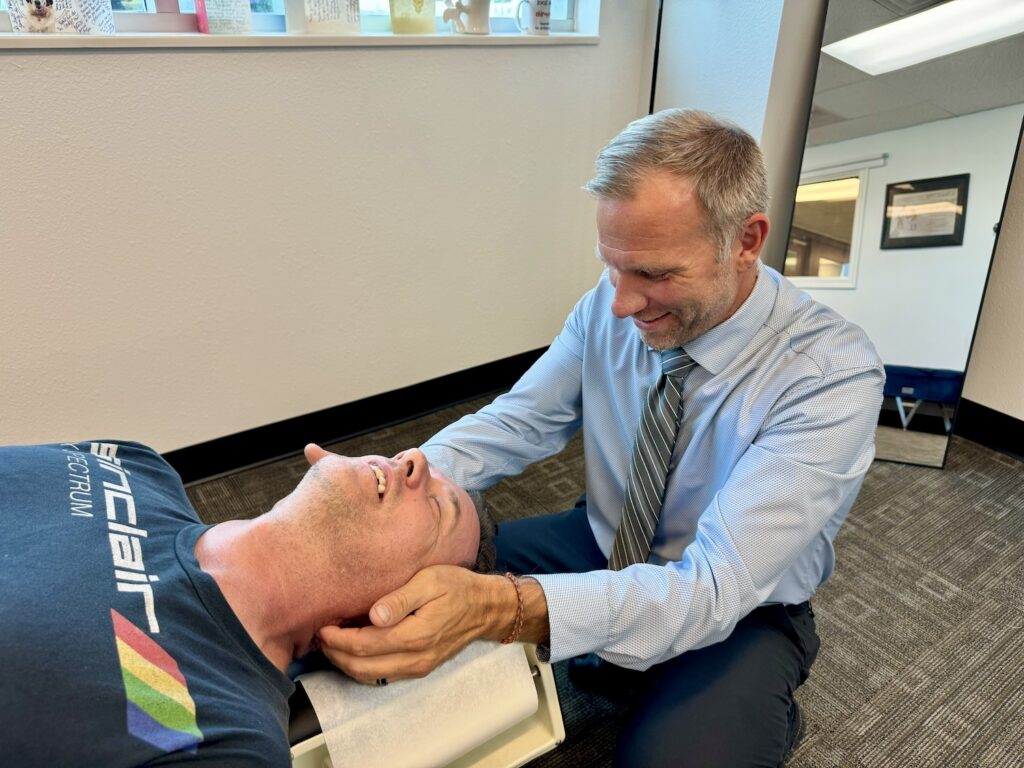
As a local chiropractor, I want to emphasize the crucial connection between your posture and your overall health, particularly in relation to back pain. Many individuals unknowingly adopt poor posture habits that can lead to discomfort and strain in their backs. By becoming aware of these habits and making a few adjustments, you can significantly enhance your well-being.
So, what specific changes can you implement to improve your posture, and how can these modifications lead to lasting relief from pain? Let’s delve into some fundamental aspects of posture correction that can pave the way for a healthier, pain-free life.
First, consider your sitting habits. Many of us spend hours at desks or in front of screens. It’s essential to ensure your chair supports your lower back and that your feet are flat on the floor. This simple adjustment can alleviate pressure on your spine.
Next, pay attention to how you stand. Maintaining a neutral spine position—where your head is aligned over your shoulders and your shoulders are over your hips—can prevent unnecessary strain on your back. Regularly practicing this posture will help reinforce good habits over time.
Additionally, don’t forget about the importance of movement. Incorporating stretches and strengthening exercises into your daily routine can significantly enhance your spinal health and improve your posture. As a chiropractor, I can guide you through specific exercises tailored to your needs.
By actively working on these posture-related changes, you can not only reduce your current back pain but also prevent future discomfort. Remember, a healthy spine contributes to a healthy life. If you’re curious about how chiropractic care can further support your journey to better posture and pain relief, I invite you to explore this natural healing approach with me. Together, we can develop a personalized plan that suits your lifestyle and promotes long-term health.
Understanding the Connection Between Posture and Back Pain
As a local chiropractor, I often see patients who are unaware of how their posture can significantly impact their back health. Many people unknowingly slouch or sit in awkward positions, not realizing the toll it takes on their spine. Poor posture creates unnecessary strain on the vertebrae and the surrounding muscles, which can lead to discomfort and pain over time.
When you lean forward or hunch your shoulders, you’re compressing the structures that support your back, which can result in tightness and tension, making movement less comfortable.
Additionally, I want to highlight that maintaining proper posture is crucial for the strength of your core muscles. When your alignment is off, these muscles can weaken, which leads to even more strain on your back. This chain reaction can result in chronic pain that’s often avoidable with some mindful adjustments to your posture.
By becoming more aware of how you sit and stand throughout your day, you can take proactive steps to improve your spinal health. I encourage you to focus on maintaining a strong, aligned posture.
Not only can this reduce back pain, but it can also enhance your overall well-being. Remember, simple changes can make a big difference, and I’m here to support you on your journey to better health.
Common Posture Mistakes to Avoid
As a local chiropractor, I often see patients who are unaware of how much their posture affects their overall health.
Slouching while sitting and having an improper screen height are common mistakes that can lead to significant discomfort and even long-term issues with your spine.
It’s essential to be mindful of these habits. By making simple adjustments, such as sitting up straight and ensuring your screen is at eye level, you can promote a healthier back and prevent potential problems down the line.
Let’s work together to improve your posture and enhance your well-being!
Slouching While Sitting
As a local Chiropractor, I want to emphasize the importance of proper posture while sitting, as slouching can easily become a detrimental habit that affects your overall health.
When you hunch over, you place unnecessary strain on your spine and the surrounding muscles, leading to discomfort and pain. It’s crucial to avoid letting your shoulders droop forward. Instead, I encourage you to sit up straight with your back firmly against the chair.
Make sure your feet are flat on the floor and your knees are bent at a right angle. Engaging your core muscles is also vital, as they help support your spine and make it easier for you to maintain an upright position.
If you find yourself at a desk for extended periods, I highly recommend taking regular breaks. Stand up, stretch, and reset your posture to alleviate tension and promote better alignment.
Incorrect Screen Height
As a chiropractor, I want to emphasize the importance of proper screen height for your overall health and well-being.
Many people aren’t aware that an improperly positioned monitor can lead to significant posture issues, resulting in discomfort and pain over time. When your monitor is too low, it encourages you to hunch over, putting unnecessary strain on your neck and back.
For optimal alignment, the top of your screen should be at eye level. This positioning allows you to maintain a neutral spine, which is crucial for preventing muscle tension and discomfort.
If you find yourself frequently looking down at your screen, it’s time to make some adjustments. I recommend using a monitor stand or adjusting your chair to reach the correct height.
Additionally, keeping your screen about an arm’s length away can help minimize eye strain. By making these simple changes, you can significantly improve your posture and enhance your comfort while working, ultimately promoting better spinal health.
The Importance of Ergonomics in Your Workspace
As a local chiropractor, I often see patients who underestimate how much their workspace can affect their posture and overall health. It’s essential to understand that the right ergonomic setup can significantly enhance your comfort and productivity.
When you thoughtfully arrange your workspace, you’re not only improving aesthetics, but you’re also creating an environment that supports your body and promotes better alignment.
For instance, a chair that’s properly adjusted can provide crucial support for your lower back, encouraging good posture and helping to alleviate stress on your spine. Similarly, a desk set at the correct height can prevent undue strain on your neck and shoulders, which are common areas of discomfort for many people.
Don’t overlook the positioning of your monitor. It should be at eye level to help you maintain a neutral spine, reducing the likelihood of slouching or craning your neck. Additionally, consider the placement of your keyboard; it should allow your wrists to stay in a straight position to avoid strain.
By prioritizing ergonomics in your workspace, you aren’t just making a few adjustments; you’re setting the foundation for a healthier work experience. Your body will greatly appreciate these changes, and you may find yourself feeling more focused and productive throughout the day.
I encourage you to make these adjustments today and observe how your posture and overall well-being improve over time. Your spine will thank you!
Simple Exercises to Improve Posture
As a chiropractor, I often emphasize the importance of maintaining good posture, especially in our modern world where many of us spend long hours at desks or in front of screens.
Even with an ergonomic workspace, incorporating simple exercises into your daily routine can greatly enhance your posture and overall spinal health.
One effective exercise I recommend is the wall angel. To perform this, stand with your back against a wall, keeping your arms at a 90-degree angle.
Slowly slide your arms up and down while ensuring they maintain contact with the wall. This movement helps strengthen your shoulders and opens up your chest, which can alleviate tension and promote better alignment.
Another beneficial exercise is the seated row using resistance bands. Sit with your legs extended in front of you, wrap the band around your feet, and pull it towards you while squeezing your shoulder blades together.
This exercise targets the muscles of the upper back, which play a key role in maintaining good posture.
Additionally, the cat-cow stretch can be a wonderful way to enhance your spinal flexibility. Start on all fours, and alternate between arching your back towards the ceiling and dipping it down while lifting your head.
This dynamic movement helps to mobilize the spine and relieve any stiffness.
Lastly, don’t overlook the importance of core strength in supporting your spine. Incorporating planks into your routine can help build a strong core, which is essential for maintaining proper posture.
Just a few minutes of these exercises daily can have a profound impact on your ability to stand tall and reduce discomfort.
As your chiropractor, I encourage you to integrate these simple exercises into your daily life. They can help you achieve better posture and overall wellness naturally.
Stretching Techniques for Back Pain Relief
As a local chiropractor, I often see patients who are unfamiliar with the benefits of chiropractic care and natural healing methods.
One of the most effective approaches for alleviating back pain and enhancing posture is through stretching. By integrating specific stretching exercises into your daily habits, you can significantly improve your flexibility and relieve muscle tension.
Let me share some simple techniques that can create a positive impact on how you feel. These stretches are designed to target the areas that commonly contribute to discomfort and can be easily incorporated into your routine.
Effective Stretching Exercises
As a local chiropractor, I understand how important it’s for you to alleviate back pain and improve your posture. One effective way to achieve this is by incorporating daily stretching exercises into your routine. Targeting areas like your lower back, hips, and hamstrings can make a significant difference in your overall comfort and alignment.
I recommend starting with the seated forward bend. This stretch helps lengthen your spine and relieve tension in your back. Another beneficial stretch is the cat-cow stretch, which not only increases flexibility but also promotes better spinal alignment.
Don’t overlook the child’s pose; it’s a gentle stretch that relaxes your back and calms your mind. Additionally, standing quad stretches are great for opening up tight hip flexors, which can relieve pressure on your lower back.
When you practice these stretches, hold each position for 15 to 30 seconds while breathing deeply to enhance relaxation. By committing to these simple yet effective stretching exercises, you can improve your flexibility, reduce pain, and enhance your posture.
Daily Stretching Routine
As your local chiropractor, I want to emphasize the importance of incorporating a daily stretching routine into your wellness journey. Many of my patients are often unaware of how beneficial regular stretching can be, not only for enhancing the exercises you may already be doing but also for improving your overall health.
Stretching plays a crucial role in increasing flexibility, alleviating tension, and minimizing the risk of back pain.
I recommend starting with gentle stretches such as the cat-cow pose. This particular stretch warms up your spine and encourages better mobility, which is vital for maintaining a healthy back. Following this, the child’s pose is excellent for relaxation and effectively stretches your lower back, providing relief after a long day.
To further support your spine and hamstrings, the seated forward bend is an excellent choice. Make sure to hold each stretch for about 15 to 30 seconds, and focus on deep breathing to enhance your relaxation during the process.
Additionally, don’t overlook side stretches; they’re important for opening up your torso and promoting better posture.
Remember, consistency is key. I encourage you to dedicate time each day to practice these stretches. Over time, you’ll likely notice a marked improvement in your posture and a decrease in discomfort in your back.
Taking these simple steps can make a significant difference in your chiropractic care and overall well-being.
The Role of Strengthening Your Core
As a chiropractor, I want to share the importance of having a strong core for your overall health and well-being. A strong core is crucial for maintaining good posture and ensuring proper body alignment. When your core muscles are well-developed, they play a vital role in supporting your spine and pelvis, which can significantly reduce strain on your back.
This support allows you to stand tall and move with greater efficiency, ultimately minimizing the risk of discomfort and injury.
To strengthen your core effectively, it’s important to engage in exercises that target all areas, including your abdominals, obliques, and lower back. Some of my favorite exercises include planks, bridges, and bicycle crunches.
I recommend incorporating these exercises into your routine at least two to three times a week to achieve the best results.
As your core becomes stronger, you may notice improvements in your balance and stability. These enhancements not only contribute to better posture but also improve your performance in daily activities.
Remember, a strong core isn’t just about looking good; it’s a fundamental component of your overall health. So, I encourage you to commit to strengthening your core.
Doing so can help pave the way for a pain-free, upright life, and can complement the chiropractic care you receive for optimal results in your health journey.
Mindfulness and Posture Awareness
As a chiropractor, I want to emphasize that while many people often turn to physical exercises to enhance their posture, integrating mindfulness and posture awareness into your daily life can be equally transformative.
By becoming attuned to your body and understanding how you carry yourself throughout the day, you can create meaningful, lasting improvements in your posture and overall well-being.
I encourage you to take a moment to evaluate your posture regularly. Are your shoulders slouched? Is your back aligned? These small checks can lead to significant changes over time.
Mindfulness is a powerful tool that can be applied to various activities—whether you’re seated at your desk, waiting in line, or taking a stroll.
Pay attention to any areas of tension in your body and make a conscious effort to relax those muscles. You may find it helpful to set reminders, like timers or sticky notes, to prompt you to check in with your posture throughout the day.
Incorporating mindfulness into your routine not only improves your posture but also fosters a deeper connection between your mind and body.
This heightened awareness can lead to a more comfortable, pain-free experience in your daily life.
As you explore chiropractic care, remember that these practices complement our treatments and can enhance your journey towards better health.
Long-Term Strategies for Maintaining Good Posture
As a local chiropractor, I want to share some important strategies for maintaining good posture over the long term, which can significantly improve your overall well-being. Developing consistent habits that support proper alignment and strength is key.
First, consider incorporating daily stretches and strengthening exercises that target your core, back, and shoulders. Activities like yoga or Pilates can be especially effective in promoting flexibility and strength in these areas.
It’s also crucial to evaluate your workspace. Make adjustments to your chair and desk so that your computer screen is at eye level, allowing your neck to remain in a neutral position, and ensure that your feet are flat on the floor. This simple change can prevent strain and support better posture.
Throughout your day, set reminders to check in on your posture. Whether you’re sitting or standing, aim for your ears to align with your shoulders. This alignment is essential for reducing unnecessary tension in your neck and back.
When you walk, engage your core muscles and keep your shoulders back. This not only helps with posture but also promotes better balance and stability.
Lastly, don’t hesitate to seek professional guidance. Visiting a chiropractor can help address any underlying issues and provide tailored advice for your specific needs.
Conclusion
As your local chiropractor, I want to share how transforming your posture can be a powerful way to conquer back pain and improve your overall health. Many people are unaware of the common pitfalls that contribute to poor posture, but by adopting ergonomic practices and making simple adjustments in your daily activities, you can significantly reduce discomfort.
Incorporating exercises and stretching into your routine is essential for maintaining a strong and flexible back. Strengthening your core muscles not only supports your spine but also enhances your posture. Additionally, practicing mindfulness can help you stay aware of your posture throughout the day, allowing you to make the necessary corrections.
I encourage you to commit to these strategies. By doing so, you won’t just alleviate your current discomfort; you’ll also cultivate a healthier, pain-free lifestyle. It’s never too late to start taking care of your body. Take the first step toward lasting relief and improved alignment today—your back will thank you!