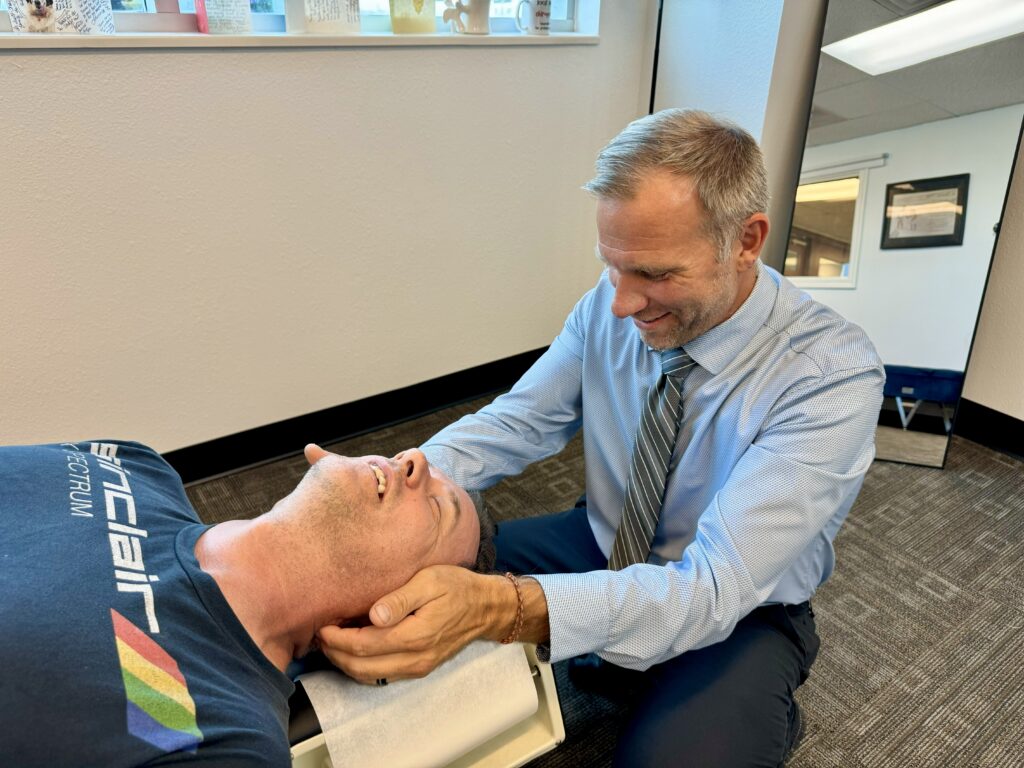
As your local chiropractor, I want to emphasize how transforming your posture can truly alleviate back pain. Understanding the mechanics of your spine is crucial, and many people don’t realize the common habits that may be contributing to their discomfort. It’s not merely about sitting up straight; our modern technology usage and daily routines significantly impact our posture.
Through my experience, I’ve seen how integrating effective exercises and ergonomic adjustments into your life can lead to remarkable improvements in your well-being. Simple changes can make a huge difference over time. This journey towards better posture and relief from pain starts with education and awareness, and I’m here to guide you every step of the way. You may be surprised by the positive changes that await you!
Understanding the Spine and Posture
As a local chiropractor, I’m here to help you understand the vital role your spine plays in maintaining good posture and overall health. Your spine consists of vertebrae, discs, and nerves, all working in harmony to support your body and enable movement.
When you stand, sit, or walk, it’s important for your spine to align naturally, allowing your muscles to function optimally. Good posture is crucial because it keeps your spine in a neutral position, helping to distribute weight evenly across your body. This proper alignment reduces unnecessary strain on your muscles and ligaments, which can significantly lower your risk of injuries.
To support your spine effectively, it’s essential to be mindful of your sitting habits. I recommend using ergonomic chairs designed to provide lumbar support, ensuring your feet remain flat on the ground.
When you’re standing, try to distribute your weight evenly on both feet. Additionally, incorporating regular stretching and strengthening exercises into your routine can greatly enhance your spinal health, making it easier for you to maintain proper posture throughout the day.
By gaining a better understanding of your spine and its functions, you can take proactive steps toward improving your posture and enhancing your overall well-being.
Common Posture Mistakes That Lead to Back Pain
As a local chiropractor, I want to shed light on how common posture mistakes can significantly impact your back health.
Many of you may not be aware, but habits like slouching at your desk, sitting in awkward positions, and sleeping in non-supportive ways can lead to unnecessary strain on your spine.
It’s crucial to address these issues not only to alleviate your current discomfort but also to enhance your overall health and well-being.
By making simple adjustments to your posture, you can take a big step toward finding relief and promoting natural healing.
Let’s work together to create a healthier lifestyle for your back!
Slouching at Work
As a chiropractor, I often see patients who spend long hours at their desks and have developed the habit of slouching. This unconscious posture can lead to significant back pain, and many individuals don’t even realize they’re doing it until discomfort arises.
When you hunch your shoulders and lean forward, it places extra strain on your spine, making it more challenging for your back muscles to support your body properly. This poor alignment not only contributes to pain but can also restrict blood flow and lead to fatigue.
To help combat slouching, I recommend taking regular breaks throughout your workday. Adjusting your chair height is also crucial, as it helps keep your feet flat on the floor and promotes better posture.
Make a conscious effort to sit up straight, ensuring that your ears, shoulders, and hips are aligned. By correcting your posture, you can alleviate back pain and enhance your overall comfort and productivity at work.
Improper Sitting Positions
As a chiropractor, I want to share with you how your sitting positions can significantly impact your back health, often without you even realizing it.
Whether you’re working at your desk or unwinding on the couch, the way you sit is crucial. Slumping or leaning too far forward can place unnecessary strain on your spine, leading to discomfort and pain.
You might be in the habit of crossing your legs, but this can create imbalances and tension in your lower back. It’s important to maintain proper alignment by keeping your feet flat on the floor and ensuring your knees are at a right angle.
I highly recommend using an ergonomic chair that provides proper support for your lower back. If you need extra comfort, a cushion can make a world of difference.
Additionally, don’t forget the importance of taking breaks. Standing up and stretching periodically can help alleviate built-up tension and improve your overall posture.
Understanding and improving your sitting posture is a vital step toward maintaining a healthy back.
If you have any questions or need further guidance, feel free to reach out. Your spine will thank you!
Poor Sleeping Posture
As a local chiropractor, I often see the significant effects of sleeping posture on back health, and I want to share some insights to help you avoid discomfort and pain. Many individuals may not realize that sleeping on your stomach can lead to strain on your neck and spine, resulting in misalignment.
Instead, I recommend considering a position that supports your spine’s natural curve, such as sleeping on your back or side. Choosing the right mattress is crucial; it should support your body without sagging, allowing for proper spinal alignment.
Additionally, a good pillow is key—it should help keep your head aligned with your spine. For those of you who prefer sleeping on your side, placing a pillow between your knees can be incredibly beneficial, as it alleviates pressure on your hips and lower back.
By making these simple adjustments to your sleeping habits, you can significantly enhance your sleep quality and reduce back pain. This will allow you to wake up feeling refreshed and pain-free, which is essential for your overall well-being.
If you have any questions or need further guidance on how to improve your sleeping posture, don’t hesitate to reach out!
The Impact of Technology on Posture
As a local chiropractor, I want to take a moment to discuss how the ever-evolving world of technology influences our posture—something that many of you may not be fully aware of.
We live in an age where smartphones and laptops dominate our daily activities, and while these devices have their benefits, they can also lead to significant discomfort and long-term issues if we’re not careful.
Many of you may notice that you often find yourselves hunched over your devices for extended periods. This common posture can lead to muscle tension and discomfort in your neck and back, as it promotes poor alignment. Over time, this can result in chronic pain and other complications that we can help address in our practice.
However, it’s important to remember that technology can also be a valuable ally in improving your posture. There are various apps designed to remind you to take breaks and adjust your sitting position.
Additionally, investing in ergonomic furniture can provide the support your spine needs during long hours of work or study. Wearable devices are another innovative option; they can track your posture and gently remind you to make necessary adjustments throughout the day.
As your chiropractor, I can’t emphasize enough the importance of being mindful about how you interact with technology. By incorporating short breaks and utilizing supportive tools, you can significantly reduce the negative effects on your posture.
Exercises to Strengthen Posture
As your local chiropractor, I want to emphasize the importance of improving your posture and alleviating back pain through specific exercises that focus on strengthening your core and upper back.
These movements aren’t just about building muscle; they play a vital role in enhancing your stability and promoting better alignment throughout your daily activities.
Incorporating these exercises into your routine can lead to lasting benefits for your overall health. By focusing on your core strength and upper back, you won’t only relieve discomfort but also support your spine’s natural curvature.
Let me guide you through some effective exercises that can make a significant difference in how you feel and function. Together, we can work towards a healthier, more balanced posture that supports your well-being.
Core Strengthening Activities
As a chiropractor dedicated to your overall well-being, I want to emphasize the importance of strengthening your core for better posture and alleviating back pain. When your core muscles are strong, they provide essential support to your spine, helping you maintain proper alignment throughout your daily activities.
To help you get started on this journey, I recommend incorporating some simple exercises into your routine. Planks are a fantastic choice, as they engage multiple core muscles at once. Side planks can effectively target your obliques, adding variety to your workout.
Bridges are another excellent exercise; they strengthen your lower back and glutes, which are crucial for stability. Don’t overlook bird-dogs, which not only engage your core but also enhance your coordination and stability.
For optimal results, aim for two to three sets of each exercise. You can hold your planks for 20-30 seconds or perform 10-15 repetitions of the other exercises.
As you progress, you’ll likely notice increased strength, improved posture, and a reduction in back pain, which can significantly enhance your overall well-being. Remember, a strong core is key to a healthy spine, and I’m here to support you on this path to natural healing.
Upper Back Exercises
As a local chiropractor dedicated to your well-being, I want to emphasize the importance of maintaining a strong upper back for optimal posture and spine health. Many people may not realize how critical these muscles are in preventing slouching and ensuring proper alignment.
By incorporating some simple yet effective upper back exercises into your routine, you can make a noticeable difference in your overall health. Here are three exercises I recommend for beginners:
- Bent-Over Rows: Using a pair of weights, hinge at your hips while keeping your back straight. Pull the weights toward your waist, focusing on engaging your shoulder blades as you squeeze them together. This exercise is excellent for building strength in your upper back.
- Wall Angels: Stand with your back against a wall, positioning your arms at a 90-degree angle. Slowly slide your arms up and down the wall while ensuring your back stays flat against it. This movement will help improve mobility and posture while strengthening your back muscles.
- Scapular Retractions: Whether seated or standing, maintain a tall posture and gently pull your shoulder blades back and down. Hold this position for a few seconds, and feel the engagement in your upper back. This exercise is vital for counteracting the effects of prolonged sitting or computer use.
By regularly practicing these exercises, you can cultivate a stronger, more stable upper back.
Ergonomic Solutions for Workspaces
As a local chiropractor dedicated to your health and well-being, I want to emphasize the importance of creating an ergonomic workspace. This is crucial for reducing back pain and enhancing overall comfort, especially during those long hours spent at your desk.
Start by ensuring your chair is adjusted properly. Your feet should rest flat on the floor, and your knees should be aligned with your hips. It’s vital to use a chair that provides good support for your lower back to maintain proper spinal alignment.
Additionally, position your computer screen at eye level—this helps prevent unnecessary neck strain. Your keyboard and mouse should also be easily accessible to minimize tension in your shoulders.
Consider incorporating a standing desk or a desk converter into your workspace. Alternating between sitting and standing can greatly benefit your posture and reduce discomfort. Make sure your workspace is well-lit to prevent eye strain, which is often overlooked.
Lastly, remember to take breaks every hour. Stand up, stretch, and move around; this simple practice can significantly alleviate tension and prevent stiffness.
Mindfulness and Body Awareness Techniques
As a chiropractor, I often see the profound effects that mindfulness and body awareness can have on your posture and overall health. Many patients are unaware that by tuning into your body and thoughts, you can foster healthier habits that may alleviate back pain.
Here are three techniques I encourage you to try:
- Breath Awareness: Begin by paying attention to your breath. Take slow, deep breaths to ground yourself. As you inhale and exhale, take note of how your body feels. This practice can help you identify areas of tension or misalignment, allowing you to address them more effectively.
- Body Scanning: Dedicate a few minutes each day to mentally scan your body from head to toe. Acknowledge any tightness or discomfort you may feel, and consciously work on relaxing those specific muscles. This awareness can be incredibly beneficial in understanding how your body holds stress.
- Mindful Movement: Try to incorporate gentle movements into your daily routine, such as walking or stretching. Focus on how your body moves and responds during these activities. Being mindful of your movements can promote better posture and reduce strain on your back.
By implementing these techniques, you may experience significant improvements in your posture and a reduction in back pain.
Stretching for Improved Flexibility and Relief
As a local chiropractor, I want to emphasize the importance of being aware of your body and how stretching plays a crucial role in enhancing flexibility and providing relief.
Integrating stretching into your daily routine can significantly help in alleviating tight muscles and improving your overall mobility. When you engage in stretching, not only do you expand your range of motion, but you also promote better blood circulation, which nourishes your muscles and alleviates tension.
It’s essential to concentrate on key areas such as your back, hips, and legs. Simple stretches like toe touches, cat-cow poses, or seated forward bends can provide substantial relief from discomfort and tightness.
As you stretch, remember to breathe deeply; this not only relaxes your mind and body but also amplifies the effectiveness of your routine.
I recommend establishing a consistent stretching practice—ideally every day or at least several times a week. Many of my patients notice significant improvements in their flexibility and a reduction in back pain after incorporating regular stretching.
The Role of Supportive Footwear
As a local chiropractor, I often see patients who may not realize the profound impact that footwear can have on their overall health, especially when it comes to back pain.
The shoes you wear play a crucial role in how your body aligns, which can significantly affect your spine. Here are three essential features to consider when selecting supportive footwear:
- Arch Support: Shoes with proper arch support help to distribute your body weight evenly across your feet. This balance is vital for reducing excessive pressure on your spine and joints, which can lead to discomfort and pain.
- Cushioning: Adequate cushioning in your shoes is essential for absorbing shock. Every step you take sends impact through your body, and effective cushioning helps to ease that strain on your back, making a noticeable difference in your daily comfort.
- Stability: A stable base in your footwear is key to maintaining proper foot alignment. When your feet are aligned, it minimizes the risk of misalignment that can contribute to back pain and other musculoskeletal issues.
By choosing shoes that incorporate these features, you aren’t just investing in footwear; you’re investing in your posture and overall well-being.
Don’t underestimate the influence that supportive shoes can have on your comfort and long-term health.
Creating a Daily Routine for Better Posture
As a local chiropractor, I want to share some valuable insights on how you can enhance your posture and overall well-being through a simple daily routine. Improving your posture isn’t just about standing up straight; it plays a crucial role in how your body feels and functions.
To get started, I recommend dedicating a few minutes each morning to stretching. Pay special attention to your neck, shoulders, and back—these areas often hold tension that can impact your posture.
Throughout your day, consider setting reminders to check in on your posture while sitting or standing. It’s essential to keep your shoulders relaxed and aligned with your ears to promote proper alignment.
In addition to stretching, incorporating core-strengthening exercises into your routine can significantly benefit your spine. Exercises like planks and bridges help build the muscles that support your back, making a world of difference over time.
If you spend a lot of time at a desk, ensure your chair provides adequate support for your lower back and that your feet are flat on the ground.
Don’t forget the importance of taking regular breaks. Stand up, walk around, and change positions frequently to combat stiffness and promote circulation.
By consciously integrating these practices into your daily life, you’ll gradually develop better posture and alleviate discomfort.
Remember, consistency is key. Stick with these habits, and you’ll begin to notice a positive change in how you feel.
If you have any questions or would like personalized guidance, don’t hesitate to reach out. Your journey to better posture starts today!
Conclusion
As a local chiropractor, I want to emphasize how crucial it is to transform your posture in order to achieve lasting relief from back pain. Many of my patients are surprised to learn that understanding the spine and correcting common posture mistakes can make a significant difference in their overall health.
Incorporating ergonomic solutions into your daily life is a game changer. Regular exercises, mindfulness practices, and stretching not only strengthen your body but also enhance flexibility, which is essential for maintaining a healthy spine. It’s also important to pay attention to your footwear; supportive shoes can play a vital role in your journey toward relief.
By creating a daily routine focused on improving your posture, you’re not just alleviating pain; you’re investing in a more active and vibrant life. I encourage you to start today and explore the benefits of chiropractic care and natural healing methods. Together, we can work towards a healthier and pain-free future!