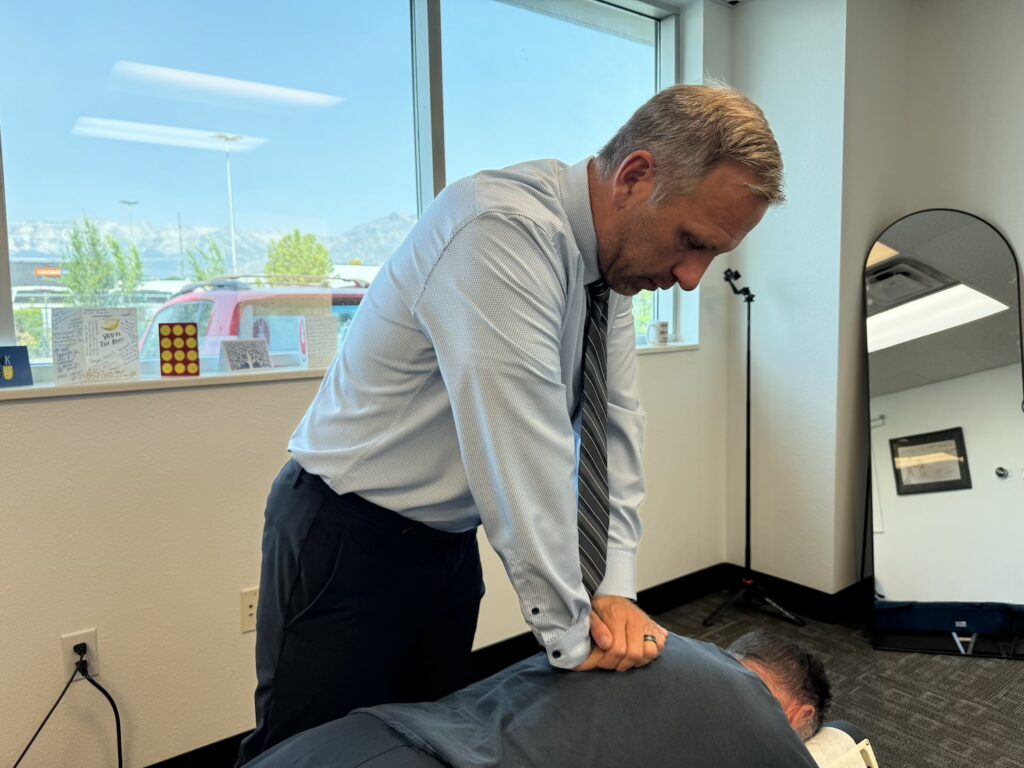
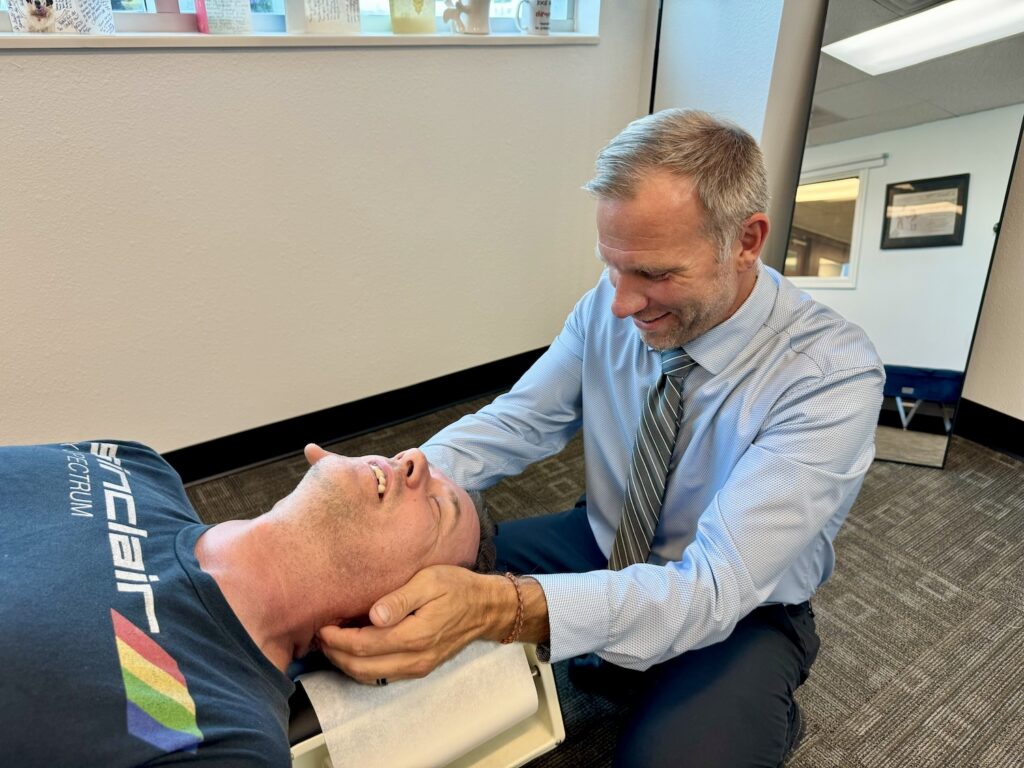
If you’re dealing with lower back pain, know that you’re not alone. As a local chiropractor, I see many patients seeking relief through innovative techniques that extend beyond traditional methods. We’re embracing a variety of holistic approaches, from therapeutic exercises to advanced technologies, all aimed at promoting healing and wellness in a natural way.
It’s important to understand how these emerging trends can form a comprehensive strategy for managing your pain effectively. If you’re curious about which methods could be most beneficial for you, let’s delve into the latest developments in lower back pain management together. My goal is to educate you on how chiropractic care and natural healing can play a vital role in your journey to recovery.
Understanding Lower Back Pain: Causes and Symptoms
As a local chiropractor, I want to help you understand the common causes of lower back pain and how chiropractic care can assist in your journey toward healing.
It’s important to recognize that lower back pain can stem from a variety of sources, such as muscle strains, poor posture, or even more complex underlying health issues. Perhaps you’ve lifted something heavy without using the right technique, or maybe long hours of sitting have left your muscles fatigued and tense.
The symptoms of lower back pain can vary significantly. You might experience a dull, persistent ache or sharp, stabbing sensations that can take you by surprise. Many of my patients describe stiffness that limits their movements or a discomfort that radiates down their legs.
In some cases, you may also notice numbness or tingling, which can indicate that nerves are involved. Understanding the root cause of your lower back pain is crucial for effective treatment and recovery.
By being mindful of your daily activities and how your body feels, you can provide valuable insights to me as your chiropractor. This collaboration allows us to develop a personalized treatment plan tailored to your needs.
Chiropractic care focuses on natural healing methods to alleviate pain and restore function. By exploring gentle adjustments, targeted exercises, and lifestyle modifications, we can work together to address your lower back pain holistically.
Therapeutic Exercises for Strengthening the Core
As a local chiropractor, I want to emphasize the importance of strengthening your core for managing lower back pain and preventing future discomfort. A strong core is essential because it supports your spine and helps distribute weight evenly across your body, which is crucial for overall health.
Let’s start with some simple therapeutic exercises that can easily be incorporated into your daily routine. One effective exercise is the pelvic tilt. To perform this, lie on your back with your knees bent. Gently flatten your lower back against the floor by tightening your abdominal muscles. This not only strengthens your core but also helps to alleviate tension in your lower back.
Another great exercise is the bridge. While lying on your back, lift your hips towards the ceiling, engaging both your glutes and core. This movement helps build strength in the muscles that support your spine.
Don’t forget about planks! These are highly effective for core strength. Hold a push-up position, ensuring your body forms a straight line from your head to your heels. This exercise targets multiple muscle groups and enhances stability.
I recommend performing these exercises several times a week for optimal results. Remember to listen to your body and modify the movements as needed.
With dedication, you can build a stronger core, which will provide essential support for your lower back and significantly reduce pain. If you have any questions or need personalized guidance, don’t hesitate to reach out—I’m here to help you on your journey to better health through natural healing.
The Role of Physical Therapy in Pain Management
As a local chiropractor, I want to share how chiropractic care can be a vital part of managing lower back pain.
Our approach focuses on natural healing through specialized adjustments and targeted exercise programs designed to alleviate discomfort and enhance mobility.
By working closely with me, we can develop a personalized treatment plan that caters to your unique needs, helping you regain strength and function without relying solely on medication.
Embracing chiropractic care can lead to a holistic improvement in your overall well-being, allowing you to move freely and enjoy life again.
Targeted Exercise Programs
As a local chiropractor, I want to share the vital role that targeted exercise programs can play in managing lower back pain. These specialized programs are designed to help you enhance your mobility and reduce discomfort through natural methods.
By focusing on strengthening your core muscles, improving flexibility, and promoting proper posture, we can create a tailored approach that works for you.
During your initial consultation, I’ll assess your condition and develop a personalized exercise program that meets your specific needs. You’ll learn effective movements that allow you to engage your back safely, minimizing the risk of strain.
By consistently participating in these targeted exercises, many of my patients experience significant improvements in their daily lives, regaining control and reducing pain.
Manual Therapy Techniques
As a local chiropractor, I want to share how manual therapy techniques can play a vital role in your recovery from lower back pain. While targeted exercise programs provide a solid foundation for managing discomfort, hands-on approaches like chiropractic adjustments, massage, and mobilization can significantly enhance your healing journey.
These manual therapy techniques are designed to alleviate muscle tension and improve your overall mobility. When you visit my practice, I’ll carefully assess your individual needs and customize my treatment approach to suit you.
Not only does manual therapy help reduce pain, but it also promotes relaxation, enabling your body to heal more effectively. Many patients experience increased flexibility and a noticeable decrease in discomfort after just a few sessions.
By integrating chiropractic care into your pain management plan, you’re not merely addressing the symptoms; you’re also fostering your overall well-being, making it easier to embrace a more active and fulfilling lifestyle.
I encourage you to explore the benefits of chiropractic care and see how it can support your journey towards optimal health.
Mind-Body Techniques: Yoga and Meditation
As a chiropractor, I often see patients struggling with lower back pain, and I want to share some effective mind-body techniques, such as yoga and meditation, that can complement your chiropractic care.
Yoga is an excellent practice that can significantly improve your flexibility and strength, which are essential for maintaining proper posture and alleviating discomfort in your back. By incorporating specific poses into your routine, you can stretch tight muscles and strengthen your core, which provides much-needed support to your lower back.
On the other hand, meditation plays a crucial role in managing pain by promoting relaxation and reducing stress. Stress can heighten your perception of pain, so learning to focus on your breath and calm your mind can foster a sense of peace that helps you cope with discomfort more effectively.
Integrating both yoga and meditation into your daily life creates a holistic approach to pain management. This not only addresses the physical symptoms you may be experiencing but also enhances your mental well-being.
Many of my patients who practice these techniques regularly report improvements in their overall health and a noticeable reduction in lower back pain.
I encourage you to embrace these mind-body practices alongside your chiropractic treatment for a more balanced and fulfilling life. Together, we can work towards your wellness goals and help you achieve a pain-free lifestyle.
Innovative Technologies: TENS and Other Devices
As your local chiropractor, I want to introduce you to some innovative technologies that can aid in managing lower back pain. One effective tool is the Transcutaneous Electrical Nerve Stimulation (TENS) unit. This portable device delivers low-voltage electrical currents through your skin, stimulating your nerves and helping to reduce the pain signals sent to your brain.
It’s designed with user-friendliness in mind, allowing you to adjust the intensity according to your comfort level, which can provide quick relief.
In addition to TENS, I recommend considering modern heat and cold therapy wraps. These devices are excellent for alleviating discomfort, and many come with customizable settings that enable you to target specific areas of pain, providing soothing relief exactly where you need it.
Another exciting development in back pain management is wearable technology. These devices incorporate biofeedback and activity tracking, allowing you to monitor your movements and posture throughout the day.
By gaining insights into your body mechanics, you can make informed decisions that may help prevent future pain.
Embracing these innovative technologies can empower you to take control of your lower back pain effectively and complement the natural healing practices we promote in chiropractic care.
Together, we can explore these options to enhance your overall well-being.
The Importance of Posture and Ergonomics
As a local chiropractor, I want to emphasize the critical role that proper posture and ergonomics play in maintaining your spinal health and preventing lower back pain, particularly if you find yourself sitting or standing for extended periods.
By being attentive to your body mechanics, you can significantly decrease the strain on your back. Here are some essential tips to help you improve your posture and make your workspace more ergonomic:
- Adjust your chair: It’s vital to have a chair that offers support for your lower back, allowing your feet to rest flat on the floor. This alignment helps maintain the natural curve of your spine.
- Screen height: Position your computer monitor at eye level. This adjustment can help prevent unnecessary strain on your neck and back, promoting a more relaxed posture.
- Keyboard and mouse placement: Ensure these tools are at a comfortable height to reduce tension in your wrists and arms. Proper positioning can make a world of difference in your overall comfort.
- Take breaks: It’s important to stand up, stretch, and walk around every hour. This simple practice relieves pressure on your spine and encourages better blood circulation.
- Use proper lifting techniques: Always bend your knees and keep your back straight when lifting heavy objects. This technique helps protect your spine and reduces the risk of injury.
By incorporating these practices into your daily routine, you can support a healthy back and alleviate pain.
Alternative Therapies: Acupuncture and Massage
As a local chiropractor, I want to emphasize that proper posture and ergonomics are vital components in managing lower back pain, but they’re just part of a broader approach.
I encourage my patients to explore alternative therapies like acupuncture and massage, which can provide significant relief for those suffering from discomfort.
Acupuncture is a practice that involves the insertion of thin needles at specific points on your body. This technique has been shown to reduce pain and improve mobility.
Many of my patients report feeling a sense of relaxation and reduced tension after their sessions, making it a beneficial option for those dealing with chronic pain.
Massage therapy is another powerful tool in alleviating lower back pain. By focusing on tense muscles and enhancing blood circulation, massage can help relieve tightness and boost flexibility.
I often see that my patients who incorporate regular massage sessions not only experience pain relief but also enjoy an overall improvement in their well-being, which allows them to participate more fully in their daily activities.
Integrating these alternative therapies into your pain management routine can complement the chiropractic care I provide, creating a more comprehensive approach to achieving lasting relief and improved health.
Lifestyle Changes for Long-Term Relief
As a chiropractor dedicated to helping you achieve long-term relief from lower back pain, I encourage you to consider making some lifestyle changes that can greatly enhance your well-being.
First, it’s essential to create an ergonomic workspace that supports your body’s natural alignment. This means adjusting your chair, desk, and computer setup to promote good posture.
Staying active is another crucial element; regular movement strengthens your muscles and enhances flexibility, which can alleviate pain.
Additionally, maintaining a healthy weight is vital, as excess weight puts added stress on your back.
By incorporating these simple yet effective changes into your daily routine, you can manage your pain more effectively and improve your overall health.
Ergonomic Workspace Adjustments
As a local chiropractor, I often see patients who spend long hours at their desks, and I want to emphasize how crucial it’s to make ergonomic adjustments to your workspace.
These adjustments can significantly alleviate discomfort and provide long-term relief from lower back pain.
Let’s explore some essential changes you can implement to support your body’s natural alignment:
- Chair Height: Ensure your chair is adjusted so that your feet rest flat on the floor. This helps maintain proper posture and reduces strain on your lower back.
- Monitor Position: Position your monitor at eye level. This adjustment will help you avoid straining your neck, which can lead to discomfort and tension.
- Keyboard Placement: Your keyboard should be at elbow height. This allows you to keep your wrists in a neutral position, preventing unnecessary strain and discomfort.
- Back Support: Consider using a lumbar roll or cushion for added support to your lower back. This small change can make a big difference in maintaining your spinal health throughout the day.
- Desk Organization: Keep frequently used items within easy reach. This minimizes the need to twist or strain your body, which can lead to discomfort over time.
By making these simple adjustments to your workspace, you can enhance your comfort, improve your posture, and boost your productivity.
Regular Physical Activity
As your local chiropractor, I want to emphasize the importance of incorporating regular physical activity into your daily routine to support your lower back health. While making ergonomic adjustments to your workspace is a crucial first step, staying active can provide significant benefits. Activities such as walking, swimming, or practicing yoga can help strengthen your core muscles, enhance flexibility, and support the integrity of your spine.
I recommend aiming for at least 150 minutes of moderate exercise each week. This level of activity not only helps alleviate pain but also enhances your mood and boosts your energy levels—both of which are vital for your overall well-being.
It’s also important to remember to take breaks during long periods of sitting and to stretch regularly, as this helps keep your muscles loose and reduces tension.
You don’t need to dive into intense workout regimens; even light activities can yield remarkable improvements in your health. By prioritizing regular physical activity, you’ll be taking proactive steps to build resilience against lower back pain and promote a healthier lifestyle.
If you have any questions about how to safely incorporate exercise into your routine or how chiropractic care can further support you, feel free to ask!
Healthy Weight Maintenance
As a local chiropractor, I want to emphasize that regular physical activity isn’t just about staying active; it plays a crucial role in maintaining a healthy weight, which can significantly alleviate lower back pain.
When you manage your weight effectively, you lessen the strain on your spine and the muscles that support it. Here are some practical lifestyle changes I recommend for long-term relief and overall well-being:
- Eat a balanced diet: Prioritize whole foods that are rich in essential nutrients to nourish your body.
- Practice portion control: Be conscious of serving sizes to help prevent overeating, which can lead to weight gain and increased pressure on your back.
- Stay hydrated: Drinking plenty of water is vital for your overall health and can aid in maintaining your weight.
- Incorporate strength training: Engaging in exercises that build your core muscles will provide better support for your back, reducing pain and discomfort.
- Monitor progress: Keeping track of your weight and making adjustments to your habits can help you stay on the right path to a healthier lifestyle.
By integrating these changes into your routine, you can’t only support your spine health but also enhance your overall quality of life.
Conclusion
As a local chiropractor, I want to share some effective, natural techniques for managing lower back pain that can greatly enhance your well-being. By incorporating therapeutic exercises, physical therapy, and mind-body practices such as yoga and meditation, you can experience significant pain relief and improved flexibility. It’s also important to be mindful of your posture and make ergonomic adjustments in your workspace to prevent further strain on your back.
I encourage you to embrace these lifestyle changes, as they can support long-term relief from pain. Taking control of your body and how you move will not only help alleviate discomfort but also improve your overall quality of life. Remember, chiropractic care can be an integral part of this journey, providing you with personalized strategies to maintain a healthy spine and promote natural healing.