Neck pain can be a frustrating and persistent issue for many individuals. You may not realize how much your daily habits contribute to your discomfort. By understanding the causes and implementing trusted chiropractic techniques, you can find relief and improve your overall neck health naturally.
One of the key aspects of managing neck pain is maintaining good posture. Slouching or leaning forward while working, especially at a computer, can lead to tension and strain in the neck. Make a conscious effort to sit up straight with your shoulders relaxed and your computer screen at eye level. This simple adjustment can significantly reduce the strain on your neck.
In addition to posture, specific exercises can help strengthen the muscles around your neck and improve flexibility. Gentle neck stretches, such as tilting your head from side to side or rolling your shoulders, can provide immediate relief. Incorporating these exercises into your daily routine can promote better neck health over time.
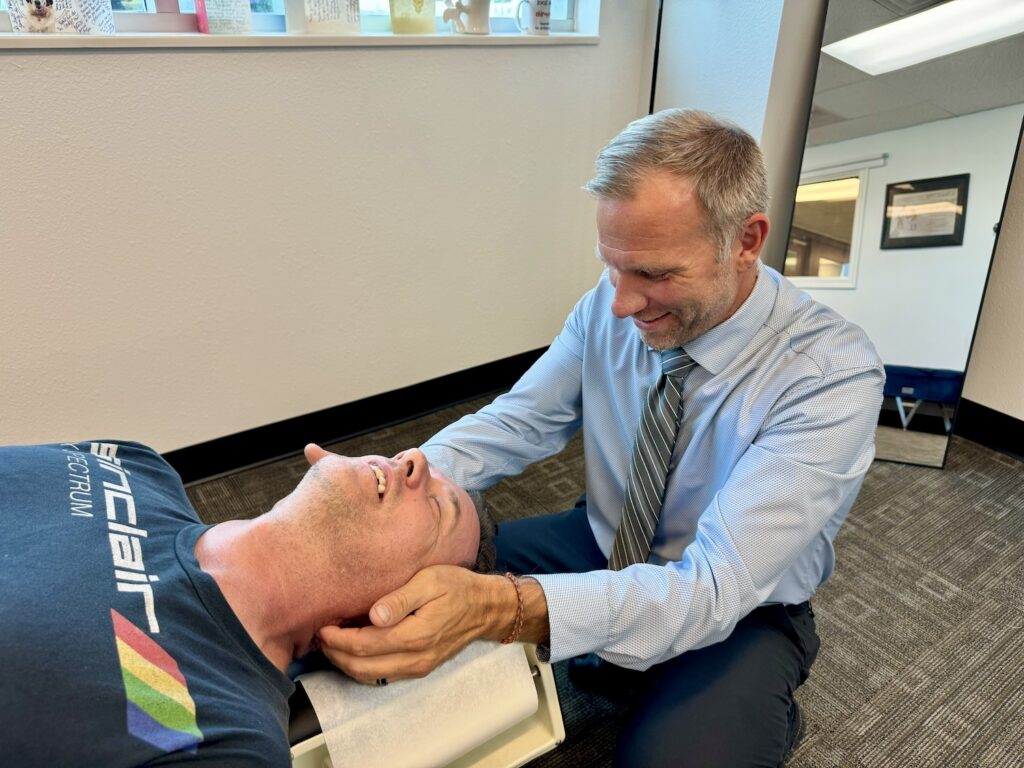
Another effective technique is chiropractic care. A chiropractor can assess your spine and neck alignment, identifying any misalignments that may be contributing to your pain. Through targeted adjustments, chiropractic care can restore balance to your spine, alleviate discomfort, and enhance your overall well-being.
Remember, taking regular breaks from activities that require prolonged neck positions, such as looking down at your phone or working at a desk, is essential. Stand up, stretch, and move around every hour to give your neck a break.
In summary, managing neck pain effectively involves a combination of good posture, targeted exercises, and the benefits of chiropractic care. By making these adjustments and seeking support from a chiropractor, you can take significant steps toward achieving optimal neck health and overall wellness. Your journey to feeling better starts with these simple, natural techniques!
Understanding the Causes of Neck Pain
When you experience neck pain, it’s essential to understand that this discomfort often stems from a combination of factors. One common cause is poor sleeping positions, particularly if you’re using the wrong pillow that doesn’t provide adequate support. To promote a healthier neck, consider using a pillow that aligns your spine properly and supports your head.
Another factor is prolonged sitting, especially at a desk. This can lead to tension in your neck muscles, so remember to take regular breaks to stretch and move around. Simple neck stretches can help relieve tension and improve mobility. Additionally, repetitive motions—whether from sports or daily tasks—can lead to muscle fatigue and discomfort. Incorporating gentle exercises can strengthen your neck and prevent injuries.
Stress is another significant contributor to neck pain. When you’re feeling tense, you might unknowingly tighten your neck and shoulder muscles. Practicing relaxation techniques, such as deep breathing or meditation, can help ease this tension and promote overall wellness.
Injuries from accidents or falls can also result in neck pain, sometimes leading to chronic issues over time. If you’ve experienced an injury, it’s crucial to seek care that focuses on healing and restoring proper function.
If you’re dealing with neck pain, identifying these underlying causes is the first step towards relief. Chiropractic care is an excellent option for addressing neck pain naturally and effectively. Chiropractors focus on aligning the spine and improving overall body function, which can help alleviate discomfort and promote healing.
To take proactive steps in managing your neck pain, consider these tips:
- Invest in a supportive pillow and mattress.
- Take regular breaks and perform neck stretches during long hours of sitting.
- Practice stress-reduction techniques to ease muscle tension.
- Consider regular chiropractic adjustments to maintain spinal health and prevent future issues.
Importance of Good Posture
Maintaining good posture is crucial for preventing neck pain, and as a chiropractor, I want to emphasize the importance of how we hold our bodies throughout the day. When we slouch or lean forward, the weight of our heads shifts in a way that places unnecessary strain on our neck muscles. This can lead to discomfort and chronic pain over time, which is something we want to avoid.
To keep your neck healthy, it’s important to focus on maintaining an aligned spine. Here are some simple tips to help you achieve better posture:
- Keep Your Shoulders Back and Relaxed: This helps to align your spine and reduces tension in your neck.
- Align Your Ears with Your Shoulders: This alignment helps to distribute the weight of your head evenly, decreasing strain on the neck.
- Engage Your Core: Whether sitting or standing, a strong core supports your upper body and helps maintain good posture.
- Desk Setup: If you work at a desk, make sure to adjust your chair and monitor height to promote good posture. Choose a chair that supports your lower back and keeps your feet flat on the ground. Small adjustments can create significant improvements.
- Take Breaks: Remember to take regular breaks to stretch and move around, which helps reduce stiffness and keeps your muscles engaged.
By being mindful of your posture and making these small changes, you can greatly reduce your risk of developing neck pain.
Additionally, chiropractic care can play a vital role in achieving and maintaining optimal health. Regular chiropractic adjustments can help keep your spine aligned, relieve tension in your muscles, and enhance your overall well-being.
If you’re experiencing neck pain or discomfort, consider visiting your local chiropractor for a natural, effective approach to health and wellness.
Stretching Exercises for Neck Relief
To relieve neck pain effectively, incorporating gentle stretches into your daily routine can lead to significant improvements. As a chiropractor, I often recommend these exercises not only to ease tension but also to strengthen the muscles that support your neck.
By focusing on natural healing and wellness, we can prioritize a pain-free lifestyle without the need for invasive treatments.
Here are some simple yet effective stretches that you can easily do at home to promote neck relief and overall well-being:
- Neck Tilts: Sit or stand comfortably. Slowly tilt your head to one side, bringing your ear closer to your shoulder. Hold for 15-30 seconds and then switch sides. This stretch helps to release tightness in the neck muscles.
- Chin Tucks: While sitting or standing, gently tuck your chin toward your chest. This movement helps to strengthen the muscles that support your spine and improve posture. Hold for a few seconds and repeat several times.
- Shoulder Shrugs: Raise your shoulders towards your ears and hold for a moment before releasing them down. This exercise helps to relieve tension built up in the shoulder and neck area.
- Upper Trapezius Stretch: Sit or stand and gently pull your head to one side with your hand, feeling a stretch along the opposite shoulder. Hold for 15-30 seconds on each side to ease tightness.
Incorporating these stretches into your daily routine can significantly improve neck mobility and reduce discomfort.
Remember, regular chiropractic care can also enhance your recovery and overall spinal health by addressing the root cause of your pain. It’s essential to maintain a healthy lifestyle, including proper posture and ergonomics, to support your neck and spine.
If you experience persistent neck pain, consider visiting a chiropractor who can provide tailored care and guidance for your specific needs.
Together, we can work towards achieving optimal health and wellness through natural methods that promote healing and comfort.
Gentle Neck Stretches
Gentle neck stretches are a fantastic way to relieve tension and discomfort in your neck, and they complement the benefits of chiropractic care beautifully. When you integrate these stretches into your daily routine, you’ll not only enhance your flexibility but also support your spine’s overall health.
Begin by sitting or standing comfortably. Slowly tilt your head to the right, aiming to bring your ear toward your shoulder. Hold this position for 15-30 seconds, allowing your muscles to relax. Then, gently switch sides and repeat. This simple movement can help alleviate tightness and promote better alignment.
Next, try gently rotating your head to look over your right shoulder. Hold this position for a moment, then repeat on the left side. This rotation encourages mobility and can help reduce stiffness, making it easier for your chiropractor to work with your spine during your visits.
Additionally, you can perform chin tucks. This involves pulling your chin back toward your neck while keeping your back straight. Hold this position for a few seconds, then release. This exercise strengthens the muscles that support your neck and can improve your posture over time.
Remember to breathe deeply throughout each stretch. Deep breathing not only helps you relax but also increases oxygen flow to your muscles, making the stretches more effective.
Incorporating these gentle movements into your daily routine can significantly enhance your neck’s flexibility and reduce stiffness.
While these stretches are beneficial, remember that regular chiropractic care is key to achieving optimal health and wellness. A chiropractor can provide personalized adjustments and guidance tailored to your specific needs, ensuring your spine remains in top condition.
Embrace these stretches and chiropractic care for a healthier, more vibrant you!
Strengthening Neck Muscles
Strengthening your neck muscles is crucial for maintaining proper posture and preventing discomfort, especially if you often find yourself sitting at a desk for extended periods. Incorporating simple neck exercises into your daily routine can make a significant difference in your overall health and wellness.
One effective exercise is neck flexion. To perform this, gently lower your chin to your chest, hold for a few seconds, and then return to the neutral position. This movement helps to strengthen the muscles at the front of your neck, which can alleviate tension and promote better posture.
Another key exercise is neck extension. For this, tilt your head back slightly and look up at the ceiling. This action strengthens the muscles at the back of your neck, countering the effects of sitting and looking down for long periods.
Don’t forget to include side bends in your routine. Simply tilt your head toward each shoulder, which helps improve flexibility and strength on both sides of your neck. For added resistance, you can press your palm against your forehead while keeping your neck straight. This not only enhances muscle engagement but also reinforces the importance of maintaining proper alignment.
Aim for three sets of 10 repetitions for each exercise. These simple movements can significantly enhance your neck strength and reduce discomfort over time.
As a chiropractor, I emphasize the importance of caring for your spine and neck. Regular chiropractic adjustments can complement these exercises, ensuring that your spine is aligned and functioning optimally.
Strengthening Exercises for Neck Support
To effectively support your neck and promote overall wellness, it’s important to incorporate strengthening exercises into your routine. As a chiropractor, I recommend focusing on isometric neck exercises and gentle resistance training that can help build stability and resilience in your neck muscles. Not only do these exercises enhance your neck’s strength, but they also contribute to better posture and spinal alignment, which are crucial for overall health.
Understanding the benefits of these techniques is key to improving your neck health. Regularly engaging in these exercises can relieve tension, reduce pain, and prevent future injuries. Remember, a strong neck supports your entire spine and plays a vital role in your daily activities.
Here are some simple tips to get you started:
- Isometric Exercises: Sit or stand up straight and gently push your head against your hands in various directions (forward, backward, and sideways) without moving your head. Hold each position for a few seconds to strengthen the muscles without straining them.
- Stretching: Incorporate gentle neck stretches daily. Simply tilting your head side to side or up and down can release tension and improve flexibility.
- Posture Awareness: Be mindful of your posture while working or using your phone. Keeping your head aligned over your shoulders can significantly reduce stress on your neck.
- Chiropractic Care: Regular visits to a chiropractor can help ensure your spine is properly aligned and functioning optimally, further supporting your neck health. We can provide personalized recommendations and adjustments to keep you feeling your best.
Isometric Neck Exercises
While many people may not realize it, the neck plays a crucial role in our overall health and well-being. As a chiropractor, I want to emphasize the importance of neck support and how incorporating isometric neck exercises into your daily routine can significantly enhance stability and reduce discomfort.
These exercises focus on contracting your neck muscles without moving your head, making them an excellent way to build strength and endurance safely. You can easily perform isometric holds at home. For instance, press your forehead into your hands or push against your palms from the sides of your head.
Aim to hold each position for about 5-10 seconds, and try to repeat this for several sets. Not only do these exercises help strengthen the muscles in your neck, but they also promote better posture—an essential factor in preventing discomfort and pain.
As you start this journey, begin with a few repetitions and gradually increase as you grow more comfortable. Remember, consistency is vital for reaping the full benefits of these exercises.
Additionally, incorporating regular chiropractic adjustments into your routine can further support your neck health and overall wellness. Chiropractic care is a natural and effective way to relieve pain and enhance your quality of life.
If you’re looking for simple tips to improve your neck health, consider sitting up straight, taking regular breaks from screens, and practicing gentle stretches throughout the day. Your neck deserves the care and attention it needs to keep you feeling your best.
Stretching Techniques Benefits
Incorporating stretching techniques into your daily routine can significantly enhance neck support and flexibility, which are crucial for overall spinal health. By regularly engaging in gentle neck stretches, you can increase blood flow to your neck muscles, promoting healing and alleviating tension. This improved circulation helps reduce stiffness and expands your range of motion, making everyday activities more comfortable.
Moreover, stretching can help relieve stress, a common contributor to neck pain. By targeting specific muscle groups around your neck, you can strengthen the supportive structures, making them less prone to injury. A resilient neck allows you to move freely and maintain good posture, which is essential for your overall well-being.
As a chiropractor, I encourage you to make stretching a part of your daily routine. Consistency is vital—aim for just a few minutes of gentle stretching each day to reap long-lasting benefits.
Remember to listen to your body and avoid pushing yourself too hard. If you have any existing neck pain or concerns, consider scheduling a visit with your chiropractor for personalized guidance on effective stretching techniques and to explore how chiropractic care can support your journey toward optimal health.
Prioritizing your spinal health naturally leads to a happier, healthier life.
Resistance Training Options
Strengthening your neck through resistance training can significantly enhance support and stability, which is vital for overall spinal health. By incorporating specific exercises into your routine, you can alleviate discomfort and prevent future injuries, all while supporting your body’s natural healing processes.
Begin with isometric exercises, where you gently push your head against your hands without any movement. This technique helps build strength without putting additional strain on your neck, making it a safe choice for everyone.
Next, consider using resistance bands for lateral raises and neck extensions. These exercises enhance muscle balance and are great for promoting a healthy posture.
Don’t overlook the importance of shoulder shrugs with light weights, as they engage the upper trapezius and help support the neck. Aim for 2-3 sets of 10-15 repetitions, gradually increasing resistance as your strength improves.
Remember, listening to your body is crucial; if something feels off, it’s always best to consult with your chiropractor for guidance on form and technique.
In addition to these exercises, consider integrating regular chiropractic care into your wellness routine. Chiropractors can help ensure your spine is properly aligned, which is essential for optimal function and pain relief.
With consistent effort and the right support, you’ll likely experience a noticeable reduction in discomfort and an improvement in your overall well-being. Embrace this journey towards a healthier, pain-free life!
Heat and Cold Therapy Techniques
Heat and cold therapy techniques can be incredibly effective for managing neck pain, but incorporating chiropractic care can enhance your healing journey even further.
When you apply heat, it helps increase blood flow, relax tight muscles, and alleviate stiffness—especially after a chiropractic adjustment. You can use a heating pad, warm towel, or take a warm shower for about 15-20 minutes. Just make sure it’s comfortable and not too hot to avoid burns.
On the flip side, cold therapy can significantly reduce inflammation and numb sharp pain. Ice packs or a bag of frozen peas wrapped in a cloth can be great options. Apply cold for 10-15 minutes at a time, and remember to take breaks to protect your skin.
Combining these methods can also be beneficial. Start with cold therapy to tackle inflammation and follow up with heat to promote healing. This can be especially effective after your chiropractic sessions, as it helps to maintain the adjustments and further relax your muscles.
Always listen to your body and adjust the timing and intensity of these therapies based on what feels best for you.
And remember, regular visits to your chiropractor not only help with immediate pain relief but also promote overall spinal health and wellness, ensuring that your body is functioning optimally.
Prioritizing chiropractic care is a natural and effective way to achieve long-lasting health and wellness!
Ergonomic Workspace Setup
Creating an ergonomic workspace is essential for preventing neck pain and promoting overall comfort during those long hours of work. One of the first steps to consider is adjusting your chair so that your feet rest flat on the floor, with your knees forming a comfortable 90-degree angle. This alignment helps support your spine and maintain proper posture, which is crucial for your overall health.
Your desk should be positioned at elbow height, allowing your arms to hang comfortably by your sides. This way, you reduce strain on your neck and shoulders, which can lead to discomfort and misalignments that a chiropractor can help correct.
When it comes to your computer monitor, make sure it’s at eye level and about an arm’s length away. This setup encourages a neutral neck position, minimizing the risk of chronic pain. If you’re using a laptop, I recommend investing in a separate keyboard and monitor to maintain this beneficial alignment.
Don’t overlook the importance of your keyboard and mouse; they should be within easy reach to prevent unnecessary stretching that could strain your back and neck.
Remember to take regular breaks to stand, stretch, and change your posture. These small adjustments can make a big difference.
By implementing these ergonomic tips, you’ll not only create a workspace that supports your neck and spine but also enhance your overall well-being.
If you do experience pain or discomfort, consider visiting a chiropractor. Chiropractic care is a natural and effective way to address pain, promote healing, and support your journey toward optimal health. Your body deserves the best care, and chiropractic can be a vital part of that path to wellness.
Mindfulness and Stress Management
While improving your workspace ergonomics is essential, it’s important not to overlook the role of mindfulness and stress management in alleviating neck pain. Stress can lead to muscle tension, especially in your neck and shoulders, making discomfort even worse. Practicing mindfulness can help you stay present, reduce stress levels, and contribute to your overall health.
Start by incorporating deep breathing exercises into your routine. Try inhaling deeply for a count of four, holding for four, and then exhaling for four. This simple technique can help calm both your mind and body.
Additionally, consider taking short mindfulness breaks throughout your day. Use these moments to check in with how you’re feeling physically and mentally. During these breaks, you can also do some gentle stretches to relieve tension in your neck.
Keeping a journal can be a valuable tool for tracking your stress triggers and how you respond to them. By recognizing patterns, you can develop healthier coping strategies that work for you.
Prioritizing mindfulness and stress management not only helps with neck pain relief but also enhances your overall productivity and well-being.
Remember, chiropractic care is an excellent option for addressing neck pain and promoting natural healing. Regular adjustments can help keep your spine aligned and support your body’s ability to manage stress effectively.
Professional Treatments and Therapies
When neck pain lingers despite your best self-care efforts, turning to professional treatments like chiropractic care can be a highly effective way to find relief and promote overall wellness. Chiropractic care focuses on spinal alignment and manipulation, which can help alleviate tension and restore proper function to your body.
In a chiropractic session, a skilled chiropractor will assess your neck and spine, using gentle adjustments to realign any misalignments. This not only helps reduce pain but also improves your body’s ability to heal naturally. Regular chiropractic adjustments can enhance your posture, increase flexibility, and strengthen the muscles that support your neck.
In addition to adjustments, there are other natural methods to support your healing journey. Techniques such as massage therapy can complement chiropractic care by relieving muscle tension and improving circulation in the neck area. Incorporating gentle stretching exercises can also be beneficial—try neck stretches like slowly tilting your head from side to side or gently rotating it to enhance mobility.
It’s essential to listen to your body and give it the care it needs. Maintain good posture while sitting or working, take regular breaks to stretch, and apply heat or cold to the affected area to soothe discomfort.
Always consult with a qualified chiropractor to develop a personalized treatment plan tailored to your specific needs. By embracing chiropractic care and these holistic practices, you can take significant steps toward achieving optimal health and wellness, naturally.
When to Seek Medical Attention
Recognizing the right time to seek chiropractic care for neck pain can make a significant difference in your recovery journey. If you experience any of the following symptoms, it’s a good idea to consult with a chiropractor:
- Persistent pain that lasts more than a few days
- Numbness or tingling in your arms or hands
- Severe headache accompanying neck pain
- Loss of mobility or difficulty turning your head
These signs can indicate underlying issues that may benefit from a thorough chiropractic assessment. Early intervention through chiropractic care can help prevent complications and promote natural healing, allowing you to regain function more quickly.
Trust your intuition—if something doesn’t feel right, it’s always best to get it checked out. Remember, your health is a priority, and addressing neck pain promptly can lead to more effective treatment and a quicker return to your daily activities.
In addition to seeking care, here are some general tips for managing neck pain at home:
- Maintain good posture, especially if you work at a desk.
- Take regular breaks to stretch and move your neck and shoulders.
- Apply heat or cold packs to relieve discomfort.
- Stay hydrated and maintain a balanced diet to support overall health.
Chiropractic care focuses on natural healing methods and can be a powerful tool for achieving optimal health. By choosing chiropractic, you’re investing in your well-being and taking important steps toward a healthier, pain-free life.
Conclusion
Incorporating these trusted techniques into your daily routine can significantly enhance your neck health and overall well-being. One of the most effective ways to achieve long-lasting relief from neck pain is by focusing on good posture. Be mindful of how you sit, stand, and move throughout the day to support your spine and prevent strain.
Engaging in regular stretching and strengthening exercises is also essential. Simple neck stretches can help alleviate tension and improve flexibility. Consider exercises that strengthen the muscles around your neck and shoulders, as this can provide better support for your spine.
Managing stress is another crucial element in relieving neck pain. Mindfulness practices, such as deep breathing and meditation, can help you relax and reduce muscle tension.
While home care is vital, don’t overlook the tremendous benefits of chiropractic care. A chiropractor can provide personalized adjustments that align your spine, relieve pressure on nerves, and promote natural healing. This hands-on approach is one of the best ways to address neck pain at its source.
Massage therapy can also complement your chiropractic treatments by helping to relax tight muscles and improve circulation. Remember, if your pain persists or worsens, it’s important to consult with a chiropractor who can guide you on the right path to recovery and optimal health. Embracing these natural approaches will not only help alleviate your neck pain but also contribute to a healthier, more balanced lifestyle.