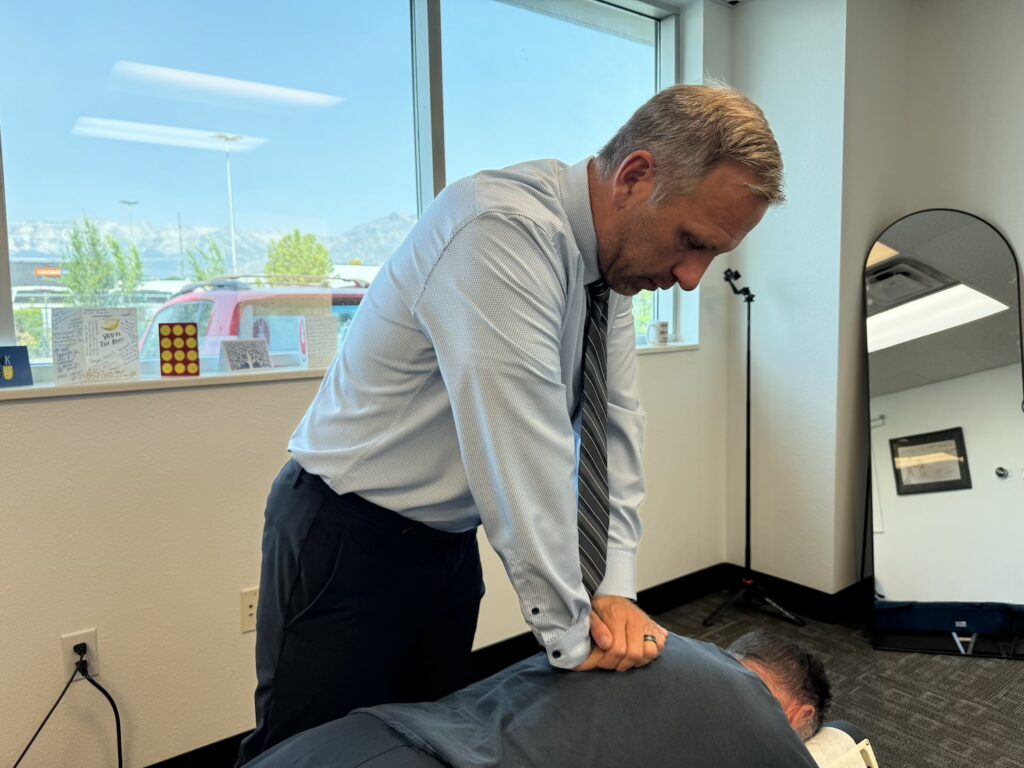
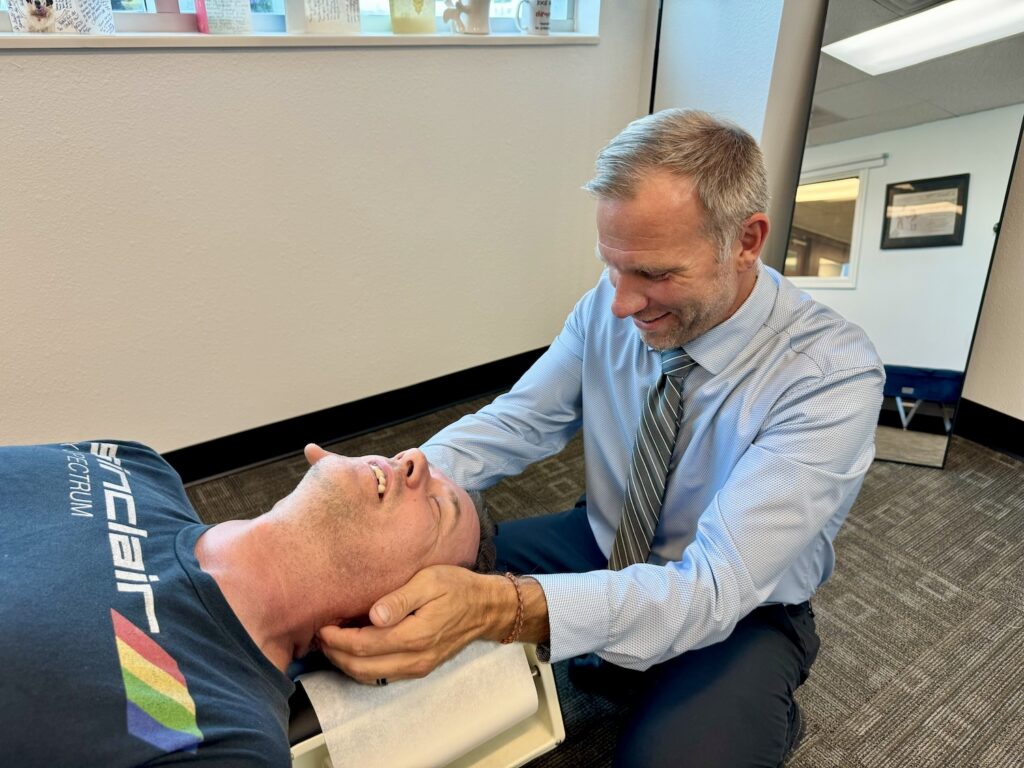
Tension headaches can be a frustrating experience, often triggered by everyday stressors and poor habits. As a chiropractor, I want to emphasize the importance of recognizing your personal triggers and making simple adjustments to improve your overall well-being. One of the most effective ways to manage tension headaches is through chiropractic care, which focuses on spinal health and natural healing.
Adopting effective stress management techniques is essential, and chiropractic adjustments can help align your spine, relieve tension, and reduce stress. Additionally, implementing ergonomic changes in your workspace can greatly enhance your posture and comfort, further preventing headaches.
But that’s just the beginning. Small lifestyle modifications, such as staying hydrated, practicing mindfulness, and incorporating regular exercise, can also play a significant role in preventing tension headaches. Nutrition matters too; eating a balanced diet rich in whole foods can support your body’s natural ability to cope with stress.
Remember, chiropractic care is a holistic approach to achieving optimal health. By prioritizing spinal health, you can experience relief from tension headaches and improve your overall quality of life. If you’re struggling with headaches, consider scheduling a visit to discuss how chiropractic adjustments can help you on your journey to wellness. Together, we can find the best path to a healthier, headache-free life.
Key Takeaways
- Stay hydrated by drinking plenty of water daily, as hydration is essential for overall health and can help prevent tension headaches. Dehydration can lead to muscle tightness, which chiropractic care can help alleviate.
- Maintain good posture, especially while working at a desk or during daily activities. Poor posture can lead to muscle tension and strain, which can contribute to headaches. Chiropractic adjustments can improve your spinal alignment, allowing your body to function optimally and reducing discomfort.
- Identify and manage stress effectively, as stress is a common trigger for tension headaches. Techniques such as deep breathing exercises, mindfulness, and taking regular breaks can be beneficial. Chiropractic care can also help reduce stress by promoting relaxation and improving your body’s overall function.
- Keeping a journal to track headache occurrences can be incredibly helpful. By noting when headaches happen, you can identify potential triggers in your environment. This information can be valuable for your chiropractor, who can tailor a treatment plan to address your specific needs and help prevent future headaches.
- Consider scheduling regular chiropractic adjustments. Not only do these adjustments support spinal alignment, but they also promote overall wellness and can lead to fewer headaches. By prioritizing chiropractic care, you’re making a proactive choice for your health and well-being.
Understanding Tension Headaches
Understanding tension headaches is crucial, as they’re one of the most prevalent types of headaches that many people experience. These headaches often present as a constant, dull ache across your forehead or at the back of your head, and they may come with tightness in the neck and shoulders.
Unlike migraines, tension headaches typically don’t cause nausea or sensitivity to light, but they can lead to feelings of fatigue and irritability. Tension headaches can be triggered by stress, poor posture, or muscle tension, and their duration can range from 30 minutes to several days.
It’s important to know that you don’t have to endure these headaches in silence. Understanding the nature of tension headaches, as well as how they differ from other types, can help you manage them more effectively.
Chiropractic care is a fantastic option for relieving tension headaches naturally. By addressing spinal alignment and muscle tension, chiropractic adjustments can alleviate the underlying causes of your headaches.
Additionally, incorporating relaxation techniques, practicing good posture, and taking regular breaks throughout your day can further contribute to preventing tension headaches.
Remember, by becoming aware of what tension headaches are and how they can be managed, you’re taking an important step toward achieving optimal health.
Prioritizing chiropractic care not only helps in relieving headaches but also supports your overall well-being and promotes a healthier lifestyle.
Identifying Triggers
To effectively prevent tension headaches, it’s essential to identify what triggers them. Common environmental factors, stressors, and certain lifestyle habits may significantly contribute to your discomfort. By recognizing these triggers, you can take proactive steps to minimize their impact on your daily life.
One of the best ways to address these headaches naturally is through chiropractic care. Chiropractors specialize in spinal health, which plays a crucial role in overall wellness. Misalignments in the spine can lead to tension and stress in your body, contributing to headaches. Regular chiropractic adjustments can help correct these misalignments, promoting better posture and reducing muscle tension.
In addition to chiropractic care, consider these general tips to manage tension headaches:
- Stay Hydrated: Drinking enough water can prevent dehydration, a common headache trigger.
- Practice Relaxation Techniques: Incorporate deep breathing, meditation, or yoga into your routine to help manage stress.
- Maintain Good Posture: Be mindful of your posture, especially if you spend long hours sitting at a desk. Ergonomic setups can make a big difference.
- Take Breaks: If you’re working at a computer, take regular breaks to stretch your neck and shoulders.
- Get Enough Sleep: Prioritize restful sleep each night to help your body recover and reduce headache frequency.
Common Environmental Factors
While many factors can contribute to tension headaches, recognizing common environmental triggers is crucial for prevention and overall wellness. Start by observing your surroundings. Poor lighting can strain your eyes and lead to discomfort; consider using soft, adjustable lighting to create a more soothing environment.
If you spend long hours at a desk, ensure your workspace is ergonomically arranged. Proper posture is essential—keeping your spine aligned can help reduce tension in your neck and shoulders, which chiropractic care can support.
Noise levels also play a significant role in how we feel; excessive noise can heighten stress and trigger headaches. Try to create a calm workspace or use noise-canceling headphones if needed.
Additionally, be mindful of temperature changes—extreme heat or cold can provoke tension symptoms, so dress appropriately and adjust your environment to maintain a comfortable climate.
Lastly, pay attention to the scents around you. Strong odors from perfumes or cleaning products mightn’t sit well with everyone. Opt for natural alternatives when possible to create a more pleasant atmosphere.
By being aware of these environmental factors and making simple adjustments, you can help reduce the frequency of your tension headaches.
Stress and Emotional Triggers
Recognizing stress and emotional triggers is crucial for effectively managing tension headaches, and chiropractic care can play a key role in your journey toward optimal health.
Begin by tuning into your feelings and reactions during the day. Notice when you start to feel overwhelmed, anxious, or irritable, as these emotions can contribute to tension in your body.
Consider keeping a journal to document your emotions and any headache occurrences. This practice can help you identify patterns and specific situations that trigger your tension headaches. Common stressors might include workplace pressures, relationship issues, or financial concerns.
Once you’ve pinpointed these stressors, you can take proactive steps to address them. Chiropractic adjustments can help relieve physical tension in your spine and improve overall well-being.
Additionally, incorporating relaxation techniques, like deep breathing or gentle stretching, can enhance the benefits of chiropractic care.
By understanding your emotional landscape and addressing both the physical and emotional aspects of tension headaches, you can reduce their frequency and intensity.
Take control of your triggers and embrace chiropractic care as a natural, effective way to support your health and wellness. You’ll likely feel more empowered and balanced in your daily life.
Lifestyle Habits Impacting Headaches
When you take a closer look at your daily habits, you might find that certain lifestyle choices significantly influence the frequency and intensity of your tension headaches. As a chiropractor, I want to emphasize how important it’s to maintain a healthy spine and body alignment to prevent discomfort.
For instance, poor posture while sitting or standing can lead to muscle tension, which often triggers headaches. By focusing on your posture and ensuring your spine is aligned, you can alleviate this tension.
Staying hydrated is another crucial factor. Dehydration can be a major contributor to headaches, so make sure you’re drinking enough water throughout the day.
Additionally, prioritize a consistent sleep schedule. Lack of sleep or irregular sleep patterns can exacerbate headache symptoms, so aim for a restful night’s sleep to support your overall well-being.
It’s also worth paying attention to your caffeine intake. While caffeine can provide a temporary boost, too much can lead to withdrawal headaches. Moderation is key!
Finally, evaluate your screen time; prolonged use can strain your eyes and contribute to discomfort. Take regular breaks to reduce eye strain and promote better spinal health.
By identifying these lifestyle triggers and making simple adjustments, you can significantly reduce the likelihood of suffering from tension headaches.
Remember, chiropractic care is a fantastic way to support your body’s natural healing process and achieve optimal health. Regular adjustments can help improve your posture, reduce muscle tension, and enhance your overall wellness.
Stress Management Techniques
Stress can often lead to tension headaches, which is why incorporating effective stress management techniques into your daily routine is essential for your overall health and wellness. As a chiropractor, I believe that a holistic approach to stress relief can significantly enhance your quality of life and prevent headaches from becoming a recurring issue.
One of the most beneficial practices is mindfulness or meditation. Just dedicating a few minutes each day to focus your thoughts can help center your mind and alleviate anxiety, ultimately supporting your spinal health. When our minds are calm, our bodies can function better, including our musculoskeletal system.
Deep breathing exercises are another simple yet effective method for managing stress. Taking slow, deep breaths not only lowers stress levels but also promotes relaxation in your muscles, which can help reduce tension in your neck and shoulders—key areas that often contribute to headaches.
Regular physical activity is crucial for both mental and physical health. Engaging in activities like brisk walking or yoga helps release endorphins, the body’s natural mood lifters. Plus, these activities promote spinal health by improving posture and flexibility, which can further prevent tension headaches.
Don’t forget to make time for hobbies that you enjoy! Engaging in activities you love provides a mental escape and can be a powerful way to alleviate stress. Whether it’s painting, gardening, or reading, these enjoyable moments contribute to your overall well-being.
Lastly, establishing a support network is invaluable. Talking to friends or family about your feelings can provide relief and offer new perspectives. As a chiropractor, I encourage my patients to maintain strong social connections, as emotional support is a vital component of holistic wellness.
By actively integrating these techniques into your daily life, you can’t only reduce stress but also prevent those pesky tension headaches from disrupting your day.
Ergonomic Adjustments
Stress management isn’t just about mental techniques; it also involves creating a physical environment that promotes your health and well-being. As a chiropractor, I encourage you to start by evaluating your workspace. Your chair should provide proper lumbar support to help your back maintain its natural curve. This is crucial for spinal health.
Adjust your desk height so that your elbows rest comfortably at 90 degrees when typing, which can help prevent unnecessary strain. Position your monitor at eye level, about an arm’s length away, to avoid neck strain and keep your spine aligned. If you’re using a laptop, consider investing in a separate keyboard and stand to achieve the right alignment for your posture.
Ensure your feet are flat on the ground; if they don’t reach, using a footrest can help. It’s also important to take regular breaks to stretch and move your body, as prolonged inactivity can lead to discomfort and tension. Keep your wrists straight while typing, and using a wrist pad can provide additional support.
These ergonomic adjustments not only help reduce tension in your neck and shoulders but also align your spine correctly, which can significantly contribute to preventing headaches and promoting overall wellness.
Lifestyle Modifications
To effectively prevent tension headaches, it’s essential to focus on lifestyle modifications that can significantly enhance your well-being. As a chiropractor, I emphasize the importance of spinal health in reducing headache frequency and severity.
By incorporating stress management techniques, regular physical activity, and healthy sleep habits into your daily routine, you can’t only alleviate headaches but also promote overall wellness.
Let’s dive into some practical changes you can make:
- Stress Management: Techniques such as deep breathing, meditation, or yoga can help reduce tension in your body. Regular chiropractic adjustments can also alleviate stress by aligning your spine, which supports proper nervous system function.
- Physical Activity: Engaging in regular exercise can boost your mood and relieve tension. Activities like walking, swimming, or cycling are great options. Remember, a well-aligned spine enhances your ability to move freely and enjoy these activities.
- Healthy Sleep Habits: Quality sleep is crucial for headache prevention. Aim for a consistent sleep schedule, and create a restful environment. Chiropractic care can help improve sleep quality by addressing any spinal misalignments that may be disrupting your rest.
By adopting these lifestyle changes and considering the benefits of chiropractic care, you can take proactive steps towards achieving optimal health and keeping those pesky headaches at bay.
Stress Management Techniques
Everyday pressures can often feel overwhelming, leading to tension headaches and discomfort. As a chiropractor, I want to share effective stress management techniques that can’t only help alleviate these headaches but also promote overall wellness.
First, identify your stress triggers. Understanding what causes your stress is essential for managing it effectively.
Next, practice deep breathing exercises. Taking slow, deep breaths can significantly calm your mind and body, helping to relieve tension in your spine and muscles.
Mindfulness meditation is another fantastic tool. It encourages you to focus on the present moment, which can greatly reduce anxiety and promote a sense of peace. Incorporating these practices into your daily routine can enhance your overall well-being.
Time management is crucial as well. By prioritizing your tasks, you can avoid feeling overwhelmed and maintain a balanced lifestyle.
And remember to take breaks throughout your day; short pauses can refresh your mind and help prevent physical strain.
Lastly, don’t underestimate the power of connection. Engaging with supportive friends or family and sharing your feelings can lighten your emotional load and contribute to a healthier mindset.
Chiropractic care is an excellent choice for achieving optimal health and managing pain naturally. Regular adjustments can help align your spine, improve nervous system function, and enhance your body’s ability to cope with stress.
Regular Physical Activity
Incorporating regular physical activity into your daily routine can be a transformative approach to preventing tension headaches and supporting overall spinal health. As a chiropractor, I believe that exercise not only helps alleviate muscle tension but also enhances your mood and promotes a sense of well-being. Aim for at least 150 minutes of moderate aerobic activity each week, and you’ll be taking important steps toward a healthier, pain-free life.
Here’s a quick look at effective exercises you can incorporate into your routine to support your health and wellness:
| Type of Exercise | Duration | Frequency |
|---|---|---|
| Walking | 30 minutes | 5 days a week |
| Yoga | 30 minutes | 3 times a week |
| Cycling | 30 minutes | 4 days a week |
| Swimming | 30 minutes | 2-3 times a week |
| Strength Training | 20 minutes | 2 days a week |
These activities are not only beneficial for your body but also play a crucial role in maintaining proper spinal alignment. When you engage in regular exercise, you strengthen the muscles that support your spine, which can lead to a reduction in tension headaches over time.
Here are some general tips to keep in mind:
- Stay Hydrated: Drink plenty of water before, during, and after exercise to keep your muscles hydrated and functioning optimally.
- Listen to Your Body: If you experience any discomfort or pain while exercising, it’s important to stop and assess how your body feels. Consulting with a chiropractor can provide you with personalized advice and adjustments to ensure you’re exercising safely.
- Focus on Posture: Whether you’re walking, cycling, or practicing yoga, pay attention to your posture. Good alignment can help prevent strain on your spine and reduce the likelihood of headaches.
- Incorporate Stretching: Include stretching in your routine to improve flexibility and relieve tension in your neck and shoulders, which are often contributing factors to headaches.
Healthy Sleep Habits
Establishing healthy sleep habits is crucial for preventing tension headaches, and as your local chiropractor, I want to share how these habits can promote not just better sleep, but also overall wellness.
Quality sleep is essential because poor sleep can increase muscle tension and stress, which may lead to headaches. Aim for 7 to 9 hours of restful sleep each night, and try to maintain a consistent sleep schedule. Going to bed and waking up at the same time every day—yes, even on weekends—helps regulate your body’s internal clock and can improve your sleep quality.
To signal your body that it’s time to wind down, create a calming bedtime routine. Simple activities like reading a good book or practicing relaxation techniques can be very effective.
Additionally, ensure your sleep environment is conducive to rest: keep the room dark, quiet, and cool. This will create a more comfortable space for your body to relax and recover.
It’s also wise to limit screen time before bed. The blue light emitted by devices can interfere with melatonin production, which is vital for good sleep. Instead, consider using this time to stretch or practice gentle yoga, which can also support your spine and overall body alignment.
By prioritizing these healthy sleep habits, you’re not only improving your sleep quality but also reducing stress and muscle tension.
Remember, chiropractic care can also play a significant role in achieving optimal health and pain relief. Regular adjustments can help maintain proper spinal alignment, which supports better sleep and overall wellness.
Take these tips to heart, and you’ll be on your way to a healthier, headache-free life!
The Role of Nutrition
Nutrition plays a vital role in managing tension headaches, and as a chiropractor, I believe that a healthy diet can complement your overall wellness and spinal health. What you eat not only affects your body’s ability to cope with stress but also influences your energy levels and general well-being. By focusing on a balanced diet, you can help reduce headache triggers and enhance your quality of life. Here’s a simple overview of foods that can either support your health or contribute to tension headaches:
| Food Type | Helpful Foods | Harmful Foods |
|---|---|---|
| Fruits | Bananas, Berries | Citrus Fruits |
| Vegetables | Spinach, Carrots | Pickled Veggies |
| Grains | Quinoa, Brown Rice | White Bread |
| Beverages | Herbal Tea, Water | Caffeinated Drinks |
Incorporating more helpful foods into your meals can significantly aid in reducing tension headaches. For instance, bananas and berries are not only delicious but also packed with nutrients that help keep your body balanced. Likewise, leafy greens like spinach and colorful carrots can support your overall health and help manage stress.
On the other hand, it’s wise to be cautious with harmful foods. While citrus fruits may seem healthy, they can trigger headaches in some individuals. Similarly, processed foods like white bread and pickled veggies may not provide the nourishment your body needs and could contribute to discomfort.
As you focus on your nutrition, remember that chiropractic care can also play a crucial role in achieving optimal health. Regular adjustments can enhance your nervous system’s function, support stress management, and promote a more balanced lifestyle. Combined with mindful eating, chiropractic care can help you on your journey to feeling your best.
Here are some general tips to keep in mind:
- Stay hydrated by drinking plenty of water throughout the day.
- Incorporate a variety of colorful fruits and vegetables into your meals for a wide range of nutrients.
- Pay attention to how certain foods make you feel and adjust your diet accordingly.
- Consider scheduling regular chiropractic appointments to maintain spinal health and overall wellness.
When to Seek Professional Help
Even with a balanced diet and regular chiropractic care, there may be times when tension headaches persist or even worsen. This can be your body’s way of signaling that it needs additional support. If you find that your headaches are becoming more frequent or lasting longer than normal, it’s important to take notice and consider seeking the guidance of a healthcare provider who understands the benefits of chiropractic care.
Pay attention to any red flags your body might be sending you. Symptoms like severe pain, visual disturbances, or nausea shouldn’t be ignored, as they could indicate underlying issues that might benefit from a thorough chiropractic evaluation.
Remember, chiropractic care focuses on optimizing your overall health and wellness, addressing the root causes of discomfort rather than just masking symptoms.
If over-the-counter medications aren’t providing relief, don’t be discouraged; this is a great opportunity to explore the natural healing benefits of chiropractic adjustments. A chiropractor can help identify the underlying causes of your headaches and work with you to devise a personalized treatment plan that promotes healing and overall wellness.
If your headaches are interfering with daily activities, it’s crucial to reach out for help sooner rather than later. Chiropractic care can be a powerful ally in restoring balance and alleviating pain.
You don’t have to face this discomfort alone—taking that step to seek support is essential for your well-being. Remember, prioritizing your health is key, and chiropractic care offers a natural, holistic approach to achieving optimal health and vitality.
Conclusion
By identifying your tension headache triggers and utilizing effective stress management techniques, you can significantly lessen the chance of experiencing these discomforts. Staying well-hydrated, practicing good posture, and setting up an ergonomic workspace are essential steps. Regular chiropractic adjustments can also help keep your spine aligned, reducing tension and promoting better overall health.
Incorporating consistent exercise into your routine, eating a balanced diet rich in nutrients, and maintaining healthy sleep patterns can further enhance your wellness. Remember, your nervous system thrives when your spine is in alignment, which can lead to fewer headaches and a greater sense of well-being.
If you find that headaches continue to bother you, don’t hesitate to reach out for chiropractic care. A chiropractor can provide tailored treatments that focus on natural healing, helping you manage tension headaches effectively without the need for medications or invasive procedures. By taking these proactive steps and considering chiropractic care, you can empower yourself to alleviate tension headaches and improve your quality of life.