If you’ve ever faced the discomfort of whiplash neck pain, you know just how challenging it can be. It’s more than just a stiff neck; it can significantly impact your daily activities and overall well-being. Understanding this condition is vital for finding effective relief, and as a chiropractor, I’m here to share insights on how you can achieve that naturally.
First and foremost, it’s important to address whiplash promptly after the injury occurs. Applying ice to the affected area for the first 24-48 hours can help reduce inflammation and alleviate pain. However, once the initial soreness subsides, gentle movements and stretches can promote healing and increase mobility. Always listen to your body, and don’t push yourself too hard.
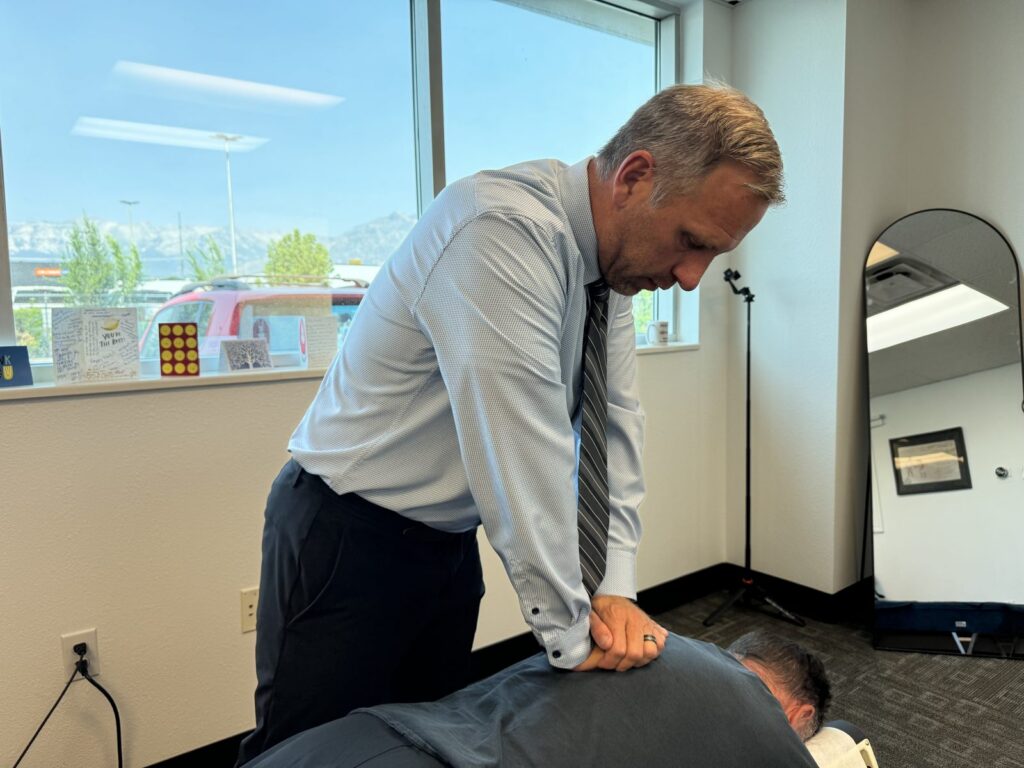
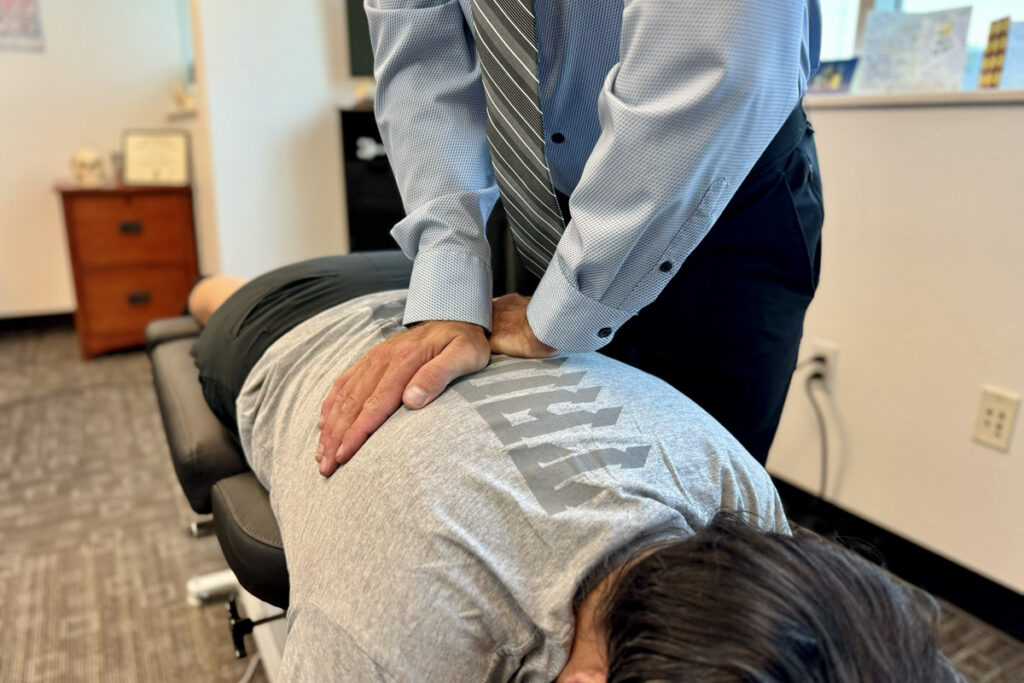
Chiropractic care is an excellent option for managing whiplash pain and facilitating recovery. By aligning your spine and neck properly, chiropractic adjustments can relieve tension in the muscles and nerves, allowing your body to heal more effectively. Regular adjustments can also prevent future issues and promote overall spinal health.
In addition to chiropractic care, consider incorporating some simple self-care practices into your daily routine. Maintaining good posture, especially if you work at a desk, is crucial. Ensure your workstation is ergonomically friendly, and take breaks to stretch throughout the day. Gentle neck stretches can also be beneficial; try tilting your head from side to side or gently rotating it to relieve tension.
Hydration plays a key role in recovery as well. Drinking plenty of water helps keep your muscles and joints lubricated, which can ease discomfort. Lastly, don’t underestimate the power of rest. Giving your body the time it needs to heal is essential for a full recovery.
Remember, finding the right approach to manage whiplash pain can significantly enhance your comfort and mobility. If you’re looking for a natural, effective way to address this condition, consider scheduling a consultation with a chiropractor. Together, we can develop a personalized plan to help you regain your health and live life to the fullest. Your journey to wellness begins with the right support!
Understanding Whiplash Neck Pain
When you’ve experienced a sudden jerking motion of your head, such as in a car accident, it can lead to whiplash neck pain. This injury occurs when your neck is abruptly forced into an unnatural position, straining the muscles and ligaments.
While you may not feel immediate discomfort, the pain can develop over hours or days, often catching you off guard. Whiplash can affect anyone, regardless of age or physical condition, and its severity can vary. You may notice difficulty moving your neck, and everyday activities might become uncomfortable or painful.
It’s important to understand that your neck is designed for flexibility, but it has its limits when faced with sudden force. Recognizing the cause of your pain is crucial in guiding you toward effective relief strategies.
Chiropractic care can be an excellent choice for managing whiplash symptoms and promoting natural healing. A chiropractor can help restore proper alignment, relieve tension, and improve your range of motion without the need for medications or invasive procedures.
Here are some general tips to support your recovery from whiplash:
- Stay Active: Gentle movements and stretches can help maintain flexibility in your neck. Consult your chiropractor for specific exercises tailored to your condition.
- Apply Ice and Heat: Using ice packs in the first few days can reduce inflammation, while heat therapy can help relax tight muscles afterward.
- Practice Good Posture: Maintaining proper posture while sitting, standing, or using your phone can prevent additional strain on your neck.
- Stay Hydrated: Drinking plenty of water helps keep your spinal discs hydrated and supports overall spinal health.
- Seek Chiropractic Care: Regular visits to your chiropractor can facilitate healing and help you regain your normal range of motion. They’ll work with you to develop a personalized treatment plan that promotes your well-being.
Being proactive about your recovery can make all the difference in managing whiplash and achieving optimal health. Remember, chiropractic care focuses on your body’s natural ability to heal, allowing you to live a healthier, pain-free life.
Common Symptoms and Diagnosis
When you experience whiplash, you might notice several symptoms such as neck pain, stiffness, and headaches. Recognizing these common issues is crucial in understanding your condition.
As a chiropractor, I want to emphasize that chiropractic care is a natural and effective way to address whiplash injuries and promote healing.
To confirm a whiplash injury, we utilize gentle diagnostic techniques that evaluate your spine and overall health. These assessments help us understand the extent of your injury and create a tailored treatment plan focused on restoring your well-being.
Chiropractic care can provide pain relief by realigning the spine and improving mobility, helping to alleviate discomfort and stiffness.
In addition to chiropractic adjustments, here are some helpful tips you can incorporate into your routine:
- Apply Ice and Heat: Use ice packs to reduce swelling and heat packs to relax tight muscles.
- Gentle Stretching: Engage in gentle neck stretches to improve flexibility and relieve tension.
- Posture Awareness: Maintain good posture while sitting and standing to reduce strain on your neck.
- Stay Hydrated: Drink plenty of water to keep your muscles hydrated and functioning well.
By choosing chiropractic care, you’re taking a step towards achieving optimal health and natural wellness.
Typical Whiplash Symptoms
After experiencing a whiplash injury, many people notice a variety of symptoms that can be confusing and concerning. Commonly, individuals may feel neck pain and stiffness, often accompanied by headaches that start at the base of the skull.
You might also experience dizziness, blurred vision, or even ringing in the ears. It’s not uncommon to feel fatigued or have trouble concentrating, which can make daily activities seem daunting. Discomfort may also interfere with your sleep, leaving you feeling unrested.
Emotional symptoms, such as irritability or anxiety, can arise as well. It’s important to recognize these signs, as they can guide you toward effective treatment options. Chiropractic care is an excellent choice for managing whiplash symptoms naturally. By focusing on spinal health and the body’s inherent ability to heal, chiropractic adjustments can help alleviate pain and promote overall wellness.
Here are some helpful tips to manage your symptoms:
- Gentle Stretching: Incorporate gentle neck stretches into your routine to improve flexibility and relieve tension.
- Ice Therapy: Apply ice packs to the affected area for 15-20 minutes to reduce inflammation and numb pain.
- Stay Active: Engage in light physical activity, like walking, to keep your body moving and support healing.
- Hydration: Drink plenty of water to stay hydrated, which is essential for overall health.
- Mindfulness Techniques: Practice relaxation techniques such as deep breathing or meditation to help manage anxiety and irritability.
Diagnostic Techniques Overview
Diagnosing whiplash starts with understanding your symptoms and involves a few simple evaluations. When you visit your chiropractor, you’ll share details about the accident and how it has impacted your neck and overall well-being. Common symptoms you might experience include neck pain, stiffness, and headaches.
Your chiropractor will perform a thorough physical examination to assess your range of motion and tenderness in your neck. This hands-on approach allows them to identify areas of concern and understand how the injury is affecting you. While imaging tests like X-rays or MRIs can sometimes be helpful, many cases of whiplash can be effectively diagnosed through your symptoms and physical exam.
To get a clearer picture of how whiplash is affecting your daily life, your chiropractor may use simple questionnaires. This information will help them develop a personalized treatment plan focused on natural healing, pain relief, and restoring your mobility.
In addition to chiropractic adjustments, there are some general tips to help you on your journey to recovery:
- Stay Active: Gentle movements and stretches can help maintain your range of motion.
- Ice and Heat Therapy: Applying ice in the first few days can reduce inflammation, while heat can help relax tight muscles afterward.
- Posture Awareness: Being mindful of your posture while sitting or standing can prevent further strain on your neck.
- Stay Hydrated: Drinking plenty of water supports overall health and helps keep your muscles functioning well.
Immediate First Aid for Whiplash
If you’ve experienced whiplash, acting quickly can greatly enhance your recovery journey. First and foremost, prioritize resting your neck. Avoid sudden movements or activities that could exacerbate your discomfort.
While ice packs can be beneficial in the first 48 hours to help with swelling and numbness, consider combining this with gentle chiropractic adjustments to promote healing and relieve tension in your spine.
Over-the-counter pain relievers might offer temporary relief, but I encourage you to consider natural alternatives. Chiropractic care focuses on addressing the root cause of your pain, helping to restore proper alignment and function to your spine without the need for medications.
Maintaining proper support for your head and neck during this time is also important; a soft neck collar for short periods may provide some comfort, but chiropractic care can offer more lasting support.
Stay hydrated and incorporate gentle neck stretches into your routine as you feel able. These can help prevent stiffness while promoting flexibility.
Regular visits to a chiropractor can further enhance your recovery by ensuring your spine is aligned and your body is functioning efficiently.
Lastly, keep track of your symptoms. If you notice any worsening or new issues, don’t hesitate to consult with your chiropractor. They can provide personalized care to guide you on the right path to optimal health and wellness after whiplash.
Effective Treatment Options
When it comes to finding effective treatment options for whiplash, chiropractic care stands out as a holistic approach that not only alleviates pain but also supports long-term healing. As a chiropractor, I believe in addressing the root causes of discomfort rather than just masking the symptoms.
One of the first steps you can take is to visit a chiropractor who can assess your condition and create a personalized treatment plan. Chiropractic adjustments are designed to realign your spine and improve neck function, which is essential for recovery. These adjustments can reduce inflammation, relieve pain, and restore mobility without the need for medications or invasive procedures.
In addition to chiropractic adjustments, gentle physical therapy exercises can help strengthen the neck muscles and improve flexibility. Your chiropractor may guide you through these exercises to ensure you’re performing them correctly and safely.
While you’re on the path to recovery, consider using ice packs to reduce swelling in the first few days following your injury. After that, heat therapy can be a great way to relax tight muscles and improve blood circulation, helping your body heal more effectively.
Massage therapy is another excellent complementary treatment that can be incorporated into your wellness routine. It promotes relaxation, reduces stiffness, and enhances overall well-being.
Lastly, maintaining proper posture throughout your daily activities is crucial. Be mindful of how you sit, stand, and move, as good posture can prevent further strain on your neck and support your recovery process.
Therapeutic Exercises for Recovery
Recovering from whiplash can be a challenging journey, but incorporating therapeutic exercises into your routine is a fantastic way to support your healing process. As a chiropractor, I want to emphasize the importance of caring for your spine and neck muscles naturally, without relying on medications or surgeries.
Focusing on gentle stretching techniques can help relieve tension in your neck and improve your overall mobility. Simple stretches, like tilting your head side to side or gently rolling your shoulders, can offer relief and help you regain flexibility. Remember to perform these stretches slowly and listen to your body—if something feels painful, it’s best to ease off.
In addition to stretching, strengthening exercises play a crucial role in supporting your neck muscles. Strengthening the muscles around your spine can help prevent future injuries and promote better posture. Simple exercises like neck resistance (gently pushing against your hand while keeping your head stable) can be very effective.
It’s also important to incorporate good habits into your daily routine. Pay attention to your posture, especially when sitting or using electronic devices. Keeping your screen at eye level can help reduce strain on your neck.
Additionally, consider regular chiropractic adjustments to ensure your spine is aligned and functioning optimally. Chiropractic care is a natural approach that focuses on healing your body and enhancing your wellness from the inside out.
Remember, every step you take towards recovery is a step towards better health. By embracing these simple exercises and chiropractic care, you can effectively reduce pain and enhance your overall well-being.
Always consult with your chiropractor to create a personalized plan that works best for your recovery journey.
Stretching Techniques for Relief
Recovering from whiplash can indeed feel daunting, but incorporating specific stretching techniques into your routine can significantly ease neck pain and improve your mobility.
As a chiropractor, I want to emphasize the importance of natural healing and how gentle movements can support your recovery journey.
Start with gentle neck rolls. Drop your chin to your chest, then slowly roll your head from side to side, allowing your neck to loosen up. Hold each position for a few seconds, feeling the release in your muscles. This simple exercise can help promote blood flow and ease tension.
Next, try the lateral neck stretch. Tilt your head toward one shoulder while keeping your shoulders relaxed. You should feel a gentle stretch on the opposite side of your neck. Hold this position for 15-30 seconds, then switch sides. This stretch can enhance flexibility and alleviate discomfort.
Another effective technique is the chin tuck. This involves gently pulling your chin back toward your throat while keeping your shoulders relaxed. Repeat this motion several times. It helps to strengthen the muscles that support your spine and can improve your posture over time.
Always listen to your body; if something feels painful, ease off. Regular stretching can lead to significant relief and an improved range of motion, but pairing these exercises with chiropractic care can amplify your results.
A chiropractor can offer personalized adjustments and guidance tailored to your needs, ensuring you’re on the right path to optimal health.
Incorporating these stretches into your daily routine can be a simple yet powerful way to support your recovery.
Strengthening Neck Muscles
Strengthening your neck muscles is a vital part of recovering from whiplash and ensuring your spine is well-supported, which can significantly reduce the risk of future injuries. As a chiropractor, I encourage you to incorporate simple yet effective exercises to enhance your neck strength and promote overall wellness.
One easy exercise is the neck tilt. Gently bring your ear towards your shoulder and hold for a few seconds. This stretch helps to relax tight muscles and improve flexibility.
Another fantastic option is isometric exercises. Simply push your forehead against your palm without moving your head. This technique builds strength without straining your muscles, making it a safe choice for recovery.
Using resistance bands can also be a great addition to your routine. Secure one end of the band and perform gentle neck extensions and rotations. These movements help to strengthen the neck while maintaining a natural range of motion. Aim for 10-15 repetitions for each exercise, and as your strength improves, you can gradually increase the intensity.
Always remember to listen to your body. If any exercise causes pain, it’s important to stop and consult with your chiropractor for guidance.
Consistency is key; by incorporating these exercises into your daily routine, you’ll not only enhance your recovery but also work towards achieving optimal health and functionality.
Chiropractic care focuses on natural healing and wellness, helping you maintain a healthy spine and neck. By prioritizing your neck strength and overall spinal health, you’re taking proactive steps toward a pain-free life without the need for surgeries or medications.
Embrace these exercises and consider regular chiropractic adjustments to support your journey to better health!
Lifestyle Changes to Support Healing
Making simple lifestyle changes can significantly enhance your recovery from whiplash neck pain, and chiropractic care plays a vital role in achieving optimal health.
As a chiropractor, I encourage you to incorporate gentle stretches and low-impact exercises into your daily routine. These activities not only improve flexibility and circulation but also help ease tension in your neck, complementing the adjustments you’ll receive in our office.
Staying hydrated is crucial for healing. Water helps your muscles function effectively, which is essential during your recovery process.
Additionally, adjusting your workstation ergonomics can make a world of difference. Ensure your computer screen is at eye level and your chair supports your lower back. This simple adjustment can reduce strain on your neck and enhance your comfort while working.
Your sleep position is another important factor to consider. Using a supportive pillow that keeps your neck aligned with your spine can help alleviate pain. It’s best to avoid sleeping on your stomach, as this can twist your neck and exacerbate discomfort.
Finally, managing stress is key to recovery. Engaging in mindfulness practices or light yoga can be beneficial, as stress can intensify physical pain.
When to Seek Professional Help
While making lifestyle changes and receiving chiropractic care can be extremely beneficial for your recovery from whiplash neck pain, there may come a time when you need additional support. If your pain intensifies or persists beyond a few weeks, it’s important to take action. Don’t hesitate to consult a healthcare professional who values a holistic approach to wellness.
Pay attention to any severe headaches, as well as numbness or tingling in your arms and hands, as these could signal underlying concerns that need to be addressed. It’s also crucial to recognize when your daily activities become difficult or your range of motion is limited. These signs indicate that it might be time to seek further guidance.
Chiropractic care is designed to help you regain balance and function in your body. A chiropractor can offer personalized treatment plans that focus on spinal health and natural healing. Remember, ignoring ongoing discomfort can lead to chronic issues, so prioritize your health and consider scheduling a visit with your chiropractor. They can provide the diagnosis and effective treatment strategies that cater specifically to your needs.
In addition to chiropractic adjustments, here are a few general tips for managing whiplash pain:
- Stay Active: Gentle movement can help reduce stiffness. Consider light stretching or walking to keep your body engaged.
- Heat and Ice Therapy: Alternating between heat and ice packs can soothe inflammation and promote healing.
- Posture Awareness: Be mindful of your posture, especially when sitting or using your phone, as poor posture can exacerbate pain.
- Stay Hydrated: Drinking enough water supports overall health and can help alleviate muscle tension.
Your recovery journey deserves the best support, and chiropractic care is a natural path to achieving optimal wellness.
Conclusion
In summary, addressing whiplash neck pain effectively involves a proactive approach centered around chiropractic care. By choosing chiropractic treatments, you can tap into natural healing methods that not only relieve pain but also promote overall wellness. Prioritize rest to allow your body to heal, and consider incorporating gentle exercises recommended by your chiropractor to strengthen your neck and improve mobility.
Making ergonomic adjustments in your daily routine is crucial. This means setting up your workspace to support good posture and reduce strain on your neck. Additionally, practicing stress reduction techniques such as deep breathing or mindfulness can help ease tension in your body, further supporting your recovery.
Remember, if your symptoms persist or worsen, it’s essential to consult with your chiropractor. They can provide personalized care and guidance to ensure you’re on the right path to recovery. With dedication and the right chiropractic strategies, you can regain comfort and mobility, allowing you to enjoy life to the fullest.