Have you ever thought about how your posture impacts your everyday life? It’s something we often overlook, but poor alignment can lead to discomfort, reduced productivity, and even long-term health issues. By identifying common pitfalls and making small changes, you can significantly improve your well-being.
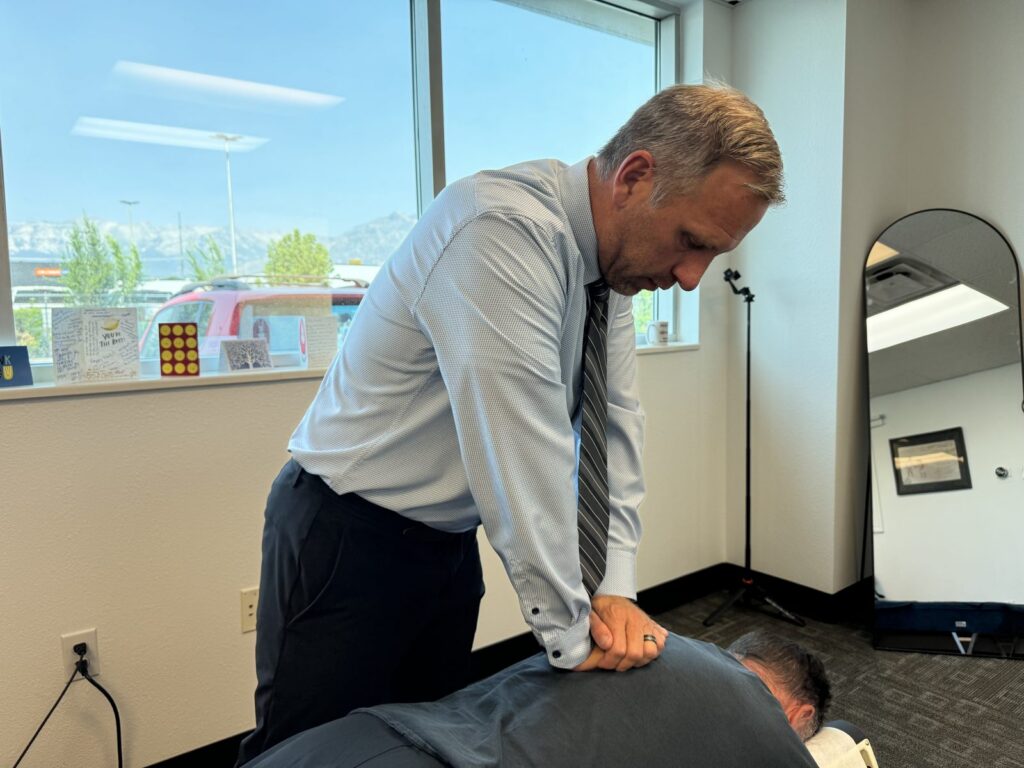
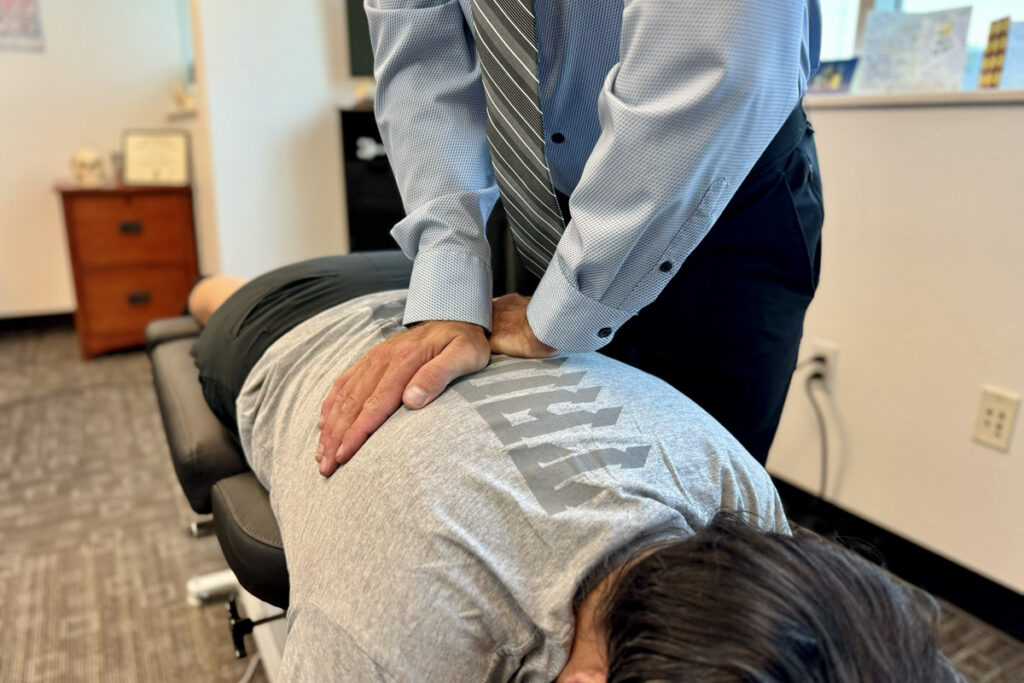
Chiropractic care is an excellent way to address these issues and achieve optimal health. It focuses on natural healing and spinal health, helping your body function at its best without the need for surgeries or medications.
So, what can you do to unlock your posture potential? Here are some practical tips and exercises:
- Regular Chiropractic Visits: Make chiropractic care a part of your wellness routine. A chiropractor can help correct misalignments and improve your spinal health, leading to better posture and overall well-being.
- Mind Your Sitting Posture: When sitting, keep your feet flat on the floor and your back straight against your chair. Consider using a lumbar support cushion to maintain the natural curve of your spine.
- Stand Tall: Whether you’re at work or home, practice standing with your shoulders back and your head held high. Imagine a string pulling you upwards from the top of your head.
- Take Breaks: If you sit for long periods, make sure to stand up and stretch every 30 minutes. Simple stretches can relieve tension and improve circulation.
- Strengthen Your Core: Engaging in exercises that strengthen your core muscles can provide better support for your spine. Activities like planks or gentle yoga can be beneficial.
- Stay Active: Regular physical activity helps maintain a healthy spine and body. Aim for a mix of aerobic, strength, and flexibility exercises.
By incorporating these tips into your daily routine and prioritizing chiropractic care, you can achieve a healthier, more ergonomic lifestyle. Don’t underestimate the power of good posture—it can lead to profound changes in your overall health and quality of life!
The Importance of Good Posture
Have you ever thought about how much your posture impacts your overall health? As a chiropractor, I can tell you that good posture isn’t just about looking confident; it plays a crucial role in your physical well-being. When you sit or stand with proper alignment, you help reduce strain on your muscles and joints, which can prevent discomfort and injuries. This is where chiropractic care comes in—it can help you achieve and maintain that alignment, supporting your spine and enhancing your body’s natural curves for better balance.
Good posture also contributes to improved breathing. When your posture is correct, your lungs can expand more fully, increasing oxygen flow and boosting your energy levels. This can lead to enhanced concentration and productivity throughout your day.
Furthermore, you might be surprised to learn that your emotional state is connected to your posture. Standing tall can lift your mood and alleviate feelings of stress or anxiety. This is another reason why chiropractic adjustments are so beneficial; they not only help with physical alignment but can also promote a better mental state.
So, how can you work towards better posture and health? Here are a few simple tips:
- Be mindful of your posture: Check in with yourself throughout the day. Are you slouching? Straighten up and align your body.
- Strengthen your core: A strong core supports your spine. Simple exercises like planks or bridges can help.
- Take breaks: If you sit for long periods, stand up and stretch every 30 minutes. This not only helps your posture but also keeps your blood flowing.
- Visit your chiropractor: Regular adjustments can help maintain proper alignment, alleviate pain, and enhance your overall wellness.
Common Posture Pitfalls
You mightn’t realize it, but slouching and hunching can sneak into your daily routine without you even noticing. This poor posture can lead to discomfort and pain, which is why it’s important to be aware of how you hold your body throughout the day.
Another common issue many face today is tech neck, a result of spending extended periods looking down at screens.
As a chiropractor, I want to help you understand these pitfalls and provide you with simple tips to correct them for a healthier posture. Here are a few strategies you can start using right away:
- Mind Your Posture: Be conscious of how you sit and stand. Keep your shoulders back and your spine straight. Imagine a string gently pulling the top of your head towards the ceiling.
- Screen Setup: If you’re working on a computer, ensure your screen is at eye level to avoid leaning forward. Use a chair that supports your lower back, and keep your feet flat on the ground.
- Take Breaks: Every 30 minutes, take a short break to stand up, stretch, and move around. This helps alleviate tension in your neck and back.
- Strengthening Exercises: Incorporate exercises into your routine that strengthen your core and back muscles. This will help support your spine and improve your posture.
- Chiropractic Care: Regular visits to a chiropractor can greatly enhance your posture and overall well-being. Through adjustments and personalized care, we can help correct misalignments and relieve discomfort, leading to a healthier, more balanced life.
By being mindful of your posture and incorporating these tips into your daily routine, you can take significant steps toward improving your health and preventing pain.
Slouching and Hunching Habits
While it might feel comfortable to slouch or hunch over, these common posture habits can lead to a variety of physical issues that can affect your daily life. When your shoulders droop and your back bends, you’re not just altering your appearance; you’re also placing unnecessary strain on your muscles and joints.
This poor posture can lead to discomfort, fatigue, and even chronic pain over time. You may experience tension in your neck and back, which can make it difficult to focus and enjoy your day.
Your spine is designed for proper alignment and support, and maintaining good posture is essential for your overall health. By consciously working on sitting or standing tall, you can significantly reduce these risks and enhance your well-being.
Here are some simple tips to help you improve your posture and support your spine:
- Check in with your posture regularly: Throughout the day, take a moment to assess how you’re sitting or standing. Make a habit of adjusting your position to keep your spine aligned.
- Strengthen your core: Engaging in exercises that strengthen your core muscles can provide better support for your spine. Consider activities like planks, bridges, or yoga to help improve your core strength.
- Use ergonomic furniture: If you spend a lot of time sitting at a desk, invest in furniture that promotes good posture. An ergonomic chair and desk setup can make a big difference.
- Take breaks to move: If you find yourself sitting for long periods, make it a point to stand up, stretch, and walk around every hour. This helps alleviate tension and encourages better posture.
- Consider chiropractic care: Regular visits to a chiropractor can help you maintain proper alignment and address any discomfort you may be experiencing. Chiropractic care is a natural way to promote healing and maintain your overall health without the need for medications or surgeries.
Tech Neck Awareness
How often do you find yourself looking down at your phone or laptop for long stretches? If you’re like many, it’s probably more often than you’d care to admit. This habitual forward head posture, commonly referred to as “tech neck,” can lead to discomfort, stiffness, and potentially long-term health issues. Many people are unaware of how their posture impacts their neck and back until they start feeling pain.
As a local chiropractor, I want to emphasize the importance of maintaining good posture to support your spine’s health. Here are a few simple yet effective tips to help you combat tech neck:
- Elevate Your Devices: Keep your phone and laptop at eye level. This helps to align your neck and spine properly, reducing strain on your muscles.
- Take Frequent Breaks: Make it a habit to step away from your screens every 20-30 minutes. Use this time to stand up, walk around, and give your eyes a rest.
- Incorporate Simple Stretches: Stretch your neck and shoulders regularly. Gentle movements like tilting your head side to side or rolling your shoulders can help relieve tension.
- Stay Mindful of Your Posture: Throughout the day, check in with your posture. Are your shoulders rounded? Is your head jutting forward? Being aware can help you correct your stance before discomfort arises.
By making these small adjustments, you can prevent the adverse effects of tech neck and promote a healthier, more comfortable life.
Remember, chiropractic care is a fantastic option for addressing any pain and ensuring your spine is aligned for optimal health. Regular visits to a chiropractor can help keep your spine healthy and free from the stresses of tech neck.
Prioritize your well-being and take steps today towards a pain-free tomorrow!
Simple Adjustments for Better Posture
To enhance your posture and overall well-being, it’s essential to create an ergonomic workspace that truly supports your body. This means ensuring that your chair, desk, and computer setup promote proper alignment, reducing strain on your spine.
Remember, your posture not only affects how you feel physically but also influences your overall health.
In addition to setting up your workspace, I encourage you to incorporate mindful movement practices throughout your day. Simple activities like stretching, walking, or practicing yoga can keep your muscles engaged and aligned.
These habits not only help alleviate discomfort but also contribute to a healthier spine.
Chiropractic care is an excellent choice for achieving optimal health. Regular adjustments can help maintain proper spinal alignment, relieve pain, and enhance your body’s natural healing abilities.
By choosing chiropractic, you’re taking a proactive step toward better posture and overall wellness.
Here are a few takeaway tips to remember:
- Adjust Your Workspace: Ensure your chair and desk are at the right height to encourage good posture.
- Take Breaks: Get up and move every hour to keep your muscles active and engaged.
- Stay Mindful: Pay attention to your posture throughout the day, whether sitting, standing, or walking.
- Consider Chiropractic Care: Regular adjustments can help maintain your spinal health and improve your posture.
Ergonomic Workspace Setup
Creating an ergonomic workspace is essential for promoting good posture and overall comfort while you work, and it can significantly enhance your spinal health. As a chiropractor, I want to share some tips on how to set up your workspace to support your well-being and encourage natural healing.
Start by adjusting your chair so that your feet rest flat on the floor, with your knees aligned at hip level. This position helps maintain the natural curve of your spine and reduces strain on your back.
Your desk should be at a height that allows your elbows to form a 90-degree angle while typing, which promotes better posture and reduces tension in your neck and shoulders.
Position your monitor at eye level, about an arm’s length away. This setup minimizes neck strain and encourages you to keep your head aligned with your spine. If you often reference papers, consider using a document holder to keep them close to your screen, which helps prevent twisting and awkward movements.
When typing, it’s important that your wrists remain straight. If you find that your wrists are bending, using a wrist rest can provide the necessary support. This small adjustment can help prevent discomfort and promote better alignment.
Lastly, keep frequently used items within easy reach. This helps reduce unnecessary stretching and twisting that can lead to discomfort and misalignment.
By implementing these simple ergonomic adjustments, you can achieve significant improvements in your posture and overall productivity.
Mindful Movement Practices
Many people underestimate how essential mindful movement is for improving posture and overall health. As a chiropractor, I believe that incorporating simple mindful practices into your daily routine can significantly enhance your posture and well-being while supporting your spine’s health.
Here are some easy-to-follow tips that you can integrate into your life:
- Stretch regularly: Take short breaks throughout your day to stretch your neck, shoulders, and back. Gentle stretching helps release tension and keeps your spine flexible.
- Focus on your breath: Practice deep, diaphragmatic breathing. This technique not only calms your mind but also helps relax tense muscles, promoting better posture.
- Engage your core: Whether sitting or standing, maintaining a strong core is crucial for spinal support. Engaging your core muscles can help alleviate strain on your back and improve your posture.
- Incorporate yoga: Yoga is an excellent way to promote alignment and flexibility. Certain poses can help strengthen your back and improve your overall posture, contributing to a healthier spine.
- Walk mindfully: Pay attention to how you walk. Ensure that your head is aligned over your hips, which can help distribute weight evenly and reduce strain on your spine.
Remember, these mindful movement practices can be a natural and effective way to support your spinal health and overall wellness.
By prioritizing your posture through these simple tips, you’re taking positive steps towards a healthier lifestyle.
And if you’re experiencing pain or discomfort, don’t hesitate to consult with a chiropractor for personalized care and guidance towards achieving optimal health.
Exercises to Strengthen Your Posture
Strengthening your posture is essential for overall health and wellness, and it can be achieved through simple yet effective exercises that target key muscle groups. As a local chiropractor, I believe that maintaining proper posture supports your spine and promotes natural healing.
One great starting point is to incorporate planks into your routine. These engage your core, which plays a vital role in supporting your spine. Start with holding a plank for 30 seconds, and as your strength increases, gradually extend that time.
Another beneficial exercise is the wall angel. To perform this, stand against a wall with your arms raised. Slowly slide your arms up and down while ensuring your back remains flat against the wall. This movement helps to open up your shoulders and improves flexibility, which is crucial for proper posture.
Don’t overlook the importance of glute and lower back strength; bridges are an excellent exercise for this. Lie on your back with your knees bent, lift your hips towards the ceiling, and hold for a few seconds. This not only strengthens your glutes but also supports your lower back, helping to alleviate discomfort.
In addition, regular chest stretches can counteract tightness that often comes from prolonged sitting, a common issue in today’s world.
Lastly, consider incorporating yoga poses like the cat-cow stretch into your routine. This gentle movement increases spinal mobility and can help relieve tension in your back.
Incorporating these exercises into your daily life can lead to improved posture and reduced discomfort. Remember, consistency is key! By making these small changes and maintaining an active lifestyle, you’re not just strengthening your posture; you’re also taking proactive steps towards optimal health.
And if you ever find yourself facing persistent pain or discomfort, don’t hesitate to seek chiropractic care. Chiropractic is a natural and effective approach to pain relief and wellness that aligns with your body’s innate ability to heal.
The Role of Ergonomics in Posture
Ergonomics is incredibly important for maintaining good posture, especially in our modern, sedentary lifestyles. As a chiropractor, I can tell you that by optimizing your workspace and daily habits, you can significantly reduce strain on your body, alleviate pain, and improve your posture.
Here are some key ergonomic tips to help you on your journey to better health and wellness:
- Chair Height: Make sure your chair is adjusted so that your feet rest flat on the floor. This helps to support your spine and maintain a natural curve.
- Monitor Position: Position your screen at eye level. This prevents you from craning your neck, which can lead to discomfort and tension.
- Keyboard and Mouse: Keep your keyboard and mouse at a comfortable height. Your wrists should be straight and not bent; this can help prevent strain and injuries.
- Breaks: Don’t forget to take regular breaks! Standing up, stretching, and moving around periodically can alleviate tension and help keep your spine healthy.
- Foot Support: If your feet don’t comfortably touch the ground, consider using a footrest. This can enhance your posture and provide better support for your lower back.
By implementing these ergonomic principles, not only will you maintain proper posture, but you’ll also enhance your overall comfort and productivity.
Remember, prioritizing ergonomics is a simple yet powerful way to support your wellness journey.
As a chiropractor, I encourage you to consider chiropractic care as a key component in achieving optimal health. Chiropractic adjustments can help align your spine, relieve discomfort, and promote natural healing.
Together with good ergonomic practices, you can ensure a healthier, pain-free lifestyle.
Take the Posture Quiz!
How well do you really understand your posture? It’s time to find out with my posture quiz! This quick and engaging assessment will help you identify your strengths and weaknesses in maintaining proper alignment, which is crucial for your overall health and well-being.
You’ll answer questions about your daily habits, work environment, and physical activities—all of which greatly impact your posture.
Once you complete the quiz, you’ll receive valuable insights into how well you’re supporting your body. Are you slouching at your desk? Do you often find yourself in awkward positions? The quiz will highlight areas where you can improve, guiding you toward healthier practices that promote optimal spinal health.
Good posture is more than just standing tall; it’s about ensuring your spine is in alignment to prevent pain and discomfort. By understanding your current habits, you can take actionable steps to enhance your posture and overall wellness.
Here are a few simple tips to get you started:
- Ergonomic Workspace: Adjust your chair and desk height to ensure your feet are flat on the floor and your screen is at eye level.
- Regular Breaks: Take short breaks every hour to stand, stretch, and walk around. This helps relieve tension and reset your posture.
- Strengthening Exercises: Incorporate exercises that strengthen your core and back muscles, which support your spine.
- Mindful Posture: Be conscious of your posture throughout the day. Try to keep your shoulders back and your head aligned over your spine.
By incorporating these practices into your daily routine and utilizing chiropractic care, you can support your body in achieving optimal health.
Conclusion
By prioritizing your posture, you can unlock a healthier, more productive version of yourself. As a chiropractor, I want to emphasize the importance of being aware of common posture pitfalls and making simple adjustments in your daily routine. Incorporating specific exercises can also play a significant role in improving your alignment and overall well-being.
Don’t overlook the significance of ergonomics in your workspace. Creating a supportive environment is crucial; it can help alleviate strain on your spine and enhance your comfort throughout the day.
As you explore these tips, I encourage you to take our posture quiz. It will help you uncover your unique alignment habits and guide you on your journey toward better posture. Remember, chiropractic care is an excellent choice for achieving optimal health. It offers natural pain relief and promotes wellness without the need for surgeries or medications. Your body will thank you for taking these steps toward a healthier lifestyle!