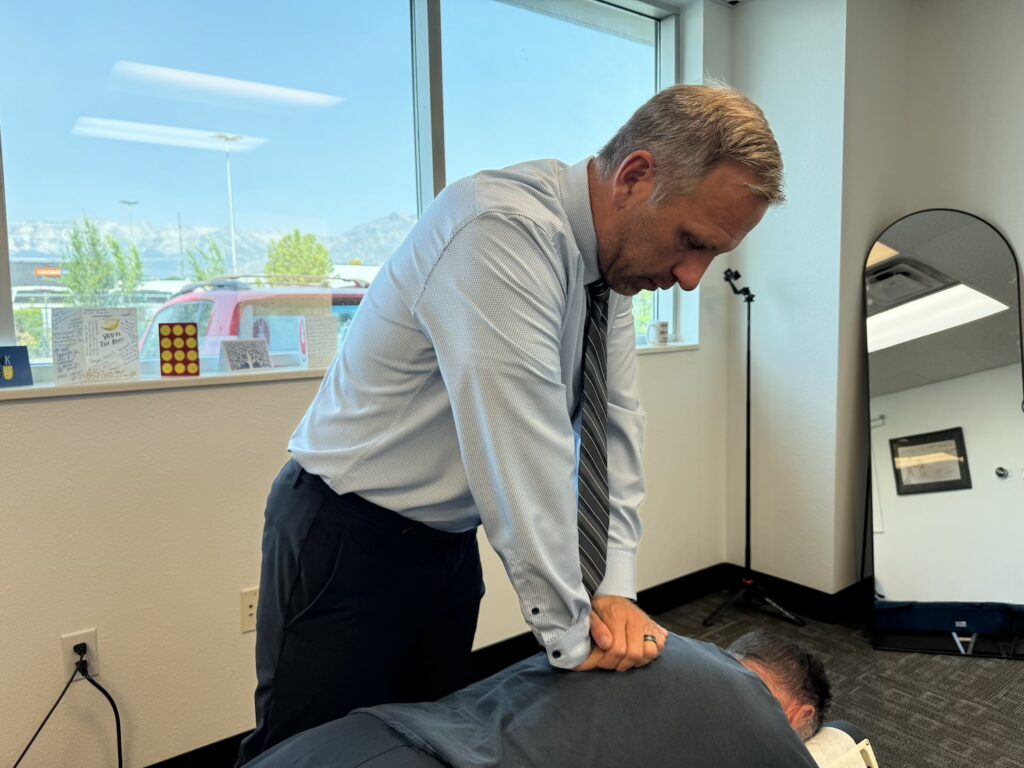
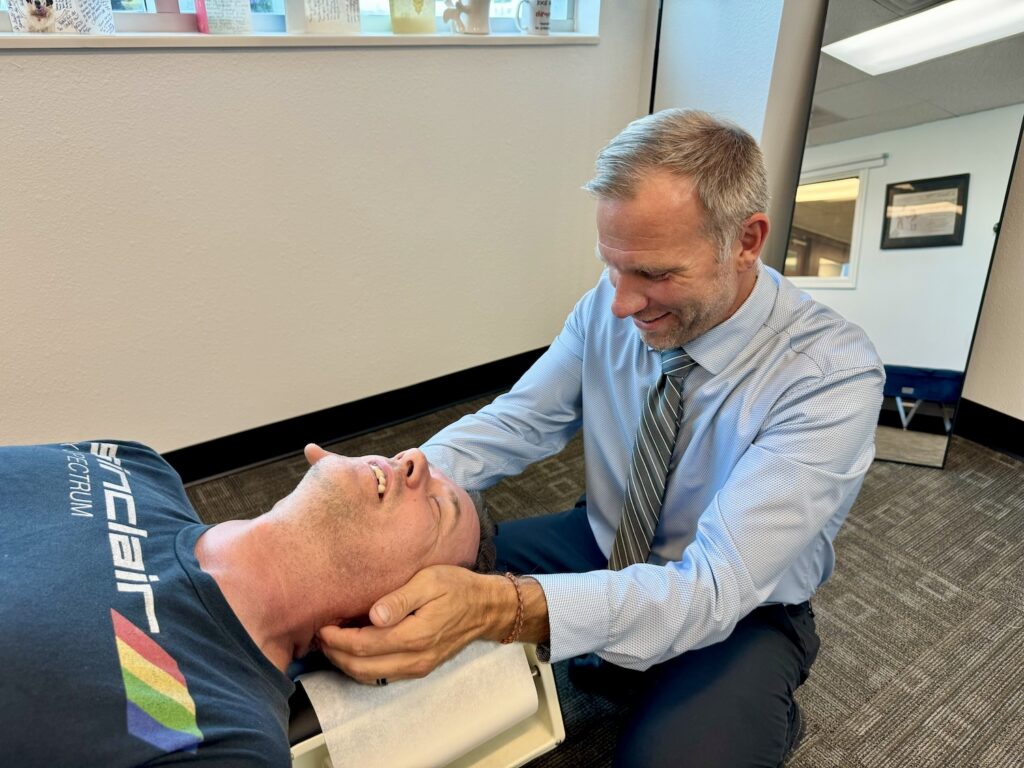
When dealing with an injury, it's important to recognize that recovery goes beyond just physical therapy; it's a comprehensive journey that involves mental resilience and proper nutrition. Many people rely solely on traditional methods, but there are innovative chiropractic techniques that can be personalized to your unique needs, helping you unlock your full potential. As a chiropractor, I can guide you through the healing process, emphasizing not just recovery but also improving your overall performance. By incorporating holistic approaches and collaborating with sports medicine professionals, we can uncover effective strategies that you may not have considered yet. The journey to becoming stronger than ever might just be a few adjustments away!
Understanding Common Athlete Injuries
As a local chiropractor, I want to share some important information about common injuries that athletes face, as understanding these can greatly aid in your training and recovery process.
Let's start with sprains. These injuries occur when ligaments—the bands of tissue that connect bones at a joint—are stretched or torn. This often happens in areas like the ankles or knees during sudden movements.
If you experience pain, swelling, or difficulty moving a joint, it could be a sprain. Recognizing these symptoms early is crucial, as chiropractic care can help promote healing and restore function.
Next, we've strains, which involve muscles or tendons. Strains usually occur when you push your body too hard or fail to warm up properly.
Symptoms may include muscle spasms, weakness, and swelling. These injuries can be frustrating and may sideline you for a while, but early recognition and chiropractic treatment can assist in managing the pain and speeding up recovery.
Fractures are more serious injuries that can result from falls or direct impacts. If you suspect a fracture, you'll likely experience intense pain, swelling, and difficulty using the affected area.
It's essential to seek immediate medical attention to ensure proper healing, and chiropractic care can play a supportive role in your recovery process afterward.
Lastly, tendonitis is an injury that typically arises from repetitive motions, leading to inflammation of the tendons. This is common in sports that involve repetitive actions, like running or swimming.
If you notice pain and tenderness around a tendon, particularly during activity, it's important to address it promptly. Chiropractic adjustments and therapies can help alleviate pain and improve function.
As you engage in your athletic pursuits, being aware of these common injuries and how chiropractic care can assist in their management is vital for maintaining your health and performance.
The Role of Sports Medicine
Injuries are an unfortunate reality for many athletes, and that's where chiropractic care can make a significant difference. As someone who's passionate about your health and performance, it's essential to have a knowledgeable team that prioritizes your well-being. Chiropractors specialize in diagnosing, treating, and preventing injuries that are often linked to the physical demands of your sport.
We understand the unique stresses your body endures and offer personalized, natural healing methods to help you recover effectively.
If you find yourself injured, it's crucial to seek immediate attention from a chiropractor. We'll assess the nature and severity of your injury and create a tailored treatment plan that aligns with your recovery goals. This plan may include gentle adjustments, targeted rehabilitation exercises, and lifestyle recommendations to ensure you're on the path to healing.
Furthermore, chiropractic care extends beyond just treating injuries; it plays an essential role in injury prevention. We'll work closely with you to enhance your training routine, focusing on aspects like strength, flexibility, and overall body mechanics.
By addressing any underlying structural issues and ensuring proper movement patterns, we can help you reduce the risk of future injuries.
In addition to physical care, chiropractors can provide valuable insights into nutrition and recovery strategies that boost your performance. With our guidance, you'll be better equipped to tackle the physical and mental challenges of your sport.
Ultimately, embracing chiropractic care is vital not only for recovering from injuries but also for unlocking your peak performance on the field or court.
Innovative Rehabilitation Techniques
As a local chiropractor, I want to share how innovative rehabilitation techniques can significantly enhance your healing journey. These methods are specifically designed to accelerate recovery, boost overall performance, and minimize the chances of re-injury.
If you're new to chiropractic care and natural healing, consider incorporating these advanced techniques into your recovery plan:
- Active Release Therapy (ART): This hands-on approach is excellent for addressing soft tissue injuries. It works by releasing tension in your muscles and restoring mobility, allowing your body to heal more effectively.
- Kinesiology Taping: Many of my patients have found this method beneficial. It supports injured muscles and joints while allowing for optimal movement without restricting your range of motion. This can be a game-changer for your recovery.
- Blood Flow Restriction (BFR) Training: This innovative technique involves restricting blood flow during exercise, which helps you maintain muscle strength and size without putting too much strain on injured areas. It's a great tool for those looking to stay active while healing.
- Cryotherapy: By exposing your body to extreme cold, cryotherapy can help reduce inflammation and speed up recovery. This method can make a significant difference in how quickly you bounce back from injuries.
- Virtual Reality (VR) Rehabilitation: This immersive technology can transform your rehabilitation experience. Engaging in exercises through VR makes the process not only more enjoyable but also more effective, as it keeps you motivated and focused on your recovery goals.
Integrating these innovative rehabilitation techniques into your healing process can empower you to regain strength and confidence.
It's essential to consult with your healthcare provider to determine which methods are most suitable for your specific needs. Remember, every recovery journey is unique, and finding the right combination of techniques can help you achieve peak performance.
Embrace these advancements in chiropractic care, and you may discover a new level of resilience in your path to wellness.
Importance of Mental Resilience
As a local chiropractor, I want to emphasize the crucial role that mental resilience plays in your recovery from physical injuries. When you experience an injury, it's not just your body that requires healing; your mind needs care as well. Building mental resilience is vital to coping with the emotional hurdles that injuries often bring, such as frustration, fear, and anxiety. By developing a strong mindset, you can stay focused on your recovery plan and maintain your motivation, which is essential for healing.
Mental resilience also helps you maintain a positive outlook during your recovery journey, even when progress may seem slow. Instead of dwelling on setbacks, you can learn to view them as opportunities for growth. This shift in perspective can make the recovery process feel less daunting and more achievable. Techniques such as visualization and mindfulness can enhance your mental toughness, empowering you to navigate through challenging moments with greater ease.
Moreover, having a supportive network is incredibly important. Whether it's friends, family, or fellow community members, a strong support system can significantly enhance your mental resilience. They can offer encouragement and share their own experiences, reminding you that you aren't alone in this healing journey.
As your chiropractor, I'm here to help guide you not only through physical adjustments but also in nurturing your mental strength, ensuring a holistic approach to your recovery.
Nutrition for Recovery
As a local chiropractor, I want to emphasize the crucial role nutrition plays in your recovery from injuries. When you experience an injury, your body requires specific nutrients to facilitate healing. This is where a balanced diet comes into play.
Additionally, proper hydration is vital—it helps transport those essential nutrients throughout your body and ensures that your tissues are functioning optimally.
When you're on a healing journey, the right foods and fluids can significantly enhance your recovery process. Incorporating nutrient-rich foods, such as fruits, vegetables, lean proteins, and whole grains, can provide the building blocks your body needs.
Staying well-hydrated not only supports nutrient transport but also helps reduce inflammation and promotes overall wellness.
As you start to understand the benefits of chiropractic care and natural healing, remember that what you eat and drink is just as important as the adjustments and therapies you receive in my office.
Let's work together to support your healing through both chiropractic care and proper nutrition!
Essential Nutrients for Healing
As a local chiropractor dedicated to natural healing and holistic recovery, I want to emphasize how crucial proper nutrition is for healing from athletic injuries. Understanding what to fuel your body with can significantly impact your recovery process and help you return to peak performance.
Here are five essential nutrients I encourage you to prioritize in your diet:
- Protein: This nutrient is vital for repairing muscles and tissues. Incorporate lean sources such as chicken, fish, and legumes into your meals to promote healing.
- Vitamin C: Known for its antioxidant properties, Vitamin C plays a key role in collagen formation and reducing inflammation. Make sure to include citrus fruits, berries, and leafy greens in your diet to boost your recovery.
- Omega-3 Fatty Acids: Renowned for their anti-inflammatory effects, omega-3s can help manage pain and swelling. You can find these healthy fats in fatty fish, walnuts, and flaxseeds.
- Zinc: This mineral is critical for a strong immune system and tissue repair. Foods rich in zinc, such as meat, shellfish, and whole grains, are important to include in your diet for optimal healing.
- Calcium: Essential for maintaining strong bones, calcium-rich foods like dairy products, leafy greens, and fortified alternatives shouldn't be overlooked in your nutrition plan.
By incorporating these key nutrients into your daily meals, you can enhance your healing process and support your body's natural ability to recover.
Hydration's Role in Recovery
As a local chiropractor dedicated to promoting natural healing and recovery, I want to emphasize the critical role hydration plays in your healing process, especially if you're dealing with athletic injuries.
While it's vital to focus on the right nutrients, staying properly hydrated is just as important for your body to heal effectively.
Water is essential for various bodily functions, such as transporting nutrients and removing waste. When you're not drinking enough fluids, your body struggles to deliver the necessary nutrients for recovery, which can delay your healing.
Proper hydration keeps your joints lubricated, which is key to minimizing pain and stiffness in areas that have been injured. Additionally, it helps maintain blood volume, ensuring your muscles receive the oxygen they need for repair.
Staying well-hydrated also assists in managing inflammation, a common challenge after an injury.
To ensure you're getting enough hydration, aim to drink water consistently throughout the day—not just when you feel thirsty. Including electrolyte-rich beverages can further support your recovery, particularly after intense workouts or during periods of heavy sweating.
Keep in mind that everyone's hydration needs differ, so it's important to listen to your body and adjust your intake accordingly.
As your chiropractor, I encourage you to prioritize hydration as part of your overall recovery strategy. It's a simple yet powerful way to support your body's natural healing processes.
Cross-Training and Conditioning
As a local chiropractor, I want to emphasize the crucial roles that cross-training and conditioning play in the healing process for athletes recovering from injuries. If you find yourself sidelined due to an injury, it's essential to maintain your fitness levels while allowing your body the necessary time to recover.
Integrating cross-training into your rehabilitation routine can help you achieve this balance effectively. Here are some key benefits to consider:
- Injury Prevention: By engaging different muscle groups, you can reduce the risk of repetitive strain injuries, which is vital for long-term health.
- Improved Flexibility: Activities like yoga or swimming can significantly enhance your range of motion, aiding in your recovery.
- Enhanced Cardiovascular Fitness: Low-impact exercises, such as cycling or using an elliptical machine, can help you maintain endurance without putting undue stress on your body.
- Mental Resilience: Changing up your workouts can keep your mind engaged, which is important for staying motivated during your healing journey.
- Faster Recovery: Staying active while carefully avoiding overexertion of the injured area can help speed up your healing process.
Incorporating cross-training into your rehabilitation plan means you're not just resting; you're actively working on improving other areas of your body. For example, if you've injured your ankle, consider swimming or using a stationary bike to maintain your cardiovascular fitness without aggravating your injury.
Conditioning is equally important in this process. It strengthens the muscles surrounding the injured area, improving stability and support. This not only aids in your recovery but also prepares you to return to your sport stronger than before.
Preventing Future Injuries
As a local chiropractor, I want to emphasize the importance of taking proactive steps to prevent injuries and promote overall wellness. One of the most effective ways to keep injuries at bay is through proper warm-up techniques that prepare your body for physical activity. This includes gentle movements and stretches that increase blood flow and flexibility.
Incorporating strength and flexibility training into your routine is another key component. These exercises not only build resilience in your muscles and joints, but they also enhance your body's stability, helping to prevent injuries before they occur.
Additionally, prioritizing rest and recovery is crucial. Your body needs time to heal, especially after physical exertion. By allowing yourself adequate rest, you're giving your muscles the chance to recover and adapt, ultimately reducing the risk of future injuries.
By focusing on these essential areas—proper warm-ups, strength and flexibility training, and adequate recovery—you can significantly lower your chances of injury and enjoy a healthier, more active lifestyle.
Proper Warm-Up Techniques
As a local chiropractor dedicated to promoting natural healing and wellness, I want to emphasize the importance of proper warm-up techniques in your exercise routine. Incorporating these practices can significantly reduce the risk of injuries while enhancing your overall performance.
Understanding how to prepare your body for physical activity is essential for maintaining joint health and muscle function. Here are some essential warm-up techniques to consider:
- Dynamic Stretching: Engage in movements that mimic the activities you plan to perform. This not only increases blood flow to your muscles but also helps to activate the neuromuscular pathways, preparing your body for action.
- Joint Mobility Exercises: It's crucial to keep your joints healthy. Focus on gentle rotations and movements that take your joints through their full range of motion. This promotes flexibility and stability, which are vital for preventing injuries.
- Gradual Intensity Increase: Begin with low-intensity activities to gently elevate your heart rate and warm up your cardiovascular system. This gradual approach helps your body adapt to the demands of more intense exercise.
- Sport-Specific Drills: Incorporate lighter versions of the specific movements you'll be doing in your sport or activity. By priming your muscles for the task ahead, you can enhance your performance and reduce the risk of strains.
- Mental Preparation: Don't forget the power of your mind. Take a moment to visualize your performance and set a positive intention. This can boost your focus and reduce any anxiety you may feel about your workout.
By implementing these warm-up techniques, you can't only improve your physical performance but also support your body's natural healing processes, reducing the likelihood of injuries that can lead to discomfort and require chiropractic care.
Strength and Flexibility Training
As your local chiropractor, I'd like to emphasize the importance of incorporating strength and flexibility training into your routine for optimal health and injury prevention.
Strength training is vital as it helps develop the muscles surrounding your joints, which provides enhanced stability and support during your everyday activities and physical pursuits. It's beneficial to focus on exercises that engage major muscle groups, such as squats, lunges, and deadlifts. These foundational movements not only build your overall strength but also significantly improve your athletic performance.
On the other hand, flexibility training is crucial for increasing your range of motion and alleviating muscle stiffness. I recommend incorporating dynamic stretches before your workouts to warm up your muscles, and static stretches afterward to cool down and improve flexibility.
Activities like yoga and Pilates are outstanding choices for not only enhancing flexibility but also promoting balance and core strength. By integrating these practices into your routine, you'll not only support your chiropractic care but also foster a healthier, more resilient body.
Rest and Recovery Strategies
As a local chiropractor, I want to emphasize the importance of rest and recovery for your overall health and well-being. Many individuals, whether they're athletes or not, often underestimate how crucial this aspect is for preventing injuries and maintaining optimal performance in daily activities.
Your body requires time to heal and adapt, and by incorporating effective rest and recovery strategies, you can enhance your physical capabilities and overall quality of life.
Here are some key strategies to consider:
- Schedule regular rest days: Just like your car needs a break from driving, your body needs time to recover from everyday stresses and physical activities. Plan regular rest days to allow your muscles and joints to recuperate.
- Incorporate active recovery: Engaging in low-impact activities, such as walking, gentle yoga, or swimming, can aid in circulation and promote healing without putting extra strain on your body.
- Get quality sleep: Aim for 7-9 hours of restorative sleep each night. Quality sleep is vital for muscle repair and mental clarity, and it plays a significant role in your body's ability to heal itself naturally.
- Stay hydrated: Drinking enough water is essential for recovery. Proper hydration supports muscle function and helps prevent cramps and fatigue, allowing your body to perform at its best.
- Listen to your body: It's important to be attuned to what your body is telling you. If you experience signs of fatigue or pain, don't ignore them. Adjusting your activities and seeking chiropractic care can help address underlying issues and promote healing.
By prioritizing these rest and recovery strategies, you can enhance your body's natural healing processes and improve your overall health.
If you have any questions about how chiropractic care can support your recovery, feel free to reach out to me.
Success Stories of Recovery
As a local chiropractor, I want to share some inspiring stories of recovery that highlight the power of natural healing and the importance of a holistic approach to rehabilitation. Many athletes face daunting injuries, but with the right mindset and support, they can transform their setbacks into remarkable successes.
Take, for example, an elite runner who suffered a severe knee injury. Instead of succumbing to despair, she dedicated herself to a comprehensive rehabilitation program that included chiropractic care, strength training, and flexibility exercises. With determination and the guidance of her healthcare team, she not only returned to racing but also achieved her personal best time. Her journey exemplifies how resilience and a tailored recovery plan can lead to extraordinary outcomes.
Similarly, consider a professional basketball player who experienced a torn Achilles tendon. Initially overwhelmed by the injury, he embraced a combination of chiropractic adjustments, physical therapy, and mental conditioning. By fostering a positive mindset and setting manageable goals, he gradually rebuilt his strength. Within a year, he was back on the court, energized by a newfound passion for the game, and inspiring his teammates in the process.
These stories illustrate that recovery is a journey filled with both challenges and triumphs. The success of these athletes isn't solely about physical healing; it encompasses mental resilience and adaptability.
As you face your own health challenges, let these examples guide you. Embrace the healing process, stay committed to your recovery plan, and consider incorporating chiropractic care into your regimen. Our approach focuses on enhancing the body's natural healing abilities and promoting overall wellness.
As you embark on your healing journey, remember these success stories. Let them motivate you and remind you that every setback can pave the way for a remarkable comeback. Your own recovery story could inspire others in the future, highlighting the incredible potential of natural healing and chiropractic care.
Conclusion
As a local chiropractor, I want to share how embracing a holistic approach to injury recovery can help you unlock your peak performance. It's essential to focus on personalized rehabilitation techniques tailored to your unique needs. Alongside physical recovery, nurturing your mental resilience plays a crucial role in healing.
Nutrition is another vital factor—fueling your body with the right nutrients can significantly enhance your healing process. I also recommend incorporating cross-training and conditioning exercises, as they not only aid in recovery but help prevent future injuries, keeping you at your best.
Many athletes have successfully bounced back from injuries, often emerging stronger than before. Your journey can lead to similar success! Stay committed to your recovery process, and remember that with chiropractic care and a holistic approach, you won't just recover—you'll excel in your sport. Let's work together to get you back on track!